How Much Does the Everest Base Camp Trek Cost?
The honest answer: it depends on how you travel, when you go, and what you want along the way.
For most trekkers, the total cost of an Everest Base Camp trek (excluding international flights to Nepal) falls somewhere between $1,400 and $5,500 USD. That's a wide range, and it exists because the trek accommodates very different kinds of travelers.
Here's a rough breakdown by style:
|
Trek Style
|
Estimated Total Cost (USD)
|
|
Budget trek (semi-independent, tea houses)
|
$1,400 to $1,800
|
|
Standard guided trek (local agency, full support)
|
$2,000 to $3,500
|
|
Luxury/premium trek (private guide, good lodges)
|
$3,500 to $5,500+
|
These figures cover everything from your Lukla flight and permits to food, accommodation, guide, and insurance. They don't include your international airfare to Kathmandu or any personal gear you need to buy.
Full Everest Base Camp Trek Cost Breakdown
Here's every expense you'll encounter, with 2026 price estimates.
|
Expense
|
Budget
|
Standard
|
Luxury
|
|
Kathmandu to Lukla flights (round trip)
|
$220 to $280
|
$280 to $320
|
$350+ (or helicopter)
|
|
Sagarmatha National Park permit
|
$30
|
$30
|
$30
|
|
Khumbu Pasang Lhamu permit
|
$20
|
$20
|
$20
|
|
TIMS card
|
$10
|
$10
|
$10
|
|
Accommodation (14 to 16 nights)
|
$5 to $15/night
|
$15 to $40/night
|
$50 to $150/night
|
|
Food (breakfast, lunch, dinner)
|
$15 to $25/day
|
$25 to $40/day
|
$40 to $60/day
|
|
Trekking guide (per day)
|
Shared / $20 to $25
|
$25 to $35/day
|
$35 to $50/day
|
|
Porter (per day, for 1 trekker)
|
$18 to $25
|
$20 to $25
|
$25 to $30
|
|
Travel insurance
|
$80 to $150
|
$100 to $200
|
$150 to $300
|
|
Gear and equipment
|
$100 to $300 (rented/budget)
|
$300 to $700
|
$700+ (brand new)
|
|
Kathmandu transport
|
$20 to $40
|
$40 to $80
|
$80 to $150
|
|
WiFi, charging, extras
|
$50 to $100
|
$80 to $150
|
$100 to $200
|
|
Tips (guide and porter)
|
$80 to $120
|
$120 to $200
|
$200+
|
Kathmandu to Lukla Flight Cost
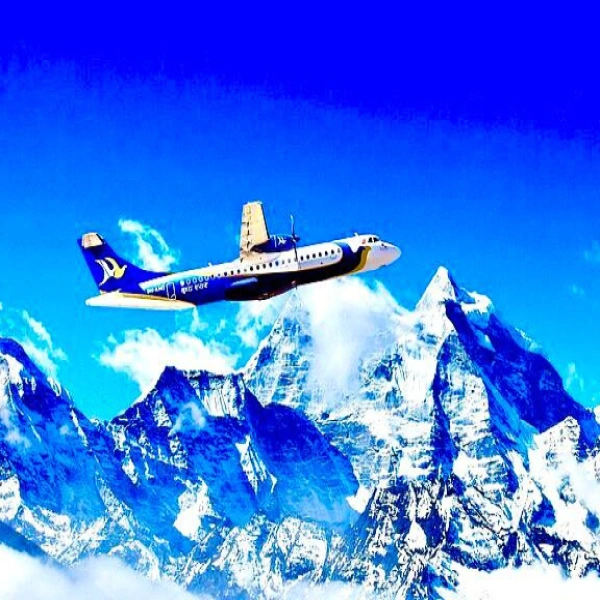
Most Everest Base Camp treks start with a 35-minute flight from Kathmandu (or Ramechhap) to Lukla. This is one of the most talked-about legs of the journey, partly because the Tenzing-Hillary Airport at Lukla has a reputation.
In recent years, a one-way ticket from Kathmandu to Lukla has cost between $215 and $255 USD during the regular season. Round-trip fares typically run $220 to $280 USD in total. During peak seasons (spring and autumn), prices go up, and availability gets tight. Book early if you're traveling in October or April.
During the monsoon, flights from Kathmandu get disrupted frequently. Many trekking agencies now route clients through Ramechhap Airport instead, which is a 4- to 5-hour drive from Kathmandu but offers more reliable departures. Flights from Ramechhap to Lukla are slightly cheaper, around $150 to $200 one way, but you'll spend on the road transfer.
Baggage limits on these flights are strict. Most carriers allow 10 to 15 kg total (including carry-on). If your bag is heavier, you pay extra. A porter covers this on the trail, not on the plane.
For those who prefer skipping the flight entirely, helicopter transfers to Lukla cost between $500 and $700 per person one way. Some trekkers book helicopter return trips from Everest Base Camp directly to Kathmandu, which runs $1500 to $2,200 USD depending on the charter.
Everest Base Camp Permit Costs
Three permits are required to trek to Everest Base Camp:
- Sagarmatha National Park Entry Permit: $30 USD per person. You buy this at the park entrance in Monjo or at the Nepal Tourism Board office in Kathmandu.
- Khumbu Pasang Lhamu Rural Municipality Permit: $20 USD per person. This is issued on-site at the checkpost in Monjo or Lukla.
- TIMS Card (Trekkers' Information Management System): $10 USD per person. Required for independent trekkers. If you're trekking with a registered agency, the agency handles the TIMS.
Total permit cost: $60 USD per person. It's one of the cheaper parts of the budget, but you can't trek without them.
If you're trekking through a registered Nepali agency like Holy Kailash Tours, the permits are usually included in the package. You'll just need to bring your passport photos and copies.
Guide and Porter Costs for the EBC Trek
This is where a lot of budget trekkers try to save money. Sometimes that works out. Sometimes it doesn't.
A licensed trekking guide in the Khumbu region charges between $25 and $40 USD per day. That includes their food, accommodation, and basic salary. Guides at the higher end of that range usually have more experience, better English, and a Wilderness First Responder certification or equivalent.
Porters charge between $18 and $25 USD per day, and they carry up to 15 to 20 kg. Hiring a porter is genuinely worth it. Trekking at altitude with a heavy pack increases your risk of altitude sickness. Many experienced trekkers who "don't need" a porter end up regretting that decision by the time they reach Dingboche.
If you're solo and budget-conscious, joining a group trek lets you share the guide cost across multiple trekkers, which can bring the per-person daily guide cost down to $20 to $25 USD.
Are guides mandatory? Technically, no. As of these years, solo trekking to Everest Base Camp is still permitted for foreigners. But most responsible agencies, including Holy Kailash Tours, strongly recommend hiring a guide. The trail above 4,500 meters is no place to figure out acclimatization symptoms on your own.
Accommodation Cost on the EBC Trail
The Khumbu region is well set up for trekkers. There are tea houses at every stop along the route from Lukla to Gorak Shep. What you pay varies a lot depending on the altitude and what you want.
At Everest's lower elevations (Phakding, Namche Bazaar), tea house rooms cost $8 to $15 USD per night for a basic double or twin. Higher up (Dingboche, Lobuche, Gorak Shep), the same basic room runs $15 to $30 USD because everything costs more to bring in.
Budget trekkers share rooms or choose dorms. Standard trekkers get private rooms with thin walls and decent blankets. Luxury trekkers can now access upgraded lodges in Namche, Tengboche, and a few other stops that have actual heating, attached bathrooms, and Western-style beds. These run $50 to $150 USD per night, sometimes more.
A few things worth knowing:
- Hot showers are not free. Most tea houses charge $2 to $5 USD per shower.
- Charging your devices also costs money. Expect to pay $1 to $3 USD per charge at most tea houses above Namche.
- Heated rooms are sometimes available for an extra fee, especially in the colder months.
Food and Drink Costs on the Trail
Food on the EBC trail is simple: dal bhat, fried rice, noodles, eggs, and soup. At lower elevations, a full meal costs $6 to $10 USD. By the time you reach Gorak Shep, the same meal is $12 to $18 USD.
This happens because everything at altitude is carried by a porter or a yak. There are no roads above Namche. The cost reflects logistics, not greed.
A realistic daily food budget:
- Budget trekker: $18 to $25 USD per day
- Standard trekker: $28 to $40 USD per day
- Trekker who likes coffee and extras: $40 to $55 USD per day
Water is a real consideration. Don't buy plastic water bottles at every tea house. Bring a good filter or purification tablets. Boiled water from tea houses costs $1 to $2 USD per liter. Hot drinks (tea, coffee, hot chocolate) run $2 to $4 USD each and go up in price with every 500 meters of altitude.
Everest Base Camp Gear and Equipment Cost
You don't need the most expensive gear. You do need the right gear.
Essential items for Everest Base Camp:
- Down jacket (rated to at least -10°C)
- Waterproof outer layer (jacket and pants)
- Trekking boots (broken in before the trip)
- Thermal base layers
- Fleece mid-layer
- Trekking poles
- Sleeping bag (rated to -10°C minimum, though tea houses provide blankets)
- Headlamp, sunglasses, sunscreen, blister kit
If you don't own these, Kathmandu's Thamel neighborhood has wall-to-wall gear shops. Name-brand gear is available, as are good-quality replica items. Renting sleeping bags and down jackets in Kathmandu costs $1 to $3 USD per day.
Budget estimate for buying essentials in Kathmandu (mix of local brands and rentals): $150 to $400 USD
If you're buying quality gear at home before the trip, expect to spend $500 to $1,200 USD, depending on what you already own.
Everest Trek Travel Insurance Cost
This is non-negotiable. Do not trek to Everest Base Camp without travel insurance that includes high-altitude helicopter evacuation.
Helicopter evacuations from altitude cost $5,000 to $8,000 USD. Without insurance, you pay that out of pocket. With the right insurance, you don't.
When buying insurance, confirm it covers:
- Trekking above 5,000 meters (some policies cut off at 4,000 or 4,500)
- Helicopter evacuation
- Emergency medical expenses
- Trip cancellation and delays
Reputable insurers for this trek include World Nomads, True Traveller, and Battleface. Cost for a 3- to 4-week policy from most Western countries: $80 to $200 USD, depending on your age, nationality, and coverage level.
Holy Kailash Tours requires every trekker to provide proof of adequate insurance before departure. It's not bureaucracy. It's because we've seen what happens when people don't have it.
Transportation Costs in Kathmandu
Before and after the trek, you'll spend a few days in Kathmandu. Typical costs:
- Airport to hotel taxi: $10 to $15 USD, depending on where you stay
- Local taxi rides: $8 to $12 USD per trip
- Tuk-tuk or electric three-wheeler: $4 to $6USD for short rides
- Pre-trek hotel (mid-range, Thamel): $35 to $60 USD per night
- Day trip to Boudhanath or Pashupatinath: $30to $45 USD, including transport
Budget $80 to $150 USD for Kathmandu transport and pre-trek days.
WiFi, Charging, and Hidden Costs
These are the expenses that sneak up on trekkers who haven't budgeted for them.
WiFi at tea houses costs $2 to $5 USD per hour, or $5 to $10 USD per day for a pass. Above Namche, it gets slower and more expensive. If you need reliable internet, buy a Ncell or Nepal Telecom SIM in Kathmandu with a data pack. Coverage is decent up to around Dingboche, patchy above that.
Electronic charging: $1 to $3 USD per device per charge. Budget $20 to $50 USD for this across the whole trek.
Tip: guides typically receive $8-$15 USD per day in tips. Porters receive $5 to $8 USD per day. On a 14-day trek, that's $100 to $200 USD in tips alone. This is expected and matters, especially for porter welfare.
Snacks: energy bars, chocolate, and nuts at tea houses cost $2 to $5 USD each at altitude. Bring some from Kathmandu.
Extra acclimatization days: occasionally needed. An extra day in Namche or Dingboche costs an additional $30 to $60 USD in food and accommodation.
Total estimated hidden costs: $100 to $250 USD.
Budget vs Standard vs Luxury: What's the Difference?
|
Feature
|
Budget
|
Standard
|
Luxury
|
|
Accommodation
|
Basic tea houses, shared rooms
|
Private rooms, mid-range lodges
|
Upgraded lodges, heated rooms
|
|
Food
|
Dal bhat, simple meals
|
Varied menu, good options
|
Full menu, Western food available
|
|
Guide
|
Shared or group guide
|
Private licensed guide
|
Experienced senior guide
|
|
Porter
|
1 shared porter
|
1 personal porter
|
Multiple support staff
|
|
Flights
|
Economy group bookings
|
Standard bookings
|
Flexible or helicopter
|
|
Overall feel
|
Independent, minimal
|
Comfortable and supported
|
Fully supported, high comfort
|
There's no wrong choice here. Many trekkers prefer the simplicity of a budget approach. Others find that having a dedicated guide genuinely changes the experience, especially at altitude.
Solo Trek vs Guided Trek: Cost and Practicality
Solo (independent) trekking on the Everest Base Camp trail is allowed. The trail is well-marked. Tea houses are plentiful. Many trekkers have done it and had a great time.
Cost saving of going solo vs guided: roughly $400 to $700 USD over the full trek (guide and porter costs).
The trade-offs are real, though. If you feel unwell above 4,000 meters, you're making medical decisions without anyone experienced beside you. Altitude sickness doesn't always feel dramatic at first. A guide who's walked this route dozens of times will notice symptoms before you do.
If you're set on going solo, at least carry a good altitude illness reference guide and the medication Diamox (after consulting a doctor).
Best Time to Trek and How It Affects Cost
Spring (March to May) and Autumn (September to November) are the main trekking seasons. Prices for flights, accommodation, and packages go up during these months. Expect to pay 10-25% more than shoulder-season rates.
Peak weeks: second and third weeks of October, and first two weeks of April. These are the most expensive and the most crowded.
Off-season trekking (December to February): it's cold. Very cold above 4,500 meters. But flights are cheaper, tea houses are quieter, and some agencies offer significant discounts. Budget trekkers who don't mind cold weather can save $200 to $500 USD on a full trip.
Monsoon (June to August): technically possible but not recommended. Trails are slippery, views are poor, and leeches are a real thing below the snowline.
How to Save Money on the EBC Trek
Real tips, not obvious ones:
- Rent gear in Kathmandu rather than buying everything at home. Quality rentals are available and honestly fine for a 2-week trek.
- Join a group departure from an agency. Sharing a guide across 4 to 6 trekkers cuts daily costs considerably.
- Bring snacks from Kathmandu. Supermarkets in Thamel sell energy bars and nuts for a fraction of what tea houses charge at altitude.
- Use a local SIM instead of paying for WiFi at every tea house. Ncell data is cheap in Kathmandu.
- Skip the hot shower every day. This sounds obvious, but it adds up.
- Book flights early. Lukla flights sell out during peak season. Last-minute bookings cost more.
- Travel in late September or early November instead of the peak October weeks.
- Carry a filter or purification tablets so you don't have to buy bottled water at altitude prices.
Is the Everest Base Camp Trek Worth the Cost?
This is the question that doesn't really have a financial answer.
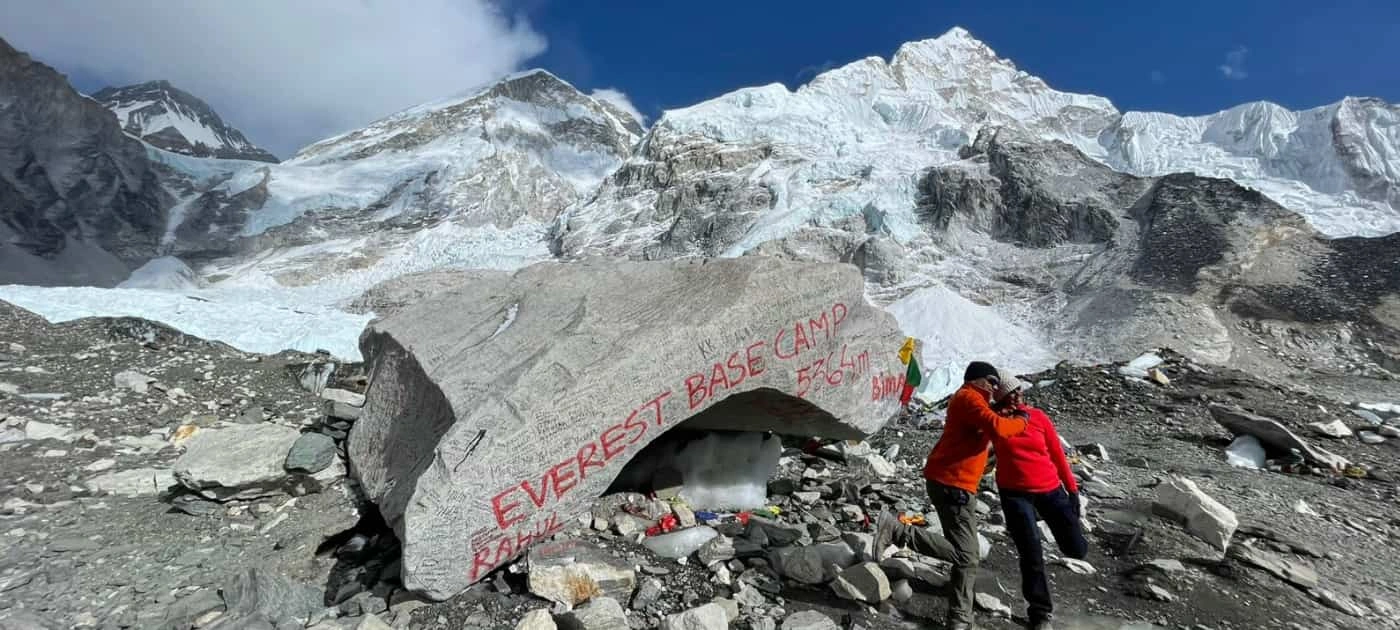
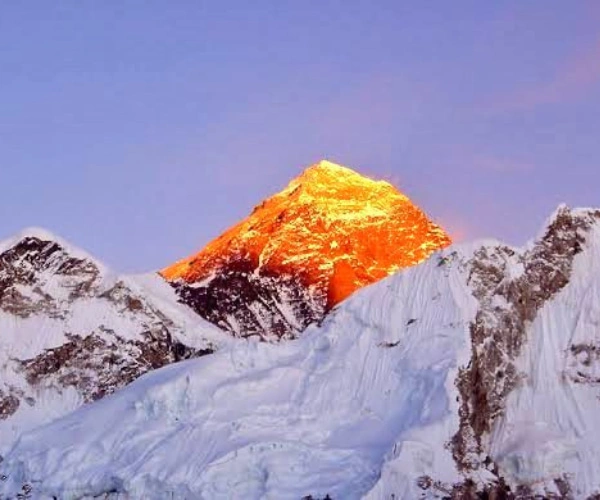
Standing at 5,364 meters and looking up at the Khumbu Icefall, knowing Everest's summit is somewhere in the clouds above you, is something you'll remember for the rest of your life. The trail takes you through Sherpa villages that have existed for centuries. You pass by monasteries where monks have been chanting the same prayers for generations. You share tea houses with strangers who become trail friends. Namche Bazaar on a Saturday morning, when the weekly market fills the square, is genuinely one of the more alive places I've encountered in the Himalayas.
Is $2,000 to $3,500 a lot for most people? Yes. Is it a lot for this? Most people who've done it say no.
Everest Base Camp Trek Packages by Holy Kailash Tours
At Holy Kailash Tours, we offer Everest Base Camp packages designed for different budgets and travel styles.
Our standard 14-day EBC package includes:
- Round-trip Lukla flights from Kathmandu or Ramechhap
- All permits (Sagarmatha, Khumbu municipality, TIMS)
- Experienced, licensed trekking guide
- Porter service (1 porter for every 2 trekkers)
- Tea house accommodation throughout
- Three meals per day during the trek
- Pre-trek briefing and emergency support
We also offer:
- Private departures for solo travelers or couples who want their own guide
- Group departures at scheduled dates, which reduce per-person costs
- Custom itineraries with extra acclimatization days or side trips to Gokyo or Kala Patthar
- Luxury add-ons, including upgraded lodges in Namche and Tengboche
Our guides are Nepali, most of them from the Khumbu region. They know the route, they know altitude sickness, and they know how to keep you moving safely. Contact us directly to discuss which package best fits your schedule and budget.
Frequently Asked Questions About Everest Base Camp Trek Cost
1. How much cash should I carry on the trek?
There are ATMs in Namche Bazaar, but they sometimes run out of cash or have connectivity issues. Carry enough Nepali rupees (roughly $200 to $300 USD worth) from Kathmandu to cover the full trek. Tea houses above Namche don't accept cards.
2. Is Everest Base Camp expensive compared to other Himalayan treks?
It's one of the pricier treks in Nepal, mainly because of the Lukla flight cost and the higher food and accommodation prices at altitude. The Annapurna Circuit is generally cheaper. That said, EBC is still far more affordable than comparable experiences in Patagonia or the Alps.
3. Can I do this trek on a very low budget?
Yes, but with limits. Permits, flights, and insurance are fixed costs. You can save on food, accommodation, and guide costs. A bare minimum budget (including flights within Nepal) is around $1,200 USD, but you'll be traveling uncomfortably and without a guide.
4. What does food cost at Everest Base Camp itself?
The tea house at Gorak Shep (the last stop before EBC) charges $12 to $18 USD for main meals. A hot chocolate is around $4 to $5 USD. It's expensive because it's so remote.
5. Is travel insurance really mandatory?
It's not legally required, but it should be. A helicopter evacuation from altitude can cost $5,000 to $8,000 USD. Most embassies advise against trekking above 4,000 meters without it. We at Holy Kailash Tours won't take groups up without confirmed insurance.
6. Are guides mandatory on the EBC trail?
As of 2026, no. But hiring one is strongly recommended. The financial cost is modest compared to the safety value, especially above 4,500 meters.
7. What's the cheapest time to do the Everest Base Camp trek?
Late November through February is the cheapest. The weather is cold and clear. Flights and lodges are easier to book. If you have the right gear and don't mind cold mornings, it's actually a beautiful time on the trail.
8. How much should I tip my guide and porter?
A general guideline: $8 to $15 USD per day for your guide, $5 to $8 USD per day for your porter. On a 14-day trek with a private guide and one porter, that's roughly $150 to $220 USD in tips. It's expected, and for local staff, it's a meaningful part of their income.
Ready to Plan Your Everest Base Camp Trek?
If you're serious about trekking to Everest Base Camp, we'd love to help you plan it properly. Holy Kailash Tours has been organizing EBC treks for international travelers for years. We know the trail, we know the costs, and we know how to make sure you get there and back safely.
Get in touch with our team in Kathmandu for a detailed quote, package options, or just honest answers to your questions. No sales pressure. Just straight information.
Contact Holy Kailash Tours: Visit us at our office in Kathmandu, reach out via our website, or email us directly. We're happy to help you figure out what this trek will actually cost for your situation, and what you need to prepare.
The mountain will still be there next season. But if you're planning for the EBC trek, start the conversation now.
Final Thought
The Everest Base Camp trek isn't cheap. But it's also not the kind of experience you compare to a beach holiday or a city break. You're walking to the foot of the world's highest mountain, through one of the most remote and culturally rich landscapes on earth. The cost covers more than logistics. It covers the people who carry your bag, cook your meals at 5,000 meters, and keep you safe when the altitude hits harder than expected.
Budget carefully. Don't cut corners on insurance or a good guide. Bring enough cash. And give yourself an extra day in Namche if your body asks for it.
If you plan it right, the money spent won't be something you think about once you're on the trail. You'll be too busy looking up.
Holy Kailash Tours is here when you're ready to take that first step. Reach out to our team in Kathmandu, and we'll help you put together a trek that fits your timeline, your budget, and the kind of experience you're actually after.