Everest Base Camp Trek Highlights
The Everest Base Camp trail throws something new at you almost every day. Here's what you'll actually experience on this route.
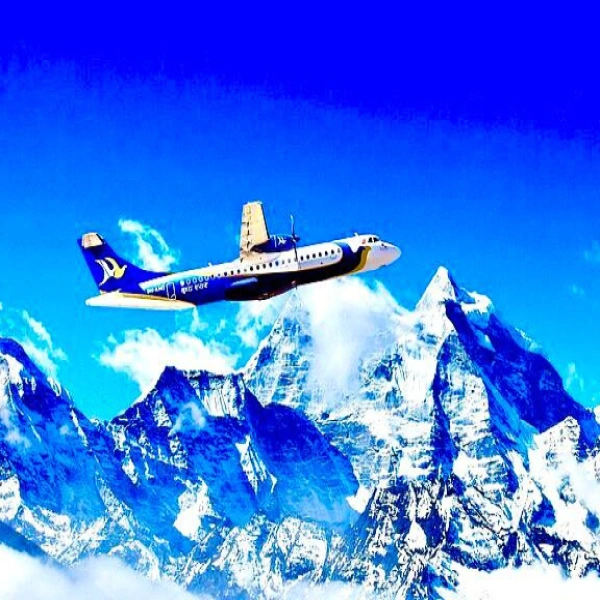
The mountain flight from Kathmandu to Lukla is one of the most thrilling short flights in the world. The airstrip at Lukla sits on a cliff edge at 2,860 meters. You land, step off the plane, and the trekking begins.
Namche Bazaar is a proper mountain town. There are bakeries, gear shops, a good espresso if you need one, and on clear mornings, your first real view of Everest from the hillside above town.
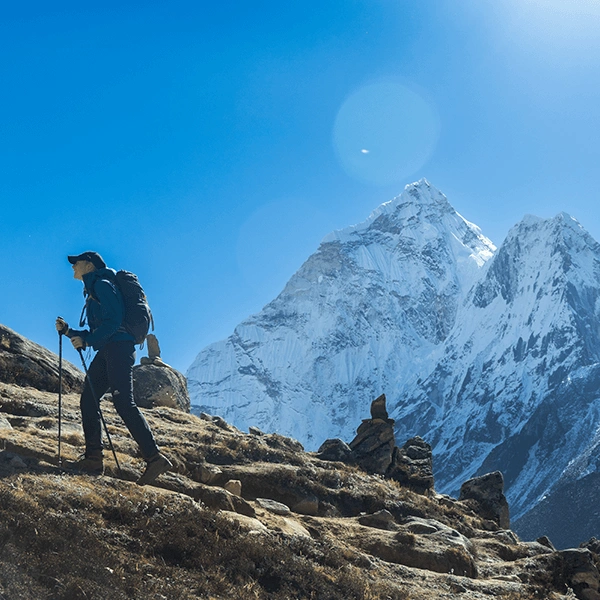
Tengboche Monastery sits at 3,867 meters, with views of Ama Dablam, Nuptse, and Everest that you'll be describing to people for years. Watching monks perform the morning puja here is one of those quiet moments that doesn't make it into many travelogues but stays with you.
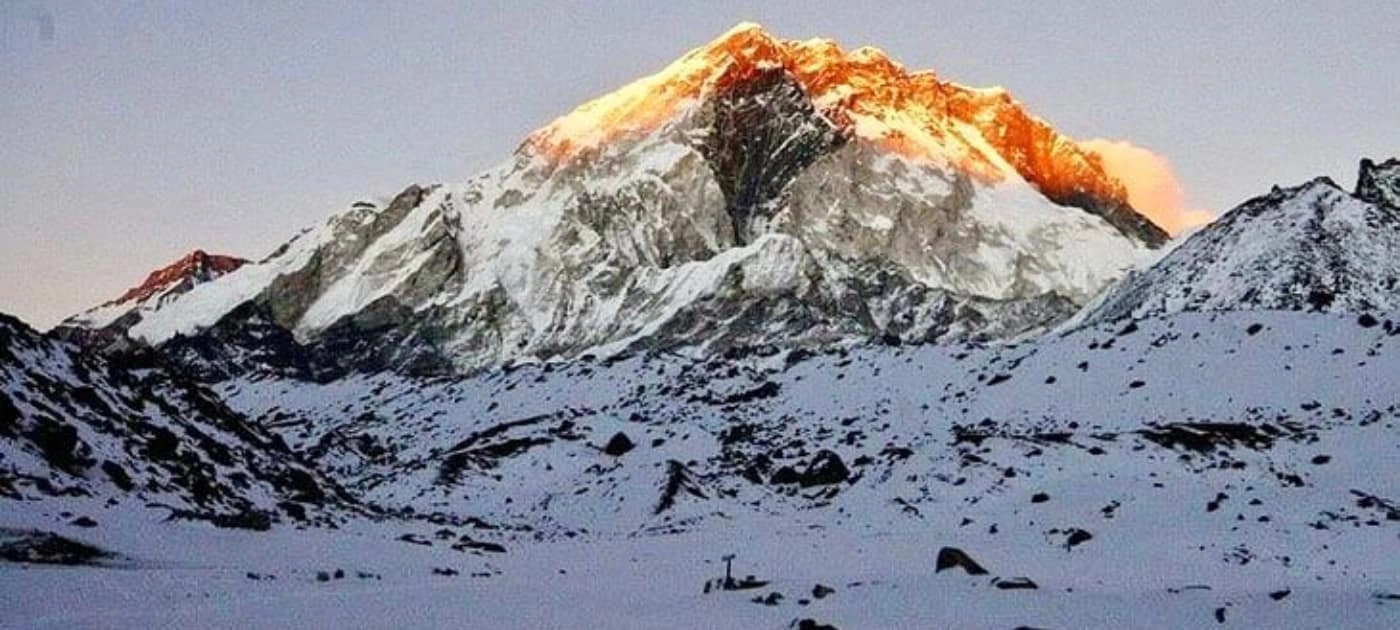
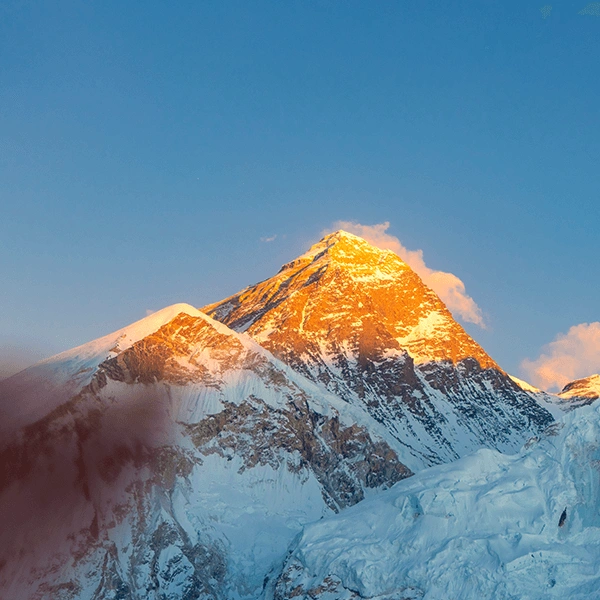
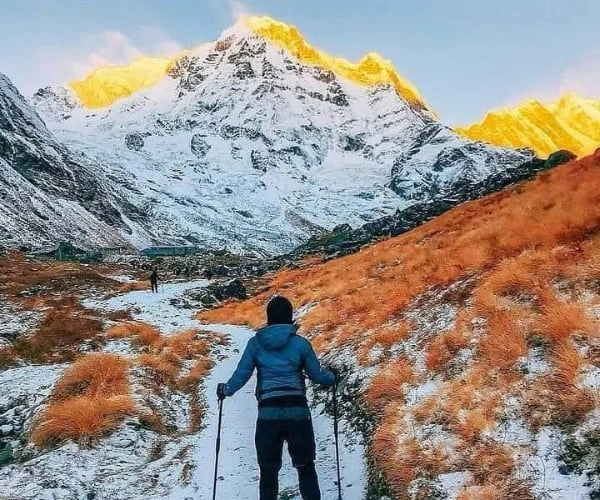
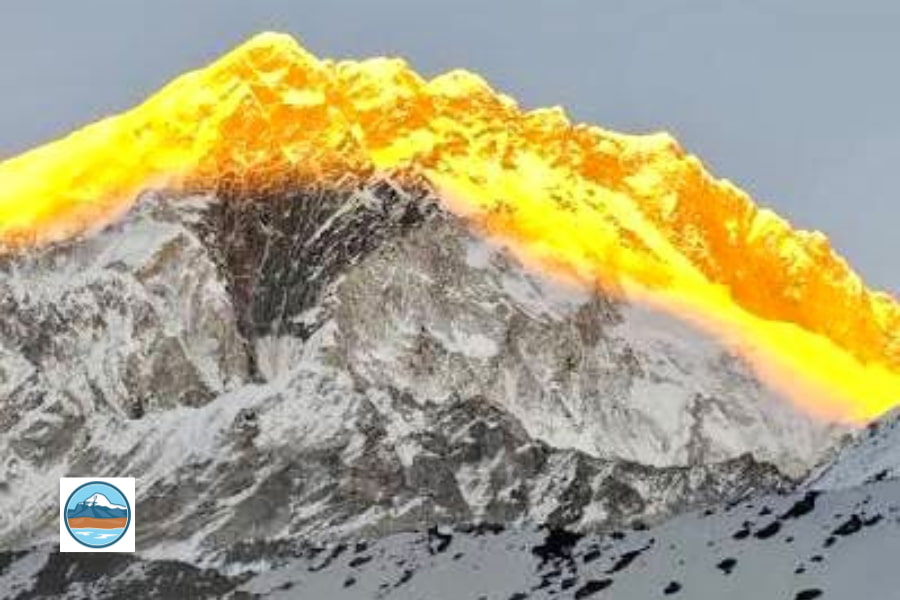
Kala Patthar at sunrise is why most people do this trek. You scramble up a rocky ridge at around 5 am, cold and half-awake, and then the sun hits Everest's south face and turns it gold. Worth every step.
Trek Highlights:
- Scenic mountain flight to Lukla
- Explore Namche Bazaar, the gateway to the Khumbu
- Visit Tengboche Monastery and watch the morning puja
- Trek through Sagarmatha National Park
- Reach Everest Base Camp at 5,364 m
- Sunrise from Kala Patthar with full Himalayan panorama
- Experience Sherpa culture, village life, and Buddhist traditions
- Cross famous suspension bridges over glacial rivers
- Views of the Khumbu Glacier and surrounding peaks
Why Choose the 14-Day Everest Base Camp Trek?
You can find 12-day and even 10-day EBC packages online. Some people do them. Some people also get altitude sickness on day eight and have to be evacuated.
The 14-day Everest Base Camp trek includes two proper acclimatization days: one at Namche Bazaar and one at Dingboche. These aren't wasted days. You hike to a higher elevation, eat lunch, and come back down to sleep. This process helps your body produce more red blood cells and adjust to thinner air. Skip it, and you're gambling with your health.
The pace is also just better. You're not rushing. You have time to sit outside a teahouse and watch the clouds move across Lhotse. You have time to actually talk to the Sherpa guides and understand what life in these villages looks like. A 12-day itinerary can feel like you're always trying to catch up.
For first-time trekkers and most international visitors, 14 days is the right choice. It's the classic Everest trek format, and there's a reason it's remained the most popular option for decades.
Everest Base Camp Trek 14 Days Detailed Itinerary
Day 1: Arrival in Kathmandu (1,400 m)
Your Holy Kailash Tours guide meets you at Tribhuvan International Airport and takes you to your hotel in Thamel, Kathmandu's main tourist neighborhood. After you settle in, there's a pre-trek briefing where you'll meet your lead guide, check your permits, and go through the route. If you've never been to Kathmandu, the chaos and color of it can be a bit of a jolt. That's normal. Wander around Thamel in the evening, get a good meal, and sleep early.
Day 2: Fly to Lukla and Trek to Phakding (2,610 m)
The Lukla flight is roughly 40 minutes from Kathmandu and one of the most talked-about short flights in aviation. The runway ends at a cliff. It's fine. Thousands of trekkers do it every season. Once you land at Lukla (2,860 m), you start your first day on the trail.
The hike to Phakding takes about 3 to 4 hours. The terrain is gentle, the trail follows the Dudh Kosi river, and you'll cross your first suspension bridge. It's a good warm-up, overnight in Phakding.
Elevation: 2,860 m (Lukla) to 2,610 m (Phakding) Walking time: 3 to 4 hours
Day 3: Trek from Phakding to Namche Bazaar (3,440 m)
This is one of the more demanding days early in the trek. You cross several suspension bridges, including the famous Hillary Bridge high above the Dudh Kosi gorge, and climb steadily through Sagarmatha National Park. Just before Namche, if the weather is clear, you get your first view of Everest.
The final climb up to Namche Bazaar is steep and earns its reputation. But arriving in this busy, colorful town after that climb feels like the trek has officially started.
Elevation gain: approx. 830 m Walking time: 5 to 6 hours
Day 4: Acclimatization Day at Namche Bazaar (3,440 m)
Don't stay in bed. That's not how acclimatization works. The recommended approach is to hike up to the Everest View Hotel (3,880 m) in the morning for coffee and your best view yet of Everest, Lhotse, and Ama Dablam, then return to Namche for the afternoon. This climb-high, sleep-low method is what makes the difference in how your body adjusts.
Namche has a good Saturday market, a few museums about Sherpa history, and decent food. It's worth taking the afternoon slowly.
Day 5: Trek from Namche Bazaar to Tengboche (3,867 m)
The trail from Namche climbs and dips through rhododendron forests with constant views of the high peaks. You pass through Kyangjuma and Phunki Thanka before the final climb up to Tengboche.
Tengboche Monastery is the largest in the Khumbu region. The views from the monastery grounds are extraordinary. On a clear afternoon, you can see Everest, Nuptse, Lhotse, and Ama Dablam all at once. Try to be there for the evening puja.
Walking time: 5 to 6 hours
Day 6: Trek from Tengboche to Dingboche (4,410 m)
The landscape starts to change noticeably in this section. Trees thin out, the terrain becomes more open and alpine, and the air gets noticeably thinner. You pass through Pangboche, one of the oldest Sherpa villages in the Khumbu, before reaching Dingboche in the afternoon.
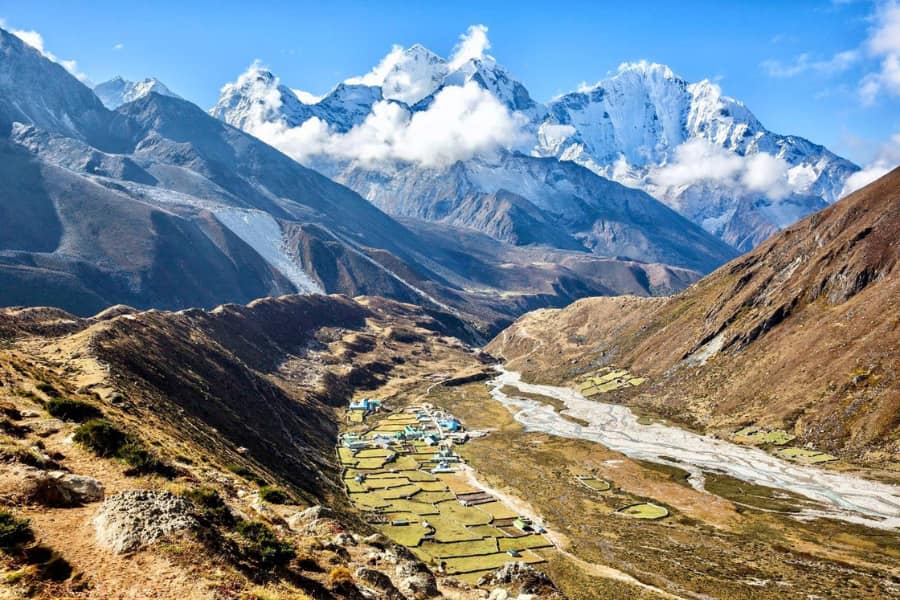
Dingboche sits in a wide valley with stone-walled potato fields. It's a significant altitude gain, and some people feel the effects here for the first time. Drink plenty of water, eat well, and take it easy that evening.
Elevation: from 3,867 m to 4,410 m Walking time: 5 hours
Day 7: Acclimatization Day at Dingboche (4,410 m)
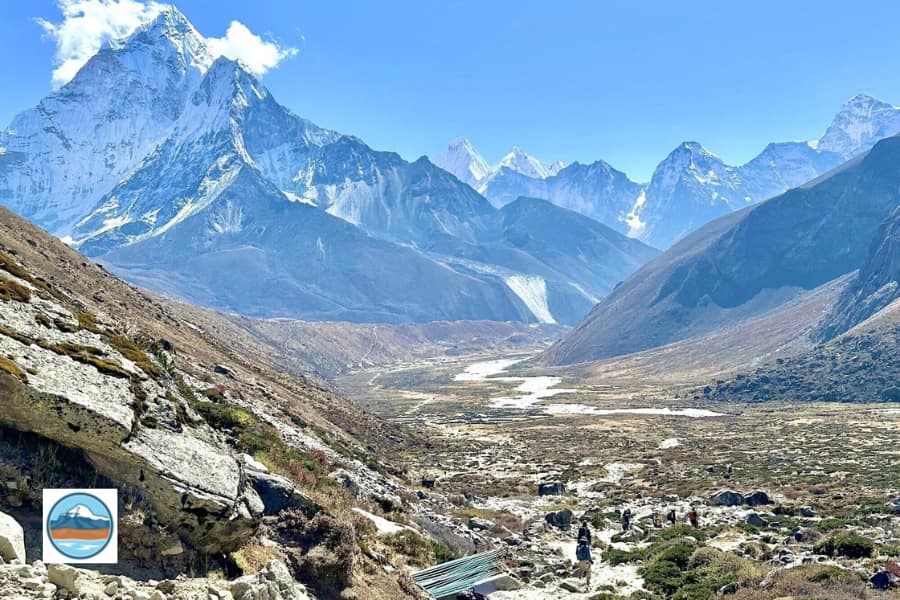
The second acclimatization day is just as important as the first. A common side hike from Dingboche leads to Nangkartshang Peak (about 5,083 m), offering wide views of Makalu, Lhotse, and the Amphu Labtsa. Your body needs this day to adapt before you push higher.
Headaches are common at this altitude. They're usually manageable with water, rest, and ibuprofen. If someone feels nauseous or has trouble breathing at rest, that's a different conversation.
Day 8: Trek from Dingboche to Lobuche (4,940 m)
The trail crosses the lateral moraine of the Khumbu Glacier and passes the Thukla Pass memorial, where stone monuments honor climbers who died on Everest. It's a sobering stretch of trail that puts the mountain in a different perspective.
Lobuche is a small collection of teahouses at the edge of the glacier. Cold, exposed, and very beautiful in a harsh sort of way. The views from here are among the best on the entire trek.
Walking time: 4 to 5 hours
Day 9: Trek to Everest Base Camp and Return to Gorakshep (5,164 m)
This is the day. You start early from Lobuche, reach Gorakshep (5,164 m) for breakfast, drop your bags, and continue across the glacier moraine toward Everest Base Camp.
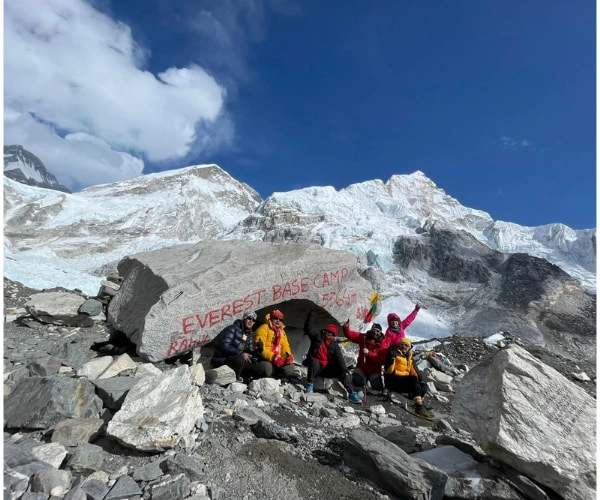
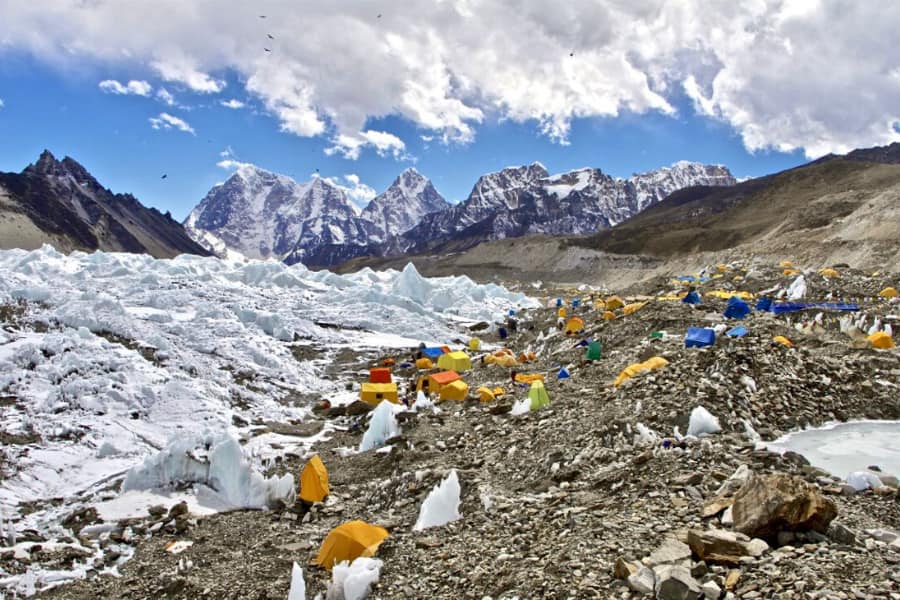
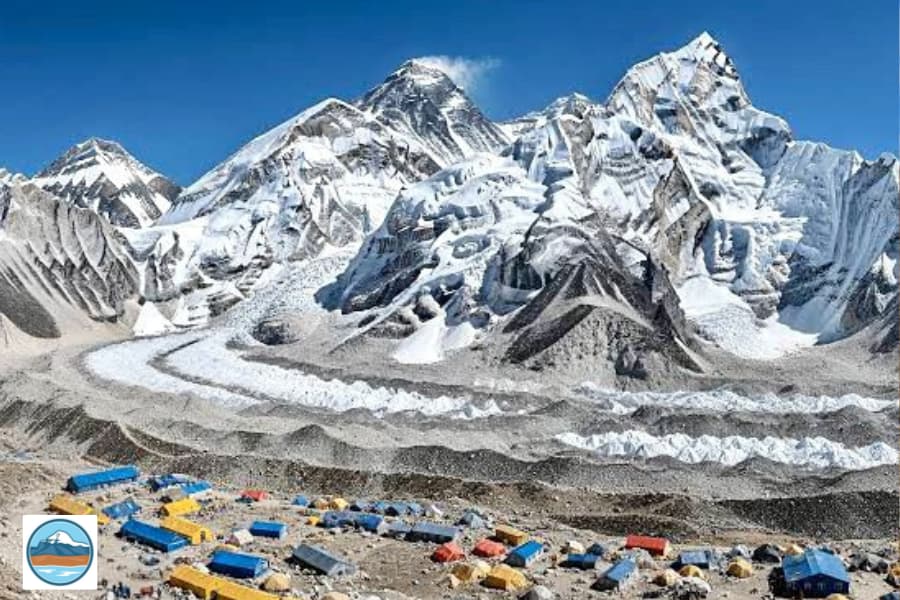
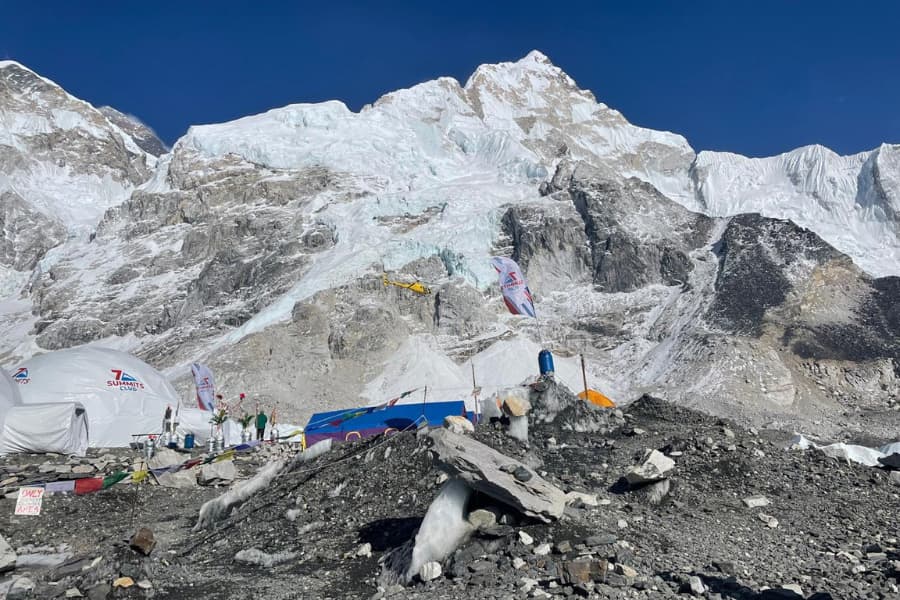
Base camp itself is 5,364 meters above sea level. During spring climbing season, you'll see the patchwork of expedition tents spread across the glacier. In autumn, it's quieter. Either way, standing there at the foot of the Khumbu Icefall with the mountain above you is something people spend years working toward.
The return to Gorakshep takes another couple of hours. Most people feel a mix of exhaustion and disbelief at this point.
Walking time: 8 to 9 hours total. Highest point of the trek: 5,364 m
Day 10: Hike to Kala Patthar and Trek to Pheriche (4,280 m)
Wake up at 4 or 5 am. It will be cold. Hike up Kala Patthar (5,545 m) in the dark and wait for the sun. When it comes, it hits Everest's summit pyramid and spreads down the face in shades of orange and gold. Every photograph you've seen of this view was taken from right here.
After sunrise, you descend all the way to Pheriche. It's a long descent but easier on the lungs, and the altitude drop makes most people feel better almost immediately.
Walking time: 7 to 8 hours
Day 11: Trek from Pheriche to Namche Bazaar (3,440 m)
A long descent back through familiar terrain. You move fast, going downhill, pass through Pangboche and Tengboche again, and reach Namche by late afternoon. The mountain views on the return feel different when you know where you've just come from.
Celebrate at one of the cafes in Namche. You've earned it.
Walking time: 6 to 7 hours
Day 12: Trek from Namche Bazaar to Lukla (2,860 m)
The final trekking day brings you back down to Lukla through the forests and bridges you first crossed on day three. The trail feels familiar now. You might recognize teahouse owners and other trekkers you passed on the way up. Arrive in Lukla, check in, have dinner with your guide and porter, and reflect on what you just did.
Walking time: 6 hours
Day 13: Fly Back to Kathmandu
Morning flights back to Kathmandu, weather permitting. Lukla flights depend entirely on visibility, so be flexible with your schedule. Holy Kailash Tours factors this into our post-trek planning.
Back in Kathmandu, the afternoon is yours—hot shower, real food, maybe a massage.
Day 14: Final Departure
Transfer to Tribhuvan International Airport for your onward flight. Your Holy Kailash Tours representative will confirm your pickup time the evening before.
Everest Base Camp Trek Cost Breakdown
The total cost of an EBC trek package varies based on the level of service, group size, and time of year. Here's a realistic breakdown.
Budget trekking (teahouse, shared rooms, local guides): USD 1,400 to 1,600 per person
Standard trekking (private rooms where available, experienced English-speaking guide, all-inclusive package): USD 1,600 to 2,200 per person
Comfort/premium trekking (better lodges, private rooms, added services): USD 2,500 to 3,500 per person
These ranges typically include Lukla flights, permits, a guide, a porter, teahouse accommodation, and meals during the Everest View Trek. They don't include international flights, Nepal visa, personal gear, tips, or travel insurance.
What Is Included in the Everest Base Camp Trek Cost?
When you book a standard EBC package with Holy Kailash Tours, here's what's covered:
- Airport transfers on arrival and departure in Kathmandu
- Two nights' hotel accommodation in Kathmandu (3-star, breakfast included)
- Kathmandu to Lukla return flight (both legs)
- Sagarmatha National Park entry permit
- Khumbu Pasang Lhamu Rural Municipality permit (TIMS replacement)
- Licensed English-speaking trekking guide
- One porter per two trekkers (carrying up to 15 kg)
- Teahouse accommodation during the trek (twin sharing)
- Three meals per day on the trek (breakfast, lunch, dinner)
- First aid kit and basic emergency support
- All government taxes and service charges
What Is Excluded from the Package?
- International flights to and from Nepal
- Nepal visa fees (currently USD 30 for 15 days, USD 50 for 30 days)
- Travel and medical insurance (required)
- Alcoholic and soft drinks, extra snacks
- Hot shower fees at teahouses (usually USD 2 to 5)
- WiFi and phone charging fees
- Personal trekking gear and clothing
- Tips for guides and porters (expected and appreciated)
- Any costs from weather delays in Lukla
Everest Base Camp Trek Permit Costs
You need two permits for the Everest Base Camp trek. Both are straightforward to arrange, and Holy Kailash Tours handles them as part of the package.
Sagarmatha National Park Permit: NPR 3,000 (approx. USD 22 to 25) for foreign nationals. This covers entry into the national park, which the trail passes through from Monjo onward.
Khumbu Pasang Lhamu Rural Municipality Permit: NPR 2,000 (approx. USD 15). This replaced the old TIMS card for the Khumbu region.
Total permit cost: roughly USD 40 per person. Both are checked at entry gates on the trail, so carry them with you.
Accommodation and Food Cost During the Trek
Teahouses are the standard option on the EBC route. They range from basic shared rooms with thin mattresses and communal bathrooms near Lukla, to more comfortable lodges with attached bathrooms and proper beds at Namche. Higher up (Lobuche, Gorakshep), they get more basic again.
Room cost: USD 5-15 per night, depending on altitude and season. Many teahouses offer free or cheap rooms if you eat your meals there.
Meals: Budget around USD 25-35 per day for three meals. Dal bhat (lentil soup, rice, and vegetables) is the best value and solid fuel for trekking. Pasta, noodles, and fried rice are common. Prices increase with altitude.
Total food and accommodation on the trail: roughly USD 300-500 for the trek portion if you're eating and sleeping at the teahouses.
Kathmandu to Lukla Flight Cost
The Lukla flight costs between USD 200 and 250 per person each way, depending on the season and airline. Return flights from Lukla to Kathmandu cost about the same.
Spring (March to May) and autumn (September to November) are peak seasons, so book early. Flights are operated by small twin-otter or similar aircraft and are entirely weather-dependent. Delays happen, sometimes for a day or two. Build a buffer into your itinerary before any onward international flights.
Guide and Porter Cost for Everest Base Camp Trek
If you're booking a package, guide and porter costs are usually included. If you're arranging separately, here's what to expect.
Licensed trekking guide: USD 25 to 35 per day, plus food, accommodation, and a tip at the end.
Porter: USD 18 to 25 per day, plus food, accommodation, and tip. A porter carries up to 15 to 20 kg and makes a real difference to how much you enjoy the trek. Don't try to go without one if you're carrying a full pack.
Hiring local guides and porters through a registered operator like Holy Kailash Tours ensures they're properly paid, insured, and equipped. This matters on a high-altitude trek where conditions can turn fast.
Best Time for Everest Base Camp Trek
There are two main seasons for EBC trekking, and both are genuinely good for different reasons.
Spring (March to May) is the most popular season. The weather is warming up, rhododendrons are in bloom on the lower trail, and conditions are generally stable. May is the Everest climbing season, so base camp is full of expedition teams if you arrive then. Expect more trekkers on the trail.
Autumn (September to November) is the preferred time for many experienced trekkers. The skies are crystal clear after the monsoon, visibility is excellent, and the crowds are slightly thinner than in spring. October is the peak of peak season, so book everything well in advance.
Avoid: June, July, and August (monsoon, the trail is muddy, and views are often blocked). December and January are possible but very cold, with some high passes and trails becoming icy.
Everest Base Camp Trek Difficulty Level
The EBC trek is rated moderate to challenging. You don't need technical climbing skills or prior mountaineering experience. But you do need a reasonable base fitness level and some mental stamina.
The main challenges are:
Altitude: The trail reaches 5,545 m at Kala Patthar. Altitude affects everyone differently. Fitness helps, but it doesn't make you immune to AMS.
Distance: You'll cover around 130 km of trail over the full route. Daily distances range from 10 to 16 km.
Duration: Long walking days of 5 to 9 hours are normal, especially toward the top.
Terrain: Rocky paths, steep ascents, moraine scrambling above Lobuche.
Most reasonably fit people who train for 6 to 8 weeks before the trek do fine. Holy Kailash Tours recommends cardiovascular fitness (hiking, running, stair climbing) and a few overnight hiking trips before you go, if possible.
Altitude Sickness and Acclimatization Tips
Acute Mountain Sickness (AMS) is real and can affect anyone, regardless of fitness level. Taking it seriously is not paranoia; it's just good sense.
Signs of AMS: persistent headache, nausea, dizziness, loss of appetite, difficulty sleeping, fatigue beyond what the day's hike explains.
Prevention tips:
- Follow the acclimatization days in your itinerary. Don't skip them.
- Drink 3 to 4 liters of water daily on the trail.
- Climb high, sleep low whenever possible.
- Avoid alcohol in the first few days after gaining significant altitude.
- Walk slowly. Slow is actually fast when you're above 4,000 m.
- Talk to your guide honestly about how you're feeling.
Diamox (Acetazolamide): Some trekkers take it as a preventative. Consult your doctor before the trip about whether it's right for you.
The golden rule: if symptoms get worse after 24 hours of rest, descend. No view is worth your health.
Packing List for Everest Base Camp Trek
Pack light. You'll thank yourself. A porter can carry 15 kg, so aim to keep your daypack under 8 to 10 kg on the trail.
Clothing:
- Down jacket (essential above Namche)
- Thermal base layers (top and bottom)
- Trekking pants and shorts
- Fleece mid-layer
- Waterproof shell jacket and pants
- Warm gloves and a hat
- Sun hat or buff
- Wool or synthetic trekking socks (bring several pairs)
Gear:
- Trekking boots (broken in before the trip)
- Sleeping bag rated to at least -10°C
- Trekking poles (save your knees on the descent)
- Headlamp with extra batteries
- Sunglasses with UV protection (essential on the glacier)
- Sunscreen SPF 50+
- Water bottles or a hydration bladder
- Purification tablets or a filter
Other essentials:
- Passport and permit copies
- Basic first aid kit (blister treatment, ibuprofen, Diamox if prescribed)
- Power bank
- Snacks (energy bars, nuts, chocolate)
- Cash in Nepali rupees (ATMs in Namche, nowhere else on the trail)
Travel Insurance for Everest Base Camp Trek
Travel insurance isn't optional for the EBC trek. It's a requirement.
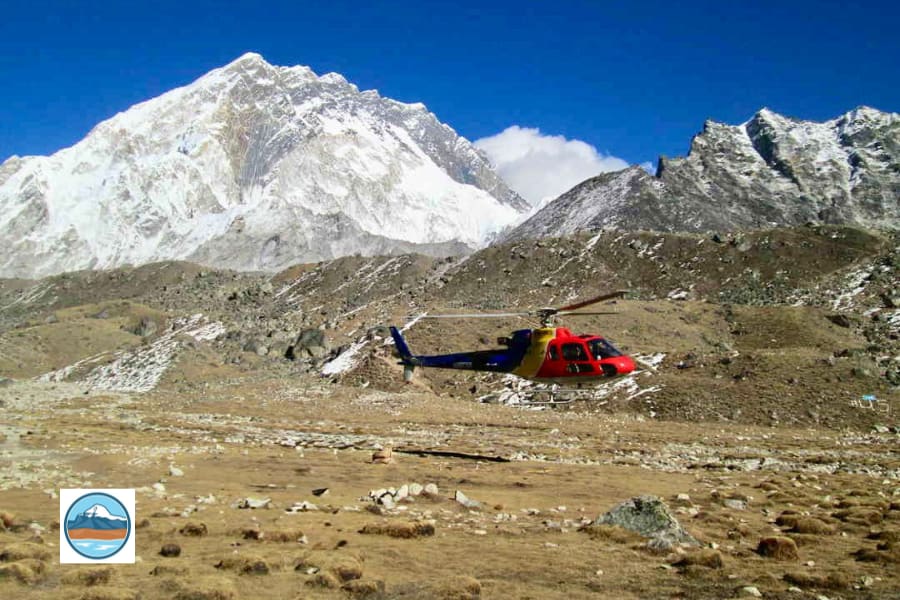
Your policy needs to cover high-altitude trekking up to at least 6,000 m and, critically, helicopter evacuation. Helicopter rescue from the upper Khumbu costs between USD 5,000 and 15,000. Without insurance, you or your family pays that bill.
Look for policies that cover medical evacuation, trip cancellation, and emergency hospitalization. World Nomads and True Traveller are commonly used by EBC trekkers, but shop around based on your nationality and coverage needs.
Holy Kailash Tours requires proof of adequate travel insurance before departure.
Why Book with Holy Kailash Tours
There are a lot of trekking operators in Nepal. Here's what we think makes Holy Kailash Tours worth choosing for your EBC trek.
Our guides are licensed, experienced, and actually know the Khumbu region well. They're not reading from a script. They've done this route dozens of times, know the teahouse owners by name, and can spot the early signs of altitude sickness before you're aware anything's wrong.
We keep our groups small. You're not part of a group of 20 people moving at the speed of the slowest member. We build itineraries around your pace and needs.
We handle every logistical detail: permits, Lukla flight bookings, teahouse reservations during peak season, and airport transfers. You don't have to figure any of that out.
We also believe in fair treatment for the people who make these treks possible. Our porters are properly paid, insured, and equipped. They carry appropriate loads and are never asked to do otherwise.
For questions, custom itineraries, or group bookings, get in touch with Holy Kailash Tours directly through our Kathmandu office or website.
FAQs About the Everest Base Camp Trek 14 Days
1. How difficult is the Everest Base Camp Trek 14 Days?
Moderate to challenging. You don't need technical climbing skills, but you do need reasonable fitness and the ability to walk 5 to 9 hours daily at high altitude. Good preparation makes a real difference.
2. What is the total cost of the Everest Base Camp Trek?
A standard all-inclusive 14-day EBC package from Holy Kailash Tours costs between USD 1,600 and 2,200 per person. Budget options start around USD 1,200. You'll also need to account for your Nepal visa, travel insurance, personal gear, and tips.
3. How many kilometers is the Everest Base Camp Trek?
The round trip from Lukla to Everest Base Camp and back is approximately 130 km. Daily distances range from 10 to 16 km.
4. Do I need previous trekking experience for EBC?
Not technically, but it helps a lot. If you've done multi-day hiking trips, you'll know what to expect. First-timers can complete the trek with proper preparation and a good guide.
5. What is the best month for the Everest Base Camp Trek?
October and November for clear skies and excellent visibility. April and May for warmer weather and rhododendron blooms. Both seasons are popular, so book several months in advance.
6. Is altitude sickness common during the trek?
Mild symptoms like headaches and fatigue are common above 3,500 m. Serious AMS is less common when you follow a proper acclimatization schedule. The 14-day itinerary is designed to significantly reduce the risk.
7. Can beginners do the Everest Base Camp Trek?
Yes, with the right preparation. Six to eight weeks of regular hiking and cardio training before the trip, plus a willingness to walk slowly and listen to your guide, go a long way.
8. What permits are required for the Everest Base Camp Trek?
Two permits: the Sagarmatha National Park entry permit (approx. USD 22) and the Khumbu Pasang Lhamu Rural Municipality permit (approx. USD 15). Holy Kailash Tours arranges both as part of the package.
Final Thoughts
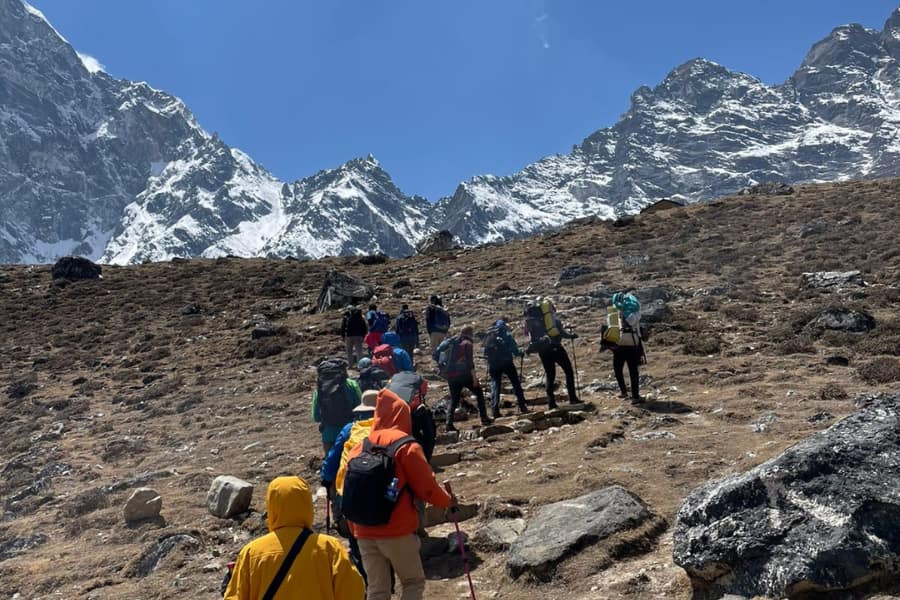
The Everest Base Camp trek is one of those trips that sticks with you. Not because it's extreme (it's not, by mountaineering standards), but because you spend 14 days walking through some of the most dramatic mountain terrain on the planet, living simply, moving slowly, and working toward something real at the end of it.
Standing at base camp, looking up at the Khumbu Icefall with Everest above you, is something you won't forget. Neither are the smaller things: the sound of a suspension bridge swaying over a gorge, a bowl of dal bhat after a long day, a conversation with a Sherpa guide who's crossed these passes more times than he can count.
Holy Kailash Tours is here to help you plan this trip properly. Experienced local guides, a pace that doesn't leave you gasping, and logistical support from the moment you land in Kathmandu. If you're ready to start planning your Everest Base Camp trek, reach out to us and we'll build an itinerary around your timeline and fitness level.
The window for spring trekking opens in March. Autumn fills up fast. Start planning before the season does.
If you're serious about doing this trip, working with an experienced operator like Holy Kailash Tours removes the most stressful parts of the planning and lets you arrive ready for the experience itself.