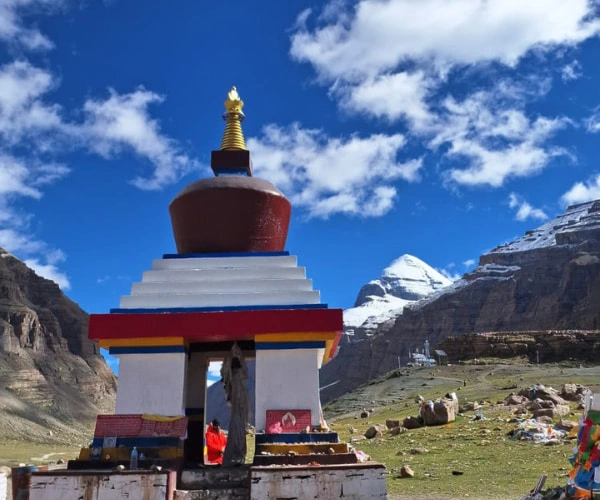
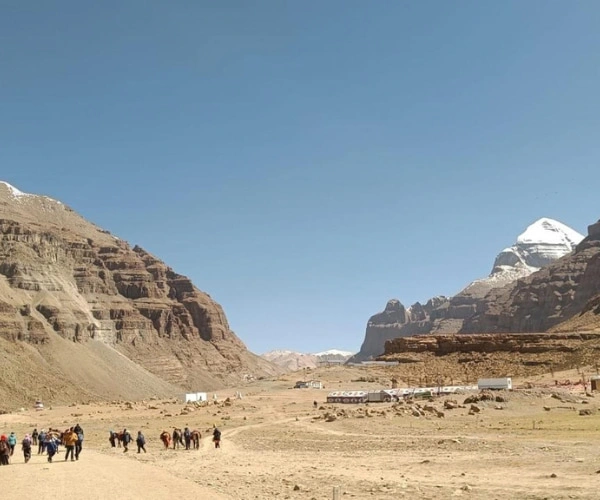
Where Are Mount Kailash and Lake Mansarovar Located?
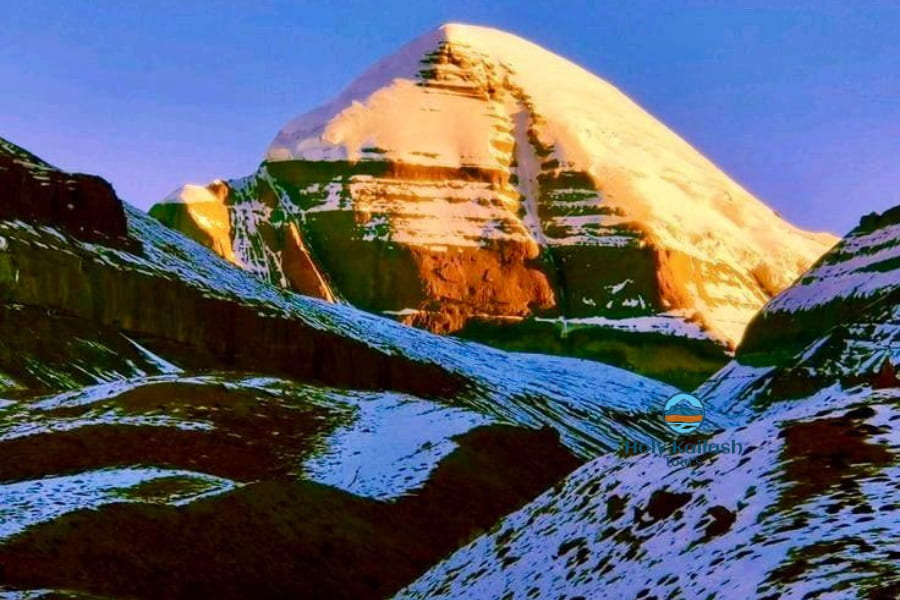
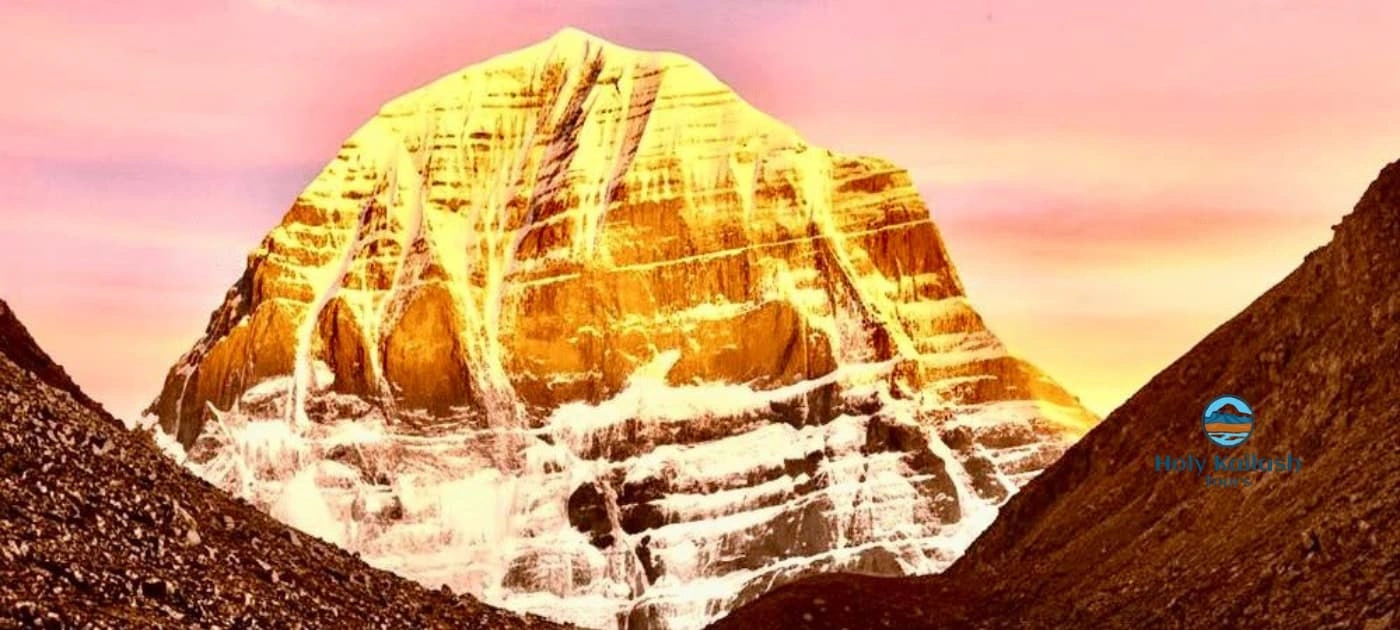
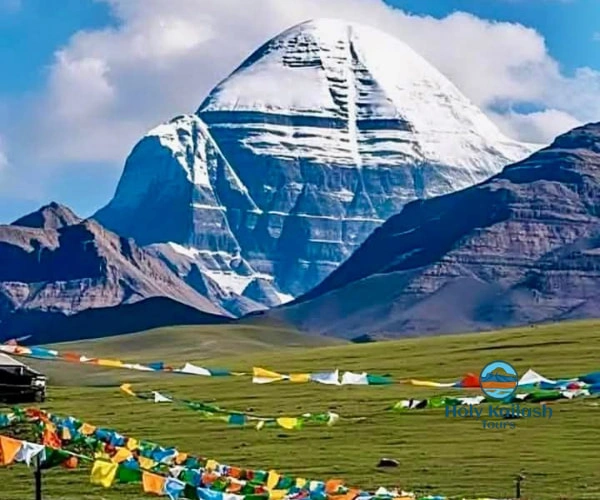
Mount Kailash is in western Tibet and is at an elevation of 6,638 meters. It's part of the Gangdise Range, and it stands alone in a way that most high-altitude mountains don't. No other major peak crowds it. From the right angle, especially during the Kora, it's just there, in full view, dominating the plateau.
Lake Mansarovar is about 30 kilometers southeast of the mountain. At 4,590 meters above sea level, it's one of the highest freshwater lakes in the world. The lake covers roughly 320 square kilometers. On a clear morning, the reflection of Kailash on the water is one of those things you don't forget.
Both sites fall within the Tibet Autonomous Region of China. The nearest Tibetan town of any size is Darchen, which sits at the base of the mountain and serves as the starting point for the Kora.
Why the Kailash Mansarovar Route Is Spiritually Important
Mount Kailash is not a standard trekking destination. It's the most sacred mountain in Asia, revered across four religions: Hinduism, Buddhism, Jainism, and Bon. Hindus believe it's the home of Lord Shiva. Buddhists consider it the navel of the universe. Jains call it Mount Ashtapada, where their first Tirthankara attained liberation. Bon practitioners have their own ancient tradition connected to the mountain.
Lake Mansarovar carries a similar weight. Bathing in its waters or simply completing a parikrama (circumambulation) of the lake is believed to wash away lifetimes of karmic debt.
For many pilgrims, this isn't a vacation. It's something they've waited their entire lives to do. The route to get there is part of the journey, not just a logistical step.
Main Routes to Kailash Mansarovar from Nepal
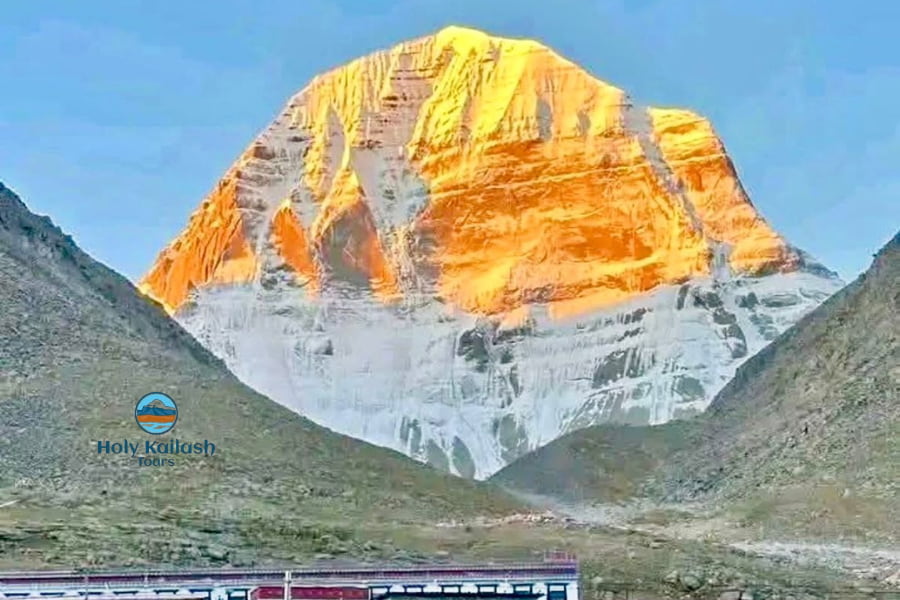
Three main routes connect Nepal to Mount Kailash:
Via Kerung Border (overland): The most popular and cost-effective route. Kathmandu to Kailash by road through the Kerung (also spelled Kyirong) border crossing. Roughly 10 to 14 days total, depending on the itinerary.
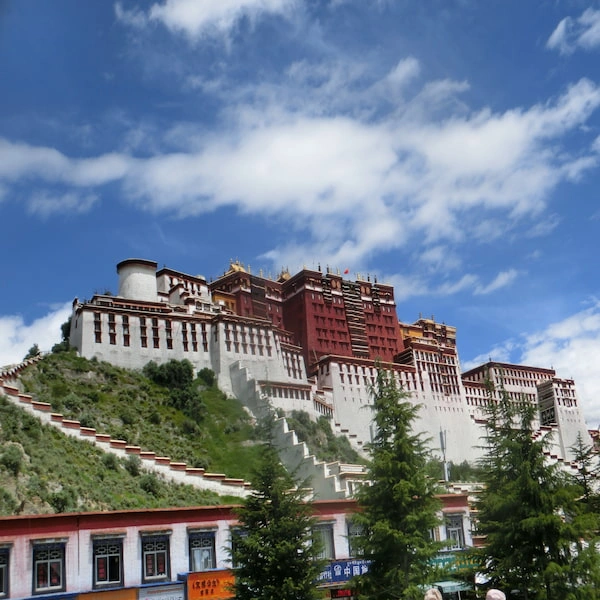
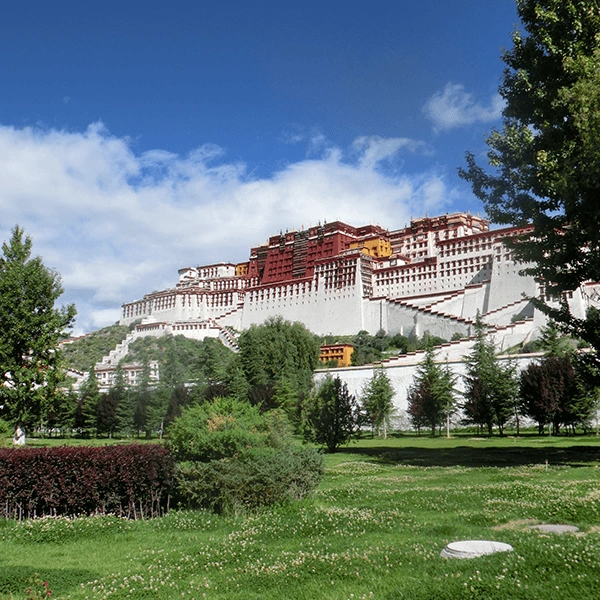
Via Lhasa (Flight): A longer route that adds the Lhasa cultural circuit before heading west to Kailash. Ideal for those who want to visit Potala Palace, Barkhor Street, and major Tibetan monasteries before the Yatra. Takes 16 to 20 days.
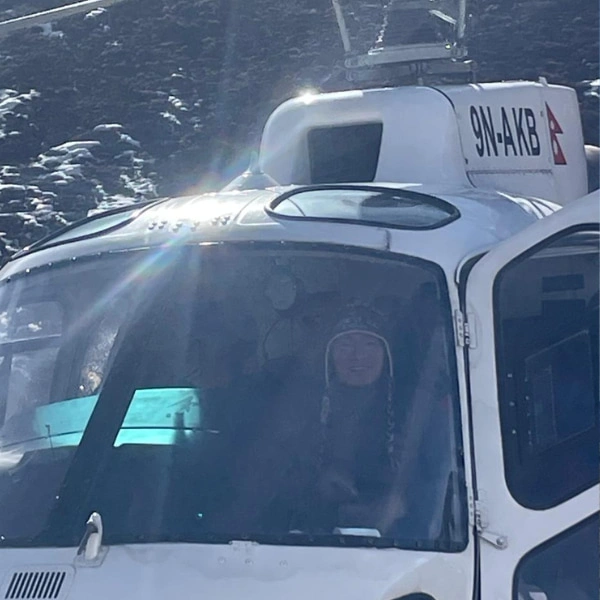
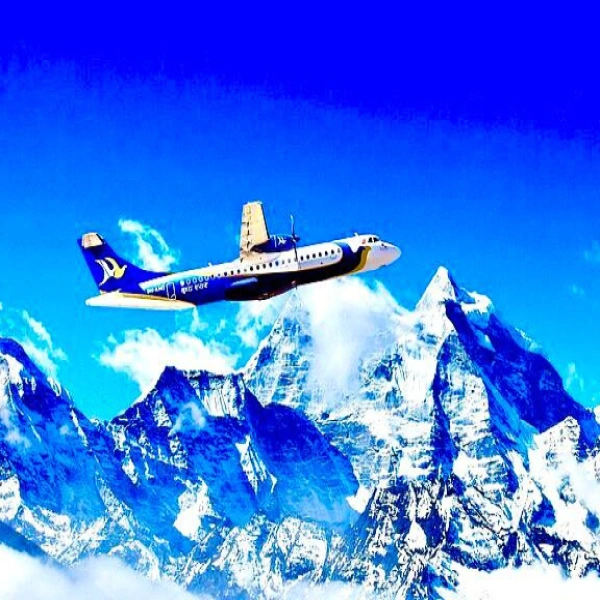
By helicopter via Simikot-Hilsa: The fastest option. Fly from Kathmandu to Simikot in western Nepal, then take a short helicopter flight across the border to Hilsa in Tibet, and continue overland to Kailash. Best for those with limited time or mobility concerns.
Each route has different costs, duration, and physical demands. Holy Kailash Tours can arrange any of the three, including the Kailash travel package options tailored to the route you choose.
Kailash Mansarovar Yatra via Kerung Border
This is the route most pilgrims take. It's the most direct road connection between Kathmandu and western Tibet, and it's significantly more accessible since the Kerung-Kathmandu Highway was upgraded after 2015.
Kathmandu to Kerung Border Journey
The drive from Kathmandu to the Kerung border takes about six to seven hours, depending on traffic and road conditions near Bidur and Galchhi. The road climbs steadily through the mid-hills of northern Nepal, passing through Trishuli, Dhunche, and Syabrubesi before reaching the border town of Rasuwagadhi on the Nepali side.
The scenery shifts noticeably as you gain altitude. The subtropical valley forests give way to pine and rhododendron, then to more open terrain near the border. You'll cross the Bhote Koshi river at several points.
Most Holy Kailash Tours itineraries overnight in Syabrubesi or near the border the night before crossing, to keep the border formalities manageable in the morning.
Entering Tibet from Kerung Port
The Kerung Port (Gyirong Port on the Tibetan side) is a modern facility that handles a reasonable volume of cross-border traffic. Processing times vary. On busy days, especially during Hindu festival seasons, expect to spend 1 to 3 hours at immigration.
Your Tibet Travel Permit, Chinese Group Visa, and Alien Travel Permit are all checked here. These documents must be arranged in advance. You cannot obtain them at the border. (More on permits below.)
Once through, Tibetan guides and vehicles take over for the remainder of the journey. Private vehicles from Nepal are not permitted to enter Tibet.
Kerung to Saga: First Stage of the Journey
Kerung town sits at around 2,800 meters. Saga, your first major overnight stop inside Tibet, is at about 4,600 meters. This jump in altitude, spread over roughly 500 kilometers of driving, is one of the trip's critical acclimatization windows.
The road between Kerung and Saga has improved significantly over the past decade. Large sections are now paved, though stretches near river crossings can be rough. The landscape transitions from green hillsides near the border to the open, wind-swept Tibetan plateau as you head west. You cross the Brahmaputra (Yarlung Tsangpo) river valley along the way.
Saga is a small, functional town. The accommodation is basic but adequate. Spending one night here before pushing further west is important for acclimatization.
Saga to Lake Mansarovar Route
From Saga, the journey continues west along the Friendship Highway, then branches onto roads toward Paryang and eventually Mansarovar. The total driving distance is around 500 to 600 kilometers, usually covered over one to two days, depending on the itinerary.
Key stops along this stretch:
- Paryang (4,500m): A common overnight stop. Small town, basic guesthouses.
- Mayum La Pass (5,216m): The high point of the overland drive. Crossing this pass is the moment most pilgrims first understand what western Tibet actually feels like.
- Hor: The small village on the shore of Lake Mansarovar, where most groups arrive for their first view of the lake.
The road quality on this section varies. Some segments are good asphalt; others are dirt tracks across an open plateau. A reliable four-wheel-drive vehicle is not optional here.
Sacred Experience at Lake Mansarovar

Arriving at Mansarovar after days of travel is one of those moments that justifies all the logistics. The lake is impossibly blue. The air is thin and cold, even in summer. Kailash sits to the north, visible but still distant.
Most tour groups spend one full day at the lake. Common activities include:
- A parikrama of the lake (about 88 kilometers, usually done by vehicle for the full circuit)
- A ritual bath or dip in the lake's waters
- Prayer ceremonies and puja at the lakeside
- Sunrise and sunset observation from the shore
The Mansarovar Lake sits at 4,590 meters. Some pilgrims feel the altitude acutely here, especially if they've rushed through the route. Rest, hydration, and no strenuous activity on the first day at the lake are practical rules, not suggestions.
Lake Mansarovar to Darchen: Gateway to Mount Kailash
Darchen is about 30 kilometers north of Lake Mansarovar, at an elevation of 4,600 meters. The drive takes under an hour. This small town is the operational base for everyone doing the Kailash Kora, and it's where the trek around the mountain actually begins.
Darchen has guesthouses, a few basic restaurants, small shops selling pilgrim supplies, and medical facilities for altitude-related issues. It gets crowded during peak season (May through September). Holy Kailash Tours arranges accommodation in Darchen as part of all Kailash group tour packages.
Mount Kailash Kora Route Explained
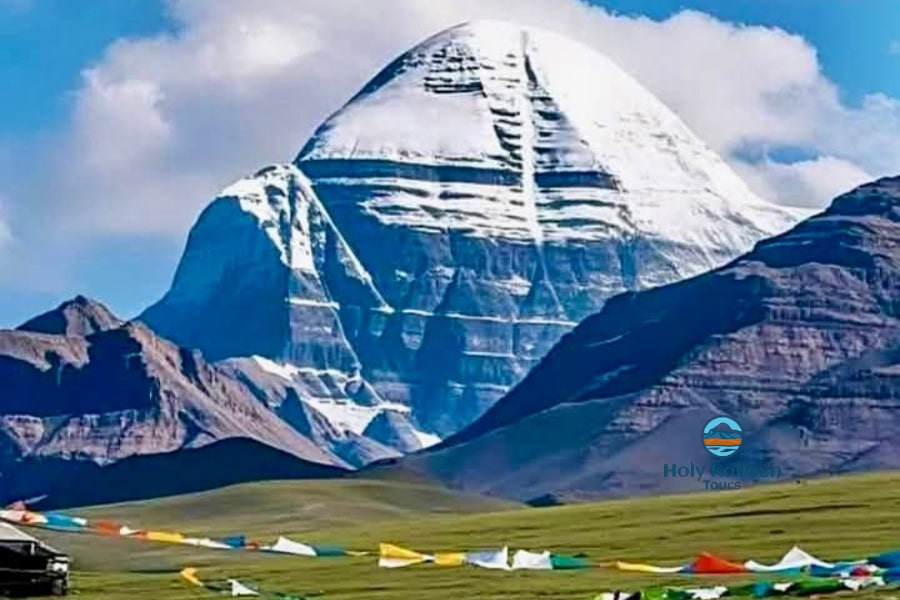
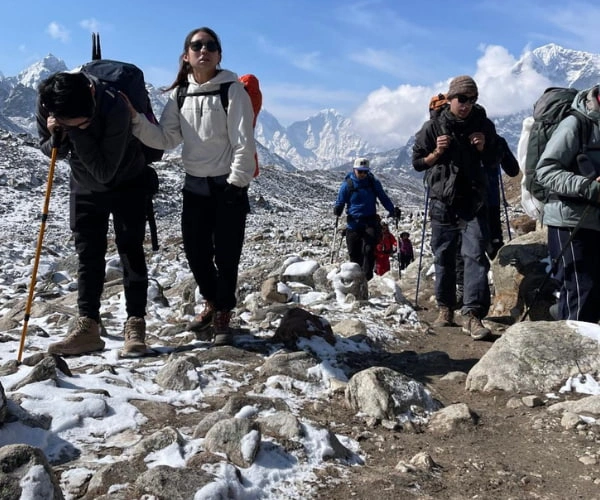
The Kora is the circumambulation of Mount Kailash, a circuit of approximately 52 kilometers around the base of the mountain. Completing it is the central act of the Kailash Mansarovar pilgrimage. Most people complete it in three days, though some pilgrims do it in a single day (which requires extraordinary physical fitness and acclimatization).
The Kora route goes clockwise for Hindus, Buddhists, and Jains. Bon practitioners walk counterclockwise.
Day 1 Kora: Darchen to Dirapuk Trek
- Distance: Approximately 20 kilometers
- Elevation gain: Around 400 meters (from 4,600m to 5,000m)
- Duration: 6 to 8 hours walking
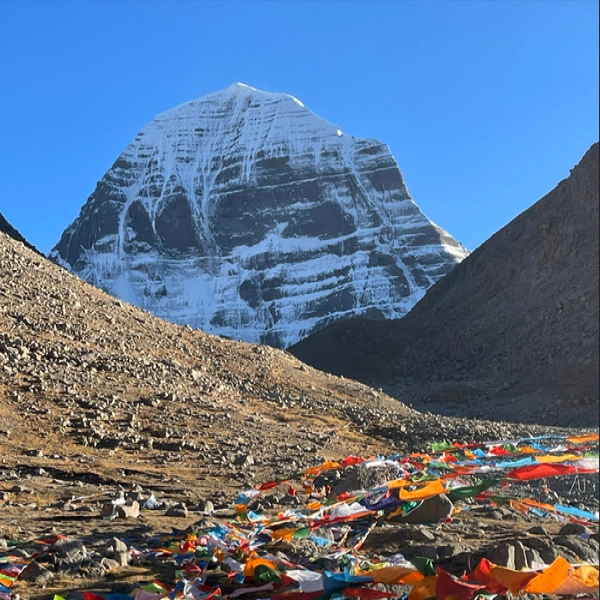
The trail leaves Darchen heading north, passing through the Lha Chu valley. The walking is steady, not technical. The path is wide and well-marked. As you move north, the south face of Kailash comes into full view. This is the famous face that most pilgrims photograph.
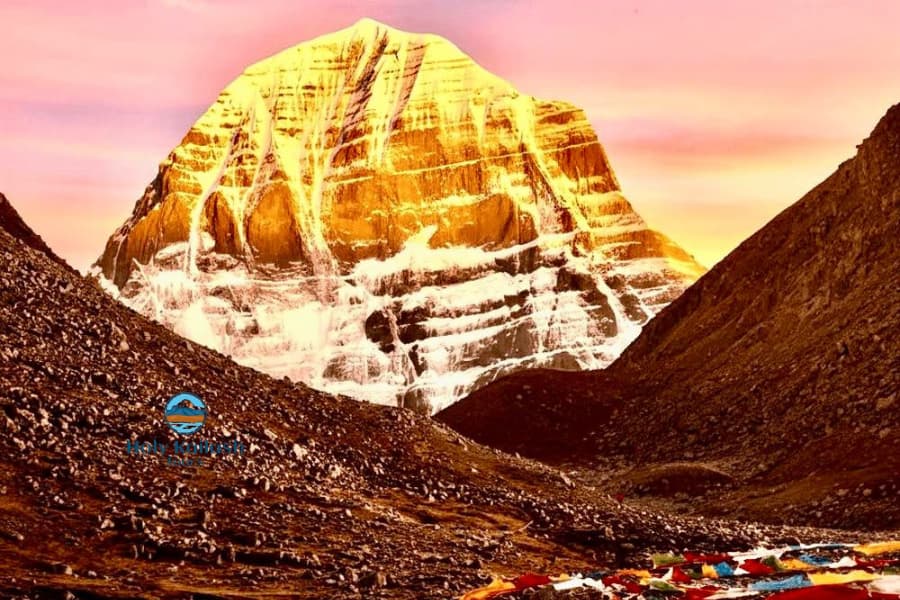
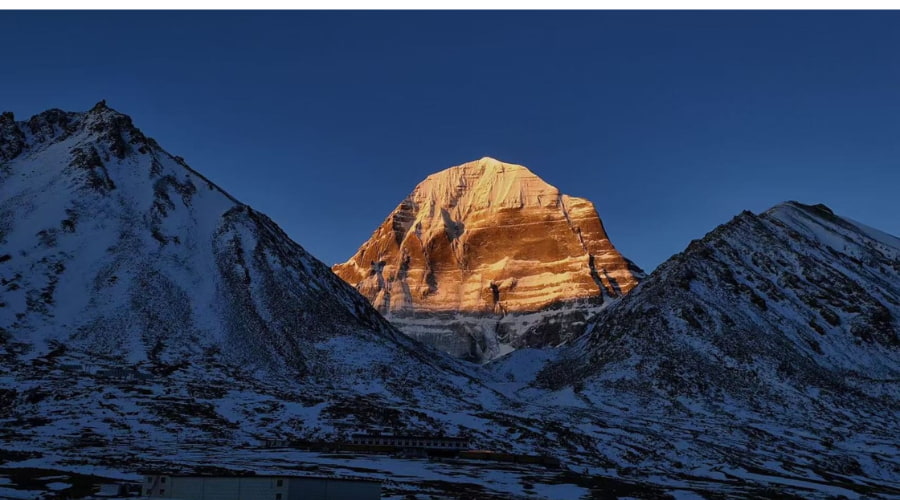
Dirapuk Monastery sits at the end of Day 1. Accommodation here is in basic guesthouses or tented camps. The views of Kailash's north face from Dirapuk are arguably the best on the entire Kora. Most people wake up early on Day 2 specifically to catch the first light on the mountain from here.
Day 2 Kora: Dirapuk to Dolma La Pass to Zutulpuk
- Distance: Approximately 22 kilometers
- Elevation gain and loss: Climb from 5,000m to 5,636m (Dolma La), then descend to 4,790m
- Duration: 8 to 10 hours walking
This is the hardest day. The climb to Dolma La is steep and relentless. Above 5,400 meters, the air is noticeably thin, and the terrain is rocky. Many pilgrims find this section mentally as much as physically demanding.
Crossing Dolma La Pass: Highest Point of the Trek
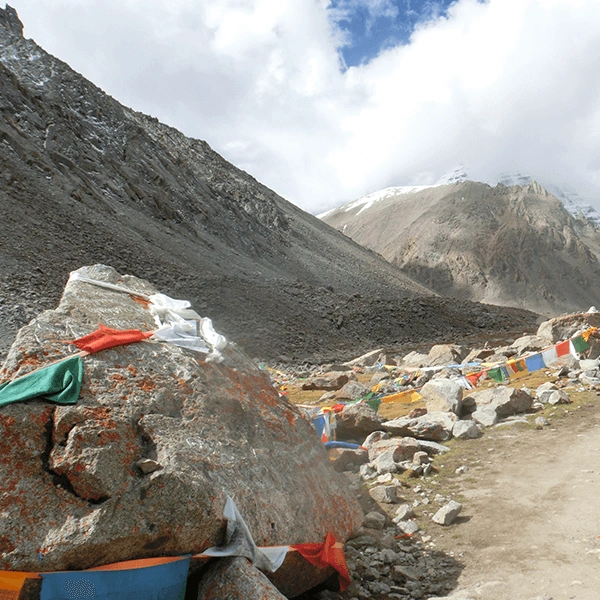
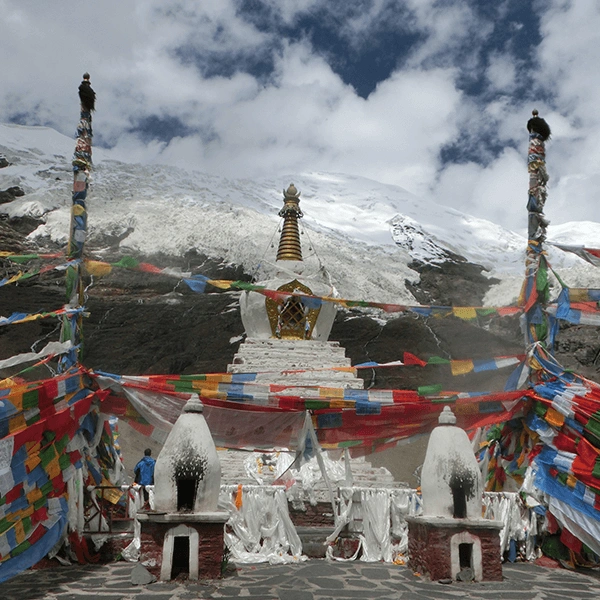
Dolma La Pass, at 5,636 meters, is the highest point of the Kora and the highest point most pilgrims will ever stand in their lives. Prayer flags cover every available surface. At the top, there's often wind, sometimes snow, and almost always a powerful emotional response from pilgrims who have been building toward this moment for years.
The descent from Dolma La leads to Gauri Kund, a glacial lake with its own religious significance. Then it's a long walk down to Zutulpuk, the overnight stop for Day 2.
Day 3 Kora: Zutulpuk to Darchen
- Distance: Approximately 10 kilometers
- Elevation: Mostly downhill from 4,790m back to Darchen at 4,600m
- Duration: 3 to 4 hours
The final stretch is gentle. Most pilgrims feel a mix of relief and something quieter that's harder to describe. The trail rejoins the Darchen area from the east, completing the circuit.
Overland Route vs Helicopter Route to Kailash Mansarovar
The choice comes down to time, budget, and physical condition.
Overland (Kerung or Lhasa):
- More affordable
- Gradual acclimatization over several days
- Culturally richer (Tibetan plateau villages, monastery stops, landscape changes)
- Requires 10 to 20 days total travel time
- Road conditions are a real variable
Simikot-Hilsa Helicopter:
- Significantly faster border crossing
- Good for people with limited time (10 to 12 days total)
- Higher cost than overland
- Acclimatization must be managed carefully after the quick altitude jump
- Weather delays can affect helicopter flights
Most first-time pilgrims who have the time choose the overland route. The gradual approach to Kailash is part of the experience. The helicopter route is best for repeat pilgrims, older travelers, or those with tight schedules.
Distance and Travel Duration of the Kailash Route
| Route Segment |
Approximate Distance |
Typical Driving Time |
| Kathmandu to Kerung Border |
185 km |
6-7 hours |
| Kerung to Saga |
480 km |
10-12 hours |
| Saga to Paryang |
260 km |
5-6 hours |
| Paryang to Mansarovar |
260 km |
6-7 hours |
| Mansarovar to Darchen |
30 km |
45 minutes |
| Kailash Kora (3 days) |
52 km |
3-day trekking |
Total one-way overland distance from Kathmandu to Darchen: approximately 1,200 kilometers.
Road Conditions During Kailash Mansarovar Yatra
The Friendship Highway from Kerung toward Saga is mostly paved now and in reasonable condition during the summer months. The roads west of Saga, toward Paryang and Mansarovar, are more variable. Some sections are unpaved, and conditions depend heavily on the monsoon season and recent road work.
Flash floods and landslides are a realistic risk between June and August, particularly near river crossings. Road washouts can delay itineraries by one to two days. Holy Kailash Tours plans buffer days into overland itineraries for exactly this reason.
Four-wheel-drive vehicles with experienced drivers are used throughout Tibet. This isn't optional in western Tibet.
Altitude Along the Kailash Mansarovar Route
Altitude is the biggest non-negotiable of this journey. Here are the key elevations:
- Kathmandu: 1,400m
- Kerung Town: 2,800m
- Saga: 4,600m
- Paryang: 4,500m
- Mayum La Pass: 5,216m
- Lake Mansarovar: 4,590m
- Darchen: 4,600m
- Dirapuk: 5,000m
- Dolma La Pass: 5,636m
- Zutulpuk: 4,790m
The jump from Kathmandu (1,400m) to Saga (4,600m) over two to three days is the most critical period. Your body needs time to produce more red blood cells and to adapt to reduced oxygen levels. Skipping acclimatization steps is the most common reason pilgrims have to turn back.
Acclimatization Tips During the Journey
These are practical points, not general wellness advice:
- Don't rush the early days. The time spent in Kerung and Saga is not wasted time. It's necessary.
- Drink three to four liters of water per day once above 3,500 meters.
- Avoid alcohol for the first three to four days at altitude. It accelerates dehydration and disrupts sleep.
- Sleep at a lower altitude than the highest point you reached during the day. This is the "climb high, sleep low" principle.
- Know the symptoms of AMS (Acute Mountain Sickness): persistent headache, nausea, loss of appetite, dizziness, fatigue. If symptoms don't improve with rest and water within a few hours, descend.
- Diamox (acetazolamide) is commonly used as a preventive medication. Consult your doctor before the trip, not at the border.
- Holy Kailash Tours carries supplemental oxygen on all tours. It's for emergencies, not as a substitute for proper acclimatization.
Best Time for the Kailash Mansarovar Route
The Yatra season runs from May through September. Each month has tradeoffs:
- May: Weather is improving, crowds are manageable, and some snow is still at Dolma La. Good option for those who want quieter trails.
- June: Peak season begins—warmer temperatures, clear skies, and busy at Darchen and along the Kora.
- July to August: Monsoon affects Nepal and parts of Tibet. Road conditions are at their worst, but the Tibetan plateau receives less rain than Nepal. Lake Mansarovar is at its most vivid during this period.
- September: Excellent. Crowds thin out, the weather is stable, and temperatures start dropping—one of the best months overall.
October is technically possible, but cold at altitude, and the Chinese permit window often closes. April and earlier are not viable due to snow at high passes.
If you're asking about the best time to visit Kailash Mansarovar for first-timers, late May or September are the most consistent choices.
Travel Permits Required for the Kailash Route
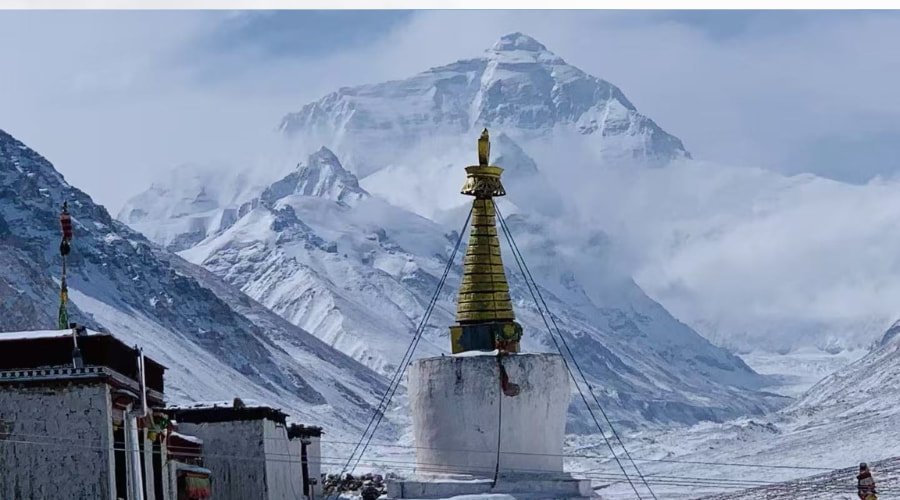
Tibet is a restricted region. You cannot visit independently. Every traveler needs the following documents, arranged before departure:
- Chinese Group Visa: Tibet requires a group visa rather than an individual tourist visa. Your tour operator arranges this as a group.
- Tibet Travel Permit (TTP): Issued by the Tibet Tourism Bureau. Required for all foreign visitors to Tibet.
- Alien Travel Permit (ATP): Required for Shigatse Prefecture and areas west of Lhasa, which includes the Kailash region.
- Military Area Permit: Required for some restricted zones near the Kailash area.
- Restricted Area Permit: Specifically for the Kailash-Mansarovar zone.
Holy Kailash Tours handles all permit applications as part of every Kailash travel package. Permit costs vary by year and nationality—budget approximately USD 150 to 250 for permits alone, not including tour fees.
Indian nationals have a separate permit process through the Government of India's KMVN (Kumaon Mandal Vikas Nigam) scheme, which allocates limited slots each year via a lottery.
Challenges During the Kailash Mansarovar Journey
Being honest about what's hard:
- Altitude sickness is the most common reason people fail to complete the Kora. It doesn't discriminate by fitness level.
- Cold temperatures at night in Darchen and along the Kora can drop well below freezing, even in July.
- Basic accommodation on the Tibetan plateau and at Dirapuk and Zutulpuk. Guesthouses are functional, not comfortable.
- Limited connectivity. Mobile networks are unreliable past Saga. Plan accordingly.
- Road delays from weather or road works can add days to the itinerary.
- Physical fitness demands. The Kora involves 52 kilometers of walking at high altitude over three days. Day 2 alone is eight to ten hours.
None of these should discourage you. They should make you prepare properly.
Essential Travel Tips for Kailash Mansarovar Yatra
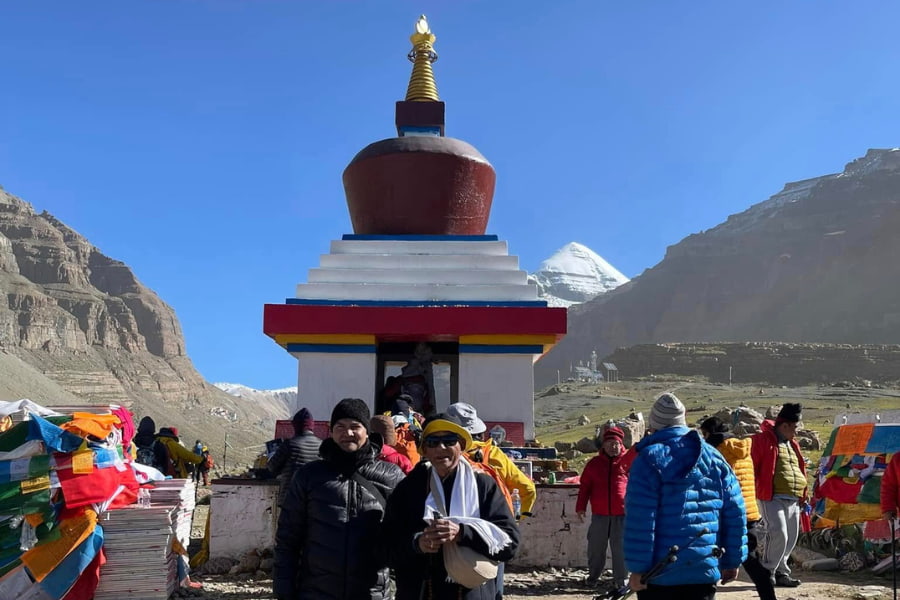
- Book your tour at least three to four months in advance. Permits take time, and group visa arrangements have deadlines.
- Pack layers. Temperature swings of 20 to 25 degrees Celsius between day and night are normal at high altitude.
- Bring good trekking poles. The Kora trail has loose rock and steep sections.
- Carry cash (Chinese yuan). Card payments are not widely accepted in western Tibet.
- Travel insurance that covers high-altitude trekking and emergency evacuation is essential, not optional.
- Bring a quality sleeping bag rated to at least -10 degrees Celsius.
- Sunscreen and lip balm at altitude are not luxuries. UV radiation at 5,000 meters is severe.
- A portable altitude meter (altimeter) helps you track your ascent rate.
Why Choose Holy Kailash Tours for Kailash Mansarovar Yatra
Holy Kailash Tours is based in Kathmandu, which matters. The best operators for this journey are those physically present in Nepal, managing logistics directly rather than outsourcing to intermediaries.
What that means in practice:
- Permit arrangements handled directly with Tibetan authorities, not through a third party
- Experienced guides who have completed the Kora multiple times and know how to handle altitude emergencies
- Vehicles and drivers in Tibet that the company has used repeatedly and trusts
- Contingency planning is built into every itinerary
- Real communication before, during, and after your trip
Holy Kailash Tours also organizes Kailash group tour departures on fixed dates throughout the season, as well as private Kailash trekking tour options for smaller groups or individuals who want a customized itinerary.
For those comparing Kailash trip cost options, Holy Kailash Tours provides transparent pricing that covers permits, accommodation, transport, guide fees, and meals in Tibet, so there are no surprises after you've paid a deposit.
FAQs Kailash Mansarovar Route
How long does the Kailash Mansarovar Yatra take from Nepal?
The overland route via Kerung takes 12 to 15 days each way from Kathmandu. The Lhasa route takes 17 to 21 days. The Simikot-Hilsa helicopter option takes 10 to 12 days.
What is the cost of the Kailash trip from Nepal?
Costs vary by route and group size. Overland packages from Holy Kailash Tours typically range from USD 2,400 to USD 3,500 per person, including permits, accommodation in Tibet, transport, and guide services. The Simikot-Hilsa helicopter route costs more due to the helicopter leg. Contact us for a detailed quote based on your dates and group size.
Do I need prior trekking experience for the Kailash Kora?
No technical mountaineering skills are required. But you should be comfortable walking 15 to 22 kilometers per day on rough, high-altitude trails. Prior trekking experience at altitude (Everest Base Camp, Annapurna Base Camp, or similar) is a useful preparation.
Can Indian pilgrims join Holy Kailash Tours' departures?
Yes. Indian nationals can travel via Nepal using the Nepal-Tibet overland route, separate from the Indian government's KMVN scheme. Holy Kailash Tours assists with the appropriate documentation.
Is the Kailash Kora difficult for older pilgrims?
Many pilgrims in their 60s and 70s complete the Kora. Physical fitness matters more than age. Horses are available for hire on the Kora for those who cannot walk the full distance. The Simikot-Hilsa route, combined with a horse-assisted Kora, is a viable option for elderly or less mobile pilgrims.
What is the altitude at Dolma La Pass?
Dolma La is at 5,636 meters above sea level. It's the highest point of the trek and the highest point that most pilgrims will reach on the journey.
When should I book for the best time to visit Kailash Mansarovar?
For May and June departures, book by January. For September, book by April or May at the latest. Permits, in particular, are allocated in limited quantities and close early in busy years.
Holy Kailash Tours | Kathmandu, Nepal | Specialized in Kailash Mansarovar Yatra, Everest Base Camp, and Himalayan pilgrimages
Email: [email protected]
WhatsApp: +977-9851254672 — Feel free to reach out anytime for fast, friendly, and personalized assistance