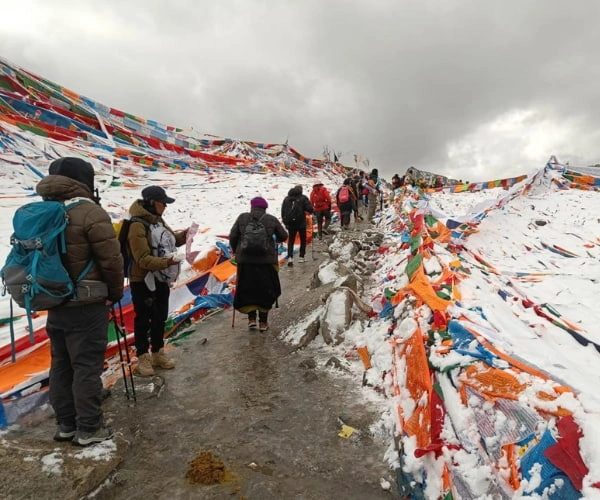
1. Why the Kailash Mansarovar Yatra Is Spiritually Important?
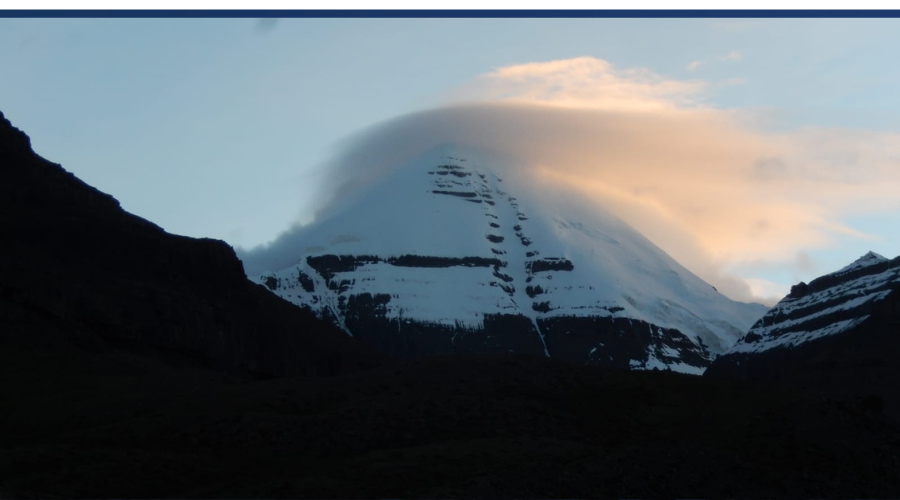
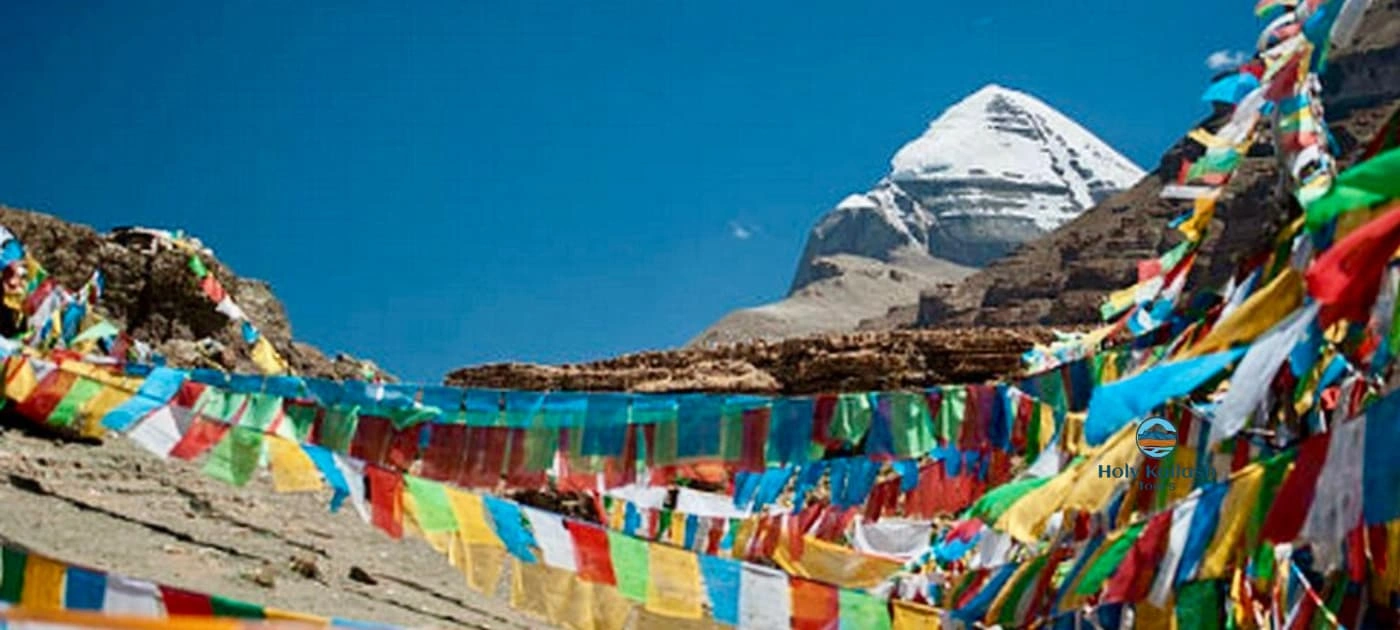
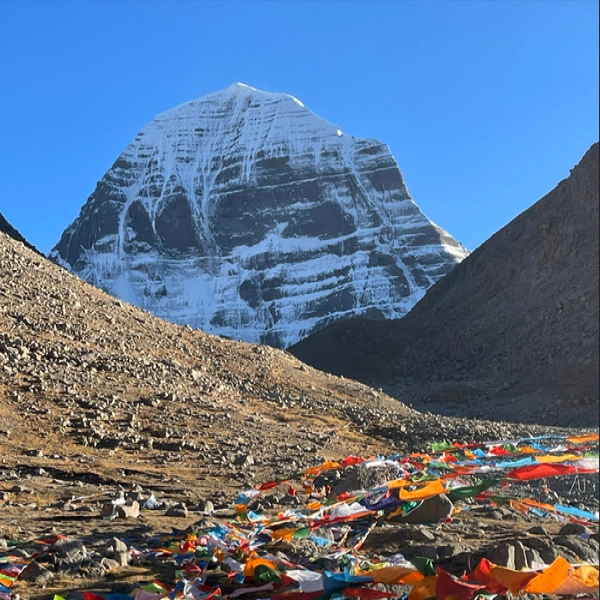
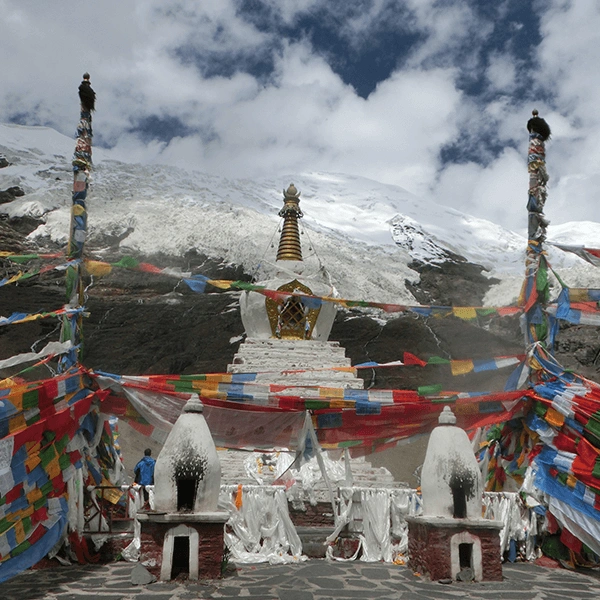
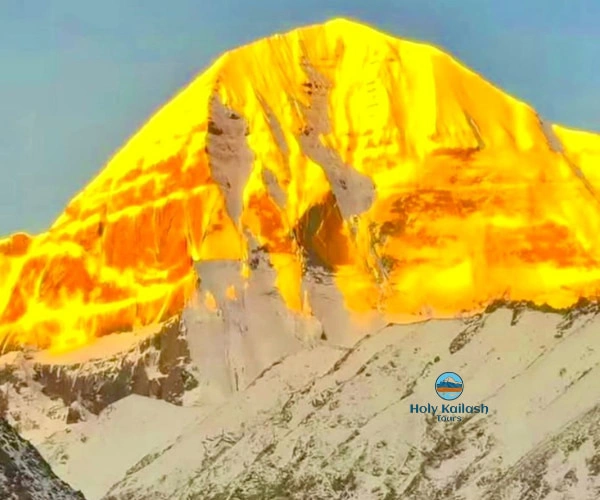
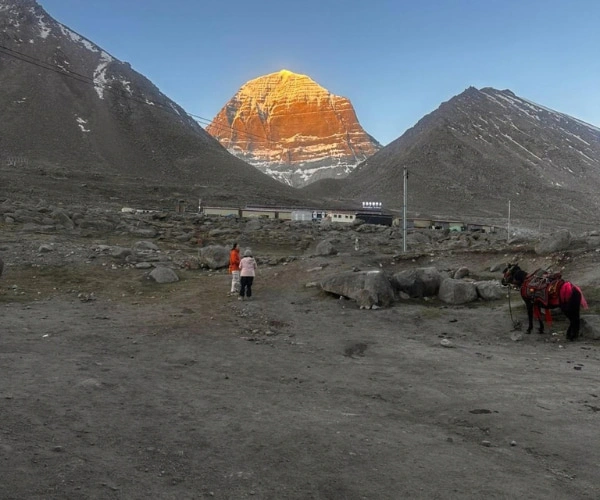
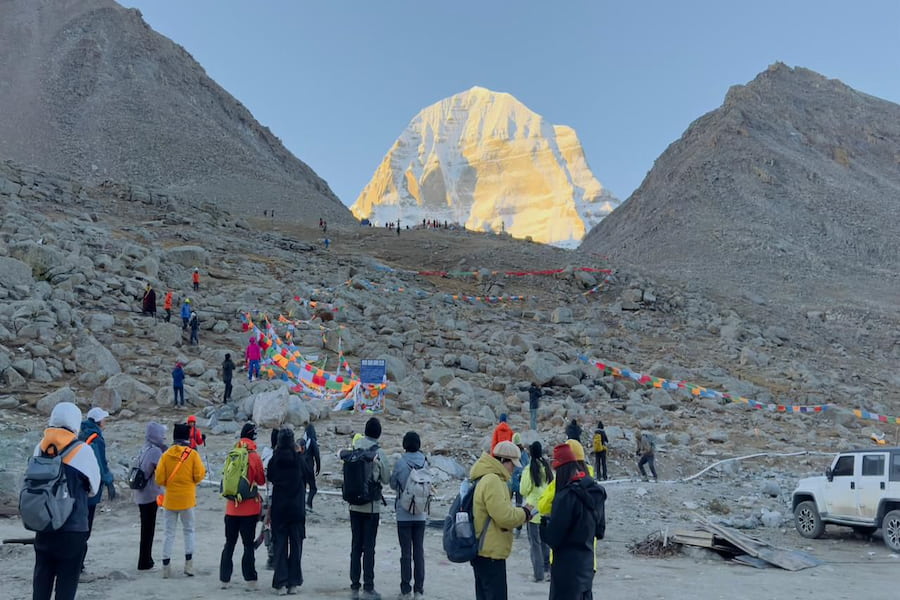
Mount Kailash sits at 6,638 meters in western Tibet. No one has ever climbed it, and most pilgrims wouldn't want to. The mountain itself is considered sacred in four religions, a rarity.
Here's what each tradition believes:
- Hinduism: Mount Kailash is the home of Lord Shiva. Lake Mansarovar, just south of the mountain, is believed to have been created in the mind of Brahma. Bathing in or drinking from its waters is said to wash away sins.
- Buddhism: Kailash is identified as Mount Meru, the center of the universe in Buddhist cosmology. Tibetan Buddhists believe one circumambulation of the mountain wipes out the sins of a lifetime.
- Jainism: The mountain is called Astapada, where the first Jain tirthankara attained liberation.
- Bon religion: Bon is Tibet's pre-Buddhist tradition. Practitioners believe Kailash is the soul of the land and the seat of spiritual power.
Lake Mansarovar is not just a stop on the itinerary. For most pilgrims, it's the emotional center of the journey. Many people describe sitting by the lake as one of the most still moments of their lives.
2. Best Time to Visit Kailash Mansarovar
The yatra season runs from May to September. Outside of that window, snow closes the roads and the border crossings.
Here's a rough breakdown by month:
- May: Roads open, weather unpredictable, fewer crowds. Good for those who want quieter conditions.
- June: Reliable weather, popular departure month.
- July and August: Warmest months, but monsoon rain affects the Nepal side of the journey. Tibet itself stays relatively dry.
- September: Clear skies, excellent visibility, cooler temperatures. One of the best months overall.
Average temperatures around Kailash range from roughly 5°C to 15°C on summer days. Nights drop significantly, often below 0°C, even in July. The lake area and the kora trail can be windy and cold year-round.
Don't plan around a "perfect" month. Plan around your schedule, and book permits early.
3. You Need Special Permits for Kailash Mansarovar Yatra
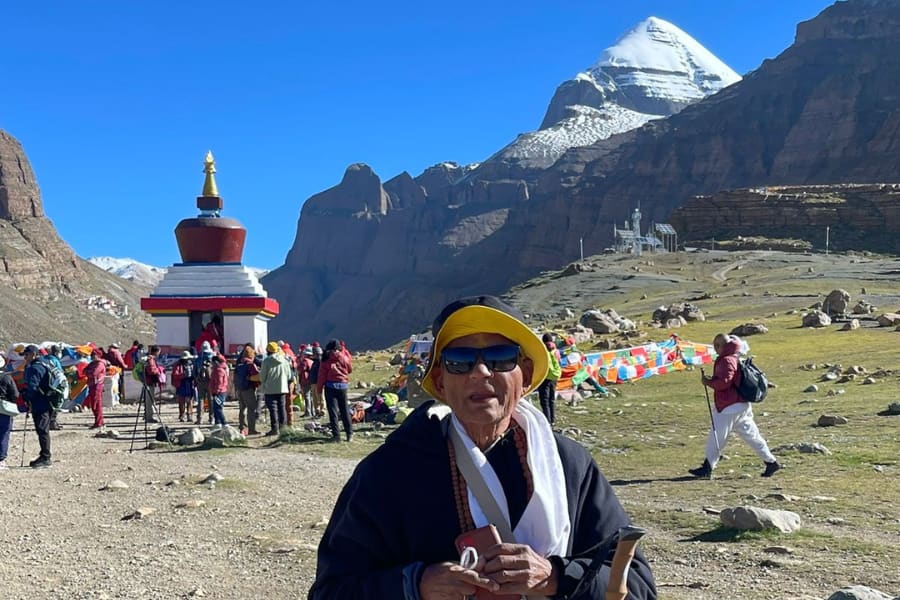
This is where many first-time travelers get caught off guard. Kailash is in Tibet, which means Chinese territory. Individual travel is not allowed. You must go as part of a group through a registered tour operator.
The permits you'll need:
- Tibet Travel Permit (TTP): Required for all foreign visitors to Tibet. Your tour operator applies for this on your behalf.
- Alien's Travel Permit (ATP): Required specifically for western Tibet, which includes the Kailash region.
- Military Area Permit: Required because the Kailash area borders India and Nepal, making it a restricted military zone.
- Chinese Group Visa: Individual visas are not issued for Tibet. You'll travel on a group visa arranged through your operator.
Your passport must be valid for at least six months beyond your travel date. Some nationalities face additional restrictions. Indian nationals have historically traveled through a separate government-run yatra route under the India-China bilateral arrangement, which has different requirements.
Start the permit process at least three to four months before your trip. Holy Kailash Tours handles the permit application process for all group departures from Kathmandu, but the timeline is fixed by Chinese authorities.
4. Understanding the Kailash Mansarovar Route
There are two main ways to reach Mount Kailash from Nepal:
Overland via Kerung Border (Gyirong). This is the most common route. You cross into Tibet at the Kerung border point, then travel overland through Saga, Paryang, and on to Darchen, the base town for the Kailash Kora. The drive covers rough terrain at high altitude and takes several days. It's not a comfortable road, but the landscape is extraordinary.
Lucknow via Hilsa/Simikot (Purang). This western route passes through Nepal's remote Humla district. You fly from Kathmandu to Simikot, then take a shorter flight to Hilsa near the Tibet border. It's less common and logistically complex, but some pilgrim groups prefer it.
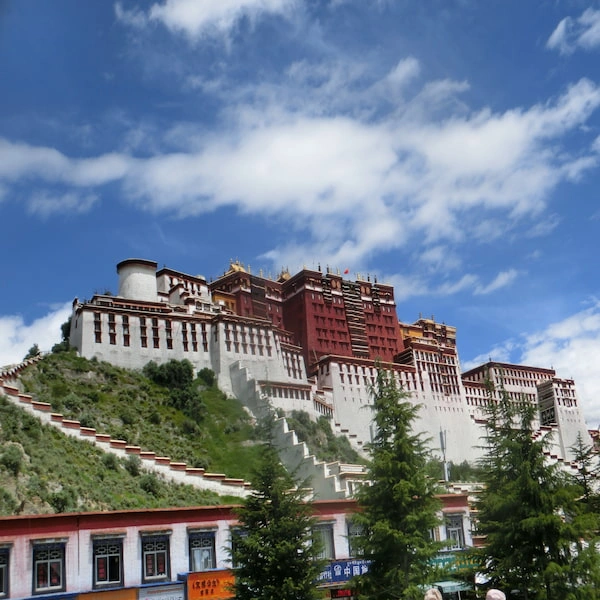
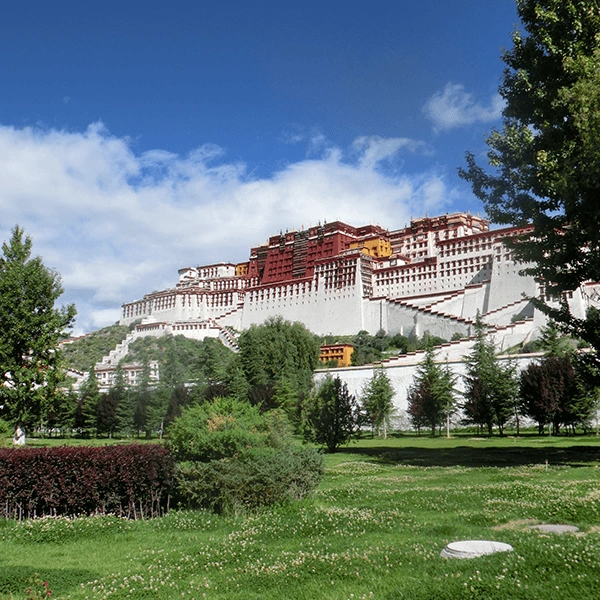
Kailash Via Lhasa (Flight): A longer route that adds the Lhasa cultural circuit before heading west to Kailash. Ideal for those who want to visit Potala Palace, Barkhor Street, and major Tibetan monasteries before the Yatra. Takes 16 to 20 days.
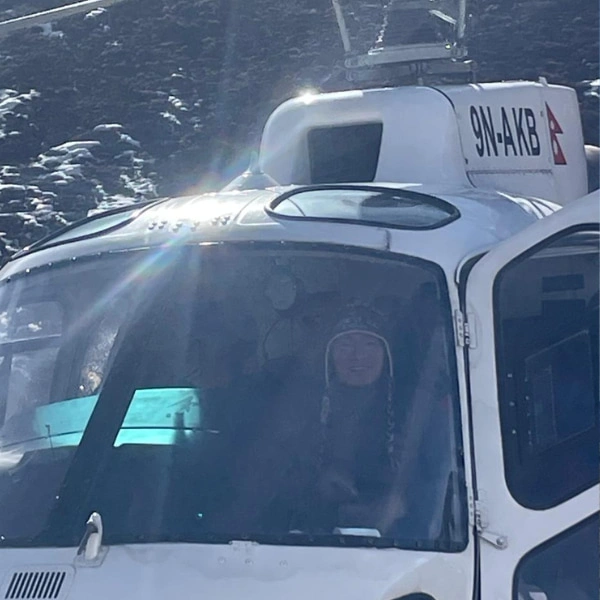
Helicopter Option:Some operators offer helicopter transfers for parts of the journey, particularly for reaching higher elevations faster. This is useful for older pilgrims or those with physical limitations. It's considerably more expensive, but it reduces the overland strain.
Holy Kailash Tours offers overland departures from Kathmandu via Kerung, as well as options combining helicopter segments for those who need them. Ask about current road conditions before booking, as the Kerung route can be affected by landslides during the monsoon months.
5. Altitude Sickness Can Be a Real Challenge
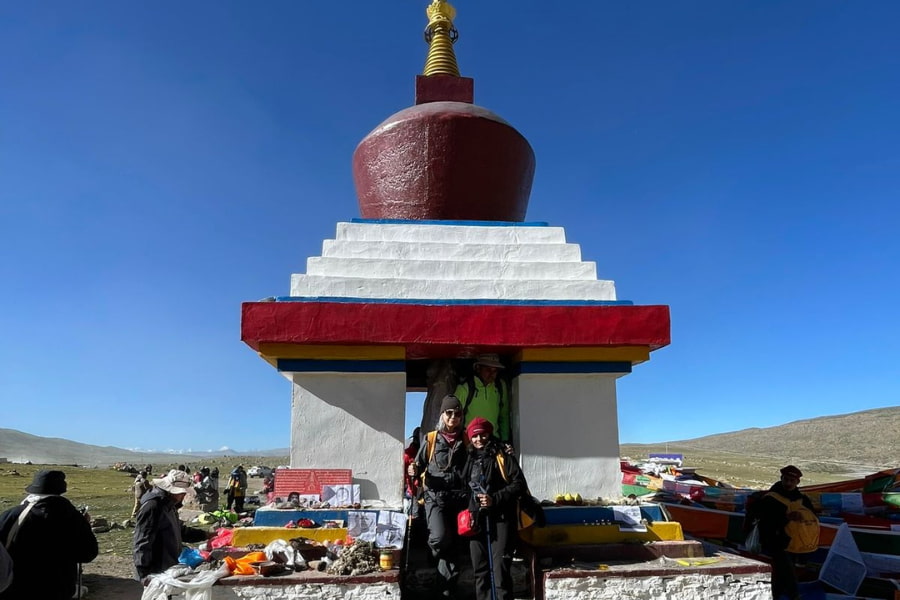
This is not an exaggeration. Darchen, where the kora begins, sits at around 4,560 meters. The Dolma La Pass, the highest point on the kora, reaches 5,636 meters. Lake Mansarovar is roughly 4,590 meters above sea level.
At these elevations, your body works harder to get oxygen. Most people feel some effects, whether it's a headache, fatigue, or shortness of breath. Some people experience more serious symptoms, including vomiting, confusion, or fluid in the lungs.
How to reduce the risk:
- Acclimatize gradually. Don't fly to Lhasa and rush to Kailash. Spend time at intermediate altitudes first.
- Hydrate constantly. Dehydration accelerates altitude sickness.
- Avoid alcohol in the first few days at high altitude.
- Carry Diamox (Acetazolamide). Consult your doctor before the trip. Many pilgrims take it as a preventive measure.
- Know the symptoms. If your headache doesn't improve with rest and water, or if you feel disoriented, tell your guide immediately.
A well-organized yatra itinerary builds in acclimatization days. If your tour package rushes this, that's a red flag.
6. Physical Fitness Matters for the Mount Kailash Trek
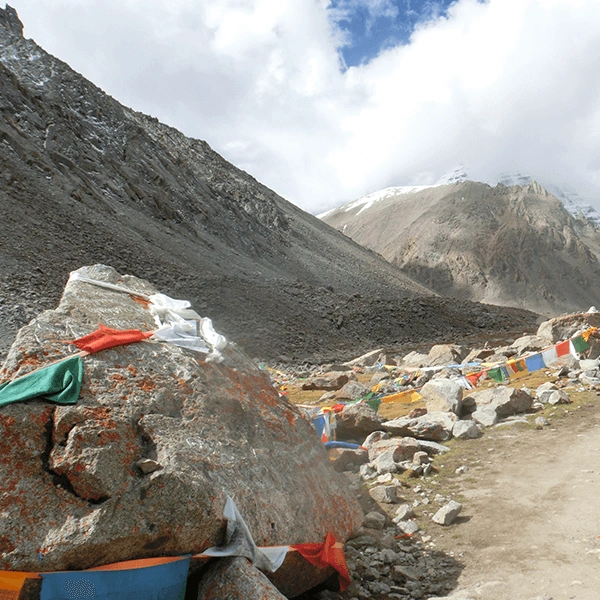
The Kailash Kora is a 52-kilometer circumambulation of the mountain, completed over three days. It involves significant elevation gain, rocky paths, and one very tough high-altitude pass.
The three days look roughly like this:
- Day 1: Darchen to Dirapuk Monastery, around 20 km. Gradual ascent.
- Day 2: Dirapuk to Zuthulpuk via Dolma La Pass, around 22 km. This is the hardest day. The pass at 5,636 meters features steep climbs and descents.
- Day 3: Zuthulpuk back to Darchen, around 10 km. Mostly downhill.
You don't need to be an athlete. Many pilgrims in their 50s and 60s complete the kora. But you do need to be reasonably fit. Walking uphill for six to eight hours at high altitude is genuinely hard.
What helps: regular walking or hiking for at least two to three months before the trip. Start on flat terrain and build toward hills. Yaks and porters are available on the trail for carrying bags, and ponies can be hired for parts of the route.
If completing the kora on foot is not possible, some pilgrims do a partial circumambulation or stay at the lake. It's a personal decision, and no one should feel pressure to push beyond their limits.
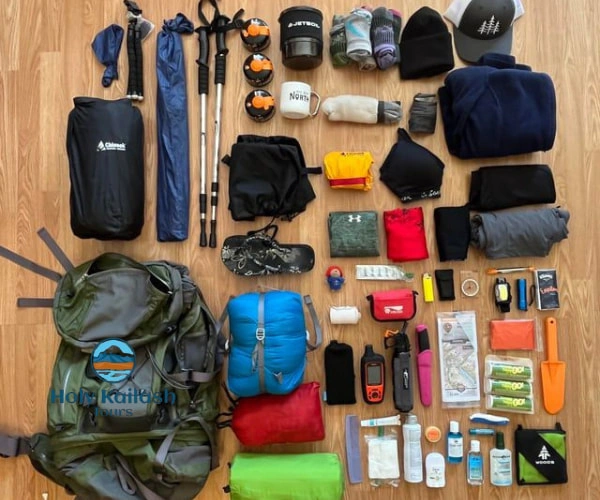
7. What to Pack for Kailash Mansarovar Yatra
Pack for cold, wind, and rain, even in summer. Conditions at high altitude change fast.
Clothing:
- Thermal base layers (top and bottom)
- Fleece mid-layer
- Waterproof and windproof outer jacket
- Down jacket for evenings and cold mornings
- Waterproof trekking pants
- Warm hat, gloves, neck gaiter
- Trekking boots (broken in before the trip)
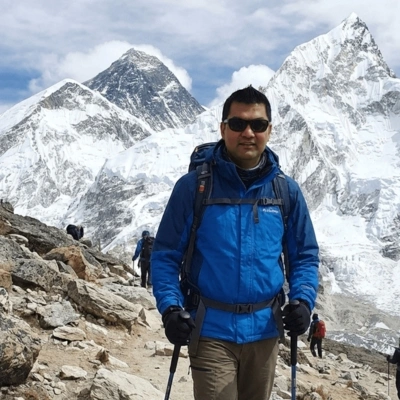
- Gaiters for snow and mud on Dolma La
- Comfortable camp shoes or sandals
Trekking gear:
- Trekking poles (very helpful on Dolma La descent)
- Daypack for the Kora
- Headlamp with spare batteries
- Sunglasses (UV protection, strong at altitude)
- Sunscreen SPF 50+
- Sleeping bag rated to -10°C or lower
Medicines and health:
- Diamox (after consulting your doctor)
- Ibuprofen or paracetamol
- Anti-diarrhea medication
- Oral rehydration salts
- Blister plasters
- Personal prescription medications with extra supply
- Hand sanitizer and wet wipes
Documents and money:
- Passport (original)
- Copies of all permits
- US dollars in cash (Tibetan towns have limited banking)
- Travel insurance documents
Miscellaneous:
- Water purification tablets or a filter
- Energy bars and snacks (food gaps happen)
- Small notebook, prayer beads, or personal spiritual items
- Camera with extra batteries (cold drains them fast)
- Portable power bank
8. Accommodation and Food During the Journey
Don't expect hotel-standard rooms on this trip. Even the better guesthouses along the route offer basic facilities. That's part of the experience, and most pilgrims adapt quickly.
Accommodation:
- In Kathmandu and Lhasa: mid-range to comfortable hotels, with en-suite bathrooms.
- At Saga, Paryang, Darchen: basic guesthouses. Shared bathrooms are common. Running hot water is not guaranteed.
- On the kora trail: simple tent camps or basic pilgrim shelters. Bring your sleeping bag.
Food:
- Holy Kailash Kitchen staff cooks pure vegetarian, healthy food: dal, roti, noodles, Nepalese and indian style and butter tea.
- Butter tea is an acquired taste. It's made with yak butter and salt, not sugar. Many pilgrims grow to like it.
- Rice, dal, and vegetables are often available, especially at stops catering to Indian and Nepali pilgrims.
- The food along the route is almost entirely vegetarian, which is appropriate for a pilgrimage of this nature.
- Carry your own snacks and supplements. Energy gaps between meals are real.
9. Kailash Mansarovar Yatra Cost and Budget Planning
The total cost varies based on route, group size, duration, and what's included. Here's a realistic breakdown:
| Expense |
Approximate Cost (USD) |
| Tibet permits (TTP, ATP, Military, Group Visa) |
$250 to $400 per person |
| Kathmandu to Kailash overland tour package |
$2,600 to $3,500 per person |
| Helicopter option (if chosen) |
Additional $500 to $1,500 |
| Yak hire on kora (per day) |
$190 to $200 |
| Porter hire on kora (per day) |
$20 to $30 |
| Tips for guides and drivers |
$50 to $100 (personal choice) |
| Travel insurance |
$80 to $200 |
| Personal spending, souvenirs |
Variable |
A well-priced overland group package from Holy Kailash Tours typically includes permits, transport, accommodation, most meals, and an English-speaking guide. Always confirm what's included and what's extra before booking.
Budget-conscious travelers can manage the full trip for around $2,200 to $2,800 total. Those wanting more comfort or helicopter options should plan for $3,500 and above.
10. Choosing the Right Kailash Tour Operator
This might be the most practical decision of the whole trip. Because Tibet requires group travel and special permits, you are entirely dependent on your operator for logistics, documents, and support.
A bad operator can mean:
- Permits arriving late or incomplete
- Unqualified guides who don't know the terrain
- No support if a medical issue arises on the kora
- Itineraries that skip proper acclimatization
What to look for:
- Tibet Tourism Bureau (TTB) registered: Operators must be registered to apply for Tibet permits legally.
- Experience with the route: Ask how many groups they've taken in the last two years. Numbers matter.
- Emergency protocols: What happens if someone gets severe altitude sickness? Who do they call? Do they carry oxygen?
- Transparent pricing: Vague quotes with lots of "may include" language are a warning sign.
- Direct communication: You should be able to speak with a real person who knows your itinerary.
Holy Kailash Tours is based in Kathmandu and has organized departures for pilgrims from across the world. The team knows the Kerung route well and handles permit processing directly with Tibetan authorities. They also offer personalized itineraries for small groups and solo travelers joining a group departure.
Essential Travel Tips Before You Visit Mount Kailash
A few things that don't fit neatly into any category but matter a lot in practice:
Currency: Tibet uses Chinese Yuan (CNY/RMB). Bring enough cash from Kathmandu, as ATMs are sparse and unreliable in remote areas. US dollars are not widely accepted at smaller stops.
Internet access: Mobile data is patchy throughout Tibet and often blocked. Don't count on staying connected. Download offline maps, your itinerary, and any important documents before crossing the border.
Hydration: Drink more water than you think you need. Altitude dries you out faster than normal.
Local customs: When walking the kora, the Tibetan Buddhist tradition holds that it should be done clockwise. Bon practitioners go counterclockwise. Most pilgrims on a Kailash Mansarovar yatra follow the clockwise direction. Dress modestly near monasteries and be respectful of religious objects.
Travel insurance: Get coverage that explicitly includes high-altitude trekking and helicopter evacuation. Standard travel insurance often excludes activities above a certain elevation. Read the fine print.
Photography: Ask before photographing monks, locals, or religious ceremonies. Most people are fine with it, but asking shows respect.
Rest days: Don't skip them. Your body at 4,500 meters is working hard even when you're sitting still.
Trip FAQs
How long does the Kailash Mansarovar Yatra take?
Most overland tour packages from Kathmandu run 14 to 18 days. The kora itself takes three days. The rest of the time is travel, acclimatization, and the lake visit.
Can Indians do the Kailash Mansarovar Yatra?
Yes. Indian nationals have two options: the government-run yatra organized through the Ministry of External Affairs (via Lipulekh or Nathu La passes, when operational), or privately organized tours through Nepal, which Holy Kailash Tours facilitates.
Is the Kailash Kora physically difficult?
Day two, crossing Dolma La Pass, is genuinely tough. The altitude makes everything harder. With proper preparation and acclimatization, most reasonably fit adults can complete it.
What is the minimum group size for the Tibet permit?
Officially, groups must have at least two people for Tibet travel permits. Most organized departures have five to twenty participants.
Can I do the yatra alone? Not as an individual foreign traveler. Tibet requires group travel. But you can join a group departure organized by Holy Kailash Tours, even if you're traveling solo from your home country.
What is the Kailash Mansarovar Yatra cost from Nepal?
A standard overland group package starts around $1,800 to $2,200 per person. Permits, transport, accommodation, most meals, and a guide are usually included. The total budget, including personal expenses, typically falls between $2,500 and $3,500.
What happens if I get altitude sickness on the Kora?
Your guide carries basic medication and oxygen. Serious cases require descent to a lower elevation as quickly as possible. Well-organized groups have emergency plans in place. Make sure your operator's itinerary includes rest days and your travel insurance covers high-altitude medical evacuation.
Is vegetarian food available throughout the journey?
Yes. The route caters well to vegetarians. Almost all guesthouses and camps on the kora serve vegetarian meals. If you have specific dietary needs, mention them to your operator in advance.
Holy Kailash Tours is based in Kathmandu, Nepal. For permit guidance, departure dates, and custom itineraries for your Kailash Mansarovar Yatra, reach out directly to the team.
Email: [email protected]
WhatsApp: +977-9851254672 — Feel free to reach out anytime for fast, friendly, and personalized assistance