What makes the Manaslu Circuit Trek challenging?
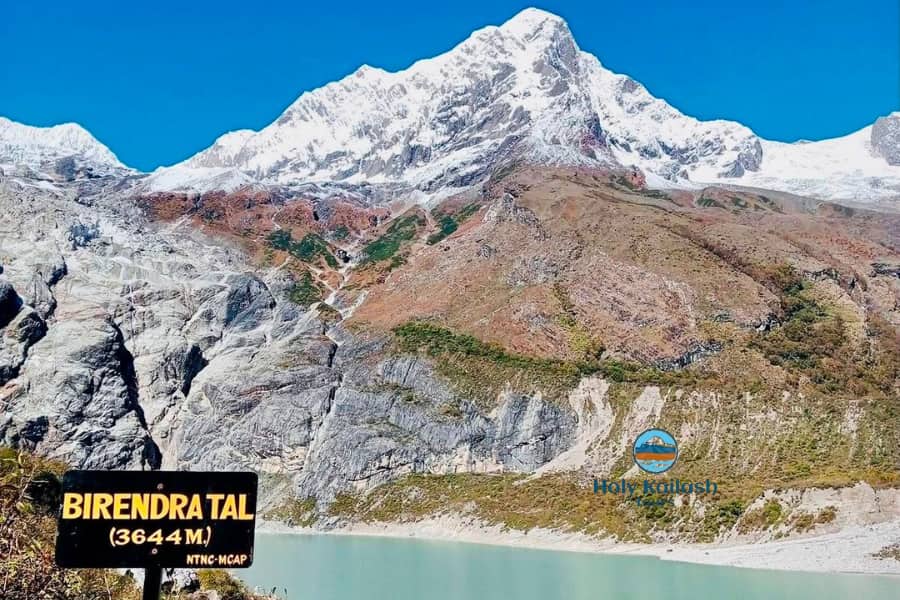
The Manaslu Circuit Trek difficulty comes from three things stacking on top of each other: distance, altitude gain, and remoteness. You're walking around the eighth-highest mountain on earth, from subtropical river valleys near 700 meters up to a pass above 5,100 meters. That's a huge swing in a short window.
Unlike Everest Base Camp or the Annapurna Circuit, there's no quick escape route once you're deep in the Nubri Valley. The nearest road ends, and from there it's teahouses and trail until you cross Larke la Pass on the other side. That isolation is part of what makes this trek special, and also part of what makes it a real Manaslu trek challenge rather than a casual walk.
Is the Manaslu Circuit Trek suitable for beginners?
A fit beginner can do the Manaslu Circuit Trek for beginners with the right preparation, but I won't sugarcoat it: this shouldn't be your very first hike ever. If you've never walked five or six hours a day carrying a daypack, or never spent a night above 3,000 meters, Manaslu will hit you harder than it needs to.
What I tell first-time trekkers in Nepal is this: get a shorter trek under your belt first, something like Tsum Valley, Poon Hill, Mardi Himal, or Langtang Valley, so you know how your body handles altitude before you commit to a restricted route with a mandatory guide and limited exit options. If you're already reasonably active and willing to train for two or three months beforehand, Manaslu is absolutely within reach as a first Himalayan trek.
Trek distance and daily walking hours
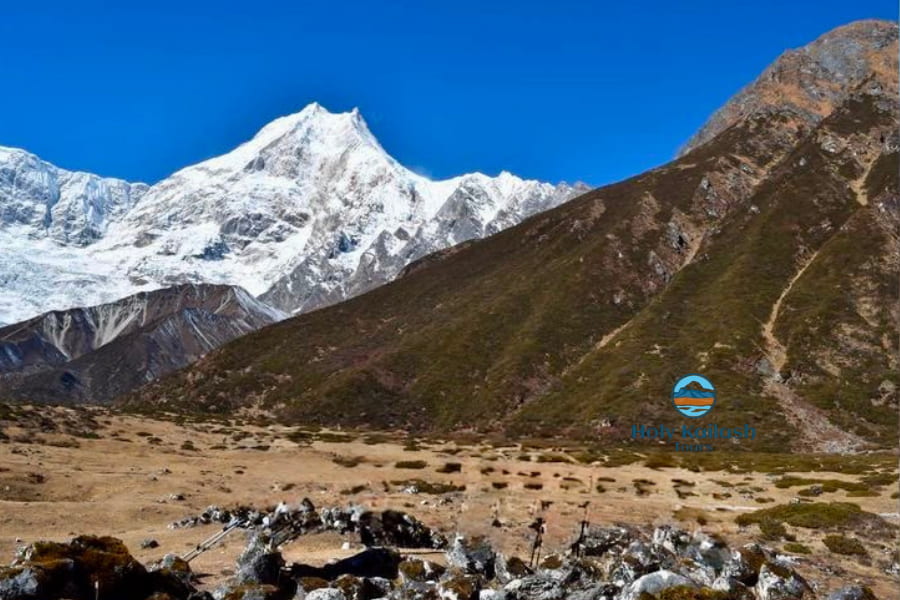
Most itineraries cover around 177 kilometers in total, including a short side trip to Manaslu Base Camp, with roughly 125 kilometers of that on the core walking route from Soti Khola to Dharapani. That's not an extreme distance on its own. What makes it demanding is the daily walking hours combined with the elevation change.
Expect five to seven hours of walking on a typical day, sometimes closer to eight or nine on the Larke Pass crossing itself. Early days along the Budhi Gandaki river involve a lot of up and down over suspension bridges and landslide sections, which tire your legs before you even reach the high altitude portion. A well-built Manaslu trekking itinerary spreads this out over 14 to 16 days, with two acclimatization days built in, usually at Lho or Samagaon and again near Samdo.
Highest altitude on the Manaslu Circuit Trek
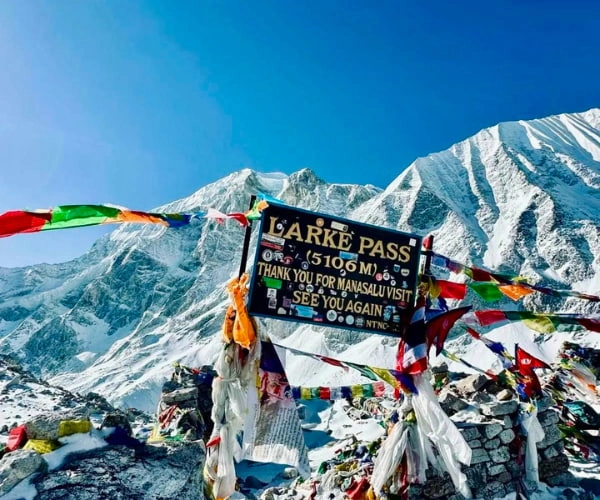
The highest point is Larke Pass, sitting between 5,106 and 5,160 meters, depending on which survey or map you check. Different trekking companies quote slightly different numbers because GPS readings vary, but either way, you're crossing above 5,100 meters, which puts it higher than Everest Base Camp.
That's the number that scares people, and it should get your attention, but altitude by itself isn't the whole story. How you get there matters more than the final elevation on paper. A gradual, well-paced climb to 5,100 meters is manageable for most healthy adults. A rushed one isn't.
Crossing Larke Pass: the toughest part of the trek
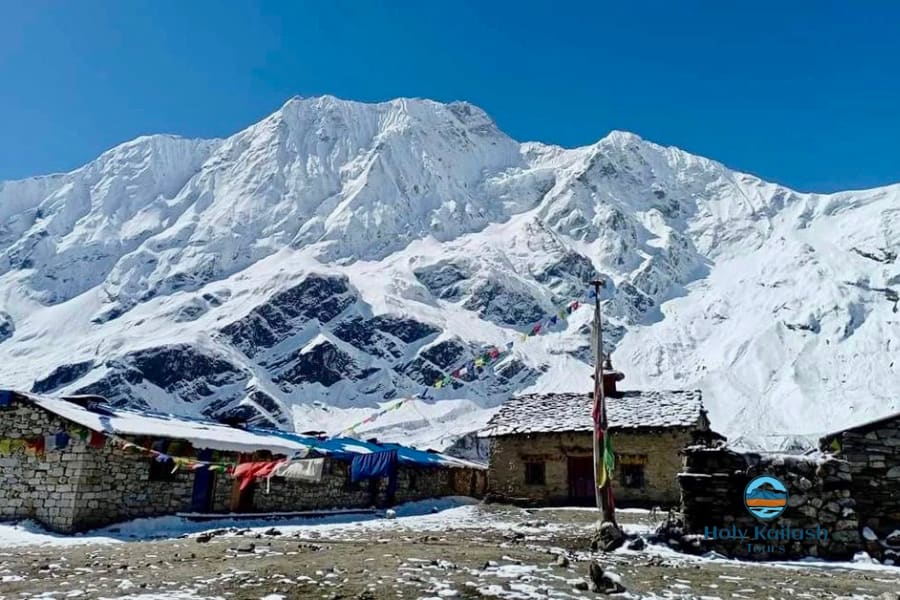
If there's one day that best defines the difficulty of the Manaslu Circuit Trek, it's the Larke Pass crossing. You leave Dharamsala (around 4,460 meters) in the dark, often before 4 am, because the wind picks up on the pass by mid-morning and you want to be down the other side before that happens.
The climb to the top is steep, rocky, and cold, and at that altitude every step takes more effort than it would at sea level. Then comes the part people underestimate: the descent to Bhimtang on the far side is long, loose underfoot, and hard on the knees after you've already spent seven or eight hours moving.
This single day is usually the reason trekkers rate Manaslu as tougher than Everest Base Camp, even though EBC sits at a similar elevation. Crossing Larke La in one push, with no teahouse partway, is what sets this route apart from easier high-altitude treks.
Altitude sickness on the Manaslu Circuit Trek
Altitude sickness among Manaslu trekkers needs to be taken seriously; it becomes a real risk once you pass 3,000 meters, and the risk climbs steadily from Samagaon onward. Acute Mountain Sickness, or AMS, isn't about fitness level. Strong, young trekkers get hit by it just as often as older, slower ones, because it comes down to how your individual body handles reduced oxygen, not how many miles you can run at home.
The classic warning signs are headache, nausea, loss of appetite, and disturbed sleep. Mild symptoms are common and usually settle with rest and fluids. The rule we drill into every group at Holy Kailash Tours is simple: never go higher if symptoms are getting worse, and never ignore a headache that isn't fading with paracetamol and water. Two built-in acclimatization days on the standard itinerary exist specifically to reduce this risk, and skipping them to save a day is the single most common mistake we see.
Physical fitness required for the Manaslu Circuit Trek
You don't need to be an athlete, but you do need a real base of cardiovascular fitness and leg strength. Fitness preparation for a Manaslu trek should include hiking on hills or stairs with a loaded pack, running or cycling a few times a week, and some strength work for your knees and core.
Aim to comfortably walk five to six hours on uneven ground before you fly to Kathmandu. If you can do back-to-back long days on a weekend, even better, since that mimics what your body will face for two straight weeks on the trail. People who arrive undertrained don't usually fail the trek outright, but they suffer more, enjoy it less, and increase their own risk of injury on the descents.
Weather and seasonal challenges
Manaslu weather can swing hard depending on the month, and the best time for the Manaslu Circuit Trek is spring (March to May) or autumn (September to November). Autumn gives you the clearest mountain views and stable trail conditions, which is why it's the busiest season. Spring brings rhododendron blooms lower down and slightly warmer nights, with a bit more cloud buildup in the afternoons.
Winter trekking is possible, but the Larke Pass elevation can close after heavy snowfall, and temperatures at Dharamsala regularly drop well below freezing. Monsoon season, June through August, brings leeches, slippery trails, and clouds that block the views you came for. If your schedule is flexible at all, book around Holy Kailash Tours' recommended autumn or spring departure windows, and you'll avoid most of the weather-related headaches.
Manaslu Trail Conditions and Landscape
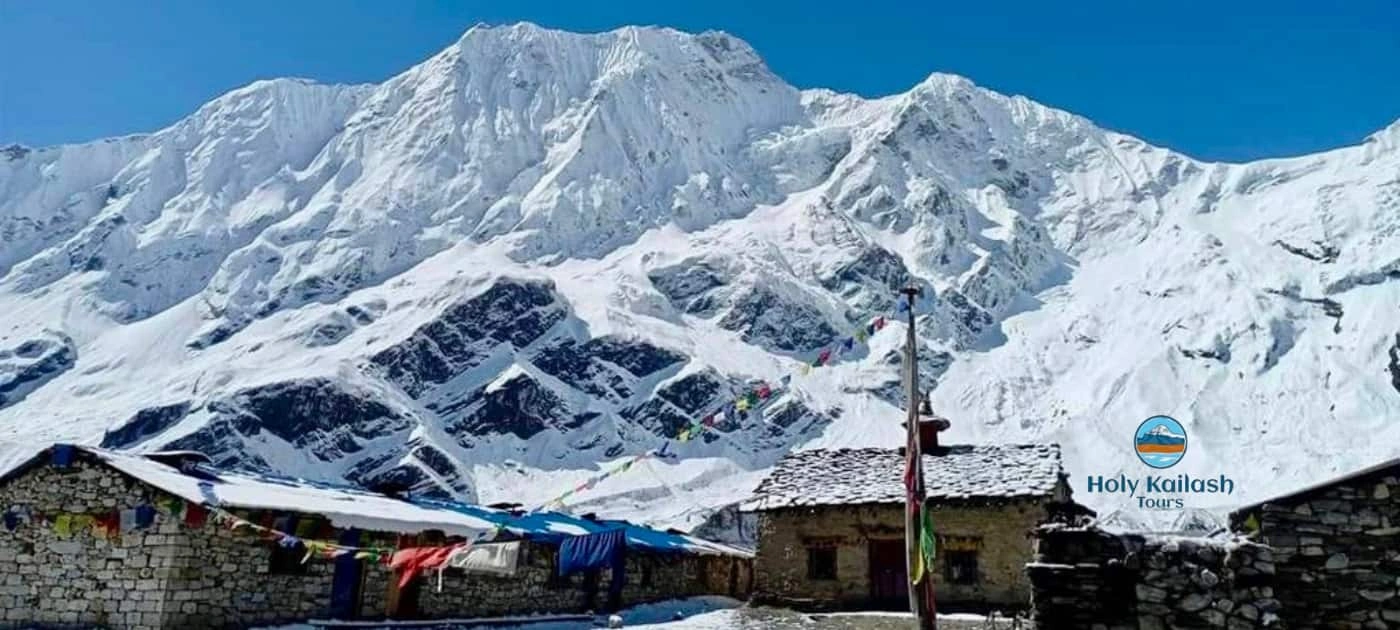
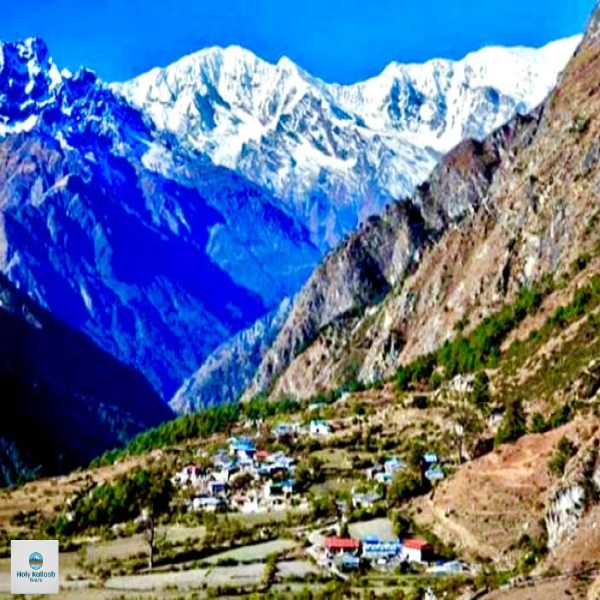
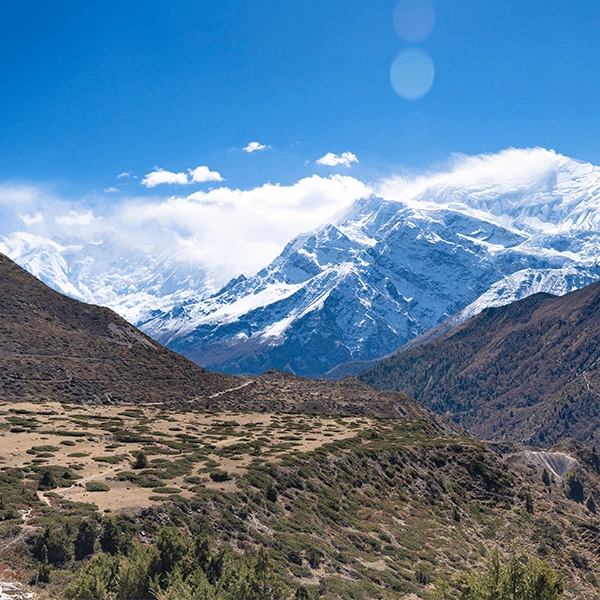
The Manaslu trekking trail changes character almost daily. The first few days out of Soti Khola wind through forested river gorges on narrow paths cut into cliffsides, crossing suspension bridges over the Budhi Gandaki that sway more than nervous trekkers would like. Landslide damage is common in this lower section after the monsoon season, and trail crews rebuild sections most years.
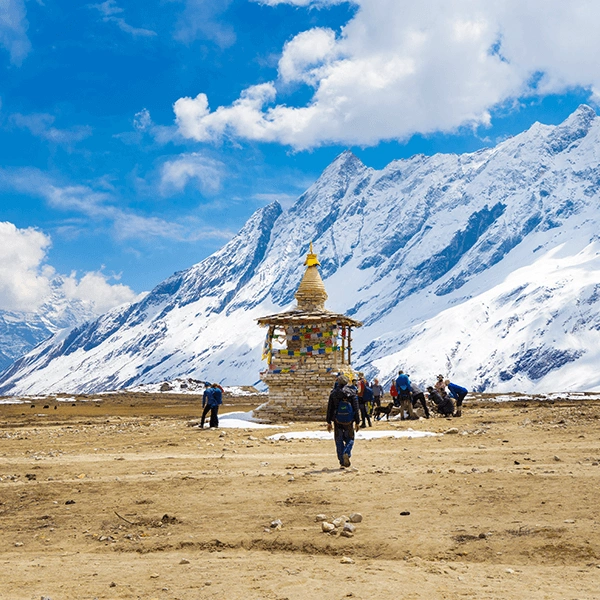
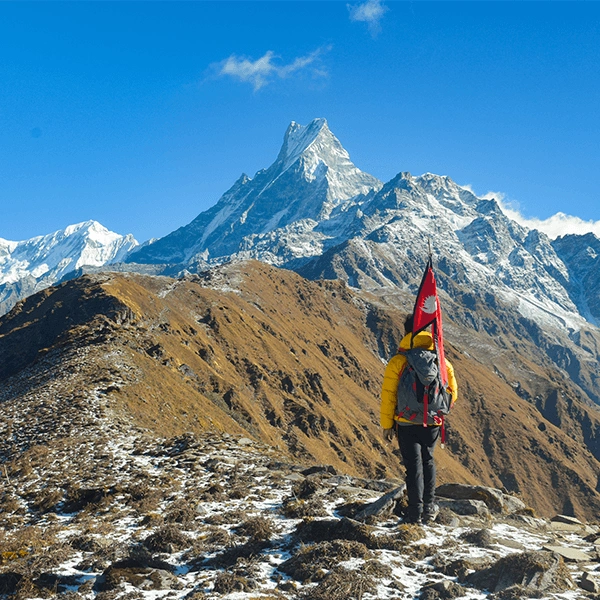
Higher up, past Namrung and Lho, the Landscape opens into wide alpine valleys with easier, more gradual walking, Samagaon right up until the final push toward Larke Pass, where loose scree and occasional snow patches slow everyone down. It's a genuinely varied route, and that variety is part of the appeal, but it also means you can't train for just one type of terrain and expect to be ready for all of it.
Accommodation and facilities along the route
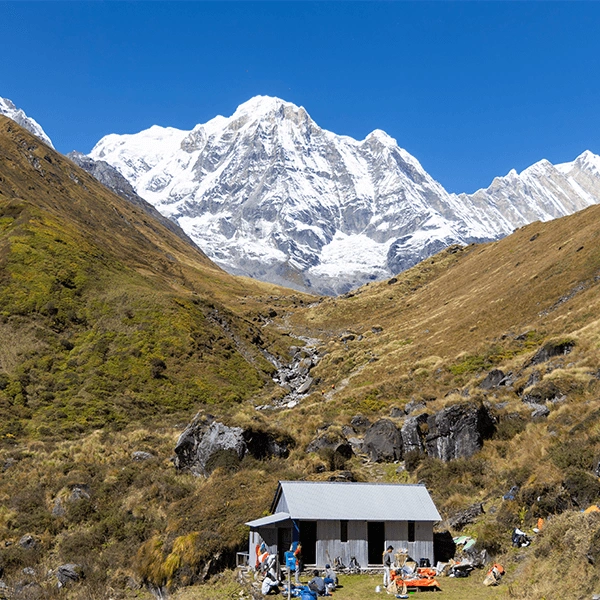
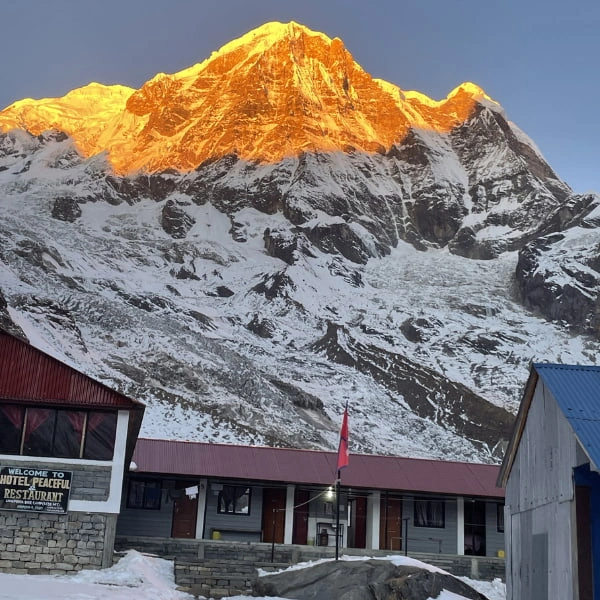
Manaslu tea houses are simpler than what you'll find on Everest Base Camp or the Annapurna Circuit, and that's one of the trade-offs for trekking a quieter, more restricted route. Rooms are basic, usually with twin beds, a shared squat toilet down the hall, and hot showers are rare or paid extras above Samagaon.
Wi-Fi and charging are available in most lodges now, but expect to pay for both, and don't count on a strong signal once you're past Samdo. Food is simple and repetitive: dal bhat, noodle soups, momos, and porridge cover most menus. It gets the job done, and after a nine-hour walking day, a hot bowl of dal bhat tastes better than it has any right to.
Required permits and restricted area rules
Manaslu is one of the last true restricted area treks in Nepal, and the Manaslu Circuit Trek permits reflect that. You'll need three separate documents: the Restricted Area Permit (RAP), the Manaslu Conservation Area Permit (MCAP), and the Annapurna Conservation Area Permit (ACAP), since the trail exits through Dharapani, which is within Annapurna's boundary.
The RAP costs around 100 USD for the first week in peak season (September to November) and 75 USD for the first week in the quieter months, with a daily add-on charge after that. MCAP and ACAP each run about 30 USD.
Altogether, permits for a standard trek usually land somewhere between 200 and 260 USD per person, on top of your guide and lodging costs. A licensed guide from a registered agency is mandatory for every foreign trekker on this restricted area trek in Nepal, a rule that's been enforced since 2015.
As of March 2026, solo travelers can finally get their own permit without needing a second trekker to share it with, but the guide requirement hasn't changed. This is exactly the kind of paperwork Holy Kailash Tours handles for our clients before they even land in Kathmandu, since permits can't be processed independently, and mistakes at the border checkpoints can cost you a full day.
Essential gear for a comfortable trek
Your Manaslu Circuit Trek packing list needs to cover subtropical heat at the start and genuinely cold, windy conditions at Larke Pass elevation, sometimes in the same week. Layering matters more than any single expensive item. A good down jacket, a windproof shell, thermal base layers, and a sleeping bag rated to at least minus 15 Celsius will cover the cold end of things.
On your feet, broken-in waterproof boots are non-negotiable, along with trekking poles for the steep, loose descent off Larke Pass. Bring a water filter or purification tablets, a basic first aid kit with altitude medication if your doctor approves it, and a headlamp for the pre-dawn pass crossing. Overpacking is the more common mistake. Your porter has limits, and you'll be grateful for a lighter bag on the long days.
How to prepare for the Manaslu Circuit Trek
Preparing to prepare for the Manaslu trek success starts months out, not weeks. Build a cardio base with hiking, running, or cycling three to four times a week, and add weighted pack walks on hills as your departure date gets closer. Two or three months of consistent training makes a visible difference in how you feel by day eight.
Beyond fitness, read up on your itinerary so you know what each day actually involves, get a travel insurance policy that specifically covers trekking above 5,000 meters and emergency evacuation, and talk to your doctor about altitude medication if you have any history of AMS. Small preparation steps like these matter far more than gear brand names.
Guided trek vs independent trek
This one isn't really a choice anymore on Manaslu. Nepal's government requires a licensed guide for every foreign trekker on this route, so an independent trek in the way people do it on, say, the Annapurna Circuit simply isn't an option here. What you're actually choosing is which guided Manaslu Circuit Trek provider to go with.
A strong Manaslu trekking guide does more than lead you up the trail. They read altitude symptoms before they become dangerous, know which teahouses run cleaner kitchens, and can make real-time calls on pace and rest days based on how your specific group is doing.
At Holy Kailash Tours, our guides have walked this route dozens of times each, and that repeated experience is exactly what turns a hard trek into a safe, well-managed one.
Common mistakes that make the trek more difficult
The biggest Manaslu trekking mistakes we see all trace back to rushing. Trekkers cut an acclimatization day to save time, or skip lunch stops because they want to reach the next village early, or ignore mild headaches because they don't want to slow the group down. Every one of those choices raises your risk of altitude sickness later.
The second most common mistake is undertraining. People assume a trekking holiday means moderate effort spread across two weeks, and show up without having walked more than a casual hour at home.
The third is packing wrong, either too heavy for the porter or missing proper cold-weather gear for the pass. None of these mistakes is complicated to avoid. They just require planning ahead of time instead of figuring it out on the trail.
Expert tips to make the Manaslu Circuit Trek easier
Walk slowly, especially above 3,000 meters. Pace, not speed, is what protects you from AMS. Drink more water than you feel you need, since dehydration can mimic and worsen altitude symptoms. Eat well even when you don't feel hungry, because your body burns serious calories at altitude and appetite naturally drops.
Start the Larke Pass day early and dress in proper layers; you can strip off as you warm up on the climb. Trust your guide's calls on rest days, even if you feel fine, because they're reading the whole group's condition, not just yours.
And build in a buffer day or two in your schedule in case weather delays the pass crossing. These small habits are what separate trekkers who finish strong from trekkers who finish exhausted.
Frequently asked questions
How difficult is the Manaslu Circuit Trek compared to the Everest Base Camp?
Most trekkers who've done both rate Manaslu as slightly harder, mainly because of the Larke Pass crossing and the more remote, less developed trail infrastructure.
What is the Manaslu Circuit Trek cost?
Total trip cost typically falls between 1,200 and 2,800 USD per person, depending on group size, season, and comfort level, with permits, guide, porter, and lodging all factored in.
Do I need previous trekking experience?
It helps, but it's not strictly required if you're fit and well prepared. A shorter trek beforehand gives you useful altitude experience.
Can I trek Manaslu solo?
You can now get an individual permit as of March 2026, but you still must trek with a licensed guide from a registered agency. Fully independent trekking isn't permitted on this restricted route.
What's the best time for the Manaslu Circuit Trek?
Autumn (September to November) and spring (March to May) offer the most stable weather and clearest mountain views.
Final thought
Yes, and honestly, the difficulty is part of why it's worth doing. This isn't a trail that's been worn smooth by mass tourism. You'll walk for days without seeing another trekking group, share tea with families in villages that still run on Tibetan Buddhist tradition, and stand on Larke Pass having earned every one of those 5,100 meters yourself.
If you train properly, respect the altitude, and go with a guide who actually knows the route, the Manaslu Circuit Trek difficulty becomes something you manage, not something that stops you. That's the trip Holy Kailash Tours builds for every trekker who comes to us asking whether they're ready for it. Most of them are, once they know exactly what they're preparing for.
About the Author
How difficult is the Manaslu Circuit Trek guide was put together by the trekking team at Holy Kailash Tours, drawing on route experience from multiple Manaslu seasons and departures.
Editor's note: "Written by Ram Sharan Adhikari, How difficult is the Manaslu Circuit Trek: A Season-by-Season Guide at Holy Kailash Tours, 15 years of Manaslu Circuit departures led since 2010," linked to an author page with certifications and TAAN or NTB registration details.
Sources
Best Time for the Manaslu Circuit Trek draws on Nepal's official trekking and conservation authorities, as well as route conditions reported by licensed operators active in the region. For the most current rules before you book, check these directly.
Nepal Department of Immigration covers current restricted area permit rules, including the March 2026 solo trekker policy update: https://immigration.gov.np/en/post/trekking-permit
Nepal Tourism Board publishes trekking permit guidance and fee schedules: https://ntb.gov.np/ plan-your-trip/before-you-come/trekking-permit
National Trust for Nature Conservation (NTNC), which manages the Manaslu Conservation Area Project, covers the conservation area's boundaries, history, and wildlife programs: https://ntnc.org.np/project /manaslu-conservation-area-project-mcap
Seasonal temperature ranges and Larke Pass crossing conditions in this blog reflect patterns reported across multiple licensed trekking operators as of mid-2026, checked against the sources above. Mountain weather shifts year to year, so confirm current trail and pass status with your guide before departure.
Email: [email protected]
Author: Ram Sharan Adhikari
WhatsApp: +977-9851254672 — Feel free to reach out anytime for fast, friendly, and personalized assistance.