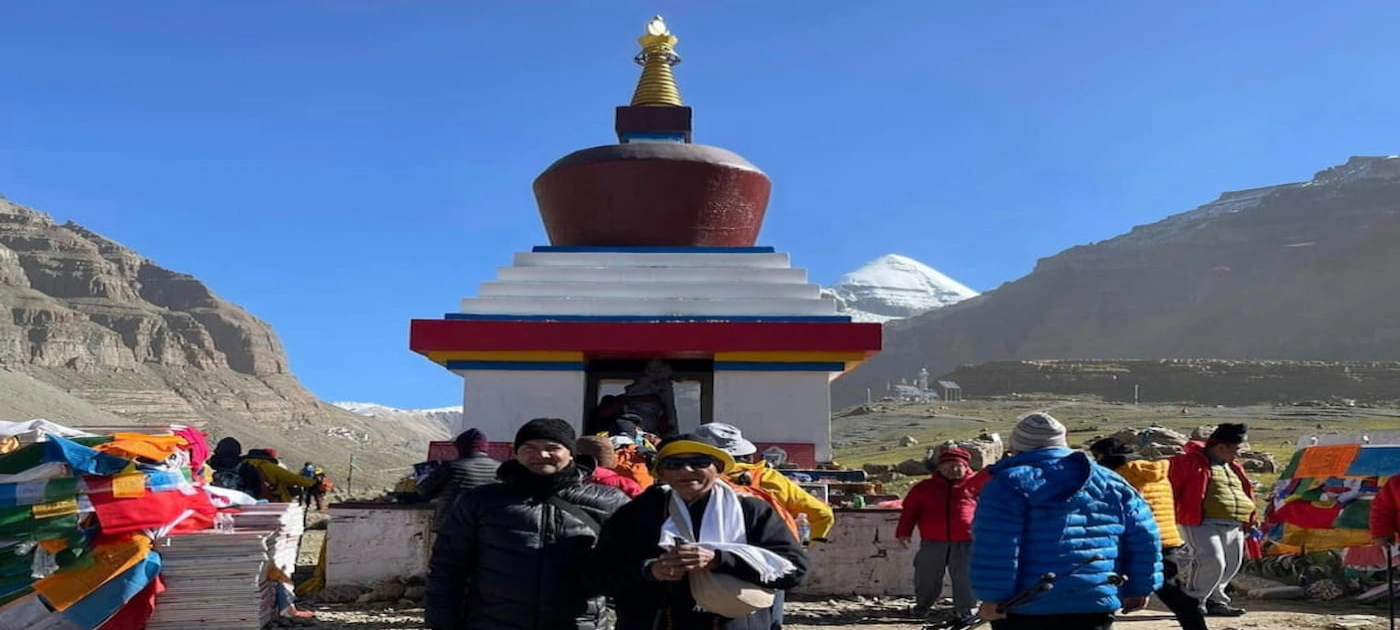
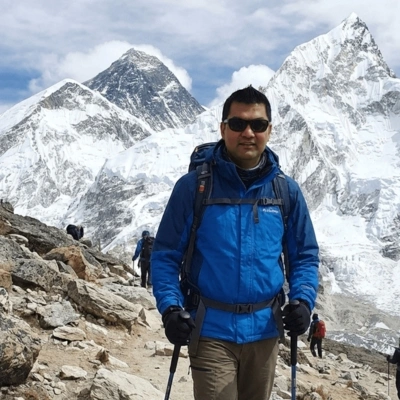
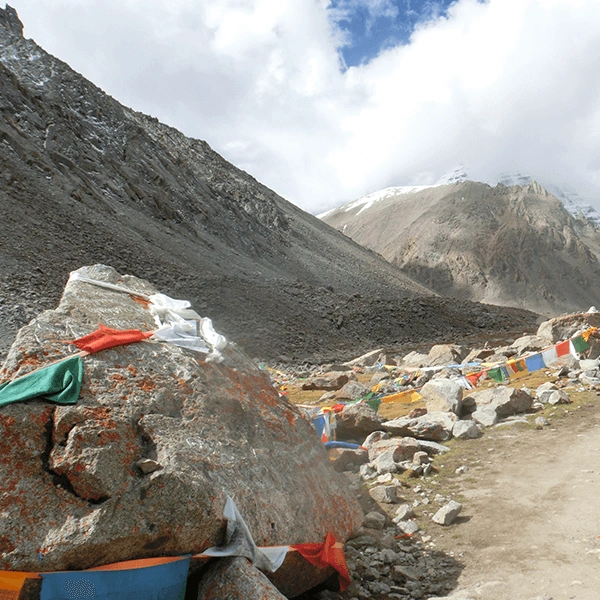
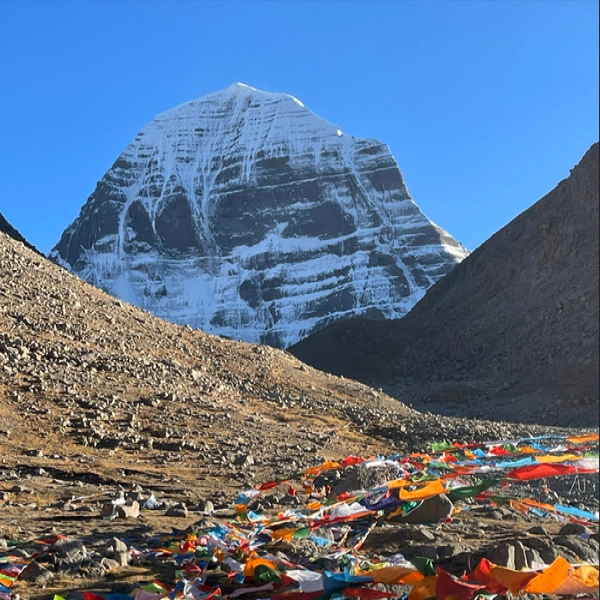
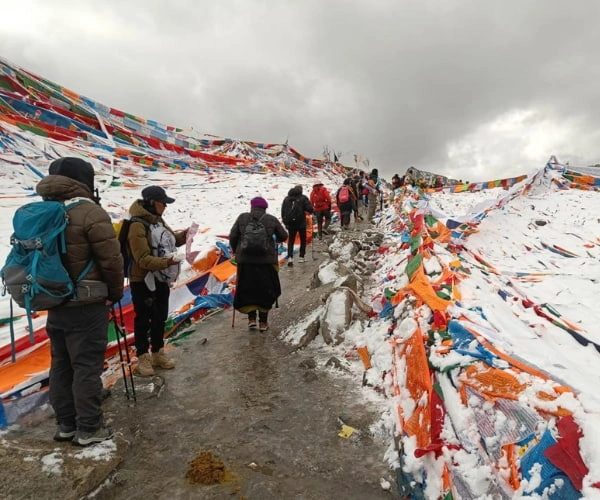
The Kailash Mansarovar Yatra is not a trip you book on a whim. It takes months of preparation, the right permits, physical conditioning, and one decision that sits above all others: when to go. Get the timing wrong, and you're looking at closed roads, dangerous snowfall on Dolma La Pass, or permits that simply aren't available because the season hasn't opened yet.
Kailash yatra Guide covers every month the Yatra runs, what the weather actually looks like at Mount Kailash and Lake Mansarovar, and the practical factors that determine whether your journey is safe and spiritually fulfilling or prematurely cut short. Holy Kailash Tours has been organizing this pilgrimage from Kathmandu for years, and the information here comes from that direct, on-the-ground experience
Latest Travel Blogs
Why Timing Matters for the Kailash Mansarovar Yatra
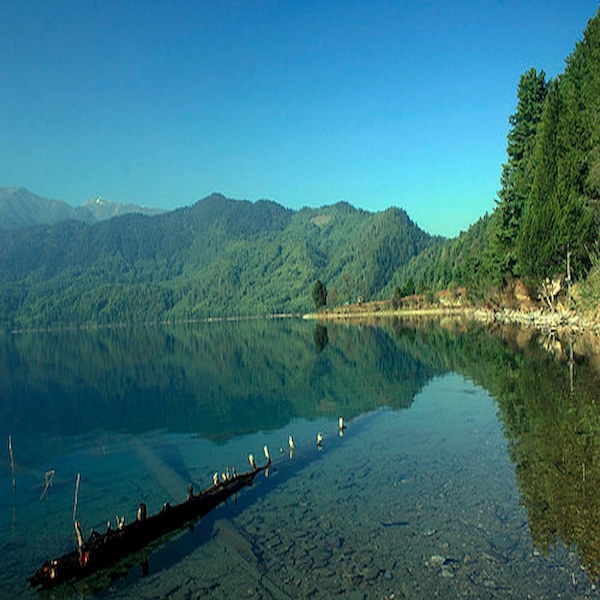
Lake Mansarovar
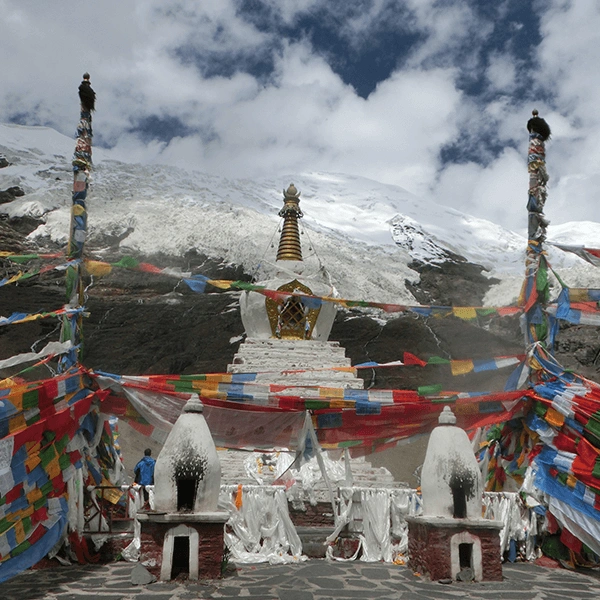
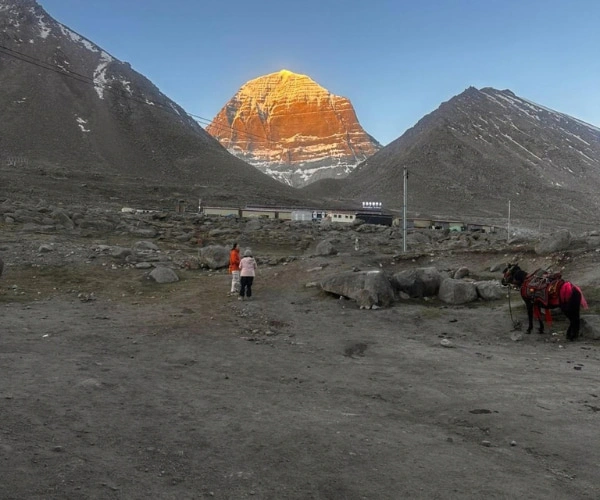
Mount Kailash is at an elevation of 6,638 meters in western Tibet. Lake Mansarovar rests at 4,590 meters. The Kailash Kora (the three-day circumambulation of the holy mountain) crosses Dolma La Pass at 5,630 meters. These are extreme altitudes by any measure, and the weather at this elevation shifts fast.
Road accessibility is the first practical issue. The route from Nepal through the Kerung border into Tibet crosses mountain passes that close under heavy snowfall. If the roads are closed, no tour group can enter Tibet, regardless of permits or plans. The Tibet Tourism Bureau (TTB) controls when the region officially opens each year, and that window runs from May to September. Outside of that, the Yatra simply does not run.
Altitude sickness is the second issue. Pilgrims need time to acclimatize before attempting the Kora. The weather directly affects how that acclimatization goes. Warm, stable days with low wind at Darchen base (4,560 meters) make the physical adjustment far easier than arriving in poor conditions.
The spiritual dimension matters too. Many pilgrims time their journey to coincide with the Saga Dawa Festival, the most sacred month in the Tibetan Buddhist calendar. Others prefer September for solitude. Neither choice is wrong, but they produce very different experiences.
Mount Kailash is sacred to four religions: Hinduism, Tibetan Buddhism, Jainism, and the ancient Bon tradition of Tibet. Hindus consider it the abode of Lord Shiva. Buddhists believe it is the home of Demchog (Chakrasamvara). Jains call it Astapada, the site of their first Tirthankara's liberation. Followers of Bon regard it as the seat of all spiritual power.
Lake Mansarovar, sitting just south of the mountain, is described in Hindu scripture as created by Lord Brahma and fed by the Ganges from heaven. Bathing in its waters, or even completing the 88-kilometer circumambulation of the lake (the lake Kora), carries enormous spiritual significance for pilgrims of all four traditions.
The Kailash Kora, the three-day, 52-kilometer walk around the mountain, is not a technical climb. It is a high-altitude trek on unpaved paths at elevations between 4,500 and 5,630 meters. The physical demands are real. But hundreds of thousands of pilgrims have completed it over centuries, including elderly devotees who move slowly but with complete determination.
Holy Kailash Tours organizes overland Yatra packages from Kathmandu via the Kerung border, including all Tibet Travel Permits, group visas, accommodation, transportation, and experienced guides. The itinerary builds in proper acclimatization days so pilgrims reach Darchen in the best possible condition before starting the Kora.
Best Time to Visit Kailash Mansarovar Month-by-Month Guide
The Yatra season runs from mid-May through mid-September. Each month has a distinct character. Here is what to expect across the full window.
Kailash Mansarovar Yatra in May
May is the opening month of the season. The roads from Kerung into western Tibet typically open in mid-May, though the exact date varies by year depending on how much snow accumulated over the previous winter. Early-season travel has real advantages, but it comes with tradeoffs worth understanding.
Temperatures at Darchen base in May hover between 5°C and 15°C during the day. Nights drop sharply, often to -5°C or lower. At Dolma La Pass, daytime temperatures can still sit below freezing, and patches of ice and compacted snow remain on the trail. Trekkers moving slowly need to be especially careful about footing on the descent from the pass.
The snow views in May are extraordinary. The mountain's flanks are covered in fresh white, and the surrounding peaks have not yet lost their winter coat. The landscape around Lake Mansarovar is dramatically clear. Photographically, May produces some of the most striking images of the entire season.
Crowds are light. Most pilgrim groups have not yet arrived, which means shorter waits at guesthouses in Darchen, quieter mornings at the Mansarovar shore, and a more personal atmosphere during the Kora. If solitude and the early-season landscape matter to you, May is worth the colder conditions.
The key caveat: if you go in early May, confirm road conditions with your operator before departure. Holy Kailash Tours monitors Kerung border access in real time and will advise on the safest departure date for each group.
Kailash Mansarovar Yatra in June
June is arguably the most balanced month of the entire Yatra season. The roads are open and stable. Daytime temperatures at Darchen reach 10°C to 18°C, making the Kora physically comfortable. Nights remain cold at around 0°C to -3°C, so warm sleeping bags are still essential, but the extreme temperatures of May have eased.
Mountain visibility in June is excellent. Pre-monsoon clarity over western Tibet gives you long, open views of Kailash's south face, the Nandi peak beside it, and the Gurla Mandhata massif across Lake Mansarovar. Sunrises over the lake in June produce deep orange and pink light on the water before the mountain turns gold. Photographers who time their Mansarovar morning at 5 a.m. in June are rarely disappointed.
The Saga Dawa Festival (see below) often falls in June, depending on the Tibetan lunar calendar. In years when it does, Darchen fills with Tibetan pilgrims completing prostrations around the mountain. The atmosphere is unlike anything else in Asia. If spiritual intensity is part of why you're making this journey, a June visit during Saga Dawa is worth planning for specifically.
Trekking conditions on the Kora in June are close to ideal. Dolma La Pass is generally clear of heavy snow by mid-June. The trail is manageable, the weather is cooperative, and the air temperature does not punish you on the ascent the way May sometimes can.
Kailash Mansarovar Yatra in July
July requires a nuanced understanding. In Nepal, the monsoon arrives in force during July. Heavy rain is affecting the overland route from Kathmandu to the Kerung border, and road conditions on the Nepal side may be disrupted by landslides. This is the main practical risk for groups traveling via Kerung.
Inside Tibet, the situation is different. The Tibetan Plateau sits in a rain shadow north of the main Himalayan range, so western Tibet receives far less monsoon precipitation than Nepal or India. Mount Kailash and Lake Mansarovar see some rainfall in July, usually in the form of afternoon showers, but not the sustained downpours that affect the southern slopes.
Temperatures at Darchen in July are the warmest of the season. Daytime highs reach 12°C to 20°C. Nights stay above 0°C in most years. The Kora trail is warm enough during the day to walk in light layers.
The practical advice for July: allow extra days in your itinerary for possible road delays on the Nepal side. Holy Kailash Tours builds buffer days into July departures specifically for this reason. If your group reaches Kerung without incident, the journey through Tibet to Kailash is generally smooth. It's the transit through Nepal's wet hills that requires patience.
July is also a busy pilgrimage month. Groups from India traveling via the Lipulekh or Nathu La routes are at peak numbers, and Darchen sees its highest foot traffic of the season.
Kailash Mansarovar Yatra in August
August shares the monsoon considerations of July on the Nepal side but brings one significant seasonal advantage: the Yatra is in full pilgrimage season. The roads through Tibet are at their most reliable. The high passes have been clear for months. The infrastructure at Darchen, including guesthouses, medical support, and pony hire for those who need it, is running at full capacity.
Daytime temperatures in August at Darchen range from 10°C to 18°C, similar to June. The famous Yam Dwar entry point, the area where pilgrims traditionally feel the mountain's presence most acutely for the first time, is accessible in the best walking conditions of the year.
The Kailash Kora in August benefits from maximum daylight. Sunrise comes early enough to start the first day before 6 a.m. and complete the long section to Dirapuk monastery with time to rest before evening. On the second and most demanding day, crossing Dolma La Pass, the trail is at its most stable: solid ground, good visibility, and no ice to navigate.
For Hindu pilgrims, August aligns with the Shravan month, considered especially auspicious for Shiva worship. Completing the Kora during this period carries particular spiritual weight in the Hindu tradition.
Kailash Mansarovar Yatra in September
September is the quiet gem of the Yatra season. The monsoon's grip eases in Nepal by early September, and by mid-September, road conditions stabilize significantly. The clouds that lingered over the hills through July and August begin to clear. Western Tibet gets sharper, drier air.
Temperatures in September at Darchen run from 5°C to 15°C during the day and drop to around -2°C to -5°C at night. It's cooler than August but far more comfortable than May. The trail conditions on the Kora are excellent: dry, firm, and well-defined.
September crowds are lighter than July and August. Fewer Indian pilgrim groups are on the route by this point, and the guesthouses at Darchen and Dirapuk feel less pressed. Pilgrims who prefer a quieter, more contemplative Kora often specifically choose September for this reason.
Lake Mansarovar in September shows extraordinary color. The post-monsoon atmosphere brings exceptional clarity. The lake's turquoise shifts to deep blue in the afternoon light, and the reflection of Gurla Mandhata at dawn is among the most beautiful natural sights in Asia.
The season closes after mid-September. By late September, snowfall returns to the high passes, and the Kerung road becomes unreliable again. Book September departures early, as spots fill quickly with pilgrims who have done this research.
Weather and Temperature at Mount Kailash and Lake Mansarovar
Understanding the temperature range before you pack could be the difference between a miserable and a comfortable pilgrimage.
At Darchen base (4,560 meters), daytime temperatures across the Yatra season range from 5°C in May to 20°C at the warmest point in July and August. Nights across all months can drop below freezing. A high-quality sleeping bag rated to -10°C is not excessive; it is standard. The altitude alone makes it harder to retain warmth.
At Dolma La Pass (5,630 meters), the temperature drops significantly even on warm days. A 15°C day in Darchen translates to roughly 5°C to 8°C at the pass, with wind chill bringing it down further. Pilgrims who have done the Kora before describe the wind at Dolma La as the most challenging physical factor, not the ascent itself.
The weather changes fast at this altitude. A clear morning can give way to cloud cover, wind, and light snow within two hours. This is not unusual. Your guide will monitor conditions and advise on pace and shelter. Carrying a waterproof layer accessible at the top of your pack, not buried inside it, is a habit worth developing before Day Two of the Kora.
Lake Mansarovar is 100 meters lower than Darchen. Air temperature at the lakeshore is marginally warmer, but the open water creates its own wind effect in the afternoon. Early morning visits, before 7 a.m., give you the stillest, most reflective conditions.
If someone asks for a single best window for the Kailash Kora, the honest answer is the second half of June through the first half of September. That six-week span covers the Saga Dawa festival (if it falls in June), stable road conditions, dry trails, and manageable temperatures across the full Kora elevation range.
Within that window, late June and early September represent the sweet spots. June gives you festival energy and crystal-clear mountain views. September offers solitude and post-monsoon clarity, with slightly cooler temperatures.
Dolma La Pass elevation gain from the Dirapuk monastery is approximately 800 meters over a 10-kilometer approach. The descent to Zuthulphuk is steep, around 600 meters over 5 kilometers, on a rocky path that demands attention on the knees and ankles. The best trail conditions for this difficulty occur between June and mid-September.
The Yatra does not run from October through April. The reasons are straightforward.
By October, snow begins falling on the Kerung road and Dolma La Pass with increasing frequency. The Tibet Tourism Bureau progressively restricts access. By November, the high passes are closed, and temperatures at Darchen drop to -20°C or colder at night. January and February see temperatures at the lake and mountain base that are genuinely dangerous without specialized cold-weather expedition gear, and there is no infrastructure open to support pilgrims.
Winter travel to this region is not a hardship for most people. It is a survival situation. No reputable operator runs pilgrim groups in these months.
Some pilgrims ask about April, hoping to catch early spring conditions. In practice, April is too early. The Kerung road frequently remains snowbound. Tibet permits are not yet issued for pilgrim groups. The risk of a cancelled trip after full preparation and spending is high.
Best Time for Kailash Mansarovar Yatra for Senior Citizens
Senior pilgrims make this journey regularly, some well into their seventies. The right month makes a meaningful difference in how the trip feels physically.
For older travelers, June and the first two weeks of September are the most suitable months. June offers warmth, stability, and the emotional lift of the Saga Dawa festival season. Early September brings cooler air that helps with altitude adjustment and reduces the physical strain of walking in the heat.
May nights are too cold for most seniors. July and August, while warm, bring road delays and crowded guesthouses, adding logistical stress. September's quiet, stable conditions make the journey more peaceful.
Holy Kailash Tours recommends that senior pilgrims also consider adding an extra acclimatization day in Kathmandu before departure and, if budget allows, hiring a horse or pony for the steepest sections of the Kora (particularly the Dolma La ascent on Day Two). This is a widely accepted and respected practice. Many elderly Tibetan pilgrims use the same approach.
Best Time for Photography at Mount Kailash and Lake Mansarovar
If photography is a priority, the light and conditions differ meaningfully by month.
May produces dramatic snow-covered landscapes but often brings high winds and dust-storm haze from western Tibet. The snow views are unmatched, but cloud cover can be unpredictable.
June is the single best month for consistent photographic conditions. Pre-monsoon clarity, long daylight hours, and the festival crowds (if you want human elements in your images) combine to give photographers the widest range of options.
September is the best month for Lake Mansarovar photography, specifically. Post-monsoon air is the clearest of the year. The lake's color saturation is deepest in September, and the mountain reflection in the still morning water is sharper than in any other month.
Sunrise and sunset are the golden hours here, as anywhere. At Lake Mansarovar, sunrise hits the Gurla Mandhata peak first, then spreads across the water. Plan for a 4:30 a.m. position on the lakeshore on at least one morning. The 20 minutes after sunrise over the lake repay every early alarm.
Dolma La Pass, at the top of the Kora's hardest day, offers aerial views of the Kailash massif that most pilgrims instinctively photograph. But the wind at the pass frequently makes stable shooting difficult. A fast shutter speed and a firm stance matter more than any other technical consideration at that elevation.
Kailash Mansarovar Festival Season and Spiritual Events
The Saga Dawa Festival is the most important spiritual event associated with the Kailash Yatra. It falls on the full moon of the fourth month of the Tibetan lunar calendar, which places it in May or June, depending on the year (Saga Dawa 2025 falls on June 11).
During Saga Dawa, Tibetan Buddhists believe that all acts of merit, good deeds, prayers, and pilgrimage carry multiplied spiritual weight. Completing the Kailash Kora on Saga Dawa itself is considered the equivalent of completing it 13 times on any other day. Tibetan pilgrims travel from across the plateau to walk the Kora during this month, and on the full moon day itself, Darchen and the Kora trail fill with prostrating pilgrims.
The atmosphere during Saga Dawa is hard to describe neutrally. It is intense, joyful, and deeply communal. Prayer flags are renewed on the Tarboche flagpole near Darchen in a ceremony that draws hundreds of people. The air smells of juniper incense. Groups of monks chant on the open plain below the mountain's south face.
For pilgrims of any faith tradition who want to experience the Yatra at its most spiritually alive, timing your visit to coincide with any part of the Saga Dawa month is worth the additional planning it requires.
The three days of the Kora each present different weather exposure.
Day One covers approximately 20 kilometers from Darchen to Dirapuk monastery on the northern face of Kailash. The trail stays between 4,600 and 4,900 meters. In stable weather, this is a long but manageable walk. In wind and rain, the exposed sections above the valley floor become difficult and cold. Most pilgrims complete Day One in five to eight hours.
Day Two is the summit day. The 10-kilometer ascent from Dirapuk to Dolma La Pass gains 800 meters. A 5 a.m. start is standard. In clear weather, the sunrise hits the north face of Kailash from this approach and produces one of the most iconic views in the world, the sheer black rock and white glaciers of the sacred mountain's highest visible face. In cloud cover or snow, that view disappears entirely, and the walk becomes purely about moving safely over rough ground.
The descent to Zuthulphuk monastery takes four to six hours, depending on pace. The trail is steep, and the surface varies between rock, gravel, and grass. Knee pain is common on the descent. Trekking poles reduce the impact significantly.
Day Three runs 14 kilometers from Zuthulphuk back to Darchen along the eastern face of the mountain. The terrain is gentler, and most pilgrims complete this section in three to five hours. It's the emotional finishing leg, and the weather on this day rarely derails the journey if Days One and Two went smoothly.
Road conditions from Kathmandu to Kerung also affect Kora timing. Landslides during July and August can add one or two days to the overland journey. Holy Kailash Tours builds contingency days into all itineraries so that road delays do not force pilgrims to rush their acclimatization or Kora schedule.
Best Time for Kailash Mansarovar Yatra via the Kerung Border
The Kerung border crossing (also written Gyirong) is the primary route for pilgrims traveling from Nepal. It sits at 1,770 meters, lower than the old Kodari/Tatopani route, and the road conditions through the Kerung valley are generally better since major reconstruction work was completed after the 2015 earthquake.
The border opens for tourist and pilgrim groups typically in mid-May and closes in mid-October. Within that window, the practical risk months are July and August, when Nepal monsoon rainfall increases the chance of landslides on the approach roads from Kathmandu to Kerung.
Late May through June offers the cleanest road window of the season. The dry pre-monsoon conditions in Nepal, combined with the early-season stability in Tibet, make this the most logistically predictable time for the overland journey. September is the second-best window, with post-monsoon conditions rapidly improving on the Nepal side while western Tibet remains dry and accessible.
For groups doing the overland tour (as opposed to flying into Lhasa and driving to Kailash), the Kerung route with a June or September departure gives the highest probability of a smooth, delay-free journey.
Holy Kailash Tours operates regular overland Kailash Mansarovar Yatra packages via Kerung throughout the season, with departure dates designed around the optimal road and weather windows for each month.
Travel Tips for Kailash Mansarovar in Different Seasons
A few practical points that differ by month.
For May departures: pack a sleeping bag rated to -15°C, bring hand warmers, and carry extra layers specifically for Dolma La. Check road conditions via your operator before leaving Kathmandu. Allow a weather buffer day in Kerung.
For June departures: this is the easiest packing month. A sleeping bag rated to -10°C is sufficient. Bring strong UV-protectant sunscreen (SPF 50+) because the Tibetan Plateau at altitude reflects UV light strongly. June days at the lake feel warm, but sunburn can come on quickly.
For July and August departures: waterproof gear for the Nepal leg of the journey is non-negotiable. A good rain cover for your pack matters as much as your rain jacket. Add one extra travel day buffer in your planning for road delays. Once inside Tibet, the packing needs are similar to those in June.
For September departures, temperatures drop faster after sunset than in the summer months. A sleeping bag rated to -10°C works, but bring a warmer liner. Early morning visits to the lake require a proper down jacket.
Across all months: Diamox (acetazolamide) should be discussed with your doctor before departure. Acclimatization in Kathmandu for at least one night before the overland journey helps. Hydration is critical at altitude. Drink more water than feels necessary. At Darchen and on the Kora, altitude headaches are common and manageable. Descend if symptoms worsen to dizziness, loss of coordination, or persistent vomiting.
The Kailash Mansarovar Yatra is not the kind of trip you rush. The mountain has been drawing pilgrims for centuries, and it rewards those who prepare carefully, choose the right season, and arrive with realistic expectations rather than a checklist. June and September remain the most reliable months for good reason.
The roads are open, the weather cooperates most days, and the Kora is physically manageable for anyone who has properly trained and acclimatized. Holy Kailash Tours can handle logistics, permits, and route planning.
The rest is yours to bring. That part, the intention behind the journey, is what makes the difference between a difficult trek at altitude and something that stays with you for the rest of your life.
What is the best month for the Kailash Mansarovar Yatra?
June and September are the most consistently good months for the full Yatra experience. June offers the Saga Dawa festival period, clear skies, and ideal trekking temperatures. September brings post-monsoon clarity, fewer crowds, and stable road conditions. Both months hit the right balance between weather, accessibility, and the practicalities of high-altitude travel.
Can I visit Mount Kailash during the monsoon season?
You can travel to Kailash in July and August, which fall within the monsoon period, but the journey requires flexibility. In Tibet, the weather is drier than in Nepal because the Tibetan Plateau lies north of the main Himalayan range and receives far less monsoon precipitation. The risk is on the Nepal side of the Kerung border, where monsoon rains increase the risk of landslides on mountain roads. Reputable operators like Holy Kailash Tours build contingency days into monsoon-season itineraries to handle road delays without disrupting the Kora schedule.
Is Kailash Mansarovar open all year round?
No. The pilgrimage season runs from approximately mid-May to mid-September. Outside this window, the high-altitude roads are closed by snow, Tibet Travel Permits are not issued to pilgrim groups, and the infrastructure at Darchen is not operational. Winter conditions at these elevations are genuinely extreme, with temperatures dropping to -20°C or colder at Darchen base.
Which month has the best weather for the Mount Kailash trek?
June and early September offer the best trekking conditions for the Kora. Dolma La Pass (5,630 meters) is clear of heavy snow, daytime temperatures are comfortable for sustained walking, and trail surfaces are dry and firm. June also benefits from the longest daylight hours of the year, giving trekkers more time on the trail before darkness falls.
When is the Saga Dawa Festival celebrated?
Saga Dawa falls on the full moon of the fourth month of the Tibetan lunar calendar. This places it in May or June each year. The full month of Saga Dawa is considered sacred, but the full moon day itself (Saga Dawa Duchen) carries the most significance. In 2025, Saga Dawa Duchen falls on June 11. Check the Tibetan calendar for future years and plan departure dates accordingly if you want to include the festival.
Is September a good time for the Kailash Mansarovar Yatra?
September is one of the strongest months for the entire Yatra. Post-monsoon conditions bring exceptional clarity over both the mountain and the lake. Temperatures are cool but not harsh. Road conditions on the Nepal side improve rapidly through September as monsoon rainfall decreases. Crowds are thinner than in July and August. Lake Mansarovar in September has the deepest color and clearest reflections of the entire season. For pilgrims who want a quieter, more contemplative experience, September is often the most satisfying choice.
Holy Kailash Tours organizes Kailash Mansarovar Yatra packages from Kathmandu via the Kerung border throughout the open season. Packages include all Tibet Travel Permits, group visas, overland transportation, accommodation, and experienced guides familiar with the route and its altitude demands. Contact the team in Kathmandu to discuss which departure month fits your schedule and physical preparation.