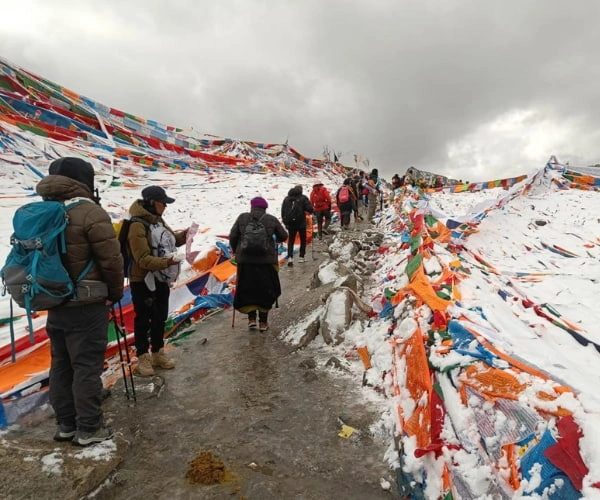
Why the Everest Base Camp Trek Is on the Bucket List?
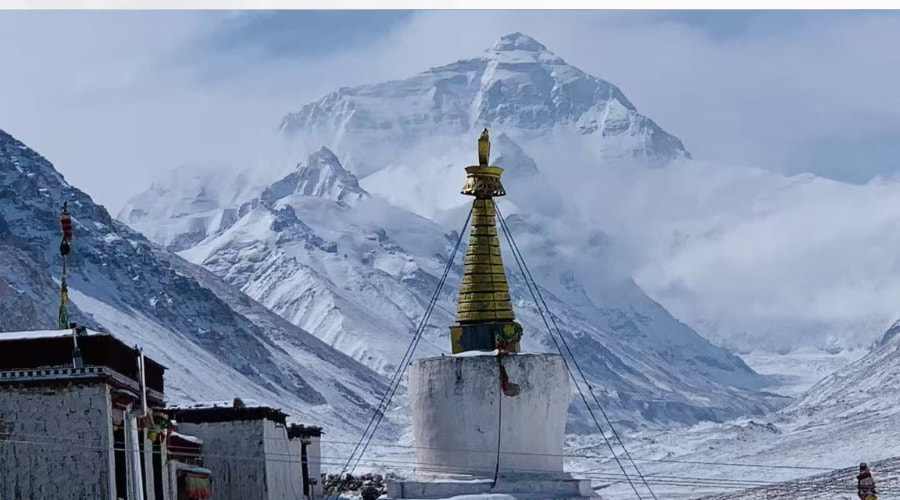
People talk about the EBC trek like it's a rite of passage. In a lot of ways, it is. You don't need to be a mountaineer. You don't need technical climbing skills. But you do need to commit to roughly 12 to 14 days of walking at altitude, which will slow your body down, whether you like it or not. That honesty is part of what makes it stick with people long after they're home.
The Everest Base Camp trek is in Nepal's Khumbu region, inside Sagarmatha National Park. It's one of the most visited trekking routes in the world, and somehow still manages to feel remote, quiet in stretches, and genuinely hard.
Stunning Himalayan Mountain Views
This is the obvious one, but it deserves more than a mention.
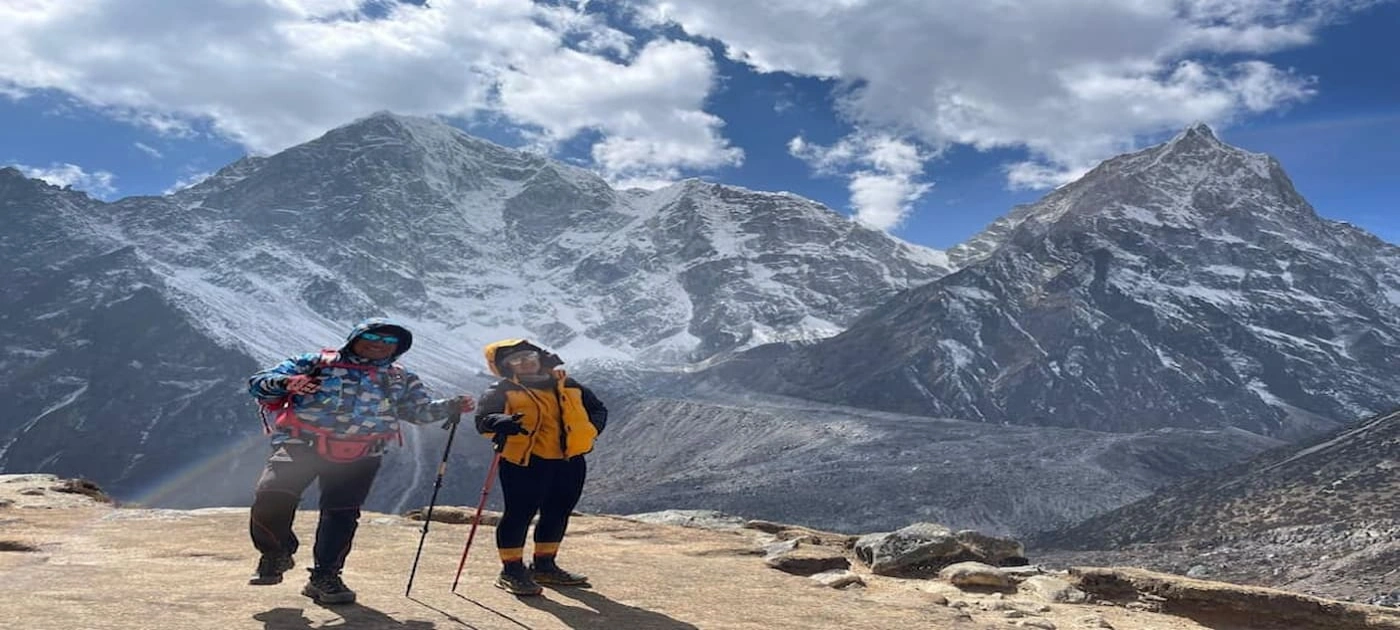
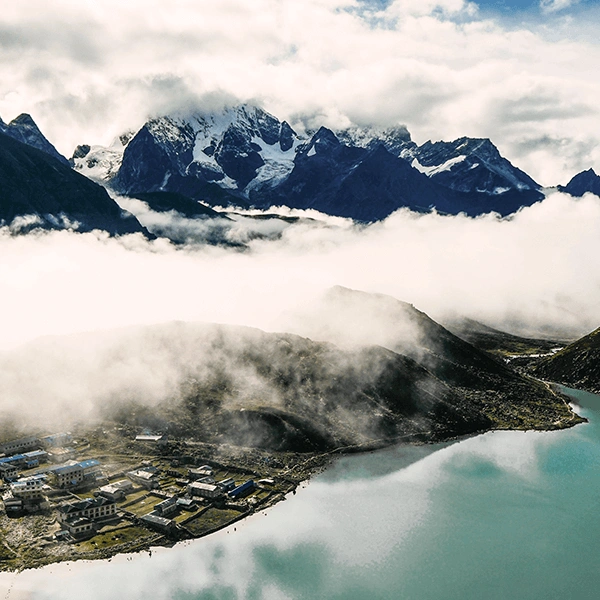
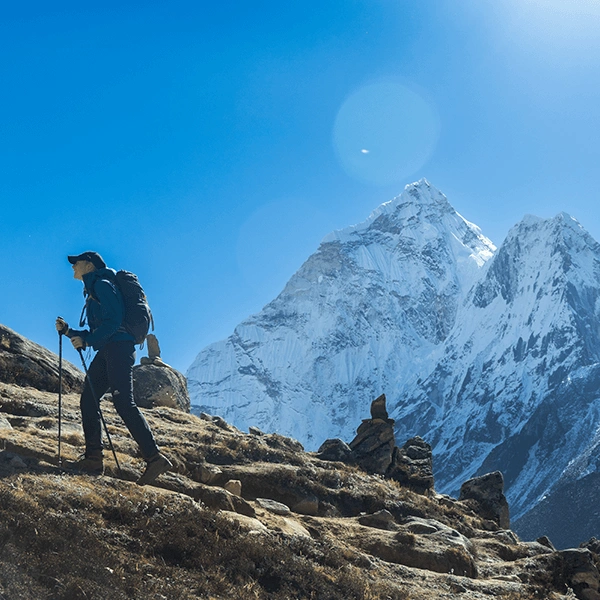
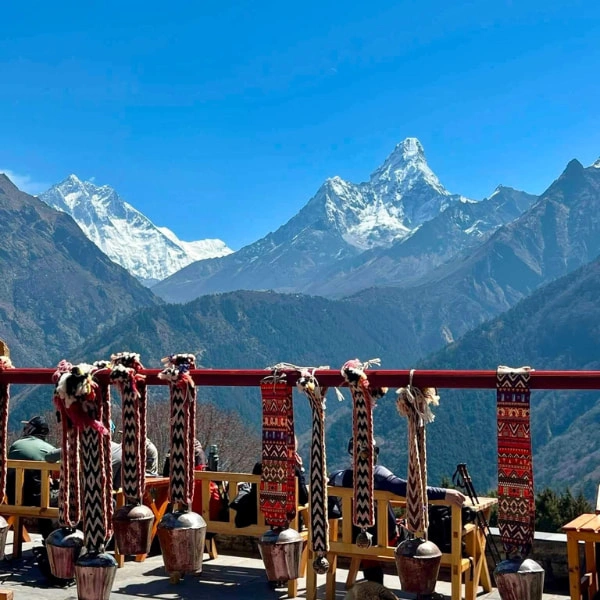
On a clear day from the Everest region, you can see six of the world's fourteen 8,000-meter peaks. Lhotse, Nuptse, Ama Dablam, Pumori, Cho Oyu. The ridgelines are unlike anything in the Alps or Rockies. The scale is different. The light is different. You feel small in a way that's actually good.
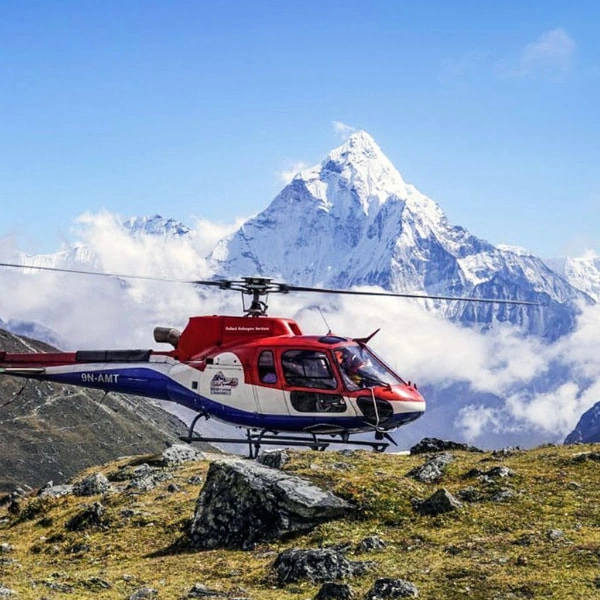
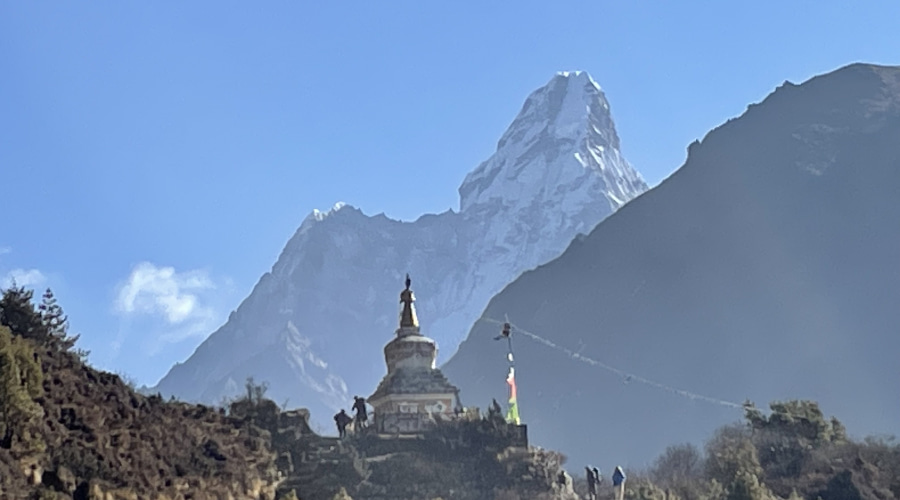
Ama Dablam, which you see for most of the middle section of the trek, stops people in their tracks. It's one of the most photogenic mountains on Earth, and no photo does it justice.
The Thrilling Flight to Lukla
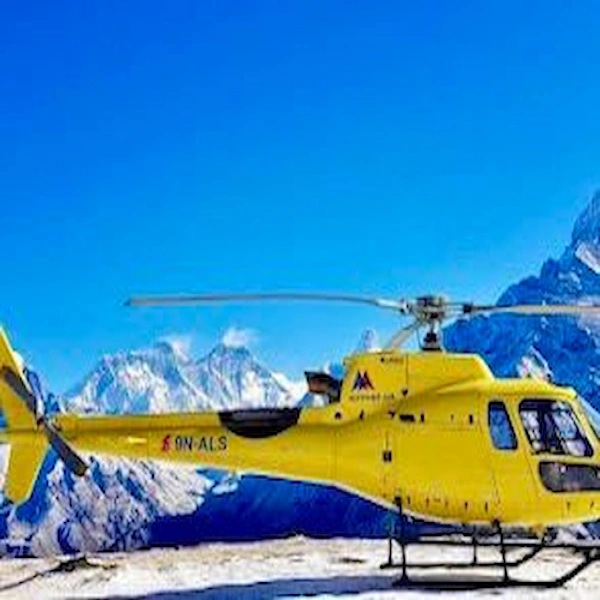
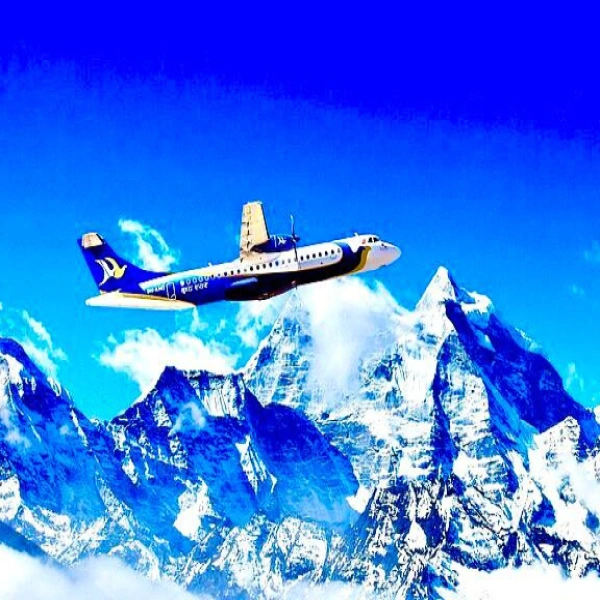
Before the walking starts, there's the flight. Tenzing-Hillary Airport in Lukla is regularly listed among the world's most challenging airports. The runway is 527 meters long and slopes upward at a 12-degree incline. It ends at a cliff on one side and a mountain wall on the other. The 30-minute flight from Kathmandu offers front-row views of the Himalayas, and the landing is one you won't forget.
Most Everest Base Camp trek itineraries begin here. Some trekkers are terrified. Most are grinning by the time they step off. It's a signal that the normal world is behind you now.
Experience the Unique Sherpa Culture
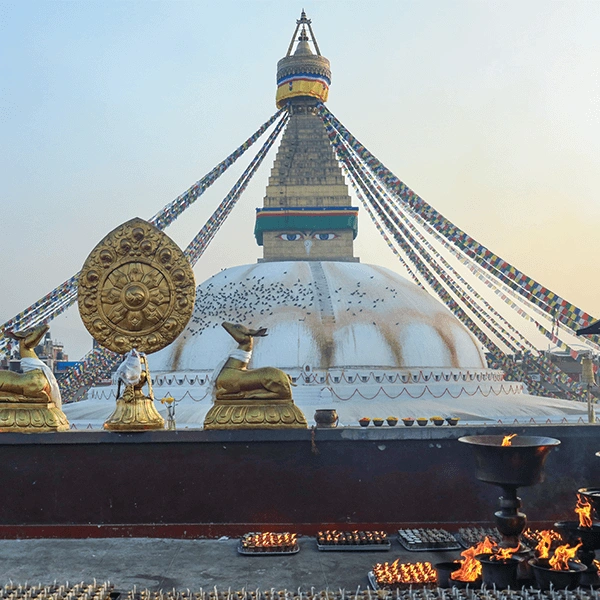
The trail runs through Sherpa country, and that matters. The Sherpa people have lived in the Khumbu region for centuries. Their connection to the mountains is spiritual, not just geographical.
You'll see this in small things. The mani stones lining the trail, carved with prayers. The prayer wheels you spin clockwise as you pass. The way locals move at altitude without breathing hard, while most trekkers are panting.
Spending time in Sherpa villages isn't a side note on the Everest trek. It's one of the most meaningful parts. The culture is still very much alive here, and trekkers who slow down long enough to engage with it leave with something that goes beyond scenery.
Namche Bazaar: The Gateway to Everest
Namche Bazaar sits at 3,440 meters and acts as the main hub of the Khumbu region. It's where most trekkers spend their first acclimatization day.
The town is more developed than you might expect. There are bakeries, gear shops, cafes with good espresso, and a Saturday market where Tibetan traders and local Sherpas come to buy and sell. It's busy and colorful and a little surprising given how remote it feels.
The mandatory rest day here is not optional, even when you feel fine. Acclimatization keeps the trek safe. Most guides, including those from Holy Kailash Tours, build in proper rest days because skipping them is where altitude problems start.
From the hill above town, on a clear morning, you can see Everest for the first time. It's a distant triangle above the ridgeline, but something about seeing it for real, right there, makes everything feel more concrete.
Spiritual Experience at Tengboche Monastery
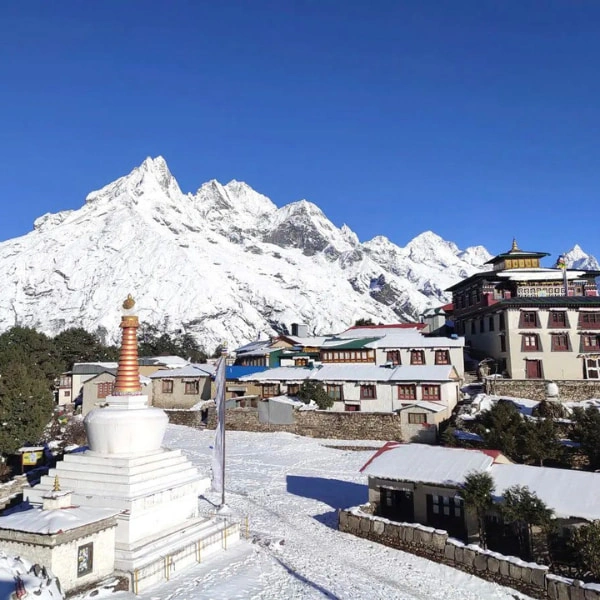
Tengboche Monastery sits at 3,860 meters, surrounded by rhododendron forest with direct views of Ama Dablam and Everest. It's one of the most important Buddhist monasteries in the Himalayas.
If you time your arrival for the daily puja (prayer ceremony), you'll sit inside while monks chant and the smell of juniper smoke fills the air. It's a quiet, serious, genuinely moving experience. Even trekkers with no particular spiritual interests tend to walk out changed, or at least reflective.
This is not a tourist attraction that happens to have religious significance. It's a working monastery. Treat it like one.
The Personal Challenge of Trekking
Here's something the glossy brochures don't always say clearly: the EBC trek is hard. Not the hardest thing humans do, but hard enough that it asks something real of you.
Your body slows at altitude. Sleep is worse above 4,000 meters. Appetite drops. Some days, the trail is steep and dusty, and you're just putting one foot in front of the other for hours. There are days when the weather closes in, and the mountains disappear, and it's just gray and cold, and you're still walking.
And then the weather clears, and you're walking through a world that looks like it exists on another planet. And those bad days become part of what makes the good ones feel earned.
Acclimatisation and High Altitude Adventure
Altitude sickness is real, and it doesn't care how fit you are. The Everest Base Camp trek reaches 5,364 meters at base camp and 5,545 meters at Kala Patthar. At these elevations, your blood oxygen drops, and your body needs time to adjust.
The standard approach: gain altitude slowly, rest every few days, descend if symptoms get serious. The rule "climb high, sleep low" exists for good reason. Responsible operators build acclimatization nights into the itinerary at Namche (3,440m) and Dingboche (4,410m) at a minimum.
Watch for headaches that don't go away, nausea, and disorientation. Those are signals to stop going up. A good guide knows this and will push back if you try to push through.
Kala Patthar: The Best Everest Viewpoint
Everest Base Camp itself has an irony: you can't see Everest from it. The Khumbu Icefall blocks the view.
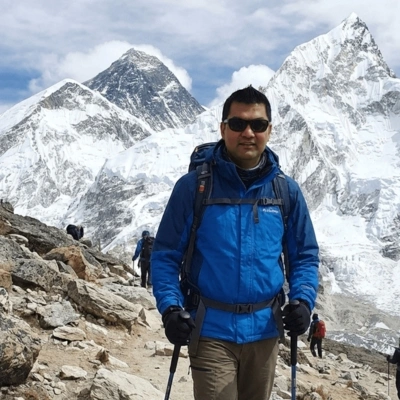
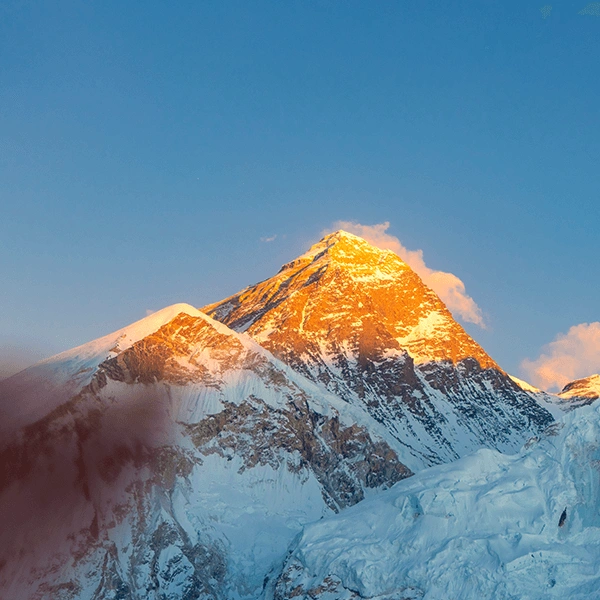
Kala Patthar fixes that. At 5,545 meters, it's a steep two-hour climb above Gorak Shep and offers the clearest, closest view of Everest's summit that you can get without climbing the mountain. Most itineraries schedule this as a pre-dawn ascent so you catch sunrise over the peak.
If you do one thing on this entire trek, do this. It's brutal, cold, and completely worth it. You'll understand why people keep coming back to Nepal and doing this again.
Tea House Experience in the Himalayas
Unlike camping expeditions, the EBC trek runs through a network of tea houses: small family-run lodges that provide a bed and meals along the trail. They're basic. Shared bathrooms, thin mattresses, and cold water above certain altitudes. But they're also warm in the evenings, full of other trekkers, and run by local families who've been doing this for decades.
The food is simple but good. Dal bhat (lentils and rice) is everywhere, and for good reason. It's filling, nutritious, and usually unlimited. Trekkers who try to maintain fancy diets at altitude tend to struggle. Dal bhat keeps you moving.
A Chance to Disconnect from Busy Life
Cell service isn't great above Namche. Wi-Fi exists in tea houses, but it's slow and intermittent. There's no way to stay plugged in the way you are at home.
For most people, this turns out to be a feature. The days get simple. You wake up, you eat, you walk, you eat again, you sleep. There's something clarifying about a week or two with that structure. People come off this trek talking about perspective. That's not cliche. It's what happens when you remove distraction for two weeks and put yourself in a landscape this big.
Exploring Famous Villages of the Everest Region
The trail passes through several villages that are worth slowing down for.
Phakding is the first stop after Lukla, set along the Dudh Koshi River. Namche Bazaar is the cultural hub. Khumjung, just above Namche, has a school Sir Edmund Hillary helped build and a monastery that claims to hold a yeti scalp (draw your own conclusions). Dingboche and Lobuche are quieter, higher, colder, and feel much more remote. Each place has its own character.
Trekkers who rush through these villages miss half the trek.
Adventure Through Sagarmatha National Park
The entire route runs through Sagarmatha National Park, a UNESCO World Heritage Site. The park protects one of the most biodiverse high-altitude ecosystems on Earth.
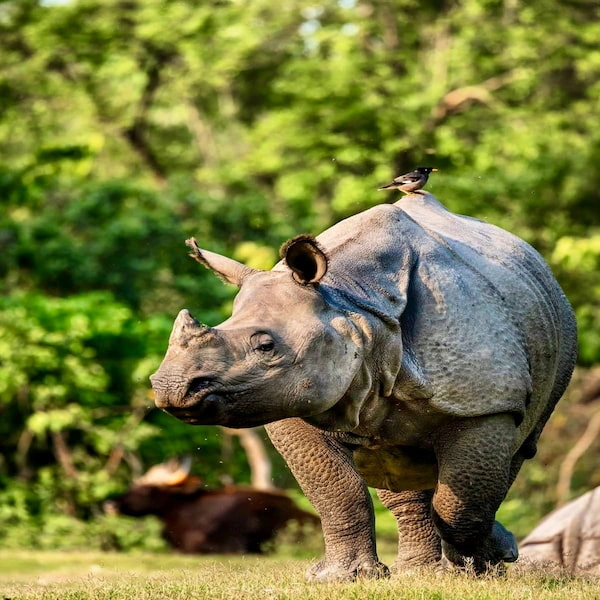
Below 4,000 meters, you walk through rhododendron and birch forest. Higher up, the vegetation thins and the landscape turns to rock and ice. You might see Himalayan tahr (a type of wild goat), red pandas if you're lucky, and the danphe pheasant, Nepal's national bird.
An entry permit for Sagarmatha National Park is required. It's one of several permits needed for the trek, along with the TIMS card (Trekkers' Information Management System). These are standard, and your trekking operator handles them.
Thrill of Reaching Everest Base Camp
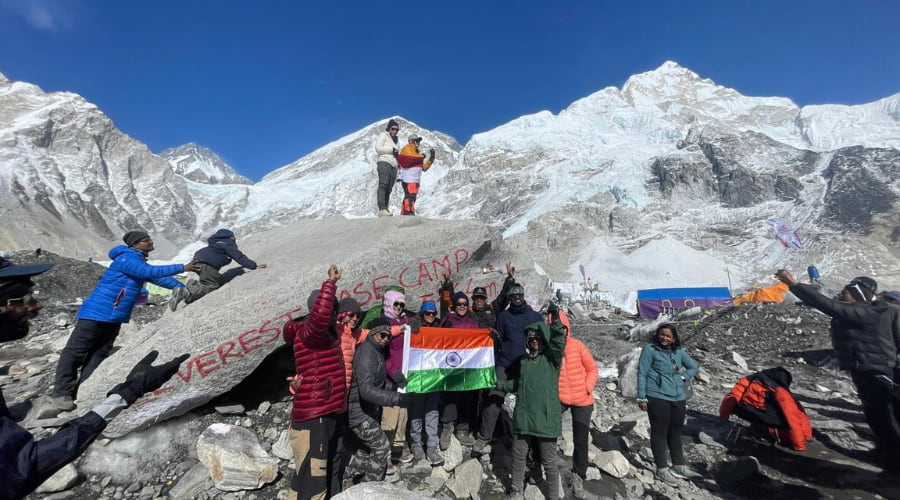
There's no summit moment. No flag-planting. You walk into base camp, and it's a rocky moraine next to the Khumbu Glacier, ringed by expedition tents during climbing season, empty and wind-swept in the off-season.
And it still hits hard. Because you know what it took to get there. You know the days of walking and the altitude and the bad nights of sleep. You're standing where Edmund Hillary and Tenzing Norgay started before they changed history. That weight is real.
Most people stand there for a while, take a photo or two, and don't say much. That quietness is the truest response.
Everest Base Camp Trek Difficulty and Challenges
The EBC trek is rated moderate to strenuous. No technical climbing is involved, but the altitude is serious, and the daily walking averages 5 to 7 hours.
The real challenge is not the legs. It's the altitude. Reduced oxygen intake affects sleep, appetite, energy, and mood. Days that would be easy hikes at sea level become genuinely hard above 4,500 meters.
Common challenges:
- Altitude-related headaches and fatigue (very common, usually manageable)
- Cold temperatures, especially at night above Dingboche
- Dusty trail conditions in the dry season, muddy in the shoulder seasons
- Long descent days, which are harder on knees than they look on paper
- Going slowly and listening to your body handles most of this.
Best Time for Everest Base Camp Trekking
Two windows work best. Pre-monsoon (March to May) is the most popular. Temperatures are mild, rhododendrons bloom below 3,500 meters, and the trail is busy but manageable. May brings expedition season energy to base camp.
Post-monsoon (October to November) is preferred by many experienced trekkers. The monsoon clears the dust, leaving the air crisp and the skies sharp blue. The views are excellent. Crowds are slightly thinner than in the spring.
Winter (December to February) is possible but cold, with temperatures dropping well below freezing at higher elevations. Snow above Namche is common.
Monsoon season (June to August) is the one to avoid. Rain, leeches, and closed-in views make it uncomfortable and difficult.
Accommodation and Food During the Trek
Tea houses run the full length of the trail, and most are reliable. At lower elevations (Phakding, Namche), rooms are comfortable with proper mattresses, and some have attached bathrooms. Higher up (Lobuche, Gorak Shep), rooms are smaller, colder, and basic.
Bring a quality sleeping bag. Tea house blankets exist, but aren't warm enough above 4,500 meters.
Food options narrow as you go higher. Dal bhat is the staple. Noodle soups, potatoes, eggs, and simple pasta are common. Avoid meat above Namche, as supply chains become unreliable at altitude. Drink lots of water. Budget for hot drinks since they're how tea houses make a margin.
Fitness and Preparation for the EBC Trek
You don't need to be an athlete. But you should prepare seriously. Start training at least two to three months out. Hiking is the best preparation. If you can't get to the hills, stair climbing with a loaded pack is a solid substitute. Build up to six or seven hours of walking with 8 to 10 kg on your back.
Cardiovascular fitness helps with altitude adaptation. Yoga or stretching helps with the cumulative physical stress of two weeks of walking. Sleep matters more than most people expect at altitude, so arrive in Nepal rested.
A realistic fitness benchmark: if you can comfortably hike 20+ km days with elevation gain and a moderate pack, you're ready.
Everest Base Camp Trek Cost and Permits
The full cost depends on whether you go independently or with a guided package, your flight timing, and how long you stay.
Rough breakdown:
- Kathmandu to Lukla flights (round trip): $350 to $500
- Sagarmatha National Park permit: $30
- TIMS card: $20
- Tea house accommodation: $5 to $20 per night, depending on altitude
- Food and drinks: $20 to $35 per day on the trail
- Guide and porter (strongly recommended): $25 to $40 per day for a guide, $18 to $25 for a porter
All-in, most trekkers spend between $1,500 and $3,000 total for a standard 14-day itinerary. Guided packages offered by operators like Holy Kailash Tours typically bundle flights, permits, accommodation, a guide, and a porter, making logistics much simpler, especially for first-time trekkers in Nepal.
Safety Tips for Everest Base Camp Trekking
Altitude is the main risk. Everything else is manageable.
- Never ascend more than 300 to 500 meters per day above 3,000 meters
- Take rest days seriously, even when you feel fine
- Learn to recognize acute mountain sickness (AMS) symptoms: persistent headache, vomiting, disorientation
- Carry Diamox if your doctor recommends it (consult before the trek)
- Take out travel insurance that covers high-altitude trekking and helicopter evacuation. Rescue flights from upper Khumbu are expensive without it.
- Tell your guide immediately if you feel worse at altitude, not better
- Don't trek alone above Namche
A good guide is worth more than any other piece of gear on this trek.
Final Thoughts: Is the Everest Base Camp Trek Worth It?
Yes. Unreservedly. Not because it's comfortable or because the photos are good or because it gives you something to tell people at dinner. It's worth it because it asks something real from you and gives something real back.
The Himalayan landscape, the Sherpa culture, the altitude, the physical grind of two weeks on trail, and that final morning on Kala Patthar watching the sun hit Everest's summit, none of it is something you experience passively. You earn it. And that's exactly why it stays with people.
The Everest Base Camp trek difficulty is real. The rewards are equally real. If you've been considering it, the honest answer is: stop considering and start planning.
Holy Kailash Tours organizes fully guided EBC treks with experienced Sherpa guides, proper acclimatization schedules, and complete permit support. Whether it's your first trek to Nepal or your fifth Himalayan journey, a well-planned itinerary makes the difference between a stressful trip and a great one.
The mountain's been there for 60 million years. It's not going anywhere. But there's no reason to wait.
Email: [email protected]
WhatsApp: +977-9851254672 — Feel free to reach out anytime for fast, friendly, and personalized assistance