Everest Base Camp Trek is not just an ordinary walking trip. It is the epitome of all walking adventures! In fact, the journey to the foothills of the world’s tallest mountain of the world can become the momentous travel tale of your life! The perks are high for this adventure, but travelers must consider several things, from safety to logistical arrangements. The biggest concern a traveler must note down for a successful trekking trip is the issue of the altitude risk factor. What happens if you get altitude sickness on EBC? Life is the most precious thing for all human beings.
Tackling thin air and low oxygen density during higher elevation trekking trips requires expert guidance. Today’s blog is all about finding out the ways to tackle the altitude sickness issues during the Everest Base Camp Trek in Nepal. The cost of the Everest Base Camp Trek in Nepal is comparatively higher than other treks. Therefore, you must make sure that you complete the trek without any hassles.
I hope that you will be able to deal with the threats of altitude sickness during the Everest Base Camp Trek in Nepal. While dealing with the threats, you must not deviate from achieving the authentic trekking experiences. So, what happens if you get altitude sickness on EBC? Prevention is the best option, but you must also know the consequences and how to deal with it when it happens to you!
Short Day-to-day Itinerary
"Altitude Sickness on EBC Trek"
Day 1. Arrival in Kathmandu (1,400m).
Day 2. Fly from Kathmandu to Lukla (2,840 m) & trek to Phakding (2,610 m) in 3–4 hours.
Day 3. Trek from Phakding (2,610 m) to Namche Bazaar (3,440 m) in 6–7 hours.
Day 4. Acclimatization Day at Namche Bazaar (3,440 m): 3–4 hours.
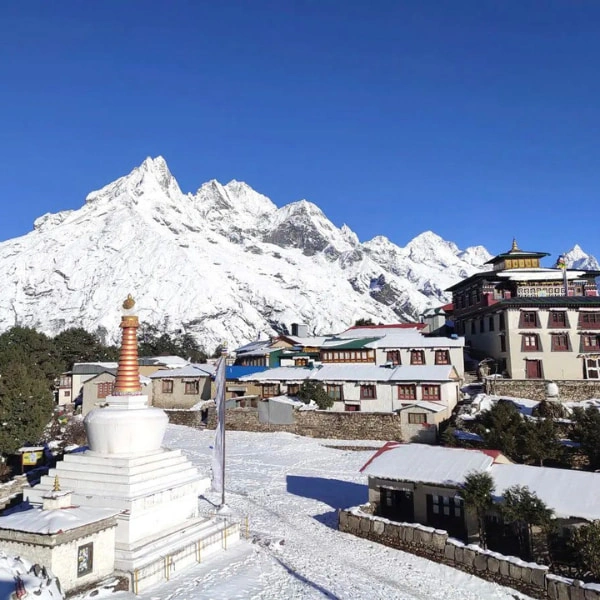
Day 5. Trek from Namche Bazaar (3,440 m) to Tengboche (3,860 m) in 5–6 hours.
Day 6. Trek from Tengboche (3,860 m) to Dingboche (4,410 m) in 5–6 hours.
Day 7. Acclimatization Day at Dingboche (4,410 m), 3–4 hours.
Day 8. Trek from Dingboche (4,410 m) to Lobuche (4,940 m) in 5–6 hours.
Day 9. Trek from Lobuche (4,940 m) to Gorakshep (5,164 m) & visit Everest Base Camp (5,364 m); 7–8 hours.
Day 10. Hike to Kala Patthar (5,545 m) & Trek to Pheriche (4,371 m); 6–7 hours.
Day 11. Trek from Pheriche (4,371m) to Namche Bazaar (3,440m); 6–7 hours.
Day 12. Trek from Namche Bazaar (3,440m) to Lukla (2,840m); 6–7 hours.
Day 13. Fly from Lukla to Kathmandu (1,400 m).
Day 14. Final Departure from Kathmandu.
Everest Base Camp Trek: Why is it the most popular trek in the world?
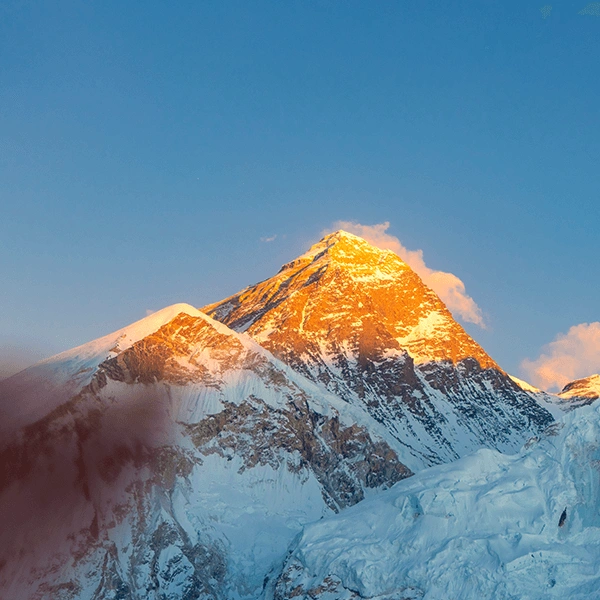
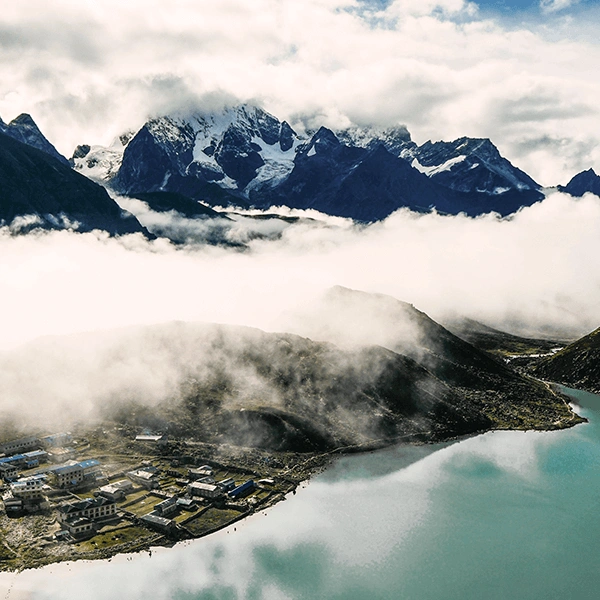
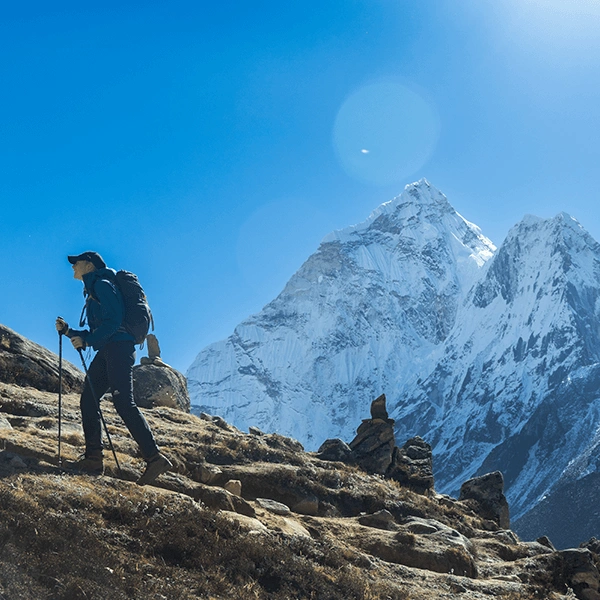
Well, the fact is that the trail leads to the foothills of the world’s tallest mountain, Mt. Everest (8848.86 m). Travelling to such a legendary place can never be dull. Besides Himalayan attractions, the region is also the home of the Sherpa people. These people are known for their mountaineering prowess across the globe. Traversing along the Everest Base Camp Trekroute offers a chance to witness mountains that are on the list of the world’s top 10 mountains! Relish the chance to see mountains like Everest, Lhotse, and Cho Oyu, which are among the tallest mountains in the world, including other 6000 to 7000-meter mountains.
Once you leave your footprints at Everest Base Camp, you can share this amazing achievement with generations to come! Nothing can be compared to this amazing walking trail in Khumbu, Nepal.
Is the risk of altitude sickness real on the Everest Base Camp Trek journey?
"Altitude Sickness on EBC Trek"
Yes, the risk of altitude sickness on the Everest Base Camp Trek journey is real. Don’t underestimate it! Some people think that they can overcome the risks of altitude sickness if they have a strong physical fitness level and cardiovascular abilities. However, a trekker may get engulfed by HACE and HAPE if not properly handled. Please note that the Everest Base Camp Trek route is not like any other regular trek. You must consider the high-altitude factor and logistical hindrances. After paying a hefty sum of money, you must complete the trek, but negligence in considering the threat of altitude sickness may hinder a successful trekking trip.
Let’s learn what happens if you get altitude sickness on EBC. Every evening, your trekking guide checks your oxygen level and heart rate before heading to the room for overnight sleep. Make sure that you tell your guide about your actual condition. Normally, people don’t share what’s happening to them either due to ego or due to circumstances. Please share what’s happening to you while trekking on the Everest Base Camp Trek route.
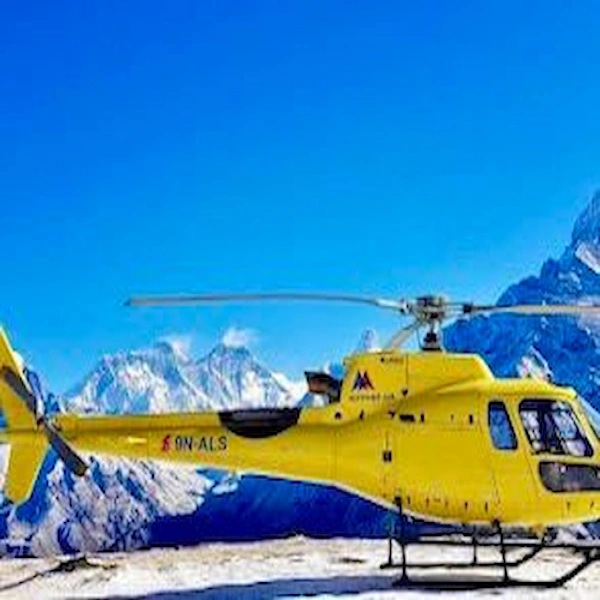
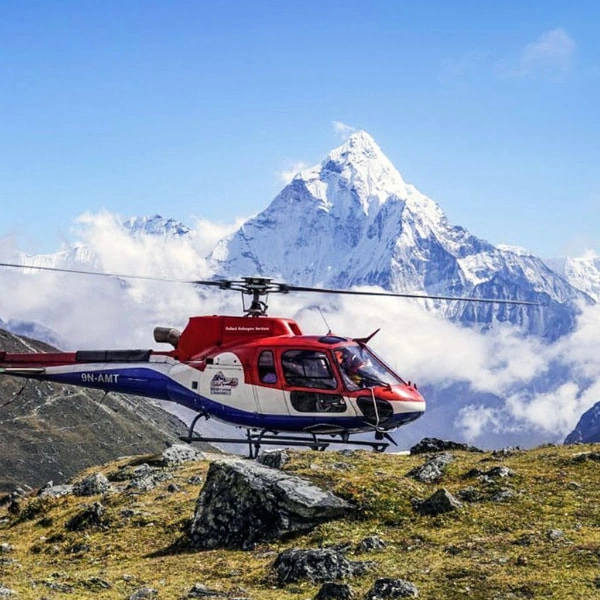
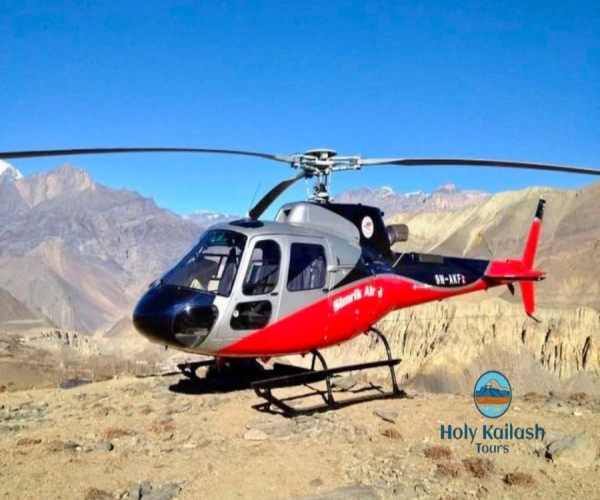
If you get altitude sickness, your Holy Kailash trekking guide will assess the situation and decide whether to descend to a lower elevation, either by walking or by helicopter rescue. When the situation worsens, the guide will contact the Holy Kailash trekking company. The office representative of the trekking company contacts the insurance company, helicopter company, and hospital. Once all things are settled, a helicopter will be dispatched, and you will be rescued from the location. You will be transferred to a city hospital, and the company will help you claim insurance. Therefore, getting insurance is the most important thing to consider before trekking to the Everest Base Camp.
How to avoid altitude sickness during high-altitude trekking?
"Altitude Sickness on EBC Trek"
Please follow the following guidelines to avoid altitude sickness during the Everest Base Camp trek in Nepal. These guidelines are tried-and-tested principles followed by the trekking leaders and guides of the Holy Kailash Tours. Please note that the agency has a near to percentage of trip success rate due to our principle of following the guidelines for trekkers to do the Everest Base Camp Trek in Nepal.
Stay hydrated and eat soupy foods.
Maintain a uniform pace without overpacing or underpacing during the trek.
Heed the instructions of your trekking guide.
Don’t skip acclimatisation hikes.
Wandering off the trail is strictly prohibited.
Sleep well for about 5 to 7 hours.
Wear proper gear and equipment.
Altitude sickness can happen to the locals as well! Trekkers must consider that the trek is easy and they are in good hands if they book the trek with a reliable trekking company. If you book the trek with a company like Holy Kailash Tours, then you can surely complete the trek without any hassles.
Are there medical health posts on the Everest Base Camp Trek Route?
Yes, there are a few medical posts on the Everest Base Camp Trekking Route where you can go for medical treatment. Even if there are medical health posts on the Everest Base Camp Trek route, you should never ignore the fact that the risk of altitude sickness is not minor. Don’t ever think about this. Please note that higher elevation places like Lobuche and Gorakshep don’t have medical health posts. If you need medical aids, you must descend to Dingboche or Pheriche. Therefore, the importance of insurance is very high.
How does travel insurance work if I am in trouble during the EBC Trek in Nepal?
The company from which you have booked the trek will contact the travel insurance company. Once the message is delivered, the office representative will inform the helicopter company and dispatch the rescue flight. If the weather is right, you will be rescued from the place and transferred to the hospital. The report will be prepared, and you will get a report that you can claim for insurance.
This is a gentle reminder to all travellers travelling to the Everest Base Camp that you should avoid Everest Helicopter Rescue scams! We don’t play dirty; rather, we ask our travellers to knit a beautiful trek full of memories rather than scheming thoughts. Higher elevation trips must have integrity issues where travelers can get the worth of every penny they spend in the form of memories. We strive to complete your trek rather than capitalizing on the scheming helicopter rescue things.
Acclimatization during the EBC Trek in Nepal: Where do you acclimatize?
One must understand the fact that the Everest Base Camp Trek in Nepal is a high-elevation trekking route! If you are planning to do the successful trekking to Everest Base Camp (5364 m), then you must be diligent about acclimatisation activities. Only acclimatisation hikes prepare you for safe trekking in higher-elevation places.
Check out these two acclimatisation hikes that prepare you to have a safe trip in the EVEREST REGION of Nepal.
Namche Bazaar to Everest View Hotel
The first acclimatisation hike during the Everest Base Camp Trek in Nepal happens in Namche Bazaar of Khumbu, Nepal. Trekkers hike to the highest situated hotel in the world, Hotel Everest View. Besides visiting the hotel, trekkers may travel to the famous Sherpa villages like Khumjung and Khunde! Relish the sight of mountains from the Mahalangur Himalayan range and the cascading hills of the Lower Dudhkoshi Valley when you are on the journey of the Namche to Everest View Hotel hike.
Nagarshan Hill Hike from Dingboche
The second acclimatisation that takes place during the Everest Base Camp Trek in Nepal is the hike to Nagarshan Hill (5100 m). Before you enter the Everest Base Camp zone, you must get adjusted to the demands of the places above 4400 m. For this, the 5100 m Nagarshan Hill is an ideal choice. Spend two nights in the last densely populated village on the Everest Base Camp Trek route. Places like Lobuche and Gorakshep, including Thukla, are there to support trekkers. There are not evidences that supports the claim that these villages are authentic Sherpa villages with locals living their normal lives. In contrast, these places are established basically to support Everest Trekkers.
Why is Holy Kailash Tours an ideal trek for a safe Everest Base Camp Trek in Nepal?
Profit is normal for any business house! Trekking is the cornerstone of Nepalese tourism revenue! We don’t say that we don’t need profits while we take you to the breathtaking mountainous regions of Nepal. However, we strive to provide you with the value of every penny that you spend!
If you are looking for an epic adventure up in the mountainous region of Nepal, then contact the travel planners of the Holy Kailash Tours. We will make sure that you get the trek or tour packages according to your preferences.