I Walked Both Everest Base Camp and the Annapurna Circuit. Here Is How They Actually Differ. Writing a comparison blog on the Everest Base Camp Trek vs the Annapurna Circuit Trek means that I cherish both treks dearly. However, you can decide between these two treks according to my experiences. Note down that these things may not represent the general experiences, but these are entirely my own feelings, and also some things written from the conclusions that I got while talking with locals and experienced trekking guides.
I’ve got an old pair of boots in my hallway. Stained grey! Himalayan trail dirt that never quite came off in the wash! Yes, today’s blog is about the Everest Base Camp Trek vs. the Annapurna Circuit Trek. As an experienced trekking guide and a blogger, it is my greatest pleasure to share with you an authentic blog that tells you which trek to do in Nepal between these two iconic treks. At Holy Kailash Tours, the blogger wishes to provide things that are honest, not fluffy commercial things. Spirituality, honesty, and integrity are key points of the company. Therefore, every word written in the blogs represents the key issues wholeheartedly.
One trip was EBC back in 2019; the other was the full loop around Annapurna. People constantly ask me which one they should book. I usually hesitate. You’re asking me to compare a high-altitude freeze-box march with a sprawling, changing road trip. Both beat your knees up. Both leave you staring at a plywood ceiling at 2:00 AM, wondering why you paid money to be this cold. But they don't feel similar at all.
The journey to the foothill of the world’s tallest mountain and the journey in Nepal’s oldest trekking trail are purely surreal. Therefore, comparison is understandable. Please note that these treks are surely to go for treks, but it depends upon your own preferences! Let’s find out a few things which I experienced in this Everest Base Camp Trek vs Annapurna Circuit Trek blog. I hope that it may help you to decide where to trek!
The sights and the terrain: Everest Base Camp Trek vs Annapurna Circuit Trek
EBC vs. Annapurna Circuit Trek
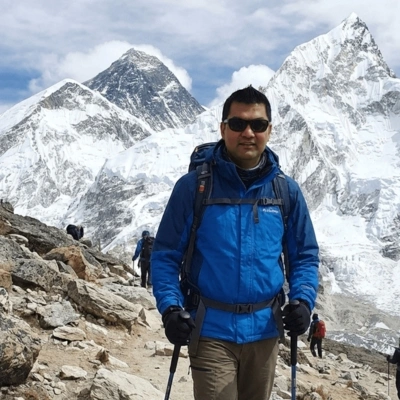
The landscape on the Everest trail hits you fast. You land on that terrifying sloped tarmac in Lukla, and suddenly everything is vertical. Up to Namche Bazaar, you get pine trees and rushing water under high-swinging suspension bridges. Then past 3,800 meters, vegetation just quits.
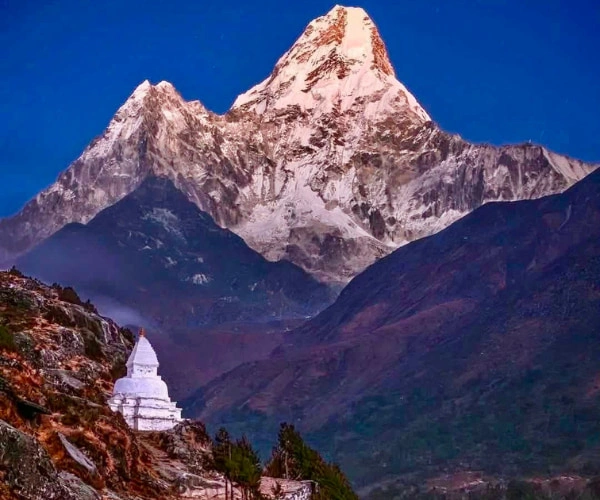
It becomes grey rock, dust, and massive ice walls. Ama Dablam sits right over your right shoulder for days. By the time you reach Gorak Shep, you’re standing next to the Khumbu glacier. It doesn't look like ice—just a massive landfill of grey boulders. But sitting in your room at night, you can literally hear the glacier groaning and shifting underneath the dirt.
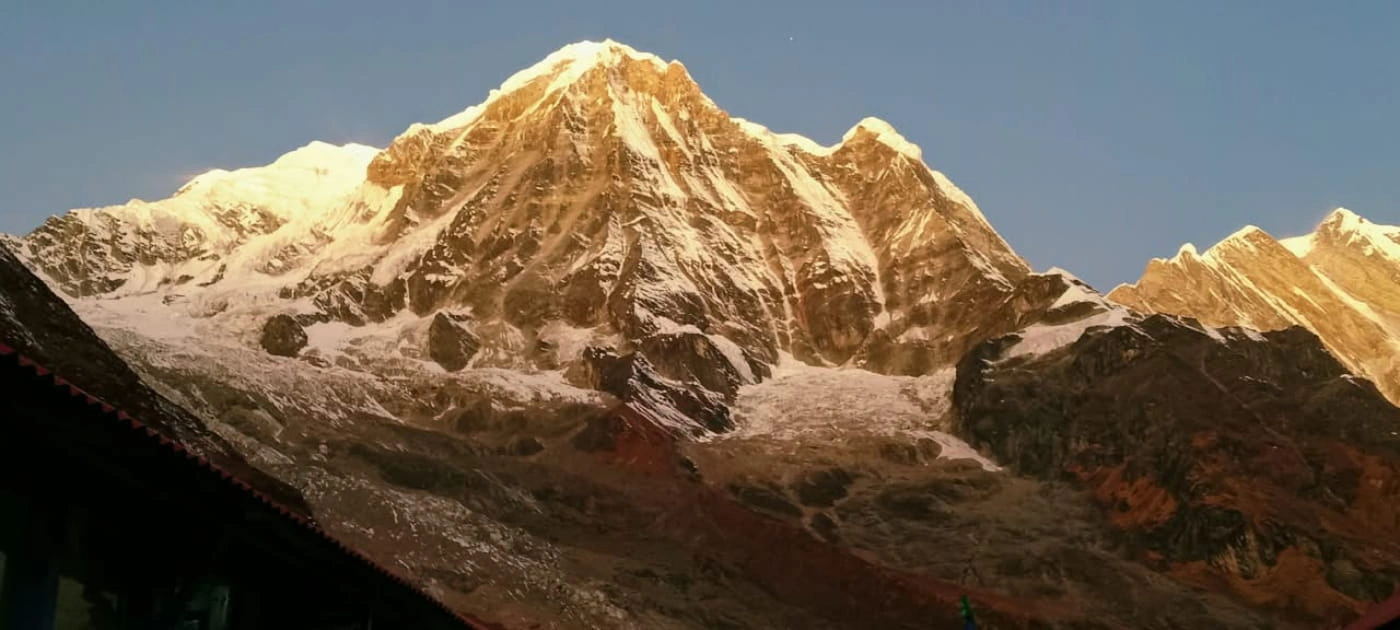
Annapurna shifts constantly. My first couple of days on the trail, I was sweating through a cotton shirt past banana palms and damp ferns. Three days later, it smelled like cold pine sap. By the time I reached Manang, the greenery was gone entirely, replaced by this vast Tibetan high-desert landscape with the white Annapurna wall behind it.
After crossing Thorong La Pass at 5,400 meters, you descend into Muktinath and Mustang. The earth turns orange and powdery there. Every time the afternoon wind kicks up, you end up chewing grit for an hour. If walking through the same grey mountain valley for ten days sounds boring to you, Annapurna takes the point easily.
The logistical headaches: Lukla Flight to Road Trip to Chame
EBC vs. Annapurna Circuit Trek
Every trek has its own flavor of chaos. If you are trekking in Nepal, then expect the unexpected things! It’s an honest answer!
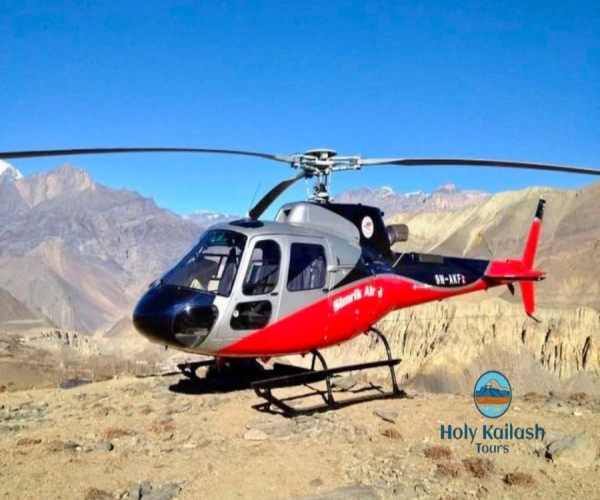
On the Everest side, your headache happens before you even step on the path. Lukla airport. I sat on a plastic chair in the domestic terminal in Kathmandu for five hours eating cold samosas because clouds rolled over the airstrip. If the weather turns, planes stop cold. People get stranded in Lukla for three days straight on the back end of their trip, desperately trying to pool cash to bribe a helicopter pilot so they don't lose their international flight back home.
Also, EBC is a straight line out and back. You hike up the valley, touch the rock with the spray-painted Base Camp sign, turn around, and hike back down the exact same dirt track.
Annapurna doesn't rely on planes, which is a relief. You take a local bus or rent a jeep from town. It's an eight-hour back-pain simulator on rough dirt tracks, but it runs.
The annoying part on Annapurna is road construction. Over the past decade, local councils built dirt roads right through large sections of the traditional route. You'll be trekking along a trail, feeling like a wild explorer, and a local bus will rattle past, blowing grey exhaust straight into your lungs. You have to actively check maps for alternative footpaths to stay off the tire tracks.
Though honestly? If you twist an ankle or get altitude sickness on Annapurna, being near a road means you can hail a passing Mahindra jeep instead of paying thousands for an emergency evacuation.
Teahouse life, cold rooms, and the food in Annapurna and Everest
EBC vs. Annapurna Circuit Trek
Forget camping. On both routes, you sleep in small timber lodges ran by local families. In fact, you get from luxury to basic tea houses on both trekking routes. These trekking routes are the commercial trails of Nepal and one of the oldest trails. Therefore, expect better facilities in terms of lodging and food.
Dal Bhat is the primary fuel source on both trails. White rice, lentil soup, curried potatoes, and whatever wilted greens they had that day. "Dal Bhat Power 24 Hour" isn't a joke—the dining room staff will keep spooning extra rice onto your plate until you physically put your hands over your dish.
Up on the Everest trail, prices get crazy fast. Every egg, every bottle of water, and every Snickers bar past Namche has been carried up on the back of a porter or a zopkyo. A pot of black tea at Lobuche costs four times what it did down near the airstrip. The local garlic soup tastes mostly like hot saltwater and raw garlic cloves, but when your throat feels sliced up from the dry altitude air, you end up drinking two bowls anyway because someone told you it stops altitude sickness.
Annapurna food has much better variety. Lower down, you get Thakali-style meals with rich ghee and fresh spicy pickles. Up near Manang, locals run bakeries selling fresh apple pies and hot sea buckthorn juice that actually live up to what people claim on forums.
The bedrooms in these teahouses are simple plywood boxes. Paper-thin walls. You’ll hear the guy three rooms down zip his jacket, roll over on his foam mattress, and cough all night long.
There is zero heating in the bedrooms. The main dining hall gets a stove lit around 5:00 PM—dried yak dung up on Everest, pine logs lower down on Annapurna. It stays warm while everyone is eating, but the second you step down the unlit corridor to go to bed, your breath freezes instantly. I woke up at Gorak Shep with an actual layer of frost on the inside of my window glass. Bring a sleeping bag rated for at least -15°C, no matter what month your flight drops you in Nepal.
The physical toll during Everest and Annapurna Trek in Nepal
EBC vs. Annapurna Circuit Trek
You don't need ropes or technical gear for either walk. If you can handle walking 5 to 7 hours a day with a 6 kg daypack, you're physically fine. The thin air is what actually breaks people.
The EBC route isn't excessively steep most days, but you stay high for too long. You end up spending four or five days straight sitting above 4,000 meters. Your appetite drops out, you get a dull headache behind your eyes that aspirin barely touches, and sleeping gets choppy. You don't walk briskly up there—you do this agonizingly slow shuffle, taking one breath per step.
Annapurna drops you back down to oxygen-rich air quickly, but it has one single brutal obstacle: Thorong La Pass.
The alarm goes off at 2:15 AM at High Camp. Nobody really slept anyway. You wake up at 2:15 AM at High Camp. Truth is, almost nobody sleeps anyway. Outside? Pitch black, well below zero, and a nasty wind whipping over the ridge line. You click your headlamp on, pull gloves over frozen fingers, and begin four endless hours of dragging yourself up a steep, miserable gravel slope. Thin air makes every single stride feel like heavy lifting. Two hours in, the water in your bottle is solid slush. You can’t feel your pinky toes.
Then you hit 5,416 meters. There’s a tiny wooden shack at the top selling stupidly expensive tea, plus a mass of iced-over prayer flags. You snap two quick pictures before your phone battery dies from the cold.
Then the hard part starts. Dropping 1,600 vertical meters straight down to Muktinath in a single afternoon is surely demanding, but it is joyous, as it is the last day of the trek. By 2 PM, your knees are practically grinding, and your quads won't stop shaking.
Making the call between Everest Base Camp Trek and Annapurna Circuit Trek
EBC vs. Annapurna Circuit Trek
Honestly, if you just want to stand near huge legendary mountains, see Sherpa culture, and don't mind looking at grey gravel and glaciers for a week—do EBC.
If you get bored easily, go to Annapurna. Day one is a sweaty jungle, day six is a frozen high pass, and day eight is a dusty red desert. Plus, you avoid the whole Lukla airport nightmare by taking a bumpy jeep instead.
Just break your boots in properly months before flying to Kathmandu. Pack way less gear than you think you need, and force yourself to drink water even when you aren't thirsty.