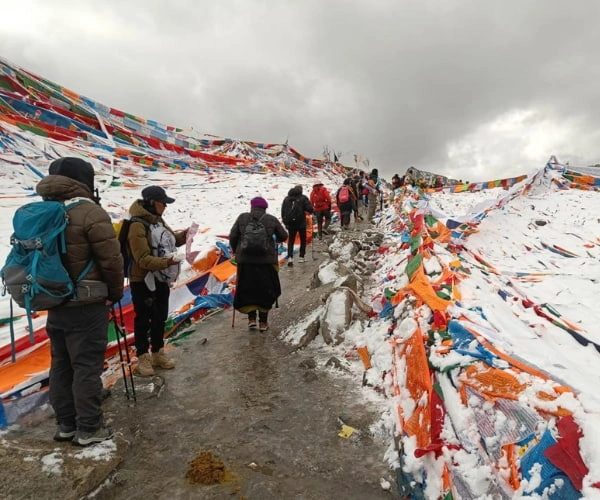
Nepal draws trekkers from every corner of the world, and for good reason. Nowhere else can you walk into the shadow of the world's highest peaks without technical climbing gear. Two routes sit at the top of most people's lists: the Everest Base Camp Trek (EBC) and the Annapurna Base Camp Trek (ABC).
The Everest Base Camp Trek vs Annapurna Base Camp Trek debate comes up in every trekking forum, every guesthouse common room, every airport departure lounge in Kathmandu. People have strong opinions. Guides have strong opinions. And honestly, both sides make fair points.
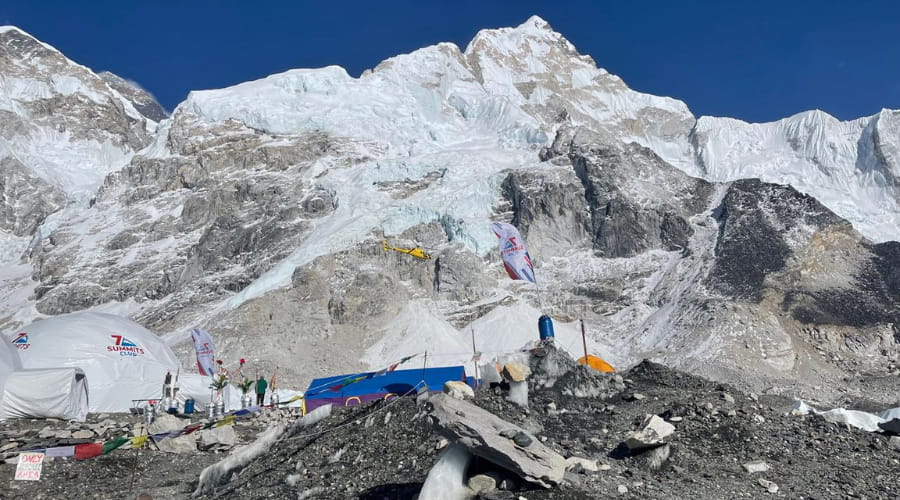
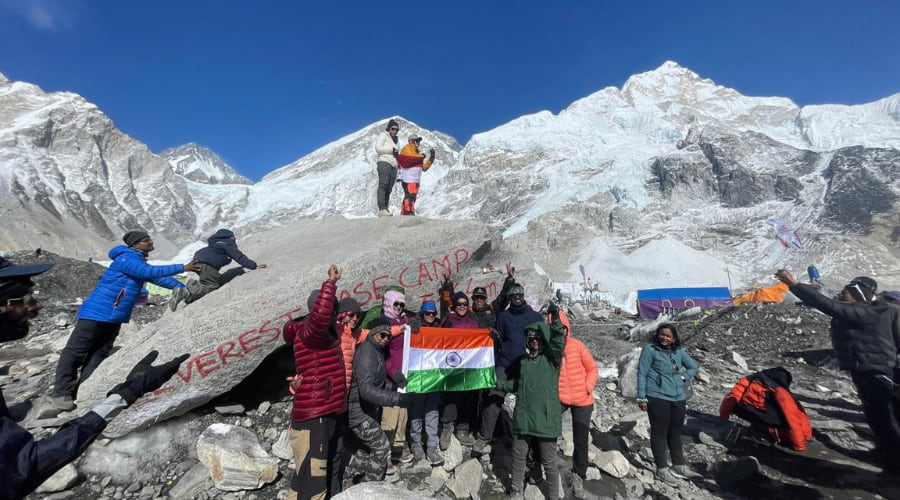
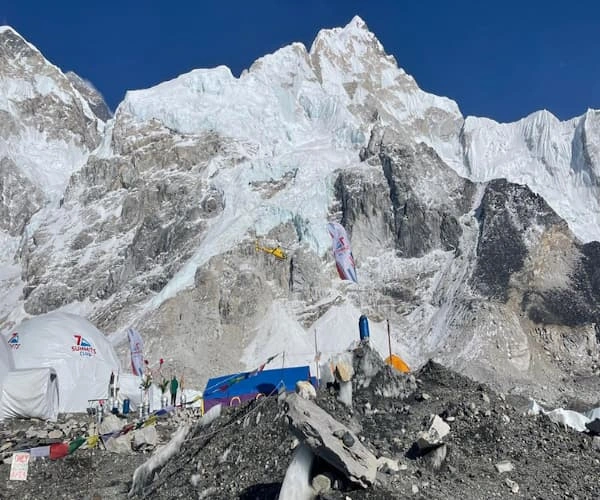
Everest Base Camp is longer, higher, and harder. It carries the weight of the world's tallest mountain. The trail climbs through Sherpa villages, ancient monasteries, and yak pastures before delivering you to the foot of Everest at 5,364 meters. It asks a lot of you.
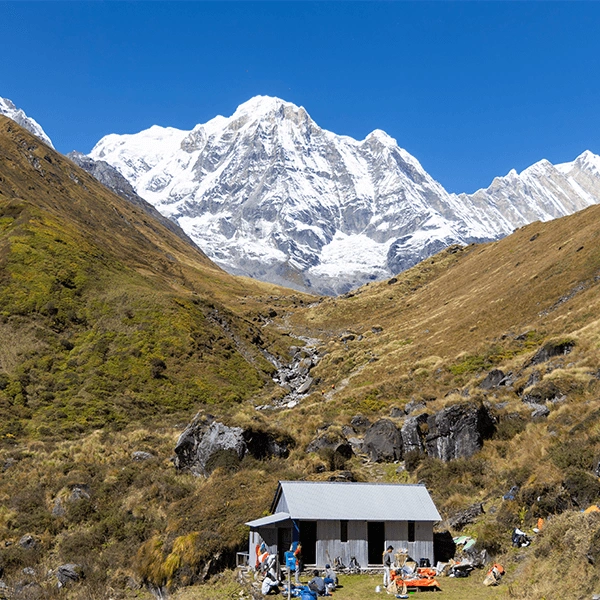
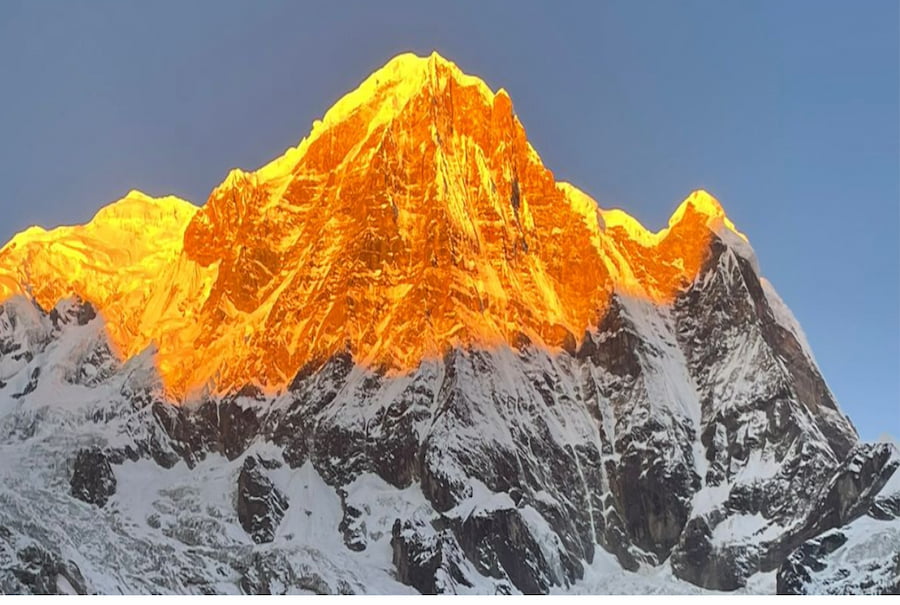
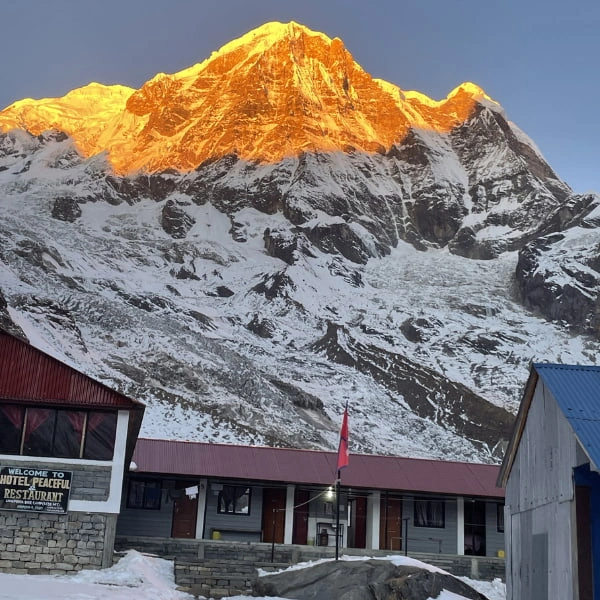
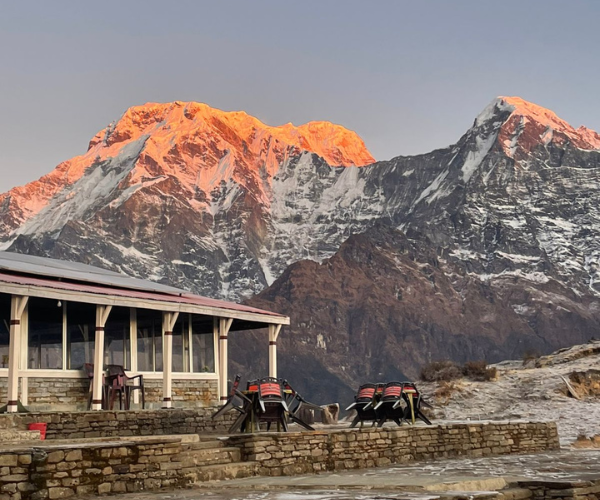
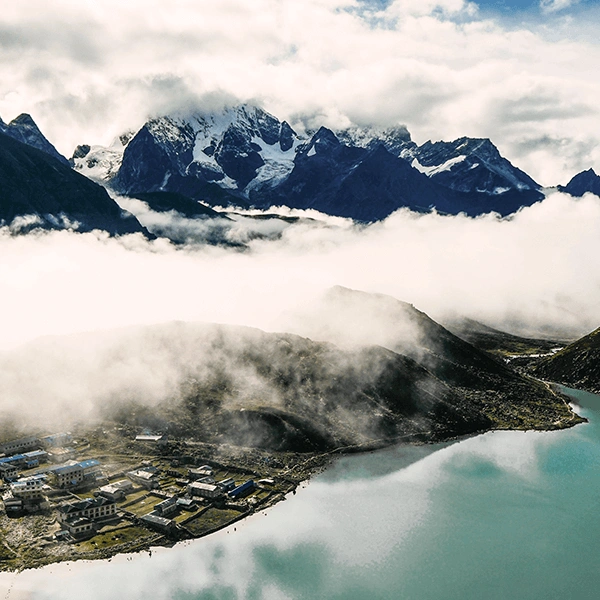
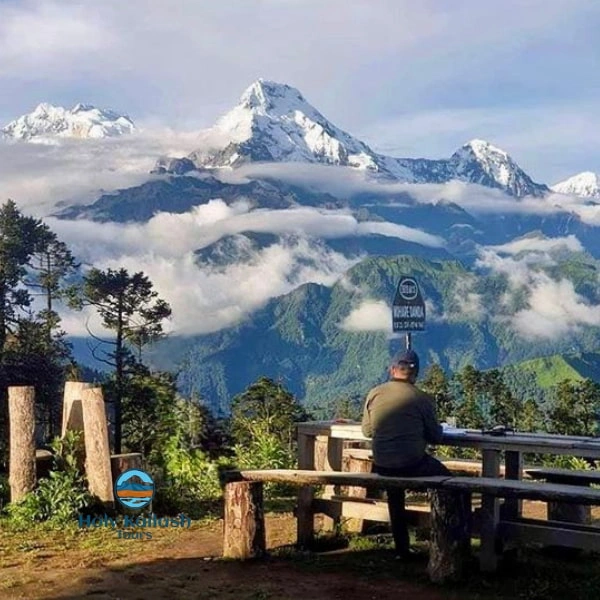
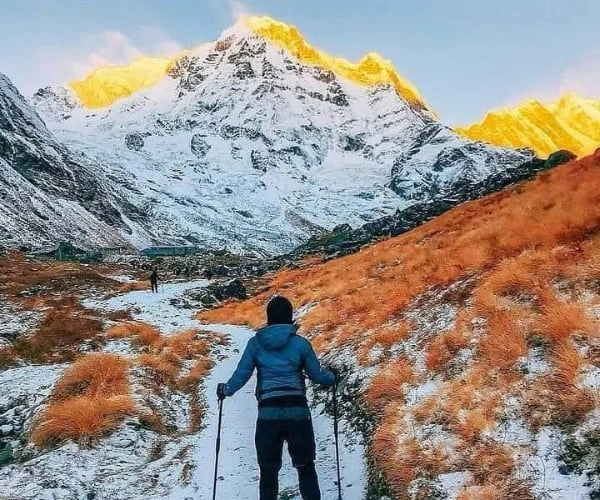
Annapurna Base Camp is shorter and lower. It pulls you into the heart of the Annapurna Sanctuary, a natural amphitheater ringed by some of the most dramatic peaks in the Himalayas. Annapurna I, Machhapuchhre, Hiunchuli. The views hit you fast and hard.
They are different journeys for different people. Knowing which one suits you starts with understanding each trail on its own terms
Annapurna Base Camp Trek Highlights vs Everest Base Camp Trek Highlights
EBC trek vs ABC trek
What actually makes each trek worth doing? Not the marketing version. The real version.
Everest Base Camp Trek Highlight
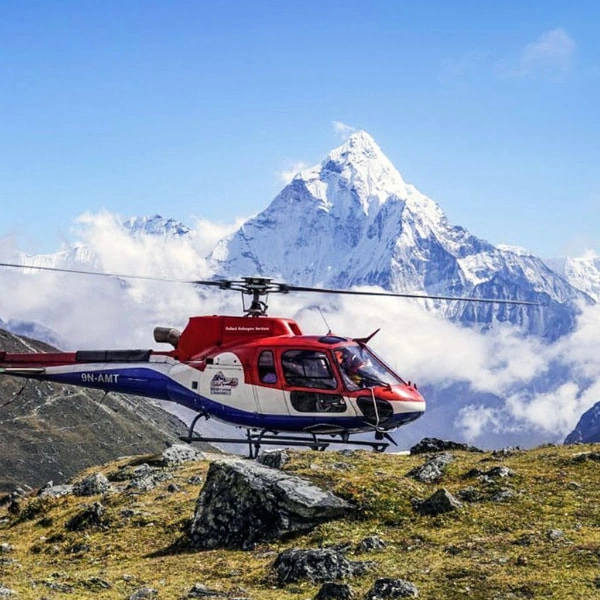
Enjoy a flight with panoramic views of the mountains to reach Lukla.
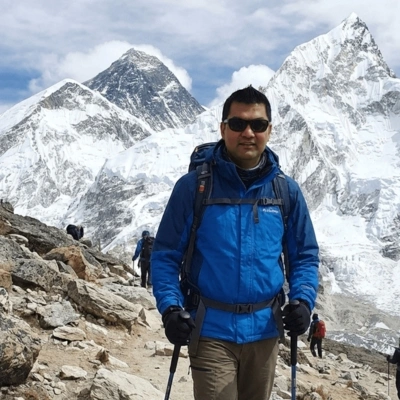
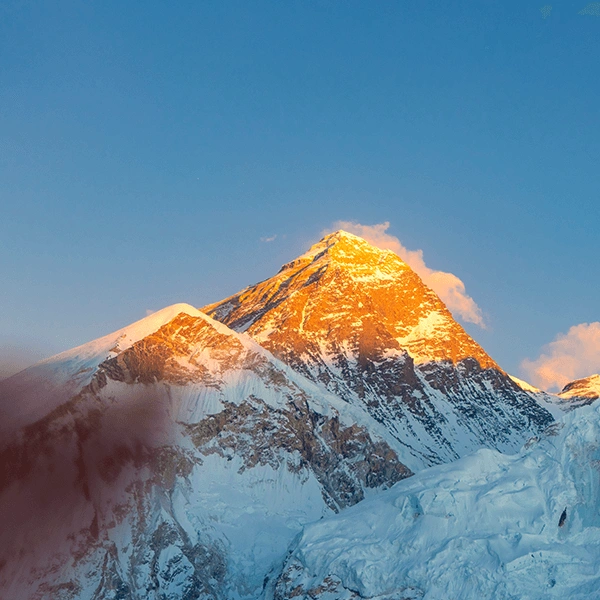
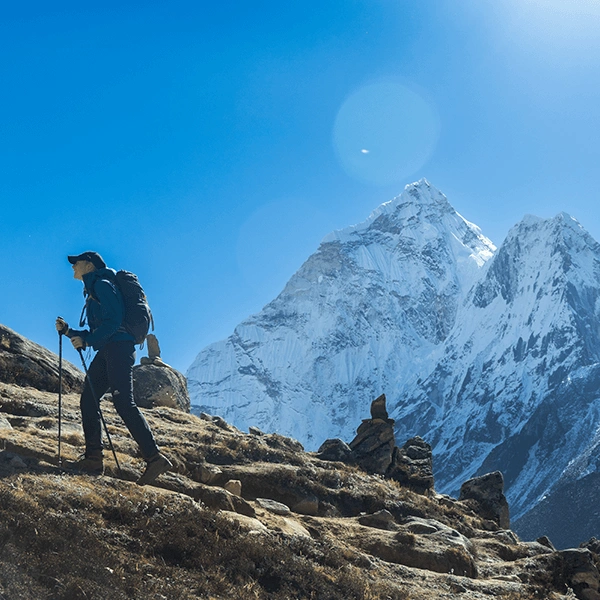
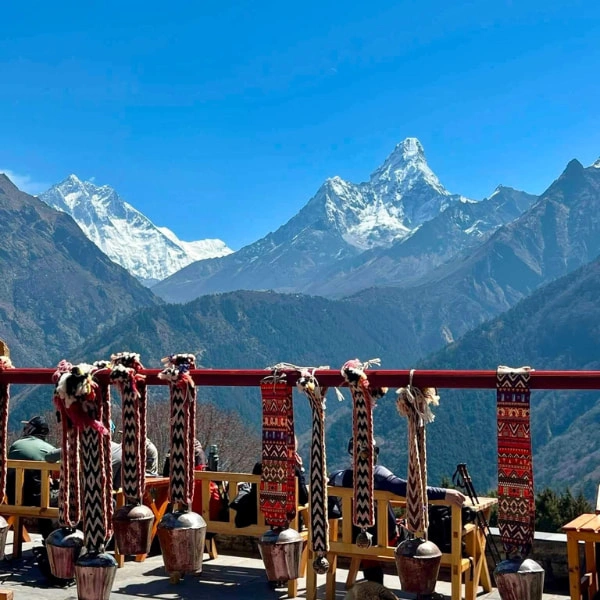
Gaze at the awesome mountain giants of Mount Everest, Ama Dablam, Lhotse, and Nuptse.
Coming to the legendary Everest Base Camp (5,364 m), our target.
Get a splendid sight of sunrise from the Kala Patthar viewpoint.
Get a taste of Sherpa's way of life and Himalayan hospitality.
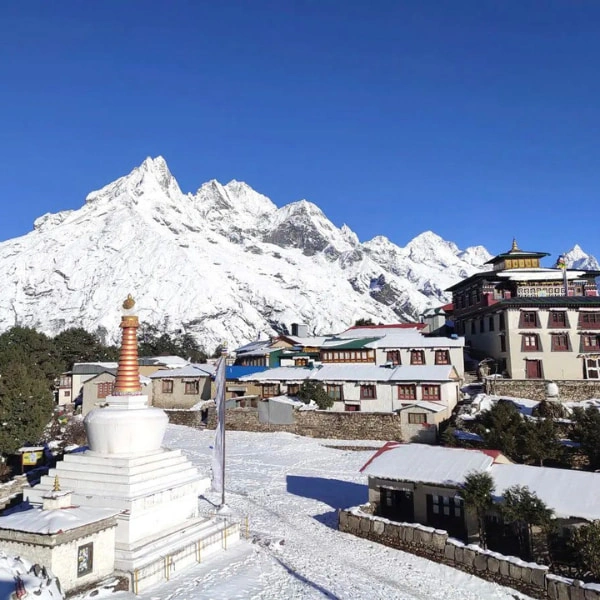
Make a pilgrimage to holy monasteries, such as Tengboche Monastery.
Visit the bustling mountain town of Namche Bazaar.
Cross-hanging suspension bridges over the spectacularly deep river valleys.
Get to know the famous Sagarmatha National Park inside out.
The thrill of the Himalayan adventure lies in the experience of high altitude.
Annapurna Base Camp Trek Highlights
Keep your camera ready to capture a breathtaking view of Annapurna Machhapuchhre Hiunchuli, and Dhaulagiri.
The joy of reaching Annapurna Base Camp (4,130m) surrounded by Himalayan peaks is incomparable.
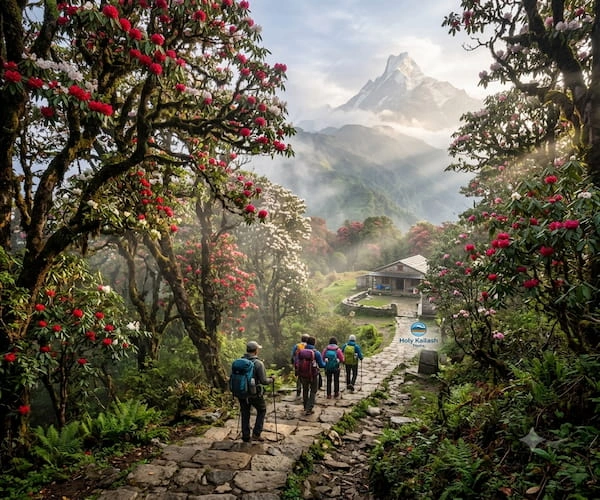
The lovely walk through rhododendron and bamboo forests is another delight.
A dip in the natural hot springs of Jhinu Danda will help to rejuvenate you.
The Gurung and Magar cultures can be experienced in their traditional villages.
The trek will bring you close to diverse landscapes, rivers, waterfalls, and more.
Munch on the perfect view of the mysterious Machhapuchhre (Fishtail Mountain).
Visit the beautiful villages of Chhomrong and Ghandruk and get a taste of their way of life
The walk will take you through the scenic and beautiful Annapurna Conservation Area.
Detection Risk: Low-Moderate
Standard mode is highly effective. Ultra is engineered to bypass the toughest detectors.
The Everest Base Camp Trek starts with a flight from Kathmandu to Lukla, a mountain airstrip with a notoriously short runway and a steep drop at one end. That flight alone sets the tone.
From Lukla, the trail follows the Dudh Koshi River north through pine and rhododendron forests, climbing steadily through villages like Phakding, Namche Bazaar, Tengboche, Dingboche, and Lobuche before reaching Gorak Shep, the last tea house settlement before base camp.
The classic route takes 12 to 14 days return. Many trekkers add a side trip to Kala Patthar (5,545 meters), a viewpoint that actually gives you a better look at Everest than the base camp itself.
The total distance is roughly 130 kilometers. You gain and lose significant elevation throughout, which keeps your legs working constantly, even on days that look flat on paper.
Holy Kailash Tours has organized treks along this route with experienced Sherpa guides who know the Khumbu region in detail, including how to read weather patterns that don't always match the forecasts.
The Annapuna Base Camp trek begins in the Pokhara valley and heads into the Annapurna foothills via Nayapul or Ghandruk. The trail climbs through terraced hillsides and dense forests before rising into the high alpine zone around Machhapuchhre Base Camp and then Annapurna Base Camp at 4,130 meters.
The standard itinerary runs 7 to 12 days, depending on your starting point and pace. Some trekkers begin from Ghandruk to catch the views early. Others start from Tikhedhunga for a more gradual approach.
The total trekking distance is around 110 kilometers. The elevation gain is significant in the upper sections, but the overall altitude stays lower than EBC throughout.
One practical advantage: you fly to Pokhara rather than Lukla. Pokhara flights are on larger aircraft and far less prone to cancellation than the Lukla run, which can leave trekkers stranded for days during bad weather.
Annapurna Base Camp Trek Difficulty vs Everest Base Camp Trek Difficulty
This is the question most first-time trekkers ask first, and the honest answer is: both are hard, but in different ways.
Everest Base Camp Trek Difficulty
EBC is harder primarily because of altitude. You spend multiple nights above 4,000 meters, and your summit at Kala Patthar pushes past 5,500 meters. At that elevation, your body works differently. Headaches, fatigue, loss of appetite, and disturbed sleep are common. Acclimatization days are built into the itinerary for a reason.
The trail itself is not technically difficult. There is no climbing involved. But the combination of thin air, cold temperatures (especially at night), long daily distances, and rough terrain means you cannot underestimate it. People with good cardiovascular fitness but no altitude experience sometimes struggle more than they expect.
Annapurna Base Camp Trek Difficulty
ABC is generally considered moderate. The highest point is 4,130 meters, which puts you well below the altitude threshold where serious mountain sickness becomes a major risk for most healthy trekkers. The trail is well-marked and has enough infrastructure that you are never far from a tea house.
That said, the lower sections feature steep stone stairs that punish your knees. The upper gorge section is prone to avalanches in winter and early spring. It is not a casual walk.
For context: ABC is a better fit for trekkers with limited high-altitude experience. EBC requires a greater commitment to preparation.
Annapurna Base Camp Trek Elevation Ranges vs Everest Base Camp Trek Elevation Ranges
Altitude shapes everything on a Himalayan trek. How you feel, how far you can walk each day, and how well you sleep.
Everest Base Camp Trek Elevation
Lukla starts at 2,840 meters. Namche Bazaar sits at 3,440 meters and is where most trekkers spend their first acclimatization day. Tengboche is 3,867 meters. Dingboche and Lobuche climb to 4,410 and 4,940 meters, respectively. Gorak Shep, where you sleep before base camp, is 5,164 meters.
Kala Patthar, the popular viewpoint, sits at 5,545 meters. That is the practical ceiling for most trekkers on this route.
Annapurna Base Camp Trek Elevation
The trek begins near Pokhara at around 1,000 meters. Ghandruk sits at 1,950 meters. Chhomrong is 2,170 meters. Dovan and Himalaya are around 2,600 and 2,900 meters. Machhapuchhre Base Camp is 3,700 meters, and Annapurna Base Camp tops out at 4,130 meters.
The difference in top elevation is over 1,200 meters. That is a meaningful gap in how your body responds.
Everest Base Camp Trek vs Annapurna Base Camp Trek: Scenic Beauty and Mountain Views
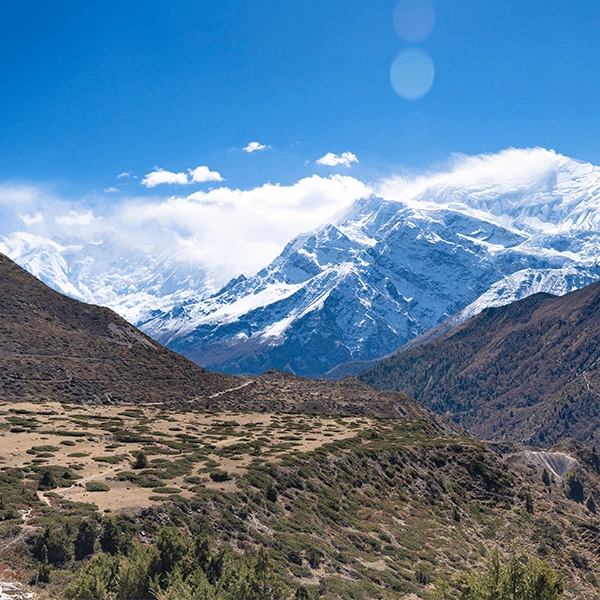
Both treks are visually stunning. But what you see, and how you see it, differs.
On the EBC trek, the scenery builds slowly. The lower valley sections are pleasant but not overwhelming. As you climb through the Khumbu region, the peaks begin to appear in stages. Ama Dablam, one of the most photogenic mountains in the world, dominates the skyline for much of the upper trail. Everest itself stays hidden until you are close. When it finally appears, it is not the soaring pyramid you might imagine from photos. It is massive, cold, and surrounded by enormous neighbors.
On the ABC trek, the drama comes faster. The Modi Khola gorge is dark and narrow, and then the path opens into the sanctuary, and every direction has a peak. The cirque of mountains around base camp, Annapurna I, Annapurna South, Hiunchuli, Machhapuchhre, creates a visual effect unlike anything on the EBC route. Many photographers prefer ABC for exactly this reason. You are inside the mountains, not approaching them from below.
Sunrises at both base camps are exceptional. Alpenglow on glaciated peaks at dawn is the kind of thing that is genuinely hard to describe without sounding like a travel brochure.
Everest Base Camp Trek vs Annapurna Base Camp Trek: Trekking Route and Trail Experience
The trail experience is where these two treks diverge most clearly.
The EBC trail follows one primary route up and back. You walk the same path in both directions, which means the views on the return look familiar. The trail is wide, well-worn, and busy in peak season. You share it with other trekkers, porters carrying enormous loads, yak trains, and the occasional mule. The upper sections are rocky and exposed.
The ABC trail has more variety. The Annapurna Circuit offers a loop option so many trekkers approach from one direction and exit from another. Even on the standard out-and-back route, the lower trail passes through landscapes that change rapidly: farmland, forest, high alpine scrub, then glaciated terrain. Stone staircases are a constant feature, charming or annoying, depending on your knee health.
Both trails are non-technical. You do not need ropes, crampons, or climbing experience. Good boots, trekking poles, and physical preparation are what matter.
Everest Base Camp Trek vs Annapurna Base Camp Trek: Cultural Experience Along the Trek
Culture is not a side note on either of these treks. It is part of the journey.
The EBC trail passes through the heartland of Sherpa culture. Namche Bazaar has a Saturday market, a museum, and enough cafes and gear shops to feel surprisingly cosmopolitan for a mountain town at 3,440 meters. The Tengboche Monastery hosts Buddhist ceremonies and sits in a location that seems almost deliberately chosen to remind you that beauty and faith are connected.
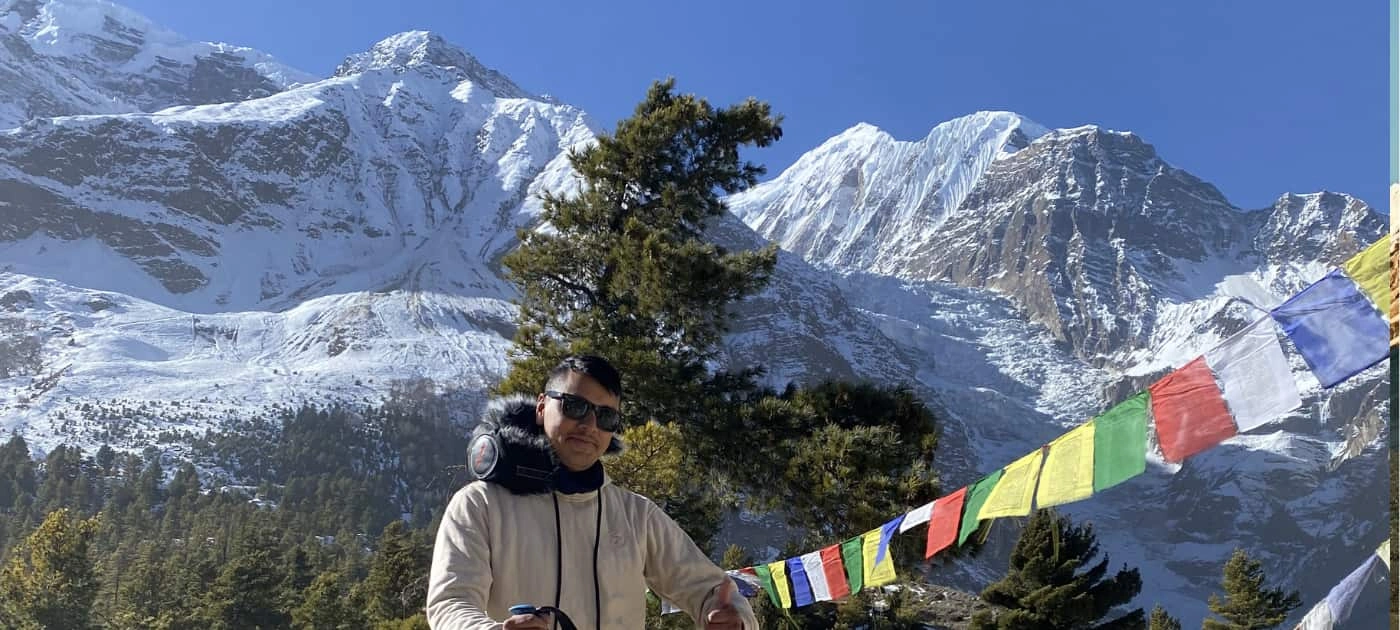
Prayer wheels, mani stones, and Buddhist flags appear throughout the Khumbu. You duck through low doorways into tea houses run by the same families for generations. The Sherpa community's relationship with Everest is layered and not always straightforward, and if you spend time talking to local guides and lodge owners, you get a sense of what that complexity looks like from the inside.
The ABC trail runs through the territory of the Gurung and Magar communities. Ghandruk is one of the best-preserved traditional villages in Nepal, with stone houses, slate roofs, and a small museum dedicated to Gurung culture. The hospitality here feels different from the Khumbu, warmer in some ways and more village-scale. Rhododendron forests surround many lower sections in spring, and the landscape has a softness that EBC doesn't.
Holy Kailash Tours incorporates cultural briefings and village visits into their Nepal trekking packages, which adds context that you miss if you just walk through without stopping.
Everest Base Camp Trek vs Annapurna Base Camp Trek: Accommodation and Food Comparison
Both treks use tea houses: family-run guesthouses that offer beds, meals, and a communal dining room. The quality varies considerably.
On the EBC trail, accommodation in Namche Bazaar and the lower villages is reasonably comfortable. Hot showers, decent wifi, and charging facilities. As you climb higher, the rooms get colder and simpler. Above Dingboche, expect basic dormitory-style accommodation, thin mattresses, and overnight temperatures that make sleeping bags non-negotiable. Food is consistent: dal bhat (lentils and rice), noodles, pasta, eggs, and yak meat in various forms. Prices rise sharply with altitude because everything has to be carried in.
On the ABC trail, the accommodation is generally warmer because you are at a lower altitude. Ghandruk and Chhomrong have some of the nicer tea houses in Nepal, with terrace views that make the simple rooms feel worth it. Food is similar to EBC, but the variety is slightly better in the lower sections. You can find fresh vegetables and local dishes that simply do not exist at 5,000 meters.
Neither trek offers luxury in the Western sense. That is part of the point.
Cost Comparison: EBC vs ABC Trek
Money matters. Here is an honest breakdown.
Everest Base Camp Trek Cost
The Lukla flight alone costs USD 245-260 each way from Kathmandu. On top of that, you need a Sagarmatha National Park permit (around USD 30) and a TIMS card (around USD 20). A guide costs roughly USD 25-35 per day. A porter runs USD 15 to 25 per day.
Tea house costs range from USD 30 to 70 per day, including accommodation and meals, with prices rising as you go higher.
Total cost for an independent trek with a guide and porter: USD 1,500-2,500 for 14 days, depending on your pace and the season.
Annapurna Base Camp Trek Cost
No flight required. You take a bus or taxi from Pokhara to the trailhead. ACAP permit costs USD 30, and TIMS is another USD 20. Guide and porter costs are similar to EBC.
Tea house costs are slightly lower: USD 25-50 per day.
Total cost for a guided 10-day trek: USD 800-1,500.
ABC is meaningfully cheaper, mainly because you cut out the Lukla flights and have fewer high-altitude surcharges on food and accommodation.
Best Time for Everest Base Camp and Annapurna Base Camp Trek
Timing affects everything: trail conditions, visibility, temperature, and how many other people you share the trail with.
Best Time for EBC Trek
Spring (March to May) and autumn (September to November) are both excellent. Spring brings warmer temperatures and rhododendrons in bloom at lower elevations. Autumn is clearer and colder. Both seasons see good visibility and manageable trail conditions.
Avoid the monsoon (June to August), when the lower sections become wet and slippery, and December to February, when temperatures at high altitude drop to dangerous lows and snowfall can close the upper trail.
Best Time for ABC Trek
Same windows apply: spring and autumn are best. The ABC trail passes through lower elevations where the monsoon is more manageable than on EBC, though the gorge sections become particularly prone to landslide risk in July and August. Spring brings the rhododendron bloom, which on the ABC trail is genuinely spectacular, thick forests of red and pink for days.
Everest Base Camp Trek vs Annapurna Base Camp Trek: Physical Fitness Requirements
Neither trek requires you to be an athlete. But neither is a holiday walk.
For the EBC trek, the key is cardiovascular fitness and altitude tolerance. You should be able to walk 6 to 8 hours a day for multiple consecutive days. Regular hiking, cycling, swimming, or running in the months before helps. Altitude cannot be fully trained for at sea level, but aerobic fitness makes a significant difference.
For the ABC trek, the demands are lower but still real. The stone staircases on the lower trail are relentless and knee-unfriendly. Quad strength and good joint health matter here as much as aerobic capacity.
Both treks become more enjoyable and safer with a training period of at least 8 to 12 weeks beforehand. Trekkers who show up without preparation consistently have worse experiences and higher dropout rates.
Everest Base Camp Trek vs Annapurna Base Camp Trek: Trek Duration and Itinerary Comparison
EBC Trek Duration
The standard itinerary is 12 to 14 days from Lukla back to Lukla. This includes mandatory acclimatization days at Namche Bazaar and Dingboche. A condensed version exists, but rushing acclimatization is dangerous.
A typical breakdown: Lukla to Phakding (Day 1), Phakding to Namche (Day 2), rest day in Namche (Day 3), Namche to Tengboche (Day 4), Tengboche to Dingboche (Day 5), rest day in Dingboche (Day 6), Dingboche to Lobuche (Day 7), Lobuche to Gorak Shep and EBC (Day 8), Gorak Shep to Kala Patthar and back to Pheriche (Day 9), then three days returning to Lukla.
ABC Trek Duration
A standard ABC itinerary runs 7 to 10 days. A sample route: Nayapul to Tikhedhunga (Day 1), Tikhedhunga to Ghorepani (Day 2), Ghorepani to Tadapani via Poon Hill (Day 3), Tadapani to Chhomrong (Day 4), Chhomrong to Dovan (Day 5), Dovan to Machhapuchhre Base Camp (Day 6), MBC to ABC and back to MBC (Day 7), descent via Bamboo to Jhinu (Day 8), Jhinu to Nayapul (Day 9).
ABC fits more naturally into a two-week Nepal trip without requiring a separate extension.
Everest Base Camp Trek vs Annapurna Base Camp Trek: Crowds and Trekking Atmosphere
EBC
EBC is one of the most popular treks in the world. In peak season (especially October and April), the trail between Namche and Tengboche can feel like a pedestrian highway. Hundreds of trekkers, porters, and yak caravans share a relatively narrow path. Tea houses fill up early in the day, and it is not unusual to arrive at your planned stop and find it full.
That said, the Khumbu region is large, and the trail above Dingboche thins out considerably. The crowds feel like part of the atmosphere in the lower sections rather than a problem.
ABC
ABC sees fewer trekkers than EBC in absolute numbers, but it is still popular. The trail is quieter above Chhomrong, and the sanctuary itself feels remote even in peak season. The guesthouses are smaller, and bookings are less predictable.
If solitude matters to you, ABC generally offers more of it.
Everest Base Camp Trek vs Annapurna Base Camp Trek: Which Trek Is Better for Beginners?
The short answer: ABC. The longer answer is that it depends on your definition of beginner. ABC's lower altitude means the biggest risk on the EBC trail (acute mountain sickness) is much less of a factor. The shorter duration means you spend fewer consecutive days on the trail. The logistical simplicity (no mountain flight, closer to Pokhara) removes friction. And the views arrive faster, which helps when motivation dips on a hard day.
EBC is not impossible for a first-time trekker, but it requires serious physical preparation and, ideally, some prior hiking at altitude. Many trekkers attempt it as their first experience and succeed. Many also turn back early or suffer more than they need to because they underestimated the demands.
If you have never trekked at altitude before and you have two weeks, ABC is the smarter first choice. If you are fit, have done multi-day hikes before, and your goal is specifically Everest, EBC is absolutely achievable.
Everest Base Camp and Annapurna Base Camp Trek: Advantages and Disadvantages
EBC Advantages
You reach the base camp of the world's tallest mountain. The Sherpa culture along this route is extraordinary. Kala Patthar offers one of the best high-altitude viewpoints accessible without technical gear. The sense of achievement at the end is hard to match.
EBC Disadvantages
Higher cost, longer duration, greater altitude risk, and more crowded in peak season. The Lukla flight is weather-dependent, and delays of 2 to 4 days are not rare. The return journey on the same trail can feel anticlimactic.
ABC Advantages
More affordable. Shorter. Lower altitude risk. The sanctuary views are among the finest in Nepal. Hot springs at Jhinu Danda. Better suited to trekkers with limited high-altitude experience. More variety in the landscape.
ABC Disadvantages
The stone staircases are brutal on the knees. Lower peak altitude means less of the raw, extreme experience that some trekkers are specifically seeking. Less global name recognition, which matters to some people and not at all to others.
You specifically want to stand at the foot of Everest
You have the budget for the full trip, including flights
You have 14 to 16 days
You are fit and willing to prepare seriously
You have some prior hiking experience at a moderate altitude
Choose ABC if:
You want a shorter trip without compromising on mountain scenery
Budget is a meaningful factor
This is your first high-altitude trek
You value cultural variety and landscape diversity
You have 10 to 12 days available
Both are worth doing at some point in your life. Many trekkers who start with ABC come back for EBC the following year. That pattern makes sense.
Holy Kailash Tours offers guided packages for both routes, with experienced guides, acclimatization planning, and support throughout the journey, reducing much of the logistical anxiety that first-time trekkers experience.
The Everest Base Camp Trek vs. the Annapurna Base Camp Trek comparison ultimately comes down to what you are actually looking for. Not what sounds most impressive at a dinner party. What fits your body, your budget, and the time you actually have.
EBC costs more, takes longer, and puts you at altitudes where your body has to work harder just to keep warm. In return, you get Everest. Some people need that. They've pictured standing there for years, and no other mountain will do.
ABC is not the easier option in a dismissive sense. The Annapurna Sanctuary is one of the world's genuinely extraordinary natural places. Walking into it for the first time, surrounded by 7,000 and 8,000-meter peaks on every side, is not a consolation prize. It's a completely different experience that's more forgiving on your lungs and wallet.
Nepal trekking changes how you think about what your body can do. Both trails deliver that. One truth stays the same: the best trek is the one you actually finish.
FAQs: Everest Base Camp Trek vs Annapurna Base Camp Trek
Which is harder, EBC or ABC?
EBC is harder. The higher altitude, longer duration, and greater daily elevation changes make it more physically demanding than ABC. ABC is considered moderate. EBC is moderate to strenuous.
How long does each trek take?
EBC typically takes 12 to 14 days. ABC typically takes 7 to 10 days. Both assume a pace that allows for proper acclimatization or rest.
What is the highest point of each trek?
EBC reaches 5,364 meters at Everest Base Camp, or 5,545 meters if you include Kala Patthar. ABC tops out at 4,130 meters.
Which trek is cheaper?
ABC is significantly cheaper. You avoid the expensive Lukla flights and high-altitude pricing on food and accommodation. The total cost can be 40 to 60 percent lower than EBC.
Do I need a guide for either trek?
Nepal now requires trekkers to be accompanied by a licensed guide on most major trekking routes, including the EBC and ABC routes. Even where it is not strictly required, a guide adds safety and cultural depth that is genuinely worth the cost.
You could, but it would be a long trip. Most people spend 4 to 5 weeks if combining both. It is more common to do one and return for the other on a separate trip.
What is the best season for Nepal trekking?
Spring (March to May) and autumn (September to November) are best for both EBC and ABC. Autumn tends to be clearer. Spring has better flora. Both are good.
Is ABC safe for trekkers with no altitude experience?
ABC is much safer for altitude newcomers than EBC. The maximum elevation of 4,130 meters is manageable for most healthy adults with proper acclimatization. That said, altitude sickness can affect anyone, and taking it slowly is always the right call.
Which trek has better views?
This is genuinely subjective. EBC gives you Everest and the Khumbu peaks. ABC is surrounded by a full amphitheater of high Himalayan peaks. Most photographers who have done both give ABC a slight edge for variety. Most people who want to say they stood below Everest prefer the EBC route.
Holy Kailash Tours organizes both EBC and ABC treks with experienced local guides, permits, accommodation, and full logistical support. Getting your permits and planning in advance, especially for peak season, is strongly recommended.