Why Nepal Is One of the Best Travel Destinations in 2026
Nepal tourism grew significantly after the COVID years, but 2026 is a different moment. The infrastructure has caught up. Trails that used to involve unpredictable logistics now have clearly marked routes, better emergency protocols, and more reliable communication in remote areas. The government has continued investing in the tourism sector, and Nepal's reputation in the global travel community is stronger than it has been in decades.
What makes Nepal unusual is the density of experience. In a single two-week trip, a traveler can walk through a subtropical jungle, sleep in a Himalayan teahouse at 4,000 meters, visit temples older than most European countries, and watch the sunrise turn Everest pink. Very few countries compress that range into such a small geographic footprint.
Nepal also benefits from a genuinely diverse traveler base. You will meet hardcore mountaineers, first-time trekkers, Hindu pilgrims, Buddhist retreat seekers, wildlife photographers, and photographers chasing the perfect mountain light. That mix creates an atmosphere that is hard to find anywhere else.
Experience the Stunning Himalayan Mountain Views
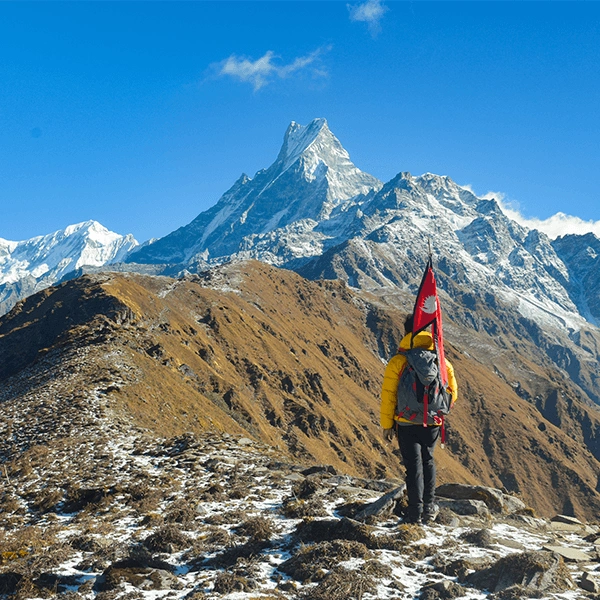
Eight of the world's fourteen 8,000-meter peaks are in Nepal. That fact alone is worth pausing on. The Himalayas are not just tall mountains; they are a distinct landscape category.
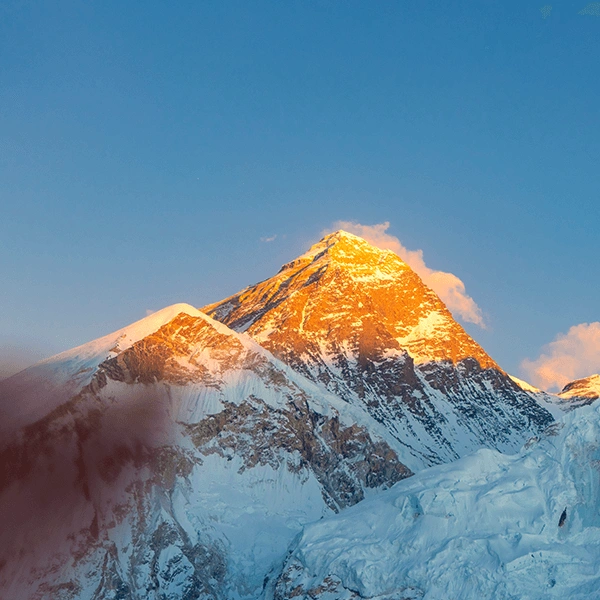
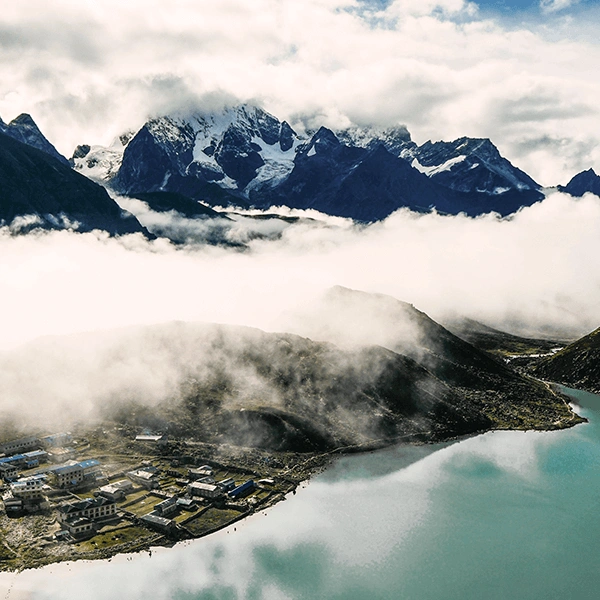
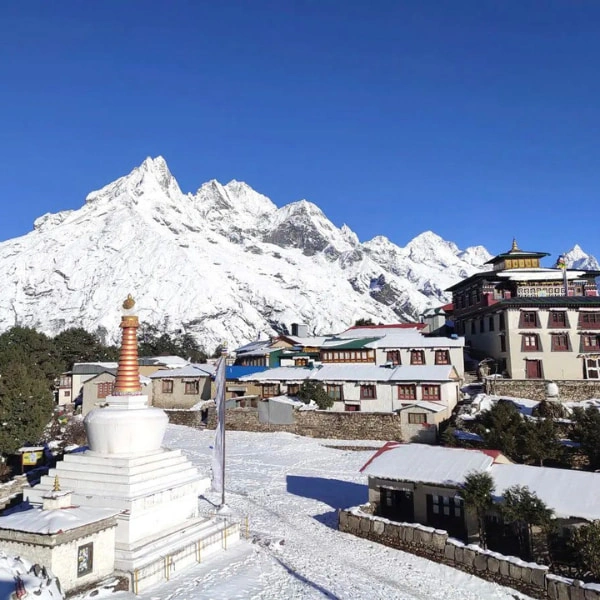
Mount Everest is the obvious draw. Even if you never intend to climb it, seeing the summit from Kala Patthar (5,545m) or from a helicopter circling above the Khumbu Icefall is something you simply cannot get anywhere else on Earth. The approach through the Khumbu Valley, past Namche Bazaar and Tengboche Monastery, is beautiful in a way that photographs cannot fully communicate.
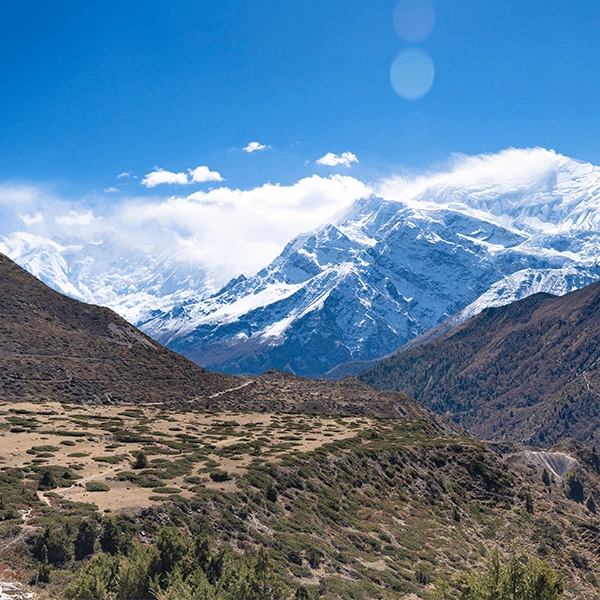
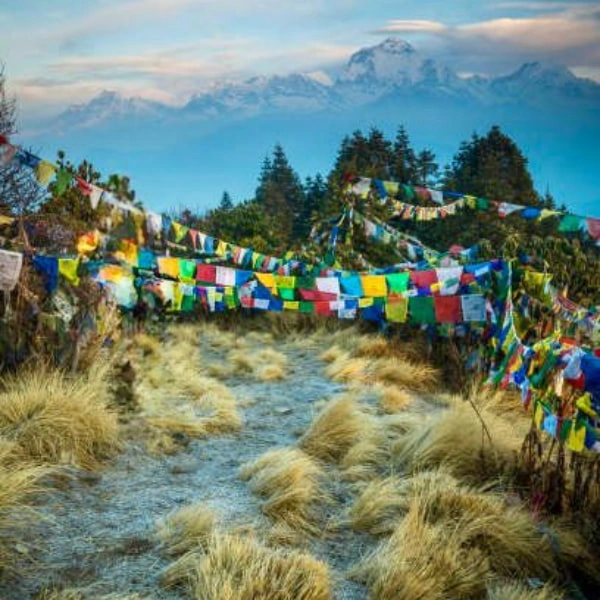
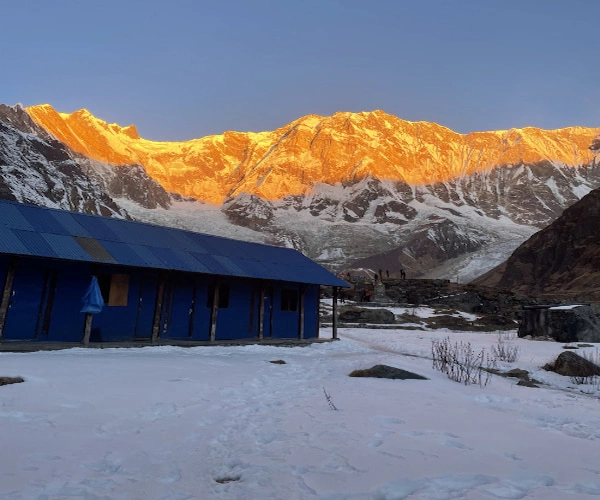
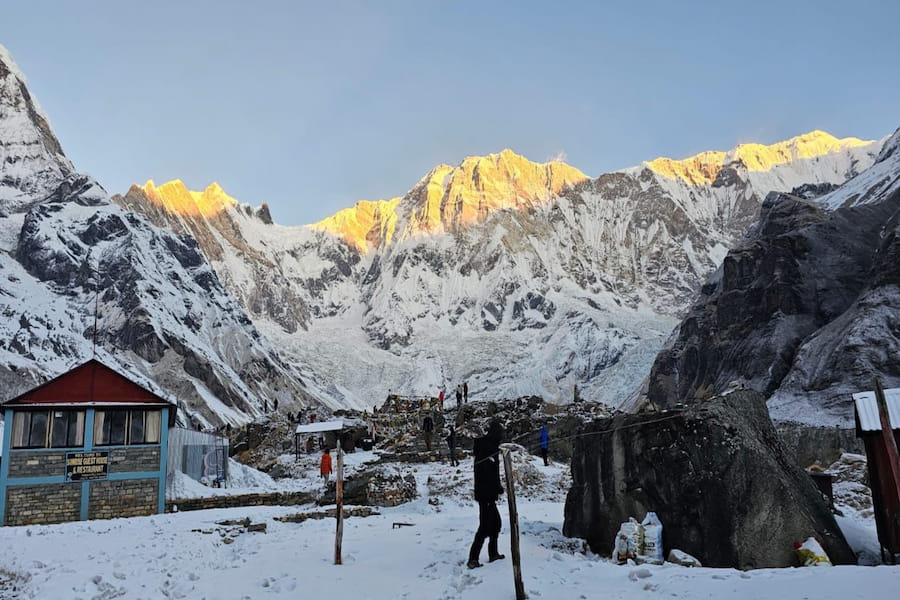
The Annapurna region offers a completely different kind of mountain scenery. The range includes ten peaks over 7,000 meters, and the views from places like Poon Hill (3,210m) at sunrise have become iconic for good reason. The landscape shifts dramatically between the lush Modi Khola valley and the high desert terrain above Muktinath.
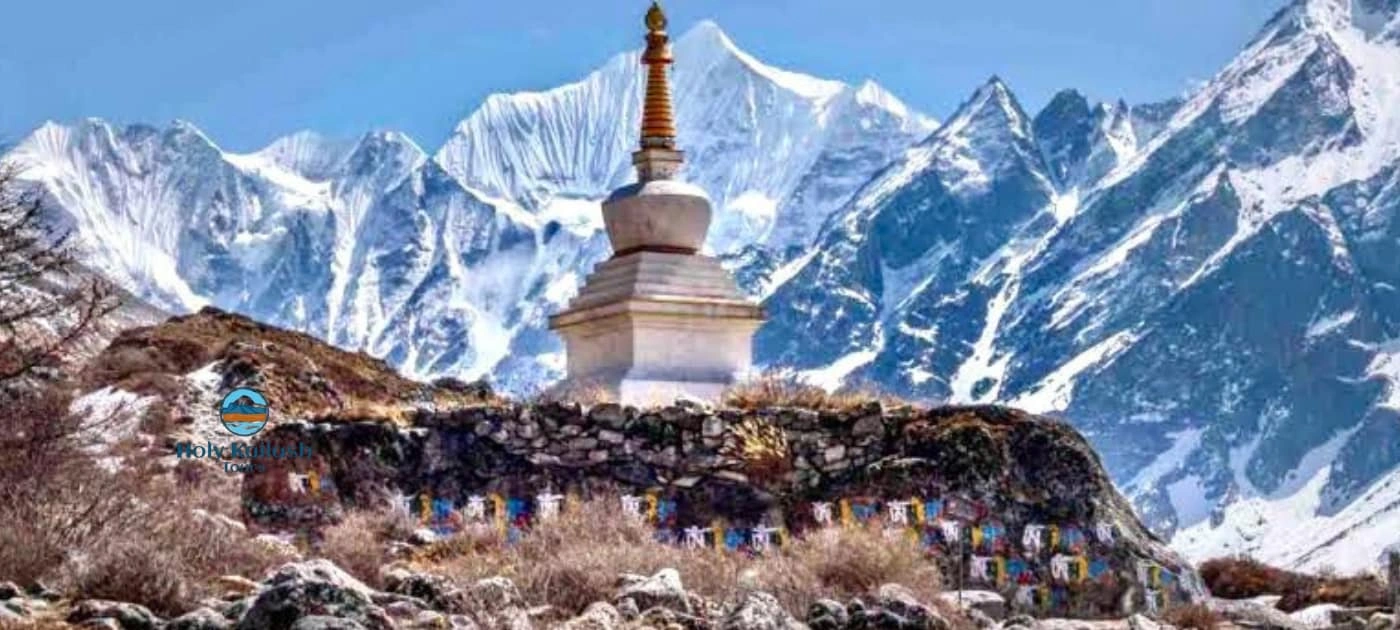
Langtang National Park, just north of Kathmandu, is often overlooked by first-time visitors, which makes it ideal if you want big mountain views without the crowds of the Everest or Annapurna circuits. The Langtang valleyitself is beautiful, and Kyanjin Gompa sits at the base of glaciers that feel almost close enough to touch.
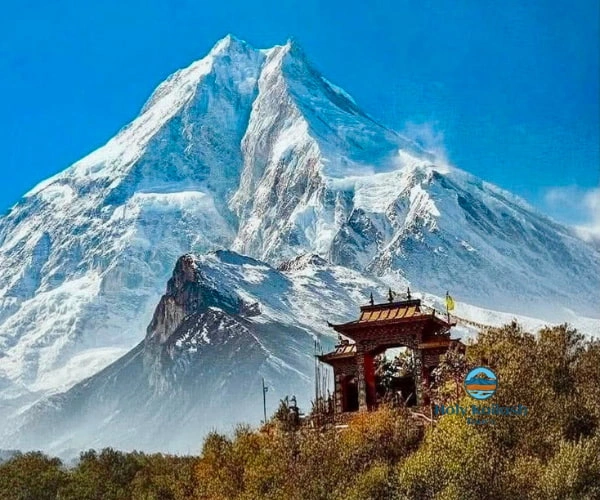
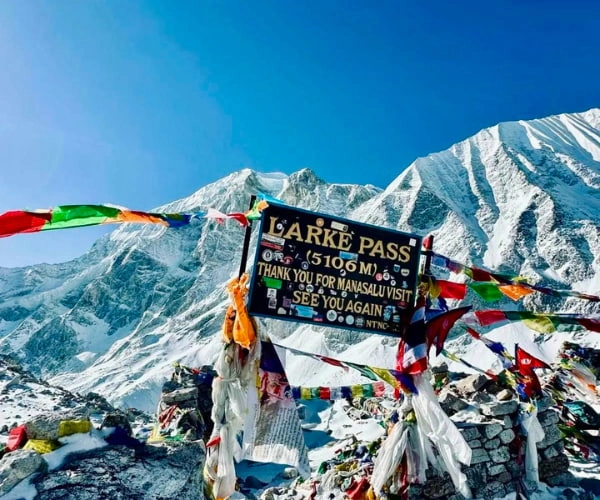
The Manaslu region is where serious trekkers go when the main routes feel too familiar. The Manaslu Circuit is a longer, harder route than the Annapurna Circuit, with higher passes and far fewer teahouses. The mountain itself (8,163m) dominates the skyline for most of the circuit.
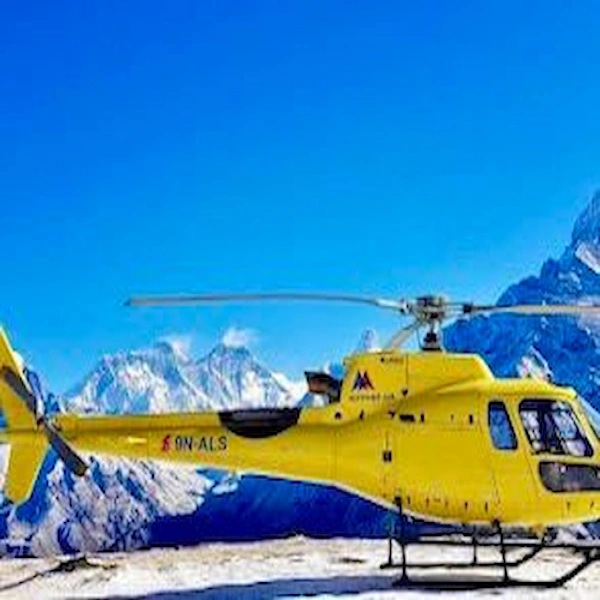
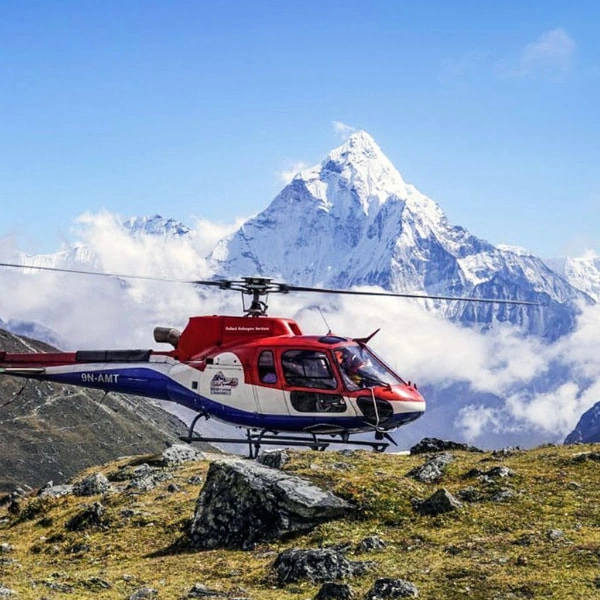
For travelers who want mountain views without the physical effort of a multi-week trek, helicopter tours have become a genuinely excellent option. You can fly over the Everest region, land near base camp, have tea, and be back in Kathmandu by early afternoon. Holy Kailash Tours offers helicopter tours across Nepal's most iconic mountain regions, which works well for travelers with limited time or those who want to complement a ground-level trek with an aerial perspective.
Explore World-Famous Trekking Routes in Nepal
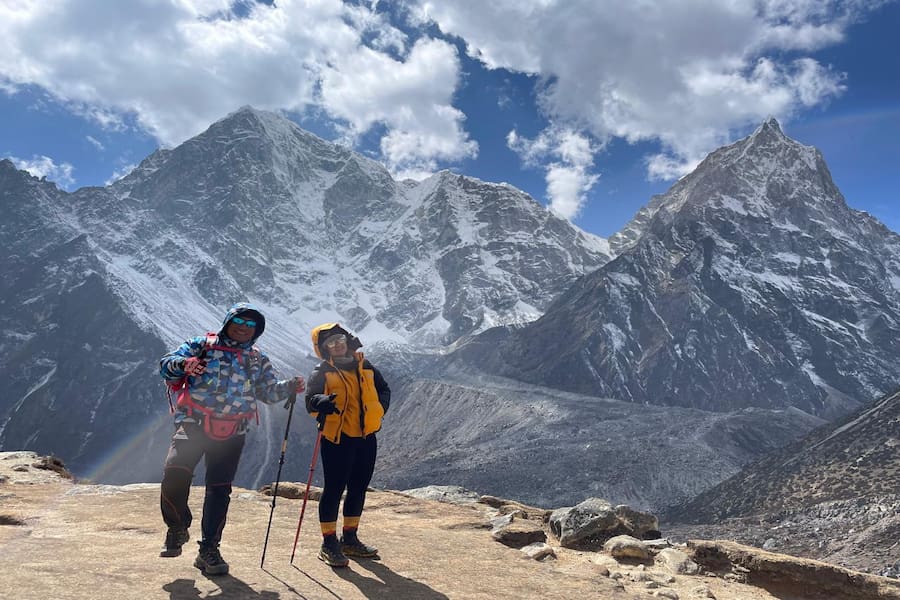
Nepal has more trekking options than most people realize. The well-known routes are well-known for good reasons, but the range of difficulty and duration means there is a trail for almost every fitness level.
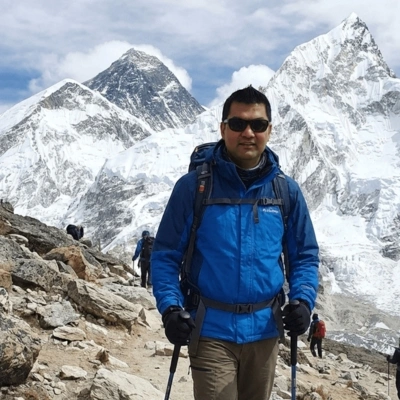
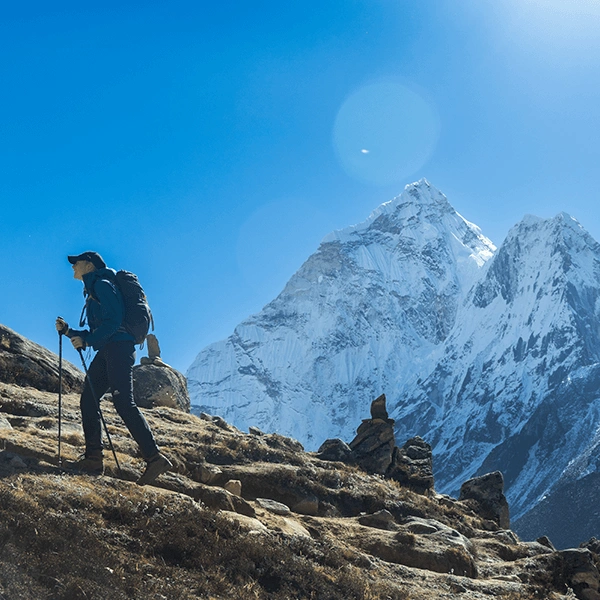
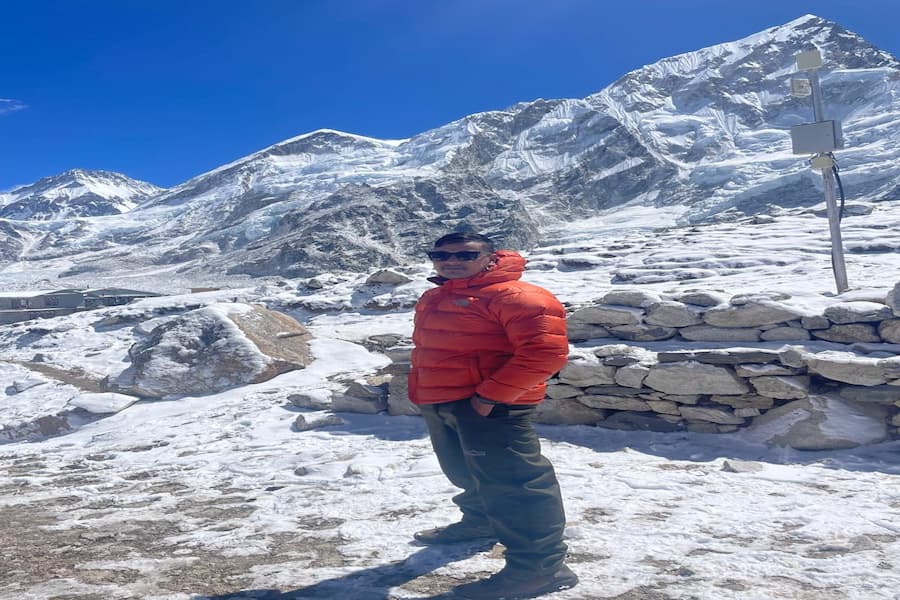
Everest Base Camp (EBC) remains the most sought-after trek in the world. The standard route from Lukla takes 12 to 14 days return, reaches a maximum elevation of around 5,364m at base camp, and passes through some of the most dramatic mountain scenery on the planet. The trail is well-serviced, with teahouses at regular intervals. Acclimatization days are built into good itineraries, and any reputable operator will insist on them. The best seasons are spring (March to May) and autumn (September to November).
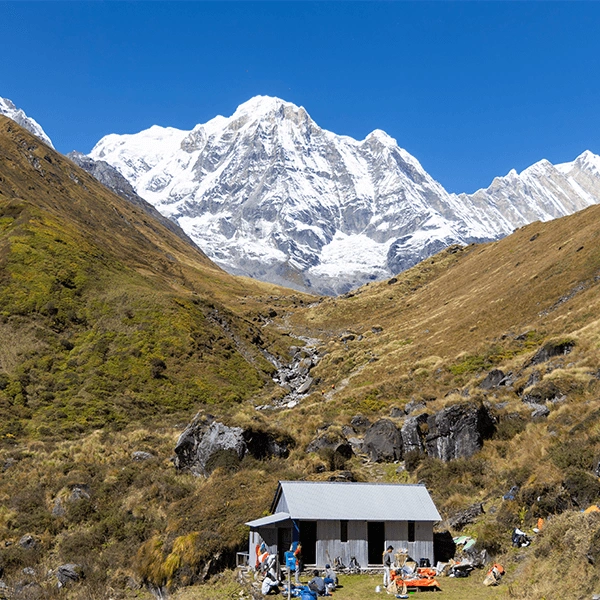
Annapurna Base Camp (ABC) is a shorter route, typically 10 to 12 days, and more accessible from Pokhara. The sanctuary bowl at the top, surrounded by Annapurna peaks on three sides, is one of the genuinely spectacular spots in Himalayan trekking. The trek passes through Gurung villages, rhododendron forests, and bamboo groves before climbing into alpine terrain. Moderate difficulty; suitable for fit beginners with proper preparation.
The Manaslu Circuit is a 14 to 18-day route that circles the world's eighth-highest mountain. The Larkya La pass (5,106m) is the high point and requires a good level of fitness. Teahouse infrastructure has improved significantly in recent years, but this route is still more remote than the EBC or Annapurna routes. Restricted area permits are required.
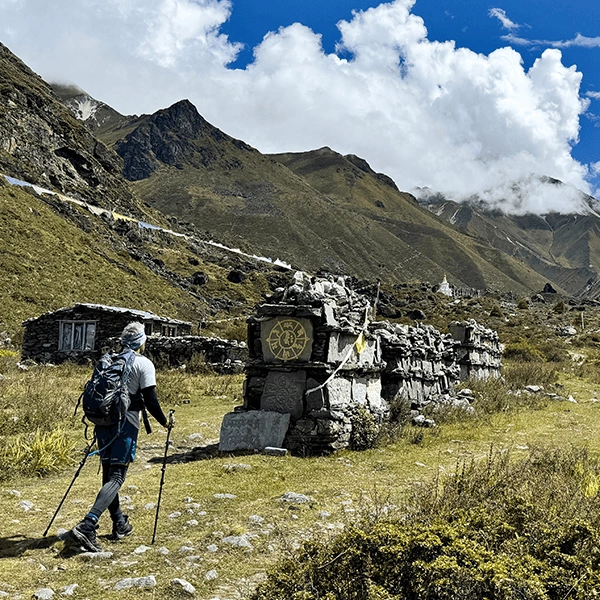
Langtang Valley is probably the best three-season option for travelers who want a genuine high-altitude experience in under two weeks. The trail starts just a few hours from Kathmandu, eliminating the need for a flight to Lukla and simplifying logistics. Maximum elevation around 4,773m at Tserko Ri.
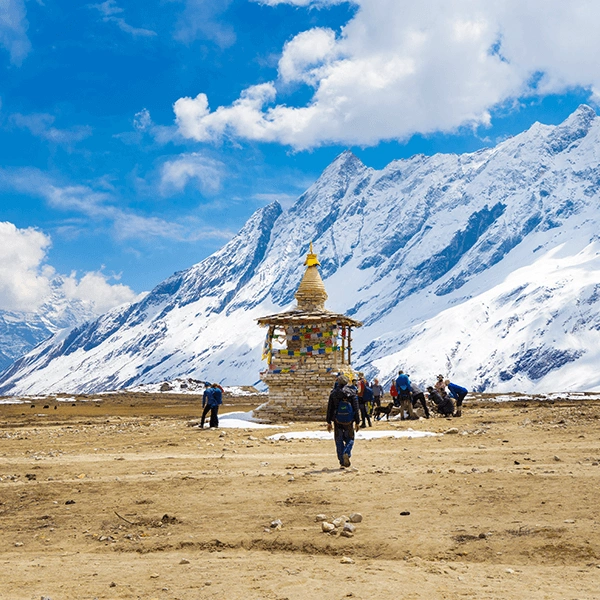
Upper Mustang is in a category of its own. The ancient kingdom of Lo, once closed to outsiders, sits in the rain shadow of the Himalayas. The landscape is almost lunar: eroded red cliffs, cave monasteries, whitewashed villages. It is more of a cultural trek than a mountain one, but the scenery is extraordinary. A restricted area permit is required; the permit fee is higher than for standard routes.
For any of these routes, working with a company that knows the terrain matters. Holy Kailash Tours handles trekking packages across all major Himalayan routes in Nepal, including permit logistics, guide coordination, and accommodation planning.
Visit Ancient Temples, Monasteries, and UNESCO Heritage Sites
Nepal has seven UNESCO World Heritage Sites in the Kathmandu Valley alone. That concentration is unusual anywhere in the world.
Pashupatinath Temple is the most important Hindu temple in Nepal and one of the most significant Shiva temples in the world. The main complex is on the banks of the Bagmati River in Kathmandu. Non-Hindus cannot enter the main shrine, but the surrounding area is extraordinary: sadhus (holy men) covered in ash and saffron, cremation ghats on the riverbank, and smaller shrines in every direction. It is intense, often emotional, and completely unlike anywhere else.
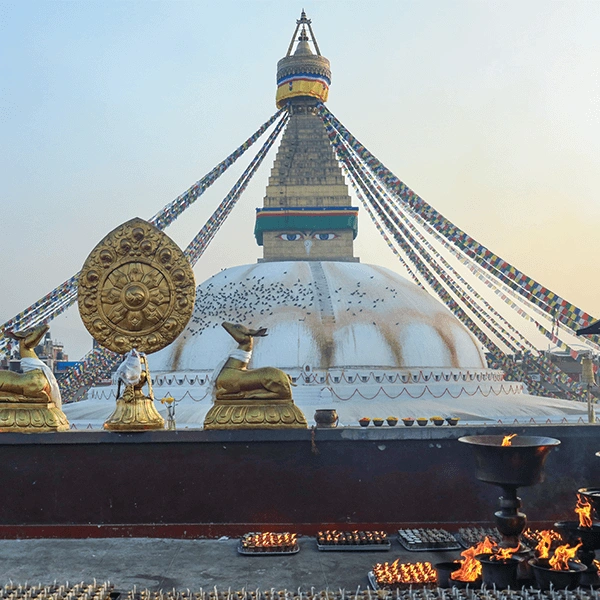
Boudhanath is one of the largest Buddhist stupas in the world and a working center of Tibetan Buddhist practice in Nepal. The white dome and gilded spire are unmistakable. The circuit around the stupa (the kora) is walked by monks, pilgrims, and locals every morning and evening, prayer wheels spinning. The area around Boudhanath has the highest concentration of Tibetan Buddhist monasteries outside Tibet.
Swayambhunath, known to visitors as the Monkey Temple, sits on a hilltop west of Kathmandu city. The stupa is one of the oldest religious sites in the valley, and the eyes painted on the tower look out over the city from every direction. The climb up the stone steps is populated by rhesus macaques; on a clear morning, the views from the top take in the entire Kathmandu Valley, with the Himalayan ridgeline in the background.
Kathmandu Durbar Square is a complex of royal palaces, temples, and courtyards dating back to the medieval Malla and Shah dynasties. The 2015 earthquake caused significant damage, and restoration work has been ongoing. The scale of what remains is still remarkable, and watching local life happen in and around the ancient structures is one of Kathmandu's distinctive experiences.
Discover Nepal's Rich Culture and Local Traditions
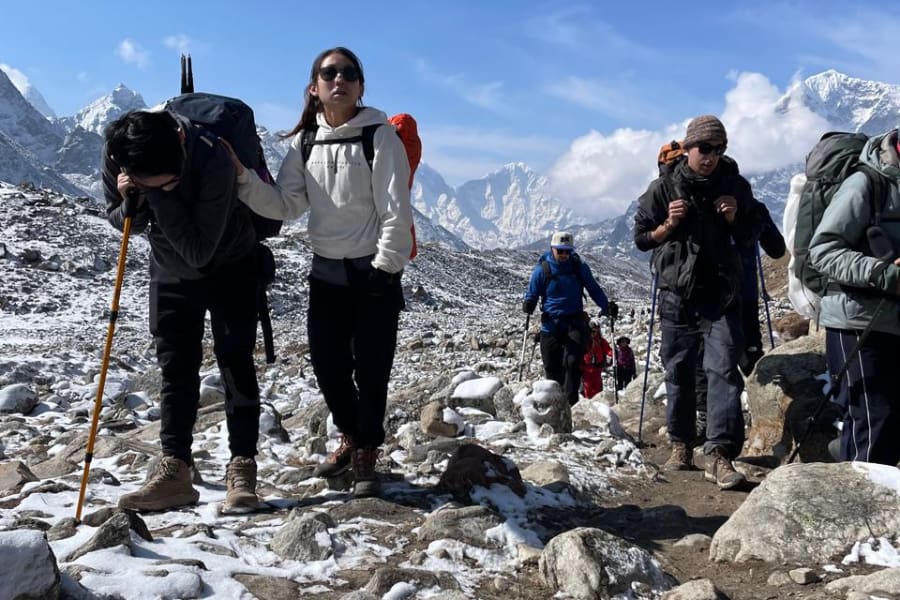
Nepal has more than 100 ethnic groups and a comparable number of languages. The country's cultural geography is as varied as its physical geography.
The Sherpa community of the Khumbu region has a culture deeply shaped by Buddhism and by centuries of living at altitude. Their festivals, monastery practices, and relationship to the mountains have become better understood by outside visitors over the past few decades, but there is still much that is easy to miss without a good local guide.
The Gurung and Magar communities of the Annapurna region have different traditions, many of which are connected to Bon and animist practices that predate both Hinduism and Buddhism in the Himalayan foothills.
In the Terai (the plains region of southern Nepal), the Tharu people have a culture and way of life that are almost entirely distinct from those of the mountain communities. Their traditional longhouses, festivals, and relationship with the forest are worth seeking out if you spend time in the national park areas.
Kathmandu's Newar community produced the valley's extraordinary artistic and architectural heritage. The intricate wood carvings, the metalwork, the system of courtyards (bahals) that organize traditional Newar neighborhoods — all of it is still present in the city if you look beyond the main tourist areas.
Festivals are a major part of Nepali cultural life and one of the better reasons to time your visit carefully. More on that below.
Adventure Activities for Every Type of Traveller
Nepal has built a reputation for adventure over several decades, and the range of activities available in 2026 is wider than most people expect.
Trekking remains the core activity. From single-day walks near Pokhara to multi-week high-altitude routes, the options cover every fitness level.
Peak climbing is available for trekkers who want to go higher without a full mountaineering expedition. Island Peak (6,189m) and Mera Peak (6,476m) are the most popular; both require technical gear and some crampon experience but are achievable for fit, well-prepared trekkers.
Paragliding in Pokhara is among the best in the world. Flights launch from Sarangkot and drift over Phewa Lake with Annapurna as a backdrop. Tandem flights are widely available and need no prior experience.
White water rafting on the Trishuli, Bhote Koshi, and Kali Gandaki rivers offers everything from gentle family-friendly floats to genuinely technical rapids. The Bhote Koshi section in particular is fast and challenging.
Bungee jumping at the Last Resort, near the Tibetan border, takes place in a gorge above the Bhote Koshi River; the drop is around 160 meters. It is one of the more dramatic commercial bungee setups in Asia.
Jungle safari in Chitwan or Bardia takes you into a completely different Nepal, one of subtropical forest, riverine grassland, and wildlife corridors that support rhinos, tigers, and hundreds of bird species.
Helicopter tours offer access to remote areas that would take weeks to reach on foot. Holy Kailash Tours offers helicopter tours to high-altitude regions, including Everest region flights, a practical option for travelers who want the visual experience without the physical demands of a two-week trek.
Why Nepal Is Perfect for Spiritual and Wellness Travel
The connection between Nepal and spiritual practice is not marketing. It is structural. Lumbini, the birthplace of the Buddha, is in the Terai region of southern Nepal. The country is home to thousands of Hindu temples and Buddhist monasteries. The Himalayan landscape itself has been considered sacred by local communities for as long as records exist.
For travelers drawn to meditation, yoga, or spiritual retreats, Nepal has real options. Pokhara has a well-established community of yoga studios and retreat centers. Kathmandu has meditation courses rooted in the Vipassana tradition (10-day silent retreats are available, with no prior experience required). Several monasteries in the Boudhanath area welcome visitors for short stays.
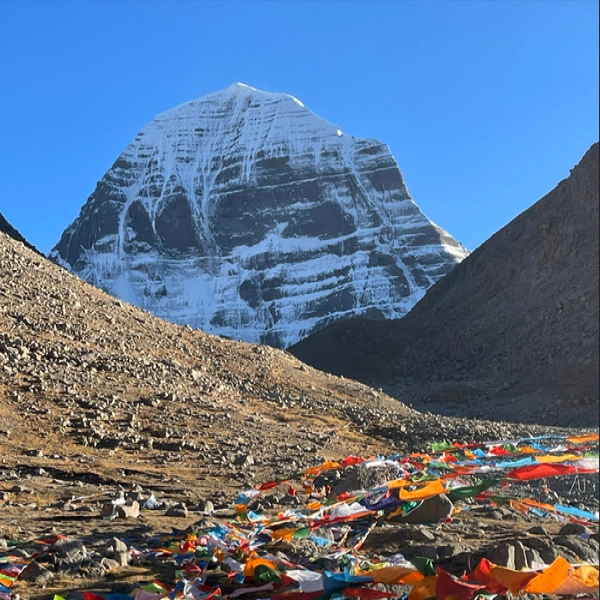
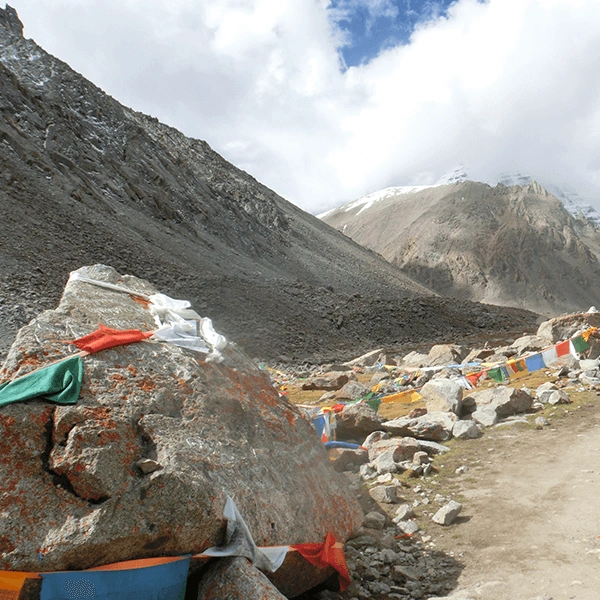
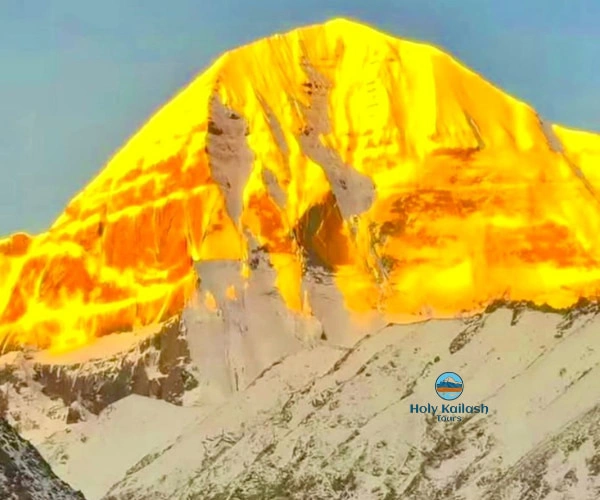
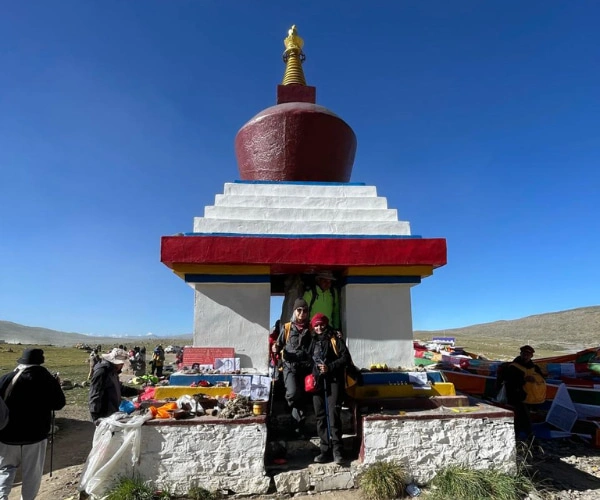
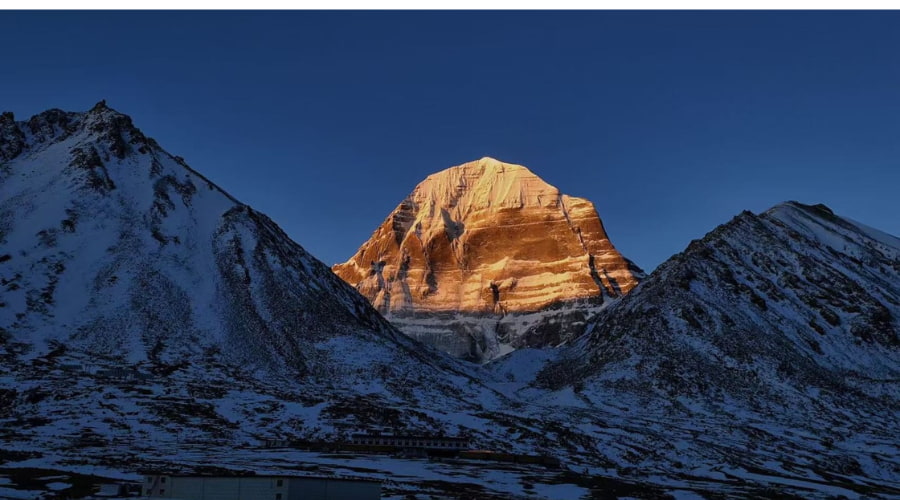
For pilgrimage travelers, the most significant journey in Nepal is the Kailash Mansarovar Yatra, a sacred journey to Mount Kailash in western Tibet and to Lake Mansarovar. This pilgrimage is considered the most spiritually charged journey in Hinduism, Buddhism, Jainism, and Bon. The three-day kora (circumambulation) around Mount Kailash, at altitudes reaching over 5,600m, is a physically demanding experience that draws devout pilgrims from across the world. Holy Kailash Tours specializes in organizing these pilgrimage journeys from Kathmandu, managing all permits, border crossings, acclimatization planning, and guide logistics for groups and individuals.
Enjoy Affordable Travel Compared to Other Destinations
Nepal is genuinely affordable. Not in a way that sacrifices quality, but in a structural way: the cost of living is low, and the travel infrastructure has developed to provide real value at multiple price points.
A good meal at a local Nepali restaurant in Kathmandu costs between $3 and $7. A clean guesthouse room in Thamel or Pokhara ranges from $15 to $40 per night, depending on quality. On major trekking routes, teahouse accommodation and meals cost between $20 and $35 per day.
Guided trekking packages from reputable operators are more expensive, as they should be, because they include permits, guide fees, porter fees, and accommodation coordination. But compared to equivalent guided trekking experiences in, say, Patagonia or the European Alps, Nepal offers substantially more value.
Permits are a real cost to factor in. The Everest region requires a Sagarmatha National Park entry permit and a TIMS card. Restricted-area routes (Mustang, Manaslu) require additional permits, which add to the total cost. A good tour operator will include all of these in the package price and manage the paperwork.
For budget-conscious travelers who want to see Nepal independently, it is absolutely feasible. Kathmandu and Pokhara are well-served by cheap public transport. Local buses connect major cities for very little. The teahouse system on major trekking routes means you do not need to carry camping equipment.
Experience Unique Wildlife and National Parks
The Terai lowlands of southern Nepal contain some of the most significant wildlife habitats remaining in South Asia, and two national parks in particular are worth building a trip around.
Chitwan National Park is a UNESCO World Heritage Site and the most accessible wildlife destination in Nepal. It protects one of the last remaining populations of the one-horned rhinoceros (around 700 individuals as of 2024 estimates) as well as Bengal tigers, gharial crocodiles, Gangetic dolphins, and over 500 species of birds. Jeep safaris, canoe trips on the Rapti River, elephant observation programs, and guided forest walks are all available through lodges and guesthouses in the area. The town of Sauraha, on the park boundary, offers a wide range of accommodation.
Bardia National Park in the far west is larger than Chitwan and significantly less visited. Tiger sightings are more frequent here per visitor than almost anywhere in South Asia. The park also has healthy populations of rhinos, wild elephants, and swamp deer. Getting to Bardia requires a longer journey from Kathmandu (overnight bus or a flight to Nepalgunj), which limits visitor numbers and preserves the wilderness feel. For serious wildlife travelers, it is the better choice.
Bird watching in Nepal deserves its own mention. The altitudinal range, from the tropical Terai to the high alpine zones, creates habitat diversity that supports over 900 bird species. The Koshi Tappu Wildlife Reserve in the eastern Terai is particularly important for migratory water birds, including the rare Bengal florican.
Taste Traditional Nepali Food and Local Cuisine
Nepali food is simple, honest, and deeply satisfying when you are cold or tired after a long day on the trail.
Dal Bhat is the national dish, and for good reason. Steamed rice, lentil soup, vegetable curry, and often a small portion of pickles and papad. It is filling, nutritious, warming, and available everywhere. On trekking routes, most teahouses offer unlimited dal bhat refills, which matters when you are burning through energy on a big day of elevation gain.
Momo are Nepal's version of the dumpling. Steamed or fried, filled with buffalo, chicken, or vegetables, and served with a tomato-sesame dipping sauce. They are everywhere in Kathmandu and have spread to teahouses throughout the country. A plate of eight momos costs around $2 to $4.
Thukpa is a Tibetan-influenced noodle soup common in high-altitude regions and areas with significant Tibetan Buddhist communities. Egg noodles, broth, vegetables, and often some protein. It is exactly what you want at 3,500 meters when the temperature drops after sunset.
Kathmandu has developed a reasonably varied restaurant scene if you need variety after a few weeks on the trail. There are good Indian, Tibetan, and Continental options throughout Thamel and Patan. But honestly, spending two weeks eating local food in Nepal is not a hardship. It is one of the quiet pleasures of the trip.
Nepal's Best Festivals and Cultural Celebrations in 2026
Timing a visit around a major festival can significantly change the experience. Nepali festivals are not put on for tourists; they are genuine community celebrations with deep religious roots.
Dashain (September/October) is the largest festival in the Hindu calendar and the biggest celebration of the year in Nepal. It lasts 15 days and centers on the worship of the goddess Durga. During this period, Nepal essentially shuts down for family gatherings. Cities empty out as people travel home to their villages. If you are in Nepal during Dashain, you will see bamboo swings erected in every neighborhood, families gathering at the ancestral home, and the exchange of tika (a blessing mark applied to the forehead). It is chaotic and beautiful and unlike any other period to be in the country.
Tihar (October/November) follows Dashain and is sometimes called the Festival of Lights. Over five days, different beings are honored: crows, dogs, cows, brothers, and the self. The dog-worship day (Kukur Tihar), when dogs are garlanded with flowers and given special food, has attracted international attention for its combination of religious sincerity and sheer warmth.
Holi (February/March) is the festival of colors, celebrated with particular enthusiasm in Kathmandu. Be prepared to be thoroughly drenched in colored water and powder. It is joyful, anarchic, and one of the more photogenic days of the year.
Other festivals worth noting include Indra Jatra (August/September in Kathmandu, honoring the god of rain and the harvest) and Buddha Jayanti (April/May, celebrating the birth of the Buddha with major gatherings at Boudhanath and Lumbini).
Warm Hospitality and Friendly Local Communities
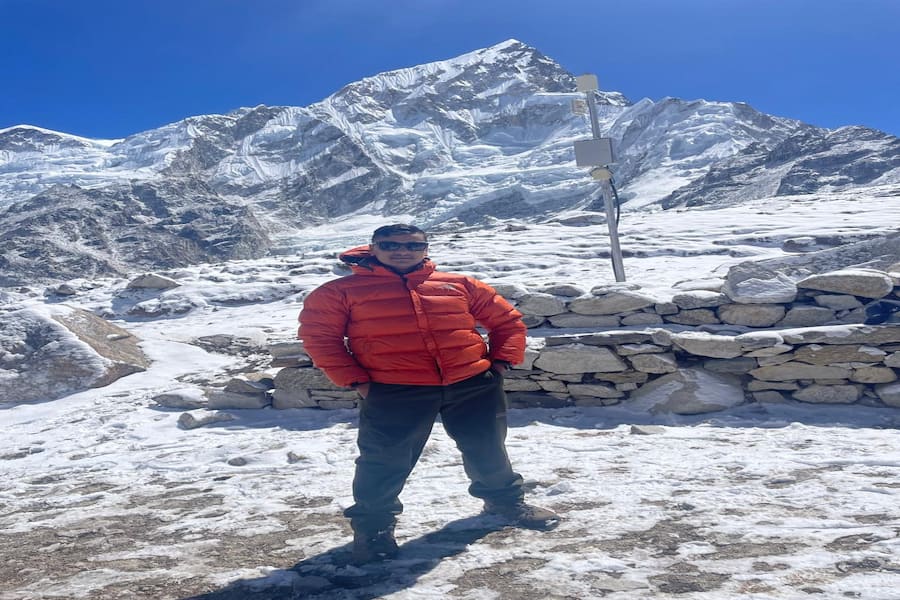
One thing that surprises many first-time visitors to Nepal is how genuinely warm the people are. This is not the performed hospitality of places that depend heavily on tourism; it feels more like a cultural default.
The teahouse system on Nepal's trekking routes is run primarily by local families. You sleep in their homes, eat food they have prepared, and often end up in long conversations about life on both sides of the world. Teahouse owners at altitude often have extraordinary life stories — people who grew up in villages accessible only on foot, who have watched the trekking industry grow over decades, who send children to school in Kathmandu.
Village stays and community tourism programs have grown in recent years, particularly in the Annapurna region. These give travelers a more grounded experience of daily life in Nepal than staying in a trail-side teahouse provides.
The phrase "Namaste" (pronounced "nam-a-stay"), with hands pressed together, is not a tourist greeting in Nepal. It is how people actually greet each other, with a meaning roughly equivalent to "I honor the divine in you." That small thing says something real about the cultural context you are traveling through.
Easy Access to Trekking, Tours, and Helicopter Adventures
Getting around Nepal is easier in 2026 than it has been in the past. The road network has expanded, and domestic flight connectivity has improved. For popular trek starting points:
Lukla (EBC trek) is a 35-minute flight from Kathmandu. Book early; Lukla flights are weather-dependent and can be delayed by multiple days.
Pokhara (Annapurna treks) is reachable by a 25-minute domestic flight or a 6 to 7-hour road journey. The new international airport in Pokhara opened in 2023.
Jomsom (the gateway to Upper Mustang) is a 20-minute flight from Pokhara.
For travelers who want to go beyond Nepal, Holy Kailash Tours organizes overland journeys from Kathmandu into Tibet via the Kerung and Rasuwagadhi border crossings, connecting Nepal with the Kailash Mansarovar pilgrimage circuit. These combined Nepal-Tibet tours are particularly well-suited for travelers who want to combine Himalayan trekking with the sacred Yatra.
Helicopter tours offer a time-efficient alternative to many major mountain viewpoints. A sunrise helicopter flight from Kathmandu to the Everest region, landing at Kala Patthar or EBC itself, and returning before midday is a completely viable day trip that requires no trekking fitness whatsoever.
Best Time to Visit Nepal in 2026
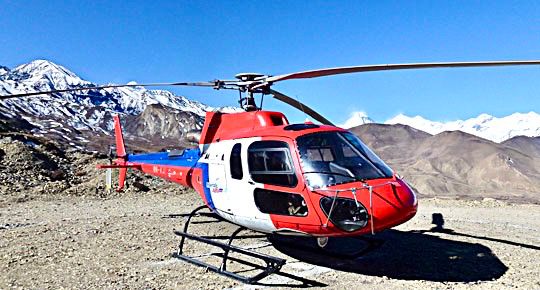
Spring (March to May) is the busiest and most popular season, particularly for trekking and mountaineering. The weather is generally stable, rhododendrons bloom at mid-altitude, and the mountains are clear before the monsoon builds up. EBC trek and Annapurna Circuit both operate at peak traffic during this period.
Autumn (September to November) is the other major season, and many experienced Nepal travelers consider it slightly better than spring. Post-monsoon air is clear, the landscape is green from the rains, and temperatures are comfortable. October in particular is considered the ideal trekking month.
Winter (December to February) is cold at altitude but often clear. Lower-altitude treks like the Annapurna foothills circuit or the Ghorepani Poon Hill route are manageable. Kathmandu and the cultural sites are pleasant in winter. High passes on the Manaslu and Annapurna circuits may be closed by snow.
The monsoon season (June to August) is generally not recommended for trekking due to leeches, landslides, and persistent cloud cover that can obscure mountain views. However, it is the best time to visit rain-shadow areas like Upper Mustang, which stays dry because the Himalayas block the monsoon. Monsoon is also significantly cheaper for accommodation and flights.
Travel Tips for Visiting Nepal in 2026
Visa: Most nationalities can obtain a visa on arrival at Tribhuvan International Airport in Kathmandu. The 30-day tourist visa costs USD 50; a 90-day multiple-entry visa is USD 125. Apply online in advance to speed up the process at the airport.
Altitude sickness: This is the main health risk for trekkers in Nepal. Ascend slowly. The standard rule is not to increase sleeping altitude by more than 300 to 500 meters per day above 3,000 meters. Symptoms include headache, nausea, and fatigue. Descend immediately if symptoms worsen. Carry acetazolamide (Diamox) if your doctor recommends it, but medication is not a substitute for proper acclimatization.
Travel insurance: Buy it before you leave home and make sure it covers high-altitude trekking and helicopter evacuation. Helicopter rescue from the Everest region is expensive. Insurance covering evacuation costs to at least USD 200,000 is standard advice.
Currency: The Nepali Rupee (NPR). ATMs are available in Kathmandu and Pokhara. On trekking routes, cash is king; card payment is unreliable above Namche Bazaar on the EBC route and similarly limited on other trails. Carry enough rupees before heading up.
Packing: Layers are essential. Temperatures vary enormously by altitude and time of day. A good down jacket, a waterproof outer layer, trekking boots with ankle support, and blister prevention are priorities. Trekking poles are helpful on descents. Sunscreen and lip balm at altitude are non-negotiable.
Local transport: Taxis within Kathmandu use meters (negotiate a fare before getting in, or use ride apps like InDriver or Pathao). Long-distance buses are cheap but slow. Tourist buses between Kathmandu and Pokhara are more comfortable than public buses and cost around $15 to $20.
Why Choose Holy Kailash Tours for Your Nepal Trip in 2026
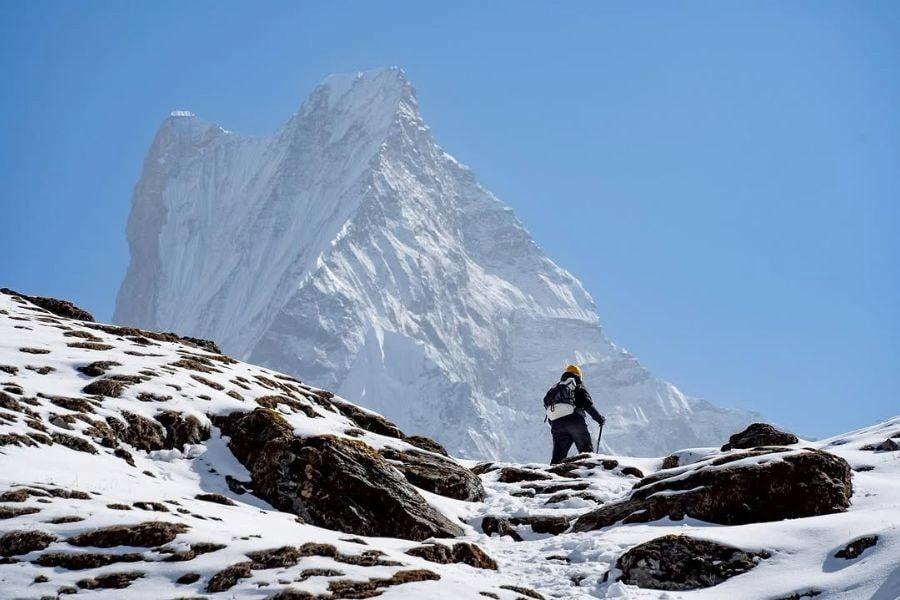
Holy Kailash Tours is based in Kathmandu and has built its reputation specifically around the kind of travel that demands real expertise: high-altitude trekking, sacred pilgrimage journeys, and access to remote regions that require careful logistics.
For travelers planning to visit Nepal in 2026, Holy Kailash Tours offers:
Trekking packages covering all major routes, including Everest Base Camp, Annapurna Base Camp, Manaslu Circuit, Langtang Valley, and Upper Mustang. All packages include permits, guides, porter arrangements, and coordination of teahouse accommodation.
Nepal cultural tours combine Kathmandu valley heritage sites, traditional village visits, and Himalayan viewpoints for travelers who want depth of cultural experience alongside the mountain scenery.
Helicopter tours to the Everest region, Annapurna, and other high-altitude zones, with options for short scenic flights or full-day tours that include a landing near base camp.
Peak climbing trips to trekking peaks, including Island Peak and Mera Peak, with experienced climbing guides and full equipment logistics.
Kailash Mansarovar pilgrimage tours are the company's specialty. The Yatra involves organizing overland travel from Kathmandu into Tibet via Nepal's northern border crossings, securing Tibet Travel Permits, managing the high-altitude transit to Kailash and Mansarovar, and supporting pilgrims through the three-day kora around the sacred mountain. This is one of the more logistically complex journeys available to travelers from Nepal, and it requires a company with specific experience in cross-border Himalayan travel.
Experienced local guides who speak English and understand both the physical demands and cultural significance of each journey.
Personalized itineraries for independent travelers and small groups who want something different from a standard package.
The team at Holy Kailash Tours has direct experience with Himalayan terrain, high-altitude logistics, and the permit systems that govern travel in restricted areas of both Nepal and Tibet. For any journey in this part of the world, working with people who know the routes matters.
Final Thought
Nepal in 2026 is not a destination that needs a hard sell. If you have been thinking about it, the reasons to go are obvious and well-founded. The mountains are real. The culture is deep. The hospitality is genuine. The wildlife is extraordinary. The spiritual significance of places like Pashupatinath, Boudhanath, and the Kailash Mansarovar circuit is not invented for tourism brochures; it has centuries of weight behind it.
What 2026 adds is a better-organized infrastructure and growing international interest that has not yet translated into overcrowding in most areas. The window between "undiscovered" and "overrun" is the sweet spot for any destination, and Nepal is in it right now for a significant portion of its best experiences.
Whether you plan to trek to Everest Base Camp, take a helicopter sunrise flight over Annapurna, visit the temples of Kathmandu valley, track tigers in Bardia, or undertake the sacred journey to Mount Kailash, Nepal rewards the effort you put into planning it well. Companies like Holy Kailash Tours exist precisely to make planning easier, so more of your time and energy can go into the experience itself. Go in 2026. You will not regret it.
FAQs
Is Nepal worth visiting in 2026?
It is. Nepal packs more variety into a two-week trip than almost anywhere on Earth: mountain scenery that genuinely stops you mid-stride, a cultural heritage that goes back centuries, wildlife that feels like it belongs in a different era, and a price-to-experience ratio that holds up against any destination you could compare it to. The infrastructure has improved, the trails are better organized, and the country has retained the character that makes it worth visiting.
What is the best month to visit Nepal?
October is widely considered the optimal month. Post-monsoon skies are clear, temperatures are moderate at altitude, and the landscape is green from the summer rains. March and April are the next best options, with spring flowers at mid-altitude and stable weather before the monsoon builds.
Is Nepal safe for tourists?
Nepal is generally safe for travelers. The main risks are altitude-related illness on trekking routes, road accidents (mountain roads can be challenging), and petty theft in crowded areas of Kathmandu. Political protests occasionally affect transport. Travel insurance covering helicopter evacuation is strongly recommended for trekkers.
How expensive is travelling in Nepal?
Nepal is affordable by international standards. Budget travelers can manage on $30 to $50 per day, including accommodation, food, and local transport. A standard guided trekking package runs from $800 to $2,000 for 10 to 14 days, depending on the route and level of support. The Kailash Mansarovar Yatra is more expensive due to permit costs and cross-border logistics.
What are the best places to visit in Nepal in 2026?
Kathmandu valley (Pashupatinath, Boudhanath, Swayambhunath, Patan Durbar Square), Pokhara (paragliding, Annapurna views, Phewa Lake), Everest region (Namche Bazaar, Tengboche, Kala Patthar), Chitwan National Park for wildlife, Upper Mustang for desert Himalayan landscape and Tibetan culture, and Lumbini for the birthplace of the Buddha.
Do I need a guide for trekking in Nepal?
On the major routes (EBC, Annapurna, Langtang), solo trekking is legally permitted for most nationalities, though regulations have been tightening. For restricted-area routes (Manaslu, Upper Mustang, Dolpo), a licensed guide is required. Independent trekkers benefit significantly from a guide's knowledge of conditions, culture, and logistics. Porters are strongly recommended for multi-week routes.
What permits do I need to trek in Nepal?
All trekkers need a TIMS (Trekkers' Information Management System) card. National park entry permits are required for routes passing through protected areas (Sagarmatha for EBC, Annapurna Conservation Area for Annapurna). Restricted area routes require additional permits obtained through licensed tour operators.
How do I avoid altitude sickness in Nepal?
Ascend slowly. Do not gain more than 300 to 500 meters of sleeping altitude per day above 3,000 meters. Take planned acclimatization rest days. Stay hydrated. Avoid alcohol in the first days at altitude. Descend if symptoms worsen. Carry a pulse oximeter to monitor blood oxygen levels. Discuss preventive medication (acetazolamide) with your doctor before departure.
What is the Kailash Mansarovar Yatra?
It is a pilgrimage to Mount Kailash (6,638m) in western Tibet and Lake Mansarovar, the highest freshwater lake in the world. The journey is sacred in Hinduism, Buddhism, Jainism, and Bon. It involves crossing into Tibet from Nepal, traveling to the Kailash region, and completing a three-day kora (circumambulation) of the mountain at altitudes above 5,600 meters. Holy Kailash Tours specializes in organizing this journey from Kathmandu.
Can I visit Nepal on a solo trip?
Yes. Nepal is very accessible for solo travelers. Trekking routes have well-established teahouse systems, clear trail markings, and strong traveler communities. Kathmandu and Pokhara are easy to navigate independently. For restricted area treks and pilgrimage routes, you will need to join a group or hire a licensed guide.
What vaccinations do I need for Nepal?
Recommended vaccinations typically include hepatitis A and B, typhoid, tetanus, and routine vaccines. Some doctors recommend Japanese encephalitis for extended rural travel. Malaria prophylaxis may be advised for the Terai lowlands during the monsoon. Consult a travel health clinic at least four to six weeks before departure.
How long should I plan for a Nepal trip?
Minimum two weeks for a meaningful trip that includes both Kathmandu cultural sightseeing and a trek. Three weeks allow you to do justice to a longer route like the EBC or the Manaslu Circuit, while also including cultural experiences. The Kailash Mansarovar Yatra from Kathmandu typically requires 15 to 21 days.
What is the best trekking route for beginners?
Annapurna Base Camp and the Ghorepani Poon Hill circuit are both recommended for first-time trekkers. Poon Hill in particular is achievable in four to five days, reaches only around 3,210m, and provides outstanding Himalayan panoramas. The Langtang Valley route is another good option for beginners.
Can I combine Nepal trekking with a visit to Tibet?
Yes. Holy Kailash Tours offers combined Nepal-Tibet tours that use the overland Kerung (Rasuwagadhi) border crossing. This allows travelers to trek in Nepal and then cross into Tibet for the Kailash Mansarovar circuit or a broader Tibet cultural tour including Lhasa, Gyantse, and Shigatse. These combined itineraries require advance planning due to Tibet Travel Permit requirements.
How do I book a trekking or pilgrimage tour in Nepal?
Book directly with a licensed Nepalese tour operator well in advance of your travel dates, particularly for spring and autumn (the peak seasons). Provide your intended travel dates, fitness level, and specific interests. A good operator will customize the itinerary and handle all permit logistics. Holy Kailash Tours can be contacted directly for trekking packages, helicopter tours, cultural tours, and planning for the Kailash Mansarovar pilgrimage.
Email: [email protected]
WhatsApp: +977-9851254672 — Feel free to reach out anytime for fast, friendly, and personalized assistance