Annapurna Base Camp Trek Travel Tips Overview
So you've decided to trek to Annapurna Base Camp. Good choice. The ABC trek is one of the most rewarding walks in Nepal, maybe in all of Asia, and it doesn't require mountaineering skills or a six-month training block. But it does require preparation. Proper preparation, not just buying new boots a week before you fly.
This guide is for people who want honest, practical Annapurna Base Camp trek travel tips, not generic packing lists copied from ten other blogs. Whether this is your first Himalayan trek or your third, there's something here for you. We cover everything from permits to altitude sickness to what to eat when your stomach starts protesting at 3,800 meters.
The Annapurna Base Camp sits at 4,130 meters above sea level. The round trip takes 7 to 12 days, depending on your route, fitness, and how many extra rest days you build in. Roughly 80,000 to 100,000 trekkers attempt the route each year. Many of them make avoidable mistakes. This guide is about not being one of them.
Holy Kailash Tourshas helped hundreds of trekkers complete the ABC route safely. The advice below reflects that real, on-the-ground experience, not theoretical advice pulled from a guidebook written five years ago.
Best Time to Do the Annapurna Base Camp Trek
Timing matters more than most people realize. TheAnnapurna region sits between two contrasting weather systems, and choosing the wrong month can mean walking in the cloud for a week straight.
Spring (March to May)
This is peak season for a reason. Temperatures are warm enough to be comfortable but not hot enough to drain you on the climb. Rhododendron forests bloom between 2,000 and 3,500 meters, turning the trail pink and red. Views are generally clear in the mornings.
- Daytime temperatures at base camp: around 5°C to 12°C
- Nights drop to -5°C or lower
- Tea houses fill up fast, so book ahead
- Crowds on the trail peak in April
Autumn (September to November)
Arguably, the best time for mountain views. The monsoon clears the air, and October skies over Annapurna I and Machapuchare are often crystal clear. Temperatures are similar to spring. This is also high season.
- September can still carry some monsoon rain, especially early in the month
- October and November are the most popular months
- Expect full tea houses and busy trails
Winter (December to February)
Underrated. Fewer trekkers, quieter trails, and clear skies. The cold is real, especially at night, when temperatures at base camp can drop to -15°C. Some higher sections may have snow or ice, so traction devices are worth carrying.
- Not recommended for inexperienced trekkers without proper cold-weather gear
- Some tea houses close in January, particularly on higher sections
- Stunning photography conditions with snow-covered peaks
Monsoon (June to August)
Honestly, skip it unless you have a specific reason to go. Leeches on the lower trail, heavy rain, reduced visibility, and slippery paths make this the least enjoyable time to trek. Some trekkers do it and are fine, but the risk of trail washouts and flooded river crossings is real.
Essential Guide to Annapurna Base Camp Trek Travel Advice
This is the tip most people ignore and the one that matters most. The ABC trek is not a casual hike. You'll cover 110 to 130 kilometers with daily elevation gains of 600 to 1,200 meters. Your legs need to be ready.
Start training at least 8 to 12 weeks before departure. If you're already reasonably fit, 6 weeks of focused preparation is workable. If you're starting from a sedentary baseline, give yourself more time.
What actually helps:
- Stair climbing: 30 to 45 minutes three times a week. Use a weighted backpack once you're comfortable.
- Hill walking: Weekend hikes on uneven terrain teach your ankles and knees what they're in for.
- Cardio base: Running or cycling three to four times a week builds the aerobic capacity you'll need at altitude.
- Leg strength: Squats, lunges, and step-ups protect your knees on long descents, which hurt more than ascents.
One specific benchmark: if you can hike for 6 hours continuously on hilly terrain with a 7 to 8 kg pack without feeling destroyed afterward, you're probably ready.
Pack Smart for the Annapurna Base Camp Trek
Over-packing is the most common mistake on the ABC trek. People arrive with 20-plus kg bags and pay for it on every uphill. The sweet spot is 8 to 12 kg in your day pack if you hire a porter, or 12 to 15 kg if you're carrying everything yourself.
- Clothing layers (this matters at every altitude):
- Base layer (moisture-wicking, not cotton): 2 sets
- Mid layer (fleece or down jacket): 1
- Outer shell (waterproof, windproof): 1
- Trekking trousers: 2 pairs
- Thermal leggings for cold nights: 1
- Warm hat and gloves: essential above 3,000 meters
- Trekking socks (wool or synthetic): 4 to 5 pairs
Boots: Broken-in waterproof trekking boots. Not new. Not trail runners unless you're experienced on rough terrain. Your feet will thank you.
Gear essentials:
- Trekking poles (protect knees on descent)
- Headlamp with spare batteries
- Sleeping bag rated to -10°C (tea houses provide blankets, but they're thin)
- Water purification tablets or a filter
- Sunscreen (SPF 50+) and UV-protective sunglasses
- Personal first aid kit
Leave anything you're unsure about at your hotel in Pokhara.
Choose the Right Trekking Route
There's more than one way to reach Annapurna Base Camp. The route you choose affects duration, difficulty, and what you see along the way.
Classic route via Ghandruk:
- Starts at Nayapul (1 hour from Pokhara by jeep)
- Passes through Tikhedhunga, Ghorepani, and Ghandruk
- 10 to 12 days round trip
- Opportunity to add the Poon Hill sunrise detour (worth it)
- Most popular option
Direct route via Chomrong:
- Shorter approach from Phedi or Kande
- 7 to 9 days for fit trekkers
- Less cultural variety, but faster to base camp
- Better option if you're short on time
Via Poon Hill (extended):
- Adds 2 to 3 days to the classic route
- Poon Hill at 3,210 meters offers arguably the best mountain panorama in Nepal at sunrise
- Strongly recommended for first-timers
Holy Kailash Tours can help you decide which route fits your timeline, fitness level, and budget. There's no single right answer, and an experienced local guide will know current trail conditions better than any online map.
Acclimatise Properly to Avoid Altitude Sickness
Altitude sickness is not a sign of weakness. It happens to fit people all the time. The rule is simple: your body needs time to adjust to reduced oxygen levels, and no amount of fitness fast-tracks that process.
Annapurna Base Camp at 4,130 meters is high enough for Acute Mountain Sickness (AMS) to become a real problem, particularly if you ascend too quickly.
Symptoms of AMS:
- Headache (the first warning sign)
- Nausea or vomiting
- Fatigue disproportionate to the effort
- Dizziness
- Difficulty sleeping
The rule of thumb: Above 3,000 meters, don't gain more than 300 to 500 meters of sleeping altitude per day. Take a rest day if you feel a headache or nausea.
Practical tips:
- Never push through a worsening headache at altitude
- Descend immediately if symptoms include confusion, loss of coordination, or difficulty breathing at rest
- Diamox (acetazolamide) can help with prevention, but consult a doctor before your trek
- Avoid alcohol and sleeping pills at altitude, as both affect your breathing
The majority of AMS cases on the ABC trek happen because trekkers rush. Slow down. The mountain isn't going anywhere.
Stay Hydrated During the Trek
Dehydration accelerates altitude sickness and makes every hard day harder. At altitude, you need around 3 to 4 liters of water per day, more than you'd drink at home.
The challenge is that tap water on the trail isn't safe to drink untreated. Your options:
- Purification tablets: Cheap, lightweight, effective. Add one to your water bottle and wait 30 minutes.
- Water filter (like LifeStraw or Sawyer): Reusable and more convenient for longer trips.
- Boiled water: Available at tea houses for a small fee. The safest option.
- Bottled water: Available but expensive at higher altitudes, and generates plastic waste.
Avoid buying single-use plastic bottles above Chhomrong if possible. The mountain communities are actively working to reduce plastic use, and most lodges offer water treatment.
Signs you're not drinking enough: dark urine, persistent headache, dry mouth. Fix it before it becomes a bigger problem.
Hire a Guide or Porter for a Better Experience
You don't legally need a guide for the ABC trek. But hiring one makes the experience better in almost every way, and I'd argue it's worth it for most trekkers.
A local guide knows the trail when conditions change. They speak Nepali, which matters in smaller villages where English is limited. They notice if you're struggling before you do. And in the rare case of a medical emergency, they know exactly what to do and where to go.
Benefits of hiring a guide:
- Navigation on unmarked or confusing trail sections
- Translation and cultural context in villages
- Weather awareness based on local knowledge
- Emergency support if needed
- Someone to talk to on 8-hour walking days
Porter support: If you're carrying more than 10 kg, consider hiring a porter. The daily rate is around $15-$25 USD. Porters are licensed through the trekking industry and hiring them directly supports local employment.
Holy Kailash Tours provides certified, English-speaking guides with real experience on the Annapurna circuit. Not guides who've done the route twice and learned it from a YouTube video.
Carry Enough Cash for the Trek
There are no ATMs above Chhomrong. There are none at Annapurna Base Camp. The entire upper section of the trek is cash-only, and most tea houses don't accept cards.
Daily budget estimate per person:
- Tea house accommodation: 300 to 600 NPR per night (basic)
- Meals (breakfast + dinner at the lodge): 1,500 to 2,500 NPR
- Snacks, hot drinks, water treatment: 500 to 1,000 NPR
- Extras (charging, WiFi, hot shower): 200 to 500 NPR
A reasonable daily cash budget is around 4,000 to 5,500 NPR ($30 to $42 USD). For a 10-day trek, carry at least $350-$450 USD in Nepali rupees.
Withdraw cash in Pokhara before you start. ATMs in Pokhara are reliable. ATMs in Nayapul are not.
Get the Required Permits Before Trekking
Two permits are required for the Annapurna Base Camp trek. You need both. Skipping them isn't an option since there are checkpoints on the trail where they're verified.
1. ACAP (Annapurna Conservation Area Permit)
- Cost: NPR 3,000 for SAARC nationals, NPR 3,000 (approx. $22 USD) for others
- Available at the Nepal Tourism Board office in Kathmandu or the TAAN office in Pokhara
- Also available online through the Department of National Parks
2. TIMS Card (Trekkers' Information Management System)
- Cost: NPR 2,000 for independent trekkers, NPR 1,000 if trekking with a registered agency
- Helps authorities track trekkers in case of an emergency
- Available at the same offices as the ACAP
Both are straightforward to get. Bring passport-size photos and a photocopy of your passport. Holy Kailash Tours handles permit procurement for all guided clients so you don't have to figure it out yourself on arrival.
Select the Right Trekking Gear and Clothing
Mountain weather in the Annapurna region can change quickly. You can start a morning in full sun at 20°C and be walking through sleet by 2 PM. Layers are the only reliable strategy.
The layering system that works:
- Base layer: moisture-wicking synthetic or merino wool (not cotton, ever)
- Insulating layer: a light down jacket or fleece
- Outer shell: a waterproof, breathable jacket
Other gear worth mentioning:
- Gaiters for wet or snowy conditions
- Neoprene gloves for cold mornings
- Trekking sandals or camp shoes for evenings at tea houses (your boots need to air out)
- A dry bag or pack liner to keep electronics and spare clothes dry
Don't borrow or rent boots for the first time on this trek. If you're renting, at minimum walk several hours in them before starting the route.
Book Accommodation Early in Peak Seasons
In April and October, tea houses on the ABC route fill up. Not just the good ones, all of them. Trekkers who arrive late in the afternoon have been turned away from full lodges more than once.
What to do:
- Book key tea houses (Dovan, Himalaya Hotel, Annapurna Base Camp) at least 1 to 2 days ahead in peak season
- Ask your guide to call ahead each morning
- If you're with Holy Kailash Tours, accommodation is pre-arranged along your itinerary
Tea houses are simple but comfortable. Expect a private or shared room with basic bedding, a communal dining area, and a squat or Western toilet. Hot showers exist at most lodges but cost extra (100 to 200 NPR).
Don't expect luxury. Expect warmth, dal bhat, and views that make the Spartan rooms irrelevant.
Understand Weather Conditions in the Annapurna Region
The Annapurna massif creates its own weather patterns. The region lies between moist air from the Bay of Bengal and drier air from the Tibetan Plateau. This means conditions can change in minutes, not hours.
A few things to know:
- Mornings are almost always clearer than afternoons. Plan your big viewpoint visits before 10 AM.
- Afternoon rain or cloud is common even in dry seasons, especially in the lower sections
- Snow can fall at base camp at any time of year, but it is most likely from November through February
- Lightning is rare but possible during unstable afternoons
Check the weather forecasts in Pokhara before starting. Mountain-forecast.com has reasonable Annapurna region data. But local knowledge beats any app. Your guide will know what to expect better than any satellite model.
Respect Local Culture and Traditions
The villages on the ABC route are mostly Gurung and Magar communities. These are living communities, not tourist attractions, and they deserve the same respect you'd extend to any community.
Practical etiquette:
- Always walk clockwise around chortens (stone monuments) and mani walls
- Remove shoes before entering temples or monasteries
- Ask before photographing locals, particularly elders and monks
- Don't touch religious objects
- Dress modestly in villages (shoulders and knees covered)
- Don't give sweets or money to children; it encourages dependency
The people on this trail have been hosting trekkers for decades. They're generally warm and welcoming. Matching that warmth with basic respect costs nothing and enriches the experience.
Eat Healthy and Choose Safe Drinking Water
The classic trekking meal is dal bhat, lentil soup with rice and vegetable curry, and it's genuinely the best thing you can eat on the trail. It's hot, filling, calorie-dense, and freshly prepared. Most tea houses offer unlimited refills.
What's generally safe:
- Dal bhat
- Boiled noodle soups
- Eggs (fried or boiled)
- Porridge
- Cooked vegetables
What to be careful with:
- Raw salads (water contamination risk)
- Meat above Chhomrong (long supply chains, questionable storage)
- Pre-made sweets or pastries sitting in the open
- Unpeeled fruit unless you peel it yourself
For water, always treat before drinking. Tea and coffee made with boiled water are safe. Cold drinks from a tap are not.
Start Hiking Early Each Day
The single habit that separates comfortable trekkers from exhausted ones: start early.
Aim to be on the trail by 6:30 to 7:00 AM. Here's why it matters:
- Morning air is clearer, cooler, and calmer
- You reach your destination before the afternoon cloud rolls in
- You get first pick of the best rooms at tea houses
- You avoid the crowds that build mid-morning in peak season
On summit-view mornings (Poon Hill, Annapurna Base Camp itself), waking at 4 to 5 AM is worth every groggy minute.
Carry a Basic First Aid Kit
Tea houses don't stock medical supplies beyond the basics. The nearest clinic with real equipment is in Chhomrong or Pokhara. Your first aid kit is your first line of defense.
Recommended kit:
- Diamox (altitude sickness prevention, get a prescription before you leave home)
- Ibuprofen and paracetamol
- Antihistamine
- Oral rehydration salts (ORS)
- Blister kit (Compeed or moleskin)
- Antiseptic wipes and small bandages
- Lip balm and moisturizer (high altitude air is very dry)
- Antidiarrheal medication (loperamide)
If you're trekking with a guide from Holy Kailash Tours, they carry a supplementary kit. But don't rely on that. Carry your own basics.
Keep Electronics and Power Banks Charged
Charging on the trail costs money and isn't always available. Most tea houses charge 100 to 300 NPR per device per hour.
What to bring:
- A power bank (20,000 mAh covers most people for a week)
- Universal travel adapter
- Solar charger as a backup for longer treks
Your phone battery drains faster in the cold. Keep your devices in an inner pocket, close to your body, during cold mornings. Cold kills battery life faster than use.
WiFi is available at most tea houses for a small fee (200-400 NPR). Expect it to be slow. Don't plan to stream anything.
Trek Slowly and Follow Your Pace
There's no prize for arriving first. Speed on this trek causes altitude sickness, exhaustion, and injuries. It doesn't save meaningful time.
The standard itinerary builds in reasonable daily distances. If your guide suggests a rest stop, take it. If you feel strong, don't use that as a reason to push harder. Use it as a buffer for bad days that will come eventually.
A mantra used by experienced Himalayan guides: "Go slow, go far." It sounds simple because it is. Slow, steady progress over 8 to 10 days beats fast progress followed by an evacuation.
Stay Connected With Family and Friends
Coverage on the trail is patchy.
Practical connectivity tips:
- Buy a Nepali SIM card at Tribhuvan Airport or in Pokhara (NTC or Ncell both work)
- NTC tends to have better coverage in remote areas
- Register the SIM with your passport at purchase
- WhatsApp and Messenger work at most tea houses with WiFi
- The signal often disappears between Dovan and Annapurna Base Camp
Tell someone at home your itinerary before you leave. Share a day-by-day plan with the specific tea houses so they know where to expect you each night.
Be Prepared for Limited Internet and Electricity
Above Deurali, the internet becomes unreliable. Above the Himalaya Hotel, it's mostly gone. At base camp itself, don't expect connectivity at all.
This is actually one of the better things about the ABC trek. But it's worth mentally preparing for, especially if you're used to being reachable 24/7.
Electricity is available at most tea houses, but load shedding occurs. Charge everything while you can, usually in the evening before dinner.
Travel Insurance for the Annapurna Base Camp Trek
This is not optional. If you need a helicopter evacuation above 3,000 meters, you're looking at a minimum of $3,000 to $6,000 USD. Insurance that covers high-altitude helicopter rescue is the difference between a manageable emergency and a financial disaster.
What your policy needs to cover:
- High-altitude trekking (specifically above 4,000 meters)
- Emergency helicopter evacuation
- Medical repatriation
- Trip cancellation
World Nomads and True Traveller are two policies frequently used by trekkers. Read the policy before buying. Some "adventure travel" policies specifically exclude trekking above 4,000 meters in the fine print.
Solo Trekking Tips for Annapurna Base Camp
Solo trekking the ABC route is legal, and many people do it. But it carries a higher risk than trekking with a guide, and it's worth being honest about that.
If you go solo:
- Register your itinerary at ACAP checkpoints (they record this data)
- Leave a detailed plan with your hotel in Pokhara
- Keep to established tea house stops rather than camping
- Download offline maps (maps.me or Gaia GPS have good coverage)
Don't trek alone on trail sections with known navigation issues (between Deurali and Annapurna Base Camp in cloud or snow)
The buddy system is worth considering even among strangers. Many solo trekkers meet others at tea houses and walk together for sections. It costs nothing and helps.
Safety Tips for a Successful ABC Trek
The ABC trek is not dangerous by mountaineering standards. But real risks exist, and they're worth knowing.
Biggest risks on the trail:
- Altitude sickness (the most common cause of serious problems)
- Trail slips and ankle injuries (particularly on wet rock and steep descents)
- Hypothermia in cold or wet conditions
- Rockfall in certain couloir sections after rain
Practical safety habits:
- Always use trekking poles on descent
- Never cross a swollen river without checking with locals first
- Tell your tea house host your plan for the next day each evening
- Trust your instincts. If something feels wrong, descend or stop.
- If you're with a guide, listen to them over your itinerary
Common Mistakes to Avoid on the Annapurna Base Camp Trek
Over the years of guiding, these are the mistakes that come up again and again:
- Rushing the itinerary: trying to do it in 7 days when 10 days would be safer. The mountain doesn't reward speed.
- Not drinking enough water: Dehydration compounds altitude symptoms. Drink before you're thirsty.
- Ignoring early altitude symptoms: A persistent headache is not "just a headache" above 3,000 meters. Take it seriously.
- Overpacking: Every extra kilogram adds up to over 110 kilometers. Cut mercilessly.
- Buying inappropriate footwear: Fashion hiking shoes are not trekking boots. Don't learn this lesson at 3,500 meters.
- Skipping insurance: See above. Don't.
Underestimating cold nights: Tea house blankets are thin. A sleeping bag rated to at least -10°C is necessary above 3,000 meters.
Final Travel Tips for Annapurna Base Camp Trekkers
If you take nothing else from this guide, take these:
- Prepare your body before you arrive. Eight weeks of consistent training make the trek enjoyable rather than punishing.
- Go with a guide. Not because the trail is impossible without one, but because the experience is genuinely better with local knowledge and company.
- Start early every day, drink more water than you think you need, and descend if altitude symptoms worsen.
- Give yourself more days than you think you need. The extra day you don't use costs you nothing. The extra day you needed but didn't have costs you everything.
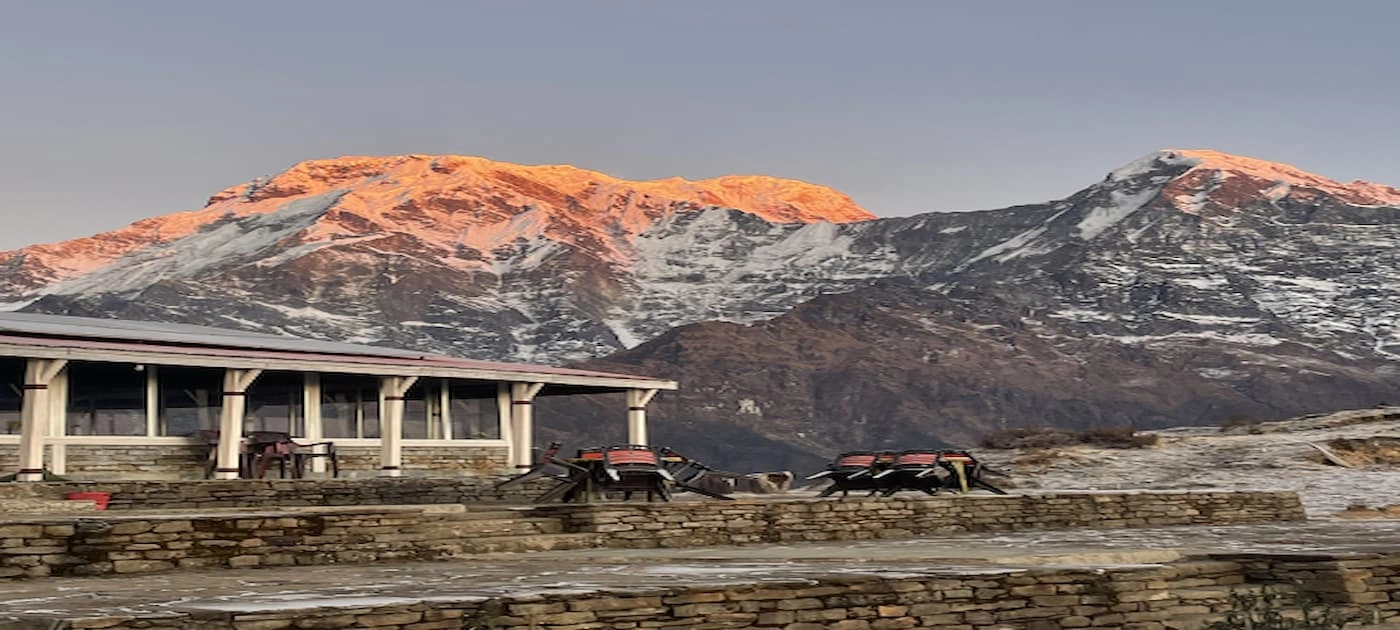
The Annapurna Base Camp trek is one of the most genuinely beautiful walks in the world. Clear mornings at 4,130 meters with Annapurna I and Machapuchare reflected in the snowfields, it's the kind of view that resets whatever you were worried about before you left.
Holy Kailash Tours has guided trekkers through every season, every condition, and most foreseeable problems. If you want to do this trek right the first time, proper preparation and a team that knows the mountain are your two best investments.
FAQ: Annapurna Base Camp Trek Travel Tips
1. How long is the Annapurna Base Camp trek?
The standard round trip is 7 to 12 days, depending on your route and fitness level. Most trekkers take 10 days to do it comfortably.
2. How difficult is the ABC trek?
It's classified as moderate. You don't need technical mountaineering skills, but you do need a reasonable fitness base and the ability to walk 5 to 8 hours per day on uneven terrain.
3. What is the best time of year for the Annapurna Base Camp trek?
October and November offer the clearest skies and best conditions. March to May (spring) is the second-best option. Avoid the monsoon months of June through August.
4. Do I need a guide for the ABC trek?
No legal requirement exists. But a registered local guide significantly improves safety, navigation, and the cultural experience. Holy Kailash Tours recommends it, especially for first-time trekkers.
5. What permits do I need for the ABC trek?
Two permits: the ACAP (Annapurna Conservation Area Permit) and the TIMS card. Both are available in Pokhara or Kathmandu. The combined cost is around $30 to $40 USD.
6. What is the highest point of the Annapurna Base Camp trek?
Annapurna Base Camp itself is at 4,130 meters above sea level.
7. Can I do the ABC trek without prior trekking experience?
Yes, if you're physically fit. No prior trekking experience is required, but you should be able to walk for several hours without difficulty. Preparation matters more than prior experience.
8. How much does the ABC trek cost in total?
For a guided trek with accommodation, meals, permits, and guide/porter fees, budget around $800 to $1,500 USD for 10 days. Independent trekkers can do it for $400 to $700 USD, excluding flights to Nepal.
9. What food is available on the trail?
Dal bhat, noodle soups, eggs, porridge, pasta, pizza (basic), and snacks. Vegetarian options are the most reliable above Chhomrong.
10. Is altitude sickness a major risk on the ABC trek?
It's a real risk above 3,000 meters. Proper acclimatization, hydration, and a slow ascent prevent most cases. Descend immediately if symptoms worsen.
11. What should I pack in my day bag for the ABC trek?
Rain jacket, water bottle, snacks, sunscreen, sunglasses, a headlamp, first aid basics, a warm layer, and your documents and permits.
12. Are there ATMs on the ABC trek route?
No ATMs exist above Chhomrong. Withdraw enough cash in Pokhara before starting.
13. Can I do the ABC trek if I'm over 60?
Yes. Many trekkers complete it well into their 60s and 70s. A guide and proper acclimatization are even more important at older ages.
14. Is WiFi available on the trek?
Most tea houses have WiFi available for a fee. Connection quality drops significantly above 3,000 meters. Don't plan to rely on it for navigation or communication.
15. How far in advance should I book my ABC trek?
For peak season (October and April), book 2 to 3 months in advance. In the off-season, 2 to 4 weeks is usually sufficient. Holy Kailash Tours can arrange treks with as little as 1 week's notice outside of peak periods.
Email: [email protected]
WhatsApp: +977-9851254672 — Feel free to reach out anytime for fast, friendly, and personalized assistance