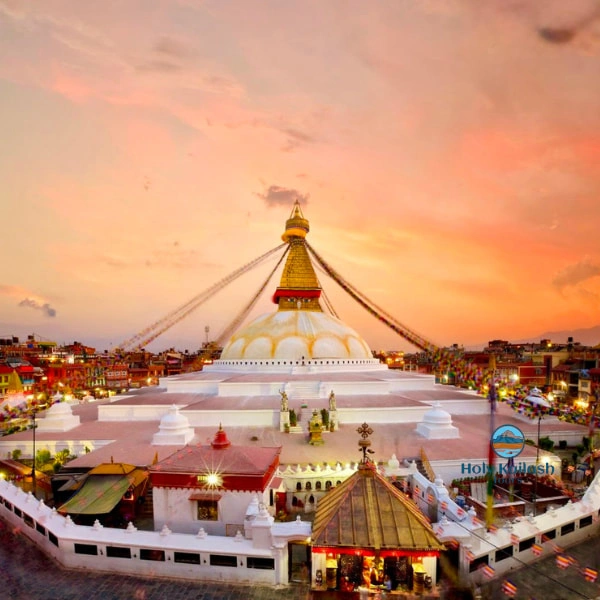
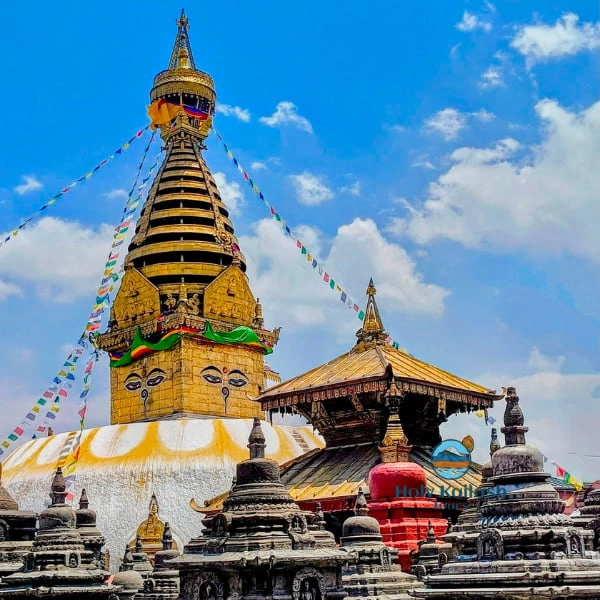
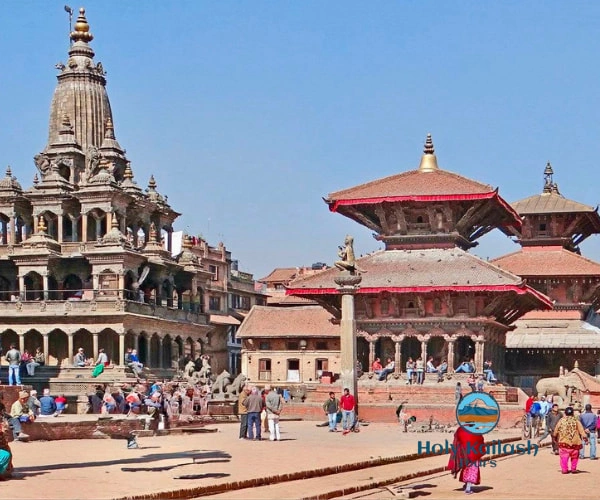
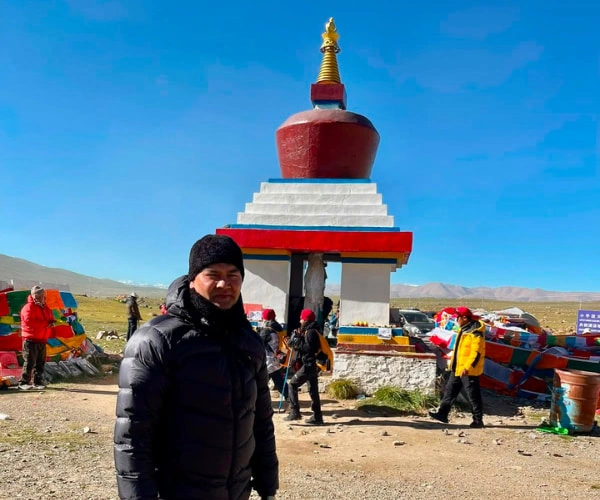
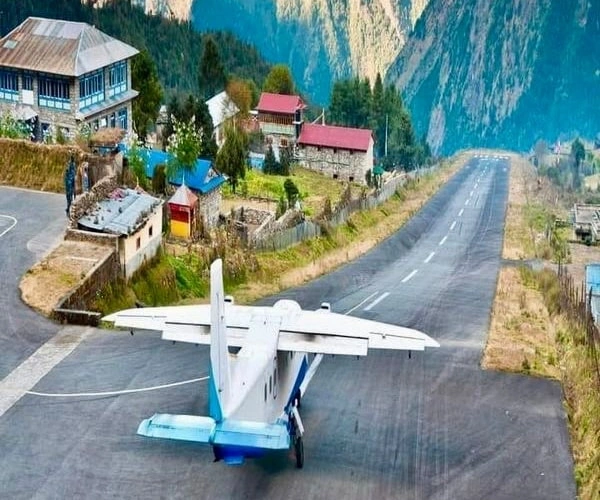
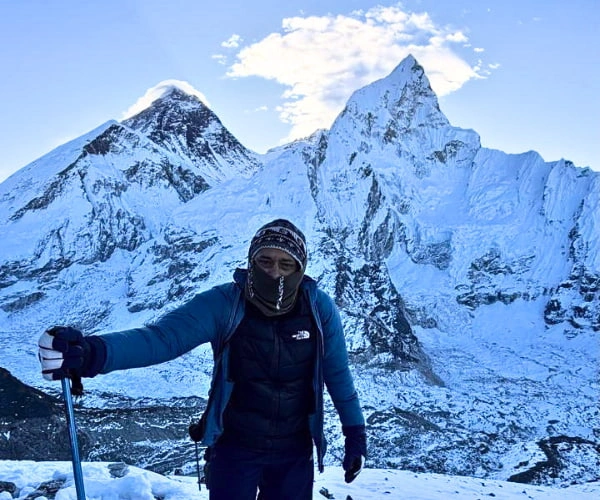
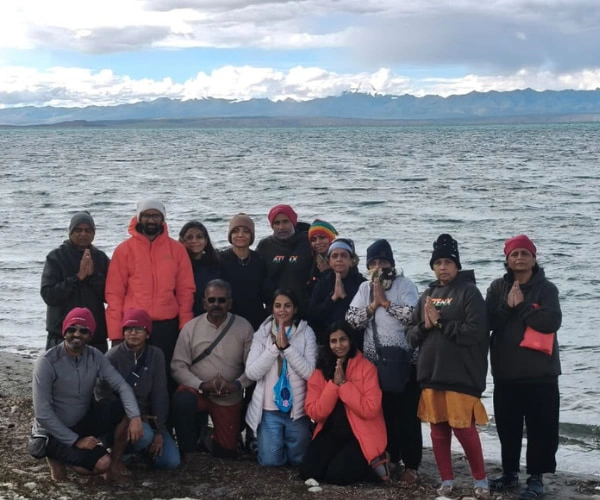
What Makes ABC Journey Unforgettable
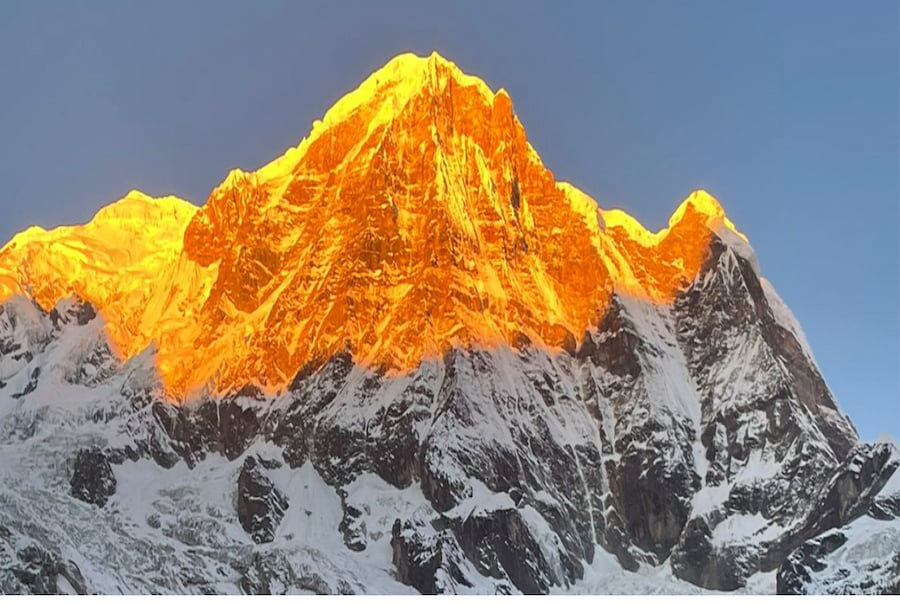
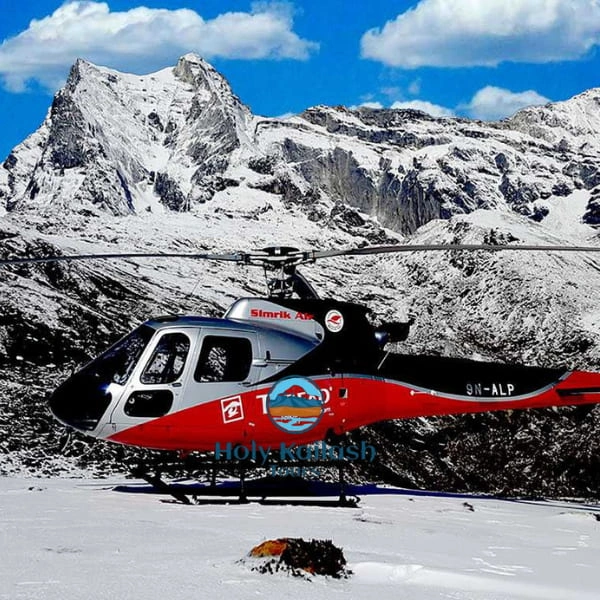
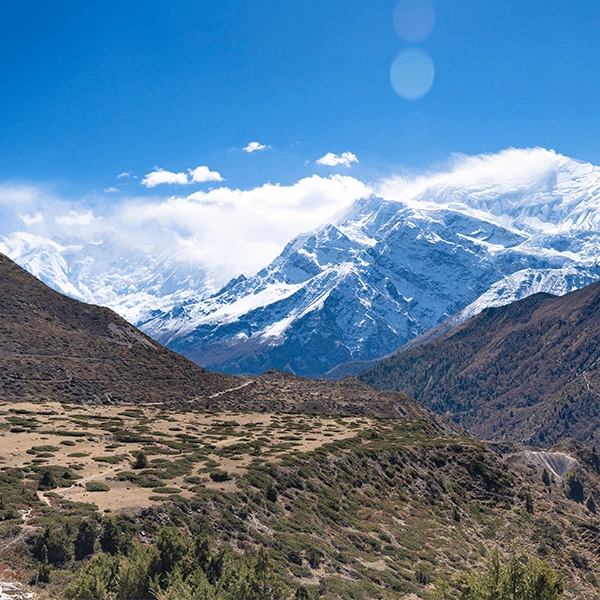
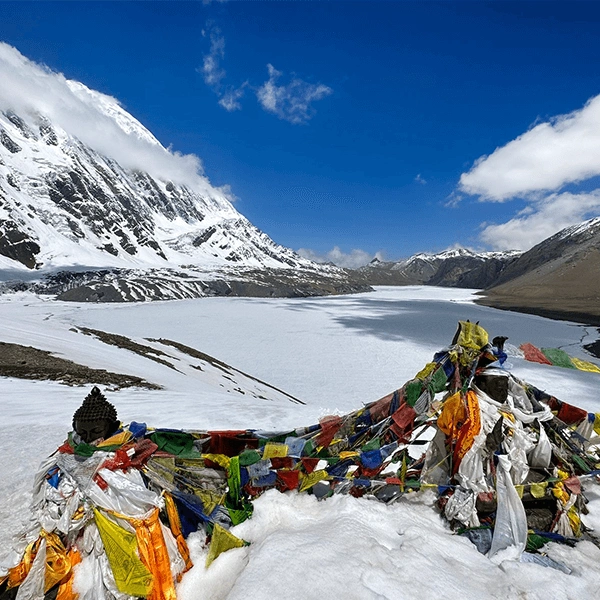
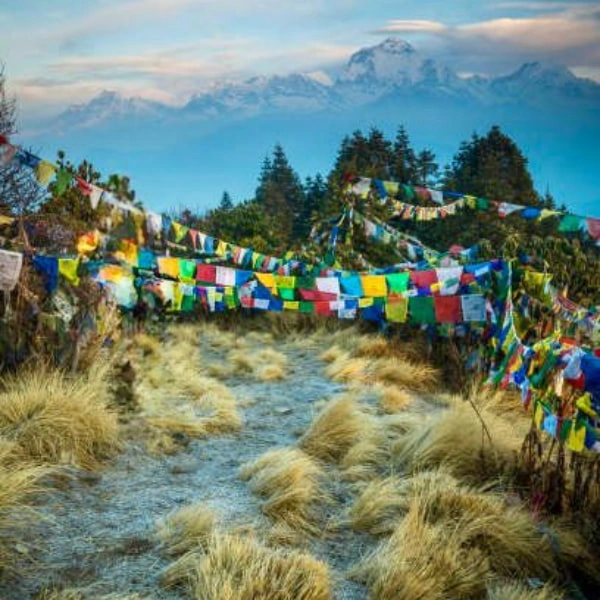
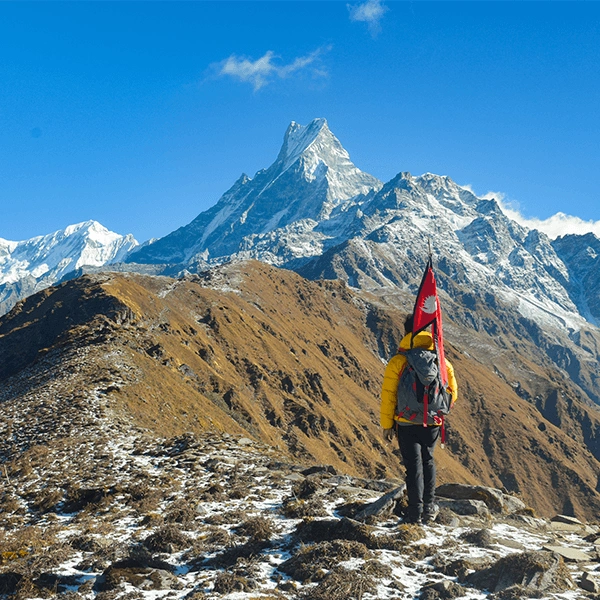
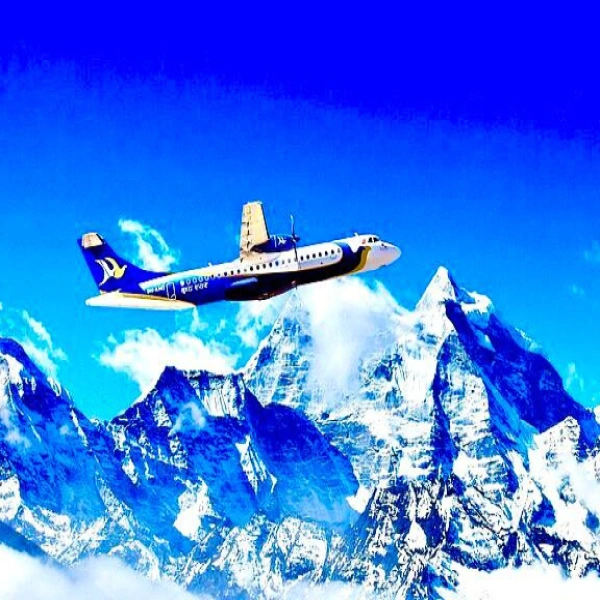
The Annapurna Base Camp Trek you'll get a unique taste of the high Himalayas in short order, combining mind-blowing mountain vistas with real cultural experiences and some of the most beautiful natural scenery you'll ever see, all wrapped up in one fantastic little adventure.
Unlike most high altitude treks, this one lets you take in some pretty dramatic landscapes without requiring any fancy technical climbing skills - just your average, ordinary hiking ability is needed.
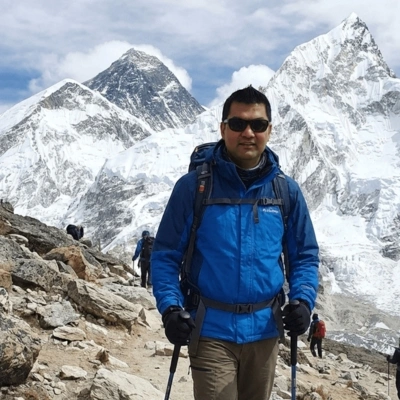
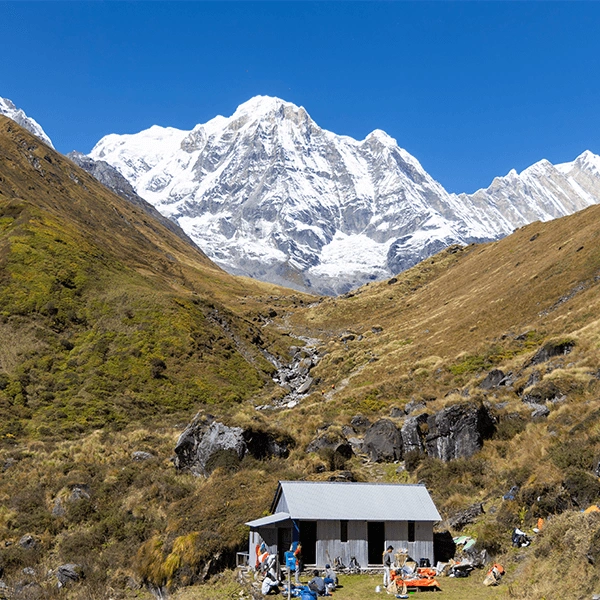
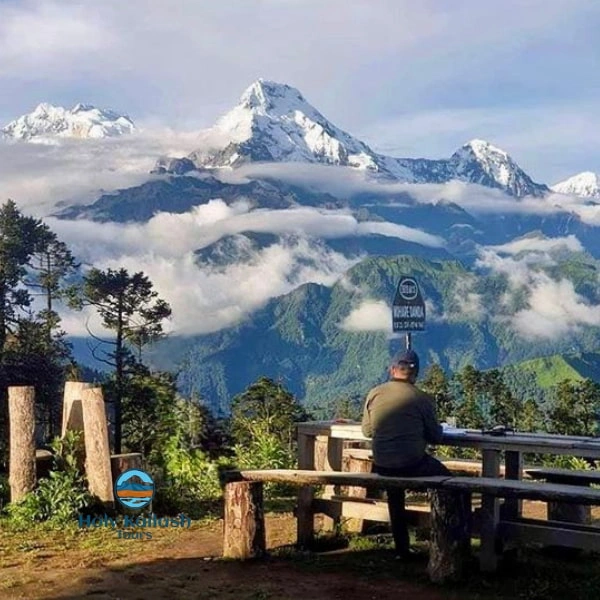
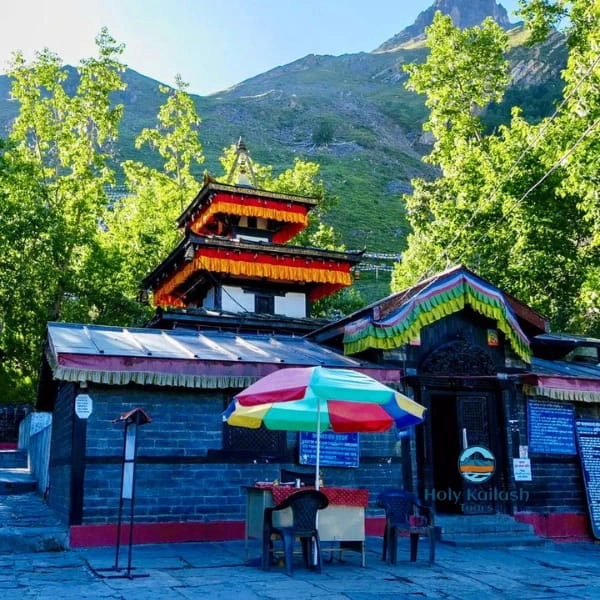
Trekking through this part of Nepal, you get to experience all the authentic charm of traditional Gurung and Magar villages, field after field of terraced farmland stretching up the hillsides, valleys full of rhododendron forests, water tumbling down over sparkling waterfalls, some seriously wobbly suspension bridges, and absolutely stunning views of the surrounding Himalayas at almost every turn.
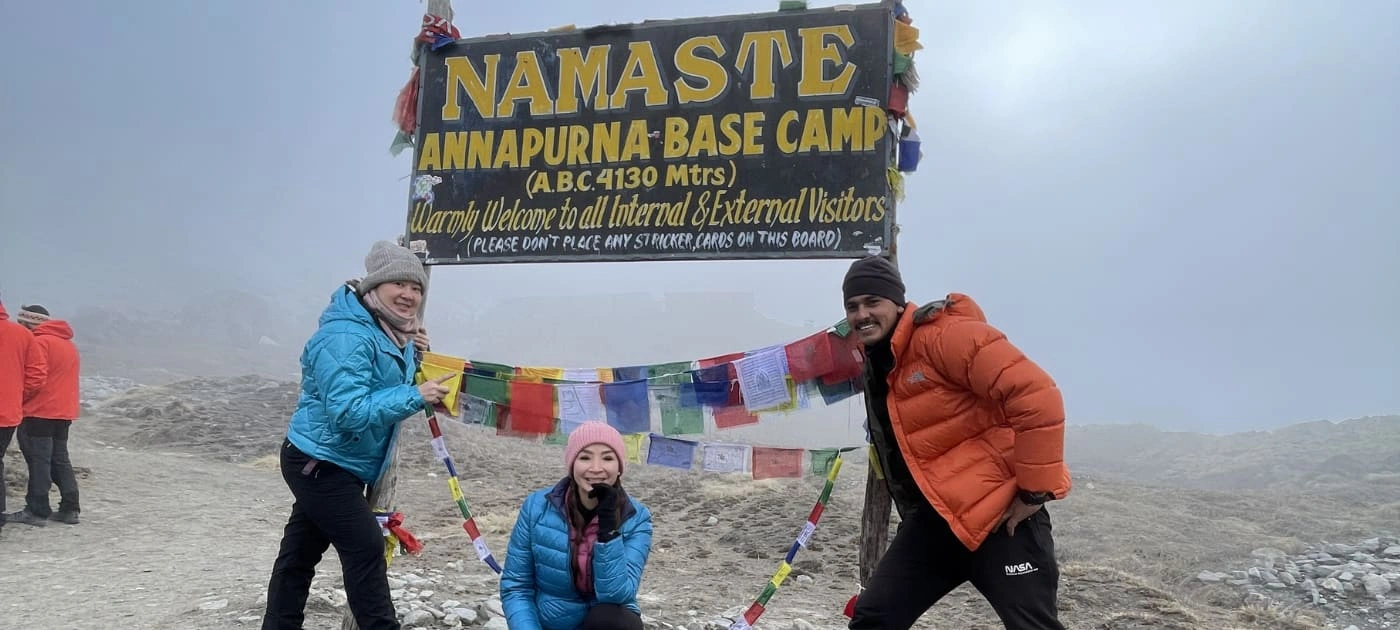
And of course, there's the ultimate highlight - reaching Annapurna Base Camp at 4,130 meters, where you can actually stand shoulder to shoulder with some of the world's most serious giants and bask in the idyllic peace of the Annapurna Sanctuary.
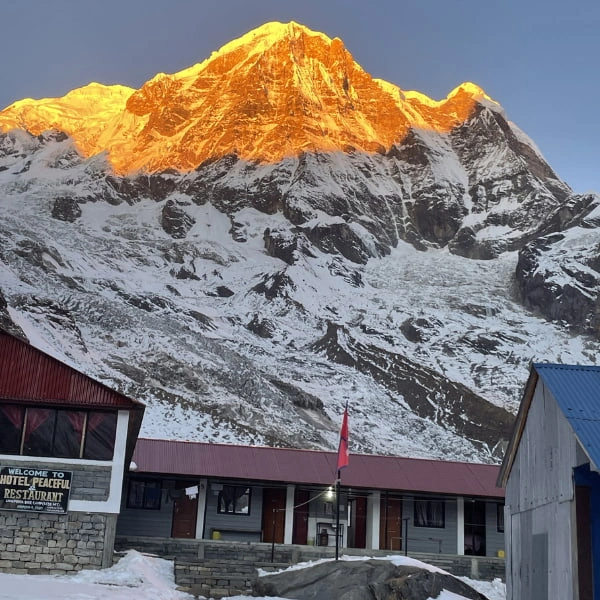
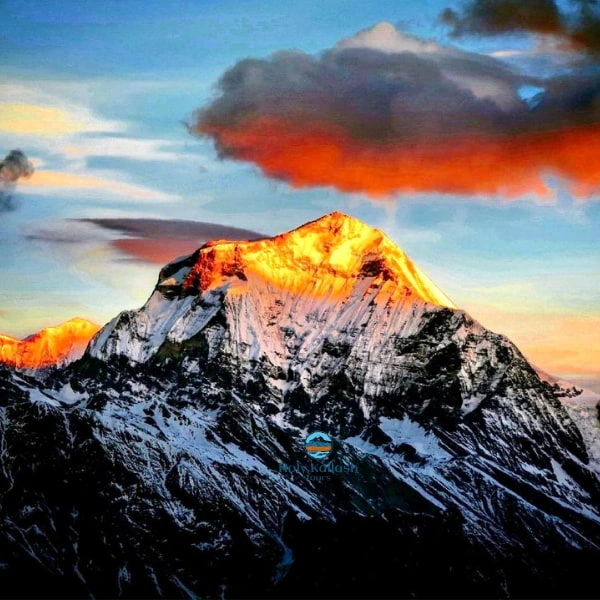
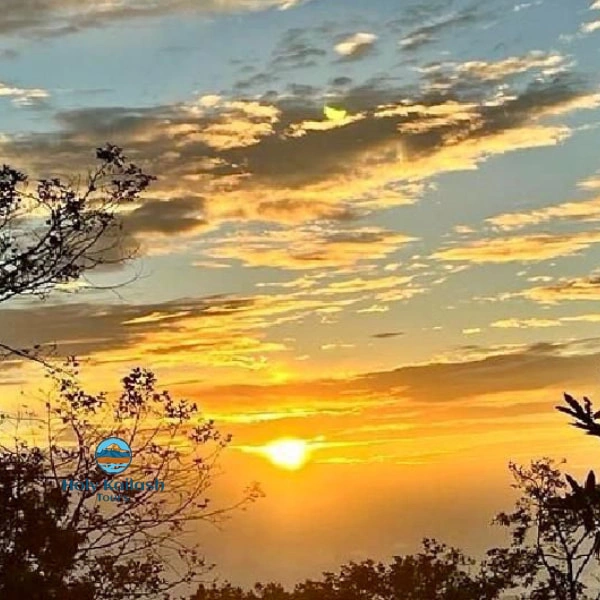
Sunrise from certain viewpoints, like Poon Hill, is a truly awe-inspiring sight, and to top it all off, you get to soak up the warm hospitality of the local teahouses and see the whole region change its look and feel as you rise higher and higher. No wonder this is a trek that totally lives up to its 'unforgettable' billing, whether you're a seasoned hiker or just starting.
Annapurna Base Camp Trek Difficulty
The Annapurna Base Camp Trek, considered a moderate challenge, is a doable trek for those who're reasonably fit and have a decent level of physical endurance. Don't need years of mountaineering experience, but you'll still want to be fairly fit - walking five or six hours a day through steep ups and downs can be a real test, especially if you're not used to it.
Most of the trekking days are pretty gruelling, five to seven hours of trudging uphill and then back down again, and make sure you're ready for the summit - Annapurna Base Camp at 4130 meters is no pushover. You'll need to acclimatise properly and keep a steady pace if you want to make it to the top.
As long as you're willing to put in the prep work and get in a bit of regular walking, some hiking practice, and basic fitness training beforehand, you should be able to complete the ABC Trek without too much trouble. We at Holy Kailash Tours believe that if you prepare gradually before heading to Nepal, you'll get the most out of the experience.
Best Time to Trek to Annapurna Base Camp
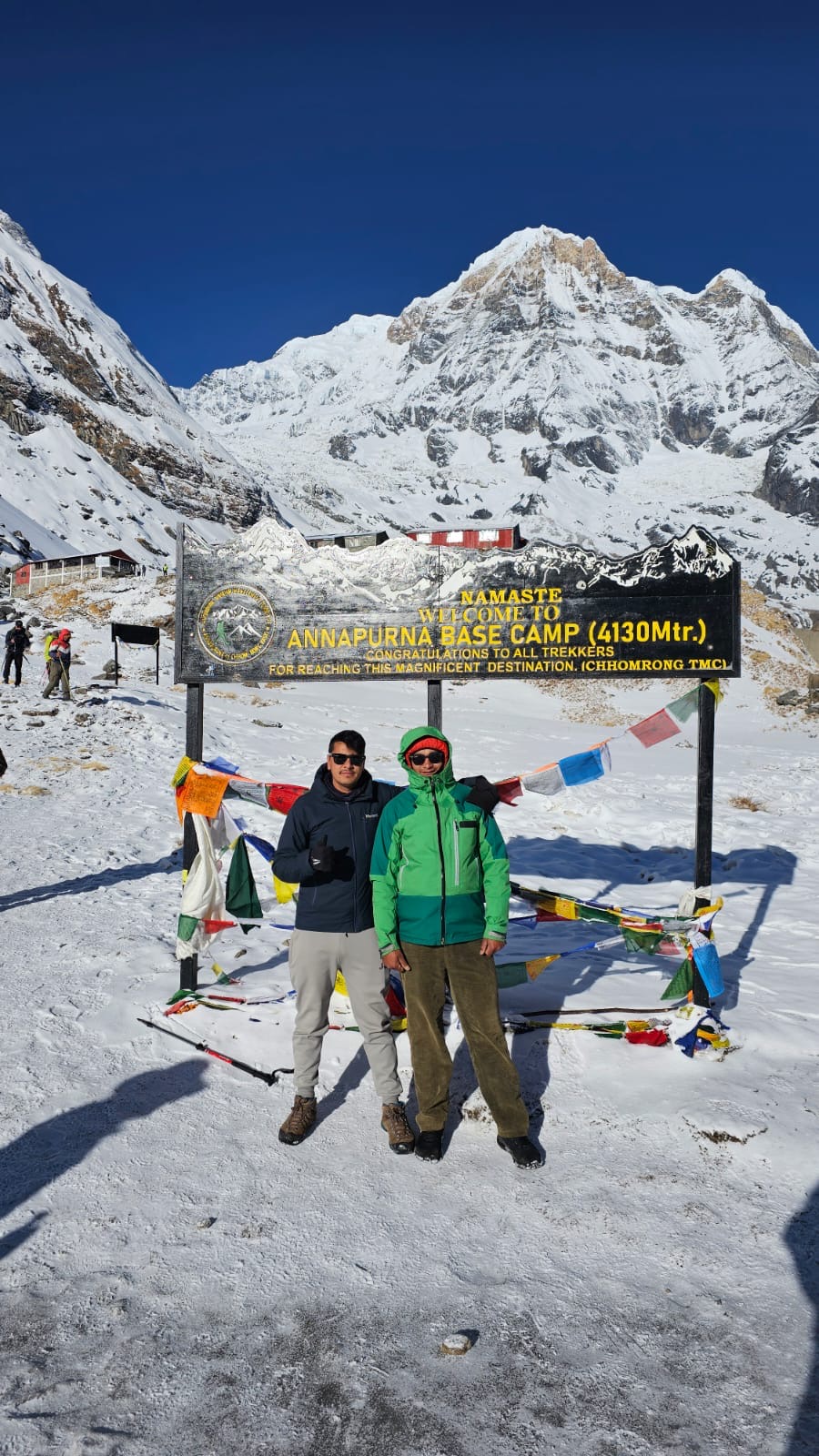
The absolute best times to embark on the Annapurna Base Camp Trek are Spring and Autumn - and for good reason. The stable weather and fantastic views make for an incredible experience. In the spring, from March to May, you've got pretty perfect temperatures, and those stunning rhododendron forests are at their most vibrant. September to November, on the other hand, offers up clear blue skies and views of the Himalayas that'll take your breath away.
Now, don't get us wrong - Winter from December to February is technically possible for those hardy, experienced trekkers who're prepared to brave the cold and the snow. Just remember, that's some pretty challenging stuff. And then there's the monsoon season, June to August. It sounds pretty miserable, to be honest - pouring rain, treacherous trails, and views of the mountains that are more obscured than not. Yet still, the region holds an undeniable beauty.
Picking the perfect trekking season will have a big impact on the comfort & safety of your Annapurna Base Camp adventure - and naturally the cost too.
Typical Annapurna Base Camp Trek Itinerary: Day-by-Day Breakdown
Annapurna Base Camp Trek 9 Days Itinerary
Day 1: Kathmandu to Pokhara
Day 2: Pokhara to Siwai, Trek to Chhomrong
Day 3: Chhomrong to Dovan
Day 4: Dovan to Deurali
Day 5: Deurali to Annapurna Base Camp via Machhapuchhre Base Camp
Day 6: Annapurna Base Camp to Bamboo
Day 7: Bamboo to Jhinu Danda
Day 8: Jhinu Danda to Siwai, Drive to Pokhara
Day 9: Pokhara to Kathmandu
Annapurna Base Camp Trek 10 Days Itinerary
Day 1: Arrival in Kathmandu
Day 2: Kathmandu to Pokhara
Day 3: Pokhara to Siwai, Trek to Chhomrong
Day 4: Chhomrong to Dovan
Day 5: Dovan to Deurali
Day 6: Deurali to Annapurna Base Camp via Machhapuchhre Base Camp
Day 7: Annapurna Base Camp to Bamboo
Day 8: Bamboo to Jhinu Danda
Day 9: Jhinu Danda to Siwai, Drive to Pokhara
Day 10: Pokhara to Kathmandu
Annapurna Base Camp Trek 11 Days Itinerary
Day 1: Arrival in Kathmandu
Day 2: Kathmandu to Pokhara
Day 3: Pokhara to Siwai, Trek to Chhomrong
Day 4: Chhomrong to Dovan
Day 5: Dovan to Deurali
Day 6: Deurali to Annapurna Base Camp via Machhapuchhre Base Camp
Day 7: Explore Annapurna Base Camp, Trek to Bamboo
Day 8: Bamboo to Jhinu Danda
Day 9: Jhinu Danda to Siwai, Drive to Pokhara
Day 10: Pokhara Sightseeing or Leisure Day
Day 11: Pokhara to Kathmandu
ABC Trek Itinerary Options: Tailoring Your Adventure (Short vs. Long)
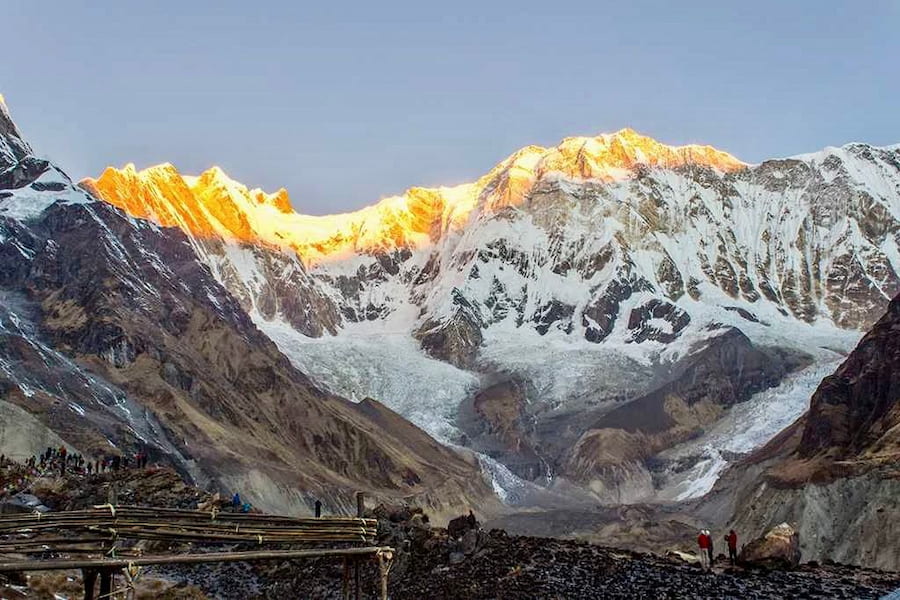
The Annapurna Base Camp Trek can be tailored to your time availability, fitness level, and personal preferences. A short ABC Trek can be easily done in a week or less than 10 days by seasoned trekkers who like to hike briskly.
A 10- to 12-day trip would be a more leisurely route. It will allow you time to visit villages, experience nature up close, and keep a relaxed hiking pace. Quite a few people choose to include Poon Hill on the Annapurna route because it offers the most breathtaking morning views and highlights local culture.
Holy Kailash Tours designs flexible itineraries to match individual preferences, including private trekking options and modified group travel schedules.
Annapurna Base Camp Trek Cost: An In-Depth Breakdown
During the Annapurna Base Camp Trek, the cost ranges from USD 700 to USD 1500 per person, depending on the service level. A cost-effective option for trekkers is to opt for the cheapest possible accommodation and travel on their own, whereas organized packages provide a guide, transport, food, and other services.
The primary factors that determine the cost of the Annapurna Circuit Trek are the trek's duration, availability of a paid guide or porter, types of transport such as jeep or flight, quality of accommodation, food expenses, personal expenses, and more.
Only a trustworthy trekking company offers a solution to high prices by providing transparent pricing. So it's a pleasure for a traveller to know that Holy Kailash Tours is a place to go for transparent pricing and ethical practices on a trek, in the best interests of international visitors.
Permits Required for ABC Trek: ACAP and TIMS Card
Everyone who goes on the Annapurna Base Camp Trek needs to have official trekking permits to enter the protected area. The Annapurna Conservation Area Permit (ACAP) is not just one of the required documents; it is a way to give back to the community and environment, which are supported by various development and conservation projects in the Annapurna region.
Getting a TIMS Card from the Trekkers Information Management System is necessary, as it not only maintains a registry of your trekking activities but also helps enhance safety management on crowded trekking routes.
Travelers don't need to worry about required permits when accompanied by Holy Kailash Tours, as the company will assist clients in securing them before the trek departs.
Guide and Porter Costs for Annapurna Base Camp Trek
Choosing a licensed local guide and a porter for your ABC Trek increases safety, comfort, and appreciation of the culture you encounter. The guide will be your navigator interpreter person who deals with hotels, and provider of emergency help.
A porter will carry all your trekking equipment. With this, you can walk at your leisure without carrying your bags, thereby reducing physical strain. The fees for guides and porters can vary widely depending on the length of the trek, their experience level, and your group size.
Many trekkers prefer working with local guides because they can provide information about the weather, traditions, and lesser-known yet beautiful places along the hiking trail.
Accommodation Costs Along the ABC Trek Route (Teahouses)
Accommodation on the Annapurna Base Camp Trek is mostly available in local guesthouses or teahouses. This type of mountain lodge usually has basic rooms with beds, blankets, and you have to share the bathroom facilities.
Typically, you can book a teahouse for between USD 5 and USD 15 per night, based on the location and time of year. In some higher-elevation regions, where one is limited to facilities, transportation difficulties may be behind the price hike.
Teahouse stays give people the chance to get to know genuine mountain people and Himalayan hospitality, while also helping uplift local communities.
Food and Drink Expenses on the Annapurna Base Camp Trek
Higher altitudes mean longer distances for supply transportation, gradually increasing your food costs. In general, you should expect to spend around USD 20-35 per day to feed yourself during the trek.
Some of the most common items on menus are: dal bhat noodles, soups, dumplings, and pizza or pasta. It's hard not to get back to your favorite dish of rice, dal, and chapati, especially when you are climbing long, steep paths.
That is why you will find dal bhat on every second or third menu. Consumption of beverages and snacks increases your total travel expenses Much. The most cost-effective trekkers bring reusable bottles and use purification techniques. They avoid buying bottled drinks and prepared foods to save money.
Transportation Costs: Kathmandu/Pokhara to Trek Start/End Points
Most of the Annapurna Base Camp treks start in Pokhara. Usually, it's a tourist bus, a private vehicle, or a domestic flight that brings travelers from Kathmandu to Pokhara.
The price of transport will depend mainly on comfort level and travel style. Public buses are the cheapest at USD 20 one way; domestic flights are USD 115 one way; and a private car at USD 120 one way carries 4 people and offers more flexibility and comfort.
Religious Kalesh Tours handles transportation in line with the trekking package. The company organises a seamless transfer system from the city to the trailhead.
Equipment and Gear Costs
The right gear for trekking not only enhances your experience but also increases safety during the Annapurna Base Camp Trek. Must-haves include sturdy trekking shoes, layers of warm clothing, a good sleeping bag, a backpack, hiking poles, rain protection, and personal medical items. If you are planning a trip to Nepal and have already got your trekking gear, it will cut your budget.
The locals can be very helpful - you can ask them to recommend reliable renting/ buying places in either Kathmandu or Pokhara, where you can get yourself all sorts of gear. Better preparation means fewer problems when there are sudden changes in weather and conditions at high altitude.
Visa and Travel Insurance Costs for Nepal Treks
If you are planning to trek to Annapurna Base Camp and are an international traveler, it would be advisable to obtain a Nepal tourist visa first. The visa fee varies not only with the duration of your stay but also with your nationality.
Better to have a trekking trip with insurance. After all, mountain treks come with weather hazards and natural hazards. The insurance should include services such as helicopter rescue, medication during hospital stays, and high-altitude trekking. Besides, a good insurance policy will also cover many other expenses, such as flights, accommodation, and transportation, in an emergency. In general, insurance will protect most of you financially if something goes wrong on a Himalayan adventure.
Miscellaneous Expenses and Contingency Budget for ABC
Travellers should make it a habit to pack some extra money for unforeseen expenditures that may include the cost of staying longer than expected, purchasing food supplies for the journey in case of sudden hunger pangs, getting their electrical gadgets charged, taking warm baths, having wireless internet access through a mobile phone, tipping service providers, and, of course, unexpected disasters.
Setting aside USD 100-200 as an emergency fund will provide good comfort during the trek.
Anticipating a few extra charges will allow tourists to have a hassle-free trek and fully concentrate on its beauty and magnificence without worrying about pocket-sized expenses.
How to Reduce Annapurna Base Camp Trek Costs
To minimise expenses on the ABC Trek, travellers can share costs by joining small groups, securing transportation in advance, staying at local teahouses, carrying environmentally friendly, reusable items, and refraining from spending money on luxuries they do not need.
Hanging out directly with local companies, like Holy Kailash Tours, with many years of experience, is another surefire way to get good value, as local operators have firsthand knowledge of the trails' conditions and prices.
Responsible budgeting lets travelers have just as good a Himalayan experience as they could ever hope to get while keeping their money in the right place, their pockets.
Booking Your ABC Trek: Independent vs Organised Tours
If you choose to go trekking on your own, it is the best option when you need freedom and want to save some money. Yet, to travel by yourself, you need to handle various tasks, such as obtaining permits, finding transportation and accommodation, and planning your route.
In contrast, if your trekking journey has included a tour group, you will get convenience, knowledgeable service, guaranteed safety conditions throughout your travels, and good planning. Trekker of less experienced level, families, and tourists are generally advised to have their trek guided. Holy Kailash Tours organizes Annapurna Base Camp Trek with seasoned tour guides and well-structured itineraries.
Physical Preparation for Annapurna Base Camp Trek
Getting ready helps you to do the ABC Trek better and more comfortably. You need to train for a few weeks before setting off for the trek with walking, hiking, and even cardio and strength training.
If you do regular exercises with a bag on your back, you get a better sense of what is coming your way, and your body will be more accustomed to it.
It's also important for you to get psychologically ready, as climbing mountains requires time, effort, and a flexible mindset. If you are mentally tough, you will make it through the toughest parts and will enjoy the beautiful and exotic sights the place has to offer. So a properly trained tourist will savor landscapes and the different culture of local people even more.
Altitude Sickness on ABC Trek
Altitude sickness can affect people who travel to regions above 2,500 meters. Still, on the Annapurna Base Camp trek, serious cases are rarer than on very high-altitude Himalayan treks.
Symptoms you might commonly get from altitude sickness are headache, tiredness, dizziness, and insomnia (difficulty sleeping). The risk can be reduced by gradually getting used to altitude (acclimatisation), staying hydrated, walking with an easy gait, and avoiding climbing up high too rapidly.
Seasoned leaders of the trek keep a watchful eye on the group's well-being along the trail and lend a helping hand if a member calls for it.
Safety and Medical Considerations for Annapurna Base Camp
Rapid weather changes, slippery paths, altitude sickness, and remote sites demand careful planning. Besides traveling to different places, one must not forget to have basic medicines, follow a guide, watch the weather, and keep a steady pace.
The reason for taking a trek is the beauty in the surroundings. Yet, the risk factor makes it a serious adventure sport. When choosing a reliable trekking operator, one can be safe and prepared for any emergency. We believe that Holy Kailash Tours is the perfect partner.
By using their company, one can be assured not only of a safe expedition but also of the kind of journey that is memorable, a combination of all those things that have to do with nature, beauty, adventure, excitement, and, of course, culture and the personal achievement that one is capable of, if only given a good opportunity.
What to Do After Annapurna Base Camp
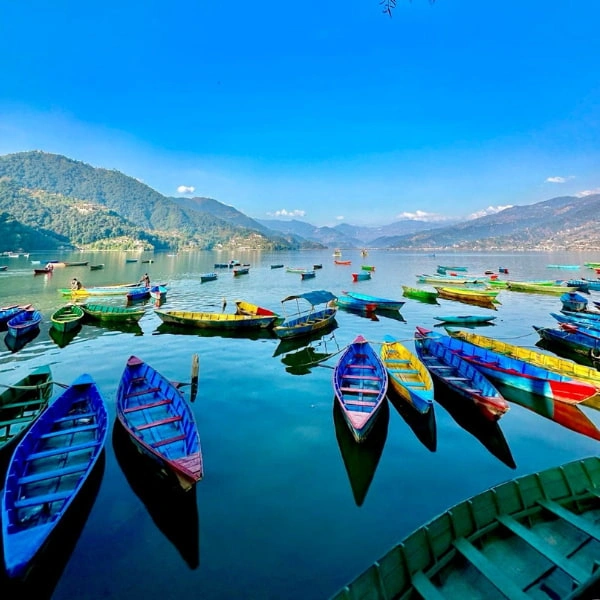
There are plenty of things to do after the Annapurna Base Camp Trek besides rest. There are so many beautiful spots to visit in Pokhara and Nepal in general that they are worth mentioning - Phewa Lake boating, World Peace Pagoda visit, Sarangkot mountain views, etc. Travelers can also visit other nearby places.
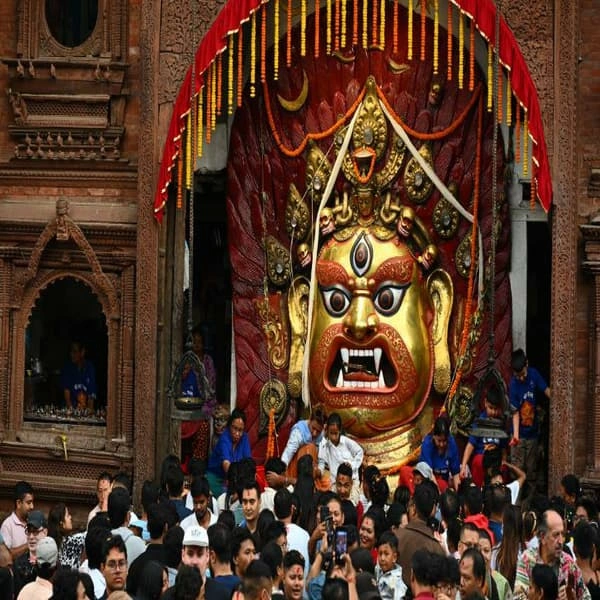
Many trekkers on the ABC trek also enjoy Kathmandu Heritage cultural tours, wildlife experiences on a Chitwan Jungle Safari, or a spiritual journey to Lumbini. Annapurna Base Camp Trek is not merely walking on a mountain. Still, a complete exposure of oneself with elements of nature, learning new things in another culture, gaining a sense of your achievement, and a great time that you will treasure forever.
To make their trekking in Nepal memorable with minimal stress, trekkers need good planning and budgeting, and a trusted partner like an experienced tour guide with Holy Kailash Tours, so they can enjoy a wonderful Himalayan adventure in Nepal without any stress.
Final Thought
The Annapurna Base Camp Trek is one of the best treks in the Himalayas, offering beautiful scenery, a glimpse of culture, and a sense of one's own potential. Being immersed in Nature is an extremely rewarding experience.
Familiarity with the Annapurna Base Camp Trek Cost and Detailed Travel Plan helps visitors plan a fun and safe trip without many headaches. Whether starting with tranquil mountain communities or climbing up to the magnificent Himalayas, each leg of the expedition is a picture in a scrapbook.
The right training, the correct gear, and expert leadership make this a more pleasurable and less tiresome trip. Holy Kailash Tours offers excellent guided tours with detailed itineraries, local expertise, safety assistance, and authentic Himalayan hospitality so that travelers can gain an up-to-date view of the majestic beauty of the Annapurna region.
Written by the Holy Kailash Tours travel desk
Email: [email protected]
Author: Ram Sharan Adhikari
WhatsApp: +977-9851254672 — Feel free to reach out anytime for fast, friendly, and personalized assistance.