Exploring the Potala Palace, Yamdrok Lake, Gyantse, and Shigatse
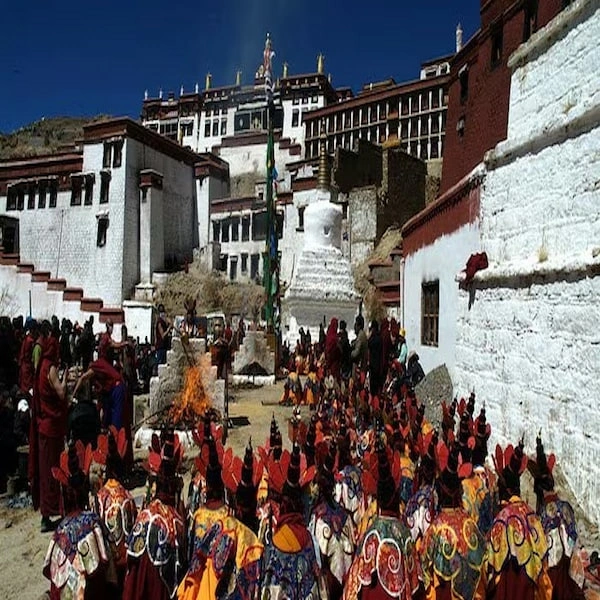
Most Kailash routes through Tibet start with a few days in Lhasa, and that's not just a logistical stop. It's where your body starts adjusting to altitude, and where you get your first real look at Tibetan Buddhist culture before the pilgrimage even begins.
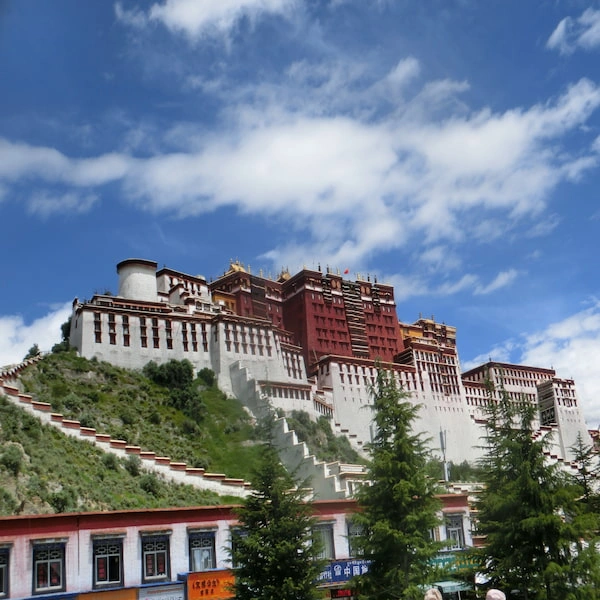
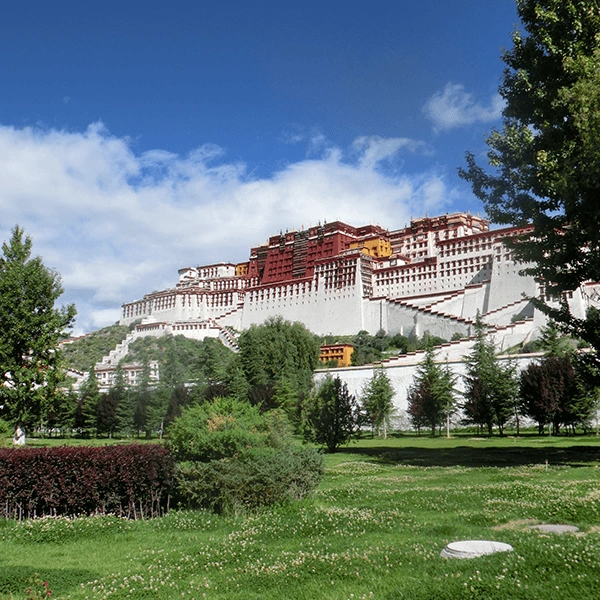
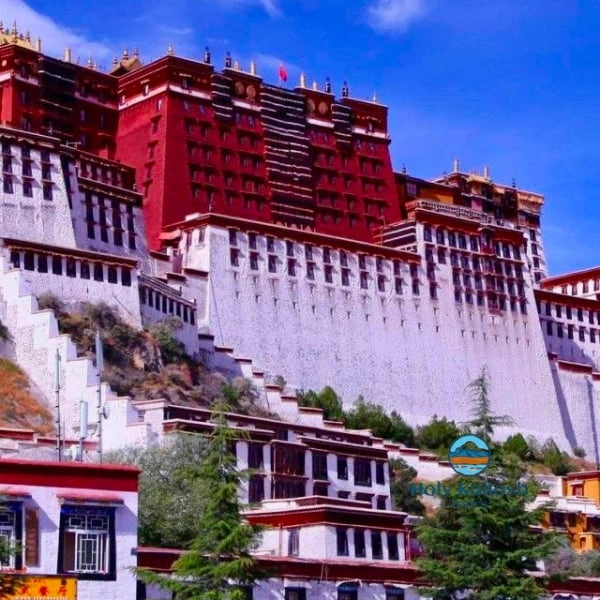
The Potala Palace rises over the city in white and red tiers, and walking through its maze of chapels and former living quarters takes a couple of hours at a minimum. From there, the road toward Kailash runs past Yamdrok Lake, a stretch of turquoise water held sacred by local Tibetans, then through Gyantse and Shigatse, two towns that still carry centuries of monastic history in their old quarters.
- Potala Palace: former winter residence of the Dalai Lamas, now a museum and pilgrimage site
- Yamdrok Lake: one of Tibet's three holy lakes, visible from the highway on the way west
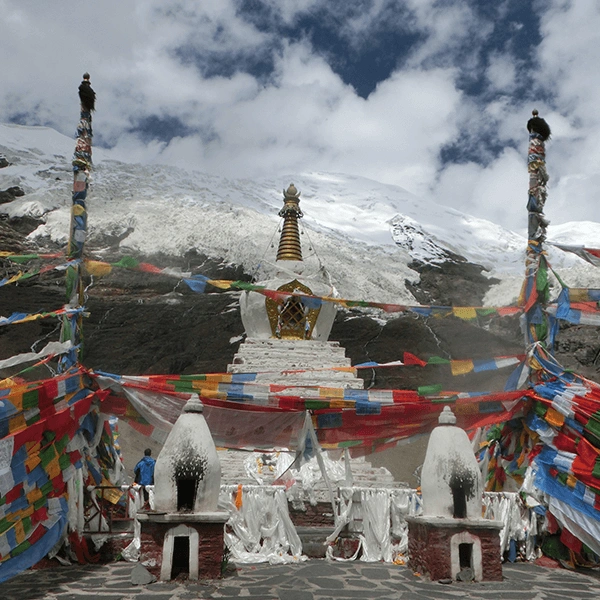
- Gyantse: home to the Pelkor Chode Monastery and the Kumbum stupa
- Shigatse: seat of the Panchen Lama and site of Tashilhunpo Monastery
Mount Kailash Kora Experience
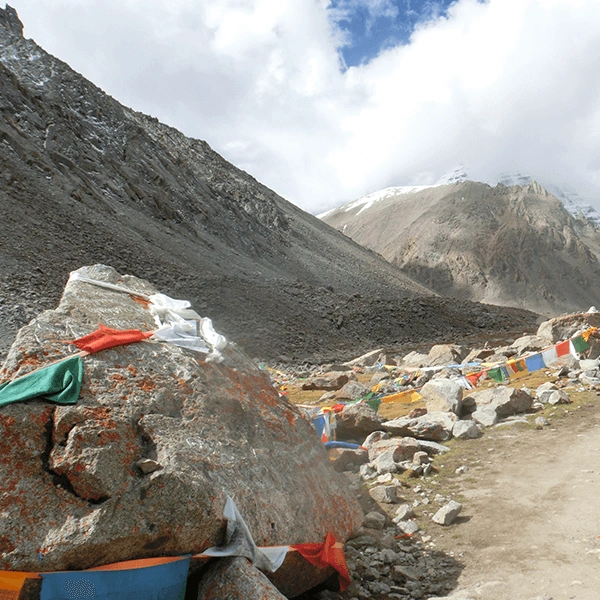
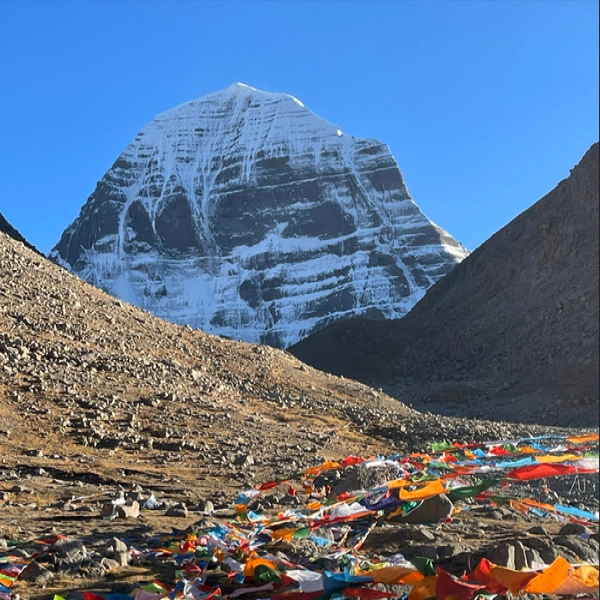
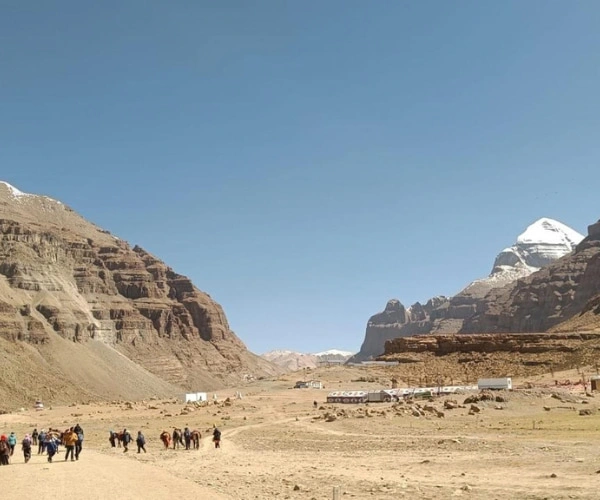
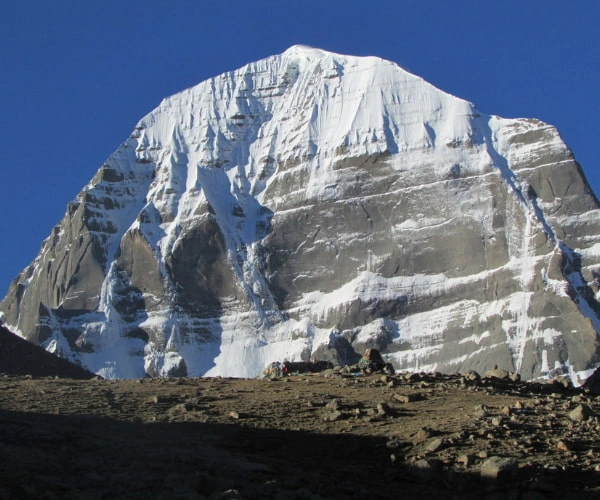
The kora is the reason people come. It's a roughly 52-kilometer walk around the base of the mountain, done over three days by most travelers, and Tibetan Buddhists, Hindus, Jains, and followers of the Bon religion all consider a single circuit enough to wash away a lifetime of sins.
The first day is long but manageable. The second day crosses Dolma La Pass at over 5,600 meters, which is where altitude actually tests you, whatever shape you're in. The final day drops back down and feels almost easy by comparison. Yaks can carry your bags if walking with a full pack sounds rough, and most groups build in rest time before starting.
- Day 1: Darchen to Dirapuk, roughly 7 to 8 hours of walking
- Day 2: Dirapuk over Dolma La Pass to Zutulpuk, the hardest day
- Day 3: Zutulpuk back to Darchen, a shorter and gentler finish
- Optional: Lake Mansarovar visit before or after the kora, for a ritual bath or simply the view
Kailash Mansarovar Yatra Overland 14 Days
Kailash Mansarovar Yatra Overland is the classic route, and it's overland the entire way from Kathmandu, Nepal, into Tibet. You cross the border at Kerung, drive through the Tibetan Plateau, and gradually reach Kailash, which helps with acclimatization because the altitude rises in stages rather than all at once.
Fourteen days gives enough buffer for weather delays, which happen more often than people expect on mountain roads. It suits travelers who want to see the countryside change and who aren't in a rush.
- Route: Kathmandu, Kerung border, Saga, Lake Mansarovar, Kailash Kora, return to Kathmandu
- Best for: travelers who prefer gradual acclimatization over speed
- Includes: permits, ground transport, guides, and accommodation along the route
Route Trip Itinerary
Day 1: Arrival in Kathmandu; 1,400 meters
Day 2: Kathmandu – Temple Visits and Yatra Preparation
Day 3: Kathmandu to Syabrubesi (Drive); 1,460 meters 6-7 hours
Day 4: Syabrubesi to Kerung (Border Crossing) 2,700 meters 4-5 hours
Day 5: Acclimatization Day at Kerung
Day 6: Kerung to Saga (Drive) 4,640 meters 6–7 hours
Day 7: Saga to Lake Mansarovar 4,590 meters 6–7 hours
Day 8: Lake Mansarovar to Darchen 4,575 meters 2–3 hours
Day 9: Darchen to Dirapuk – Kora Day 1; 12 kilometers; 4900 m; 5-6 hours
Day 10: Dirapuk to Zutulpuk via Dolma La Pass – Kora Day 2; 22 kilometers, 8-9 Hours 5630 m
Day 11: Zutulpuk to Saga – Kora Completion; 8 kilometers; 10 hours (Trek + Drive) 4640 m
Day 12: Saga to Kerung
Day 13: Kerung to Kathmandu
Day 14: Departure
Kailash Mansarovar Tour via Lhasa 16 Days
Kailash Mansarovar Tour via Lhasa. Instead of crossing straight into western Tibet, this version routes through Lhasa first, adding the cultural stops mentioned earlier before heading west toward Kailash. The extra two days go toward Lhasa sightseeing and a smoother altitude curve, since Lhasa itself sits above 3,600 meters, giving your body a head start before the higher passes farther west.
- Route: Kathmandu, Lhasa, Gyantse, Shigatse, Saga, Kailash, Mansarovar, return via Lhasa
- Best for: first-time visitors who want Lhasa's monasteries alongside the pilgrimage
- Extra days: used for altitude adjustment and cultural stops, not just travel
Route Trip Itinerary
Day 1: Arrival in Kathmandu – Welcome & Spiritual Orientation; Altitude: 1,350 m | Walking: Minimal
Day 2: Kathmandu – Pashupatinath Darshan & Preparation; Altitude: 1,350 m | Walking: 2–3 hours
Day 3: Flight from Kathmandu to Lhasa – Gateway to Tibet; Altitude: 3,656 m | Flight: ~1.5 hours
Day 4: Lhasa Sightseeing – Potala Palace & Jokhang Temple; Altitude: 3,656 m | Walking: 3–4 hours
Day 5: Lhasa to Shigatse via Gyantse; Altitude: 3,900 m | Drive: 6–7 hours
Day 6: Shigatse to Saga; Altitude: 4,450 m | Drive: 6–7 hours
Day 7: Saga to Lake Mansarovar; Altitude: 4,590 m | Drive: 6–7 hours
Day 8: Mansarovar Parikrama & Drive to Darchen; Altitude: 4,670 m | Walking: 2–3 hours
Day 9" Darchen to Dirapuk – Kailash Parikrama Day 1; Altitude: 4,900 m | Walking: 5–6 hours
Day 10: Dirapuk to Zuthulpuk via Dolma La Pass – Parikrama Day 2; Highest Point: 5,630 m | Walking: 8–9 hours
Day 11: Zuthulpuk to Darchen – Parikrama Day 3; Altitude: 4,670 m | Walking: 3–4 hours
Day 12: Darchen to Saga; Altitude: 4,450 m | Drive: 6–7 hours
Day 13: Saga to Shigatse; Altitude: 3,900 m | Drive: 6–7 hours
Day 14: Shigatse to Lhasa; Altitude: 3,656 m | Drive: 5–6 hours
Day 15" Flight from Lhasa to Kathmandu; Altitude: 1,350 m | Flight: ~1.5 hours
Day 16: Departure from Kathmandu
Kailash Yatra by Helicopter From Lucknow 10 Days
Kailash Yatra by Helicopter From Lucknow. For travelers short on time or those who find long overland drives hard on the body, a helicopter route cuts the journey down considerably. Starting from Lucknow, this option flies into Nepal and connects to a helicopter transfer toward the Tibet border region, skipping several days of road travel.
Ten days is tight for a Kailash trip, so this route works best for people who are already reasonably fit and acclimatized, or who accept a faster, more demanding altitude gain in exchange for saved time.
- Best for: travelers with limited vacation time or difficulty with long road journeys
- Trade-off: faster altitude gain, so prior high-altitude experience helps
- Departure: organized from Lucknow with connecting flights to Nepal
Route Trip Itinerary
Day 1: Lucknow to Nepalgunj (Drive: approx. 6–7 hours)
Day 2: Nepalgunj to Simikot (Flight: approx. 1 hour) | Acclimatization Day
Day 3: Simikot to Hilsa (Helicopter Flight: 20 minutes) – Taklakot (Drive: approx. 1 hour)
Day 4: Taklakot to Mansarovar Lake (Drive: approx. 4–5 hours)
Day 5: Mansarovar Lake to Darchen (Drive: approx. 1–2 hours)
Day 6: First Day Parikrama – Drive to Yam Dwar (30 minutes) & Trek to Dirapuk (Trek: 5–6 hours)
Day 7: Second Day Parikrama – Dirapuk to Zuthulpuk via Dolma La Pass (Trek: 8–9 hours)
Day 8: Zuthulpuk to Darchen (Trek: 2–3 hours) – Taklakot (Drive: approx. 4–5 hours)
Day 9: Taklakot to Hilsa (Drive: approx. 1 hour) – Simikot (Helicopter Flight: 20 minutes)
Day 10: Simikot to Nepalgunj (Flight: approx. 1 hour) – Transfer to Lucknow (Drive: 6–7 hours)
Kailash Yatra With Everest Base Camp Tour 17 Days
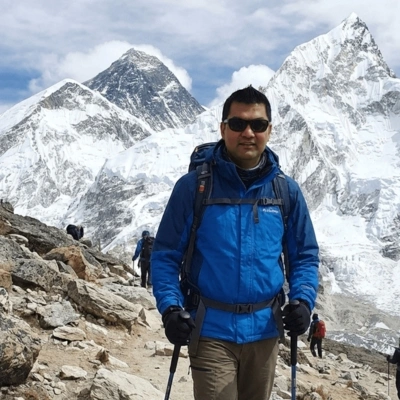
Kailash Yatra With Everest Base Camp Tour combines two of the biggest names in Himalayan travel into a single trip: the Kailash pilgrimage and a trek toward Everest Base Camp. It's a demanding itinerary, mixing high-altitude walking in the Everest region with the drive and kora around Kailash, so it's really built for travelers who already have trekking experience and solid fitness. Seventeen days cover both experiences without rushing either, though it leaves little slack for extended delays.
- Combines: Everest Base Camp trek and the full Kailash Mansarovar Yatra
- Fitness level: demanding, recommended for experienced trekkers
- Best for: travelers who want both pilgrimage and mountain trekking in one journey
Route Trip Itinerary
Day 1: Arrival in Kathmandu (1,400 m)
Day 2: Kathmandu Sightseeing 1400m
Day 3: Kathmandu to Lhasa by Flight (3,650 m)
Day 4: Lhasa Sightseeing and Acclimatization 3650m
Day 5: Lhasa to Gyantse to Shigatse (3,840 m)
Day 6: Shigatse to Rongbuk Everest Base Camp (5,200 m)
Day 7: Drive from Old Tingri to Saga (4,640 m)
Day 8: Saga to Paryang to Lake Mansarovar (4,590 m)
Day 9: Exploration of Lake Mansarovar and Drive to Darchen (4,575 m)
Day 10: Darchen to Deraphuk – Kailash Parikrama Day 1 (4,920 m)
Day 11: Charan Sparsh and Preparation for Day 2 (5630 m)
Day 12: Deraphuk to Zuthulpuk – Kailash Parikrama Day 2 (4,790 m)
Day 13: Zuthulpuk to Darchen and Drive to Saga (4,640 m)
Day 14: Drive Saga to Shigatse (3,840 m)
Day 15: Drive Shigatse to Lhasa (3,650 m)
Day 16: Fly Lhasa to Kathmandu and Hotel Transfer 1400m
Day 17: Final Departure
Kailash Mansarovar Tour by Helicopter from Kathmandu 11 Days
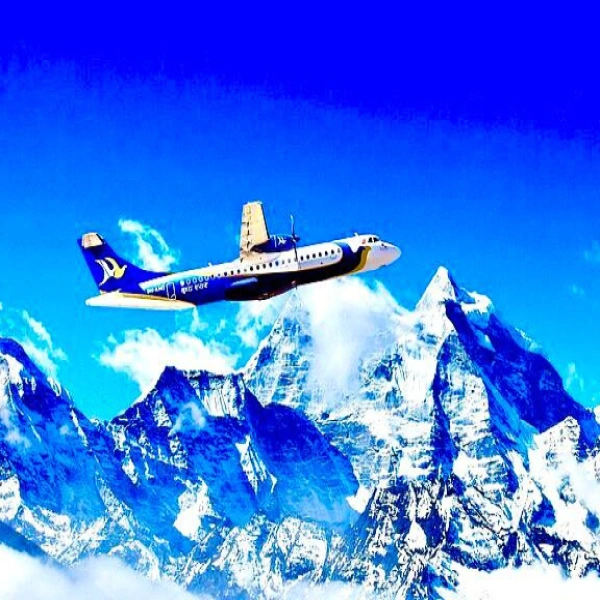
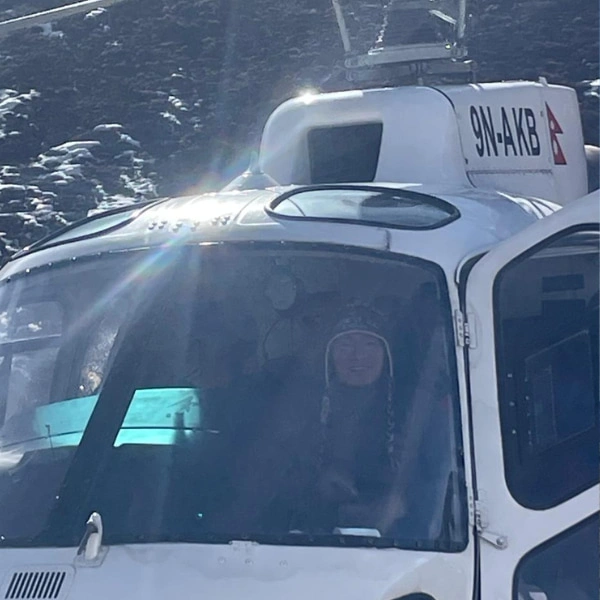
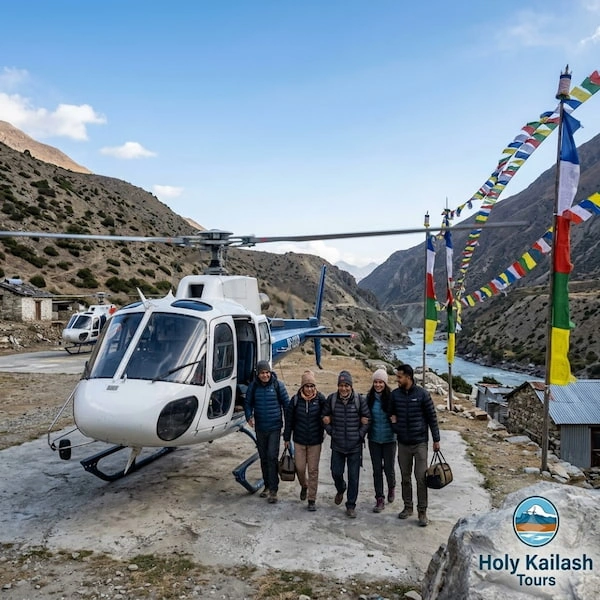
Kailash Mansarovar Tour by Helicopter from Kathmandu. Kathmandu is the more common departure point for helicopter access to Kailash, and this 11-day version is one of the most popular ways Holy Kailash Tours arranges the pilgrimage for people balancing work schedules with the trip.
The helicopter cuts out several driving days between Nepal and the Tibetan plateau, landing you closer to the pilgrimage route faster, though the kora itself still takes the same three days on foot regardless of how you arrive.
- Departure: Kathmandu, Nepalgunj, Simikot, Hilsa, with a helicopter transfer to the Tibet border
- Duration advantage: several driving days replaced by a shorter flight
- Kora: still walked in full, no shortcuts around the mountain itself
Route Trip Itinerary
Day 1: Arrival in Kathmandu (1,400 m / 4,593 ft)
Day 2: Pashupatinath Darshan, Puja, and Flight to Nepalgunj (150 m / 492 ft)
Day 3: Flight to Simikot (2,910 m / 9,547 ft)
Day 4: Helicopter Ride to Hilsa (3,640 m / 11,942 ft) and Drive to Purang/Taklakot (3,800 m / 12,467 ft)
Day 5: Drive to Mansarovar Lake (4,590 m / 15,059 ft) via Rakshas Tal (4,575 m / 15,009 ft)
Day 6: Mansarovar Lake to Darchen (4,575 m / 15,009 ft) Drive for Kailash Kora
Day 7: Begin Kailash Parikrama, Day 1: Darchen to Dirapuk (4,860 m / 15,945 ft)
Day 8: Kailash Parikrama, Day 2: Dirapuk to Zuthulpuk (4,790 m / 15,715 ft) via Dolma La Pass (5,630 m / 18,471 ft)
Day 9: Kailash Parikrama, Day 3: Zuthulpuk to Darchen, Drive back to Taklakot
Day 10: Return to Kathmandu
Day 11: Final Departure
Tibet Trek to Advanced Base Camp on Everest 18 Days
Tibet Trek to Advanced Base Camp on the Everest route stays on the Tibet side of Everest rather than Nepal's, heading to Everest's Advanced Base Camp through the Rongbuk Valley. It's a longer, higher trek than the standard EBC route most people know in Nepal, reaching above 6,300 meters at ABC itself.
Eighteen days allows for proper acclimatization days built into the schedule, which matters more here than on almost any other route in this list.
- Highlight: views of Everest's north face, rarely seen by trekkers on the Nepal side
- Altitude: Advanced Base Camp sits above 6,300 meters
- Acclimatization: multiple rest days built into the schedule, not optional
Route Trip Itinerary
Day 1: Arrival in Lhasa from Kathmandu
Day 2: Tibet Traditional Hospital, Potala Palace, Norbulingka Palace: Sightseeing in Lhasa
Day 3: A Day tour of Lhasa sightseeing: Sera Monastery, Drepung Monastery, Jokhang Temple, and Barkhor Bazaar
Day 4: Taking the Gyantse-Lhasa Road from Lhasa to Shigatse
Day 5: Taking the Shigatse-LaoTingri - Langkor Monastery route
Day 6: Cho Oyu Base Camp to Langkor Monastery Trek
Day 7: Trekking from Cho Oyu Base Camp to the foot of Lamna La Pass
Day 8: Walking to Rongbuk Monastery from Dzakarchu River
Day 9: Taking the Everest Base Camp trail from Rongbuk
Day 10: Everest Base Camp - Acclimatization and Exploration
Day 11: An Everest Base Camp to a Japanese camp
Day 12: The transition from Japanese to Interim Camps
Day 13: Trekking to Changtse Base Camp
Day 14: From Changtse Base Camp to Everest Advanced Base Camp
Day 15: Visit Lotingri and return to EBC.
Day 16: The drive to Kerung from Lotingri
Day 17: Driving from Kerung to Kathmandu
Day 18: Finally, it's time to leave.
Explore the Forbidden City, Lhasa, 5 Days
Explore the Forbidden City; Lhasa itself is sometimes called Tibet's own version of a forbidden city, given how restricted access to the region was for centuries. A standalone 5-day Lhasa tour works well for travelers who want the cultural side of Tibet without committing to the full Kailash pilgrimage, or as a shorter add-on before flying home. Five days cover the major sites at a relaxed pace, with room for a day trip outside the city.
- Sites: Potala Palace, Jokhang Temple, Barkhor Street, Norbulingka
- Pace: relaxed, suitable for travelers not planning further high-altitude travel
- Good fit: standalone cultural trip or short extension to a longer itinerary
Route Trip Itinerary
Day 1:Arrive at Lhasa from your stated destination
Day 2:Tour of Lhasa City: Potala Palace, Norbulingka Palace, Tibet Traditional Hospital
Day 3: Visit Drayerpa Cave and the Kanden Monastery, the jewels of Tibet
Day 4: Tour of Lhasa city: Sera Monastery, Drepung Monastery, Jokhang Temple, and Barkhor Bazaar
Day 5: Final departure from the Lhasa tour
Lhasa With Everest Base Camp Tour 8 Days
Lhasa With Everest Base Camp Tour. Eight days is enough to pair Lhasa's main sights with a drive to Everest Base Camp on the Tibet side, without attempting the Kailash pilgrimage on the same trip. You get the palace, the monasteries, and then several days heading south toward Everest, ending at the base camp viewpoint where the north face of the mountain fills the horizon. It's a shorter, less physically demanding alternative to the full Kailash-Everest combination.
- Route: Lhasa sightseeing, then overland to Everest Base Camp (Tibet side)
- Duration: shorter than the full Kailash combination trips
- Good fit: travelers wanting Everest views without the Kailash kora
Route Trip Itinerary
Day 1: Fly from Kathmandu to Lhasa, Altitude: 3,656 m | Flight: ~1.5 hours
Day 2: Lhasa Sightseeing Tour, Drepung Monastery and Sera Monastery, Altitude: 3,656 m
Day 3: Lhasa Sightseeing Tour, Potala Palace, Jokhang Temple, Barkhor Street, Altitude: 3,656 m
Day 4: Drive from Lhasa to Gyantse Altitude: 4700 m,
Day 5: Drive from Gyantse to Shigatse, Altitude: 3,900 m
Day 6: Drive from Shigatse to Rongbuk, Altitude: 5,200 m
Day 7: Visit Everest Base Camp and drive to Gyirong, Altitude 2,700 m
Day 8: Drive from Gyirong to Kathmandu, Altitude 1400 m
Ganden to Samye Trek 11 Days
The Ganden to Samye Trek is for people who want Tibet's countryside rather than its border crossings, following an old pilgrim path between two of the region's most important monasteries. It crosses several high passes over open highland terrain, camping most nights, and it's considerably less traveled than the Kailash or Everest routes. Eleven days cover the trek itself, plus time in Lhasa before and after.
- Route: Ganden Monastery to Samye Monastery, an old monastic trail
- Style: camping trek, remote and lightly traveled
- Best for: trekkers who want solitude over well-known landmarks
Route Trip Itinerary
Day 1: Arrival in Kathmandu (1,400 m)
Day 2: Kathmandu Sightseeing (1,450 m, 2 to 3 hours walking)
Day 3: Flight from Kathmandu to Lhasa, Gateway to Tibet (3,656 m, flight around 1.5 hours)
Day 4: Lhasa Sightseeing, Potala Palace and Jokhang Temple (3,656 m, 3 to 4 hours walking)
Day 5: Drive to Ganden Monastery, Start Trekking (3 to 4 hours, 9 km, 4,200 m)
Day 6: Trek to Yama Do (3 to 4 hours, 6 km, 4,500 m)
Day 7: Climb Shuga La Pass (5 to 6 hours, 9 km, 5,260 m, camp at 5,000 to 5,100 m)
Day 8: Trek to Herders' Camp via Chitu La Pass (5 to 6 hours, 13 km, 5,220 m pass, camp at 4,500 m)
Day 9: Trek to Yamalung and Transfer to Samye (4 to 5 hours, 11 km, finish at 3,580 m)
Day 10: Flight from Lhasa to Kathmandu (1,350 m, flight around 1.5 hours)
Day 11: Departure from Kathmandu (1,400 m)
Namtso Lake Lhasa Tours 5 Days
Namtso Lake Lhasa Tours. Namtso is one of the highest saltwater lakes in the world, and its color shifts from deep blue to near black depending on the light and the weather rolling across the plateau. A 5-day tour pairs Lhasa's city sights with a couple of days at the lake, which sits high enough that some travelers feel the altitude here more than they expected, even after adjusting in Lhasa.
- Namtso: sits above 4,700 meters, so acclimatization in Lhasa first matters
- Combination: city sightseeing plus lakeside time
- Season: best visited outside the harshest winter months, when roads stay open
Route Trip Itinerary
Day 1: Landing in Lhasa, Altitude 3650m
Day 2: Lhasa City Tour with a Local Guide, Altitude 3650m
Day 3: Lhasa City Tour with a Local Guide, Altitude 3650m
Day 4: Drive to Lhasa, Namtso Lake, Lhasa, Altitude 3650m
Day 5: Say Goodbye to Lhasa, Altitude 3650m
Best Views of Mount Everest from Tibet
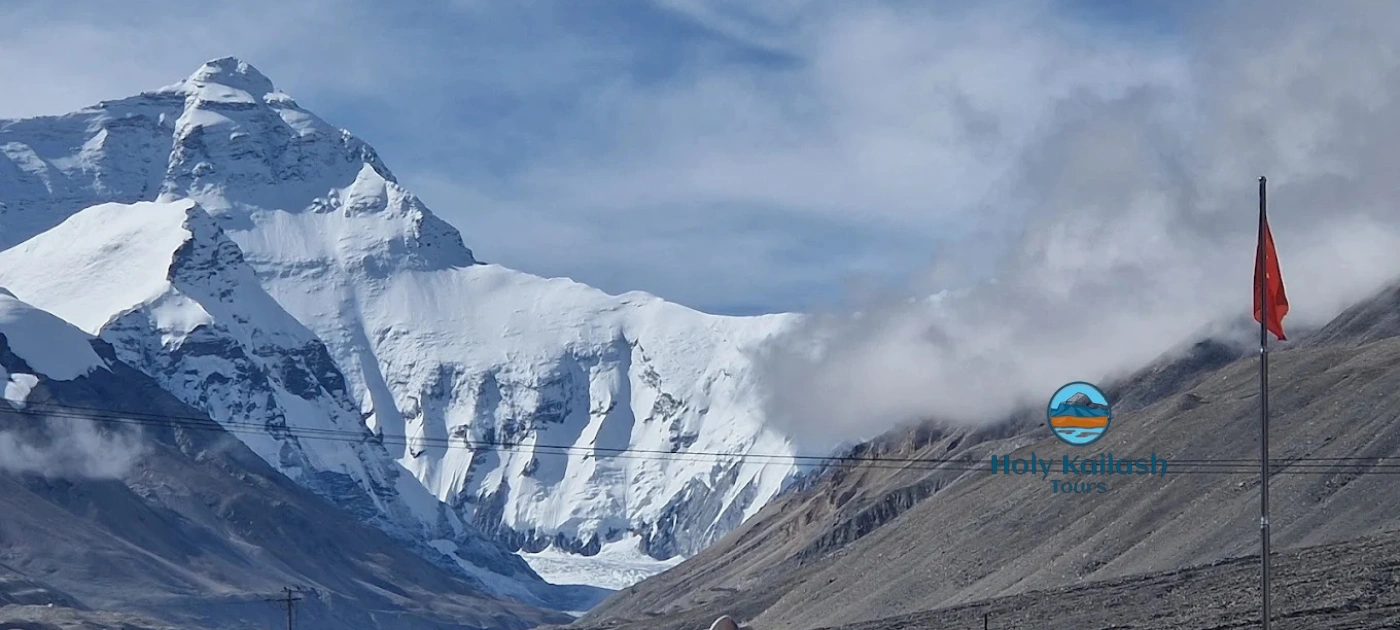
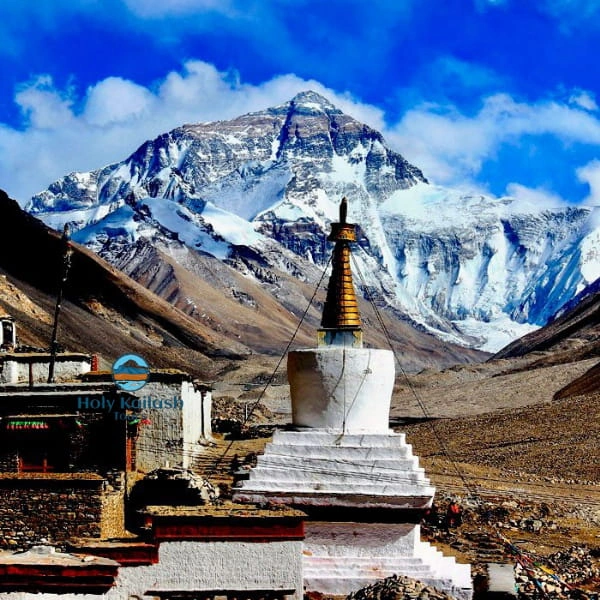
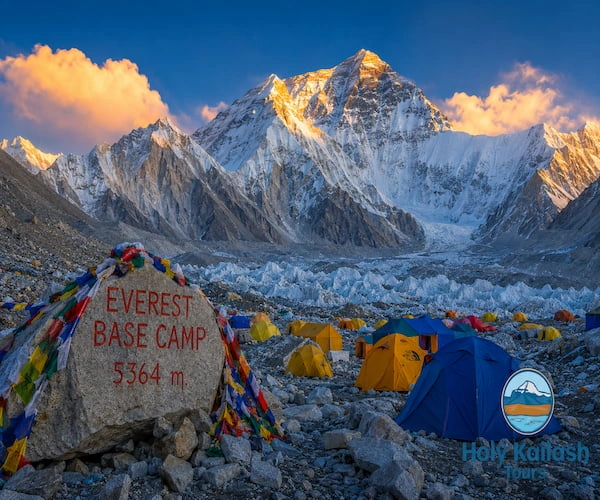
The Tibet side of Everest offers a different angle from the famous Nepal viewpoints, and for many travelers, it's the more dramatic one. Rongbuk Monastery, the highest monastery in the world, sits almost directly below the north face, and the base camp area on this side allows vehicles to get closer than most people expect.
Clear mornings, especially just after sunrise, tend to give the sharpest views before clouds build up later in the day.
- Rongbuk Monastery: the closest point with a direct, unobstructed view of the north face
- Best timing: early morning, before afternoon cloud cover moves in
- Access: vehicles can reach close to the base camp on the Tibet side
Best Time for Kailash Yatra with Lhasa and EBC Tour
The weather on the Tibetan plateau narrows the travel window more than most people realize. Roads and passes stay accessible mainly from late spring through early autumn, and outside that window, snow and cold can shut routes down entirely.
- May to June: stable weather, good visibility, one of the more popular windows
- July to August: warmer, though monsoon rain can affect road conditions in parts of Nepal
- September: often considered the clearest month for mountain views after the monsoon clears
- October: cooling fast, still workable but with a shorter daily weather window
- November to April: generally avoided due to snow, cold, and closed high passes
Cost of Kailash Yatra, Tibet, Lhasa with EBC Tour
Pricing on these trips depends heavily on group size, transport choice, and whether you're flying or driving into Tibet. A shared group departure on an overland route typically costs less per person than a private helicopter tour, sometimes by a significant margin, because permits, fuel, and vehicle costs are split among more travelers. Holy Kailash Tours builds quotes based on the specific route and season, since permit fees and transport rates in Tibet vary from year to year.
- Group overland tours: generally the most budget-friendly option per person
- Helicopter routes: cost more but save several days of travel time
- Variable costs: Tibet permit fees, group size, season, and choice of accommodation
- Always confirm: get a written breakdown of what's included before booking any package
Packing List for Kailash Yatra, Tibet, Lhasa with EBC Tour
Altitude and cold weather drive most of what you actually need on this trip, more than anything else. Layering matters more than any single expensive item, since temperatures swing hard between sunny midday and freezing nights on the plateau.
- Clothing: down jacket, thermal base layers, waterproof outer shell, warm hat, and gloves
- Footwear: broken-in trekking boots, plus camp shoes for evenings
- Health: altitude sickness medication (consult a doctor before travel), basic first aid kit, sunscreen
- Documents: passport with sufficient validity, Tibet travel permit, and Chinese visa, where required
- Gear: sleeping bag rated for cold temperatures, headlamp, trekking poles, reusable water bottle
- Extras: cash in small denominations, portable charger, lip balm, and eye drops for dry air
Frequently Asked Questions (FAQs)
How fit do I need to be for the Kailash Kora?
You don't need to be an athlete, but you should be able to walk several hours a day on uneven ground. Prior hiking experience helps a lot, and so does a few weeks of walking or cardio training before you leave.
Is the Kailash Mansarovar Yatra safe for older travelers?
Many older pilgrims complete the journey every year, but altitude affects people differently, regardless of age. A doctor's clearance and a slower, more gradual route (like the 16-day Lhasa version) reduce risk considerably.
Do I need a separate visa for Tibet, or is it covered by my Nepal or China visa?
Yes. Travelers typically need a Chinese visa along with a Tibet Travel Permit, and the exact requirements depend on your nationality and entry point. Holy Kailash Tours handles the permit paperwork as part of the booking process.
Can I do the kora without walking the full three days?
Some travelers use pack animals or porters for gear, and a few opt for partial routes with vehicle support where terrain allows, but the core walking sections around the mountain still have to be done on foot.
What's the difference between the overland and helicopter routes?
Overland routes take longer but allow your body to acclimatize more gradually, which some travelers find safer. Helicopter routes save days but push you to altitude faster, so they suit people who are already well adjusted to elevation.
Final Thoughts
A trip like this asks a lot of you: time, physical effort, and a willingness to deal with unpredictable weather and thin air. It gives back more than most journeys can. Whether you choose the full overland pilgrimage, a helicopter route to save time, or a shorter Lhasa and Everest combination, the goal is the same: getting you safely to some of the most remote and meaningful places in the Himalayas.
Holy Kailash Tours puts together each of these itineraries with that balance in mind, matching the route to your fitness, schedule, and what you're actually hoping to get out of the journey.
Email: [email protected]
Author: Ram Sharan Adhikari
WhatsApp: +977-9851254672 — Feel free to reach out anytime for fast, friendly, and personalized assistance.