Most Kailash Mansarovar Yatra Overland treats every stage of the trip as equally risky, then hedges everything with "consult your doctor" and calls it done. That's not useful. Some days on this route are genuinely dangerous. Others get feared for no good reason. Knowing the difference matters more than any packing list.
Kailash Mansarovar Yatra guide takes real positions on the Nepal road route to Kailash, from Kathmandu, based on how altitude actually works and where pilgrims actually run into trouble. Holy Kailash Tours runs this exact route every season, and one pattern holds up season after season: the day everyone worries about beforehand is not the day that actually causes trouble. Get that backward, and you spend your caution on the wrong afternoon while the real risk passes unnoticed as "just a long drive."
Why the Road to Kailash Demands More Than a Passport?
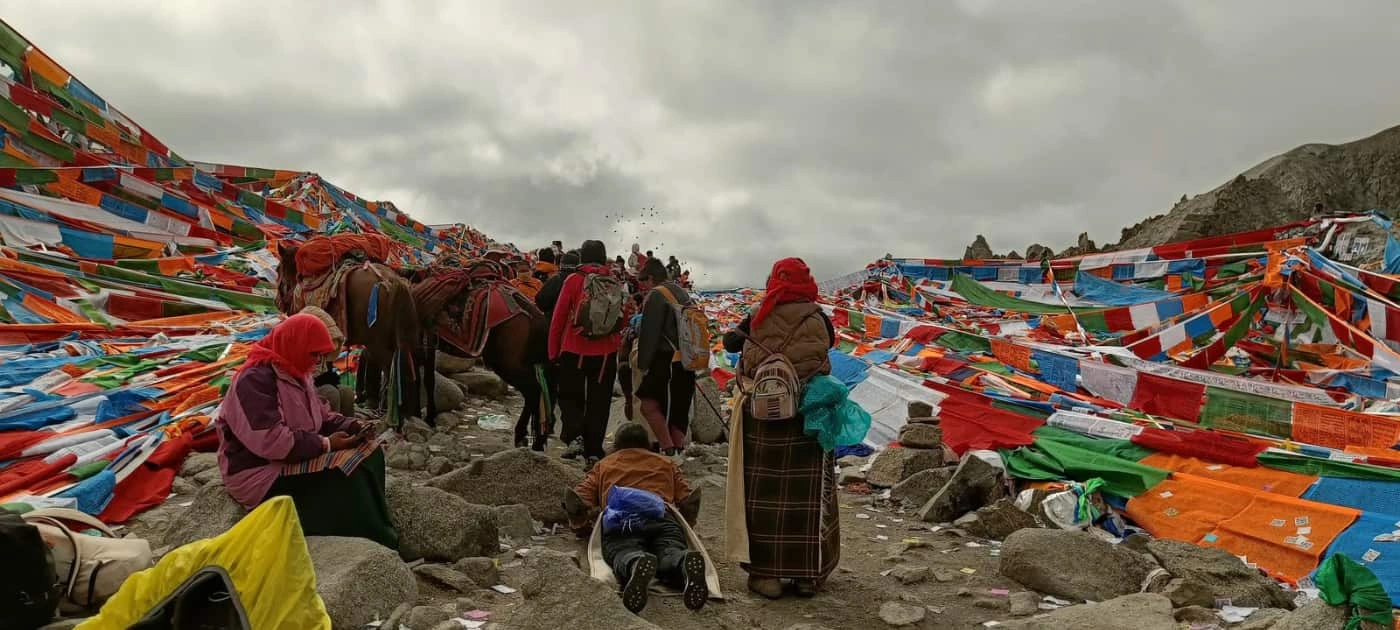
Kailash Mansarovar overland Yatra route 2027
Every comparison of the road route versus the Simikot-Hilsa helicopterroute calls one "hard" and the other "easy." That framing is lazy. Both routes take you to the same altitudes. The difference is which risk you're choosing to carry.
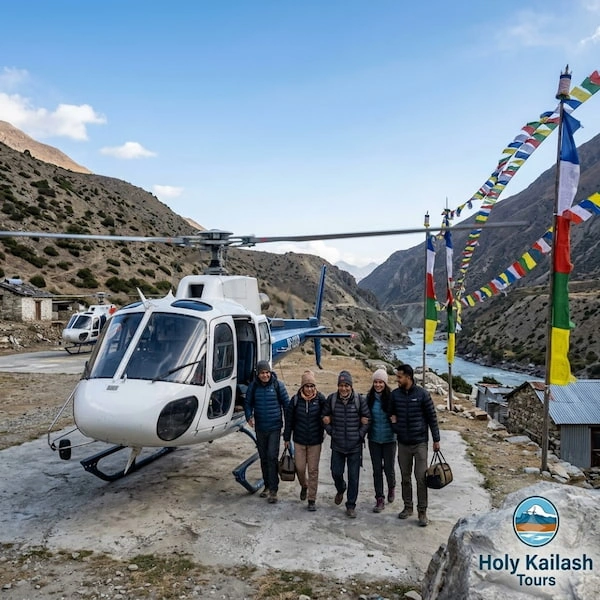
The helicopter route cuts out days of rough driving, which is genuinely easier on your body in terms of fatigue and motion sickness. But it also speeds up the whole ascent, so if the operator doesn't build in rests deliberately, you spend less time at each altitude before heading to the next. Getting from valley to mountain on land usually takes one more day and, in this case, one less, because of its greater difficulty. That unevenness is the true essence of this route, rather than the total number of days.
Opt for either one that fits your current profile best, not which one seems more difficult. If altitude hits you harder than travel fatigue does, the road route's staged ascent works in your favor. If it's the other way around, a helicopter schedule with real rest days built in may suit you better. Picking the popular option instead of the right one is how people end up turning back a day from the mountain they came to see.
Kathmandu to Tibet: The First Milestone of the Adventure.
The road from Kathmandu to Rasuwagadhi, Langtang region, is 140 km, and often this day is considered just a transit day, a time filler before the main part of the trip.
Treat it differently. This is your last night at low altitude before everything above 2,700 meters becomes your new normal for two weeks. Sleep properly, hydrate well, and skip the temptation to treat the last Kathmandu evening as a big night out. What you do with your body here has more effect on how you feel a week later than most people assume.
Crossing Into Tibet: What Changes After the Border
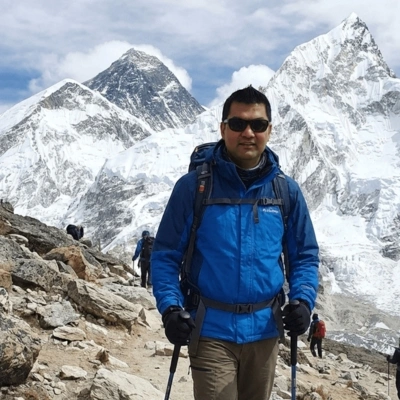
Kailash Mansarovar overland Yatra route 2027
People build up the Rasuwagadhi to Kerung crossing as the tense part of the trip: officials, paperwork, a foreign checkpoint. In practice, it's the most boring hour of the entire journey. Wait for your turn, present your documents, a stamp is placed, and you are good to go!
The fundamental difference is not about paperwork or form work done by the authority, which usually is, but about body endurance. Kerung lies close to 2700 meters, a height still quite comfortable, but beyond this the travel route rapidly becomes a steep climb uphill. Save your nerves for what comes after the gate, not the gate itself.
The Altitude Problem You Shouldn't Treat Like a Detail
A lot of the pre-trip tips you'll hear amount to nothing more than "take Diamox and it'll all be fine. But that's wrong, and wrong thinking will sure lead to wrong decisions.
Diamox just makes your body get used to altitude more quickly, and that can also ease some of the lighter symptoms. It does not fix a schedule that climbs too fast; it does not treat serious altitude illness once it starts, and starting it the night before a big altitude jump is often too late to matter. The medication supports a reasonable pace. It is not a substitute for one. If you're on a schedule that gains altitude fast regardless of medication, that's the actual problem, and no pill changes that math.
The real danger of "just take Diamox" is false confidence. Masked mild symptoms can mean you keep pushing on a pace your body needs to slow down for, right until symptoms stop being mild. Fluid in the lungs or brain doesn't announce itself politely, and by then you're nowhere near a hospital.
Long Road Days, Rough Terrain, and the Reality of Overland Travel
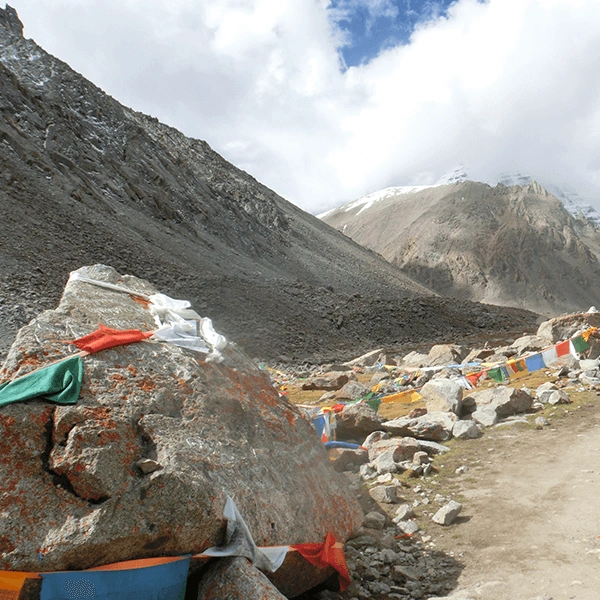
Kailash Mansarovar overland Yatra route 2027
A frequent criticism of this way of travel is the lack of comfort: rough roads, long hours, dusty conditions. Sure, that's a real concern, but it isn't the primary one. Actually, the problem is that travelers who are tired and thirsty misinterpret the symptoms of fatigue and heat to a point that is not very good for their health. A pounding headache after nine hours on a rough road could be fatigue, or it could be early altitude illness, and tired people tend to assume the harmless explanation.
Some operators shave a driving day off the schedule to cut costs, folding two travel days into one long push. That saves money and adds fatigue right when your body needs rest, not a longer day in a vehicle. It's a bad trade even when it looks like a good deal on paper.
Kerung to Saga: The First Serious Test of the Journey
Here's the part most guides get wrong. That's an enormous single-day altitude gain which even most standard mountaineering guidelines wouldn't consider advisable; besides, in reality it occurs shortly, before the body has time to really get. Dolma La is considered the toughest and most risky day of the entire journey, so everyone prepares for it. But that belief is simply wrong. The ascent from Kerung (2, 700m) to Saga (4, 500m) is quite impressive, as it only takes less than two days and you still have time at the top before you come back again to base. It is one big day's climb with over 1800m vertical! It's legs in for altitude adjustment.
This day gets treated casually because it's "just driving." You're sitting in a vehicle, not exerting yourself, so it doesn't feel dangerous. But altitude illness doesn't care whether you earned the elevation by walking or by road, and 1,800 meters in a day sits well past what most altitude guidelines consider a safe single-day gain once you're above 3,000 meters. If you're going to take any day on this route seriously, make it this one.
Guides who've worked this route long enough learn to watch this night specifically, not the pass day several days later. Watch for headaches, nausea, and other strange tiredness as the evening comes. If your condition has symptoms, tell them immediately and do not try to wait and see if it gets better or worse. Putting it off will allow the effects of altitude illness to persist each day, eventually even reaching the one at Dolma La, which is considered the real test by everyone.
Saga to Manasarovar: When the Landscape Turns Otherworldly
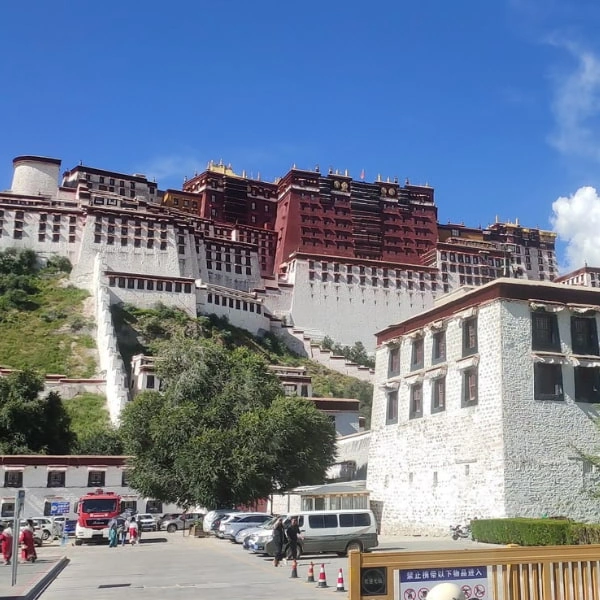
Kailash Mansarovar overland Yatra route 2027
Most blogs use this stretch to talk about scenery, and it earns that. But this is also the day after your biggest altitude jump, and it's easy to let good views distract from paying attention to how you feel.
Keep checking in with yourself and your group here, not out of paranoia, but because the effects of the previous day's altitude gain often show up with a delay, not immediately. A long, beautiful drive is still a long drive at over 4,500 meters.
Lake Manasarovar: More Than a Stop on the Itinerary
Most Kailash content describes the ritual bath at Manasarovar as something every pilgrim does. In practice, a full immersion in near-freezing water at 4,560 meters puts real strain on your heart, and that strain is not worth it for everyone.
If you have any cardiac history, or you're still feeling the effects of the altitude jump two days earlier, a symbolic touch to the water carries the same spiritual weight without the physical risk. No serious guide or priest will tell you the ritual only counts if you fully submerge. That expectation comes from travel blogs, not tradition.
Darchen: The Last Town Before Kailash Kora
Kailash Mansarovar overland Yatra route 2027
Some itineraries fill the Darchen rest day with extra sightseeing, monastery visits, or short excursions, framing it as bonus content. Skip that if you're offered it.
This is your last real rest before three demanding days on foot. Use it to sleep, check your gear, and do nothing that adds fatigue. The Kora doesn't care how interesting your rest day was. It cares whether you showed up to it rested.
Kailash Kora by Road: Preparing for the Hardest Three Days
Nearly every itinerary sells the Kora as a fixed three-day circuit, and for a fit traveler in their twenties or thirties, that's usually fine. It's not fine for everyone, and few operators say so, because a fourth day adds cost and complicates group logistics.
If you're over fifty, recovering from illness, or you struggled at all during the Kerung to Saga jump, ask about a four-day version that adds a rest night around Dirapuk. It costs more and takes longer. It also means far less pressure on the pass day, which is where a rushed itinerary actually causes problems
Dolma La Pass: The Day That Tests Your Preparation
Kailash Mansarovar overland Yatra route 2027
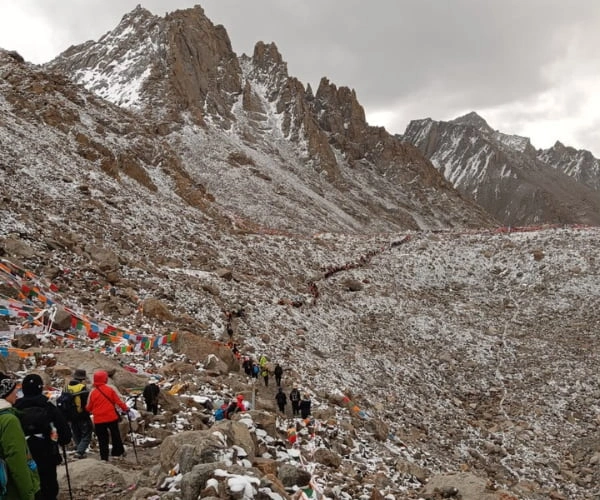
The common belief is that fitness gets you over Dolma La. Fitness helps, but the stronger predictor is how well you paced yourself two days earlier at Kerung to Saga. People who came into this pass already worn down from an undertreated altitude hit struggle here even if they're in excellent shape.
If you had any symptoms on the Kerung to Saga night, or you're simply not confident in your pace, book a pony in advance rather than deciding on the trail. Waiting to decide usually means deciding too late, once you're already struggling and porters may not be readily available at that exact point.
Food, Sleep, Warmth, and Oxygen: The Practical Side of the Yatra
Portable oxygen canisters get sold as a safety net, and they get misunderstood the same way Diamox does. A canister gives short-term relief from mild symptoms. It does not treat serious altitude illness, and using one to keep pushing forward instead of descending is exactly the wrong move if symptoms are getting worse, not better.
The rule that actually matters: mild symptoms that improve with rest and oxygen are manageable. Symptoms that keep getting worse despite oxygen mean you descend, immediately, not later. Nights are cold at every stop past the border, meals are simple and repetitive, and toilets get basic fast past Kerung. None of that is dangerous. Ignoring worsening symptoms is.
Permits and Border Procedures: What Travelers Should Plan For
Kailash Mansarovar overland Yatra route 2027
Travel to Tibet from Nepal is only possible after completing a series of requirements, which are a Chinese visa and a Tibet Travel Permit that must be issued via a licensed travel agency. The application for the Tibet Travel Permit generally takes several weeks. The usual advice stops there, as if the paperwork itself is the whole story.
It isn't. The Kerung crossing has closed before over infrastructure damage, not paperwork. A flood in mid 2025 shut it for months until a temporary bridge reopened it. Booking early matters less because of bureaucracy and more because operators tracking current border conditions can adjust your route before you're already committed to a schedule that assumes a border stays open.
Ask any operator what happens to your trip if the crossing shuts three weeks before departure. A vague answer means you're the one absorbing the loss if it happens. Holy Kailash Tours checks crossing status directly rather than assuming last season's rules still apply, and builds contingency into the planning rather than discovering a closed border the same way clients do.
What to Pack When the Road Takes You Above 5,000 Meters
Warm clothing: layering, thermal innerwear, a fleece jacket, waterproof or windproof outer clothes, etc., all needed to resist the severe winter cold.
Good quality shoes for Kora: waterproof trekking shoes with solid soles and grips (not slippery) to traverse mountainous and uneven rugged trails.
Warm wool clothing items: warm socks, gloves, cap, neck warmer, scarf, etc. The purpose of these is to block the cold winds while keeping oneself relatively comfortable.
Sun protective gear: eye protection through glasses with UV filter; sunscreen (high SPF, about 50); lip balm to keep your lips from peeling or burning on the top of the mountain where the sun rays are most intense.
Personal medical emergency kit: altitude sickness drugs; first aid equipment; painkiller tablets; your regular doctor-prescribed medications; electrolyte supplements, etc.
Fluids: your water bottle or hydration pack that is reusable; these are essential, as the environment at high altitudes is mostly dry so your body loses more fluids.
Nibbles to refuel: chocolates, nuts, dry fruits, energy bars, quick bites, to help you keep going during the long days of hiking.
Travel documents: you need your passport, the permits or visa needed for the trip, medical certificate, insurance documents, and other essential copies.
Backpack & Rain Cover: an ultra-light, quality, reliable backpack & good quality rain cover for your gear.
Sleeping gear: sleeping bag, travel pillow, and an extra blanket (lightweight) for unexpectedly warm sleeping at high altitude.
Personal hygiene stuff: wet wipes, tissues, hand sanitizer, toothbrush, toothpaste; eco-friendly toiletries only.
Headlamp & Battery Bank: for nights while sleeping; also handy for getting up early, i. e. Pack-up time. In addition, it allows you to charge your gadgets while camping.
Photo & Related Items: A camera, extra batteries, an SD memory card, camera bag so that you can capture beautiful views during your journey in the Himalayas!
Support to walk: Trekking poles to assist with balance and take some of the load when going steep upwards and downwards.
Small Daypack: Easy, to, carry pack for water, snacks, camera, medicines, and more for the trip.
Before You Book: Questions to Ask Your Kailash Yatra Operator
Kailash Mansarovar overland Yatra route 2027
Watch for two claims that sound reassuring and usually aren't true. "Ensures unobstructed and clear views of Kailash" promises something no operator can actually control because the atmospheric situation on the plateau changes very fast and often without warning. "A flight by helicopter can be used at any time for evacuation" is only a marketing statement, not an established feature. As a fact, at these altitudes, helicopters are grounded quite a bit due to weather conditions, sometimes for several days consecutively.
Ask instead what the operator actually does when weather grounds a helicopter, or when someone in the group develops serious symptoms on the pass day. A real answer involves ground evacuation plans, oxygen on hand, and staff trained to recognize when someone needs to turn back. If the answer is just "we have insurance," that's not a plan. That's a hope.
What is the standard overland route for the Kailash Mansarovar Yatra?
The standard overland route starts from Kathmandu, Nepal. Pilgrims then head out on a beautiful drive to the Kyirong (Kerung) border crossing to traverse into Tibet. From Kyirong to the Mount Kailash guidepost, the overland drive continues across the Tibetan plateau over Saga to Lake Mansarovar and Darchen (base camp for the Mount Kailash Parikrama).
How long does the Kailash Mansarovar Yatra overland tour take?
The typical 14-day overland KMY meditative journey commences from Kathmandu. It includes the two most important spotting points of your spiritual journey, acclimatization days in Kyirong and Saga, and a full-day Lake Mansarovar excursion. Also, includes a 3-day Mount Kailash Parikrama, or circumambulation through trekking.
What is the cost of the overland Kailash Yatra package?
The 14, day overland journey usually costs around US$ 2, 500, 2, 900 for an individual. The package usually includes fees for a Chinese visa and Tibet permit, vegetarian meals, road transport by bus or jeep, standard guesthouse accommodation, and oxygen support.
What are the passport and Visa requirements for Indian nationals traveling overland route?
Indian nationals need to hold a valid passport with a minimum validity of 6 months. As Mount Kailash is in Tibet (China), a normal Chinese visa will not do, and pilgrims need to apply for a special Tibet Travel Permit and Group Visa (Gostan Visa) from the Foreign Affairs Office (FAO) through a registered Nepalese tour agency.
What is the maximum altitude gained on the kailash overland trek?
While the trek is maintained at 4500 m while we drive along the Tibetan plateau, the highest point of the overland Yatra is located at the Dolma La Pass, reaching an altitude of 5612 m (18412 ft). This mountain pass is engaged in the second day of the Mount Kailash Parikrama.
Is the overland route safe from Mountain Sickness (AMS)?
The overland trek is classed as having a very high risk of Acute Mountain Sickness (AMS), due to the sheer ascent aboard travelers from Kathmandu to the Tibetan plateau. Hospitable agencies help reduce this risk by incorporating two mandatory rest days into the trek, besides providing emergency oxygen cylinders with a backup crew.
When is the best month to do the Kailash Mansarovar overland tour?
The best time frame to do the overland Yatra is May to September. During summer time, the weather is more or less stable, routes are clearer, and the temperature is comfortable during daytime, though the monsoon season (July to August) sometimes affects the visibility as well as the accessibility of the road
Is it possible to hire a pony or porter for the Mount Kailash Parikrama?
Yes, for pilgrims who find the trek of 52 kilometers particularly hard, it is possible to hire Tibetan Ponies and personal porters at Yam Dwar at the beginning of the trek. They have to be booked with your Yatra tour guide in Tibet, and prices in Yatra are set by the local Chinese authorities
What facilities are available when doing the overland route?
Accommodation varies from what you expect from a regular 3-star hotel in Kathmandu to very basic communal Tibetan guest houses and mud brick yaks on the highway and during the Parikrama itself, which mostly provide shared facilities and limited electricity.
How challenging is the overland trek compared to the air ride?
Achieving the destination through the overland path is physically much tougher, not only for physical stamina but also because it takes time. By car, it takes you around 14 days to arrive at the place, whereas by helicopter, it only takes you 9- 11 days. This is because along the way you spend many hours driving on high-altitude roads.
Besides this, the scenic beauty and breathtaking views of the landscape that you get by going along the overland route are unmatched for the sheer magnificence of the mountain environment, and you also have the added advantage of being more or less physically prepared for the high altitude by a slower ascent. These features make it one of the most favored options among enthusiasts by far.
Please contact Holy Kailash Tours to book the Kailash Mansarovar Yatra Overland 2027 to get a price quotation based on your travel period and the size of the Group.
Ready to plan your Kailash Mansarovar Yatra Overland trip? Holy Kailash Tours puts together small group and private departures from May through September. Get in touch with your preferred dates, and we'll build the details around them.