Why Choose the 14 Day Everest Base Camp Itinerary?
Fourteen days is enough time to let the classic route to Everest Base Camp spread itself out.
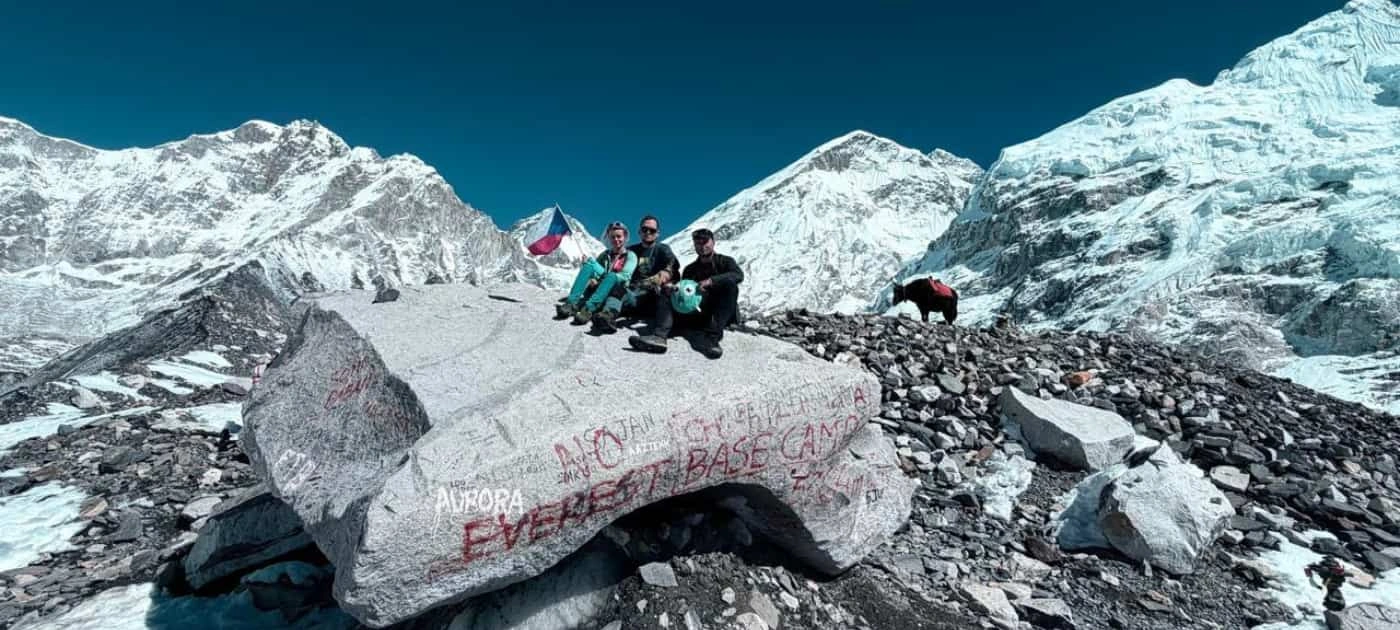
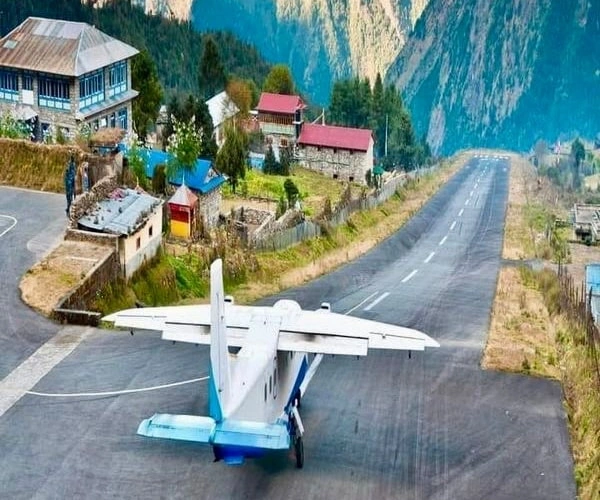
The traditional route commences with a flight to Lukla and then on to Phakding, Namche Bazaar, Tengboche, Dingboche, Lobuche, Gorak Shep and Everest Base Camp. The route back retraces its steps to Lukla.
It's not really the date 14 that's important. Where you're using those days.
One logical agenda would have been acclimatisation at Namche Bazaar and Dingboche. It is at 3,440 m and 4,410 m, respectively. It would have provided you time to adapt to the altitude after each halt before reaching Lobuche and Gorak Shep.
The fourteen-day format also allows you time to enjoy the trek instead of trying to race to the finish. You have the opportunity to stop in Sherpa villages and monasteries, take in the views from the mountains, and walk through the changing terrain from forest to alpine.
One reason we advise considering the EBC package itinerary rather than the advertised cost or shortest package length.
Detailed EBC Trek Distance, Duration, and Difficulty
The standard EBC trek is a round trip of about 130 km starting from Lukla. The distance from Lukla to Base Camp is near 65 km one way. The overall mileage for the one-way route varies a little when taking side trips and other route adjustments.
One standard walking day is around 8 to 15 km. But the distance alone does not explain everything. Walking 10 km around Namche is very different from walking 10 km over 4,500 m.
A practical 14-day route generally follows this pattern:
Day 1. Arrive in Kathmandu & prepare for trekking.
D2fly to Lukla and trek to Phakding.
Day 3. Phakding-Namche Bazaar.
Day 4: acclimatization in Namche Bazaar.
Day 5: Namche Bazaar. To. Tengboche.
6th day - journey from Tengboche to Dingboche.
Day 7: at Dingboche for acclimatization.
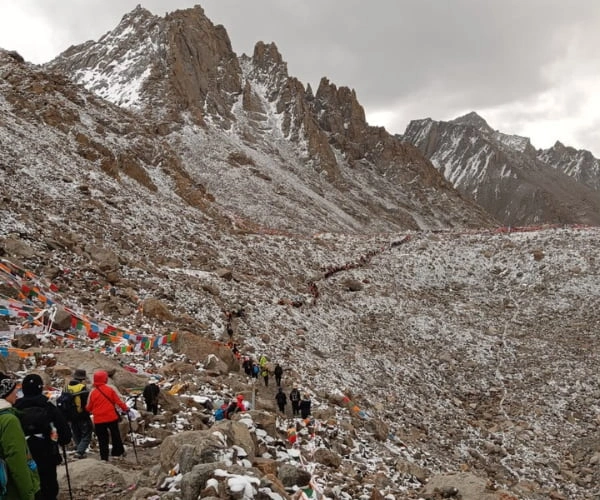
One more historic day. And surely the longest walk so far. Started relatively late it was somehow quite tough, with the first ice picking up on the top of the mountain.
Day 9: From Lobuche to Gorak Shep and Everest Base Camp.
10 th day, early morning, Kala Patthar and back to descend to Pheriche.
Day 11. Pheriche to Namche Bazaar.
Day 12. Namche to Lukla.
Kirk 13th (Lukla to Kathmandu)
Day 14. Substituted for departure from Nepal on the 15th.
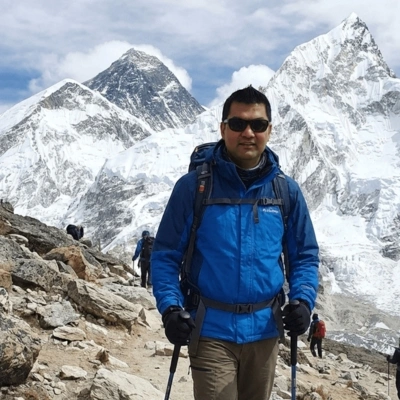
It is a fairly strenuous trek, but it is not technically difficult if you stick to the normal trekking route. The altitude is a different matter altogether. The requirement of Everest Base Camp is the highest point; it is Kala Patthar.
Interactive Elevation Profile & Acclimatization Map
And the elevation profile shows that a trek to Everest Base Camp can't be treated as an average walking holiday.
Starting from Lukla (2,860 m), you will go up to Namche Bazaar (3,440 m), then go toward Kyangs Phortse, Tairu, and Chukhung, onward to Fupa Pumori Lobuche on the way toward Gorak Shep.
Everest Base Camp is approximately 5,364 m. Towards the north, Kala Patthar is higher at 5,545 m.
The key trend is the transition from the slow upward creep into a gradual levelling out.
At Namche, people generally stop overnight following a slightly shorter climb to a higher viewpoint, then descend again after going to sleep. At Dingboche, trekkers can climb higher during the day, then descend to sleep.
That is to say that an elevation map must show more than dots and numbers. It should make clear how the altitude level increases
In other words, for Holy Kailash Tours itineraries, the relevant question is not, "How many km do we walk? " but rather, "How fast does the sleeping altitude increase? "
Sure can make a huge difference at altitude.
Required EBC Trek Permits & Fees (2026/2027 Updates)
The route to Everest Base Camp falls within Sagarmatha National Park and Khumbu Pasang Lhamu Rural Municipality.
As stated by the Nepal Tourism Board, the difference in the current entry charges to the national park for tourists are below: NPR 3,000 for foreign tourists, NPR 1,500 for SAARC nationals and NPR 100 for Nepali citizens.
The Khumbu Pasang Lhamu Rural Municipality trekking permit is USD 20 per person for the first week and USD 25 per person per week for subsequent weeks, according to the Nepal Tourism Board.
As local fees and trekking procedures can change, this guide for 2027 must be checked with the operator before departure rather than transcribed from an outdated blog post.
This is an important difference when comparing EBC packages. Any responsible package should make it clear what permits and government fees are included.
The Everest Base Camp trek is a trek, not a Mount Everest climb. There is no requirement to climb Mount Everest, only to walk to base camp.
Cost Breakdown: What's Included vs. Excluded
The Everest Base Camp trekking cost is almost always based on the size of the group for the trek, guide/porter arrangements, category of accommodation flights, meals, season and private or group basis.
Present 2026 market prices for guided 14-day EBC packages from Nepal typically range between USD 1,200 and USD 2,500; lower for budget options and higher for up-market luxury trips. Published 2026 and 2027 package prices are broad because operators add different inclusions.
A standard package commonly includes:
- Kathmandu airport transfers
- Kathmandu accommodation according to the package
- Domestic flights between Kathmandu or Ramechhap and Lukla
- Licensed trekking guide
- Porter service
- Teahouse accommodation during the trek
- Breakfast, lunch and dinner during trekking days
- Sagarmatha National Park entry
- Khumbu local area permit
- Trekking documentation and government charges covered by the operator
- Basic first aid support
Common exclusions include:
- International flights
- Nepal entry visa
- Travel insurance
- Personal trekking equipment
- Snacks and drinks outside included meals
- Hot showers and charging fees at some lodges
- Personal expenses
- Tips for guides and porters
- Emergency evacuation
- Extra accommodation caused by flight delays or itinerary changes
The cheapest quote won't always prove to be the cheapest trip. A low price can prove expensive when added to flights, food, permits, porter service and the occasional night here or there.
Altitude of Everest Base Camp trek
Everest Base Camp 5364 m (Geographic) 5344 m. The length of it is approximately 17,598 feet.
Kala Patthar: the well-known climb above Gorak Shep is about 5,545 m.
This difference is important because some trekkers are led to believe that Base Camp is the finish line. It isn't.
Altitude is also the reason why exercise by itself doesn't mean a trek is a breeze. A person could be highly fit and still suffer from altitude sickness. How a person acclimatizes depends on their body's reaction to a decrease in atmospheric pressure.
Base Camp has less than 50% of the air pressure that exists at the surface of the Earth. So the deficit of oxygen from the overall composition of the atmosphere is much greater at higher elevations.
Best season to Everest Base Camp trek
How can I make this better? If you would like to relax your shoulders, take a deep breath. But if you're hoping to highlight, reach, or expand, you're at the front of your eye.
The best seasons for trekking are spring and autumn.
Spring, May and March bring spring conditions, with the lower valleys beginning to grow warmer, and visibility in the mountains is excellent.
October & November Late September in October, and November is the other main windows. Most of the monsoon has usually passed by, trails can be drier, and mountain ranges are rewarding.
According to the Nepal Tourism Board, the main suitable periods for Sagarmatha National Park are October, November and March to May.
Winter can be done by experienced trekkers who have good equipment, as long as they are prepared for snow and colder weather. Monsoon is not an ideal time for the classic EBC route because of disruption to flight schedules through rain and cloud.
The preferred month may vary given personal preference. For mountain views, typically autumn and spring are the optimal months. For avoiding crowds on the trails, Off-peak times can provide an alternative, but not necessarily a similar experience.
Everest Base Camp trek packages Cost
For 2026 and 2027, published 14-day EBC package prices from Nepal-based operators are extremely diverse.
Budget and multi-group packages are about $1,200 to $1,500.
The typical value of a fixed guided package is from USD 1,400 to USD 2,000.
Upgraded and/or private packages are above USD 2,000.
Costly luxury trips and plans via helicopter services could run you a few thousand dollars more. At present, published package samples indicate the moderate 14-day flights are from approximately USD 1,355 and USD 1,690, and the premium flights are each much higher.
Compare the actual inclusions of an Everest Base Camp trek package before booking. Inquire if the package cost includes Lukla flights, permits, guide and porter, accommodations and food, nights at a Kathmandu hotel, and airport transfers.
And for Holy Kailash Tours, that is the honest fact we'd like a customer to know earlier than paying a deposit. Take a look before you are available at what the package deal truly delivers, not the quantity that is written beside it.
Comprehensive Everest Base Camp Packing List
Clothing
- Thermal base layers
- Fleece or warm mid-layer
- Down jacket
- Waterproof and windproof outer jacket
- Trekking trousers
- Thermal trousers
- Warm hat
- Sun hat
- Gloves
- Warm socks
- Sunglasses with strong UV protection
Footwear
- Broken-in trekking boots with good grip
- Lightweight camp shoes
- Warm trekking socks
- Gaiters if travelling during snowy conditions
Gear
- Trekking backpack
- Duffel bag if using porter support
- Sleeping bag suitable for cold mountain nights
- Trekking poles
- Headlamp with spare batteries
- Water bottles or hydration system
- Water purification tablets or filtration system
- Reusable water bottle
- Small daypack
- Power bank
- Universal travel adapter
Health and altitude essentials
- Personal medicines
- Basic first aid supplies
- Sunscreen
- Lip balm with sun protection
- Moisturizer
- Blister treatment
- Electrolyte powder
- Hand sanitiser
- Any prescribed medication
Documents and personal items
- Passport
- Nepal visa documents
- Travel insurance documents
- Emergency contact details
- Copies of important documents
- Cash in Nepalese rupees
- Phone and charging cable
Too much is the most common packing error. A porter can transport your big bag, but you'll carry your daypack. Take whatever you'll require during the walking day close to you. Weightliness at high level readily as can.
Frequently Asked Questions (FAQ)
How difficult is it to trek to Everest Base Camp?
Walking to Everest Base Camp (5,364 m) is physically challenging because of altitude, rather long walking days and the rough terrain of the mountains. The standard route does not involve technical climbing, but calls for appropriate training and a reasonable amount of acclimatisation.
2Can a beginner hike to Everest Base Camp?
Yes. Provided you are appropriately conditioned, take your time, acclimatize slowly and are well organized; then any first-time high-altitude trekker can complete the EBC route. While it is useful to be a seasoned Himalayan trekker, technical mountaineering skills are not necessary.
How long is the hike to base camp in Everest?
The traditional Lukla route is around 65 km one way to EBC, and around 130 km round trip. The average planned trekking duration was around 1214 days for the classic itineraries, with the full Kathmandu Kathmandu itinerary set to 14 days.
How much does a 12-day trek to Everest Base Camp cost?
A guided 12-day EBC trek generally falls within the 20002500 USD 2026 market range depending on group size, no of nights at hotels, whether guides/porters are hired and how arrangements are made for transport, flights and inclusions. cheaper/ more expensive according to how fast the logistics were/or how many nights at hotels or domestic flights.
What is the oxygen level at Everest Base Camp?
The oxygen available to the Base Campers is approximately half what is available at sea level because of the thinner atmosphere. This is a factor in the difficulty of the journey because of the altitude, rather than the distance.
How much does it cost for a Nepali to climb Mount Everest?
The spring climbing 'royalty' for a Nepali climber on the 'normal' Everest route is presently NPR 150,000 per head; the autumn 'royalty' is NPR 75,000 and in winter and summer (since September 2025), NPR 37,500. This is only the government 'royalty' and not the complete charges for an Everest expedition.
Is Camp 4 in the Death Zone?
Yes. Camp 4 on the south col is approximately 8,000 m, so it is at the altitude where climbers generally refer to as the Death Zone. Once you are above 8,000 m, you can no longer stay on the mountain permanently.
Is Everest harder than K2?
They are different kinds of difficulty. Everest is higher, but has a well-established route that is heavily fixed with ropes, and a huge number of commercial climbers on the mountain. K2 offers more extreme, technically challenging climbing and much greater objective dangers. The elevation figures do not tell the whole story.
How much do Sherpas get paid per climb?
There isn't just one Everest-wide Sherpa salary. Pay depends on the employee's role, their climbing experience, who they work for, what work they're doing, tips, bonuses, and insurance. As of Nepal's new mountaineering legislation, climbing royalty and daily wages are officially: sirdar (group leader): NPR 1 500 high-altitude guide: NPR 1 200 Base Camp worker: NPR 1,000. But total pay can be far higher due to tipping, bonuses and other fees.
Can I climb Everest without paying?
Not as an independent summit climber, no. You need a government license and must pay the climbing royalty. An actual expedition calls for equipment, guides insurance, oxygen, all that logistics, and a bunch of other stuff. Nepal's licensing rules also state there's to be one guide for every two climbers in attempting a peak higher than 8,000m including Everest.
What is the earliest body left on Everest?
There is no reliably confirmed answer to what human remains are for certain the earliest on Everest. Several bodies have been left on the mountain for over thirty years, and some have been removed. Green Boots became one of the best-known signs of life on the north side of Everest. The body was believed to be that of Indian climber Tsewang Paljor, who died in 1996; his identification is yet uncertain. Later, the remains were removed from their famous site.
How much does Nepal earn from Everest?
The quota of Everest climbing permits is reviewed on a season-to-season basis and varies according to the current number of permits issued as well as the royal application. In the spring 2006 season, Nepal collected over NPR 1 billion in Everest climbing royalties alone. As of early May, 464 climbers from 47 teams had obtained Everest permits, according to reports based on Department of Tourism statistics. This number refers to government climbing royalty and not the overall economic value of Everest tourism, which also encompasses guides, porters, accommodation, transport, food and other related expenses.
Do planes fly over Everest?
While commercial operators are able to operate in the larger Himalayan airspace, routine commercial flights do not simply fly straight across the summit of Everest seemingly at the same altitude as a typical sightseeing route. Aircraft routes are determined by altitude, weather, airspace regulations, obstacle clearance, possible emergency diversion routes and performance of the aircraft. Nepal has also been in touch with the world aviation authorities about the routes over the Himalaya.
Can a first-time climber get to the top of Mount Everest?
First-time climbers who have no experience of high-altitude mountaineering should avoid attempting Everest as a first-time climb. Going to Everest Base Camp and climbing Everest are two totally different activities. One must possess high-level technical mountaineering skills, the ability to acclimatise well at extreme altitude, good logistics management skills, as well as good fitness levels and the ability to operate effectively at extreme altitude to have a successful summit attempt on Everest. An entire climbing expedition usually takes several weeks versus the 14 days needed for a Base Camp trek.
What sort of animals can be found on Mount Everest?
The Everest region is inhabited by Himalayan animals like Himalayan tahr, goral, musk deer, pika, weasel, jackal, Himalayan black bear, snow leopard, lynx, wolf and Himalayan griffon, the sacred bird of Tibet. In Sagarmatha National Park, one can find snow cock, blood pheasant, chough, Himalayan monal and Himalayan griffon. The higher-altitude biota is tough.
Please contact Holy Kailash Tours to book the Everest Base Camp Trek to get a price quotation based on your travel period and the size of the Group.
Ready to plan your Everest Base Camp trip? Holy Kailash Tours puts together small group and private departures from March to May and September to November. Get in touch with your preferred dates, and we'll build the details around them.