The 2026 Trail Update: What's New on the Route to Annapurna
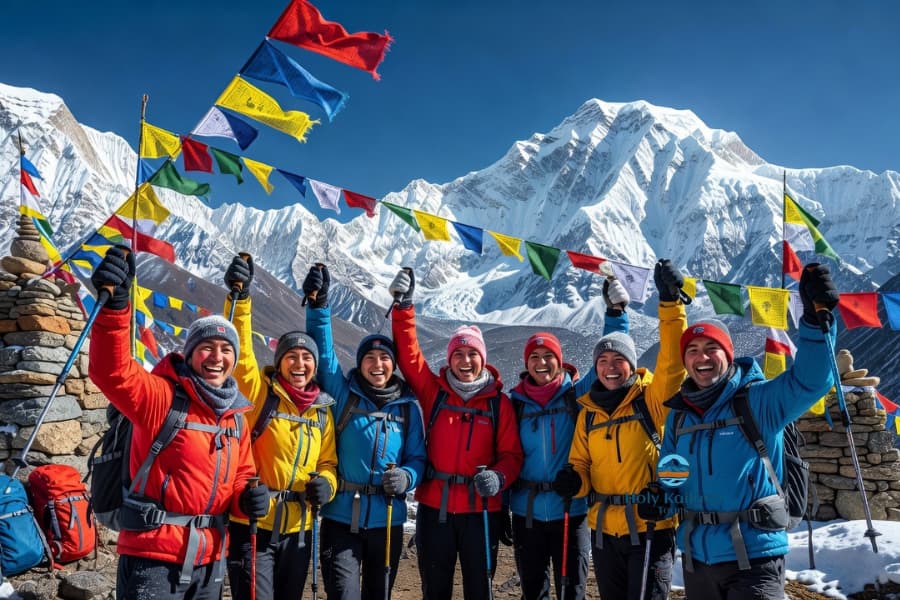
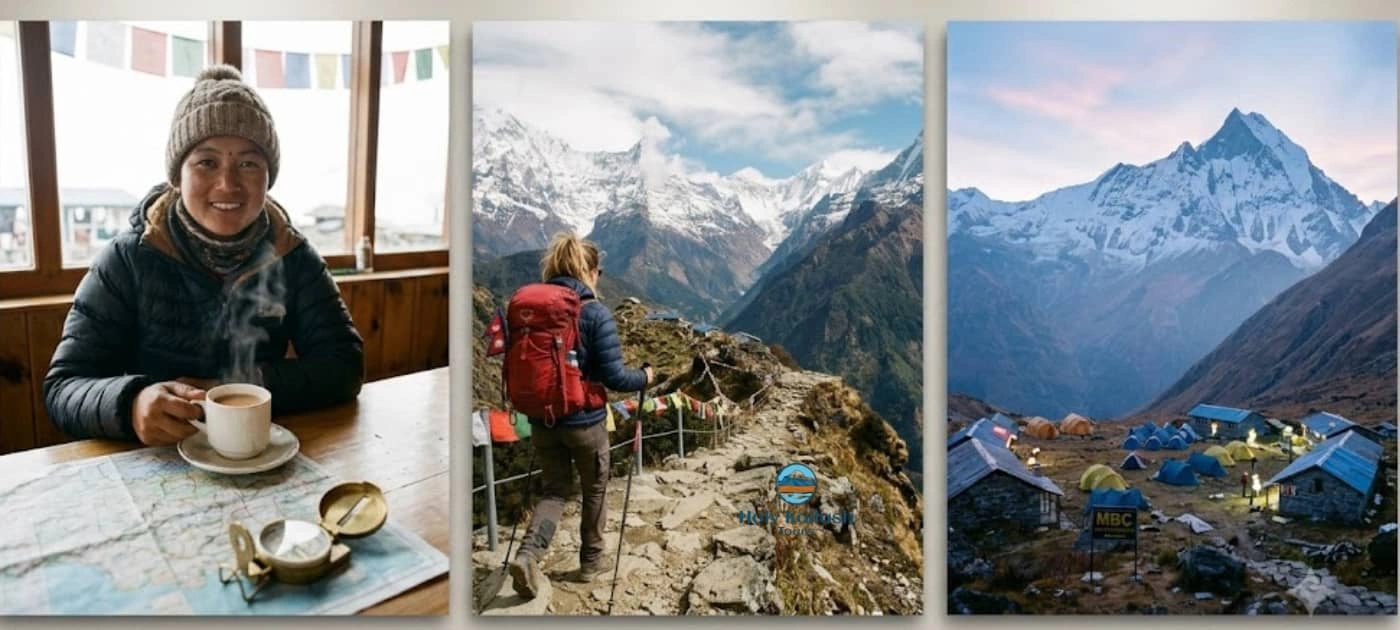
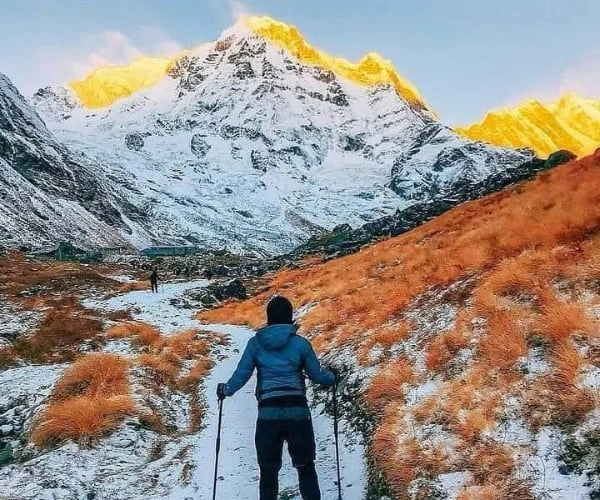
The path to the Annapurna Sanctuary in 2026 has been slightly altered to align with nature while providing better facilities. Even though the route continues to follow the same old trails, there are a few significant improvements. For example, trekkers will now find better trail markers, and waste management systems have been upgraded by the local authorities.
Transport is being continuously improved, with a recent focus on making it easier for tourists to reach the Nayapul or Siwai starting points more quickly. Make sure you check with local sources for the most up-to-date information, as trail conditions in the mountains keep changing, and small changes to the route are sometimes made due to monsoon season or new developments.
Beyond the Horizon: Why the Annapurna Base Camp Trek Still Rules the Himalayas?
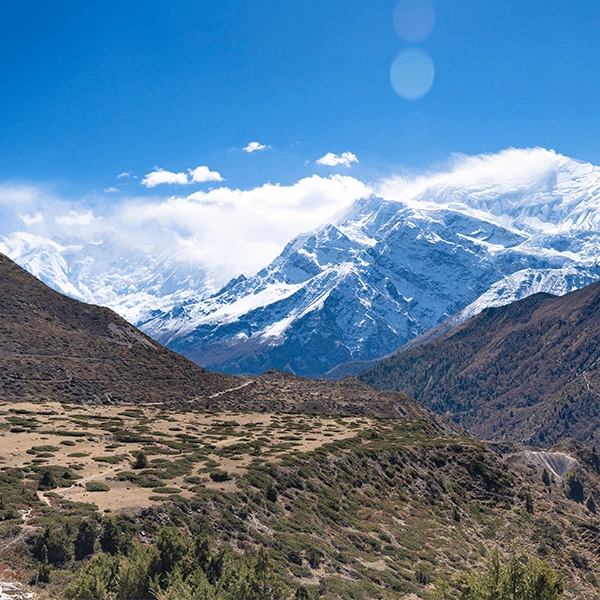
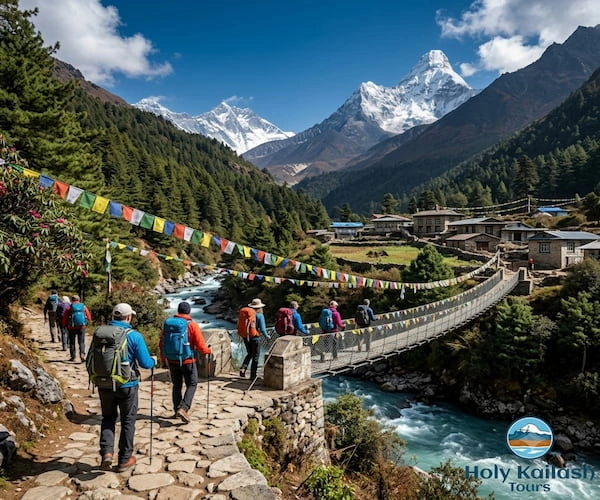
The reason the Annapurna Base Camp trekking route keeps global explorers' attention is its stunning range of experiences. Annapurna Himalayan trek stands out for its dramatic and rapid changes in scenic beauty, from the green subtropical terraces to the Sanctuary's glacial amphitheater, which you see only gradually.
The scenery is not the only thing that makes this trip so memorable; the culture and people do, too. When you take this trail, you will be living the legacy of the Gurung and Magar people and enjoying their hospitality at its most genuine.
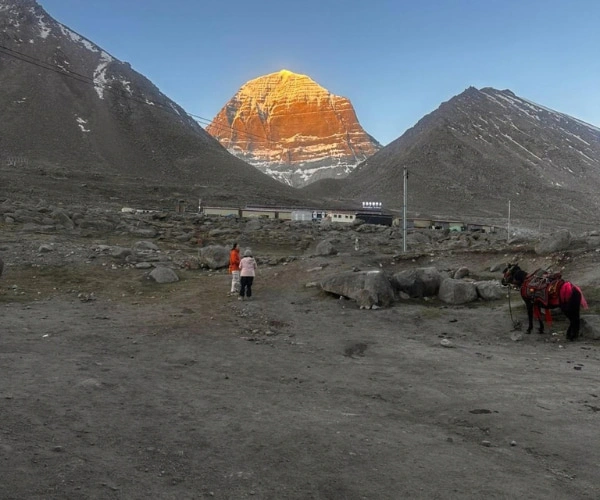
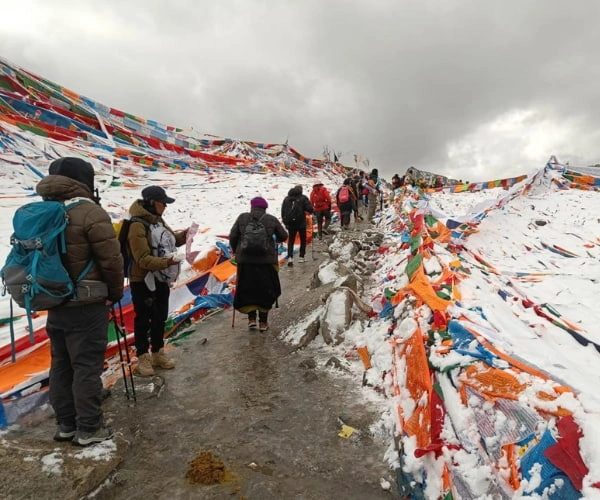
It is very rare to come across warm-hearted, friendly local people like these in this fast-moving world. In case you are contemplating taking a trip similar to this one, where you do Holy Kailash tours, then the ABC trek is the one that offers you an even more accessible and deeply enjoyable Himalayan experience, where you get to know not just the beauty of the mountains but also the beauty of the locals and their culture.
ABC at a Glance: Altitude, Distance, and the Realistic Timeline for 2026
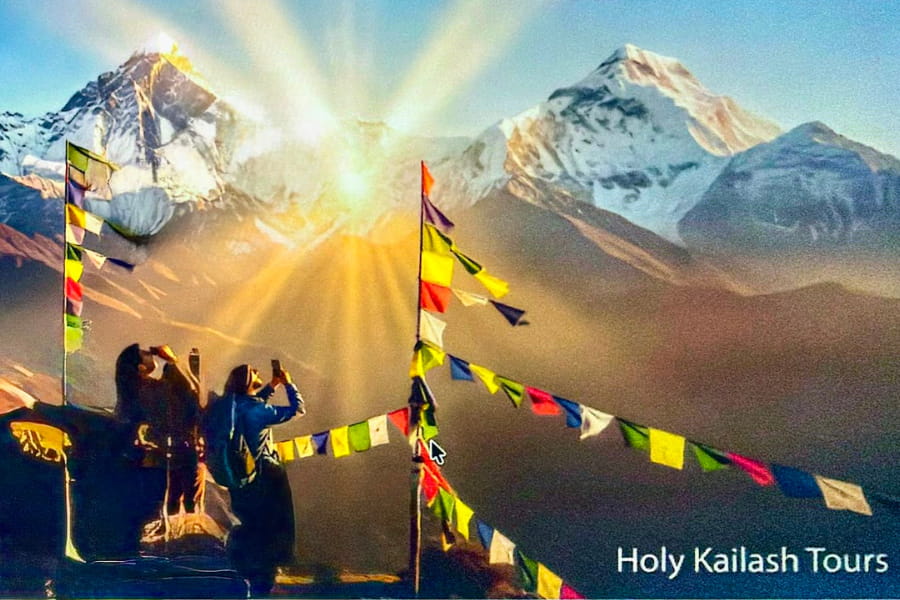
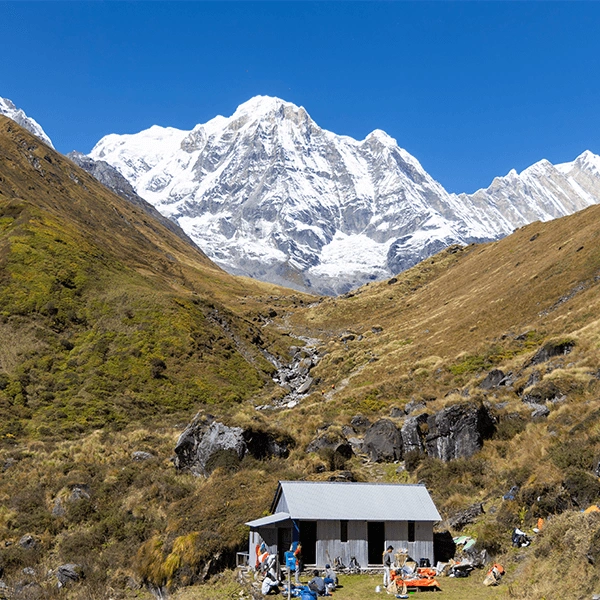
The Annapurna Base Camp trek is a very challenging long-distance route, and as such, make sure to have a clear idea of what it entails before you begin. Typically, the total length of the trekking route is somewhere between 110 and 115 kilometers if you do not decide to take short excursions here and there. Your highest point along the trekking route will be 4,130 meters, which is the altitude of the base camp itself.
The most common mistake among trekkers is trying to rush to the highest point. A realistic, safe itinerary for 2026 that most people can handle would be about 10-12 days of trekking. This allows for adding one or two days to acclimatize to the higher altitude.
The itineraries that allow sufficient time for acclimatization and proper rest will give you the best chances of having a successful, enjoyable trek without experiencing any altitude-related problems.
Moderate or Challenging? Breaking Down the Difficulty of the ABC Trek
The difficulty level of the Annapurna Base Camp trek has been a common topic of discussion, though, in my opinion, the best description is moderate to challenging. It does not call for the skills of a mountaineer by profession. Still, having good cardiovascular fitness and being able to walk 5 to 7 hours a day over irregular terrain will be necessary for you.
What makes the trek a challenge is not the climbing techniques but the number of stairs and the influence of the altitude, which really matter. If you are physically prepared for these long, steady days of walking and have strengthened your legs and endurance, the trek will not be a problem.
Besides physical preparation, mental preparation is very important, since the surroundings can be quite tough, but the joy of arriving at the base camp is achievable only by those who dare to train regularly.
Seasonal Shifts: Choosing Between Rhododendron Blooms and Crystal-Clear Autumn Skies
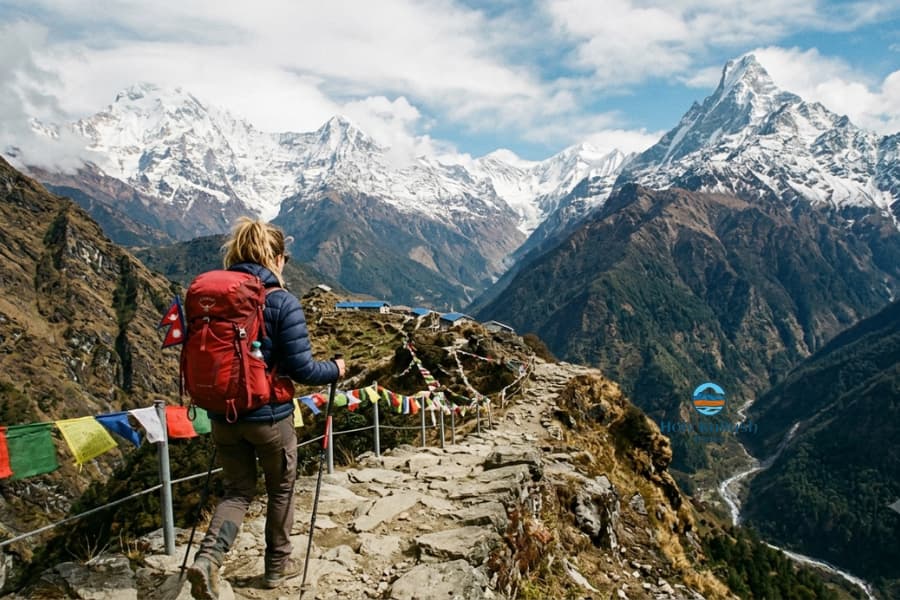
It is very important to pick the time for your Annapurna Base Camp trek if you want to see the landscape at its most beautiful. Springtime, from March through May, makes the lower parts of the path look like a bright red blooming rhododendron and a green forest corridor. It is a time of awakening, and the weather is getting warmer.
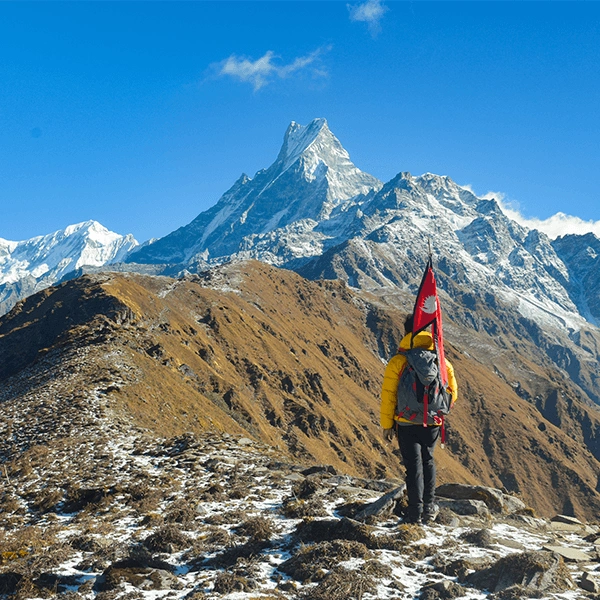
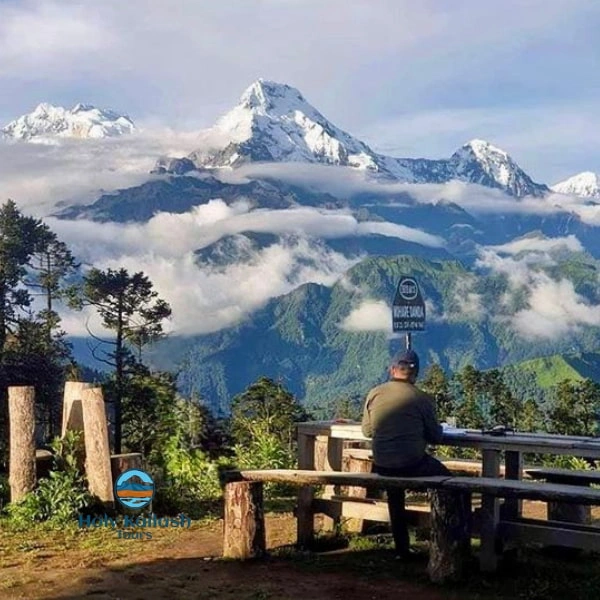
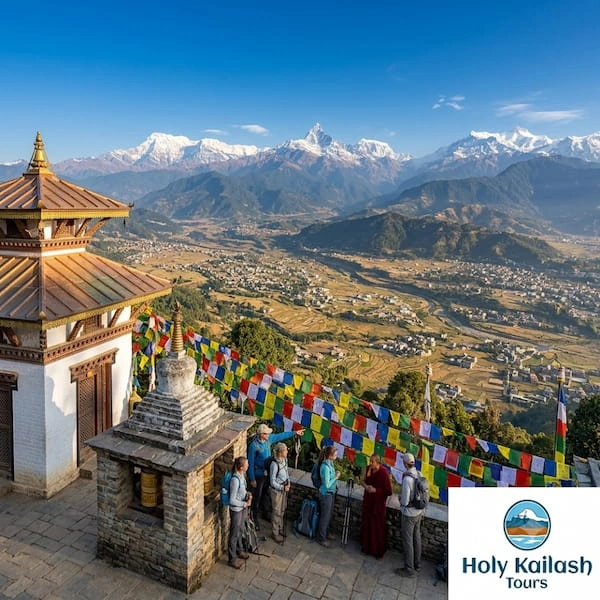
Then again, the autumn months, October and November, are the time when the weather is so stable that it is almost guaranteed, and you will have the chance to see the crystal-clear skies which give the most famous and unobstructed views of Annapurna South, Machhapuchhre, and Hiunchuli.
Both seasons are attractive in their own way, but your choice should be based on whether you prefer spring flowers or the sharp, dramatic post-monsoon autumn landscapes.
The "Chhomrong Stairs" Survival Guide: How to Tackle the Infamous Ascents
Talking about the Annapurna Base Camp trek, it is impossible not to mention the notorious Chhomrong stairs. These stone-paved stairs going up and down can drive even the fittest and most determined hikers crazy. To survive these, the main thing to remember is pacing. Don't be tempted to race through them.
Take advantage of your trekking poles to share the load, especially on steep descents, to protect your knees. Consider each flight of stairs as a new challenge rather than thinking of the whole climb in one go.
Keeping a slow, steady pace will help you conserve energy for the high altitudes, where every breath is more precious, ensuring you reach the higher tea houses with legs that are still strong.
Permits Simplified: Navigating the ACAP and TIMS Requirements in 2026
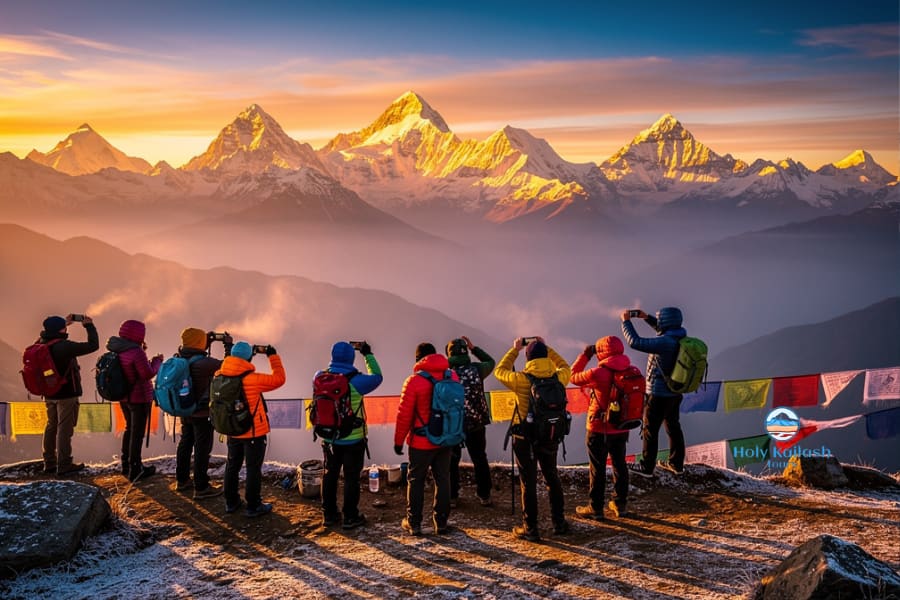
The rules for the Annapurna Base Camp trek in 2026 will be simple and easy to follow, but you must comply with them, as they are compulsory. You will be required to carry two main papers: the Annapurna Conservation Area Project (ACAP) permit and the Trekkers' Information Management System (TIMS) card.
Purchasing these permits is also a way to contribute to conservation projects and can even help ensure your own safety. If you want to, you can get them in Kathmandu or Pokhara through registered trekking agencies or even directly from the Nepal Tourism Board office.
Making sure these are done in time is necessary not only to prevent any inconvenience from the beginning of your trip but also to be more relaxed and focused on the trail itself, without worrying about logistical issues.
From Tropical to Arctic: The Surprisingly Diverse Wildlife of the Sanctuary
Among the greatest highlights of the Annapurna Base Camp trek is that you pass through very different climatic zones quickly. First, you step into the damp, tropical valleys where bamboo forests and farms abound.
Further up, the trees become fewer and are replaced by oak and rhododendron species. Eventually, you come to the stark, primitive, and very high-altitude environment of the Sanctuary, which resembles the Arctic.
This kind of large biodiversity entails that you will witness the supply of plants and animals of a wide variety, from exotic bird species to the Himalayan tahr, if you happen to be lucky enough. It is almost like visiting several countries in one week when looking at the different ecological levels.
Teahouse Culture: Giving You an Idea of Accommodation and Local Hospitality
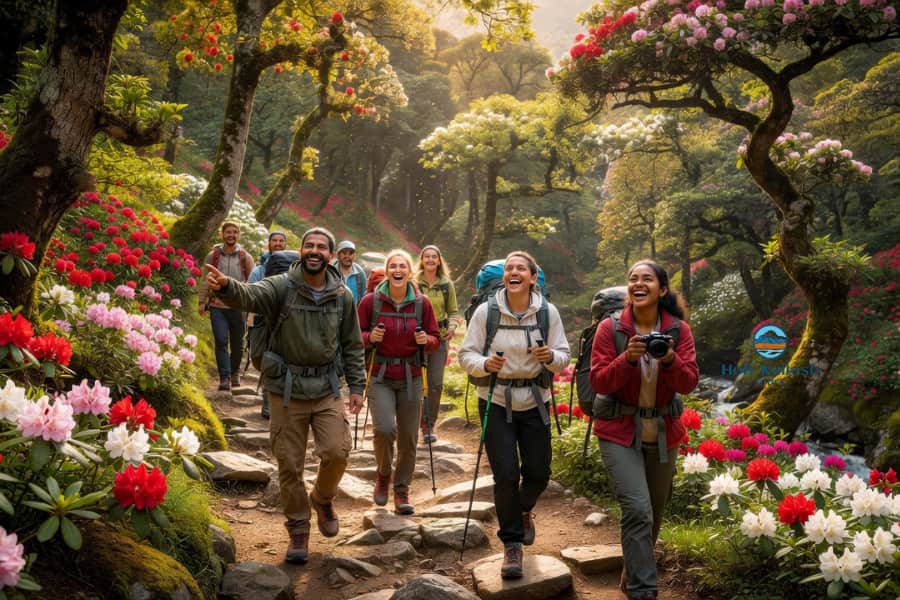
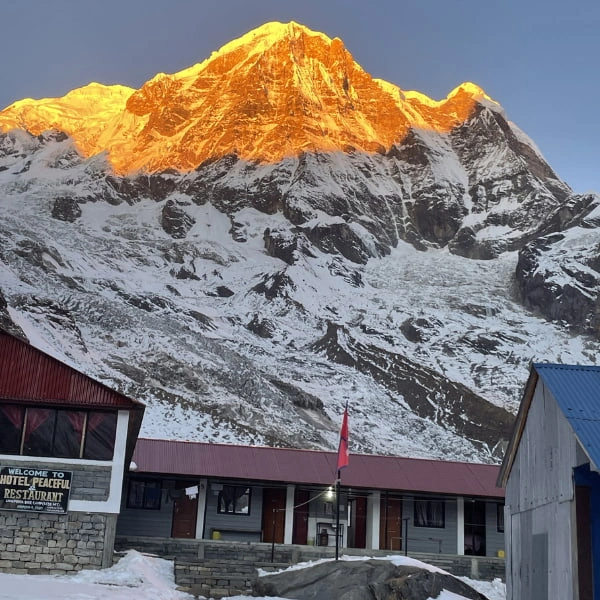
Teahouses are the pulse of the Annapurna Base Camp trek. These small, family-run lodges offer exactly what the high-altitude trekker needs, viz. shelter, warmth, and food.
Facilities vary widely, from very basic to quite cozy. Allowing yourself to embrace the sparseness of these lodgings becomes a part of the journey; it helps you form a stronger connection with the environment and the locals who have made the mountains their home.
The Culinary Trail: Garlic Soup and Dal Bhat Are Your Best Friends at Altitude
Nutrition is a key part of your Annapurna Base Camp trek, and the local food is just what the trekkers need. Dal Bhata, a mix of rice, lentil soup, and vegetable curry, is the main meal and for good reason. It has a lot of calories, gives you energy for a long time, and you can usually get unlimited refills.
Garlic soup, another local favorite, is highly recommended by many locals and guides as it is thought to help the body fight the negative effects of altitude. Another reason to dine locally is that it is a culture-enriching experience and the most efficient way to maintain energy levels and keep your stomach full during your trek to the base camp.
Safety & Success: Proven Acclimatization Strategies for the 4,130m Ascent
Safety ranks first among considerations on any trek, Annapurna Base Camp included. At 4,130 meters, altitude sickness is a very real risk.
Ample water intake is crucial; your main objective should be to hydrate with three to four liters of water each day. Should you start experiencing symptoms like a relentless headache, nausea, or dizziness, do not overlook them. In fact, the best remedy is to get down to a lower altitude.
By prioritizing your health and heeding your body, you'll be able to safely and successfully make the journey to base camp.
The Hidden Gems: Why You Should Add Poon Hill or Mardi Himal to Your Travel Plan
If you have the luxury of time for an extra couple of days, you might even go ahead and include a couple of days' side trips, like Poon Hill or Mardi Himal, in your Annapurna Base Camp trek schedule.
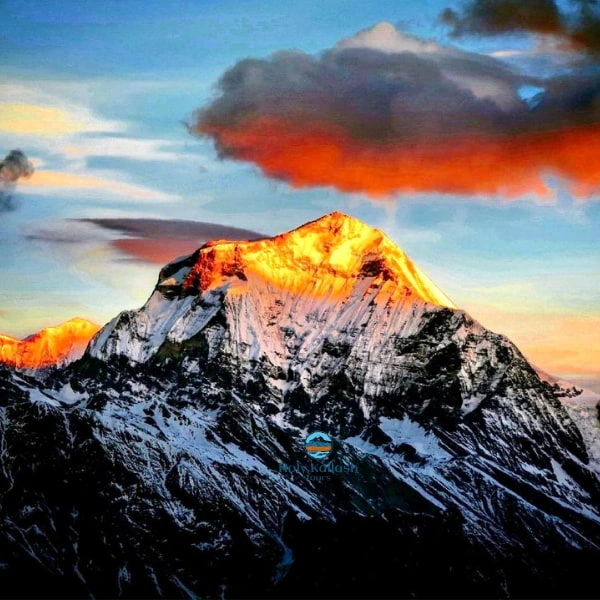
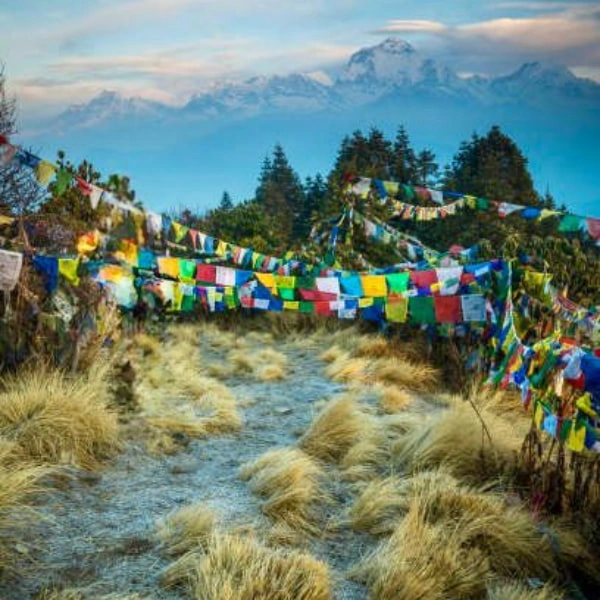
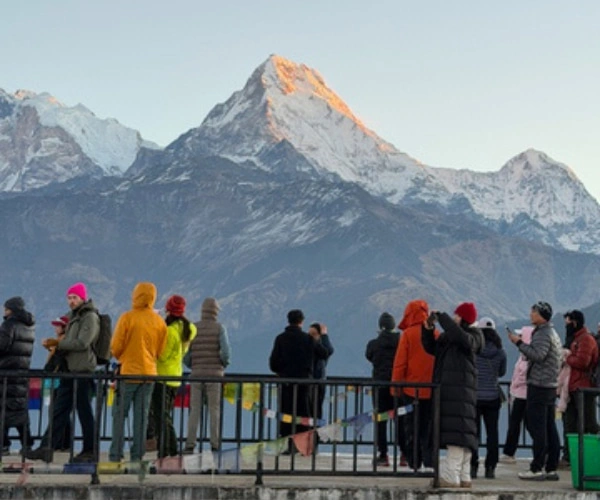
The view from Poon Hill Trek at sunrise is so stunning that it is often used as a poster. Here, you get a top view of the snow-clad Annapurna and Dhaulagiri mountains.
On the contrary, Mardi Himal's natural setting is so pristine and has fewer visitors, which makes you feel like you are in a wilderness. Also, the peaks are so close that you can almost touch them.
Just imagine, you want to make these as part of your vacation, not only for the breathtaking views but also for the extra time of being at higher altitudes, that is, the acclimatization, which will very much help in your ultimate summit of the base camp.
Packing for the Sanctuary: A 2026 Gear List Tailored Just for You (And What to Skip)
As they say, pack light, travel far. As we look ahead to 2026, just focus on the right layering system. The first layer that directly touches your skin should be excellent at wicking away moisture. Get a nice cozy down jacket for those chilly nights. Then, on top, a windproof and waterproof jacket is a must-have.
Do you really need so many clothes? No! There are so many advantages in having a light main bag and a small daypack for your daily walk. Solid trekking boots that have been broken in, good socks that do not cause blisters, poles that help you balance, and protection from the sun - these are essentials.
Forget all the heavy non-essentials back at the hotel in Pokhara; a lighter pack really is one of the best ways to build up your stamina on the trail.
Sustainable Trekking: Ways to Empower Local Gurung and Magar Communities
In the broadest sense, sustainable trekking is not only about reducing your impact but also about uplifting the local Gurung and Magar communities.
For 2026, it entails being mindful of your waste, in particular plastic. Don't forget your reusable water bottle and use purification tablets or a filter instead of buying single-use bottles. When you buy goods or services, try to support local businesses whenever possible.
Besides, honoring local customs and traditions and obtaining permission before photographing people or religious sites would go a long way. If you behave responsibly as a visitor, you can be sure that the Annapurna area will remain as attractive and culturally appealing to local people, and that its trails will remain as inviting to future trekkers as they are today.
The Hot Spring Reward: Relaxing in Jhinu Danda After Your Trek Down
When we talk about being physically tired after the tough journey to the base camp and the long downhill walk, the first thing that comes to mind is being wrapped in the warm water of the hot springs in Jhinu Danda.
These are right by the river, so it is a fantastic place to soak in the comfort of warm water while also enjoying a moment of personal accomplishment. Here, the heat of the water, together with the fresh air from the mountain and the sound of the river, make for a wonderfully healing experience.
This is really the final touch to a trek, a way to descend in comfort, your senses filled with beautiful memories. It speaks to those moments of final restoration that one experiences in the Himalayas.
ABC vs. EBC: What Kind of Himalayan Trek Fits Your Fitness Level Best?
Looking at two of the most popular trekking options in Nepal, ABC and EBC, it is best to focus on which aspect holds more value for your Himalayan adventure and make a decision. As a result.
Generally, the Annapurna Base Camp trek is known for its diverse landscapes, a wide range of flora and fauna, and a deeper cultural experience.
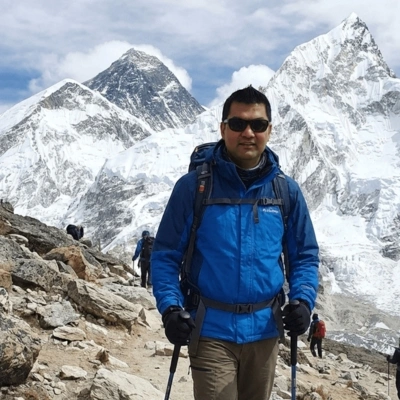
Everest Base Camp trek, then again, is an extremely well-known landmark mainly due to the sheer expanse of the sky over the highest peaks on Earth, the higher altitudes associated with EBC, and the trek's logistics, which present distinct challenges.
Both are excellent options, but your selection must be based on your physical condition and your preferences. If you prefer a one-time physical challenge or if you want to be completely immersed in the mountain ecosystem, both trails can offer that to you.
Essential Gear Checklist ABC Trek
Footwear & Lower Body
- Trekking Boots: You need robust, well-worn-in, waterproof boots with effective ankle support for all terrains you may encounter.
- Trekking Socks: Have 3 to 4 pairs of moisture-wicking wool or synthetic socks on hand to prevent blisters.
- Trekking Trousers: 2 pairs of comfortable, quick-dry hiking pants.
- Base Layer Bottoms: Thermal leggings for colder nights at higher altitudes.
Upper Body Layers
- Base Layers: 23 moisture-wicking synthetic or merino wool t-shirts.
- Mid-Layer: A fleece jacket or lightweight wool sweater for layering during colder mornings.
- Insulated Jacket: A high-quality down or synthetic-filled jacket is essential for the evenings at higher altitudes.
- Outer Shell: A windproof and waterproof jacket to protect against unpredictable mountain weather.
Accessories & Personal Items
- Trekking Poles: It is highly advisable to get a solid pair of poles as they protect your knees, mainly during the downhill part of the trek.
- Sun Protection: You must have high-factor sunscreen, SPF-rated lip balm, and wear polarized sunglasses, as UV rays at the altitude are very strong.
- Headlamp: You can count on your headlamp as your light source and carry extra batteries for early starts and nighttime reading.
- Personal First Aid Kit: Remember to take blister plasters and personal medications, and check with your doctor to find out what you may need to include for altitude.
Logistics & Comfort
- Sleeping Bag: For additional comfort, please carry a sleeping bag that withstands at least -10C as you will be spending the nights in teahouses.
- Water Purification: Carry a portable water filter or at least purification tablets to ensure safe water along the trekking route.
- Daypack: Have a nice 30- to 40-liter pack on you to comfortably accommodate your daily essentials.
Final Thought
The Annapurna Base Camp trek is not just a destination but a living testament to the wild, unspoiled beauty of the Himalayas.
Getting the right equipment, doing the mountain environment a kindness, and welcoming the local tea house culture are ways to turn a tough trek into a meaningful life experience.
You will be able to enjoy your walk through a colorful rhododendron forest in spring or stand in the crystal-clear silence of the Sanctuary in autumn, remembering your experience on this trail, which will be a part of you for life after your final step down at Jhinu Danda.
The time is now: 2026. Invite your body and mind to their greatest challenge, immerse your senses and heart in the Gurung and Magar cultures, and experience the mountains that will be your mentors and change you for the better forever.
Frequently Asked Questions (FAQ)
1. Is it necessary to hire a guide for the Annapurna Base Camp trek in 2026?
You could go it alone, but having a local guide who knows the area is always a good idea for safety, cultural understanding, and organizing things.
2. When is the ideal time of year to be at the Annapurna Sanctuary?
If you are looking for good weather and clear views, then the spring (March to May) and autumn (October to November) seasons are the best.
3. Can a person who has never done a long trek before do Annapurna Base Camp?
Yes, in fact, the trek is beginner-friendly if you are reasonably fit, ready for daily hiking, and have physically prepared by training.
4. To what extent should I do the physical training?
You would mainly work on your lungs and leg muscles by doing activities such as hiking, climbing stairs, and cycling for about two to three months before the trip.
5. Can I withdraw money from an ATM while trekking?
ATMs are found only in towns. You are expected to bring enough cash in Nepalese currency from Pokhara or Kathmandu.
6. What is the variety of meals at the teahouses?
Meals are centered on Dal Bhat, a plate of rice and lentils with two or three vegetable side dishes. Other options such as pasta noodles, porridge, and eggs are also available.
7. Will I be able to recharge electronic gadgets while trekking?
Generally, teahouses offer charging points for electronic devices, but sometimes owners may charge a fee. It is always a good idea to take a power bank along just in case.
8. Should altitude sickness be a major worry for me?
Altitude sickness is most often experienced at 4,130m. Drinking enough, taking it easy, and obeying the signals your body sends you are essential measures.
9. What is the normal luggage allowance for the trek?
If you wish to hire a porter, he can carry your bags, which weigh
around 10-12kg. It is best to ensure your total luggage weight is manageable for a porter.
10. Are hot showers available anywhere on the route?
Hot showers are available at many of the teahouses. They use solar or gas heaters, but sometimes you might have to pay a bit extra for the service, mainly if you are in the higher regions.
11. Is travel insurance necessary?
It is a must to have travel insurance, which, in particular, covers trekking up to 4,500m as well as emergency helicopter evacuation.
12. What is the primary language in the area?
The official language is Nepali, but English is widely spoken, especially in trekking regions. It is a good idea to learn a few Nepali words, as locals will appreciate it.
13. Are the paths really crowded?
The main route has the most people, mostly during the peak season, but even then, it does not feel like being in a crowd. One trick to avoid both rush and crowd is to start your day early.
14. What should be done if an emergency occurs?
First of all, guides are experts in administering first aid, and second, they have a communication system and an evacuation plan in place, including helicopter rescue.
15. Is it possible to mix the ABC trek with other tour packages?
Yes! Most visitors combine the trek with a tour to Kathmandu, Pokhara, or the holy Kailash tour before or after the trek to make a complete Nepal and Tibet holiday.
Email: [email protected]
WhatsApp: +977-9851254672 — Feel free to reach out anytime for fast, friendly, and personalized assistance