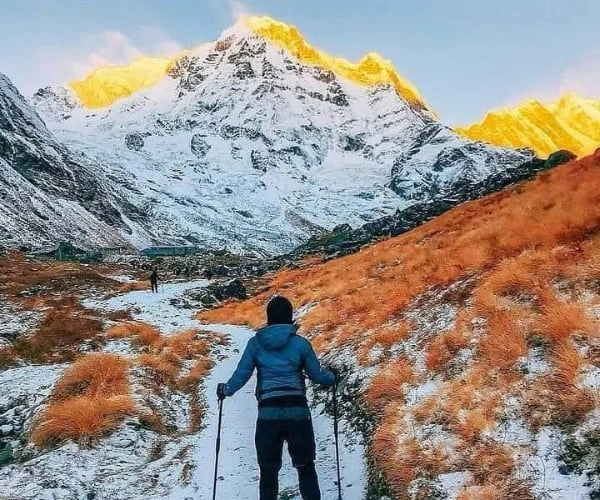
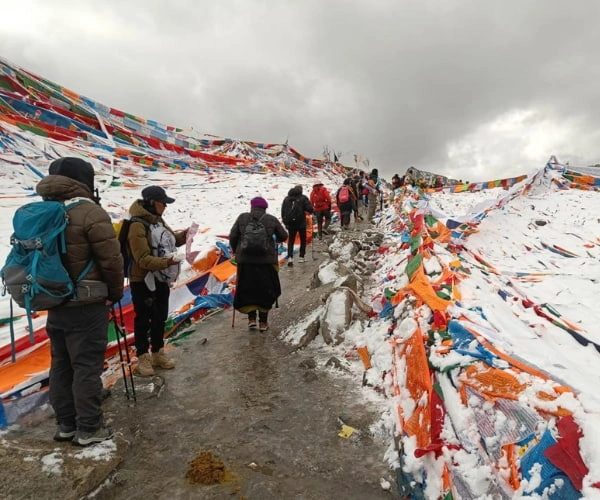
Why Choose the Mardi Himal Trek?
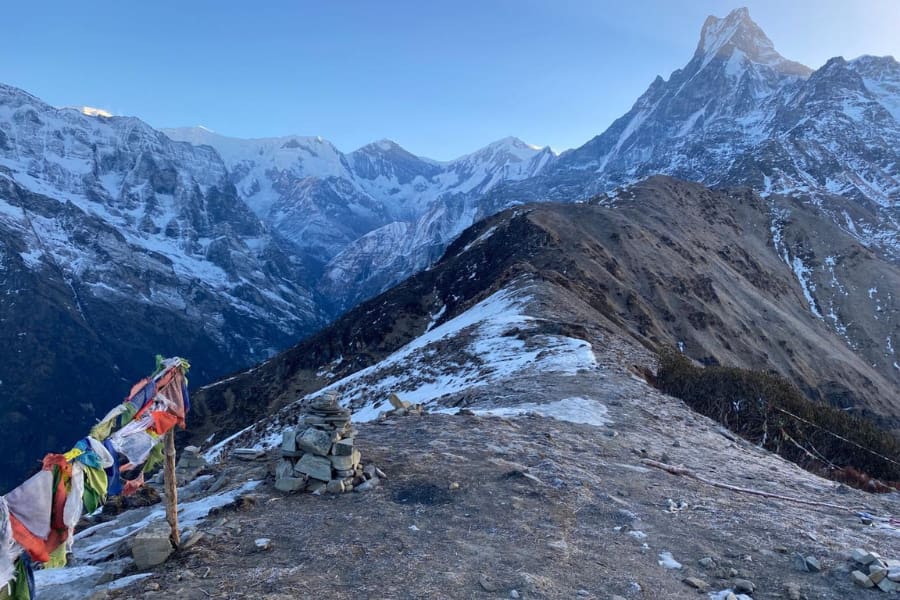
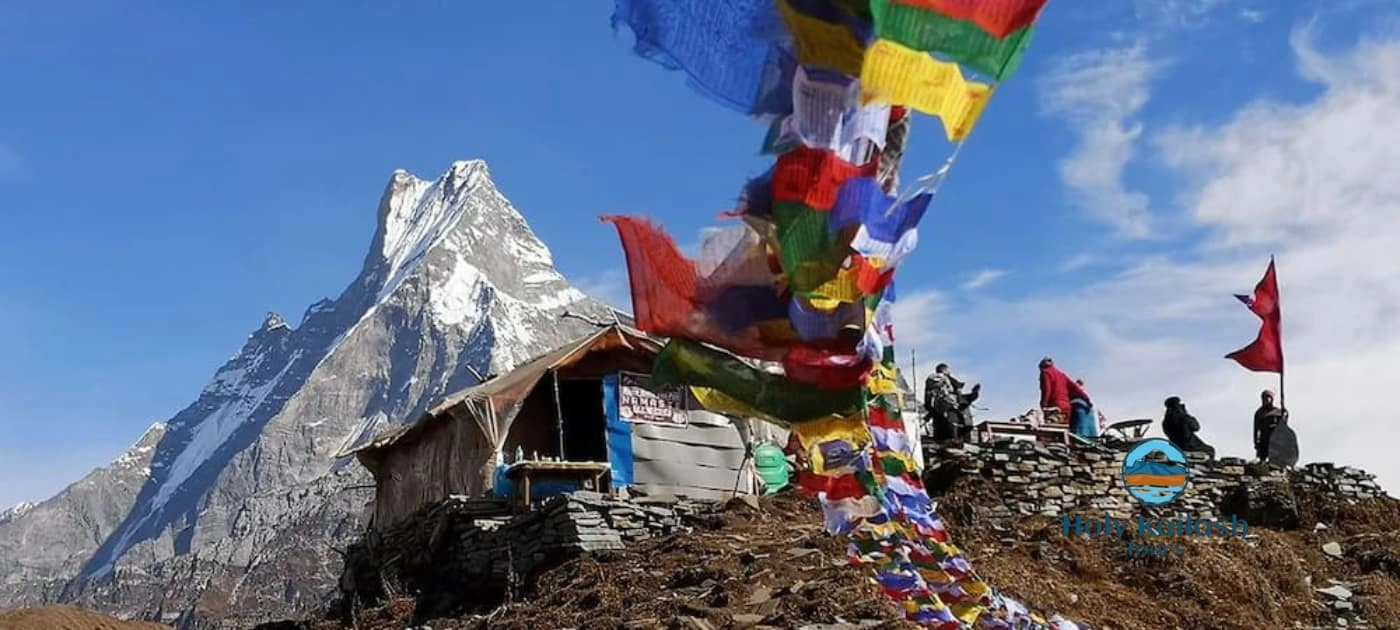
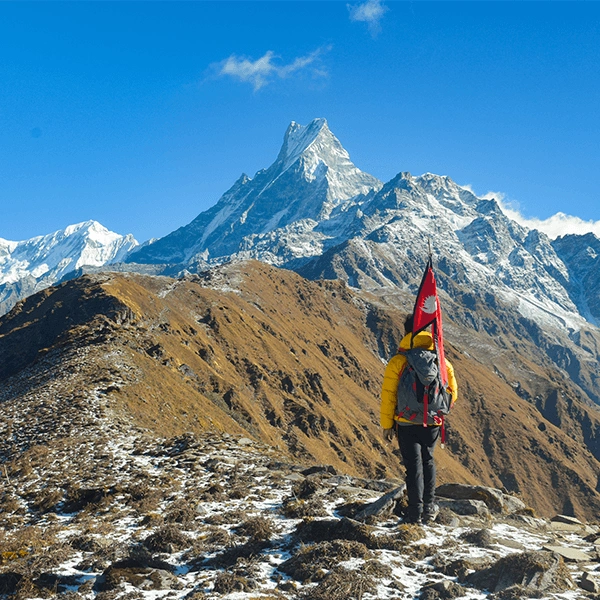
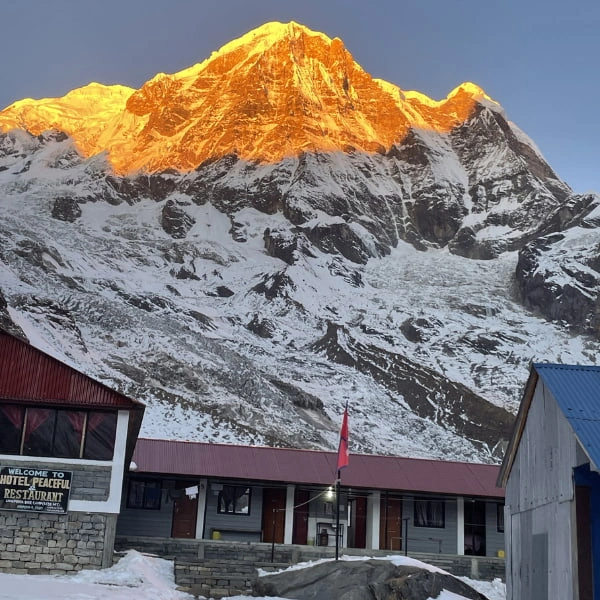
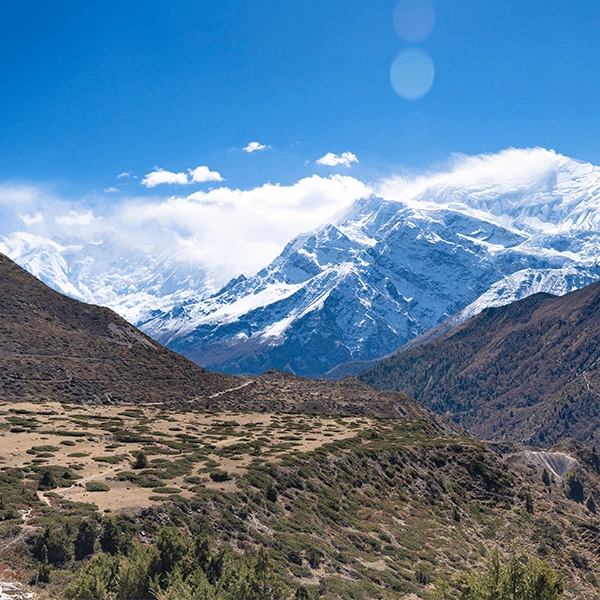
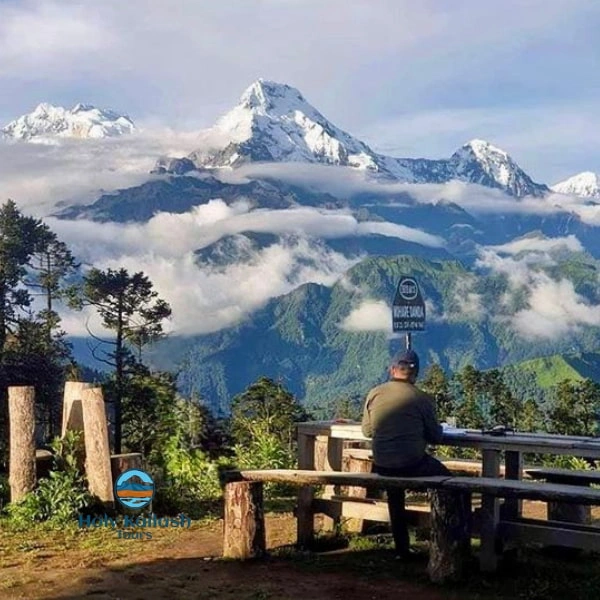
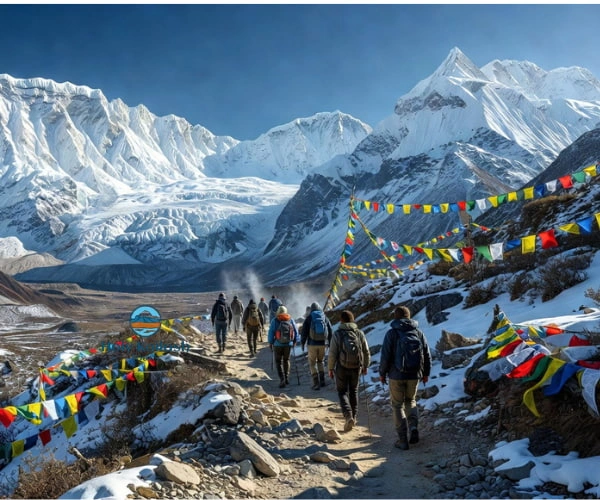
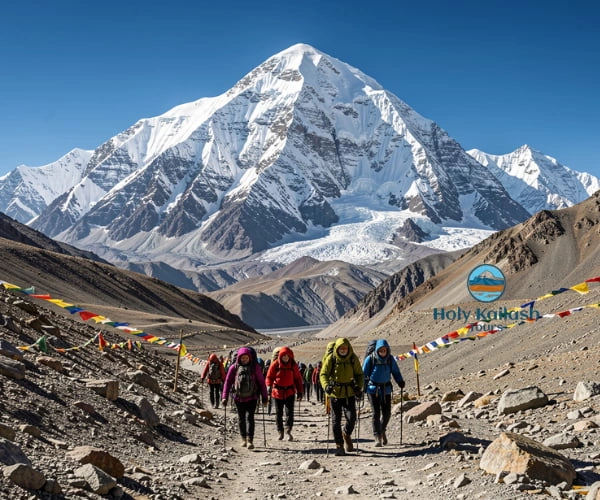
If you have between 4 and 10 days in Nepal and want close-up Himalayan views without the crowds of ABC or the long flights of Everest, Mardi Himal is the trek to pick. The trail starts an hour's drive from Pokhara, climbs through rhododendron and oak forest, then opens onto a narrow alpine ridge with Machhapuchhre (Fishtail) close enough that it stops feeling like a postcard and starts feeling real.
A few things make it stand out:
- Short and accessible. A full round trip is possible in as few as 4 days from Pokhara.
- Big views, small crowds. It runs parallel to the Annapurna Sanctuary trail but sees far fewer trekkers.
- No technical climbing. Teahouses the whole way, no ropes or crampons needed.
- Beginner-friendly with a real payoff. Good fitness is enough. You don't need prior high-altitude experience.
Our guides at Holy Kailash Tours often use this trek as a short warm-up for clients who are later heading to Kailash Mansarovar or Everest Base Camp, since it builds altitude tolerance quickly without requiring weeks away from home. The pattern we see most: trekkers who do the Mardi Himal trek first arrive at their bigger trek already comfortable with the rhythm of teahouse life and slow, paced climbing.
Mardi Himal Trek Overview at a Glance
| Detail |
Information |
| Duration |
4 to 10 days (Pokhara to Pokhara, or Kathmandu to Kathmandu) |
| Difficulty |
Easy to moderate |
| Max Altitude |
Mardi Himal Base Camp/Viewpoint, 4,500 m (14,763 ft) |
| Highest Overnight Stop |
High Camp, around 3,550 to 3,600 m |
| Starting Point |
Kande (1,770 m), about 40 minutes from Pokhara |
| Trek Type |
Teahouse trek, no camping gear required |
| Best Season |
March to May (spring), late September to early December (autumn) |
| Region |
Annapurna Conservation Area, west-central Nepal |
| Permits Required |
Annapurna Conservation Area Permit (ACAP) |
Detailed Day-by-Day Itinerary
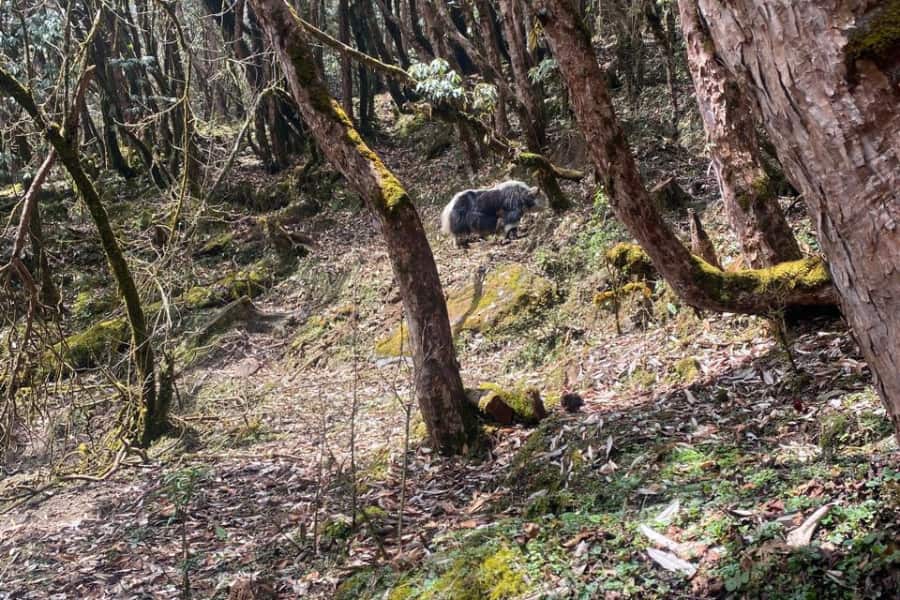
Every version below starts and ends with a drive from Pokhara unless noted. Longer options add a Kathmandu-to-Pokhara leg, a rest day, or a slower pace through the high-altitude section. Pacing is the one thing our guides watch most closely, since the last 1,000 meters up to Base Camp is when most trekkers either feel great or start to struggle.
4-Day Mardi Himal Trek Itinerary
Overview:
The Mardi Himal trek is at its leanest. It works for fit trekkers who already have some altitude experience and want to move fast without skipping the summit push. Expect 6 to 7-hour walking days, and know that this version leaves the least margin if weather or fatigue slows you down.
- Day 1: Drive from Pokhara to Kande (1,770 m), trek through Australian Camp and Pitam Deurali to Forest Camp (2,600 m).
- Day 2: Forest Camp to High Camp (3,550 m), climbing through rhododendron forest into open ridgeline.
- Day 3: Pre-dawn start to Mardi Himal Viewpoint or Base Camp (4,500 m), then descend the same day to Low Camp (3,050 m).
- Day 4: Descend through forest and terraced farmland to Siding village, then drive back to Pokhara.
Field note: Our guides only place fit, previously acclimatized clients on this 4-day plan. If this is your first trek above 3,000 meters, go with the 5 or 6-day version instead.
5-Day Mardi Himal Trek Itinerary
Overview:
The 5-day version is the most booked Mardi Himal package we run, and for good reason. It adds one extra night of acclimatization compared to the 4-day plan, which reduces the risk of altitude sickness without adding much travel time.
- Day 1: Pokhara to Kande, trek to Forest Camp (2,600 m).
- Day 2: Forest Camp to Low Camp (3,050 m).
- Day 3: Low Camp to High Camp (3,550 m).
- Day 4: Early hike to Mardi Himal Viewpoint/Base Camp (4,500 m), descend to Low Camp or Siding.
- Day 5: Descend to Pokhara by jeep or on foot, depending on overnight stop.
6-Day Mardi Himal Trek Itinerary
Overview:
Adding a sixth day to the Mardi Himal Trek usually means one of two things: a built-in acclimatization hike at Badal Danda before High Camp, or a more relaxed split of the final descent. This length gives your body more time at altitude, which translates into better sleep and fewer headaches on summit morning.
- Day 1: Pokhara to Kande, trek to Pothana or Forest Camp.
- Day 2: Forest Camp to Low Camp.
- Day 3: Low Camp to High Camp, with a short acclimatization walk up to Badal Danda (3,800 m) in the afternoon.
- Day 4: Pre-dawn climb to Mardi Himal Base Camp (4,500 m), return to High Camp.
- Day 5: Descend to Low Camp, then on to Siding village.
- Day 6: Drive from Siding back to Pokhara.
7-Day Mardi Himal Trek Itinerary
Overview:
Seven days is a comfortable middle ground. It builds in a genuine rest or buffer day, useful in winter when snow can slow the upper section, or if you simply want to enjoy the ridge without rushing past it.
- Day 1: Arrive Pokhara, trek briefing, free time at Phewa Lake.
- Day 2: Pokhara to Kande, trek to Pothana, on to Forest Camp.
- Day 3: Forest Camp to Low Camp.
- Day 4: Low Camp to High Camp.
- Day 5: High Camp to Mardi Himal Base Camp and back to High Camp, or down to Low Camp.
- Day 6: Descend to Siding via Forest Camp.
- Day 7: Drive from Siding to Pokhara, trip ends.
8-Day Mardi Himal Trek Itinerary
Overview:
This length usually starts in Kathmandu rather than Pokhara, which fits travelers flying into Nepal's capital. You get a scenic drive or short flight to Pokhara built in, plus the same-paced trekking days as the 7-day version.
- Day 1: Arrive in Kathmandu.
- Day 2: Drive or fly to Pokhara.
- Day 3: Pokhara to Kande, trek to Forest Camp.
- Day 4: Forest Camp to Low Camp.
- Day 5: Low Camp to High Camp.
- Day 6: High Camp to Mardi Himal Base Camp, descend to Low Camp.
- Day 7: Descend to Siding, drive to Pokhara.
- Day 8: Drive or fly back to Kathmandu, trip ends.
9-Day Mardi Himal Trek Itinerary
Overview:
Nine days gives you a true buffer day for weather, plus a slower high-altitude push split over two days instead of one. We point clients with a history of altitude trouble, or anyone over 55, toward this version more than any other.
- Day 1: Arrive in Kathmandu.
- Day 2: Drive or fly to Pokhara.
- Day 3: Pokhara to Kande, trek to Pothana/Forest Camp.
- Day 4: Forest Camp to Low Camp.
- Day 5: Low Camp to High Camp, acclimatization hike to Badal Danda.
- Day 6: High Camp to Mardi Himal Base Camp, return to High Camp.
- Day 7: Descend to Low Camp and on to Siding.
- Day 8: Drive to Pokhara, free evening.
- Day 9: Drive or fly to Kathmandu, trip ends.
10-Day Mardi Himal Trek Itinerary
Overview:
The 10-day plan is designed for travelers who want to combine Kathmandu sightseeing with the trek itself, or who simply prefer a slow, low-stress pace at altitude. It's the version we recommend most for first-time trekkers in Nepal who are also curious about Kathmandu's temples and old city before or after the mountains.
- Day 1: Arrive in Kathmandu.
- Day 2: Kathmandu valley sightseeing (Swayambhunath, Pashupatinath, Boudhanath).
- Day 3: Drive or fly to Pokhara.
- Day 4: Pokhara to Kande, trek to Forest Camp.
- Day 5: Forest Camp to Low Camp.
- Day 6: Low Camp to High Camp.
- Day 7: Acclimatization day at High Camp with a hike to Badal Danda (3,800 m).
- Day 8: Pre-dawn climb to Mardi Himal Base Camp (4,500 m), descend to Low Camp.
- Day 9: Descend to Siding, drive to Pokhara.
- Day 10: Drive or fly to Kathmandu, trip ends.
Best Time to Visit Mardi Himal Trek: Spring vs. Autumn
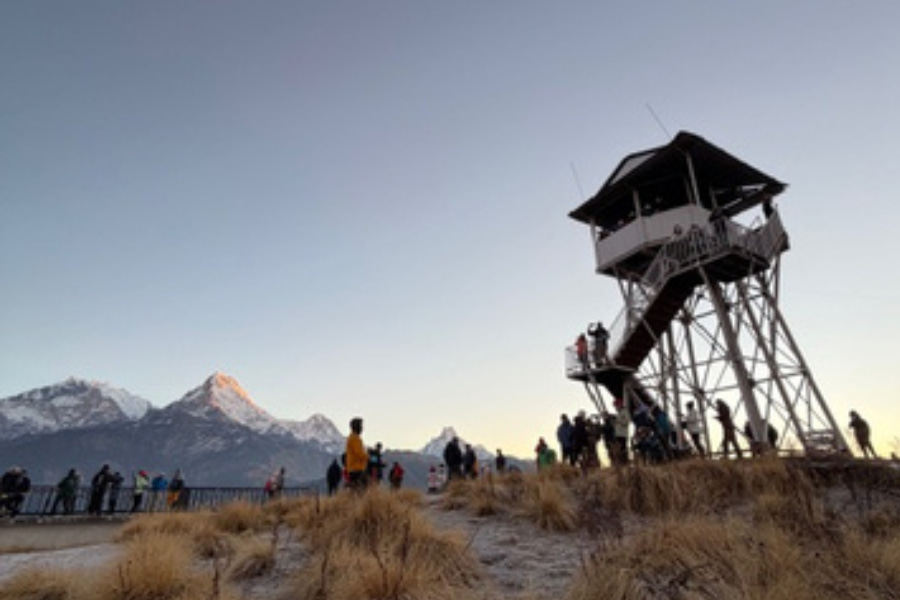
Both main seasons work well on this trail, and the choice usually comes down to what you want to see more than anything else.
- Spring (March to May): Rhododendron forests bloom in red and pink along the lower trail. Daytime temperatures at lower elevations sit around 11 to 20°C, cooler higher up. Mountain views are clearest in the early morning before afternoon haze builds.
- Autumn (late September to early December): This is the most stable weather window in Nepal. Skies are clear most days, temperatures run 8 to 15°C, and visibility from High Camp and the viewpoint is usually excellent. Our guides rate this the safer pick if mountain photos are the priority.
- Winter (December to February): Cold but doable. High Camp can drop to around -10°C at night. You'll see almost no other trekkers, and snow on the upper ridge adds a real high-mountain feel.
- Monsoon (June to August): Not recommended. Leeches, slippery trails, and clouds that block the views you came for.
Physical Preparation and Altitude Safety Mardi Himal Trek: How to Prepare for 4,500m
Mardi Himal tops out at 4,500 meters, which is high enough that altitude sickness can be a real concern, even though the trek is rated easy to moderate overall. With sensible pacing, most healthy adults handle it fine, and this is the section our guides spend the most time on during pre-trek briefings.
- Build cardio fitness for 4 to 6 weeks before you go. Hiking, running, swimming, or cycling all help. You'll be walking 5 to 7 hours a day on an uphill and downhill trail.
- Practice carrying a loaded daypack. Aim for 8 to 10 kg so your shoulders and knees aren't shocked on day one.
- Sleep low, climb high where possible. The 6, 7, and 9-day itineraries build in acclimatization hikes for exactly this reason.
- Hydrate constantly. Plan on 3 to 4 liters of water a day once you're above Forest Camp.
- Know the warning signs. Headache, nausea, dizziness, and poor sleep at elevations above 3,000 meters can indicate altitude sickness. Tell your guide immediately if you notice them.
- Descend if symptoms don't improve with rest. This is the only reliable fix at altitude. Diamox (acetazolamide) is available at pharmacies in Pokhara, but talk to a doctor before your trip if you're considering it.
Permits and Logistics Mardi Himal Trek: What You Need to Know (ACAP/TIMS)
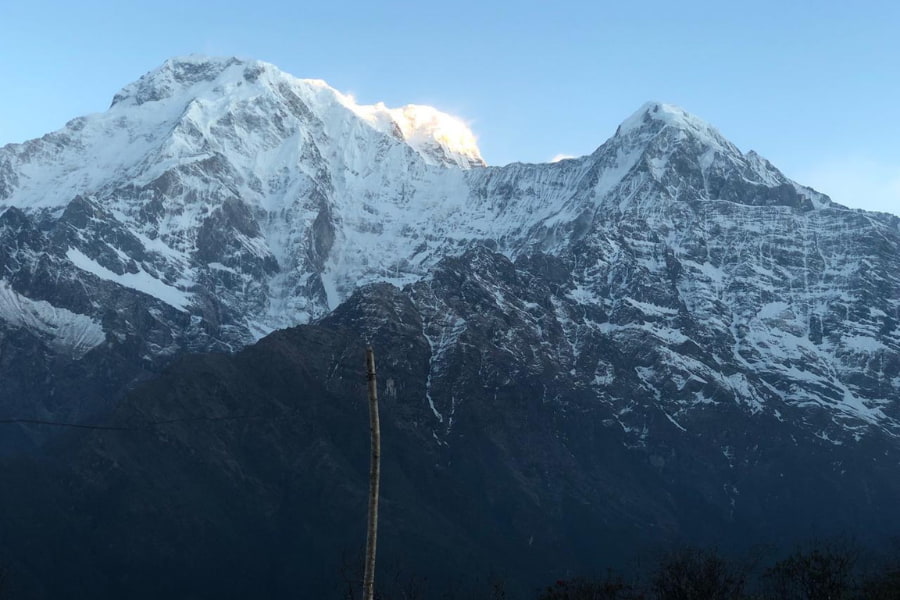
The Mardi Himal trek is inside the Annapurna Conservation Area, so every trekker, regardless of nationality or trip length, needs a valid permit before setting foot on the trail.
- ACAP (Annapurna Conservation Area Permit): Mandatory for everyone entering the region. It costs NPR 3,000 for foreign nationals and NPR 1,000 for SAARC nationals. This is the permit that's actually checked at trailhead checkpoints.
- TIMS card: Historically required alongside ACAP, but enforcement on Annapurna routes has eased in recent years. We still arrange it as a backup for clients, since checkpoint practice can shift season to season.
- Licensed guide: Nepal's 2023 regulation requiring a registered guide for foreign trekkers in conservation areas also applies here. Solo, unguided trekking is no longer permitted on this route.
- Where to get permits: Nepal Tourism Board offices in Kathmandu or Pokhara, or through your trekking agency, which is usually faster.
- What to bring: a copy of your passport, two passport-size photos, and your passport for ID verification at the office.
We handle both the ACAP permit and the guide booking as part of every Mardi Himal package we run, so clients arrive in Kande with paperwork already sorted, rather than queuing at an office on the morning of departure.
Why Book Mardi Himal Trek with Holy Kailash Tours?
We're a Kathmandu-based operator that's spent years running Himalayan treks and sacred journeys across Nepal and Tibet, including the Kailash Mansarovar Yatra, Everest Base Camp, and Annapurna routes. That on-the-ground experience matters most on a trek like Mardi Himal, where pacing decisions during the High Camp-to-Base Camp section make the real difference between an easy summit morning and a miserable one.
- Local, licensed guides who know current trail conditions in every season, not a script.
- Flexible itineraries, from the lean 4-day version to the full 10-day Kathmandu-inclusive trip.
- Permits and logistics handled, including ACAP and guide registration, before you land in Nepal.
- Acclimatization is built into the plan, not bolted on as an afterthought.
- Small group sizes, which keep teahouse bookings simple and the pace personal rather than rushed to match a big group.
Mardi Himal Trek Cost by Group Size (2026)
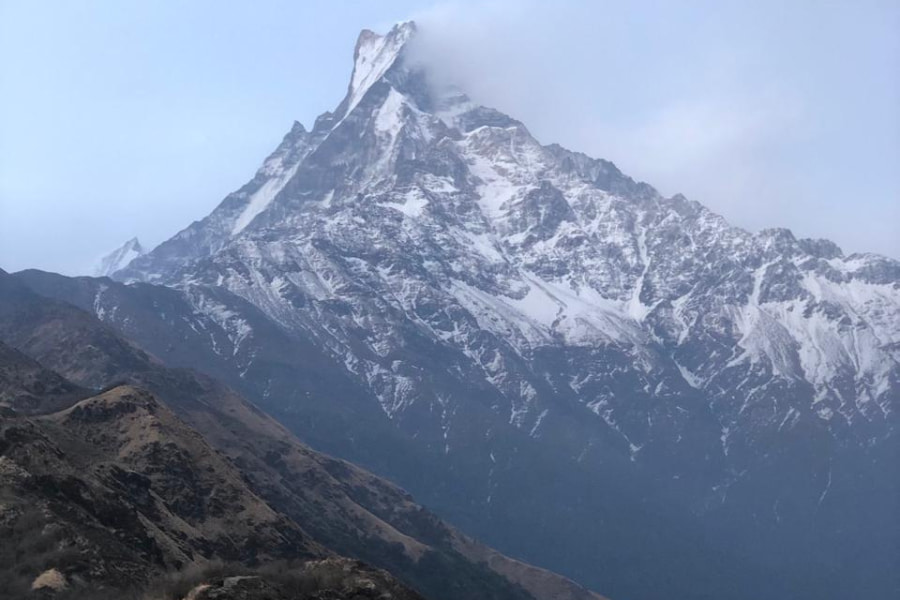
Per-person cost drops as group size grows, since guide, porter, and transport costs get shared. The figures below are 2026 estimates for a standard 5-day teahouse package, including permits, a guide, and ground transport. Treat this as a planning range, not a locked price, since season and accommodation choice both move the number.
|
Group Size
|
Estimated Cost Per Person (USD)
|
|
1 person
|
$550 to $650
|
|
2 people
|
$450 to $490
|
|
3 people
|
$400 to $450
|
|
4 people
|
$380 to $410
|
|
5 people
|
$360 to $390
|
|
6 people
|
$350 to $380
|
|
7 people
|
$330 to $360
|
|
8 people
|
$315 to $330
|
|
9 people
|
$305 to $320
|
|
10 people
|
$295 to $310
|
|
11 people
|
$285 to $300
|
|
12 people
|
$275 to $295
|
|
13 people
|
$270 to $290
|
|
14 people
|
$265 to $285
|
Contact Holy Kailash Tours directly for a quote matched to your exact group size, season, and itinerary length. Longer 8 to 10-day packages with Kathmandu sightseeing run higher than the base 5-day figures above.
Essential Packing List for Mardi Himal Trek
Layering is the whole strategy on the Madi Himal trek. You'll start in a subtropical forest around 1,700 meters and finish near 4,500 meters, so your kit needs to cover both ends.
Clothing and Layers
- Moisture-wicking base layers (top and bottom)
- Fleece or down mid-layer
- Insulated down jacket for High Camp and above
- Waterproof, windproof outer shell jacket and pants
- Trekking trousers, quick-dry
- Warm hat and sun hat
- Gloves, both light liner gloves and insulated outer gloves
- Buff or neck gaiter
Footwear
- Broken-in waterproof trekking boots with ankle support
- Wool or synthetic trekking socks (4 to 5 pairs)
- Camp shoes or sandals for evenings at teahouses
Gear
- 30 to 40 liter daypack
- Sleeping bag rated to at least -10°C
- Trekking poles
- Headtorch with spare batteries
- Reusable water bottle and water purification tablets or a filter
- Sunglasses with UV protection
- Sunscreen and lip balm with SPF
- Basic first aid kit, including blister care and any altitude medication, discussed with your doctor
Documents
- Passport with at least 6 months' validity
- Passport-size photos (for permits)
- Travel insurance covering high-altitude trekking and emergency evacuation
- Printed copies of your ACAP permit
Final Thought
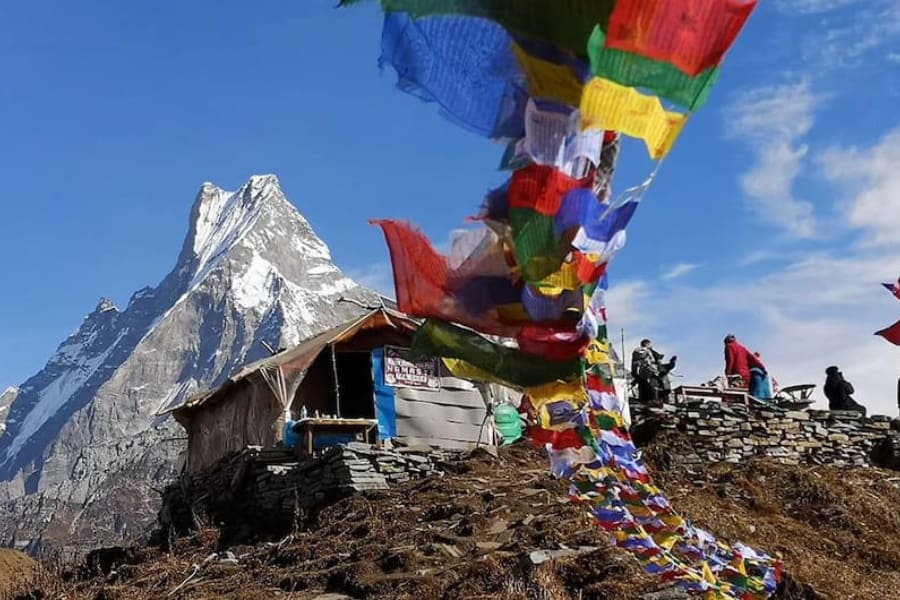
Mardi Himal Trek rewards you fast for the time you put in. Four days in, and you're standing on a narrow ridge with Machhapuchhre and Annapurna South close enough to feel small in front of them, with none of the crowd you'd hit on the more famous trails nearby.
Pick the itinerary length that matches your fitness and schedule, get your permit and guide sorted early, and the rest of the trip will mostly take care of itself. Holy Kailash Tours can tailor this trek to your dates, whether that's a fast 4-day push or a full 10-day trip out of Kathmandu.
FAQs About Mardi Himal Trek
1. How hard is the Mardi Himal Trek?
It's rated easy to moderate. There's no technical climbing, but you'll walk 5 to 7 hours a day on steep, sometimes narrow trails, and the final push to 4,500 meters is demanding on the lungs.
2. What is the highest point of the Mardi Himal Trek?
Mardi Himal Base Camp/Viewpoint at 4,500 meters (14,763 feet). The highest point you sleep overnight is High Camp, around 3,550 meters.
3. Do I need previous trekking experience?
No. Many first-time trekkers successfully complete the Mardi Himal trek. Reasonable fitness matters more than prior experience.
4. How many days do I need for the trek?
Anywhere from 4 to 10 days, depending on your pace, acclimatization preference, and whether you start from Kathmandu or Pokhara.
5. Is a guide mandatory?
Yes. Since 2023, all foreign trekkers in Nepal's conservation areas, including the Annapurna Conservation Area, must trek with a licensed guide.
6. What permits do I need?
The Annapurna Conservation Area Permit (ACAP) is mandatory. A TIMS card may also be arranged as a backup, though enforcement on this route has loosened in recent years.
7. What's the best season for Mardi Himal?
Spring (March to May) for rhododendron blooms, or autumn (late September to early December) for the clearest, most stable weather.
8. Is altitude sickness a real risk on this trek?
Yes, since the highest point is at 4,500 meters. The risk is lower than on longer high-altitude treks, but proper hydration, pacing, and acclimatization days still matter.
9. Can I do the trek in winter?
Yes, though expect cold nights (down to around -10°C at High Camp) and possible snow on the upper ridge. Far fewer trekkers on the trail during this season.
10. What kind of accommodation is available?
Teahouses the whole way, ranging from basic dorm-style rooms at higher camps to private rooms with attached bathrooms lower down.
11. How much does the trek cost?
Costs run from around $550 per person solo down to roughly $250 to $285 per person in larger groups of 12 to 14, depending on itinerary length and season.
12. Can solo travelers join this trek?
Yes, solo trekkers are welcome, though Nepal's current rules require you to trek with a licensed guide rather than fully unguided.
13. Why book through Holy Kailash Tours instead of going independently?
We handle permits, guide registration, teahouse bookings, and acclimatization planning, so you can focus on the trek itself rather than the logistics.
Email: [email protected]
WhatsApp: +977-9851254672 — Feel free to reach out anytime for fast, friendly, and personalized assistance