Geographical Majesty and Mythological Origin
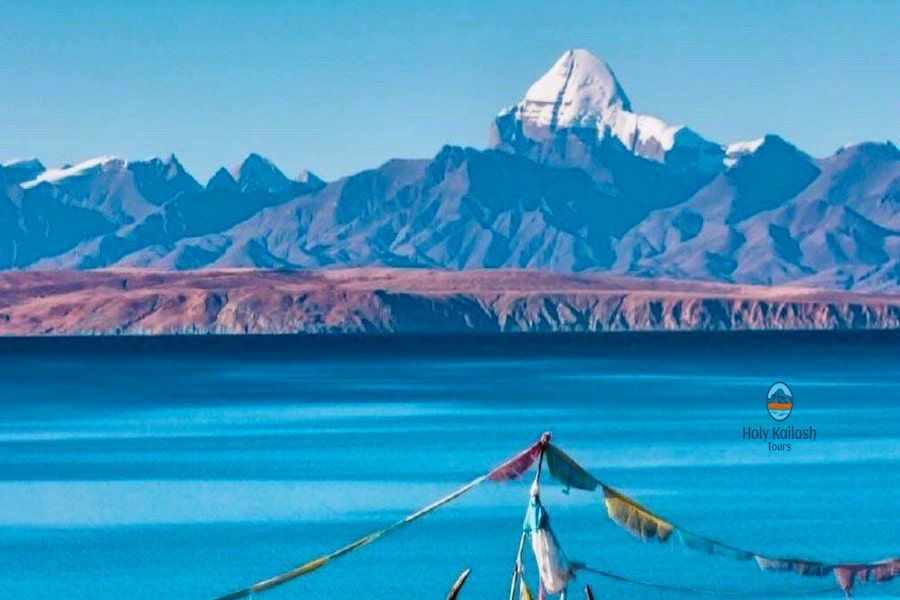
Lake Mansarovar covers about 320 square kilometers and ranks among the highest freshwater lakes on the planet. Its neighbor, Rakshastal (the so-called "Demon Lake"), stands just a few kilometers to the west and offers a sharp contrast: Mansarovar's water remains calm and clear, while Rakshastal's surface often churns even on still days.
Local tradition reads this pairing as more than geography. Mansarovar represents light, calm, and purity. Rakshastal represents shadow and turbulence. Pilgrims crossing between the two often describe it as walking from one state of mind into another.
Hinduism: The Mind-Born Creation of Lord Brahma
In Hindu texts, Mansarovar didn't form through glacial melt or tectonic shift. Brahma created it through pure thought, which is where the name comes from: "manas" (mind) and "sarovara" (lake). Hindus often call it the "Mind Lake of Brahma" for this reason.
The Skanda Purana and other texts describe the lake as the birthplace of spiritual clarity, a place where the mind itself becomes still enough to perceive the divine. For Hindu pilgrims, this isn't a metaphor they accept lightly. Many believe a single dip in the lake's water clears lifetimes of accumulated karma.
The Concept of Mansarovar in Hindu Scriptures
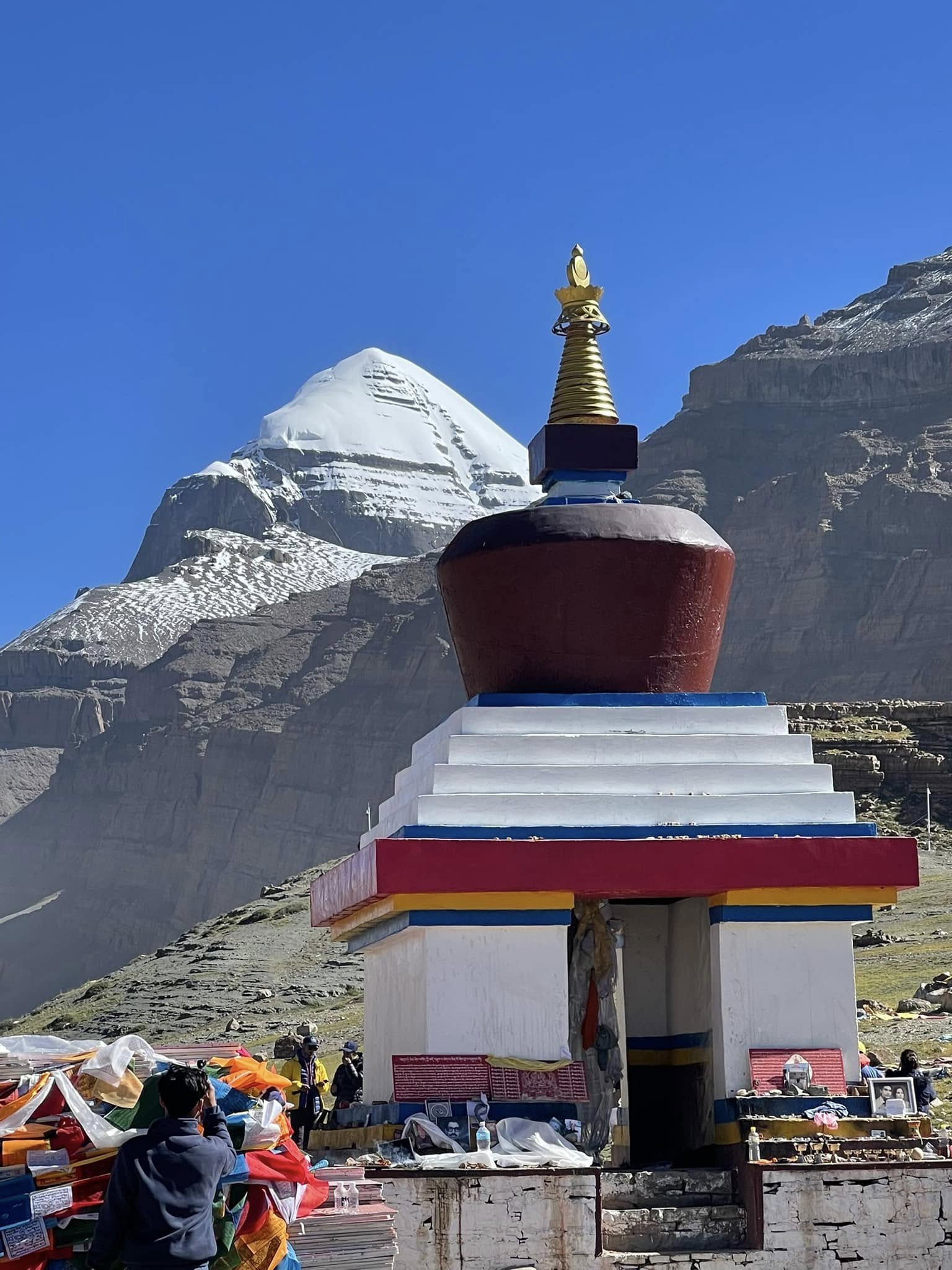
Several Puranic texts mention Mansarovar directly:
- The Skanda Purana ties the lake to Lord Shiva's meditation grounds near Kailash.
- The Vishnu Purana lists it among the sacred lakes that sustain the cosmic order.
- Various Vedic hymns reference the four rivers said to originate near its shores.
These references aren't decorative. They form the scriptural backbone that sends thousands of Hindu pilgrims on the Kailash Mansarovar Yatra each year, often at real physical risk given the altitude and remoteness.
Buddhism: The Sacred Anavatapta and the Life of Buddha
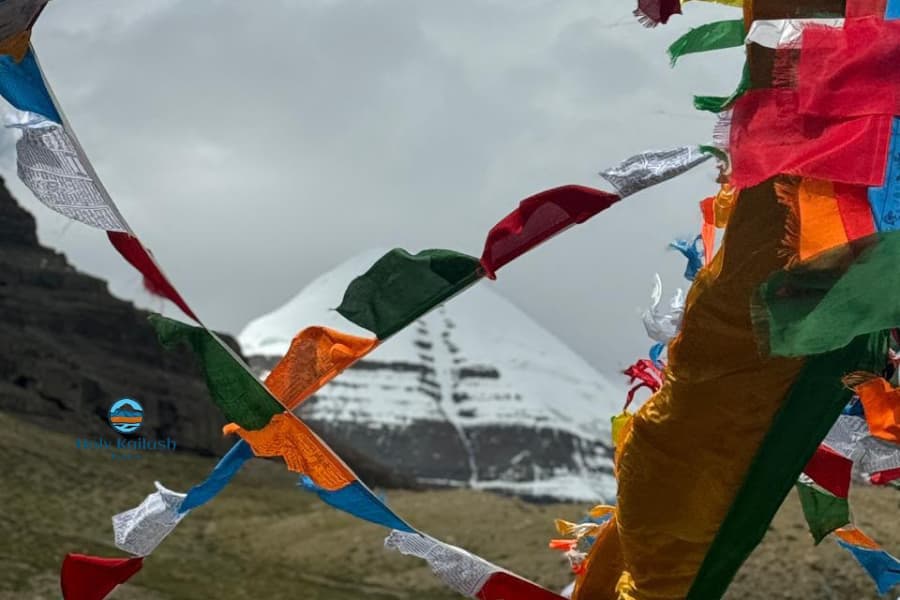
Buddhist tradition identifies Mansarovar with Anavatapta, the "Lake Without Heat," which, in early Buddhist cosmology, was one of the great lakes at the center of the world. Some Buddhist texts go further and place episodes from the Buddha's past lives near its shores.
Tibetan Buddhists also link the lake to female deities and protective spirits associated with fertility and renewal. Pilgrims from Tibet, Bhutan, and parts of the Himalayan belt treat a visit to Mansarovar as equal in merit to other major pilgrimages within the Buddhist world.
The Significance of Lake Mansarovar in Buddhist Cosmology
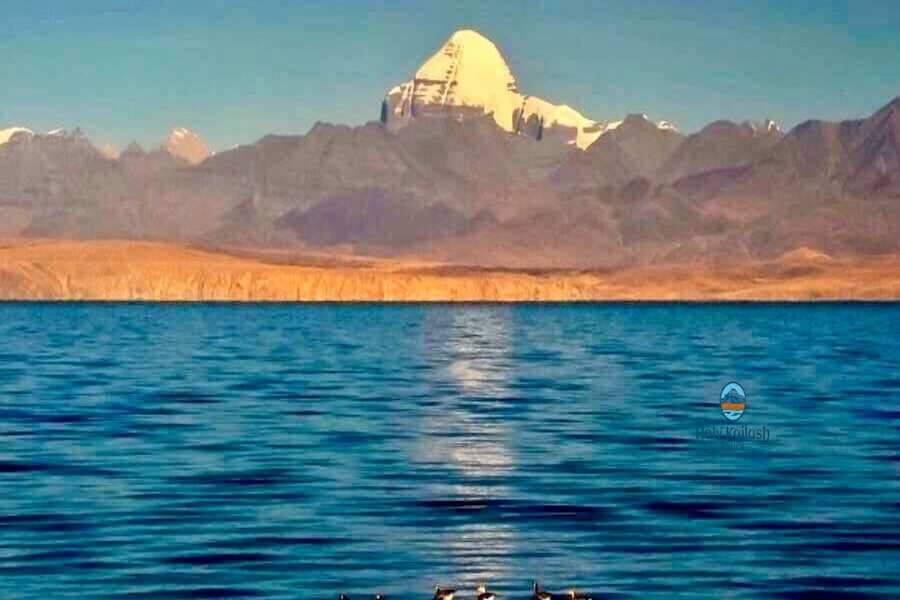
In the broader Buddhist map of the universe, Anavatapta sits at the heart of Jambudvipa, the southern continent where human life unfolds. The lake feeds four great rivers that flow outward to the four cardinal directions, a detail that recurs across multiple traditions discussed later in this article.
This cosmological placement matters because it frames Mansarovar not as a regional holy site but as a point connected to the structure of existence itself, at least within the Buddhist worldview.
Bon Religion: The Ancient Spiritual Power of Zhang Zhung
Before Buddhism reached Tibet, the Bon religion already held Kailash and Mansarovar as central to its cosmology. Bon practitioners trace their tradition back to the ancient kingdom of Zhang Zhung, which once spanned the region around the lake.
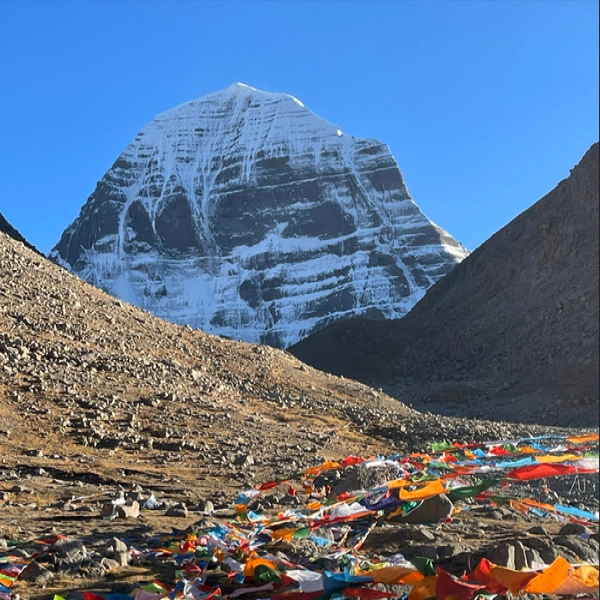
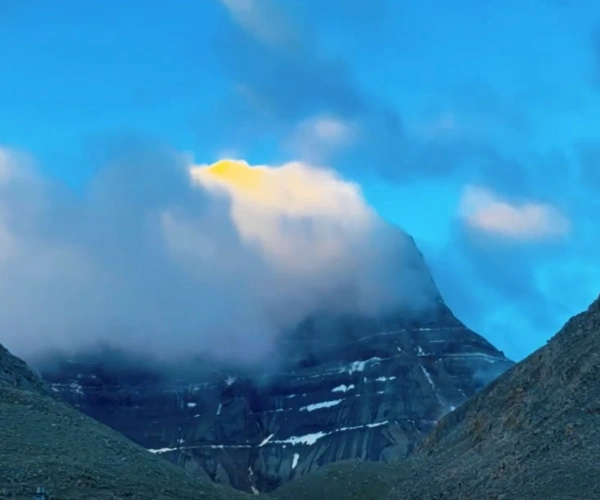
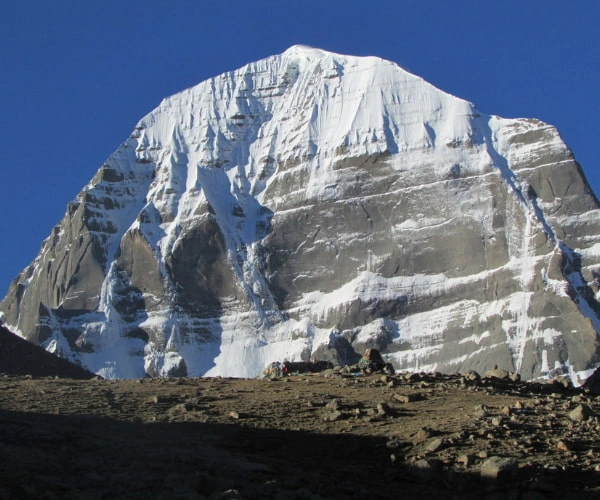
Bon texts describe Kailash as the nine-story Swastika Mountain, a seat of spiritual power, and Mansarovar as its female counterpart, a source of life-giving energy. Bon pilgrims still circle Kailash in a counterclockwise direction, opposite to Buddhist and Hindu practice, a detail that traces directly back to pre-Buddhist ritual.
Jainism: The Connection to the First Tirthankara, Rishabhdeva
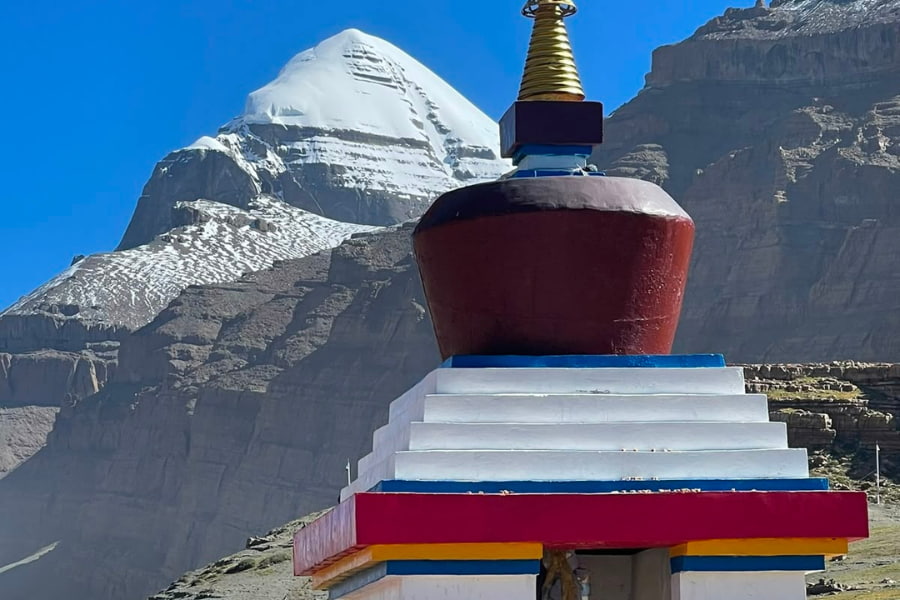
Jain tradition places Mount Kailash, known to Jains as Mount Ashtapada, as the site where Rishabhdeva, the first Tirthankara, attained liberation. Some Jain texts also associate the surrounding lakes, including Mansarovar, with the broader sacred geography tied to his life and renunciation.
This connection isn't as widely known outside Jain communities, but it's part of why the region draws pilgrims well beyond the Hindu and Buddhist mainstream.
The Concept of Pilgrimage (Kora) Across Faiths
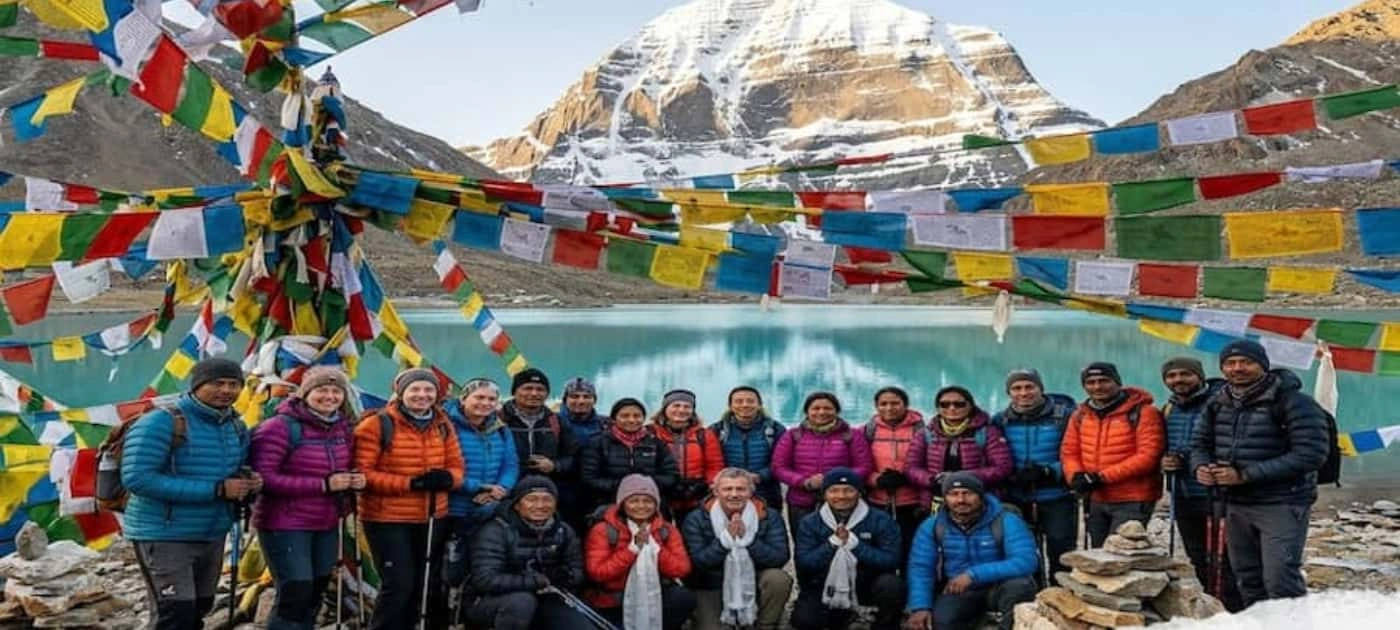
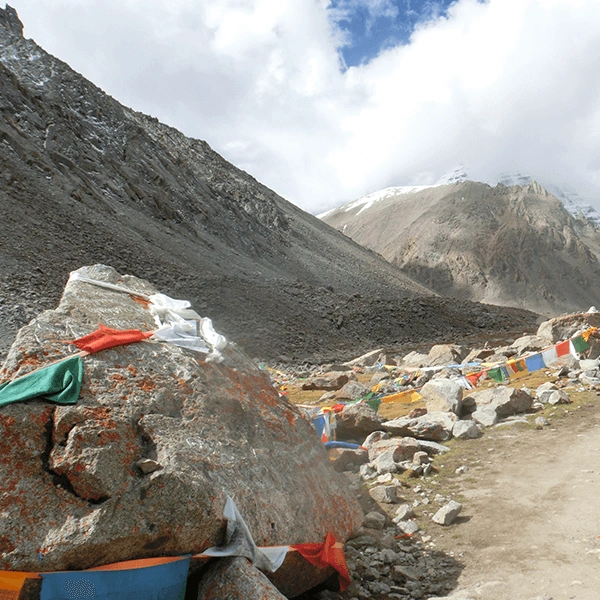
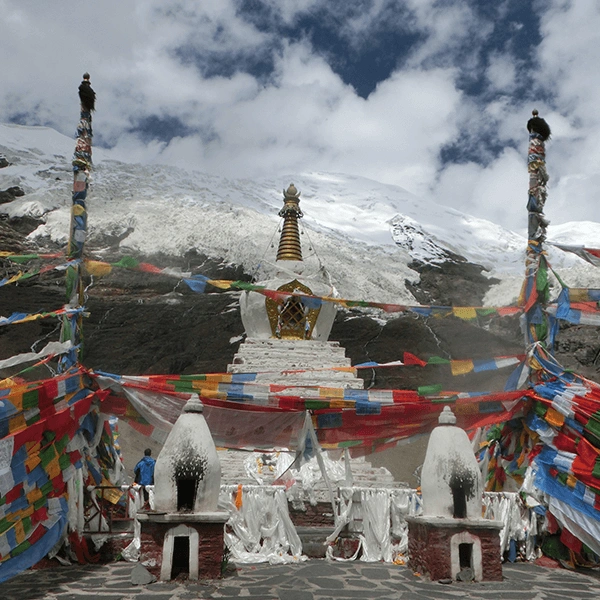
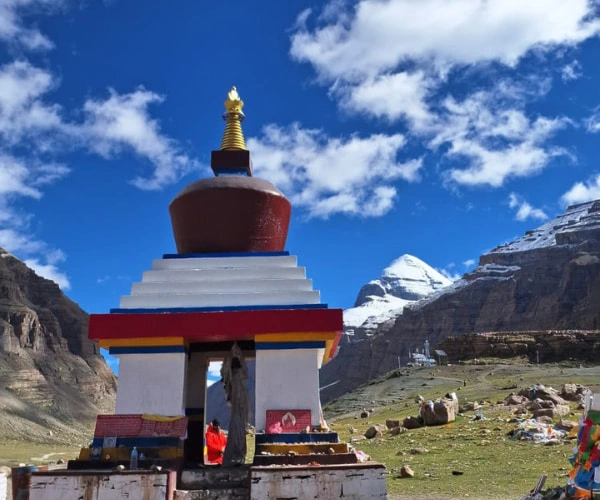
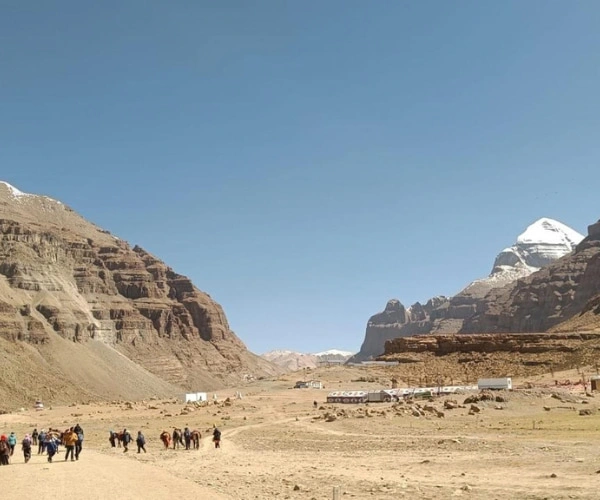
Every tradition tied to Mansarovar shares one practice: circumambulation, known as Kora in Tibetan and Parikrama in Sanskrit. Walking around a sacred site, rather than simply visiting it, forms the actual ritual core of the pilgrimage.
- Hindus and Buddhists generally walk clockwise around Kailash.
- Bon practitioners walk counterclockwise.
- The full circuit around Kailash takes about three days on foot, covering roughly 52 kilometers at altitudes above 5,000 meters.
Mansarovar itself has its own parikrama route, a separate trek that many pilgrims complete before or after the Kailash circuit.
The Ritual Significance of Holy Bathing and Purification
Bathing in Mansarovar carries weight that goes beyond a swim. Hindu pilgrims often perform a ritual dip at sunrise, when the water sits near freezing. Many treat this moment as the spiritual peak of the entire journey, more significant even than the Kailash Kora itself.
Buddhist and Bon pilgrims tend toward different gestures, drinking the water, collecting it in small containers, or offering prayers at the shore rather than full immersion. The intent across all three stays consistent: the water cleanses something water alone can't usually touch.
Mount Kailash and Lake Mansarovar: A Symbiotic Spiritual Duo
Pilgrims rarely separate the two sites in conversation, and for good reason. Kailash represents the masculine, the seat of Shiva in Hindu belief, while Mansarovar represents the feminine, often linked to Parvati. Visiting one without the other feels incomplete to most pilgrims who undertake the journey.
This pairing shows up across traditions in different languages, but the same basic structure: a mountain and a lake, standing for two halves of a single spiritual whole.
The Legend of the Four Holy Rivers Emerging from the Lake
Four of Asia's major rivers, the Indus, the Brahmaputra, the Sutlej, and the Karnali (a tributary feeding into the Ganges system), all originate in the region surrounding Kailash and Mansarovar. Local legend holds that they flow from four mythical sources shaped like a lion, an elephant, a horse, and a peacock.
Geologists explain this differently, pointing to the Tibetan Plateau's role as a watershed for South Asia. But the mythological version persists because it captures something the geology doesn't: the sense that one remote lake somehow feeds the lifeblood of an entire continent.
Mansarovar as a Place of Meditation and Divine Insight
Sages and ascetics have used the shores of Mansarovar as a meditation site for centuries, drawn by the silence, the altitude, and the belief that the lake amplifies spiritual focus. Hindu tradition holds that sustained meditation here can produce direct insight, not just calm.
Modern pilgrims report something similar in plainer terms: the lack of noise, signal, and distraction at that altitude does something to the mind that's hard to replicate anywhere else.
Folklore and Supernatural Beliefs Surrounding the Lake
Local folklore around Mansarovar includes stories of celestial beings bathing in its waters at night, of swans (hamsa) that only land on its surface, and of weather shifts tied directly to the moral conduct of visitors. Whether or not a pilgrim takes these stories literally, they shape how people behave once they arrive: quietly, carefully, and with a kind of attention they don't bring to ordinary travel.
The Transformation of Soul and Karma through Pilgrimage
In both Hindu and Buddhist traditions, the Kailash Mansarovar Yatra ranks among the most karma-altering journeys a person can undertake in this life. Hindu pilgrims often cite the belief that completing the journey once in a lifetime can break cycles of rebirth tied to unresolved karma.
Buddhist pilgrims frame it slightly differently, as an act that builds merit and moves a practitioner closer to liberation rather than erasing karma outright. The distinction matters within each tradition, but the practical effect, a pilgrimage taken seriously and rarely repeated, looks the same from the outside.
Shared Spiritual Heritage: A Symbol of Interfaith Harmony
Few places on earth host four distinct religious traditions that treat the same site as central to their cosmologies, without conflict over access or meaning. Hindu, Buddhist, Bon, and Jain pilgrims walk the same paths, sometimes in opposite directions, without disputing who the mountain or lake "belongs" to.
That coexistence offers something worth noting in its own right: a model for how sacred geography can hold multiple meanings at once.
Ecological Preservation as a Modern Spiritual Duty
Increased pilgrim traffic over the past few decades has put real pressure on the region's fragile ecosystem. Glacial retreat, waste left by trekking groups, and changes in water quality around Mansarovar have all raised concerns among environmental researchers working on the Tibetan Plateau.
Responsible tour operators now treat environmental care as part of the pilgrimage itself, not separate from it. Holy Kailash Tours builds waste management and Leave No Trace practices into its Kailash Mansarovar Yatra itineraries, on the basis that protecting the site is itself a form of devotion, not just logistics.
The Timeless Allure: Why Pilgrims Continue to Seek the Sacred Waters
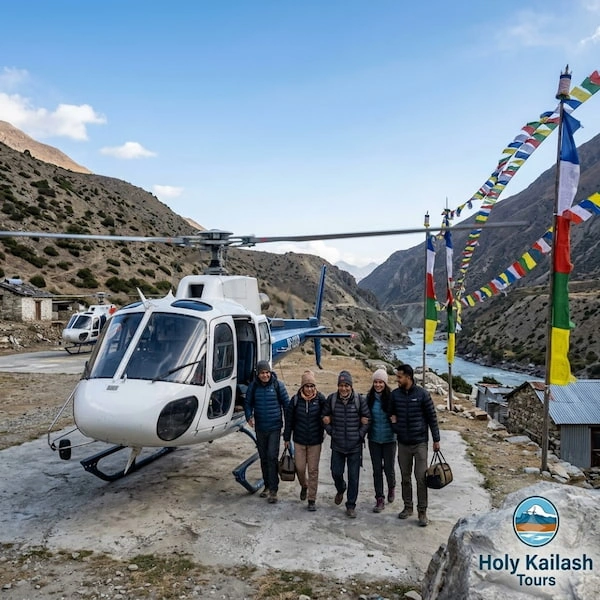
Modern transportation, satellite phones, and helicopter access have made the journey to Mansarovar far easier than it was even twenty years ago. None of that has reduced demand. If anything, pilgrim numbers have grown as the region opens up to wider access.
The reasons people give vary: faith, curiosity, a milestone, grief, a search for clarity. What stays constant is the lake itself, sitting at an altitude, largely unchanged by the centuries of belief stacked on top of it.
Final Thought: The Eternal Legacy of the Divine Lake
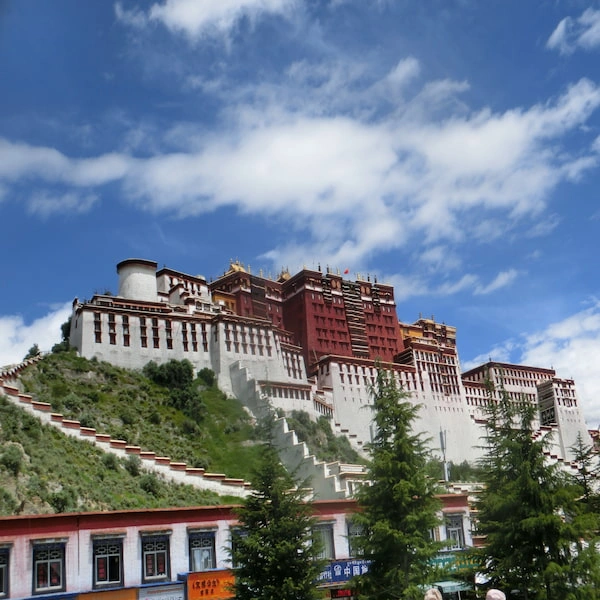
Lake Mansarovar doesn't belong to one religion. It belongs to four, each with its own name for the water, its own story for how it formed, and its own reason for walking its shores. That overlap is rare, and it's part of why the pilgrimage continues to draw people from Kathmandu, Lhasa, and far beyond.
For pilgrims planning the journey, working with an experienced operator matters as much as the faith that brings them there. Holy Kailash Tours has spent years organizing permits, altitude planning, and route logistics to make the Kailash Mansarovar Yatra possible for travelers from Nepal and abroad.
FAQs
Is Lake Mansarovar sacred to religions other than Hinduism?
Yes. Buddhism, Bon, and Jainism all treat the lake as spiritually significant, each through its own cosmology and historical tradition.
Can pilgrims swim in Lake Mansarovar?
Hindu pilgrims commonly take a ritual dip, usually at sunrise. Buddhist and Bon pilgrims more often drink the water or make offerings at the shore rather than fully immerse themselves.
How difficult is the journey to Lake Mansarovar?
The lake sits above 4,500 meters, so altitude sickness is the main risk. Proper acclimatization, paced itineraries, and experienced guides reduce that risk significantly.
What is the best time of year to visit?
Most pilgrims travel between May and September, when mountain passes stay clear of heavy snow and routes through Tibet remain accessible.
Do I need a guide to visit Lake Mansarovar?
Independent travel to the region is heavily restricted due to permit requirements and remote terrain. Most pilgrims travel with an organized tour that handles permits, transportation, and acclimatization planning.
Email: [email protected]
WhatsApp: +977-9851254672 — Feel free to reach out anytime for fast, friendly, and personalized assistance