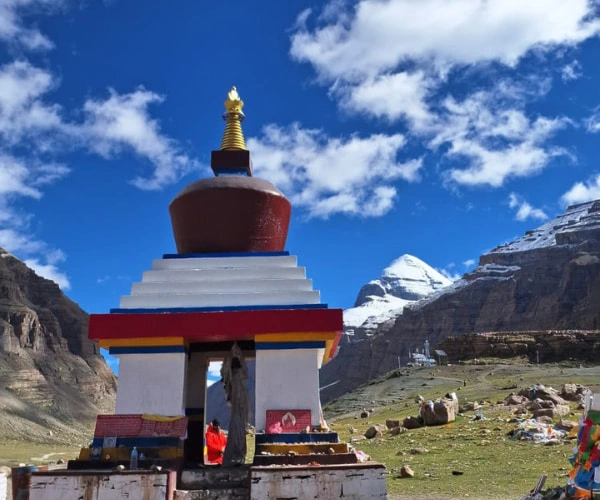
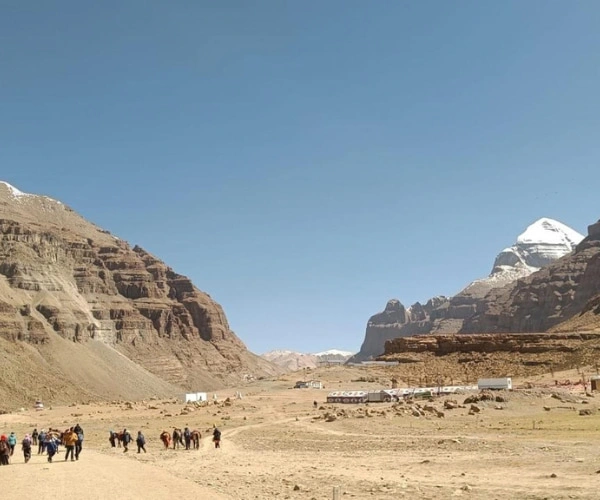
Why Mount Kailash Is Sacred Across Four Religions?
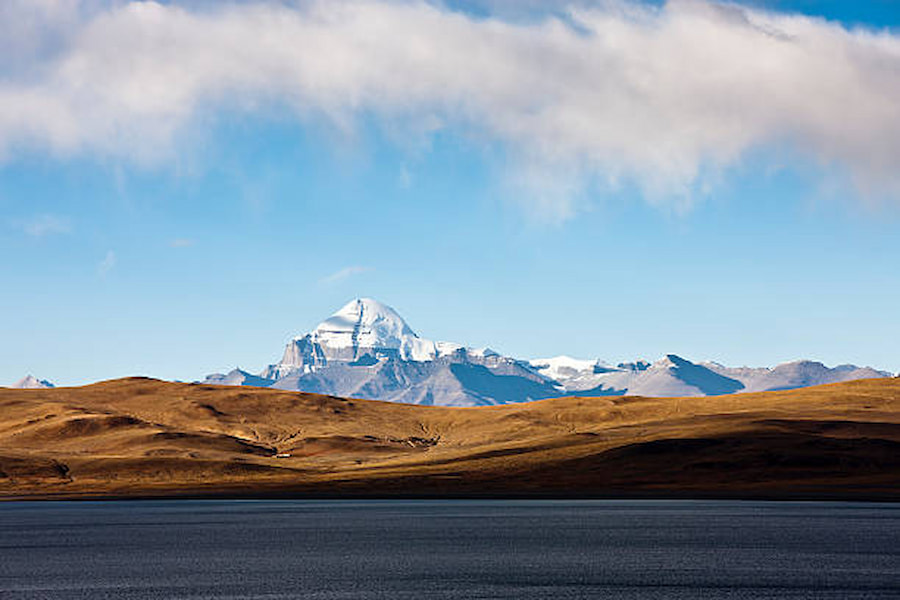
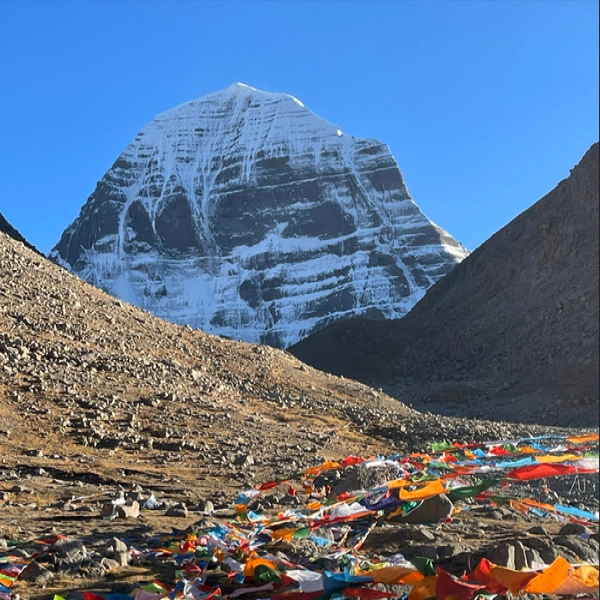
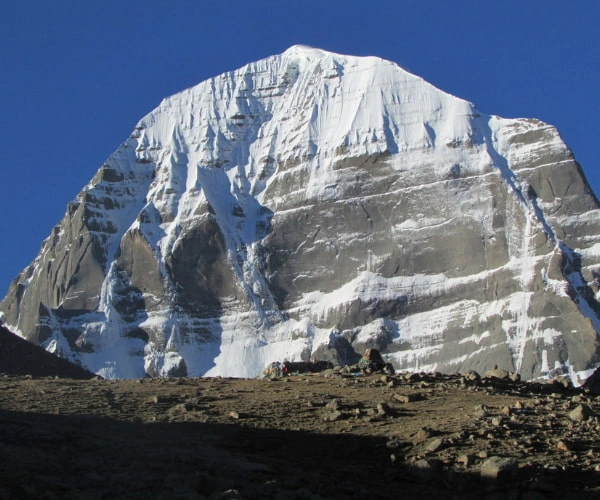
Mount Kailash is at over 6,600 meters in the remote Transhimalaya range, and it has never been climbed. because nobody's tried, but because four major faiths consider the summit too sacred to set foot on, and local belief holds that doing so brings serious misfortune. That alone makes Kailash unlike any other major peak on earth.
For Hindus, Kailash is the eternal seat of Lord Shiva, where he sits in meditation with Parvati beside him. For Buddhists, particularly Tibetan Buddhists, the mountain is Mount Meru, the axis of the universe, and home to the deity Demchok. Jains know it as Mount Ashtapada, the place where their first Tirthankara, Rishabhanatha, attained liberation. And followers of Bon, Tibet's pre-Buddhist religion, see it as the seat of the sky goddess Sipaimen, predating both Buddhism and Hinduism in the region.
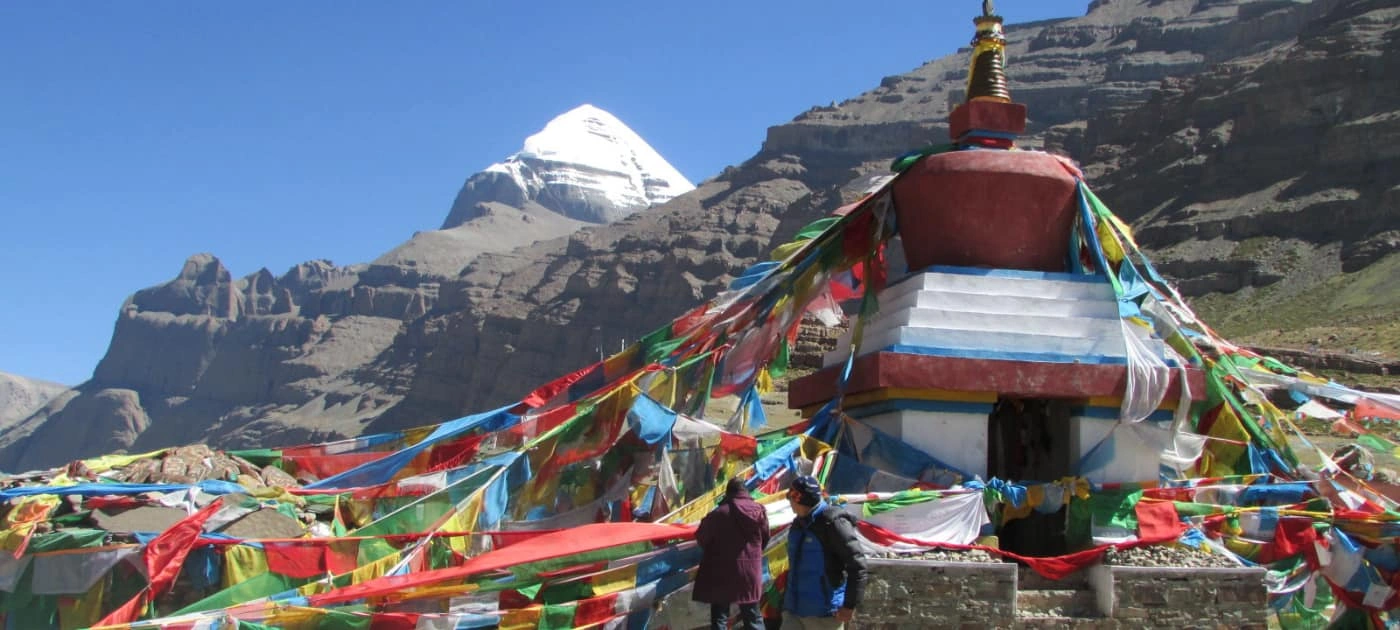
What's remarkable isn't just that four religions revere the same mountain. It's that they all arrived at the same instinct independently: that this particular peak, isolated and untouched, deserves to stay that way. When you stand at its base and look up at that near-perfect pyramid shape, carved by wind and time into four symmetrical faces, you start to understand why nobody argued the point.
The Deep Spiritual Meaning of Lake Mansarovar
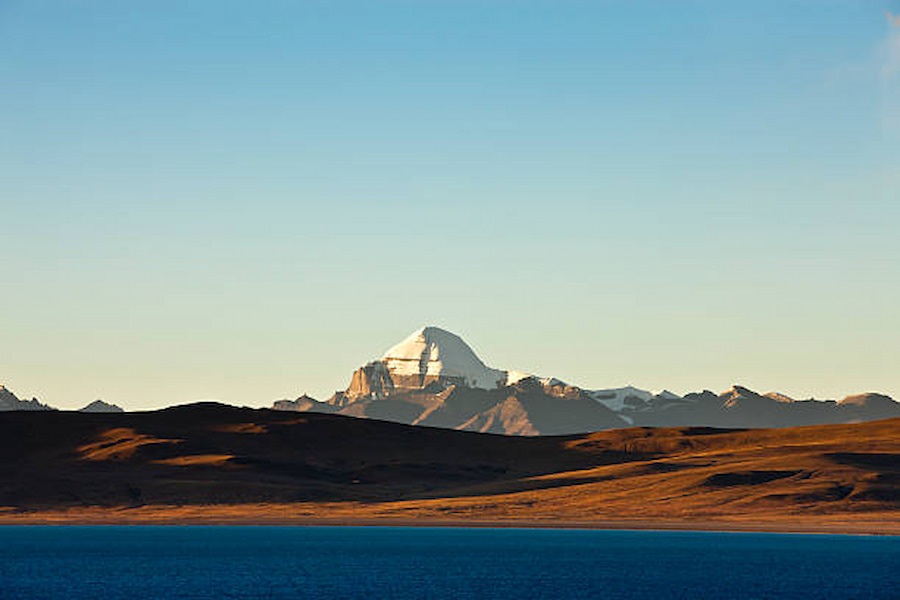
Below Kailash, at roughly 4,590 meters, lies Lake Mansarovar, one of the highest freshwater lakes on the planet. Hindu scripture describes it as having been created in the mind of Brahma, which is reflected in the name itself, since "Mansarovar" comes from the Sanskrit words for mind and lake.
Pilgrims bathe in its waters, believing it washes away lifetimes of accumulated sin, not just the mistakes of this one life. Many also carry small bottles of water home, treating it as a kind of portable blessing for family members who couldn't make the journey themselves.
What strikes most visitors, though, isn't the ritual. It's the color. Mansarovar shifts from deep turquoise to silver to near-black depending on the light and the wind, and at sunrise, the whole lake can look as if it's lit from beneath. Tibetan Buddhists believe Buddha himself bathed here. Whatever you believe walking in, it's hard to stand at that shoreline and not feel like you've arrived somewhere genuinely set apart from ordinary geography.
A Pilgrimage Beyond Physical Travel
Most trips end when you get home and unpack your bag. The Kailash Yatra doesn't really work that way. People describe a kind of lag, weeks or months, where the experience keeps surfacing in ordinary moments, like it's still processing.
Part of this is altitude. Above 5,000 meters, your brain runs on less oxygen, and that changes how you think, sometimes in ways that feel almost meditative, even when you didn't plan for it. Part of it is isolation. Western Tibet has almost no cell signal, no traffic noise, and no notifications. For a few days, your attention has nowhere else to go but the mountain, the cold air, and your own thoughts.
And part of it, frankly, is the buildup. People don't decide to do this pilgrimage on a whim. Most have wanted to go for years, sometimes decades, before they finally book the trip. That kind of anticipation does something to how you experience the actual moment when you finally see Kailash on the horizon. I've heard grown adults describe bursting into tears at the first sight of the mountain, completely unplanned, completely involuntary.
The Inner Transformation of the Kailash Yatra
Ask ten pilgrims what changed in them, and you'll get ten different answers. Someone who went through a difficult divorce talks about finally feeling like they could breathe again. A businessman who'd been running on autopilot for fifteen years says he remembered, somewhere on the trail, why he used to care about things beyond his next deal. A grieving mother describes feeling, for the first time since her loss, like she wasn't carrying the weight alone.
None of these is a dramatic story with a clean ending. That's actually the point. The Kailash Mansarovar Yatra doesn't hand you answers. It strips away the noise that usually drowns out your own honest thoughts, and lets you sit with whatever's actually there. For some people, that's painful. For most, it's relieving.
This inner shift tends to happen gradually rather than all at once, usually somewhere in the second half of the trip, once the body has adjusted to the altitude and the mind has run out of distractions. By the time pilgrims reach the Kora, the circuit walk around the mountain itself, something has already loosened.
The Symbolism of the Kailash Kora (Parikrama)
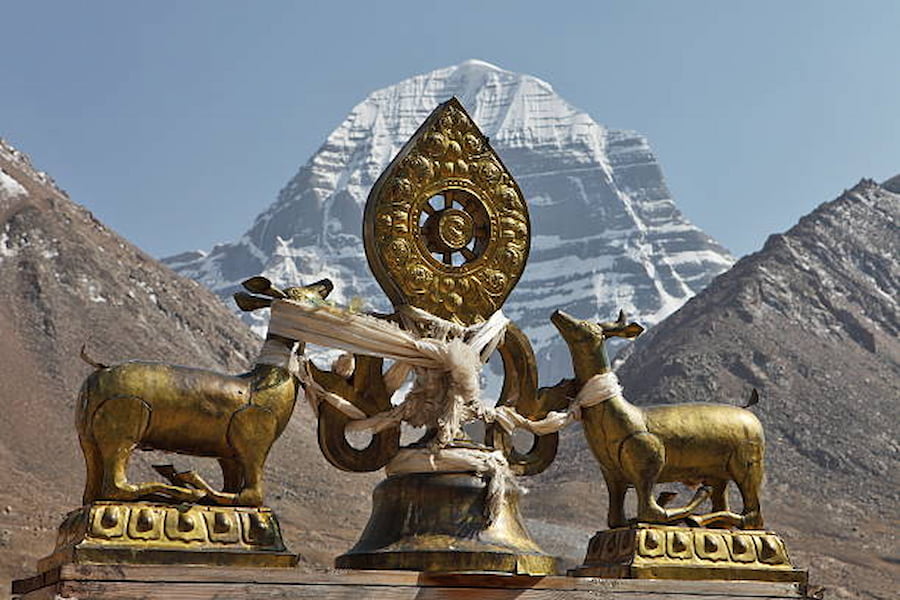
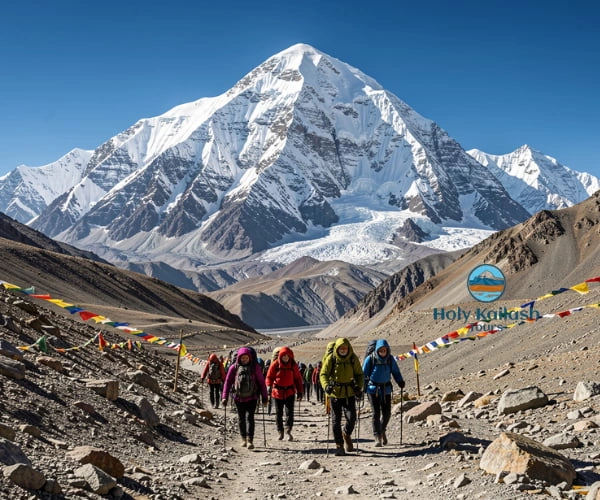
The Kora, or Parikrama, is the act of walking the full circuit around Mount Kailash, a distance of roughly 52 kilometers, traditionally completed over three days. Hindus and Buddhists both believe a single Kora wipes away the sins of one lifetime. Complete 108 circuits, tradition holds, and you reach enlightenment in this life.
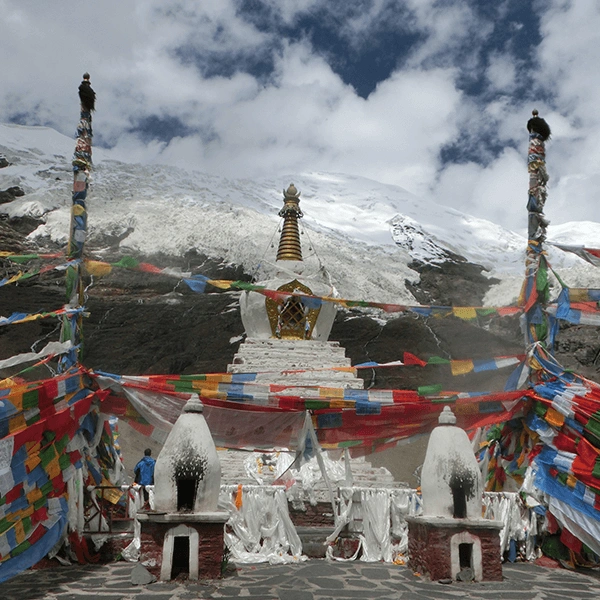
Almost nobody does 108. Most pilgrims do one, and that single circuit is demanding enough to leave a mark. You walk clockwise if you're Hindu or Buddhist, following the sun, past glacial rivers and prayer flags strung across canyon walls, with the mountain itself always somewhere to your right. Bon followers walk counterclockwise, a difference that's small in distance but significant in meaning.
The walk isn't scenic in the postcard sense, though it is genuinely beautiful. It's scenic in a way that keeps reminding you of your own size relative to the landscape. Each turn of the trail reveals another angle of Kailash, and pilgrims often say the mountain seems to watch them as much as they watch it. Whether or not you take that literally, it's hard to shake the feeling once you're out there.
Dolma La Pass: A Test of Faith and Endurance
If the Kora has a single defining moment, it's Dolma La Pass, the highest point of the circuit at about 5,630 meters. This is where the trek stops being a walk and becomes more like a trial.
The climb to Dolma La typically starts before dawn, in freezing temperatures, often on snow or ice, with the air so thin that even fit trekkers stop every few steps to catch their breath. Many pilgrims describe this stretch as the hardest physical thing they've ever done. Some cry. Some pray out loud without meaning to. A few turn back, and there's no shame in that, since altitude affects everyone differently, regardless of fitness level.
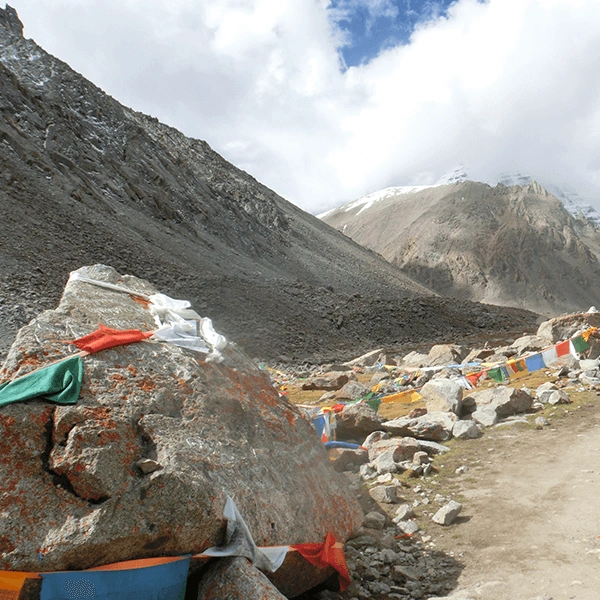
At the top sits a cluster of prayer flags and a large rock believed to represent the goddess Dolma, after whom the pass is named. Pilgrims tie flags, leave small offerings, and many describe a kind of euphoria once they're standing there, a mix of relief and something closer to grace. Buddhist tradition holds that crossing Dolma La represents passing through death and into rebirth, and after the climb it takes, that symbolism doesn't feel like exaggeration. It feels accurate.
Meditation, Prayer, and Silence in the Himalayas
There's a specific kind of quiet at high altitude that's hard to describe to someone who hasn't experienced it. It's not just the absence of noise. It's the absence of the usual mental chatter that fills ordinary silence back home.
Pilgrims often build in time for meditation or prayer along the route, sometimes formally, sitting cross-legged near the lake or facing the mountain, and sometimes informally, just standing still for a few minutes longer than necessary. Tibetan Buddhist monks who've spent years in the region say the silence around Kailash has a different quality from that elsewhere. However, that's obviously a matter of belief rather than something you can measure.
What you can measure is how people behave once they're out there. Conversations slow down. People who talk constantly on a normal trip go quiet for long stretches. There's something about the scale of the landscape, the thin air, and the lack of any digital interruption that makes silence feel less like an absence and more like an actual presence you're sharing the trail with.
Letting Go of the Past and Embracing Renewal
A lot of pilgrims arrive at Kailash Mansarovar Yatra carrying something specific they want to release: a relationship that ended badly, a death they haven't fully processed, a version of themselves they're trying to leave behind. The pilgrimage gives that intention a physical shape. Walking the Kora becomes a way of literally moving forward while symbolically walking away from whatever they came to set down.
This isn't unique to any one faith. Hindu pilgrims often perform rituals at Mansarovar specifically to release past karma. Buddhist pilgrims sometimes recite mantras tied to letting go of attachment, since attachment to outcomes is considered a root cause of suffering in Buddhist philosophy. Even visitors with no particular religious background tend to describe the trip in terms of release, almost without meaning to use that word.
By the time most pilgrims finish the Kora, they report feeling lighter, and not just because their packs are emptier. Something about completing that physical loop, the same loop millions of people have walked for centuries, seems to permit actually closing a chapter rather than just thinking about closing it.
The Connection Between Nature and Spiritual Awakening
Western Tibet is one of the starkest, most exposed landscapes on Earth. There are no forests to soften the view, no buildings to break up the horizon. Just rock, sky, wind, and the mountain. That stripped-down environment seems to do something to people that a more comfortable setting wouldn't.
Researchers studying awe as an emotion have found that vast, overwhelming natural settings tend to shrink a person's sense of their own problems, at least temporarily, by putting them in proportion against something enormous and ancient. Kailash delivers that experience about as directly as anywhere on the planet. The mountain has stood there, untouched, for longer than any human institution, and standing beneath it tends to recalibrate what feels urgent in your own life.
Pilgrims often say the landscape itself feels like part of the spiritual experience, not just a backdrop. The wind at Mansarovar, the particular blue of the sky at that altitude, the way light moves across Kailash's faces through the day: these aren't separate from the pilgrimage. For many travelers, they're the actual mechanism through which the spiritual shift happens.
Personal Growth Through Physical Challenges
It would be dishonest to talk about this pilgrimage without acknowledging how hard it is. Altitude sickness is common. The terrain is rough. Nights are cold even in summer. Bathrooms, where they exist at all, are basic.
But that difficulty is part of why the journey works the way it does. Pushing through physical limits, especially at Dolma La, forces pilgrims to confront fear, fatigue, and self-doubt in real time, with no easy exit. People who've never tested themselves physically often discover a capacity they didn't know they had. People who already consider themselves tough get humbled by the altitude regardless.
This kind of challenge tends to produce confidence that outlasts the trip itself. Pilgrims frequently report feeling more capable in their ordinary lives afterward, and more willing to face difficult conversations or hard decisions they'd been avoiding. Walking through genuine physical hardship and coming out the other side seems to recalibrate what people believe they can handle.
Sacred Rituals Performed During the Yatra
The rituals along the way vary by faith but share a common thread: they're physical actions meant to carry spiritual weight. At Lake Mansarovar, pilgrims bathe, drink the water, or simply sit at the shoreline in prayer. Hindu pilgrims often perform a puja, a formal worship ritual, facing the mountain.
Tibetan Buddhist pilgrims frequently practice prostration, a full-body bow repeated over and over, sometimes for the entire length of the Kora, which can take weeks rather than days. Watching someone complete a 52-kilometer circuit through prostration alone is one of the more humbling things a traveler can witness on this trip.
Smaller rituals happen constantly. Tying prayer flags. Lighting butter lamps and leaving small stones at cairns along the path. None of these requires elaborate explanation to feel meaningful, even to visitors from outside the relevant tradition. There's something universal about watching a person pause mid-walk to add their own small mark to centuries of accumulated devotion.
Myths, Legends, and Ancient Beliefs About Mount Kailash
Kailash comes wrapped in stories that have survived for thousands of years, and a few are worth knowing before you go. One Hindu legend holds that the mountain is literally Shiva's home, and that the strange, almost geometric symmetry of its four faces reflects his presence rather than ordinary geology.
Tibetan Buddhist tradition tells of a legendary contest between the Buddhist master Milarepa and a Bon practitioner named Naro Bon-chung, with control of the mountain at stake. Milarepa is said to have won by riding a beam of sunlight to the summit, a story still told to explain why Buddhism holds sway at Kailash today. At the same time, Bon practitioners maintain their own version with a different outcome.
There's also a long-standing local belief that the mountain's height changes slightly depending on the spiritual purity of those who view it, growing taller for the unworthy and appearing smaller and more approachable to genuine pilgrims. Geologically, that's obviously not how mountains work. But the story persists because it captures something true about how perception shifts once you've actually made the journey rather than just looked at photos.
The Importance of Respecting Local Culture and Traditions
This pilgrimage passes through Tibetan communities who've lived alongside Kailash for generations, and respecting their customs matters more than most travelers initially realize. Photography of certain religious sites can be restricted. Stepping over prayer flags, sitting on mani stones, or pointing your feet toward a shrine are all considered disrespectful in local custom.
Tibetan culture in this region blends Buddhist and Bon traditions in ways that aren't always obvious to visitors from outside the region. A good local guide will explain which gestures matter where, and pilgrims who take the time to ask, rather than guess, tend to have noticeably better interactions with local communities along the route.
This matters beyond etiquette. The Yatra passes through someone else's sacred home, not an empty wilderness. Treating it that way, with the same care you'd want shown in your own place of worship, tends to deepen the experience rather than restrict it.
How the Journey Inspires Peace and Self-Reflection?
Most pilgrims describe a specific moment, often near Mansarovar at dawn or at the top of Dolma La, where something settles. Not in a dramatic, lightning bolt way. More like a long-held breath finally released.
This sense of peace doesn't usually come from any single ritual or prayer. It comes from the accumulated effect of days spent away from ordinary obligations, surrounded by a landscape too vast to argue with, doing something physically demanding enough to quiet the usual mental noise. By the time pilgrims reach that moment of stillness, they've earned it through the journey itself rather than discovered it instantly.
Self-reflection tends to follow naturally from that peace. With nothing urgent demanding attention, old questions resurface, sometimes ones people didn't realize they were still carrying. Many pilgrims say this is the real gift of the trip: not answers, but the rare, uninterrupted space to actually ask the questions properly.
Preparing Mentally and Spiritually for the Pilgrimage
Physical preparation matters, and we'll get to that. But the mental and spiritual preparation matters just as much, and it's the part most first-time pilgrims underprepare for.
It helps to go in with an intention, even a loosely defined one. What are you hoping this trip will help you face, release, or understand? You don't need a fully formed answer. But sitting with that question before you leave tends to make the journey itself more focused once you're actually walking.
It also helps to accept, ahead of time, that the trip will be uncomfortable—altitude headaches, cold nights, basic facilities, long days. Pilgrims who arrive expecting comfort tend to struggle more than those who arrive expecting difficulty and treat the hardship as part of the point rather than an obstacle to it.
Best Time to Experience the Kailash Mansarovar Yatra
The Yatra season runs from roughly May through September, with the route accessible only outside the harsh Tibetan winter. May and June tend to offer clearer skies but colder nights, since the region is just emerging from winter. July and August bring warmer days but a higher chance of monsoon-related delays on the Nepal side of the route, particularly around landslide-prone sections near the border.
Experienced operators often recommend September as a strong middle ground: the monsoon has mostly passed, the crowds have thinned slightly compared to peak July and August, and the mountain views tend to be clearer.
Whatever month you choose, the weather at this altitude is unpredictable regardless of season. Pilgrims should expect sudden temperature swings and build flexibility into their plans rather than assuming the forecast will hold.
Essential Tips for a Meaningful Spiritual Journey
Altitude acclimatization deserves more respect than most first-time pilgrims give it. Spending a few extra days adjusting in Lhasa or Kathmandu before pushing into higher elevations significantly reduces the risk of altitude sickness, and rushing this stage is one of the most common mistakes travelers make.
Physical fitness matters less than people assume, but it still matters. You don't need to be an athlete to complete the Kora. Still, a base level of cardiovascular fitness, built up over the months before departure, makes the Dolma La crossing considerably more manageable.
Packing light but smart matters too. Layered clothing handles the temperature swings better than a single heavy coat. A good pair of broken-in boots prevents the kind of foot problems that can derail an otherwise manageable trek.
Travel insurance with high-altitude and medical evacuation coverage isn't optional in any practical sense, given how remote the region is and how limited medical facilities are along the route.
And perhaps most importantly, pilgrims should resist the urge to rush. This isn't a trip to power through quickly. The slower, more deliberate pilgrims tend to report deeper experiences than those who treat it as an endurance challenge to finish as fast as possible.
Why Thousands Return Changed After the Yatra?
Every year, pilgrims describe the same general arc: skepticism or simple curiosity going in, hardship and discomfort along the way, and a quiet, lasting shift afterward that's hard to articulate but unmistakable once it's there. This pattern repeats across nationalities, religions, and reasons for going, which suggests something about the experience itself rather than any one belief system attached to it.
Part of the explanation is physiological. Altitude, exertion, and sustained silence genuinely affect brain chemistry and mood regulation, and that alone can produce lasting shifts in perspective. Part of it is psychological. Completing something this physically demanding tends to permanently raise a person's sense of what they're capable of.
But pilgrims themselves usually point to something less easily explained. They talk about the mountain itself, about a feeling of being seen or held by the landscape that doesn't fully translate into ordinary language. Whether that's spiritual reality or the human mind making meaning of an overwhelming experience, the effect on people who've made this journey is consistent enough to be hard to dismiss.
How Holy Kailash Tours Supports a Safe and Spiritual Pilgrimage
Logistics on this route are genuinely complicated. Permits, border crossings between Nepal and Tibet, high-altitude transport, and emergency planning all require local knowledge that's hard to piece together on your own from outside the region.
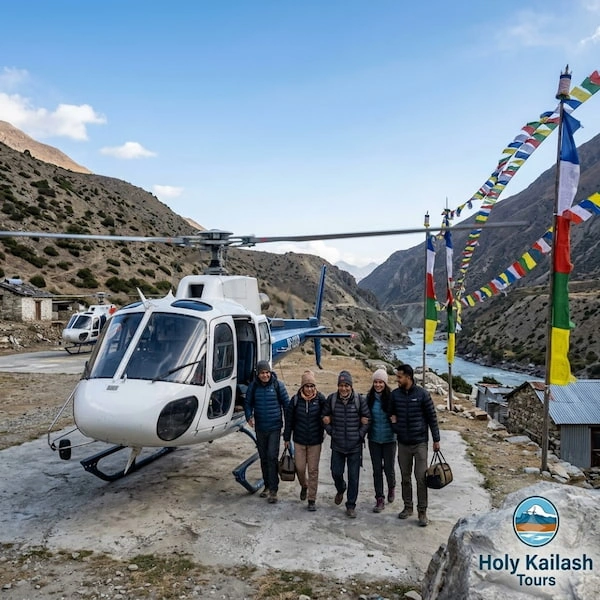
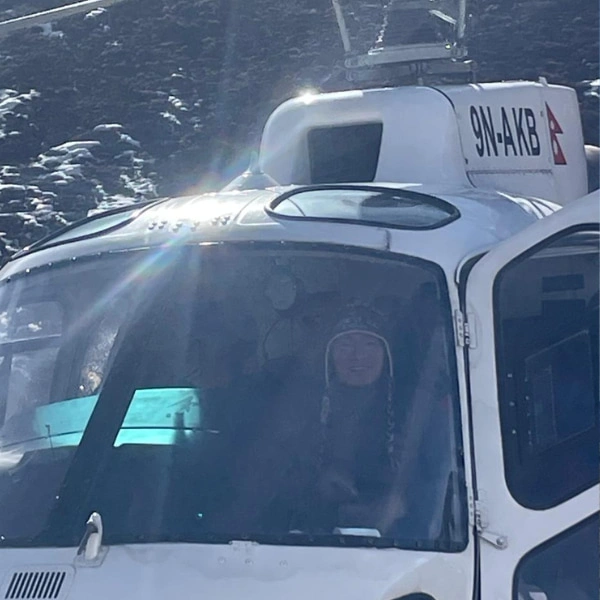
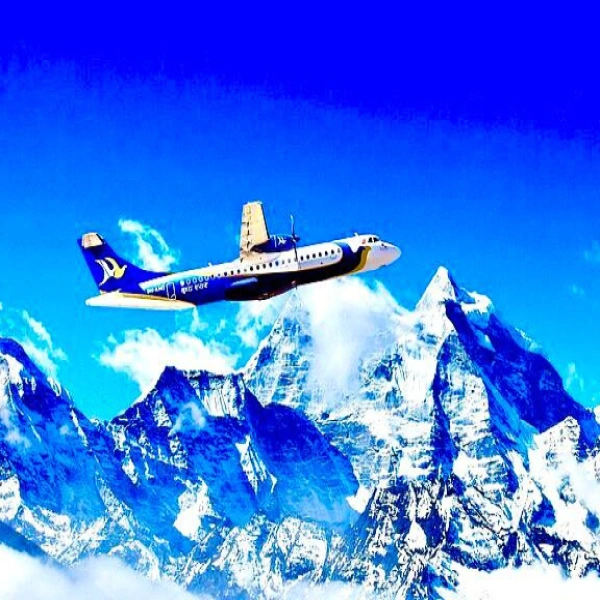
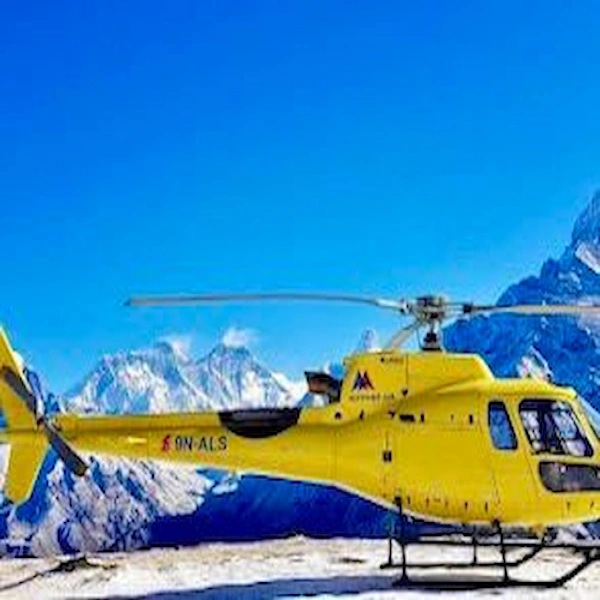
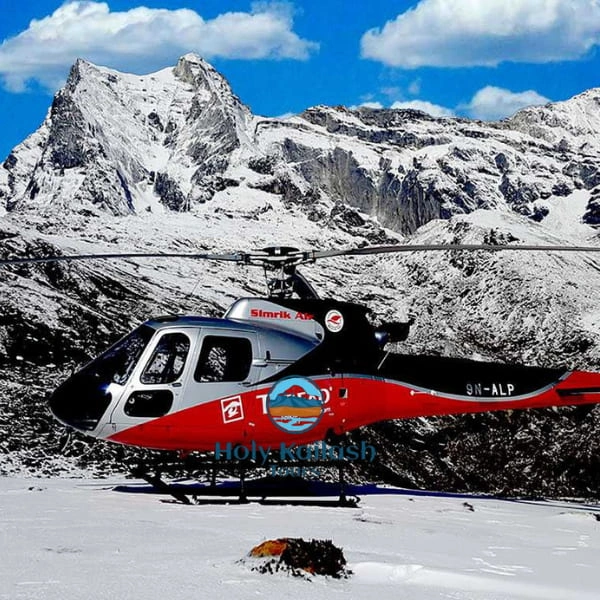
Holy Kailash Tours, based in Kathmandu, handles this side of the journey so pilgrims can focus on the experience itself rather than paperwork and logistics. The company arranges overland routes from Nepal via border crossings such as Kerung and Purang, as well as helicopter options for travelers who want to reduce time at lower-oxygen altitudes before the Kora begins.
Their guides are familiar with both the physical demands of the terrain and the religious significance of each stop along the route, which matters when pilgrims want context for what they're seeing rather than just transportation from point to point on a map.
The team also coordinates accommodations, permits, and acclimatization schedules built around the realities of high-altitude travel rather than a generic itinerary template.
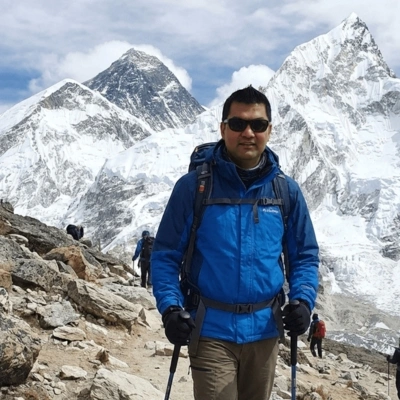
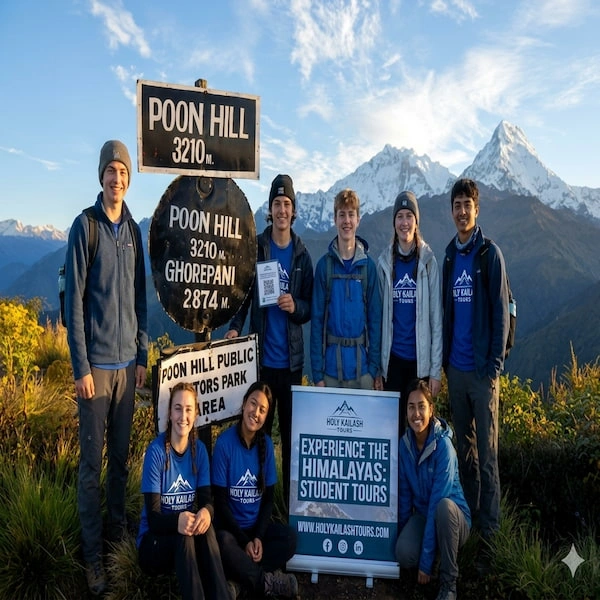
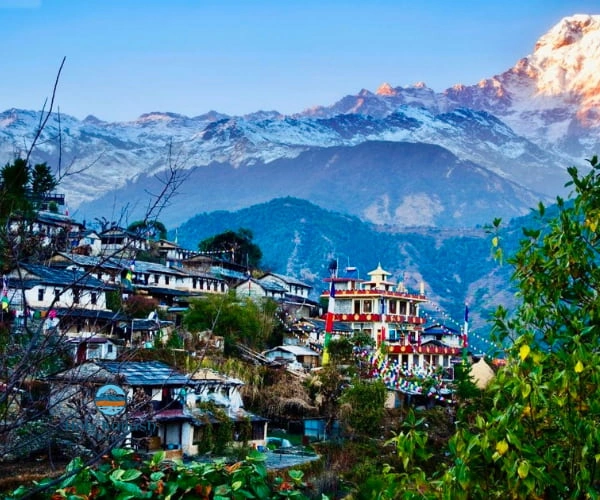
Holy Kailash Tours also runs trekking trips to Everest Base Camp and Annapurna Base Camp for travelers building a Himalayan experience before attempting Kailash, or simply looking for a separate trek through Sherpa and Gurung mountain culture. Both routes offer their own versions of the scale and silence that make Himalayan trekking distinct, with proper acclimatization planning built into the schedule.
Final Thought: Why Kailash Mansarovar Is Truly a Journey of the Soul
People go to many places looking for a particular kind of view. Kailash Mansarovar yatra certainly gives you that. But what makes this pilgrimage different is what happens once the view stops being the point.
Somewhere between the cold mornings at Mansarovar and the climb up Dolma La, most pilgrims stop performing the trip for anyone, even themselves, and just experience it. That's rare.
Most of modern life is built around narrating our own experiences as we have them. Kailash, by virtue of its remoteness, its difficulty, and its sheer age, makes that narration nearly impossible to sustain. You're too tired, too cold, too overwhelmed by where you are to keep up the commentary.
What's left, once the commentary drops away, tends to be something closer to the actual self underneath it. That's the journey of the soul people keep talking about. Not a metaphor, and not really a religious claim either, though it sits comfortably inside several religions at once.
Just a description of what happens when a person finally runs out of distractions in front of something old enough and large enough to take the weight off their hands for a while.
Frequently Asked Questions About the Kailash Mansarovar Yatra
Is the Kailash Mansarovar Yatra physically difficult?
Yes. The trip involves sustained high-altitude trekking, with the Kora reaching over 5,600 meters at Dolma La Pass. Most pilgrims find it demanding regardless of fitness level, due to the thin air rather than fitness alone. Proper acclimatization and a realistic training plan beforehand make a real difference.
Do I need to be religious to go on this pilgrimage?
No. Many travelers travel for cultural, personal, or adventurous reasons rather than for strict religious observance. Local guides and operators welcome pilgrims of all backgrounds, though respect for the site's religious significance is expected regardless of personal beliefs.
How long does the full Kailash Mansarovar Yatra take?
Most itineraries run between 12 and 16 days total, depending on the route from Nepal or India, the number of acclimatization days included, and whether travelers choose overland transport or helicopter access for part of the journey.
What is the best route to Kailash from Nepal?
The most common routes cross into Tibet through the Kerung or Purang border points. Operators like Holy Kailash Tours typically combine overland travel with strategic rest days to manage altitude gain safely.
Is it safe to drink water from Lake Mansarovar?
Pilgrims traditionally drink small amounts as part of ritual practice, but it isn't recommended as a primary water source. Most tours provide separately treated drinking water for daily hydration needs throughout the trip.
Can older travelers or those with health conditions complete the Yatra?
Many older pilgrims complete the journey successfully each year. Still, anyone with heart, lung, or chronic health conditions should consult a doctor beforehand and discuss the route's altitude profile honestly with their tour operator before booking.
What should I pack for the Kailash Yatra?
Layered clothing for sudden temperature changes, broken-in trekking boots, a good sleeping bag rated for cold conditions, basic altitude medication as advised by a doctor, and personal items for any religious rituals you plan to perform are the essentials most pilgrims rely on.
Why is walking around Mount Kailash considered so significant?
The Kora, or circuit walk, is believed across Hindu and Buddhist traditions to cleanse accumulated karma from past actions. A single circuit is said to remove the sins of one lifetime, which is why so many pilgrims prioritize completing it despite the physical difficulty involved.
Email: [email protected]
WhatsApp: +977-9851254672 — Feel free to reach out anytime for fast, friendly, and personalized assistance