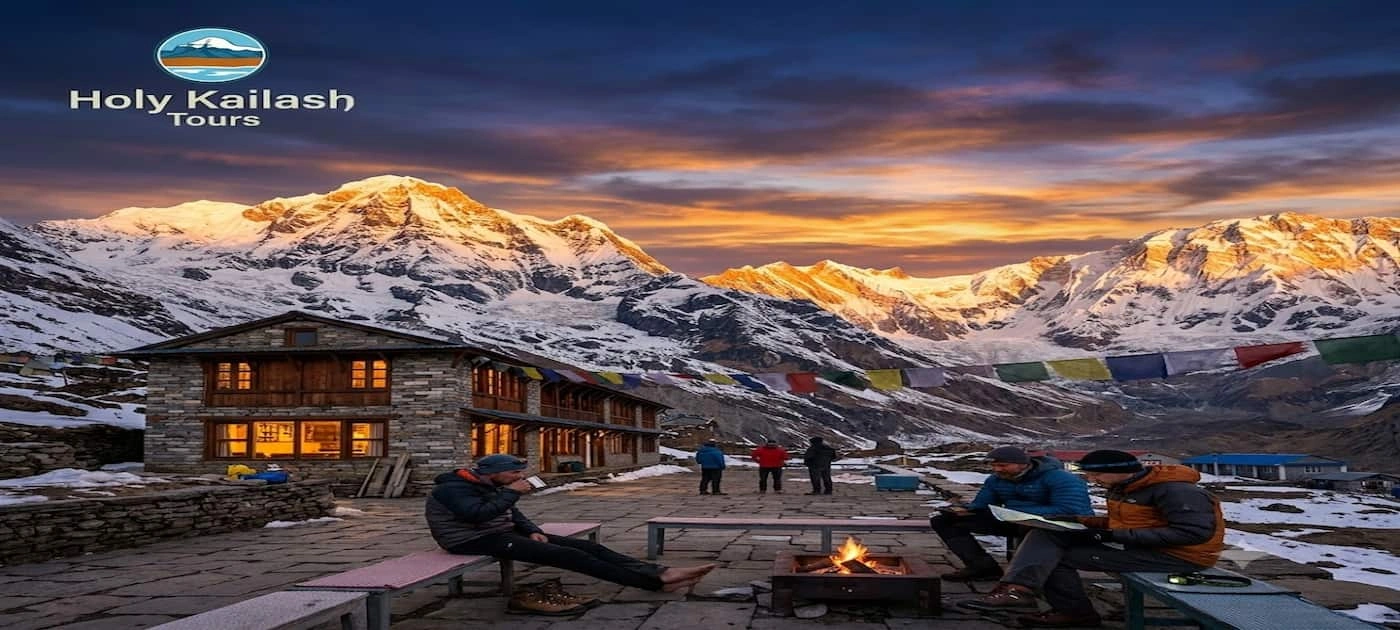
The Annapurna Base Camp trek with Poon Hill is the one most guides will point you toward, and for good reason. You get a sunrise over eight thousand meter peaks, a walk through Gurung villages that still grow their own millet and keep their own goats, and a final push into a stone amphitheater surrounded by some of the tallest mountains on earth. No technical climbing. No oxygen. Just walking, day after day, until the mountains stop feeling like postcards and start feeling like something you're standing inside of.
Annapurna Base Camp Trek with Poon Hill: A complete Guide to the route, the daily itinerary, costs, permits, difficulty, packing, and the small details nobody tells you until you're already on the trail. Holy Kailash Tours has guided travelers through this exact route for years, and most of what follows comes from real trips, real weather delays, and real conversations with trekkers at 4,130 meters wondering if their fingers will ever feel warm again.
Annapurna Base Camp Trek with Poon Hill Overview
Annapurna Base Camp Trek with Poon Hill Trek
The Annapurna Base Camp with Poon Hill trek runs through the Annapurna Conservation Area in central Nepal. It combines two experiences that work surprisingly well together: the short, steep climb to Poon Hill for sunrise, and the longer push into the Annapurna Sanctuary itself.
Most itineraries run 10 to 12 days from Kathmandu Valley, including the drive to and from Pokhara. The trek itself, once you're on foot, takes about 7 to 9 days, depending on your pace and whether you add rest days.
You don't need prior trekking experience. You do need decent fitness and a willingness to walk for 5 to 7 hours a day on uneven stone steps.
Some trekkers do Poon Hill on their own as a 3- or 4-day trip. Others skip it and go straight for Annapurna Base Camp. Combining them gives you the best of both without much extra time or cost.
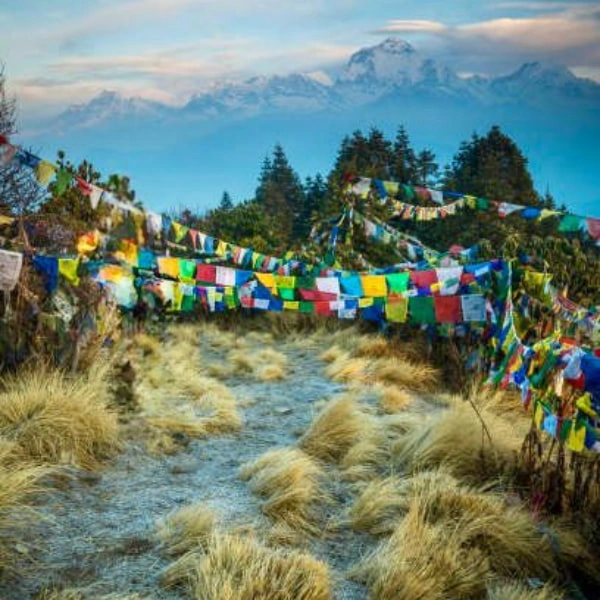
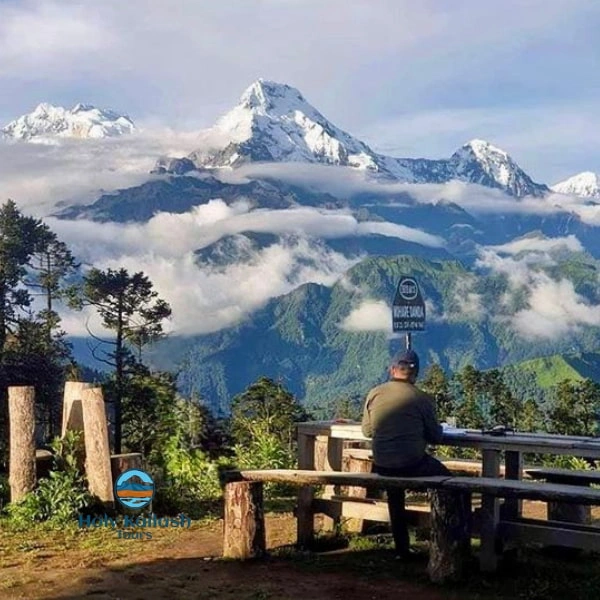
Poon Hill gives you the wide panoramic shot: Dhaulagiri, Annapurna South, Machapuchare, and Annapurna I all in one frame at sunrise
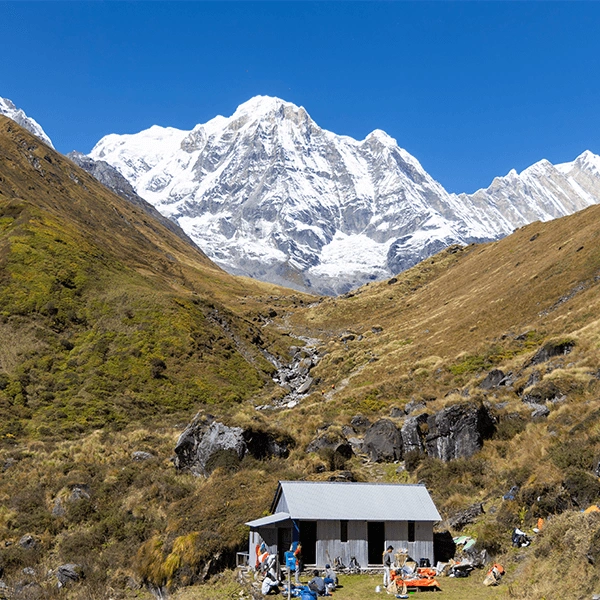
Annapurna Base Camp gives you a close, immersive view, standing inside the Sanctuary with peaks rising on three sides
The route between them passes through more villages and forests than the ABC-only trail, so you see more daily life along the way
Adding Poon Hill costs roughly one extra day, not three or four
I've talked to trekkers who did ABC without Poon Hill and later regretted it, mostly because the sunrise view from Poon Hill is genuinely different from anything you see at base camp itself. Base camp gives you scale. Poon Hill gives you breadth.
Highlights of the Annapurna Base Camp with Poon Hill Trek
Annapurna Base Camp Trek with Poon Hill Trek
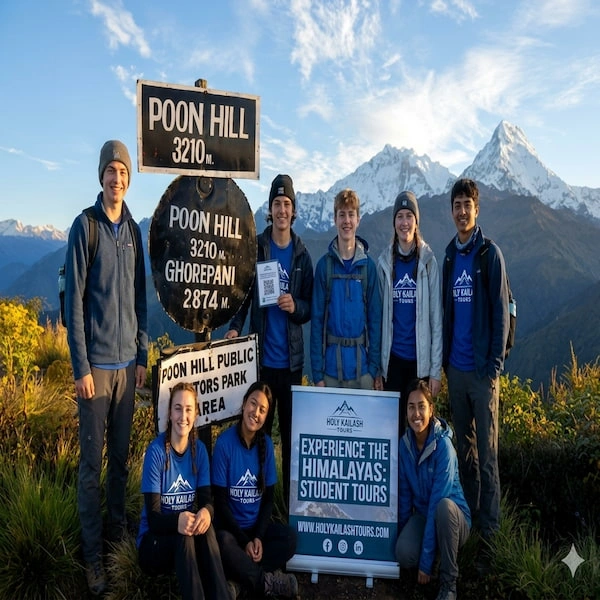
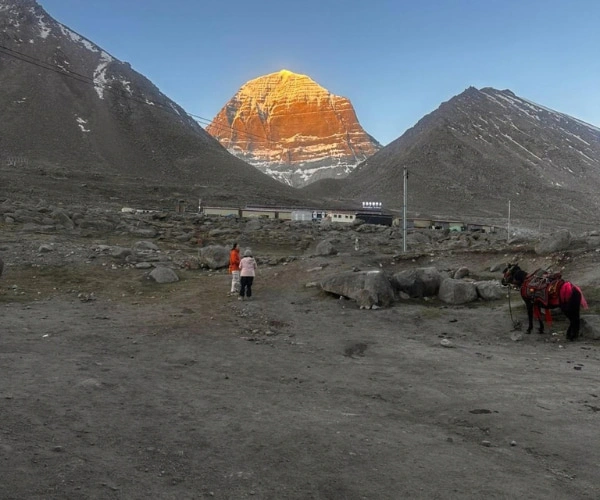
Sunrise over the Annapurna and Dhaulagiri ranges from Poon Hill (3,210m)
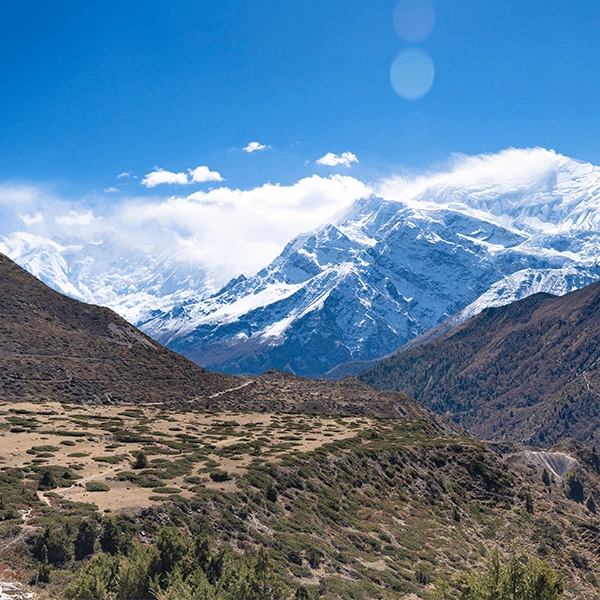
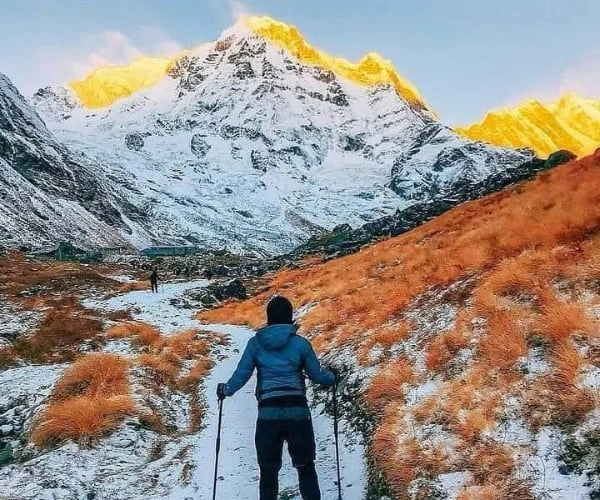
Walking directly into the Annapurna Sanctuary, a natural amphitheater of peaks above 7,000m and 8,000m
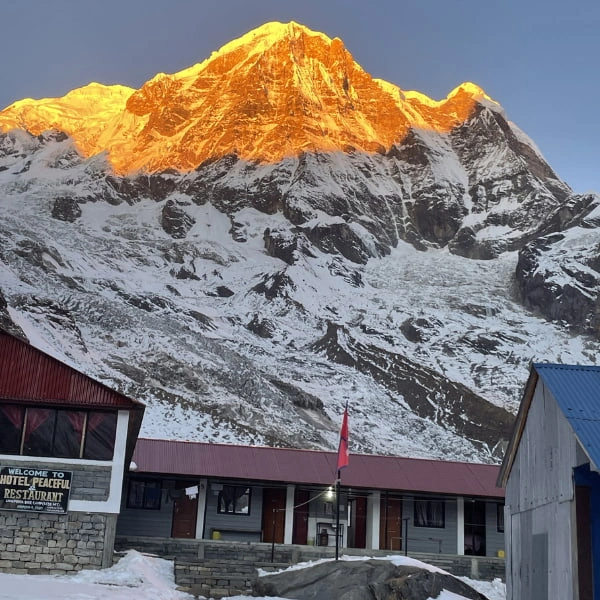
Standing at Annapurna Base Camp (4,130m), with Annapurna I rising just 4 km away
Gurung and Magar villages with terraced fields, prayer flags, and stone houses
Rhododendron forests that turn the trail red and pink in spring
Hot springs at Jhinu Danda to soak your legs after the descent
Suspension bridges, waterfalls, and the Modi Khola river running alongside much of the trail
Both are in the Annapurna region of central Nepal, in the Kaski and Myagdi districts, within the Annapurna Conservation Area. Pokhara Valley is the gateway city. From Pokhara, a short drive takes you to the trailhead, usually Nayapul or Kimche, depending on your operator's itinerary.
Poon Hill is above the village of Ghorepani at 3,210 meters. Annapurna Base Camp is much further up the valley, inside the Sanctuary, at 4,130 meters.
Annapurna Base Camp Trek with Poon Hill Route
Annapurna Base Camp Trek with Poon Hill Trek
The standard route looks like this: Pokhara to Nayapul (drive) to Tikhedhunga to Ulleri to Ghorepani to Poon Hill (early morning side trip) to Tadapani to Chhomrong to Bamboo to Deurali to Machhapuchhre Base Camp to Annapurna Base Camp, then back down through Bamboo, Jhinu Danda, and out to Pokhara.
The first two days are mostly stone steps, climbing through farmland and forest. After Ghorepani, the trail flattens out a bit through rhododendron forest before the real climbing starts again past Chhomrong, where you officially enter the Annapurna Sanctuary.
Here's a realistic 11-day breakdown, including the Kathmandu-to-Pokhara legs.
Day 1: Arrive in Kathmandu, settle in, sort out gear, and meet your guide if you're trekking with an operator.
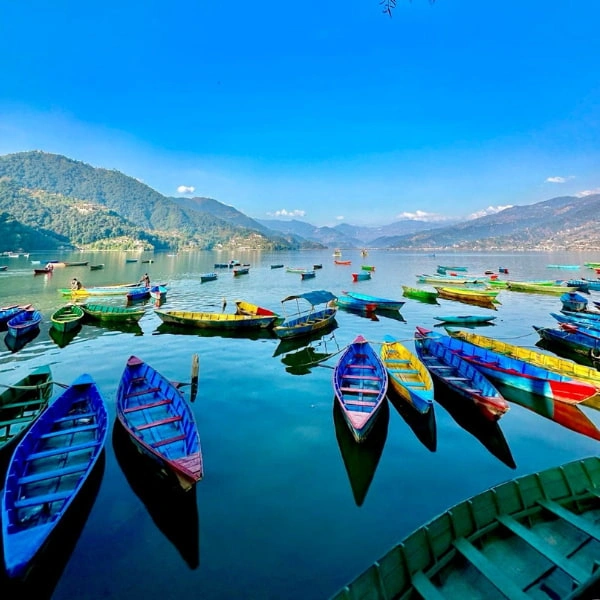
Day 2: Drive or fly to Pokhara. The drive takes 6 to 7 hours by road, or about 25 minutes by air. Pokhara sits on a lake with Annapurna and Machapuchare visible on clear days, so this is a good place to double-check your gear before heading up.
Day 3: Pokhara to Nayapul, trek to Tikhedhunga (1,540m). A short drive to Nayapul, then 3 to 4 hours of walking along the river and through small villages.
Day 4: Tikhedhunga to Ghorepani (2,860m). This is the hardest day on paper. You climb the famous Ulleri stone steps, thousands of them, gaining over 1,300 meters in elevation across 6 to 7 hours. Slow and steady wins here.
Day 5: Poon Hill sunrise, then trek to Tadapani (2,630m). Wake up around 4:30 am for the 45-minute climb to Poon Hill in the dark. The sunrise itself takes maybe 20 minutes, but it's the kind of 20 minutes you remember for years. Back to Ghorepani for breakfast, then 5 to 6 hours to Tadapani through the rhododendron forest.
Day 6: Tadapani to Chhomrong (2,170m) A shorter day, 5 hours, with your first real views into the Sanctuary. Chhomrong is the last large village before the trail gets remote.
Day 7: Chhomrong to Bamboo (2,310m) You'll drop down a steep set of stairs, cross a river, then climb back up through bamboo and rhododendron forest. About 5 hours.
Day 8: Bamboo to Deurali (3,230m) The forest thins out and the trail follows the river closely, with avalanche-prone slopes above you on one stretch. 5 to 6 hours.
Day 9: Deurali to Annapurna Base Camp (4,130m), via Machhapuchhre Base Camp. This is the big day. You pass Machhapuchhre Base Camp first, then push on to ABC itself, 5 to 6 hours total. The landscape changes fast here, going from scrub to bare rock and snow in just a couple of hours.
Day 10: Annapurna Base Camp to Bamboo (or Jhinu Danda) Long descent day, 6 to 7 hours, sometimes split into two days depending on group fitness.
Day 11: Jhinu Danda hot springs, then drive back to Pokhara. A short walk down to Jhinu, a soak in the natural hot springs (worth every minute after nine days of walking), then a drive back to Pokhara.
Many operators, including Holy Kailash Tours, build in a buffer day either in Pokhara or along the trail in case of weather delays; it is worth requesting if your schedule allows.
The total ABC with Poon Hill trekking distance is roughly 110-130 km, depending on the exact route and any side trips. Walking days range from 5 to 8 hours, with the Ulleri climb and the final ABC push being the longest.
Total trip duration, including Kathmandu and Pokhara: 10-12 days. Pure trekking days: 7 to 9 days.
The trek's high point is Annapurna Base Camp at 4,130 meters. Poon Hill, your other major waypoint, sits at 3,210 meters.
The elevation gain isn't a steady climb. You go up to Ghorepani, drop down toward Chhomrong, then climb steadily again toward ABC. This up-and-down pattern actually helps with acclimatization, since you're not gaining altitude in one straight shot.
I'd call this moderate, not extreme. It's harder than a week of city walking but doesn't require any technical skills, ropes, or prior mountaineering experience.
What makes it tough:
Long stone staircases, especially the Ulleri section on day 4
Daily walks of 5 to 7 hours on uneven terrain
Altitude above 4,000 meters on the final approach, where the air noticeably thins
Cold nights at higher elevations, even outside winter
What makes it manageable:
No technical climbing or fixed ropes
Tea houses every few hours, so you're never far from food, water, or shelter
The route is well-marked and heavily used, so getting lost is rare
Most trekkers in reasonable fitness complete it without major issues
If you can walk 5 to 6 hours on hilly terrain with a daypack and you're not dealing with serious cardiovascular or respiratory issues, you can do this trek.
Best Time to Trek Annapurna Base Camp with Poon Hill
Two windows stand out.
Spring (March to May) Rhododendrons bloom along the trail, turning entire hillsides red, pink, and white. Temperatures are mild at lower elevations, cold but manageable up high.
Autumn (September to November). This is peak season for a reason. Clear skies, stable weather, and the best visibility for both Poon Hill sunrise and the Annapurna Sanctuary views.
Winter (December to February) is possible but cold, with snow likely above 3,000 meters and some tea houses closing. Monsoon (June to August) brings heavy rain, leeches, and clouds that often block mountain views entirely, so most operators don't recommend it.
This deserves its own section because it's the moment most people remember first when they talk about this trek.
You'll leave your tea house in Ghorepani around 4:30 am, headlamp on, climbing in the dark alongside dozens of other trekkers doing the same thing. It's cold, your legs are still tired from the day before, and you'll probably ask yourself why you're doing this at least once during the climb.
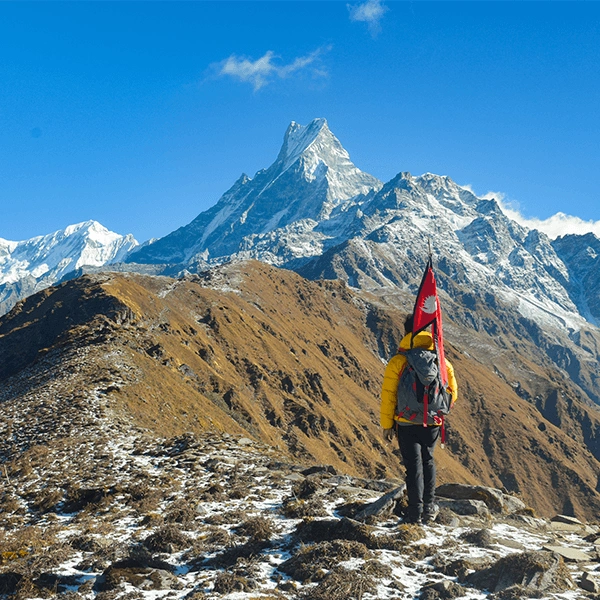
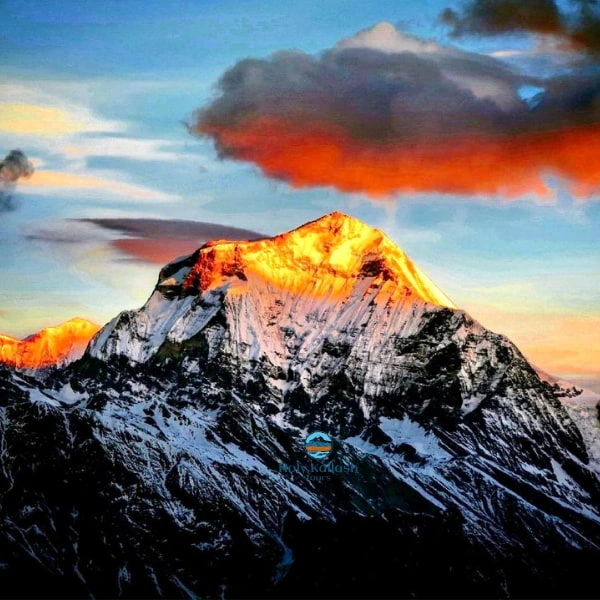
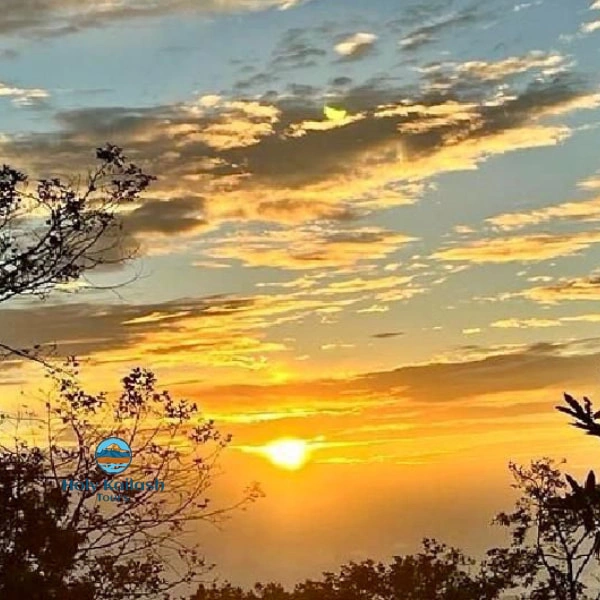
Then you reach the top, find a spot among the crowd (it does get busy in peak season), and wait. The sky shifts from black to deep blue to orange. Dhaulagiri catches the first light, then Annapurna South, then the rest of the range lights up one peak at a time. Machapuchare, the fishtail mountain, sits in the middle of it all looking sharp enough to cut paper.
It lasts maybe 20 to 30 minutes before the light flattens out. Bring a warm layer you can shed once the sun is fully up, because temperatures swing fast.
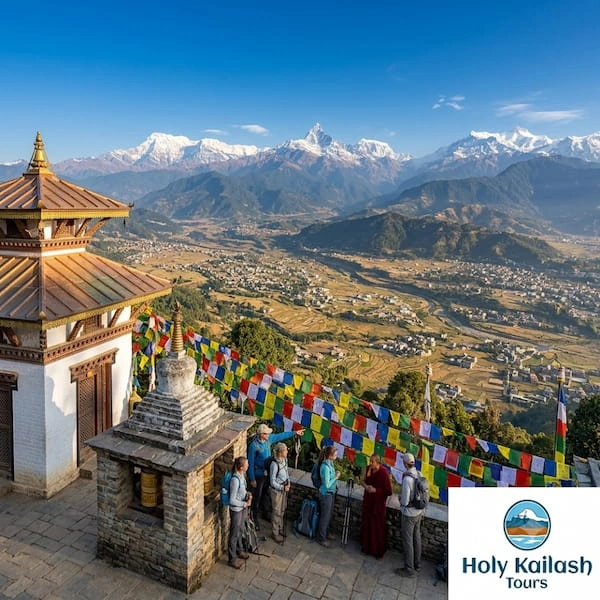
The trail passes through Gurung and Magar communities, many of whom have farmed and herded in these valleys for generations. Stone houses with slate roofs, prayer flags strung between buildings, and small village shops selling tea and snacks are common sights, especially in Ghandruk, Chhomrong, and Ghorepani.
Many families here run the tea houses you'll stay in, and a fair number have male family members who've worked as Gurkha soldiers or porters on other Himalayan expeditions, so conversations over dal bhat in the evening can go in interesting directions if you're curious enough to ask.
Annapurna Conservation Area Permit (ACAP): required for entry into the conservation area
TIMS card (Trekkers' Information Management System): used to track trekker numbers and movement for safety purposes
Both are arranged in Kathmandu or Pokhara, and most operators, including Holy Kailash Tours, handle the paperwork for you so you're not stuck in permit offices but on the trail.
You'll stay in tea houses the entire way, simple guesthouses with twin rooms, shared bathrooms (sometimes attached, sometimes not), and a common dining area heated by a wood or gas stove in the evening.
Rooms are basic but functional: a bed, a thin mattress, maybe a small window. Hot showers are usually available for a small extra fee, though don't expect much water pressure. Wi-Fi is available in most places now, though it can be slow or unreliable above 3,000 meters.
Bring your own sleeping bag liner or a lightweight sleeping bag, since the provided blankets aren't always enough for colder nights.
Dal bhat (lentils, rice, vegetable curry) is the trekker's staple, and for good reason: most tea houses offer free refills, which matters when you're burning serious calories every day. Other common options include noodle soup, fried rice, momos, and basic pasta dishes.
For water, you have a few choices:
Buy bottled water at tea houses (gets pricier the higher you go)
Use a water filter or purification tablets with refills from taps or rivers
Some tea houses sell boiled water for a small fee
I'd recommend the filter or tablet route, both for cost and to reduce plastic waste along the trail.
At 4,130 meters, altitude sickness is a real possibility, though the risk is lower here than on treks that go above 5,000 meters.
Drink more water than you think you need; dehydration mimics and worsens altitude symptoms
Go slow, especially on the final approach to ABC, where the elevation gain happens quickly
Watch for headache, nausea, dizziness, or unusual fatigue
If symptoms worsen rather than improve with rest, descend rather than push on
Diamox (acetazolamide) is commonly used as a preventive measure, but talk to a doctor before your trip
A good guide will watch your group for symptoms and isn't shy about adjusting the pace or, if needed, sending someone down. Don't argue with that decision if it happens.
You can trek this route independently, since it's well-marked and well-trafficked. That said, most travelers, especially first-timers in Nepal, get more out of the trip with a guide.
A guide handles permits, navigation in poor weather, and can spot early signs of altitude sickness
A porter carries the bulk of your gear, which makes a real difference on the Ulleri steps
Hiring local guides and porters also puts money directly into the communities you're walking through
Holy Kailash Tours pairs trekkers with guides who know this specific route well, including which tea houses tend to have better food, where the wifi actually works, and how to read the weather coming over the ridgelines.
From Kathmandu, you'll first head to Pokhara, either by a 6 to 7-hour drive along the Prithvi Highway or a short 25-minute domestic flight. From Pokhara, a local drive of about 1.5 to 2 hours takes you to Nayapul, the usual starting point for the trek.
On the return, the same route runs in reverse from Jhinu Danda or Ghandruk back to Pokhara.
Cost of the Annapurna Base Camp Trek with Poon Hill
Costs vary depending on group size, season, and what's included, but here's a rough breakdown for budgeting purposes.
Permits (ACAP + TIMS): roughly $30 to $40 combined
Tea house accommodation: $5 to $15 per night, often cheaper if you eat meals there
Meals: $10 to $15 per meal at higher elevations
Guide fees: roughly $25 to $35 per day
Porter fees: roughly $20 to $25 per day
Full guided package (10 to 12 days, including Kathmandu/Pokhara transport, permits, guide, and accommodation): typically $700 to $1,200 depending on group size and season
Solo trekkers without a guide can do it cheaper, but factor in the value of local knowledge, safety, and support, especially if it's your first high-altitude trek in Nepal.
Poon Hill at sunrise is the single best wide-angle shot of the trip. Arrive at least 15 minutes before the lights start changing to claim a decent spot
Annapurna Base Camp itself offers a 360-degree mountain panorama, best shot in the early morning before clouds build up later in the day
Machhapuchhre Base Camp gives you a closer, more dramatic angle on the fishtail peak than you get from lower elevations
Bring extra batteries, since cold drains them faster than usual, and keep your camera or phone inside a jacket pocket between shots
You can absolutely plan the ABC trek on your own. Plenty of people do. But the route gets easier, safer, and frankly more enjoyable with the right support behind you, especially if it's your first time trekking at altitude in Nepal.
Holy Kailash Tours has organized treks through this exact region for years, with guides who know the trail conditions, the tea house owners, and how to adjust an itinerary when the weather doesn't cooperate. Beyond Annapurna, the same team also runs Everest Base Camp treks and Kailash Mansarovar pilgrimages, so the experience comes from genuinely knowing these mountains, not just selling trips through them.
If you're weighing whether to go independent or guided, consider your experience level, comfort with altitude, and how much you want to focus on walking versus logistics. A good local operator handles the second part so you can focus entirely on the first.
How many days does the Annapurna Base Camp trek with Poon Hill take?
Most itineraries run 10 to 12 days total, including Kathmandu and Pokhara transit, with 7 to 9 days of actual trekking.
What is the maximum altitude on this trek?
Annapurna Base Camp sits at 4,130 meters. Poon Hill, the other major point, is at 3,210 meters.
Do I need previous trekking experience for the ABC with Poon Hill?
No. The trek is rated moderate and doesn't require technical skills, though decent fitness helps a lot, especially on the Ulleri stone steps.
Is altitude sickness common on this trek?
It's possible but less common than on treks above 5,000 meters. Staying hydrated, walking at a steady pace, and watching for symptoms keep most trekkers safe.
What permits do I need?
You'll need the ACAP (Annapurna Conservation Area Permit) and a TIMS card, both arranged in Kathmandu or Pokhara.
When is the best time to do this trek?
Spring (March to May) for rhododendron blooms, or autumn (September to November) for the clearest mountain views.
Can I do this trek without a guide?
Yes, the trail is well-marked and heavily used. That said, a guide adds safety, local insight, and support, particularly useful for first-time trekkers in Nepal.
How much does the trek typically cost?
A full guided package, including permits, guide, accommodation, and transport, generally runs $700 to $1,200 depending on group size and season.
What should I pack for cold nights?
A sleeping bag rated for at least -5°C, warm layers, a hat and gloves, and a headlamp for the early Poon Hill climb.
ABC with Phoon Hill trek rewards you twice. Once at Poon Hill, with a sunrise that makes the early wake-up call worth every freezing minute, and again at Annapurna Base Camp, standing inside a ring of mountains that took nine days of walking to reach. Neither view replaces the other. You need both to really understand why this route gets recommended so often.
If you're putting together your own trip, give yourself buffer days, train your legs on real hills before you arrive, and choose an operator who actually knows this specific trail, not just treks in Nepal in general. Holy Kailash Tours has guided travelers through this exact route long enough to know where the trail gets slippery in October and which tea house in Chhomrong makes the best dal bhat at 9 pm after a long day. That kind of detail matters more than it sounds like it should, right up until the moment you need it.