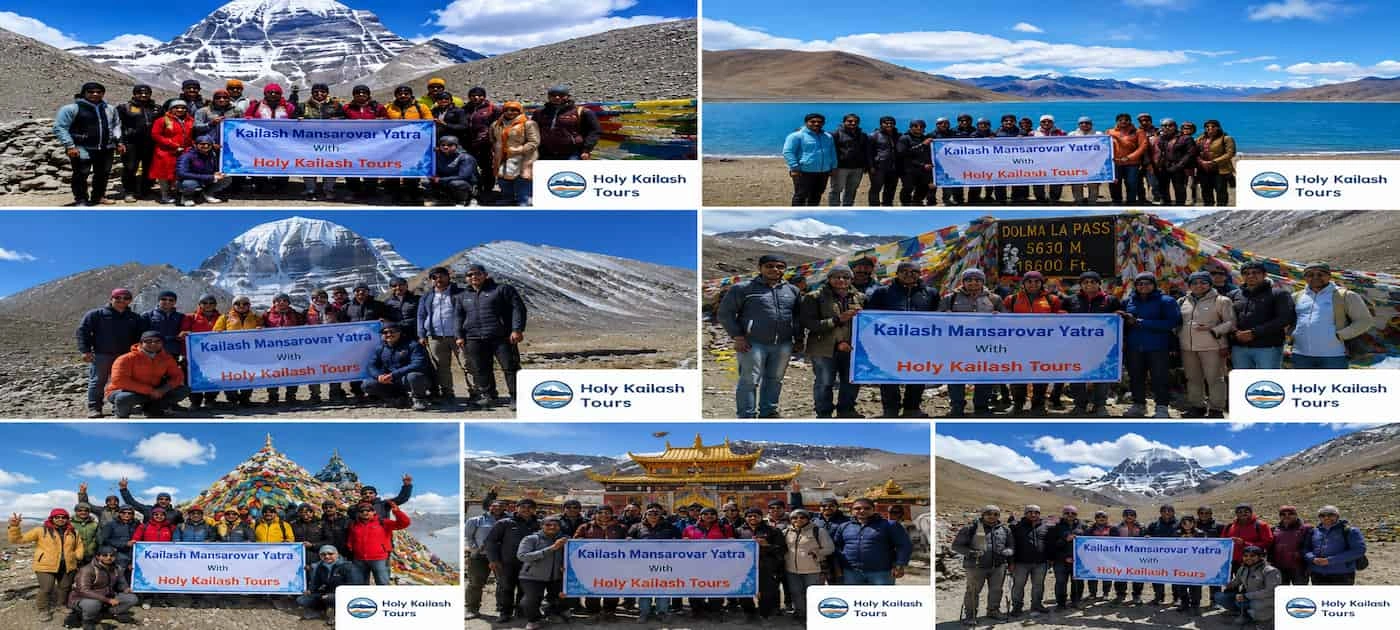
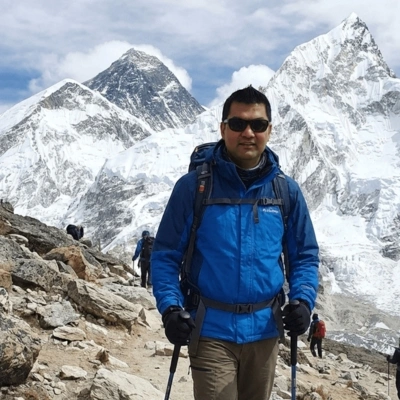
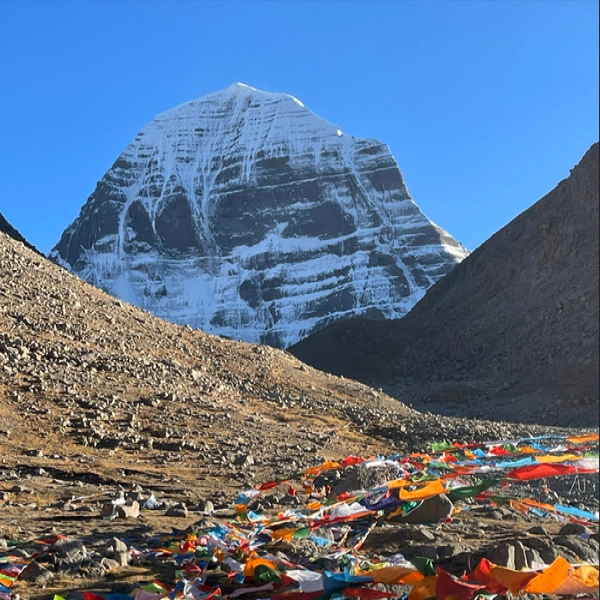
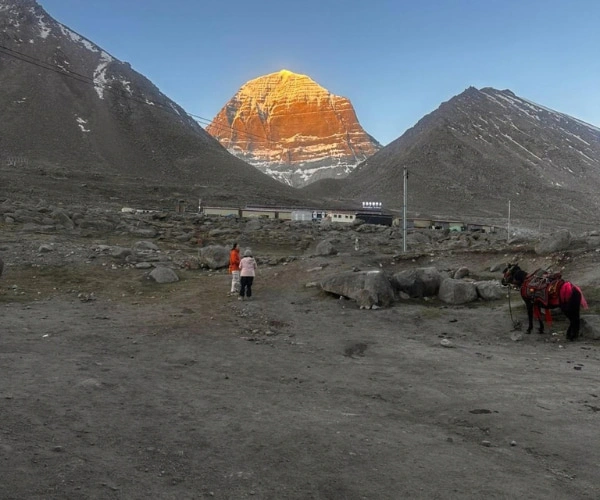
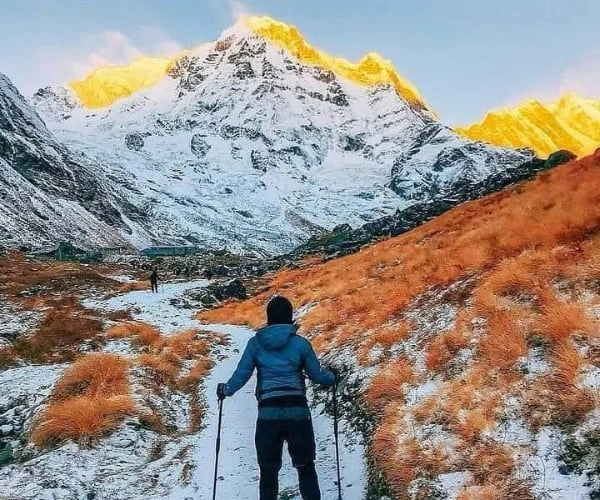
The Kailash Mansarovar Yatrais a sacred pilgrimage to the abode of Lord Shiva, and yet it is probably the most grueling high-altitude journey in the world. Thousands of disciples and nature lovers embark on the pilgrimage to the holy waters of Lake Mansarovar and the circumambulation of Mount Kailash every year. Besides being a spiritual journey, this intensely physically demanding pilgrimage requires those inclined to undertake it to be well prepared to face the risks of altitude sickness, weather, and difficult walking conditions.
The collective difficulty of the Kailash Mansarovar Yatrahas been rated from moderate to challenging by some. The ground distance of walking does not contribute to their misery as much as it does because of the raised altitude a lot of the time. Most of the altitudes the trip runs at are over 4,500 meters, and the oxygen level there is much lower than at sea level. It becomes a problem for most people, irrespective of their age or strength. Only proper acclimatization and a travel plan that is gradual in nature can be considered absolute for a secure journey in this scenario.
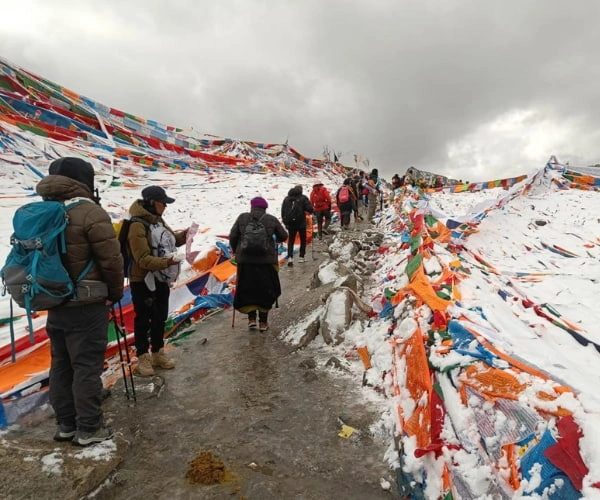
The hardest aspect of this pilgrimage is the three-day Circuit of Mount Kailash. This trek also offers pilgrims the opportunity to experience the famous Dolma La Pass, the highest point of the journey at about 5,630 meters. The weather can be difficult, the slope is quite steep, and the thin air can be a challenge for the body. Many first-time travelers manage to complete the circuit with the help of pacing, guides, and rest.
Doing some physical and mental preparation a few weeks before departure will have a positive effect on the pilgrimage, an effect often underestimated, especially by young pilgrims. Endurance exercises such as walking, hiking, climbing stairs, and light cardio are best suited to preparing for the pilgrimage. Also, a doctor's consultation is recommended for all travelers pre-trip, particularly for those with health problems. In the same way, carrying clothes suitable for extremely cold temperatures, strong winds, and changing weather conditions may be required at any time during the journey.
Planning well in advance is the secret to the success of this holy journey by the team at Holy Kailash Tours. We strongly recommend planning your travel with a specialized company, as they incorporate important elements such as acclimatization, comfortable accommodations, reliable transportation, and a local guide into the tour itineraries. You may select a road trip or a helicopter-supported trip. In either case, our main aim is to provide you with a safe, comfortable, and spiritually meaningful Kailash Mansarovar Yatra.
Knowing the difficulty level of the Kailash Mansarovar Yatra before starting the trip is one of the most important factors in preparing physically, mentally, and spiritually. With the right tools, a great attitude, and proper guidance, one will always remember this extraordinary pilgrimage as a life-changing experience filled with faith, personal growth, and a deep connection to the majestic Himalayas.
Is the Kailash Mansarovar Yatra Difficult?
Kailash Mansarovar Yatra
Yes, but not in the way most people imagine. There's no rock climbing, no technical mountaineering, no ropes or crampons. The actual walking is straightforward. What makes the Kailash Mansarovar Yatra difficult is the altitude, plain and simple.
You're traveling and trekking between 12,000 and 19,000 feet for most of the trip. The air is thin. Your body has to adjust. Some people adjust easily. Others feel it within hours of arriving in Tibet. There's no way to predict which group you'll fall into just by looking at how fit someone is.
So the honest answer is this: the Yatra is moderately to highly demanding, mostly because of elevation and remoteness, not because the trail itself is technical. A 70-year-old who has prepared and acclimatized properly can finish it. A 30-year-old marathon runner who ignores altitude can end up sick on day three.
This is the single biggest factor in the difficulty of the Kailash Mansarovar Yatra. At sea level, the air contains roughly 21% oxygen. At 18,000 feet, near Dolma La Pass, your body is working with roughly half the oxygen it's used to.
Your body responds by breathing faster and your heart working harder to push oxygen around. For most people, this causes mild symptoms: headache, fatigue, and shortness of breath on exertion. For a smaller number, it can cause more severe altitude sickness if they push too hard or too fast.
The good news is that altitude sickness is largely manageable, not random bad luck. People who ascend gradually, drink enough water, and rest when told to, almost always do better than people who rush. This is why a well-planned itinerary with built-in acclimatization days matters more than raw fitness.
Physical Fitness Required for the Kailash Mansarovar Yatra
Kailash Mansarovar Yatra
You don't need to be an athlete. You do need a working level of cardiovascular fitness and the ability to walk for several hours on uneven ground, sometimes carrying a small daypack.
A realistic fitness bar looks like this:
Comfortably walking 5 to 8 kilometers on hilly terrain without stopping every few minutes.
Climbing a few flights of stairs without major breathlessness.
No untreated heart or lung conditions (this needs a doctor's check, not a guess).
General stamina to handle multiple travel days back-to-back.
If you can hike a moderate trail for half a day and feel tired but fine the next morning, you have the baseline fitness for this Yatra. People who train specifically for it (brisk walking, stair climbing, light cardio three to four times a week for two months before departure) consistently report an easier time on the Kailash Parikrama.
This part gets overlooked a lot. The physical side gets all the attention, but the mental side decides whether people enjoy the trip or just survive it.
The Kailash Mansarovar Yatra asks you to give up control. You don't decide the pace, the weather, or how your room looks that night. You're not driving the itinerary; you're following it. For people used to managing every detail of their own schedule, this can be the hardest adjustment of the whole trip.
A few things help:
Accept that discomfort is part of the journey, not a sign something's wrong.
Remember why you're going. For most pilgrims, the spiritual purpose carries them through the physically hard stretches.
Travel with a group or guide you trust, so you're not solving every problem alone.
People who arrive with the right mindset, flexible, patient, and focused on the pilgrimage itself, tend to find the Yatra far less stressful than people who treat it like a tightly scheduled vacation.
Kailash Parikrama Difficulty Explained
Kailash Mansarovar Yatra
The Parikrama, or Kora, is the circuit walk around Mount Kailash. It's usually done over three days, though some fit travelers complete it in two.
Here's roughly how it breaks down:
Day 1: Yamdwar to Dirapuk, about 12 to 14 kilometers, mostly flat to gently rising, at altitudes around 15,000 to 16,000 feet.
Day 2: Dirapuk to Zutulpuk, the hardest day, crossing Dolma La Pass at over 18,000 feet, roughly 18 to 22 kilometers depending on the route.
Day 3: Zutulpuk back to Darchen, a shorter, easier descent, around 8 to 10 kilometers.
Day one is manageable for most reasonably fit travelers. Day three is mostly downhill relief. Day two is the one that tests people, and we'll get into exactly why below.
Pony and yak support is available for those who can't walk the full distance, which makes the Kora accessible to a wider range of pilgrims than many expect. This isn't cheating; it's a normal and accepted part of how the pilgrimage works for older travelers or anyone managing fatigue.
If there's one section that defines the difficulty of the Kailash Mansarovar Yatra, it's this pass. Sitting at roughly 18,600 feet, Dolma La is the highest point most pilgrims will reach on foot during the entire trip.
What makes it hard isn't just the altitude number. It's the combination of:
A steep, sustained climb in the hours right before dawn or early morning.
Thin air makes every step feel heavier than it should.
Cold temperatures, often well below freezing at the top.
A long day overall, since the descent on the other side still has distance to cover.
Most pilgrims describe the climb to Dolma La as slow and exhausting rather than dangerous. You stop often. You breathe hard. Your legs feel like they're moving through water. But step by step, almost everyone who's prepared properly gets there.
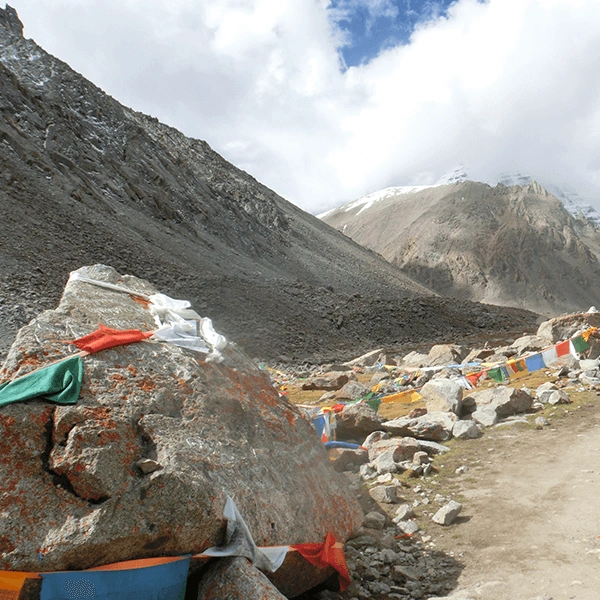
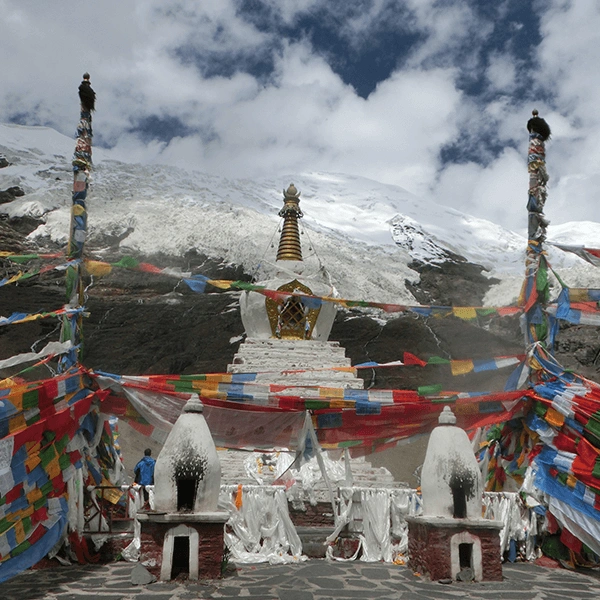
The summit itself, marked by prayer flags and the sacred rock, is often described as deeply emotional, not just because of the spiritual weight of the place, but because of what it took physically to arrive. Many travelers with Holy Kailash Tours mention that the moment at Dolma La feels like the heart of the whole pilgrimage, the point where the hard work gives way to something bigger than the walk itself.
Common Symptoms of Altitude Sickness
Kailash Mansarovar Yatra
Knowing the symptoms before you go matters more than most pilgrims realize. Catching mild signs early stops them from becoming serious problems.
Watch for:
A headache that doesn't go away with rest or water.
Nausea or loss of appetite.
Dizziness or a feeling of unsteadiness.
Shortness of breath even at rest.
Trouble sleeping (common and usually mild).
Swelling in hands, feet, or face.
More serious warning signs that need immediate attention include confusion, severe breathlessness at rest, a persistent cough, or trouble walking in a straight line. These are rare, but guides on a well-run Yatra are trained to spot them and act quickly, which is another reason not to attempt this trip independently without proper support.
Best Training Plan Before the Kailash Mansarovar Yatra
Give yourself eight to twelve weeks if you can. The goal isn't to get extremely fit; it's to build a base that holds up over multiple demanding days in a row.
A simple plan that works for most people:
Weeks 1 to 4: Brisk walking 30 to 45 minutes, four times a week. Add stairs twice a week.
Weeks 5 to 8: Increase walks to 60 minutes, include some hilly terrain if you have access to it. Start carrying a light daypack.
Weeks 9 to 12: A few longer walks of 2 to 3 hours on consecutive days, to mimic the back-to-back demand of the Yatra itself.
If you're over 55 or have any pre-existing condition, a check with your doctor before starting this plan, and again closer to departure, is worth the appointment.
Weather Conditions and Their Impact on the Journey
Tibet's weather near Kailash is unpredictable, which adds to the overall difficulty.
Daytime temperatures during the main travel season (May through September) often range from 50 to 70°F, but mornings, evenings, and the pass itself can drop well below freezing. Wind is a constant factor, sometimes strong enough to make a flat trail feel exhausting.
Rain and sudden snow are possible even in summer months, especially at higher elevations. Layered clothing isn't optional gear advice here; it's the difference between a comfortable day and a miserable one. Sun exposure is also stronger than people expect at this altitude, so sunburn and snow blindness are real risks even on cloudy days.
This part surprises many first-time pilgrims more than the trek does. Getting to and around Kailash involves long stretches on rough, unpaved, or partially paved roads, sometimes for six to eight hours at a stretch.
Vehicles are sturdy 4x4s, but the ride can still be bumpy and tiring, particularly on the Kerung or Purang border routes from Nepal. Combine that with altitude, and you get a kind of fatigue that has nothing to do with physical fitness; it's just the wear of long hours in a moving vehicle at thin air.
Build in rest expectations for these travel days. They count toward the Yatra's overall difficulty, even though no one's actually walking during them.
Food, Accommodation, and Basic Facilities Along the Route
This is a part of the Kailash Mansarovar Yatra difficulty that catches people off guard, especially first-timers expecting standard tourist comforts.
Accommodation ranges from simple hotels in larger towns like Saga or Purang to basic guesthouses or tents closer to Kailash itself. Rooms are functional, not luxurious. Hot water isn't guaranteed every night. Heating in some guesthouses is limited, so warm sleeping gear matters.
Food is generally simple: rice, noodles, vegetables, Soup, and basic Tibetan or Nepali staples. Vegetarians are well catered for, since much of the regional diet already leans that way. Appetite often drops at altitude, which is normal, but it helps to eat something at every meal anyway, even small portions.
Toilets along parts of the route are basic, sometimes just pit latrines, particularly during the Kora days. This is one of those things that's better to know in advance than to discover on the trail.
Kailash Yatra by Overland vs Helicopter And Via Lhasa: Which Is Easier?
There isn't one right route, but each option changes the difficulty profile in a specific way.
Overland via Nepal (Kerung or Purang border): This is the most common route and gives your body more time to acclimatize gradually as you gain altitude over several days. It's physically longer but kinder to your system.
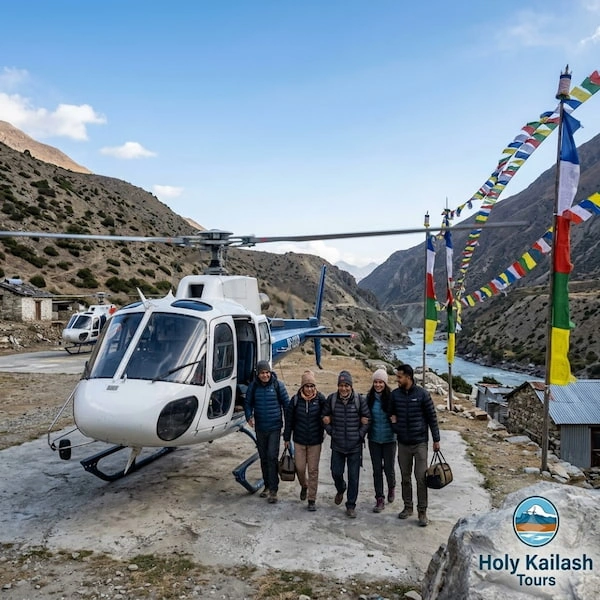
Helicopter Route access: Cuts travel time significantly by flying directly into higher altitude zones. This saves days, but it also means a much faster elevation gain, which can increase the risk of altitude sickness for some travelers, since there's less time for gradual adjustment.
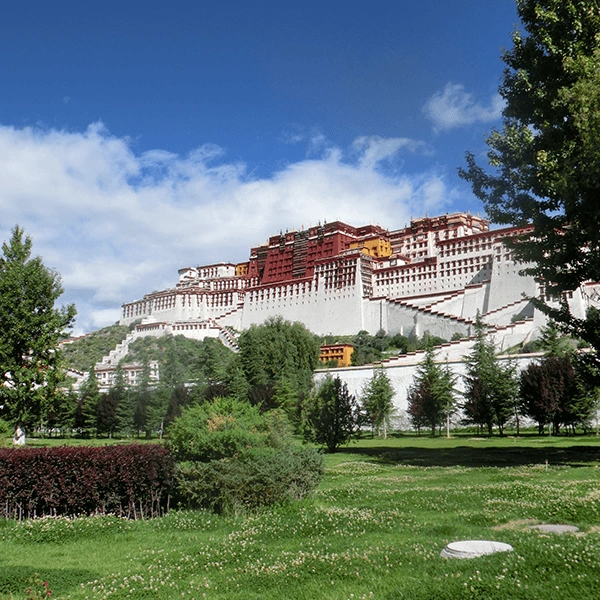
Kailash Yatra Via Lhasa: This route adds Tibetan cultural sites to the journey and allows a few extra acclimatization days in Lhasa itself (at around 11,900 feet) before heading toward Kailash. Many pilgrims find this the most comfortable option overall, since the body gets a real chance to adjust before the harder stretches.
If your main concern is reducing the difficulty of altitude rather than saving time, the Lhasa route or a well-paced overland route generally beats the helicopter option. If time off work is your bigger constraint, helicopter access is worth discussing directly with your tour operator, including how they plan to manage the faster ascent.
This is a journey most healthy adults can complete with the right preparation, but it isn't right for everyone. We'd genuinely advise against this trip, or recommend a serious medical consultation first, for:
People with severe heart or lung disease.
Anyone with a history of severe altitude sickness or pulmonary edema.
Pregnant travelers, due to limited medical access in the region.
Those with uncontrolled high blood pressure.
Anyone unable to handle multiple consecutive days of physical exertion, even at a slow pace.
If you fall into one of these categories, talk to a doctor who understands high-altitude physiology before booking anything. This isn't about discouraging faith or determination; it's about safety in a place where help is genuinely far away.
Is the Kailash Mansarovar Yatra Worth the Challenge?
For nearly everyone who completes it, yes. The difficulty is real, but it's also part of why the journey means something. Pilgrims consistently describe standing at Dolma La Pass, or seeing Kailash for the first time, as a moment that justifies every tired step that came before it.
The Yatra isn't meant to be easy. It's meant to be meaningful. Those two things tend to go together more often than not.
Difficulty drops significantly when you're traveling with people who know the route, the altitude patterns, and the warning signs before you do. Holy Kailash Tours, based in Kathmandu, has built its itineraries around proper acclimatization, experienced guides familiar with Himalayan and Tibetan terrain, and support that doesn't disappear once you've left the city.
What this looks like in practice: realistic daily distances, built-in rest days when they matter, guides trained to recognize altitude sickness early, and logistics handled (permits, transport, accommodation) so you can focus on the pilgrimage rather than the paperwork. Whether you choose the overland route through Kerung or Purang, the Lhasa cultural route, or helicopter access, the team adjusts the plan to match your fitness level and time constraints rather than forcing everyone into the same schedule.
The Kailash Mansarovar Yatra is hard. We won't pretend otherwise. But hard and impossible are different things, and the gap between them is almost entirely filled by preparation, pacing, and good support on the ground. Know your fitness level honestly. Train with a real plan, not a vague intention. Respect the altitude. And when the moment comes at Dolma La Pass, or at the edge of Lake Mansarovar, the difficulty becomes part of the story rather than the obstacle to it.
The team has on-the-ground experience with Himalayan and Tibetan altitude logistics, and guides who can spot altitude sickness symptoms early rather than after they've become serious.
2. How does arrival in Nepal and the visa process work?
Most pilgrims fly into Kathmandu, where Holy Kailash Tours assists with onward travel permits for Tibet and visa documentation, since Tibet requires separate permits beyond a standard Nepal visa.
3. How does booking, deposit, and payment work?
A deposit secures your spot on a fixed departure or private booking, with the balance typically due before departure. Specific terms are confirmed at the time of booking.
4. What transportation is used during the Yatra?
Sturdy 4x4 vehicles handle overland routes, with helicopter options available on certain legs for travelers wanting to reduce travel time.
5. Who can handle the hiking difficulty? Who can hike?
Most reasonably fit adults without serious heart, lung, or untreated medical conditions can complete the Kora, especially with pony or yak support available for harder stretches.
6. How is trekker safety and well-being managed?
Guides monitor for altitude sickness symptoms daily, itineraries include acclimatization days, and basic medical supplies and oxygen support are typically available on the route.
7. What should I know about preparing for a trek and packing gear?
Layered clothing, broken-in boots, sun protection, and altitude medication, discussed with your doctor, are the essentials; a full packing list is shared before departure.
8. What's accommodation and connectivity like?
Accommodation is simple, ranging from basic hotels to guesthouses near Kailash. Mobile connectivity is limited or unavailable in remote stretches, so plan for being offline for parts of the trip.
9. What about meals and drinking water?
Meals are simple and largely vegetarian-friendly, and bottled or purified water is provided or recommended throughout the journey.
10. Can I customize a private trip versus joining a group, and how does the cost compare?
Private tours offer flexible pacing and dates at a higher per-person cost, while group departures are more budget-friendly with a fixed schedule. Both options can be discussed directly with the team.
11. Are there special features like reserved access or monastery visits?
Yes, itineraries can include visits to Tibetan monasteries and cultural sites along the route, particularly on routes that pass through or near Lhasa.