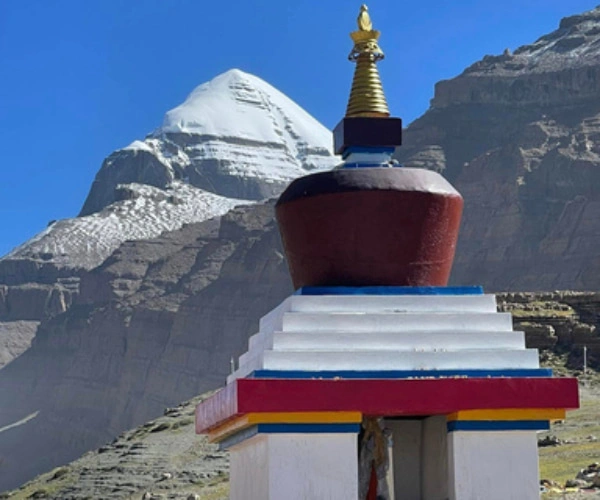
Manaslu Circuit Trek: Nepal's Best Kept Secret
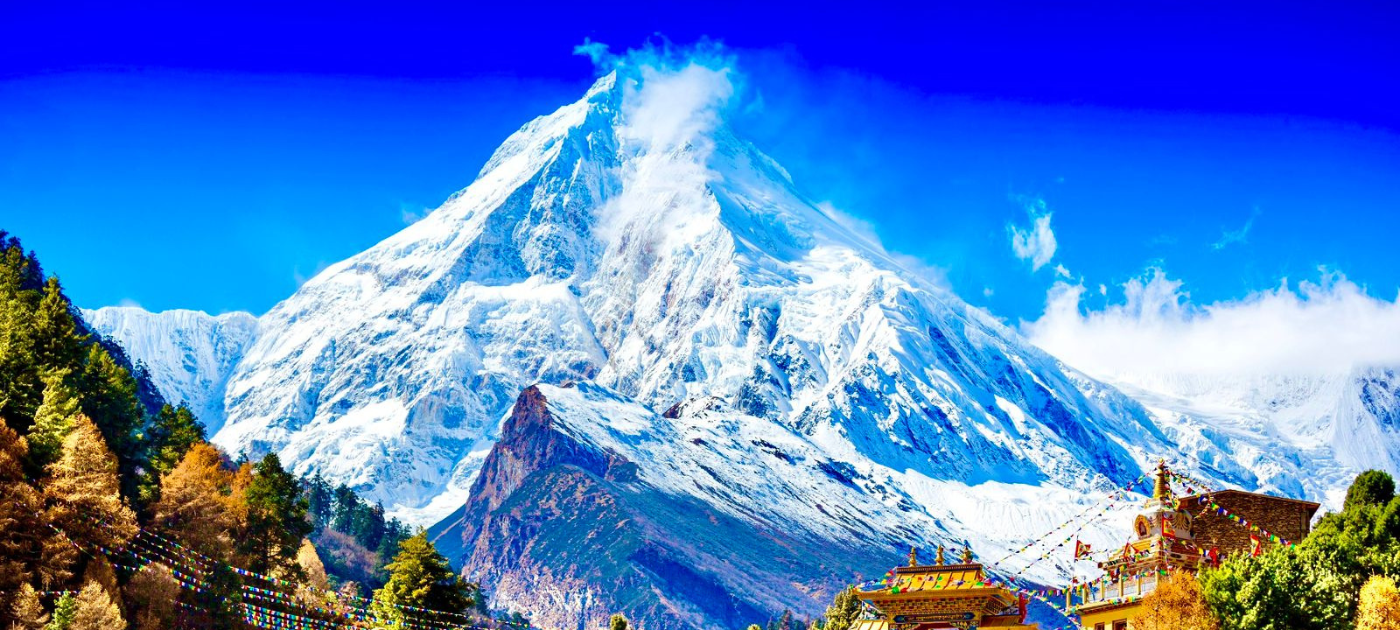
Most people who've done the Manaslu Circuit will tell you it was the best trek they've ever done. Then they'll pause and say, "but I wouldn't call it easy."
The circuit loops around Manaslu, the world's eighth-highest peak at 8,163 meters. The trail passes through the Nubri and Tsum valleys, crossing the Larkya La pass at 5,106 meters. You'll spend around 14 to 18 days on the trail, depending on your pace and side trips.
- What makes it different from other Nepal treks:
- Far fewer trekkers than the Annapurna or Everest circuits
- Restricted area status (requires a special permit), which naturally limits foot traffic
- Genuine village life. Towns along the route haven't adjusted everything to tourism yet
- The high pass crossing is one of the most dramatic in Nepal
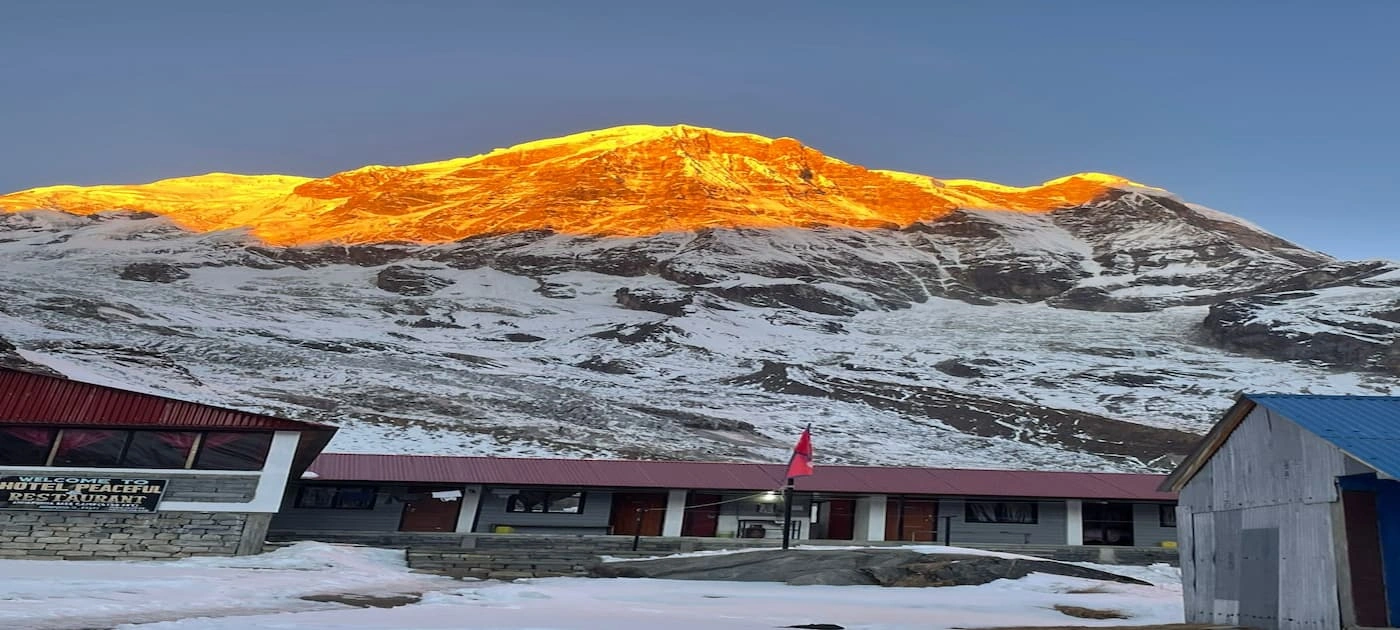
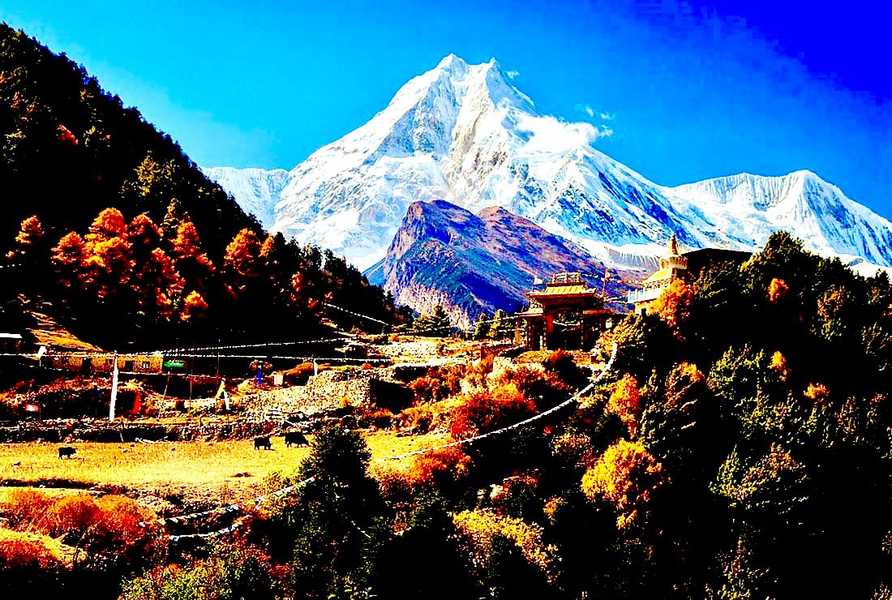
- Manaslu's north face appears and disappears throughout the route, never quite letting you forget you're circling an 8,000-meter giant
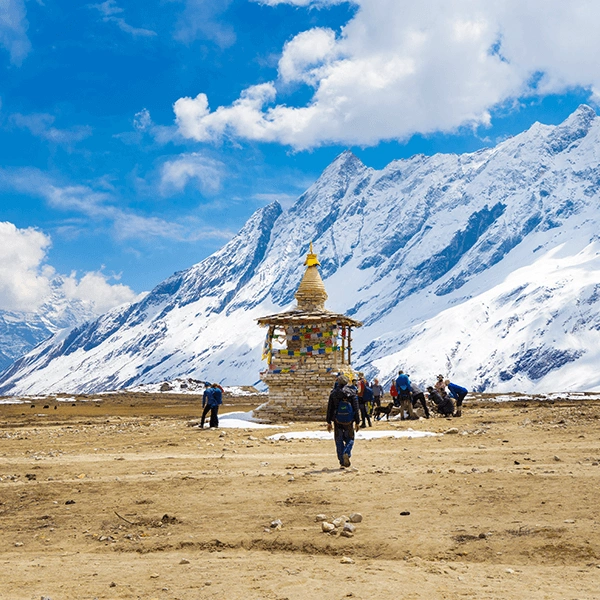
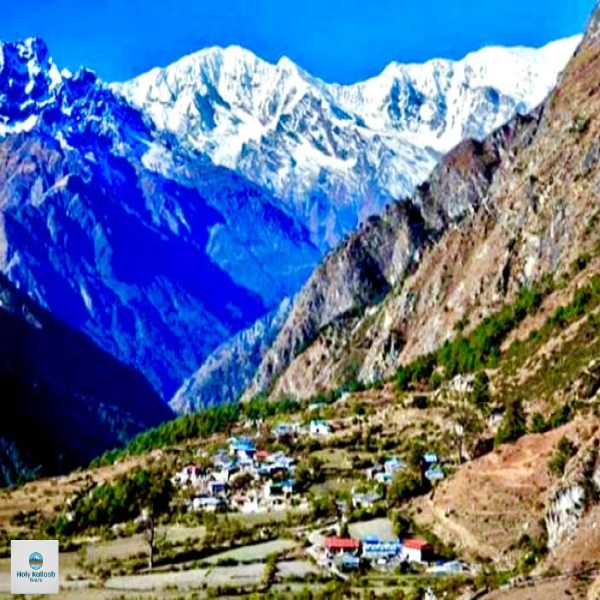
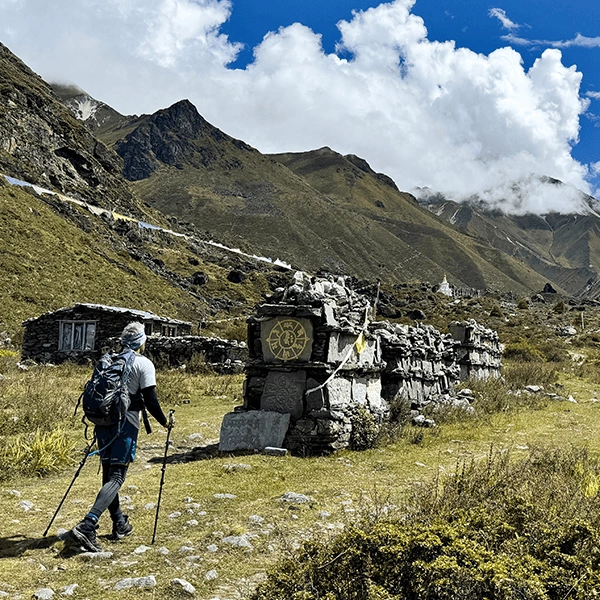
The villages in the upper sections, particularly around Samagaon and Samdo, have a strong Tibetan Buddhist character. Mani walls, prayer flags, and small gompas appear regularly. The people here speak Tibetan dialects and follow traditions that predate Nepal's modern borders.
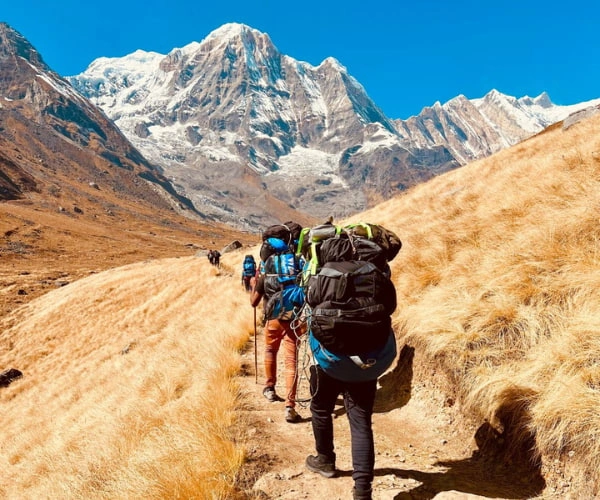
Difficulty is real. Above Deng, the trail steadily gains elevation. The Larkya La crossing involves a full day of moving through snow and ice at altitude, often starting at 3 or 4 in the morning. Anyone attempting the circuit should have prior trekking experience at altitude and take acclimatization seriously.
Best time to trek the Manaslu Region:
- Spring (March to May): Clear skies, wildflowers in the lower sections, cold at the pass
- Autumn (September to November): Stable weather, excellent visibility, busy by Himalayan standards but still quiet compared to Everest or Annapurna
Avoid the summer monsoon (June to August) unless you're comfortable with slippery trails and heavy rain. Winter is possible for experienced parties, but the high pass becomes genuinely hazardous.
Holy Kailash Tours manages the permit logistics for Manaslu Circuit treks, including the Restricted Area Permit and the Manaslu Conservation Area Permit, which can take time to sort out if you're unfamiliar with the process.
Langtang Valley Trek: Mountains Without the Long Approach
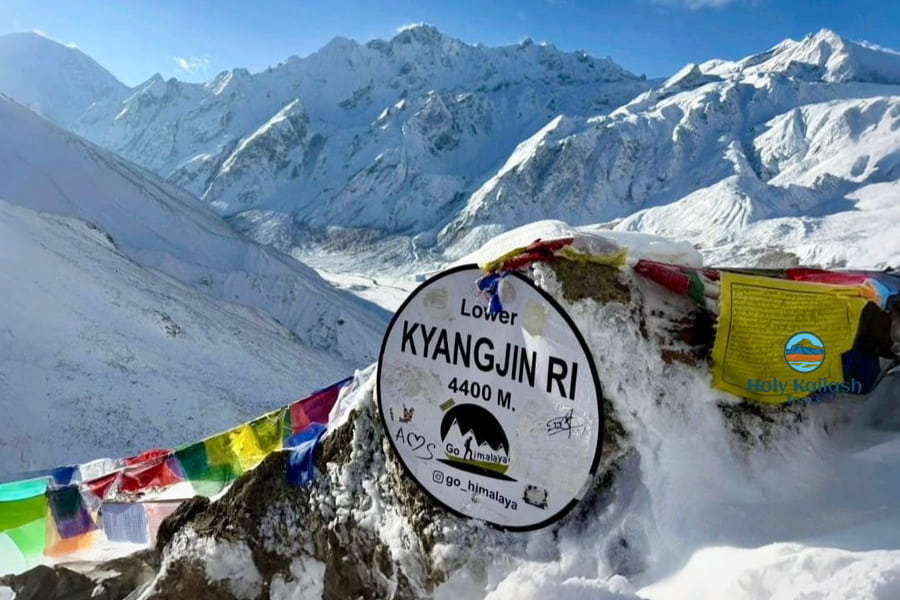
Langtang is about 60 kilometers north of Kathmandu. You can reach the trailhead at Syabrubesi in four to five hours by road. That accessibility makes it easy to underestimate.
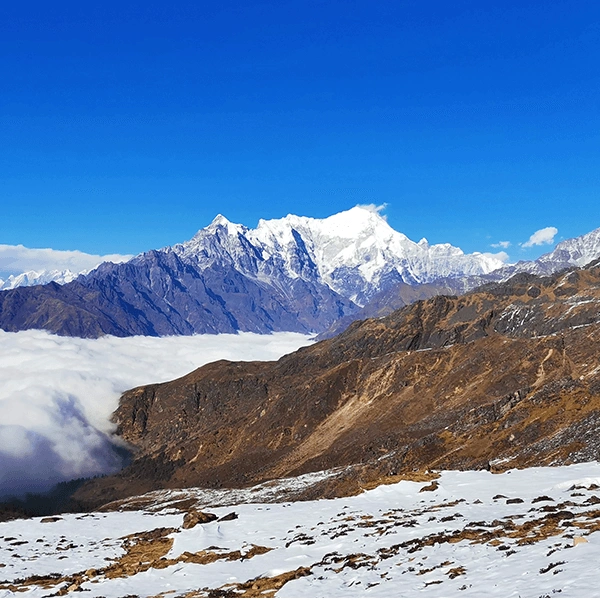
The valley itself runs deep into the Langtang Himalayan range, hemmed in by peaks including Langtang Lirung (7,227m) and Gangchenpo (6,388m). The upper valley opens into a wide glacial plain where the views are enormous, and the feeling of remoteness is complete, despite how close you are to the capital.
What Langtang does better than anywhere else:
- Tamang culture. The Tamang people are the dominant community along this route, and their Buddhist traditions, architecture, and hospitality are woven into the trek at every stage
- Kyanjin Gompa, the ancient monastery at the head of the valley, is one of the most atmospheric places in Nepal
- Tserko Ri (4,984m) and Kyanjin Ri (4,773m) offer high viewpoints without requiring technical climbing or extreme fitness
- The cheese factory at Kyanjin Gompa sells yak cheese that's genuinely worth the trek on its own
The 2015 earthquake hit Langtang village hard. The community rebuilt, and part of trekking here now is seeing that recovery directly. Local lodges are family-run. Meals are cooked in the same kitchen where the family eats. The connection between trekker and host is more direct here than on more heavily commercialized routes.
Trek duration and itinerary:
A standard Langtang Valley trek runs 7 to 10 days from Syabrubesi to Kyanjin Gompa and back. Experienced trekkers can extend the route into the Gosainkunda Lakes area or cross into the Helambu region, creating a longer loop that takes in alpine lakes sacred to Hindu and Buddhist traditions.
Best time to trek the Langtang Region
- Spring (March to May) and autumn (September to November) are both reliable
- The lower sections of the trail, through rhododendron forest, are particularly good in April when the trees are flowering
Maximum elevation on the standard route is around 4,773 meters at Kyanjin Ri. That's manageable for most fit adults who take their time with acclimatization. It's also at a high enough altitude to cause real discomfort if you rush.
Everest Region Trekking: Why It Still Earns Its Reputation
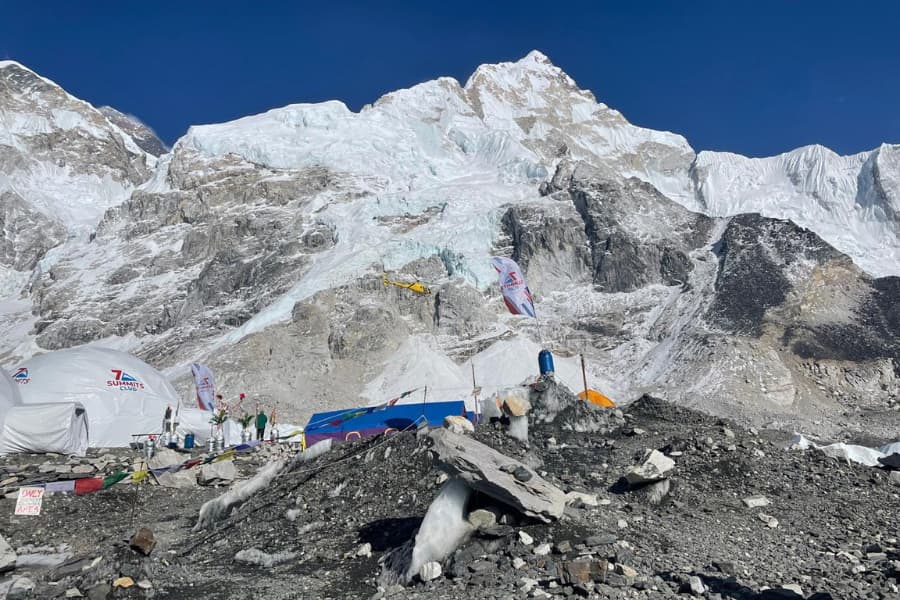
The Everest region attracts many travelers each year, and the infrastructure along the main trail to Everest Base Camp reflects it. Namche Bazaar has espresso. Lukla has a busy airport. Some lodges along the route have heated dining rooms and reliable Wi-Fi.
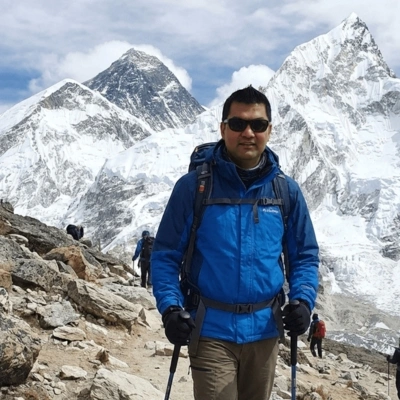
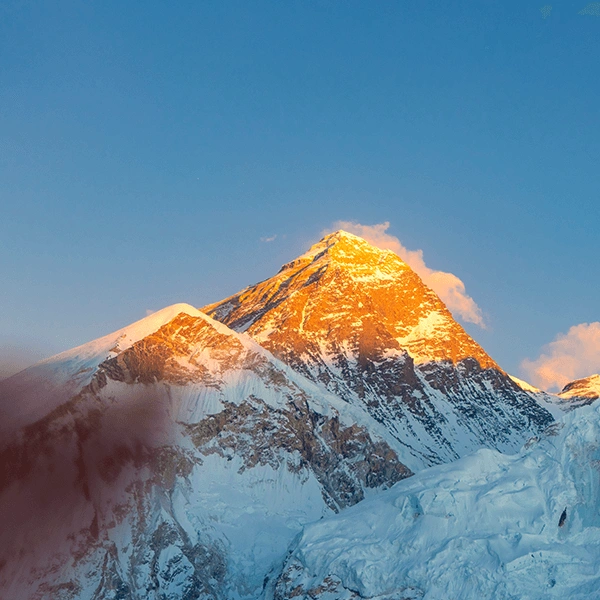
Stand at Kala Patthar at sunrise with Everest's south face lit orange above you and Pumori behind you and the Khumbu Icefall visible below, and none of that feels relevant. The place is extraordinary. The fact that other people also find it extraordinary doesn't change that.
What the Everest region offers:
- Everest Base Camp(5,364m) and Kala Patthar (5,545m) are among the most famous trekking goals in the world, and they deliver
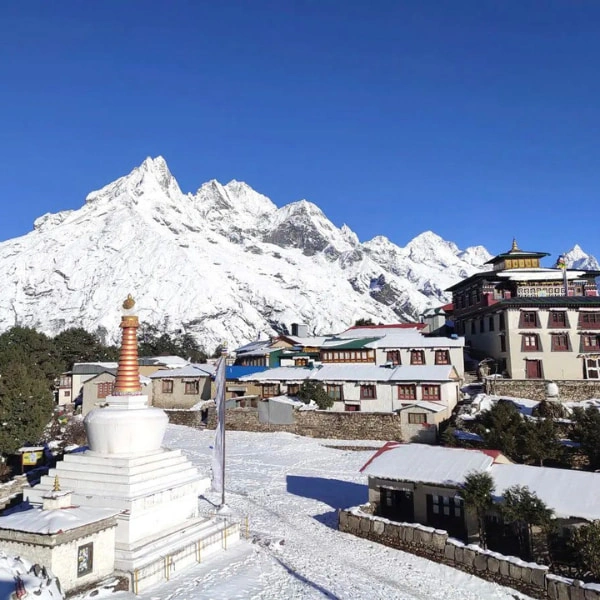
- The Sherpa community. Namche, Khumjung, and Tengboche are living communities with distinct cultures, languages, and histories. The monasteries at Tengboche and Pangboche are active religious centers, not attractions
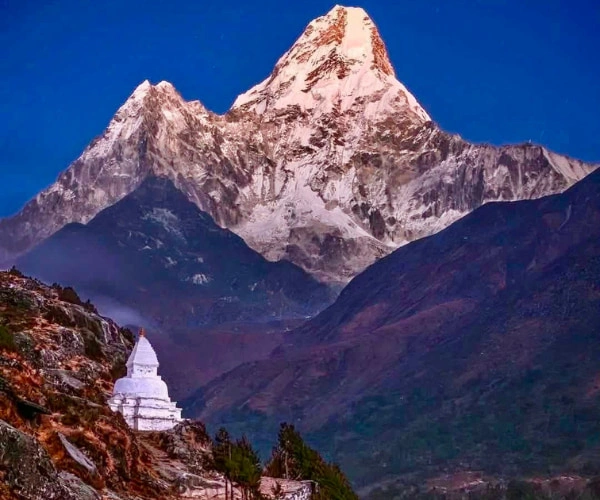
- Views of Ama Dablam, which many trekkers consider the most beautiful mountain they've ever seen
- The Dudh Koshi valley in the lower sections is lush, subtropical, and completely different from the stark terrain above Namche
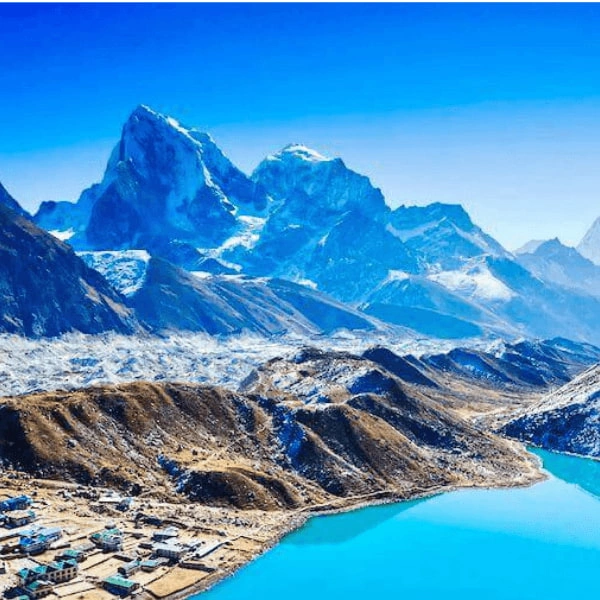
- Side trips to the Gokyo Lakes, Cho La Pass, and the Three Passes route for trekkers who want more technical variety
Difficulty and itinerary:
The standard Everest Base Camp trek takes 12 to 16 days. Elevation gain is gradual by design, with built-in acclimatization days at Namche and Dingboche. The trail is well-marked and busy enough that you're rarely far from other people or a tea house.
For experienced trekkers, the Three Passes itinerary (Kongma La, Cho La, Renjo La) is one of the finest high-altitude routes in Nepal. It connects the Khumbu, Gokyo, and Thame valleys in a loop that takes two to three weeks and crosses three passes above 5,000 meters.
Best time to trek the Everest Region
- Spring (March to May): Warm, clear, crowds build toward April and May as climbing season peaks
- Autumn (September to November): Best visibility, cooler temperatures, popular but manageable
- Winter treks are possible below Namche, but Base Camp in December or January is cold in ways that make it difficult
Holy Kailash Tours runs guided Everest treks with experienced local guides who know the Khumbu well. They handle permits, lodge bookings, and emergency protocols. Altitude sickness is real at these elevations, and having someone with you who knows the early signs matters.
Which Trek Is Right for You?
This is the honest comparison.
Solitude and physical challenge: That's Manaslu. The permit system keeps numbers down, the trail is rougher, and the pass is serious. You'll earn every meter of it. Bring prior altitude experience.
Culture and accessibility: Langtang. It's four to five hours from Kathmandu, genuinely immersive, and reaches a meaningful altitude without brutal acclimatization demands. A good first Himalayan trek for people who are reasonably fit.
Iconic scenery, flexible itinerary: Everest. The infrastructure handles different paces and experience levels. You can do standard Base Camp at a comfortable pace or push into harder terrain. People keep coming back to this region and still find new angles.
For photographers: All three serve different purposes. Manaslu has the remote, untouched quality that's hard to find elsewhere. Langtang has a cultural texture. Everest has the mountains themselves, on a scale that challenges any camera to do justice.
Best Time to Trek in Nepal
Nepal has two main trekking windows.
Autumn (September to November) is the most popular and is widely considered the best. Monsoon rains clean the air through July and August. By late September, visibility is exceptional. October is peak season. Temperatures drop as November progresses, and trails thin out, which suits people who find the October crowds frustrating.
Spring (March to May) is warmer at lower elevations and often spectacular. Rhododendrons bloom below 3,500 meters. The downside is that haze builds as the season progresses, reducing views at higher elevations. April is generally the clearest spring month.
Monsoon season (June to August) is not ideal for any of these three routes, though lower sections of Langtang remain walkable. Winter (December to February) is cold but quiet. Some trekkers prefer it for the emptiness. Others find the cold at altitude too much to enjoy.
How to Prepare for Your Trek?
You don't need to be an athlete, but you do need to be honest about your fitness before committing to any of these routes.
Fitness: Walk regularly in the months leading up to your trip. Hills help. If you can hike 4 to 5 hours carrying a 10-kilogram pack without feeling destroyed, you're in reasonable shape for Langtang or the standard EBC route. Manaslu asks more.
Altitude awareness: Above 3,500 meters, altitude sickness becomes a real consideration. The standard advice is to gain no more than 300 to 500 meters of sleeping altitude per day above that point, with a rest day every third day. Know the symptoms of AMS (headache, nausea, dizziness, poor sleep) and the cardinal rule: if you feel worse, go down.
Permits: Manaslu requires a Restricted Area Permit, a Manaslu Conservation Area Permit, and an Annapurna Conservation Area Permit if you complete the full circuit. Langtang requires a TIMS card and a Langtang National Park entry permit. Everest requires a TIMS card and a Sagarmatha National Park permit. These are all manageable with the right planning.
Gear basics: Layering is everything. A moisture-wicking base layer, insulating mid-layer, and waterproof shell cover most situations. Trekking poles help on descents. Good boots, broken in before you arrive, are non-negotiable. A sleeping bag rated to at least -10°C for higher routes.
Guides and support: You can trek to Langtang and Everest independently. Manaslu requires a licensed guide by regulation. That said, a good guide adds real value on any of these routes, from logistics to safety. Holy Kailash Tours works with experienced local guides who know these regions and can handle medical emergencies, weather decisions, and logistical changes without drama.
A Word About Planning
Nepal is forgiving in some ways. Tea houses exist at regular intervals on all three of these routes. You don't need to carry a tent or cook your own food on the main trail. But the mountain environment doesn't forgive rushed decisions about altitude, weather, or fitness.
The best trips here tend to have a few things in common. People planned their itinerary with a buffer. They listened to their guides. They stopped when they needed to stop. And they came with curiosity rather than a checklist.
Holy Kailash Tours works with trekkers across all experience levels, from first-time Himalayan visitors to people returning for their fourth or fifth Nepal trip. The planning process matters as much as the trail itself.
Choosing Your Journey
Manaslu, Langtang, and Everest each offer a distinct view of Nepal. Same sky. Completely different terrain, culture, and pace.
Manaslu asks you to be comfortable with remote and rough. Langtang rewards you with warmth and culture at a manageable altitude. Everest is home to the world's most famous mountains, still impressive after millions of photographs.
None of them is a wrong choice. The question is which one matches where you are right now, physically, emotionally, and experientially. If you're not sure yet, that's actually a fine starting point. Think about what kind of travel energizes you, what you're hoping to feel at the end, and how much physical challenge you want in the middle.
Pick the one that makes you a little nervous. That's usually the right one.
Final Thought
Nepal doesn't ask much of you before it delivers something unforgettable. A reasonable level of fitness, some patience with altitude, and the willingness to slow down long enough to notice what's around you.
Manaslu, Langtang, Everest. Three regions, three entirely different versions of the same country. One of them probably already sounds right to you. Trust that instinct.
If you're still weighing options or need help figuring out permits, timing, and logistics, Holy Kailash Tours can walk you through the planning without the guesswork. They've done this long enough to know which details matter and which ones you don't need to worry about.
Book the trip. The mountains aren't going anywhere, but the season is.
Email: [email protected]
WhatsApp: +977-9851254672 — Feel free to reach out anytime for fast, friendly, and personalized assistance