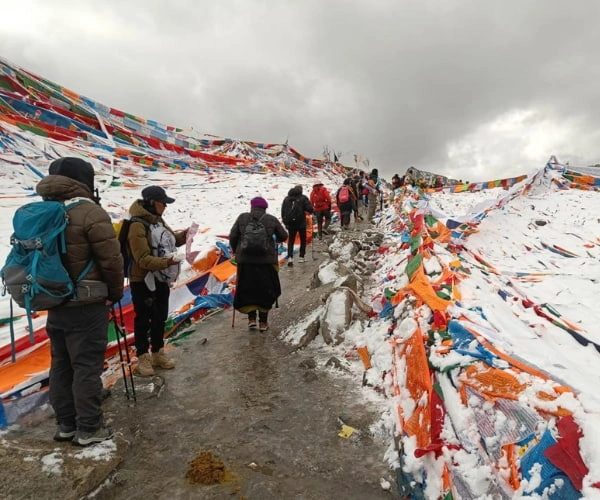
Why Kailash Mansarovar Yatra Is a Sacred Pilgrimage?
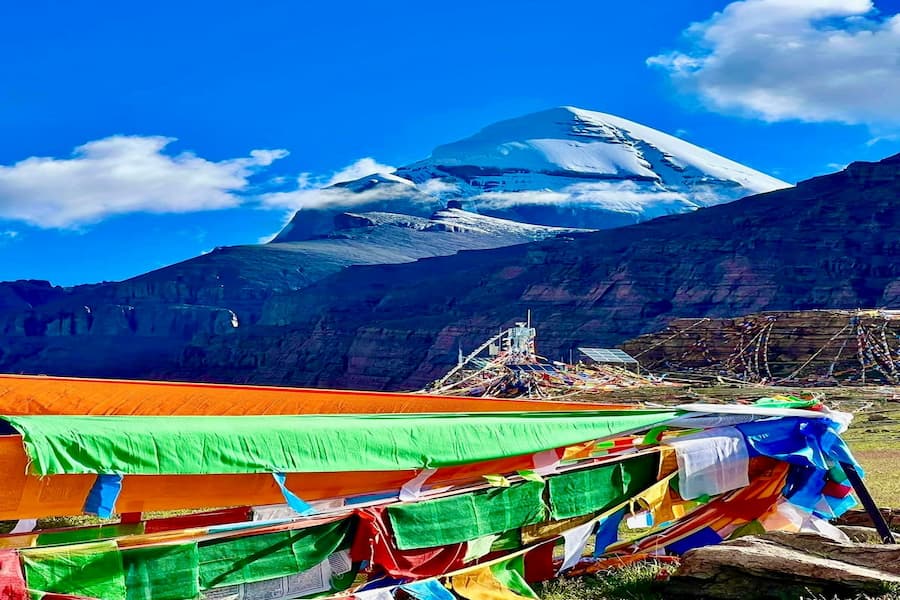
Mount Kailash holds a rare position in the world. It's sacred to four religions at once.
For Hindus, the mountain is the home of Lord Shiva. It's where he meditates with Parvati, and where the Ganges is said to originate from the heavens before flowing to earth. Completing the Kora around Kailash is believed to wash away the sins of a lifetime.
For Tibetan Buddhists, the mountain is called Kang Rinpoche, meaning "precious jewel of snow." It's associated with Demchok, a deity representing supreme bliss. Many Buddhists believe completing 108 Koras brings full enlightenment in this lifetime.
For Jains, Mount Kailash is Ashtapada, the place where Rishabhadeva, the first Tirthankara, attained liberation.
For Bon practitioners, the original shamanistic religion of Tibet, the mountain is called Tise and is considered the soul of the world.
No other mountain on Earth carries that kind of cross-cultural spiritual weight. That's part of what makes this journey different from any other trek in the Himalayas.
Where Are Mount Kailash and Lake Mansarovar?
Mount Kailash is located in the far western corner of the Tibet Autonomous Region of China. The nearest major town is Darchen, which sits at the base of the mountain at roughly 4,560 meters above sea level.
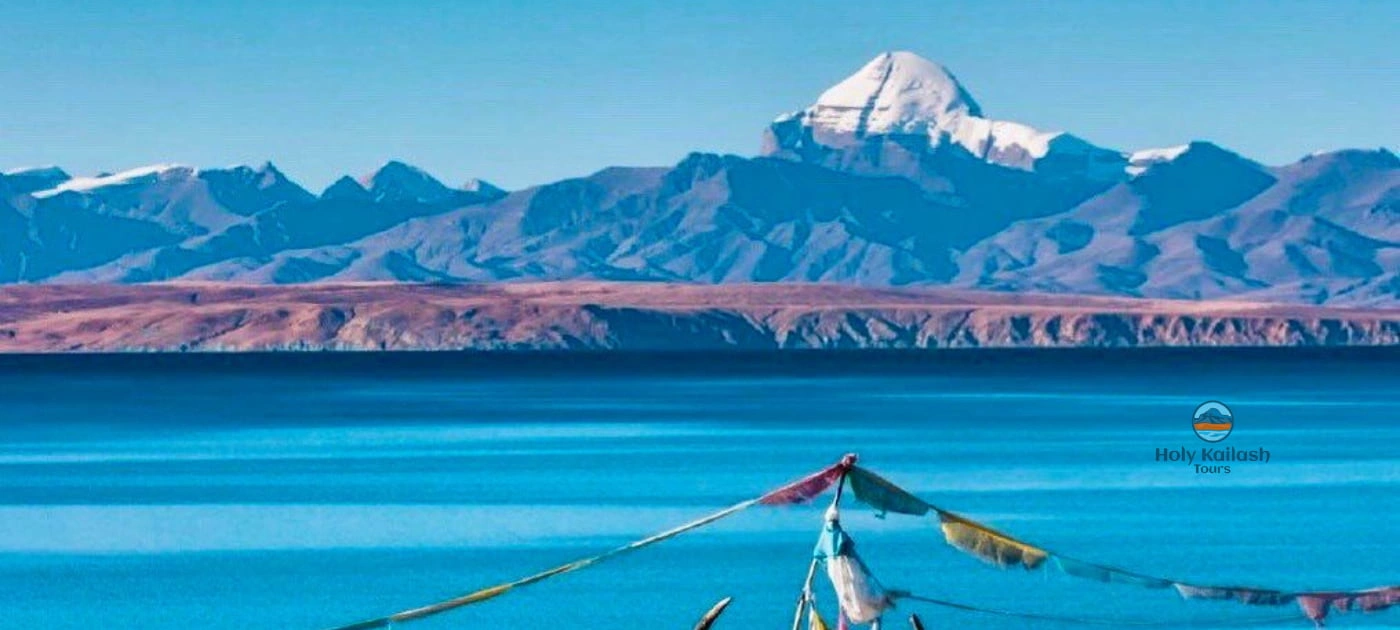
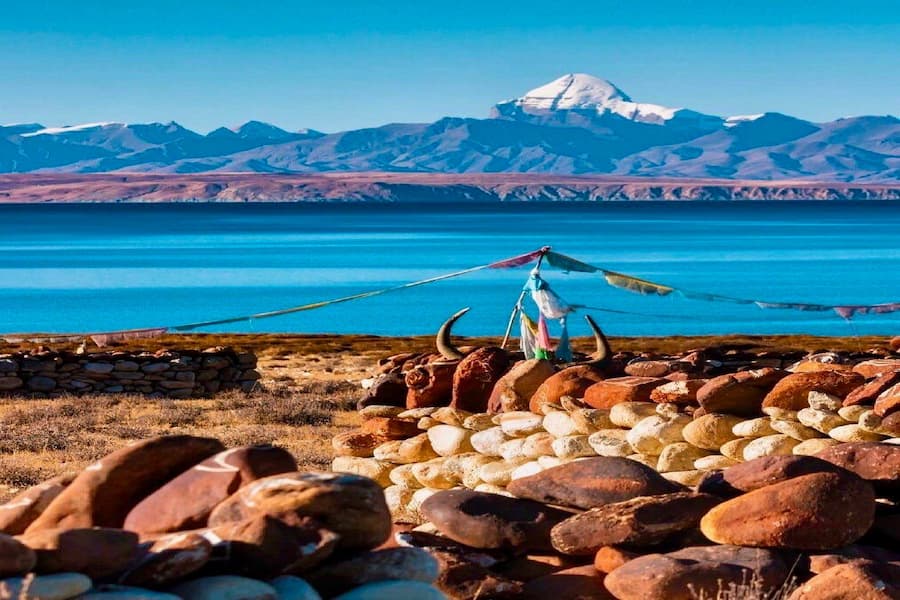
Lake Mansarovar is about 30 kilometers from Darchen, at an elevation of 4,556 meters. It's one of the world's highest freshwater lakes. On a clear day, you can see Kailash reflected in its surface.
To get there from Nepal, most pilgrims cross the border at Kerung (also spelled Gyirong), drive across the Tibetan Plateau through Saga and Paryang, and eventually reach Mansarovar after several days of overland travel. The entire journey from Kathmandu to Darchen covers roughly 1,000 kilometers by road.
The geography matters because altitude increases gradually on that overland drive. That gradual gain is part of why the Kerung route works well for acclimatization.
Why Visit Kailash Mansarovar?
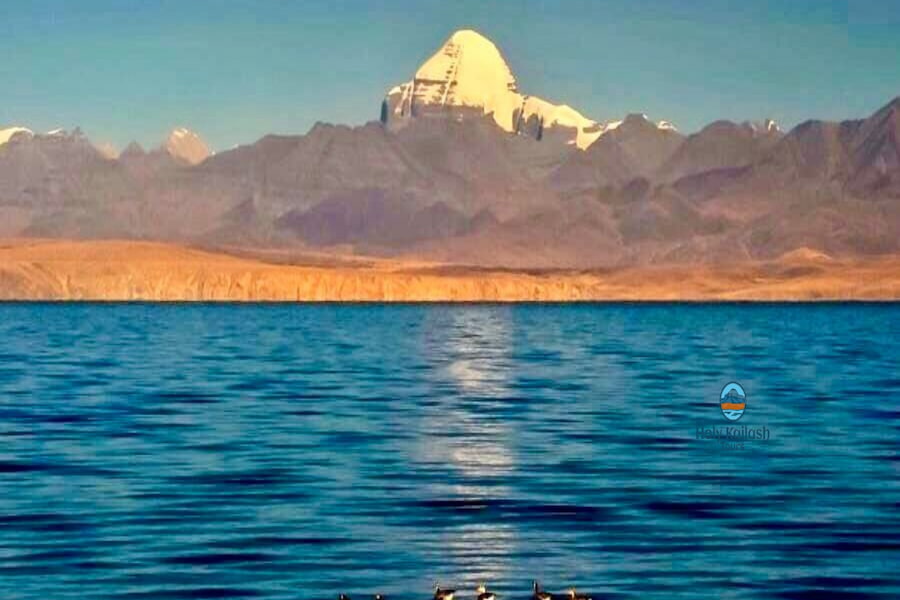
The honest answer is that it's hard to describe. Most people who've done it struggle to put it into words when they come back.
On a practical level, the landscape of western Tibet is unlike anything most travelers have seen. The plateau is flat, vast, and almost completely empty. The light changes constantly. The silence is real silence.
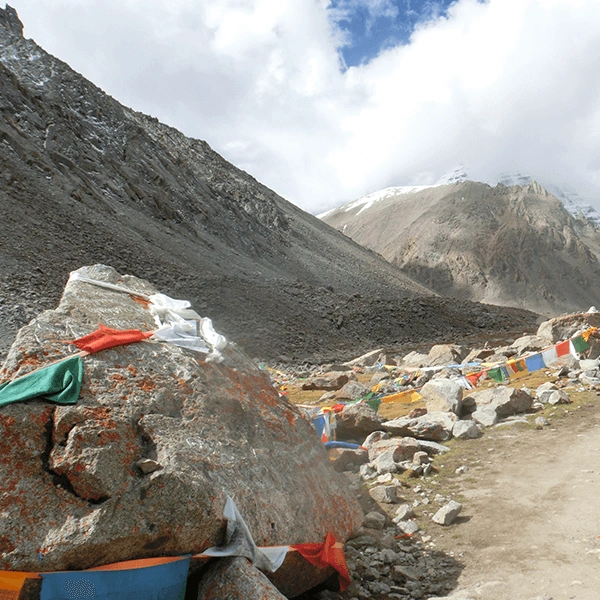
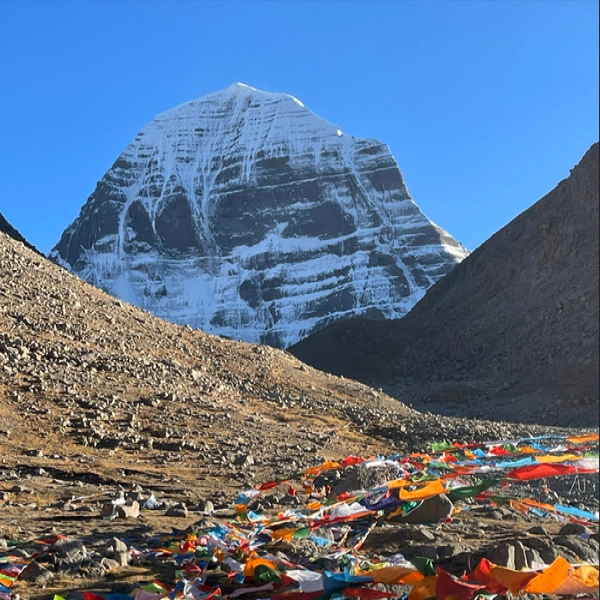
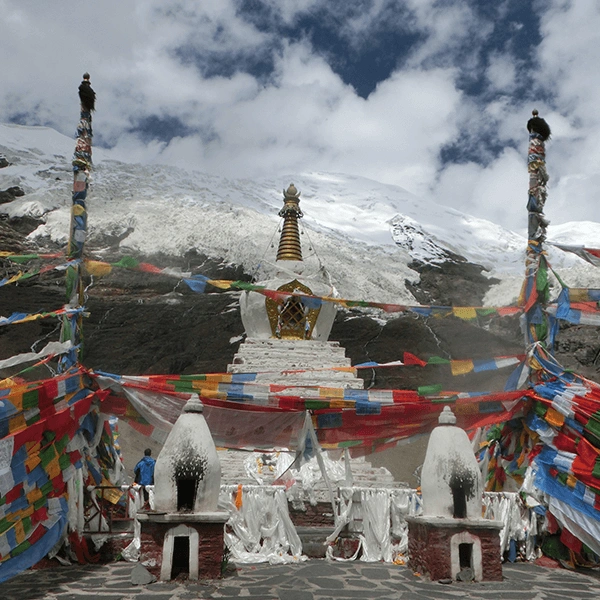
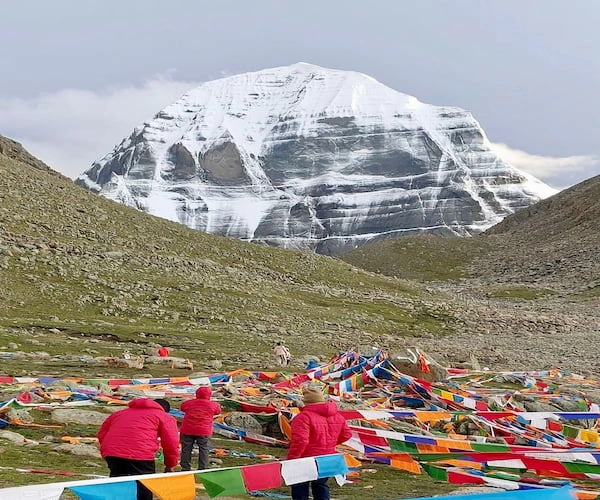
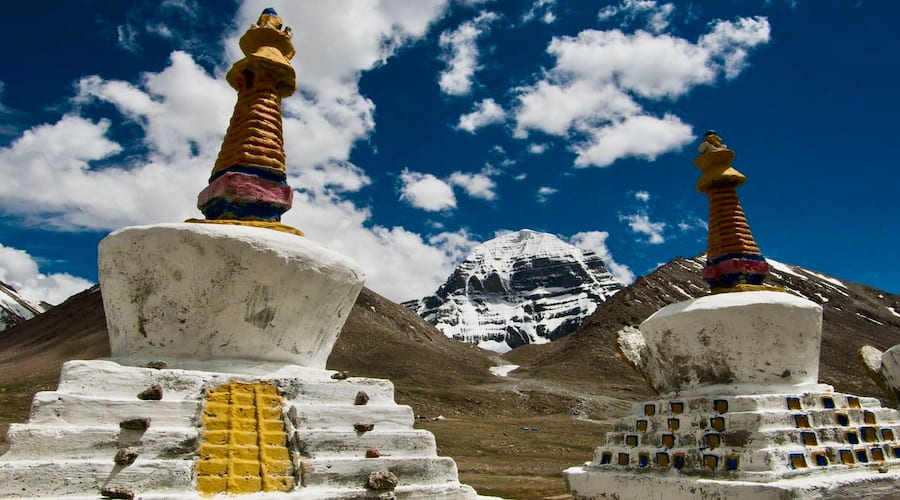
Then there's the Kora itself. Three days of walking around a mountain that rises sheer and impossibly straight above you. The prayer flags. The other pilgrims. Tibetan nomads spinning prayer wheels. The moment when you cross Dolma La Pass at 5,636 meters, and the world looks different on the other side.
For people who come with religious intent, the experience can genuinely change things. For those who come as travelers or trekkers, it's one of the few journeys left on Earth that feels remote and truly earned.
Best Time to Visit Kailash Mansarovar Yatra
The pilgrimage season runs from May to September. Outside those months, roads are often blocked by snow, and the Chinese authorities generally don't issue group visas for the route.
May: Cold and unpredictable. Some snow on the passes—fewer crowds. Daytime temperatures are around 5 to 10°C in Darchen, dropping well below zero at night.
June: More stable weather. Temperatures are manageable. Saga Dawa, the most sacred month in Tibetan Buddhism, falls here. The Kora draws large numbers of pilgrims.
July to August: The monsoon affects Nepal, but western Tibet remains comparatively dry. Peak season. Temperatures are milder.
September: Days are clear. Nights get cold fast. One of the best months for views and trail conditions.
Most Holy Kailash Tours departures run between May and September. If you have flexibility, June or early September offer a good mix of stable weather and manageable crowds.
Kailash Mansarovar Yatra Routes
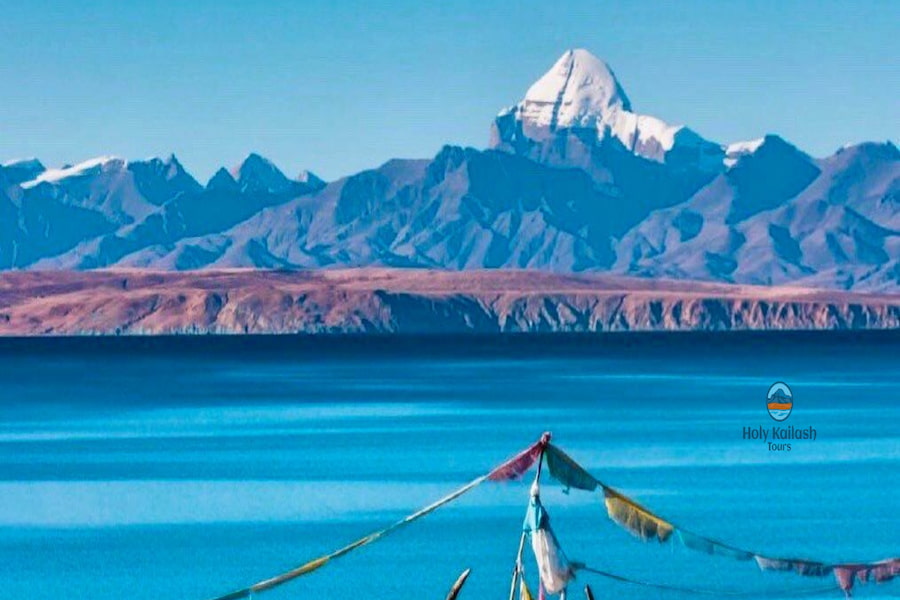
There are two main ways to reach Mount Kailash from Nepal.
This is the most common route. You drive from Kathmandu to the Kerung border crossing, enter Tibet, and continue overland through the Tibetan plateau. The journey from the border to Darchen takes several days, which helps with acclimatization.
The road passes through Saga and then along the shores of Lake Mansarovar before reaching Darchen. Total driving time from Kathmandu to Darchen is roughly four to five days.
The overland route gives you time to gradually adjust to the altitude. That matters a lot when the Kora sits above 5,000 meters for most of its length.
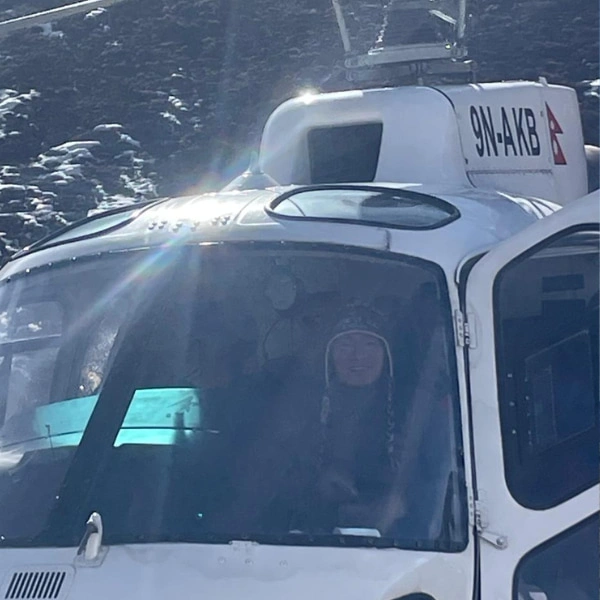
Some operators offer a helicopter option from Simikot (in Humla, western Nepal) to Hilsa at the Nepal-Tibet border, then overland from there to Kailash. This cuts travel time but also reduces acclimatization time. It works better for people with limited vacation days or those who can't handle long drives on rough Tibetan roads.
Via the Lhasa route: Kailash Yatra via Lhasa, you can fly directly to Lhasa and take a Tibet cultural tour, stopping at Lhasa, Shigatse, and key monasteries along the way. This adds days and context, too. Seeing Tashilhunpo Monastery before you reach Kailash changes how you arrive.
Holy Kailash Tours can arrange all route options depending on your schedule and condition.
Kathmandu as the Starting Point
All routes to Kailash pass through Kathmandu. It's where permits are processed, Chinese group visas are arranged, and final preparations happen. Plan at least two full days in Kathmandu at the start of your journey.
Kailash Mansarovar Yatra Detailed Itinerary
This is a standard 14-day itinerary based on the overland route via Kerung.
Day 1: Arrival in Kathmandu (1,400m). Arrive at Tribhuvan International Airport. Transfer to the hotel. Rest and recover from travel. If you arrive early, explore Thamel or visit the nearby Pashupatinath Temple.
Day 2: Visa and Tour Preparation in Kathmandu. An administrative day. Submit your passport for processing of the Chinese group visa. Attend a group briefing. Buy any remaining gear or medicines. Holy Kailash Tours staff will walk you through what to expect and check that your documents are in order.
Day 3: Drive from Kathmandu to Kerung Border (1,400m to 1,800m). Early morning departure by jeep. Drive roughly 170 kilometers to the Kerung border crossing. Complete immigration formalities and cross into Tibet. Transfer to the guesthouse in Kerung.
Day 4: Acclimatization Day in Kerung (1,800m) Rest day. Short walks around town. No serious physical activity. This day matters more than it might seem. Don't rush it.
Day 5: Drive from Kerung to Saga (4,640m). Long drive across the Tibetan plateau. The landscape opens up dramatically. Saga is a basic but functional town. Altitude increases significantly today.
Day 6: Drive from Saga to Lake Mansarovar (4,556m). Continue west across the plateau. Your first view of Lake Mansarovar typically comes around midday. The sight tends to stop people mid-sentence.
Day 7: Mansarovar Puja, Then Drive to Darchen (4,560m)—morning puja ceremony at the lake. Many pilgrims take a ritual bath, though the water is shockingly cold. After the ceremony, drive roughly 30 kilometers to Darchen.
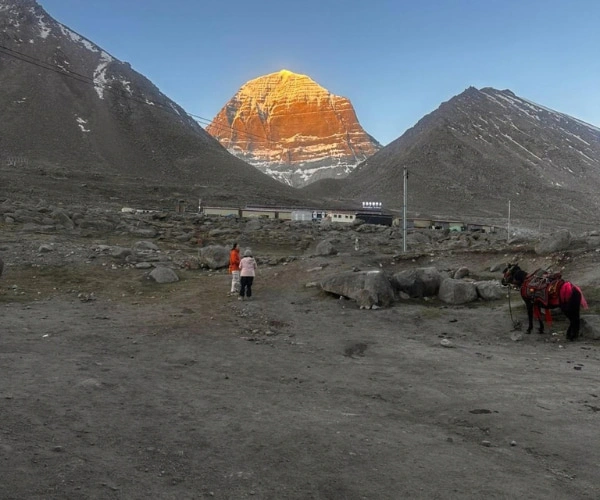
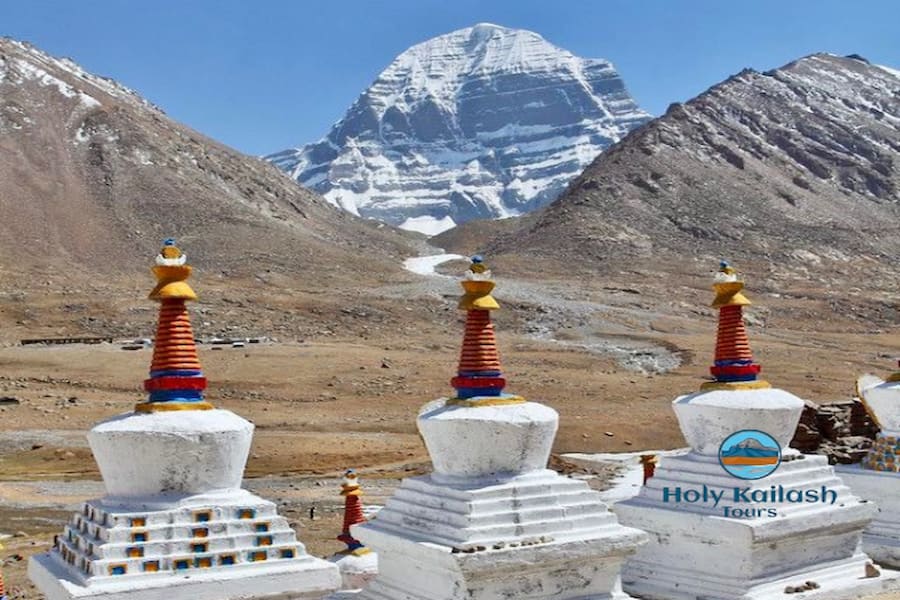
Day 8: Trek from Darchen to Dirapuk (4,760m to 4,860m). The Kora begins. Today's stage covers about 14 kilometers along the north face of Mount Kailash. Dirapuk Monastery sits above the camp. The North Face of Kailash is visible from here.
Day 9: Cross Dolma La Pass to Zutulpuk (5,636m to 4,790m). The hardest day. You climb from camp to Dolma La Pass at 5,636 meters, the highest point of the Kora. The pass is covered in prayer flags. Descend to Zutulpuk Monastery on the south side.
Day 10: Trek Back to Darchen (4,790m to 4,560m) Final stage of the Kora. About 8 kilometers back to Darchen. The Kora is complete.
Day 11: Drive from Darchen to Saga (4,560m to 4,640m). Begin the return journey east across the plateau.
Day 12: Drive from Saga to Kerung (4,640m to 1,800m). Long drive back to the border town. Your body notices the descent in altitude.
Day 13: Cross Border and Drive to Kathmandu (1,800m to 1,400m). Cross back into Nepal at Kerung. Drive to Kathmandu. Arrive evening.
Day 14: Final Departure from Kathmandu, Transfer to the airport. End of tour.
Kailash Mansarovar Yatra Cost
This is the question most people ask first, and the honest answer is: it depends. Here's a realistic breakdown for 2024 and 2025 pricing.
Tibet Permit Fees: The Tibet Travel Permit, Tibet Entry Permit, and Alien Travel Permit together cost approximately USD 100-150 per person.
Chinese Group Visa Nepal-based operators arrange a Chinese Group Visa for the Kailash Yatra. This costs roughly USD 50 to USD 80, depending on your nationality and processing timeline.
Transportation: Jeep hire from Kathmandu to Kailash and back, shared among a group, typically costs USD 400-600 per person for the full overland journey.
Hotel Accommodation: Guesthouses in Tibet are basic but clean. Expect to pay USD 20-30 per night. In Kathmandu, costs range from USD 50 to USD 100 per night, depending on the category.
Meals Budget USD 10 to USD 20 per day if calculated separately, though most package tours include meals in Tibet.
Guide Charges: A licensed Tibetan guide is mandatory. Guides charge around USD 50-70 per day when calculated separately from a package.
Yak and Porter Costs During Kora Hiring a yak to carry your bag costs roughly USD 30 to USD 50 per day. Porters cost slightly less.
Horse Riding During Kora: Horse hire costs USD 220-250 per day. Availability isn't guaranteed, so arrange in advance through your operator.
Total Package Cost All-inclusive packages from Holy Kailash Tours typically range from USD 2,500 to USD 3,500 per person, depending on group size, accommodation level, route, and inclusions. Helicopter packages cost more.
What Is Included and Excluded in the Kailash Tour Package?
Typically Included:
- All Tibet permits and Chinese group visa processing
- Airport transfers in Kathmandu
- Hotel accommodation in Kathmandu (2 nights)
- Guesthouse accommodation throughout Tibet
- All meals from Day 3 onward (in Tibet)
- Jeep transportation throughout the journey
- Licensed Tibetan guide and Nepali tour leader
- All standard permit fees
Typically Excluded:
- International flights to Kathmandu
- Nepal visa (obtained on arrival for most nationalities)
- Travel insurance (required, and must include high-altitude evacuation coverage)
- Personal expenses: tips, souvenirs, extra snacks
- Yak, porter, and horse hire during the Kora
- Extra nights if delays occur due to weather or permit issues
- Personal medical expenses
Always read the inclusions carefully before booking. Holy Kailash Tours provides a clear breakdown in writing before you pay any deposit.
Mount Kailash Trek Difficulty and Fitness Guide
The Kora around Mount Kailash is not a casual hike. But it's not a technical mountaineering route either. There's no roping up, no ice axes, no vertical climbing. It's walking, mostly on well-worn trails, at a very high altitude.
The challenge is almost entirely altitude. Darchen sits at 4,560 meters. Dolma La Pass reaches 5,636 meters. At that height, the air carries about half the oxygen it does at sea level. Everything feels harder. A short uphill section that would take a minute at home takes five. Carrying your daypack feels like carrying twice as much.
If you're reasonably fit and have no serious respiratory or cardiac conditions, you can do this. People in their 60s and 70s complete the Kora every season. What matters more than athletic ability is how your body responds to altitude, and that's something you can't fully predict until you're there.
Recommended preparation: three to four months of regular cardio before your trip. Walking with a loaded backpack on inclines is the most specific training you can do. Yoga and breathing exercises help too.
Altitude Sickness During Kailash Yatra
Altitude sickness is common on this journey. Most people experience mild symptoms at some point. The important thing is knowing what to watch for.
Mild altitude sickness (AMS) symptoms:
- Headache
- Fatigue and weakness
- Dizziness
- Nausea
- Difficulty sleeping
- Shortness of breath on exertion
Serious altitude sickness warning signs (HACE or HAPE):
- Confusion or difficulty walking in a straight line
- Persistent vomiting
- Breathlessness at rest
- Coughing up pink or frothy fluid
- Loss of consciousness
If serious symptoms appear, the only treatment is immediate descent. No supplement or medication replaces getting to a lower altitude quickly.
Prevention tips:
- Ascend gradually. The overland route via Kerung helps with this.
- Drink 3 to 4 liters of water per day
- Avoid alcohol and sleeping pills, especially in the first few days at altitu.de
- Eat light, carbohydrate-rich meals
- Rest when your body asks for it
- Consider Acetazolamide (Diamox) on medical advice. Consult your doctor before departure.
Holy Kailash Tours builds acclimatization days into the itinerary for this reason. Don't skip them, even if you feel fine.
Permits Required for Kailash Mansarovar Yatra
You need several permits to enter Tibet and travel to the Kailash region. Individual tourists can't obtain these independently; they must be arranged through a licensed tour operator.
Tibet Travel Permit (TTP): The main permit required to enter Tibet. It must be arranged before you enter China and cannot be obtained inside China.
Aliens' Travel Permit (ATis) is required to travel to Darchen, Lake Mansarovar, and the Kailash area, which fall outside the standard Tibet tourism zone.
Military Permit: Some areas around Kailash require a separate military zone permit, particularly near the Nepal border.
Chinese Group Visa. Individual visas are generally not valid for entry into Tibet for non-Chinese nationals. Pilgrims travel on a group visa arranged by their tour operator. This means you travel with a group and cannot deviate from the approved itinerary.
Passport Requirements: Your passport must be valid for at least six months beyond your travel dates and have at least two blank pages. Worn or damaged passports can cause problems at the border.
Holy Kailash Tours manages all permit applications on your behalf. Processing takes approximately four to six weeks, so don't leave it until the last minute.
Accommodation and Food During the Kailash Mansarovar Tour
In Kathmandu, most packages include two nights at a three-star hotel in Thamel or a similar location. Options range from simple guesthouses around USD 25 per night to comfortable hotels around USD 80 to USD 100.
In Tibet, guesthouses along the route vary in quality. In towns like Saga and Paryang, expect basic but clean rooms with shared bathrooms, simple beds, and hot water that sometimes works. In Darchen and near Lake Mansarovar, dedicated pilgrimage guesthouses offer similar conditions.
Rooms are functional. Don't expect luxury. Bring a good sleeping bag.
Food Along the Route: Holy Kailash Kitchen staff will cook Nepali and indian type of pure vegetarian food. For Hindu pilgrims, vegetarian food is widely available. Most operators specifically arrange vegetarian meals on request. Carry energy bars, nuts, and chocolate for the Kora days when meal options are limited.
Essential Packing List for Kailash Mansarovar Yatra
Pack for cold, altitude, and long walking days. Here's what you genuinely need:
Clothing:
- Down jacket (good to -15°C)
- Thermal base layers (top and bottom, at least two sets)
- Mid-layer fleece
- Waterproof jacket and trousers
- Warm gloves and a backup pair
- Wool or fleece hat
- Buff or balaclava for wind
- Trekking trousers (2 pairs)
- Moisture-wicking t-shirts (3-4)
- Wool socks (4-6 pairs)
Footwear:
- Broken-in waterproof trekking boots (this is not negotiable; don't buy new boots two weeks before the trip)
- Camp sandals or light shoes
- Gaiters for snow crossings near Dolma La
Gear:
- Trekking poles (essential for the Dolma La Pass descent)
- Daypack (20 to 25 liters)
- Main duffle bag (60 to 70 liters) for the yak to carry
- Headlamp with spare batteries
- Sunglasses (UV400 or glacier-grade)
- Sunscreen (SPF 50 or higher)
- Lip balm with SPF
- Reusable water bottle or hydration bladder (2 liters minimum)
- Water purification tablets or a filter
Medical:
- Altitude sickness medication (Diamox, on prescription)
- Ibuprofen and paracetamol
- Oral rehydration salts
- Blister plasters
- Antiseptic cream and bandages
- Personal prescription medications (carry more than you think you need)
- Pulse oximeter (useful for tracking oxygen saturation)
Documents:
- Passport (original)
- Copies of all permits (stored separately from originals)
- Travel insurance documentation
- Written emergency contacts list
Important Travel Tips Before You Visit Mount Kailash
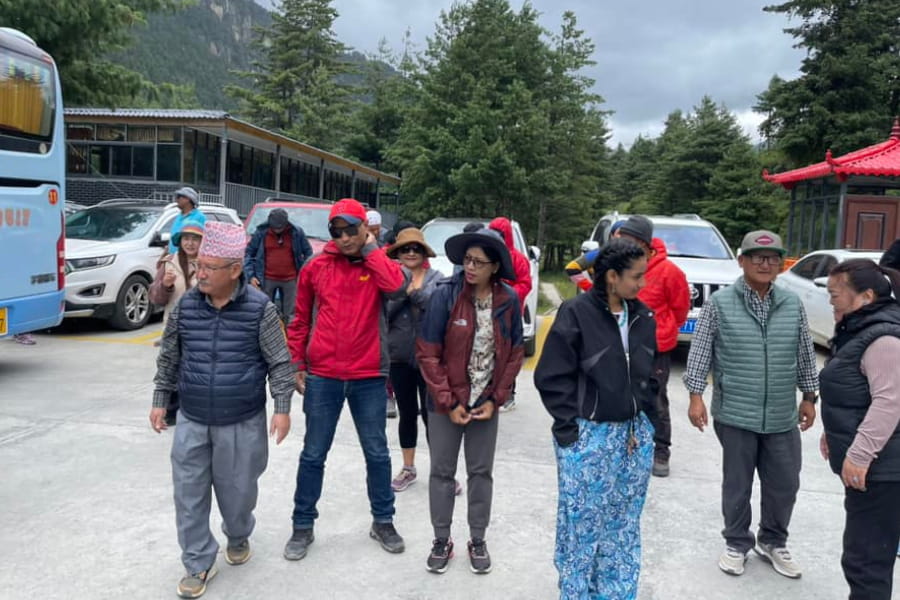
Currency: There are no ATMs in western Tibet. Carry enough Chinese yuan (RMB) before leaving Saga. Neither USD nor Indian rupees are accepted in Tibet.
Mobile data: Chinese networks work in Tibet, but access to Google, WhatsApp, Instagram, and most Western apps is blocked. Download an offline map before you leave and consider a VPN (though these are technically restricted in China).
Photography: Photography is allowed at most sites. Some monasteries charge a small fee. Always ask before photographing Tibetan locals.
Walk clockwise: The Kora is always walked clockwise for Hindus and Buddhists. Bon practitioners walk counterclockwise. Be aware of this.
Respect local customs: Remove shoes before entering monasteries. Don't point feet at altars or sacred objects. Ask before joining any religious ceremony.
Health before departure: Get a full medical check-up, especially if you're over 50 or have any cardiac or respiratory history. This is not optional.
Kailash Mansarovar Yatra for Senior Citizens
Senior pilgrims make up a significant portion of every Kailash Yatra group. This journey is possible for older travelers with the right preparation and support.
Horses during the Kora: Horses are available for hire at Darchen and can carry a pilgrim for most of the Kora route. They can't cross Dolma La Pass, so you'll need to walk that section. But they reduce the physical strain of the long trail days considerably.
Slower pace: Holy Kailash Tours can arrange smaller groups or private tours at a more relaxed pace, with additional rest days for senior pilgrims.
Medical support: A basic medical kit and oxygen cylinder are carried on all tours. Some private tours include a doctor or paramedic.
Physical preparation: Even seniors should train seriously before the trip. Daily walking, stair climbing, and breathing exercises over three to four months make a real difference.
Age itself isn't a barrier. The altitude challenges younger pilgrims, too. What matters more is overall health, absence of serious cardiac or respiratory conditions, and honest communication with your tour operator before departure.
Why Choose Holy Kailash Tours for Kailash Yatra?
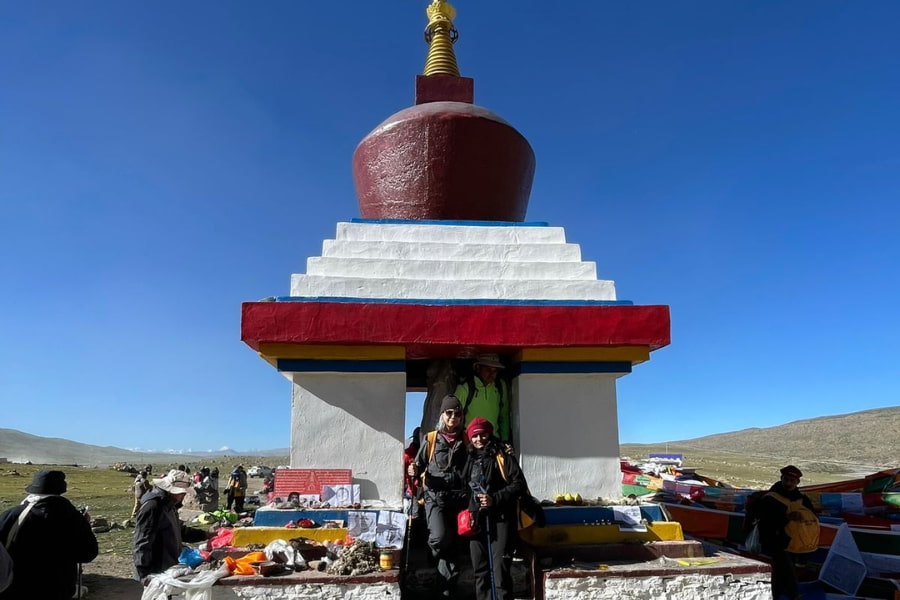
There are many operators in Kathmandu offering Kailash packages. Here's what sets Holy Kailash Tours apart in practice:
Permit expertise: Navigating Tibet permits is complicated, and timelines are subject to change. Holy Kailash Tours has processed hundreds of permit applications and knows how to handle complications before they become trip-canceling problems.
Experienced team: The guides working with Holy Kailash Tours know the Tibetan plateau. They know which roads flood in August, which guesthouses are reliable, and what to do if a pilgrim shows signs of serious altitude sickness at 5,000 meters in the middle of the night.
Local relationships: Working with local Tibetan guides and partner agencies means better access, more accurate information, and faster problem-solving on the ground.
Safety planning: Every group travels with emergency oxygen, a basic medical kit, and a clear protocol for altitude emergencies. Departure dates are planned around weather windows, not around what's convenient for the calendar.
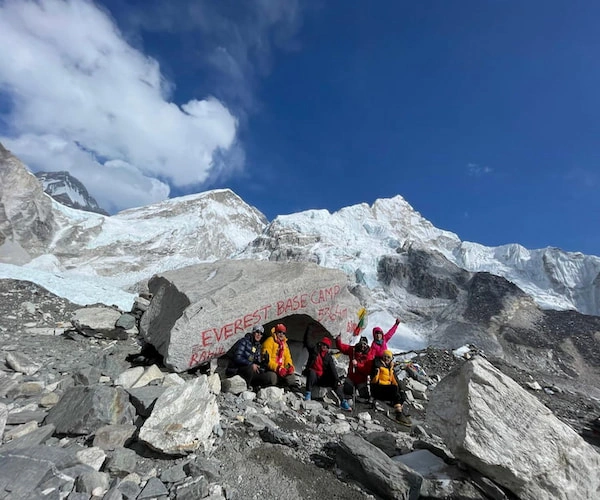
Flexible packages: Whether you want a standard group departure, a private tour, helicopter access, or a combined Kailash and Everest Base Camp itinerary, Holy Kailash Tours can build something that fits your timeline and budget.
Transparent pricing: The cost breakdown you see is the cost you pay. No surprise fees appear on arrival in Darchen.
Kailash Mansarovar Yatra FAQs
What is the cost of the Kailash Mansarovar Yatra?
All-inclusive packages typically range from USD 1,800 to USD 3,500 per person. The final cost depends on group size, route, accommodation choice, and whether you hire horses or yaks during the Kora.
How difficult is the Mount Kailash trek?
The three-day Kora is physically demanding because of the altitude, not the terrain. The trail itself isn't technical. The hardest section is the climb to Dolma La Pass at 5,636 meters on Day 2 of the Kora. Trekking poles help significantly.
What is the best time to visit Kailash Mansarovar?
May to September. June and September offer the best mix of stable weather and trail conditions.
How many days are needed for the Kailash Mansarovar Yatra?
A standard overland tour from Kathmandu takes 14 days. Shorter options exist using helicopter access but require more careful planning around acclimatization.
Can beginners join the Kailash Mansarovar trek?
Yes, if they're in reasonable health and prepare seriously. The Kora doesn't require prior trekking experience. Three to four months of physical preparation is strongly recommended regardless.
Is altitude sickness common during the yatra?
Mild symptoms affect most pilgrims at some point. Serious altitude sickness is less common when the tour includes proper acclimatization days, and the pilgrim follows basic prevention guidelines.
Do I need a Tibet permit for Kailash Mansarovar?
Yes. You need a Tibet Travel Permit, an Aliens' Travel Permit for the Kailash region, and a Chinese Group Visa. These are arranged through your tour operator and can't be obtained independently.
Can senior citizens do the Kailash Mansarovar Yatra?
Yes. Many senior pilgrims complete the Yatra every year with horse support during the Kora and a slower itinerary. A medical check-up and honest conversation with your operator before booking are both essential steps.
Final Thought
The Kailash Mansarovar Yatra isn't an easy trip. The roads are long, the altitude is punishing, and the facilities are basic. None of that stops thousands of people from making the journey every year, and almost none of them say they regret it.
What you get at the end of three days walking around that mountain is hard to put into words. Something about the scale of the landscape, the shared effort of the Kora, and the physical reality of standing at 5,636 meters tends to rearrange how you think about things. Not for everyone. But often enough that it's worth taking seriously.
If you're considering this journey, start planning at least 6 months. Permits take time. Physical preparation takes time. Getting the right operator matters more than most people think.
Holy Kailash Tours has guided pilgrims from across the world to Mount Kailash and Lake Mansarovar for years. If you want to discuss your specific situation, health history, timeline, or budget, reach out directly before you book anything. A good pilgrimage starts with an honest conversation.
Email: [email protected]
WhatsApp: +977-9851254672 — Feel free to reach out anytime for fast, friendly, and personalized assistance