Why Choose Nepal for Your Next Holiday?
People come to Nepal for different reasons. Some want to trek. Some want to see rare one-horned rhinos up close. Some are on a spiritual journey that's taken years to plan. Nepal works for all of them, which is genuinely rare for a single destination.
The country sits between India and Tibet, and that geography shapes everything: the culture, the food, the religion, and the landscape. Within one country, you can go from jungle lowlands to alpine passes above 5,000 meters. You can visit ancient Hindu temples, Buddhist stupas, and Tibetan monasteries, sometimes all in the same day.
Cost is also honest here. Nepal is one of the more affordable places in Asia for the quality of experience you get. That said, "budget Nepal trip" and "cheap Nepal trip" mean different things. We'll get into that.
Best Time to Visit Nepal for Tours
The two best windows are October to November and March to May.
October and November give you the clearest skies after the monsoon, ideal for mountain views and trekking. The air is washed clean, rhododendrons are done blooming, and temperatures are manageable even at altitude. This is the busiest season, so popular routes and lodges fill up.
March to May is spring. Rhododendrons bloom across the hills in red and pink. Temperatures are warmer, which makes lower-altitude destinations like Chitwan and Pokhara especially pleasant. Higher treks can still see snow, but passes are generally open.
Avoid mid-June through September if mountain views are your priority. Monsoon brings heavy rain, leeches on jungle trails, and cloud cover that hides the peaks for days at a time. Experienced trekkers sometimes go anyway for the green landscapes and empty trails, but it's not a beginner season.
December through February is cold, especially in the mountains, but Kathmandu and Pokhara are still comfortable and far less crowded. Wildlife viewing in the Terai is excellent in winter because the grass is shorter and animals are more often on the riverbanks.
Popular Nepal Tour Destinations
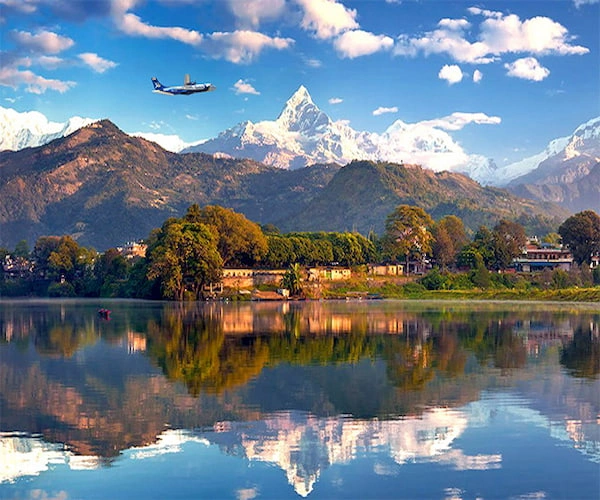
Nepal packs an extraordinary range of destinations into a country smaller than many US states. Kathmandu is the obvious starting point, a chaotic, layered city where medieval temple squares sit next to busy markets and rooftop cafes. An hour's flight or six hours by road brings you to Pokhara, quieter and more open, with Phewa Lake in front and the Annapurna range behind it.
Lumbini, the birthplace of the Buddha, sits in the flat western Terai and draws pilgrims from across Asia. It's calm in a way that Kathmandu never quite is. Nagarkot is a ridge village above the Kathmandu Valley, mostly visited for one thing: the sunrise view over a long arc of Himalayan peaks on a clear morning.
Bandipur is the kind of place people stumble on and then tell everyone about. It's a well-preserved Newari hill town that sees fewer tourists than it deserves, with cobblestone lanes and views across the valleys below.
In the eastern Terai, Janaki Temple in Janakpur is one of the most important Hindu pilgrimage sites in Nepal, dedicated to the goddess Sita, and its ornate Maithil architecture makes it genuinely unlike anything else in the country.
Further east, Ilam is a tea country. Rolling hills covered in tea gardens, cool air, and a slower pace that feels completely separate from the Nepal most tourists see.
Exploring the Himalayan Mountains of Nepal
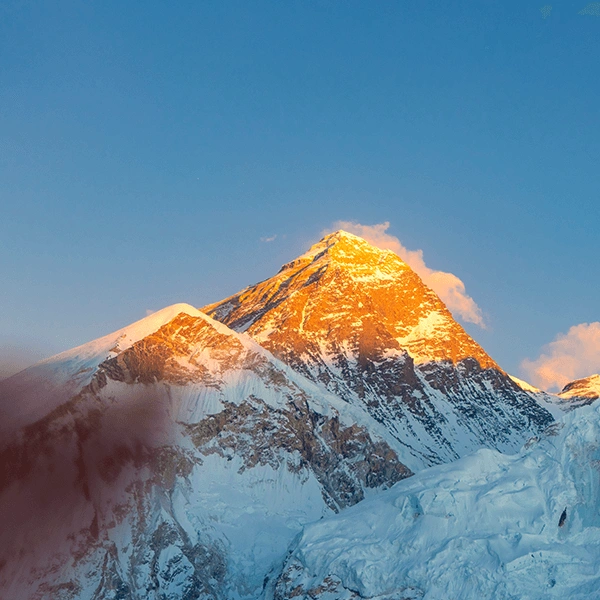
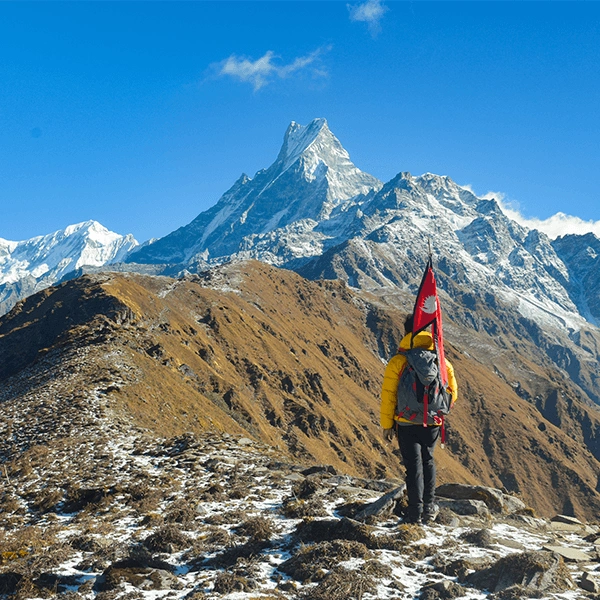
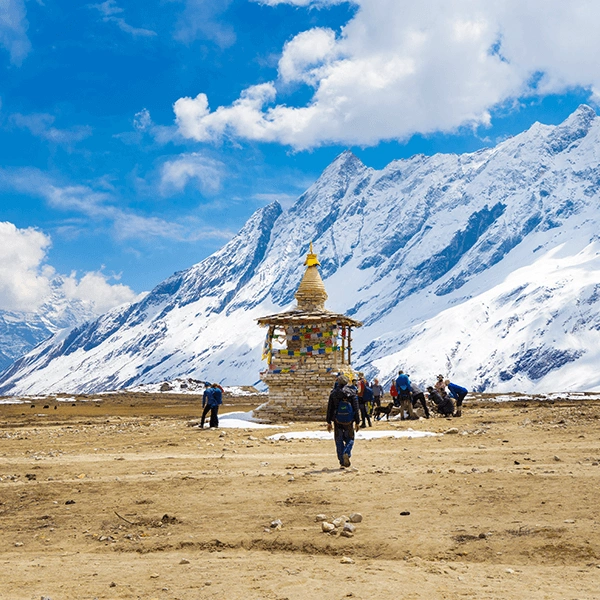
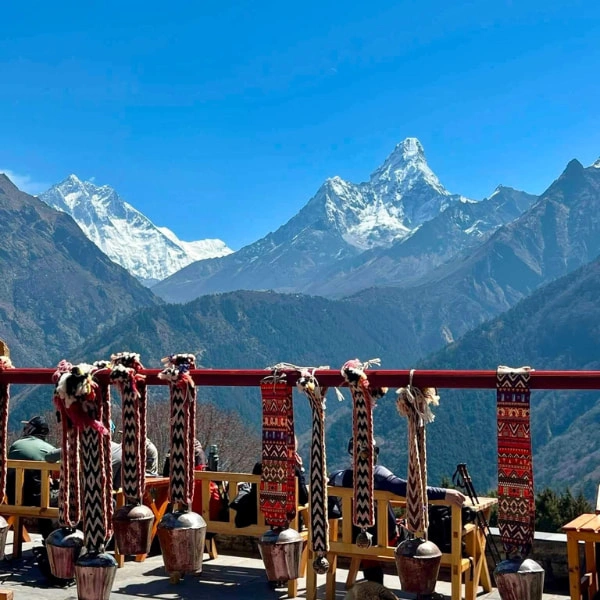
Nepal is home to eight of the world's 14 highest peaks, including Everest, Annapurna, Kangchenjunga, Lhotse, and Makalu. You don't need to be a mountaineer to see them.
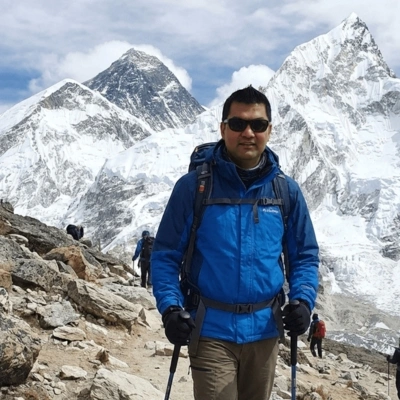
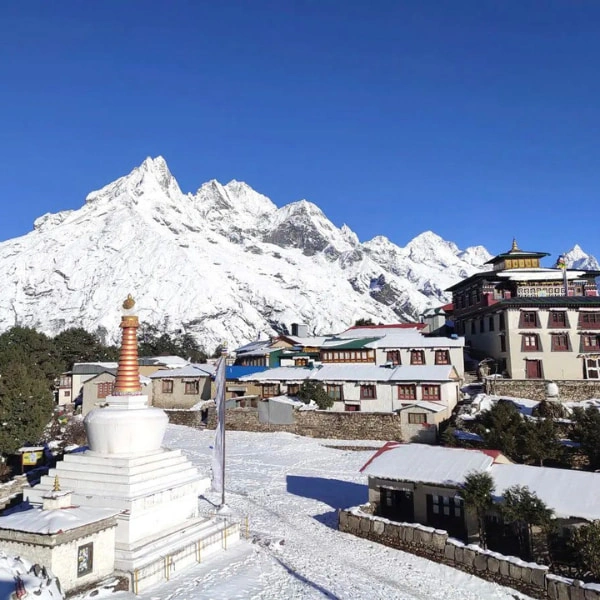
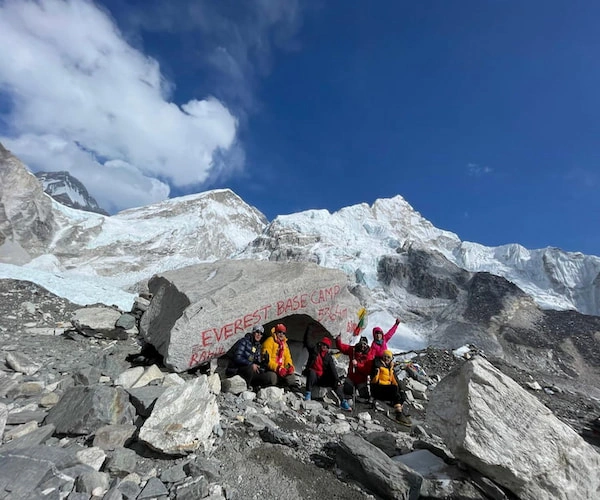
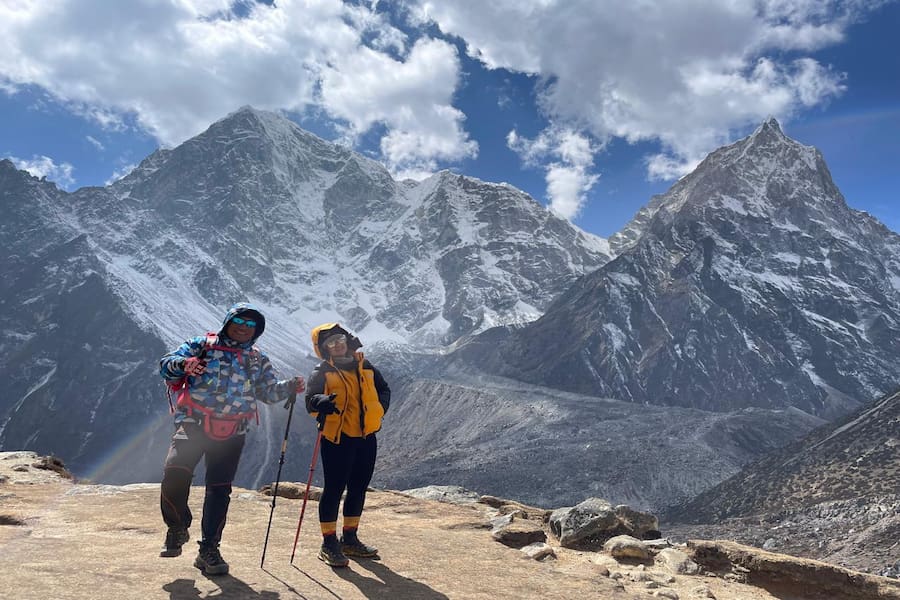
The Everest region (Khumbu) is the most famous. The classic trek to Everest Base Camp takes about 14 days and passes through Namche Bazaar, Tengboche Monastery, and several high-altitude villages. It's a serious physical commitment at elevations that reach 5,364 meters, but thousands of people complete it every year without any climbing experience.
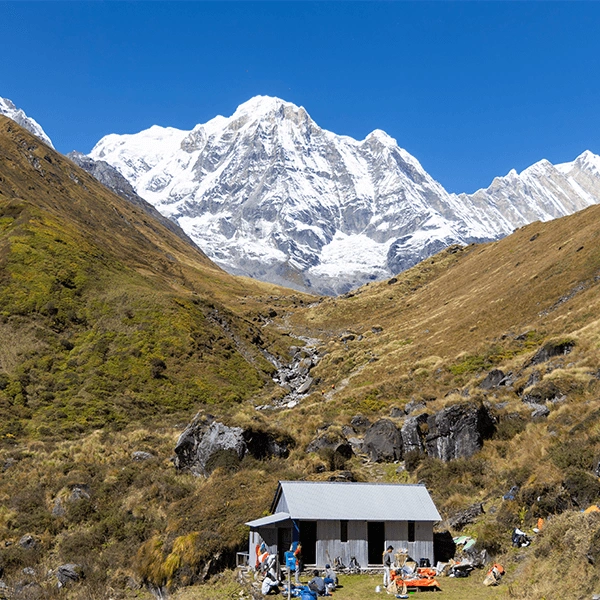
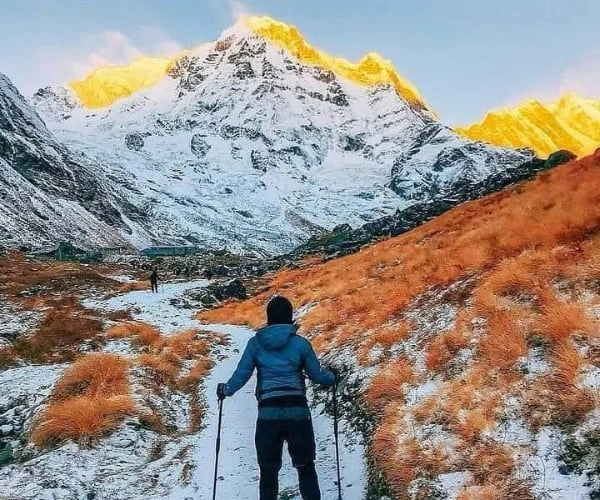
The Annapurna Circuit is longer and more varied, looping around the entire Annapurna massif through different climate zones, ethnic communities, and landscapes. The Annapurna Base Camp trek is shorter (roughly 7 to 10 days) and takes you right into the Annapurna Sanctuary, a natural amphitheater surrounded by peaks on all sides.
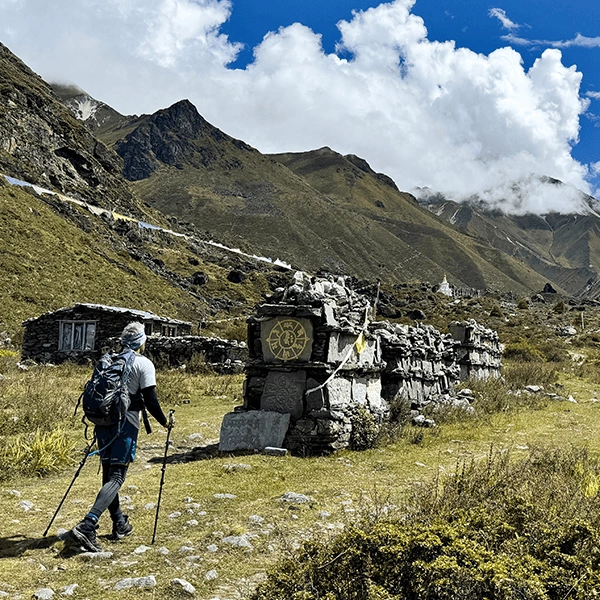
For those with less time, the Langtang Valley is accessible from Kathmandu and gives a genuine high-mountain experience in 7 to 10 days. It sees fewer visitors than Annapurna or Everest, and its distinct Tamang culture makes it worth choosing.
Famous Temples and Spiritual Sites in Nepal
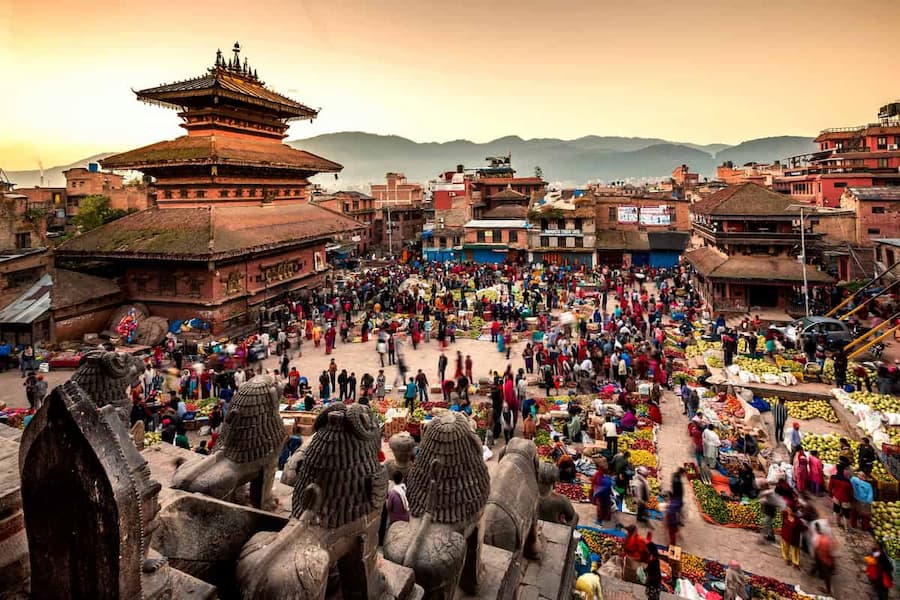
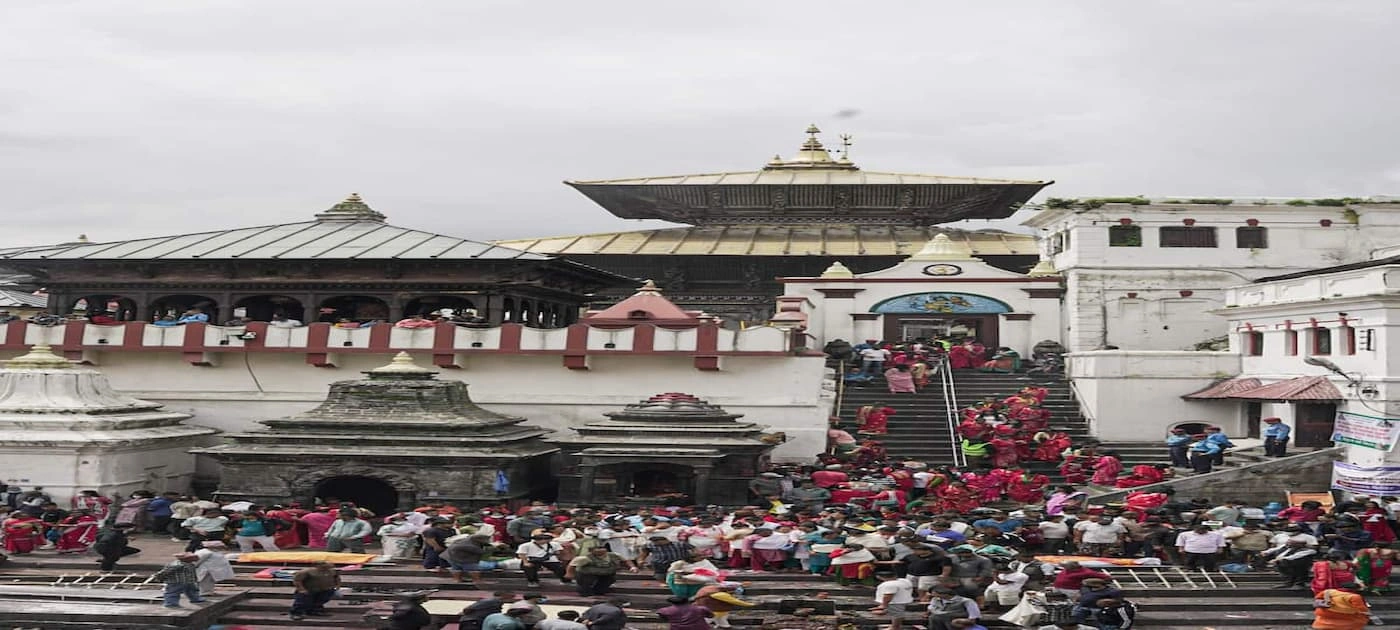
Nepal is home to some of Asia's most significant sacred sites. Pashupatinath Temple in Kathmandu is one of the holiest Shiva temples in the world. It sits on the banks of the Bagmati River and welcomes Hindu pilgrims from across South Asia daily. The cremation ghats here are public and sobering in a way that stays with most visitors.
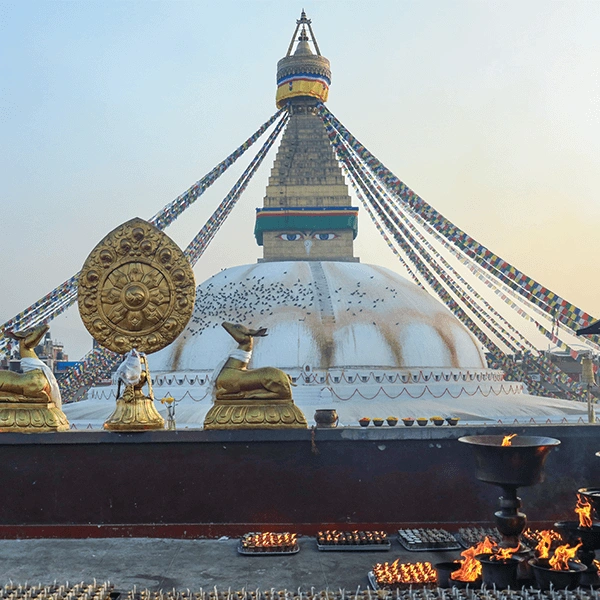
Boudhanath Stupa is the largest stupa in Nepal and one of the largest in the world. It sits at the center of a neighborhood that's home to thousands of Tibetan refugees, and the atmosphere around it is genuinely different from anywhere else in the city. In the early mornings and evenings, monks and pilgrims circle the stupa in a slow, meditative loop.
Swayambhunath, known informally as the Monkey Temple, is perched on a hill above Kathmandu. It's been a Buddhist site for over 2,000 years. The climb up is worth it for the view of the valley below and the presence of the stupa itself.
Outside the capital, Muktinath Temple in the Mustang district draws Hindu and Buddhist pilgrims from Nepal, India, and Tibet. It sits at 3,710 meters and features 108 water spouts and an eternal flame that burns from natural gas seeping through the rock. For pilgrims, it's a profound site. For everyone else, it's one of the stranger and more interesting places in the Himalayas.
Wildlife Adventures in Nepal National Parks
Nepal's national parks don't get the attention they deserve. Most visitors fly to Kathmandu and head straight for the mountains. But the Terai, Nepal's flat southern strip along the Indian border, is home to some of Asia's best wildlife.
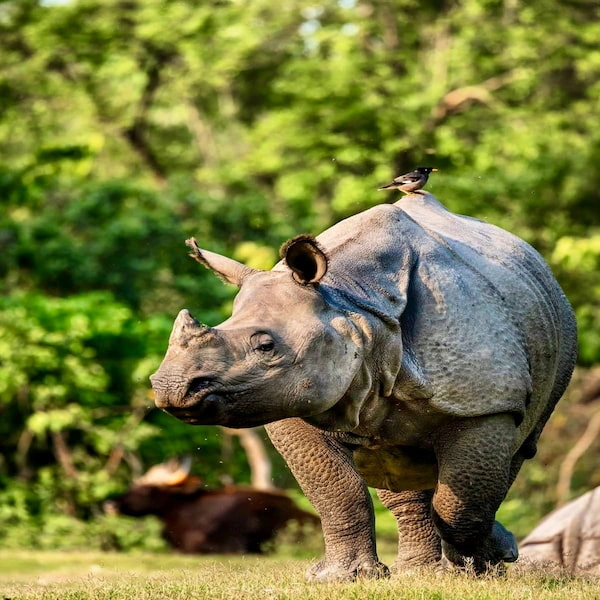
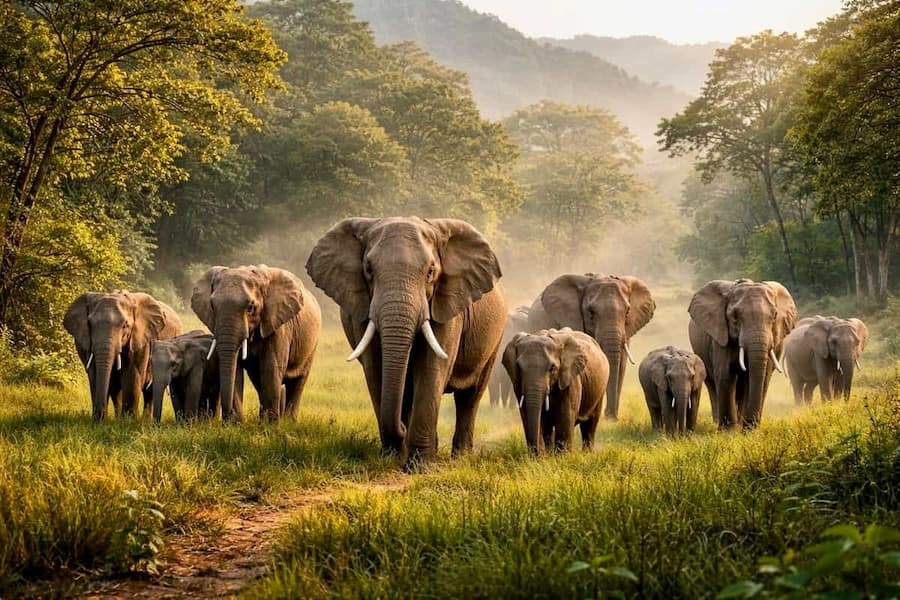
Chitwan National Park is the most visited. It's a UNESCO World Heritage Site and home to the one-horned greater Indian rhinoceros, Bengal tigers, gharial crocodiles, and over 500 species of birds. A typical Chitwan safari lasts 2 to 4 days and includes jeep safaris, canoe rides on the Rapti River, and guided jungle walks. Walking safaris in Chitwan are the real highlight. Being at ground level, without the noise of a vehicle, completely changes the experience.
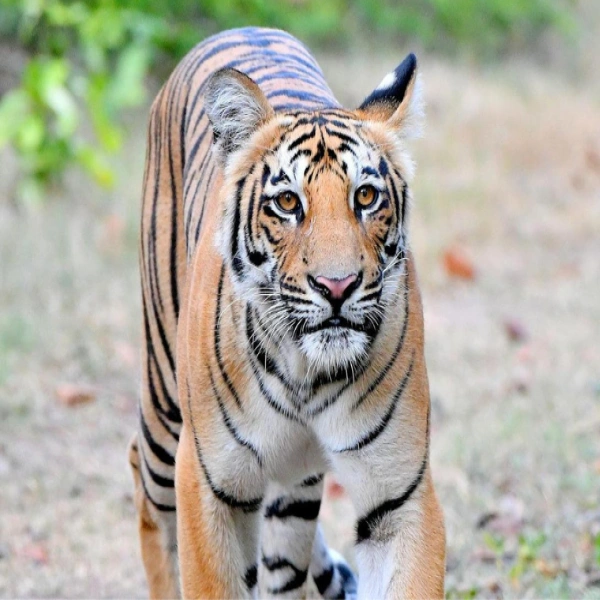
Bardia National Park is further west and sees far fewer tourists. It has one of the largest populations of Bengal tigers in Nepal, and wildlife sightings here tend to be more natural. You're not competing with dozens of jeeps. The lodges around Bardia are quieter, smaller, and often run by local guides who've spent years learning the park.
Both parks are best visited between October and March, when the grass is shorter, and animals gather near water sources.
Top UNESCO World Heritage Sites in Nepal
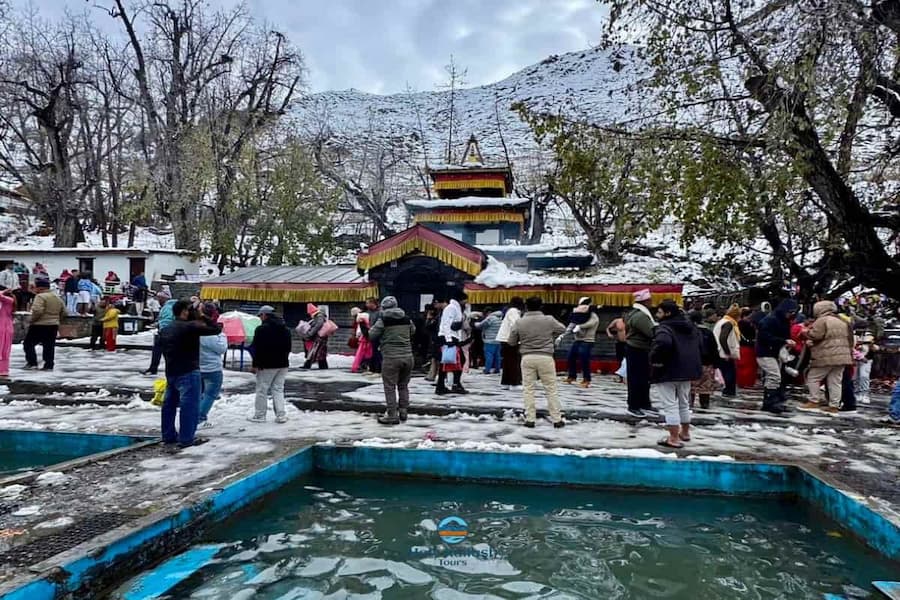
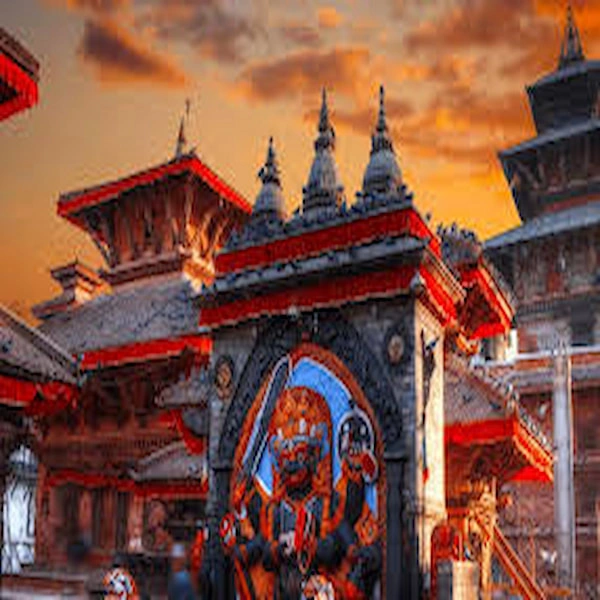
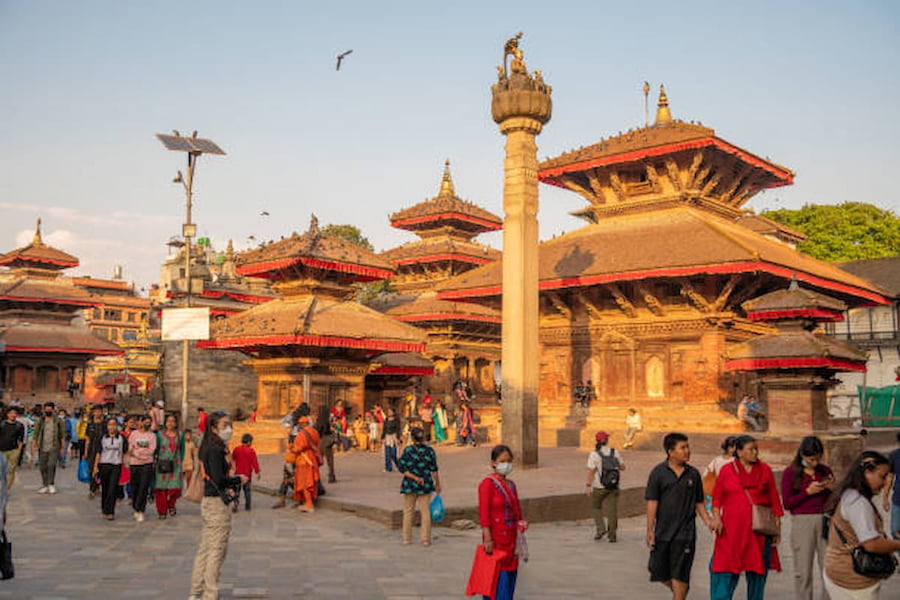
Nepal has ten UNESCO World Heritage Sites, and seven of them are clustered in the Kathmandu Valley. The three durbar (royal court) squares at Kathmandu, Bhaktapur, and Patan are medieval urban centers built by the Malla kings. Each one has its own character.
Bhaktapur is the most intact. The old city has been largely pedestrianized, and walking through it feels like entering a different century. The woodcarving on temple facades here is some of the finest in Asia.
Patan's durbar square sits around a central courtyard filled with temples, and the city itself has a long tradition of metalwork and craftsmanship. Patan Museum is one of the better museums in the country, particularly for understanding the Hindu and Buddhist art of the valley.
Lumbini, the birthplace of the Buddha, is in the western Terai. It's a pilgrimage site for Buddhists from around the world and has a quiet, measured atmosphere very different from the busy cultural sites in Kathmandu. The sacred garden, the Mayadevi Temple, and the Ashoka Pillar are the central points of any visit.
Kathmandu Valley Cultural Tour
The Kathmandu Valley is rich with history, making it hard to absorb in a single trip. Kathmandu itself is chaotic, noisy, and full of life. Thamel, the tourist district, has everything from gear shops to rooftop restaurants, and it's a reasonable base even if it's not the most authentic part of the city.
The more interesting Kathmandu is found by walking out of Thamel into the old city. Asan Bazaar and Indra Chowk are neighborhood markets where locals shop. The narrow streets around Durbar Square are lined with temples, shrines, and local teahouses that most visitors walk past without stopping.
A proper Kathmandu Valley tour typically spans three days and covers the valley's main sites across Kathmandu, Patan, and Bhaktapur. Some travelers add a half-day at Nagarkot, a ridge above the valley with views of the eastern Himalayas on clear mornings.
Education Tours in Nepal
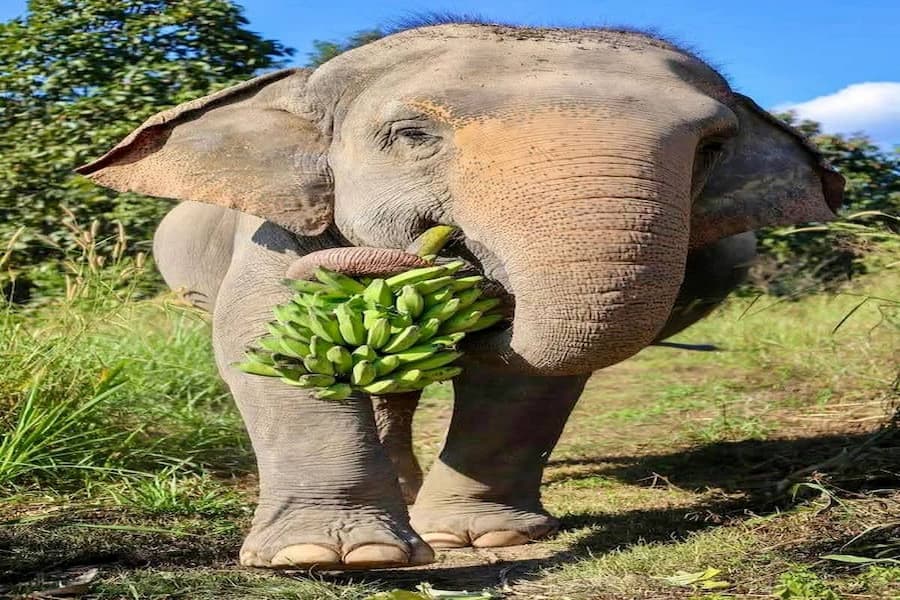
Education Tours in Nepal have become a destination for educational and school groups interested in development, culture, and conservation. Organizations here work in community-based conservation, sustainable agriculture, women's cooperatives, and school-building projects. Some tour operators organize visits that include time at local schools, community farms, or ranger training programs in national parks.
These aren't voluntourism trips in the problematic sense. They're observational visits where groups learn about specific issues through direct conversations with people working on them. For school groups and university students, a week in Nepal can give a grounded understanding of how development actually works on the ground.
Pokhara Tour: Lakes, Mountains, and Relaxation
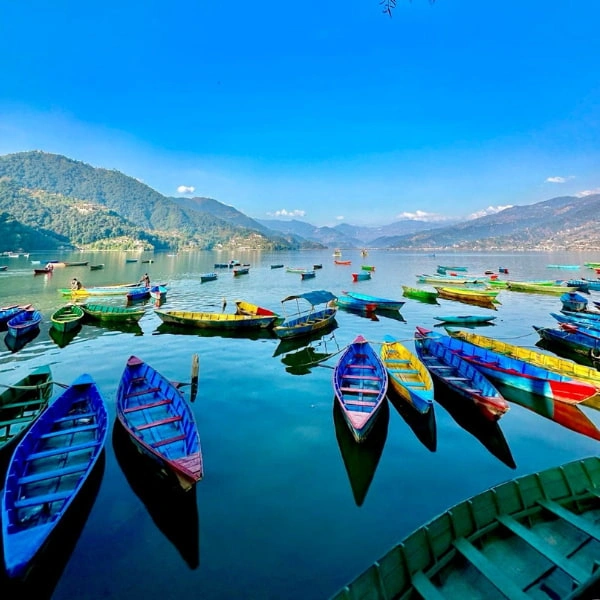
Pokhara valley tour is the most relaxed city in Nepal. It sits on the northern edge of Phewa Lake, with the Annapurna range rising directly behind it. On a clear day, peaks like Machhapuchhre (Fishtail) and Annapurna South look close enough to touch, even though they're 30 kilometers away.
The city has a different pace from Kathmandu. The lakeside area has cafes, kayak rentals, and paragliding operators. People come here to decompress after a trek or to base themselves for a few days before heading into the Annapurna region.
Davis Falls, the International Mountain Museum, and the World Peace Stupa on the hill above the lake are worth visiting. But honestly, Pokhara is a place where sitting by the lake in the morning with a cup of tea, watching the mountains, is a legitimate way to spend time.
For families, Pokhara is easier than Kathmandu. It's cleaner, quieter, and less overwhelming.
Chitwan National Park Safari Experience
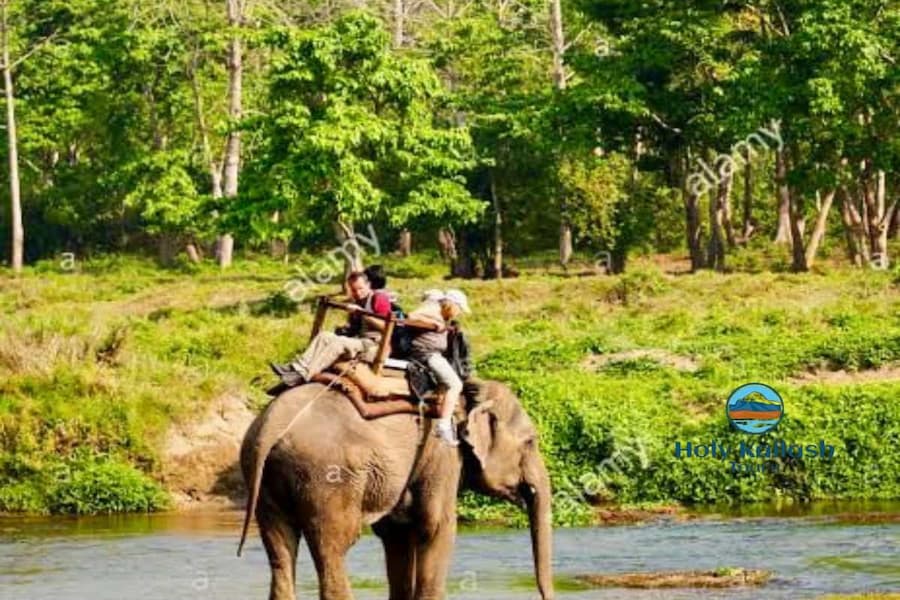
A Chitwan safari typically starts before breakfast with a canoe ride on the Rapti or Narayani River. You drift silently through the jungle fringe, watching for crocodiles on the banks and kingfishers overhead. Then comes the jeep safari, which covers the grasslands and forest edges where rhinos and deer feed.
The evening is often spent at a cultural program where Tharu communities perform traditional dances. The Tharu are the indigenous people of the Terai and have lived alongside the wildlife here for centuries. Their knowledge of the jungle is worth listening to.
Most visitors stay two nights. Three nights give you a better chance of seeing tigers, though sightings are never guaranteed. The park is 952 square kilometers, and the animals don't follow a schedule.
Bardia National Park Wildlife Tour Guide
Bardia is for people who want the Chitwan experience without the crowds. It's a full-day bus or jeep ride from Pokhara or Kathmandu, which keeps most casual tourists away. The park covers 968 square kilometers of sal forest and grassland, and its tiger density is among the highest in Nepal.
Multi-day walking safaris into the park are possible with experienced naturalist guides. You sleep at basic campsites inside the buffer zone and spend the mornings watching wildlife at water holes. This kind of visit takes planning and physical preparation, but it's a genuinely different experience from a standard jeep safari.
Bardia also has a significant population of Gangetic dolphins in the Karnali River. A boat trip on the Karnali in the early morning often produces dolphin sightings, along with gharials and mugger crocodiles.
Best Mountain Viewpoints in Nepal

You don't need to trek for two weeks to see the Himalayas properly. A few viewpoints give exceptional views with minimal effort.
Nagarkot, one hour from Kathmandu, is a ridgeline village at around 2,100 meters. On clear mornings (usually October through December), you can see a 200-kilometer arc of Himalayan peaks from Dhaulagiri to Kanchenjunga. Most visitors stay overnight to catch the sunrise.
Sarangkot above Pokhara is another easy option. A 40-minute hike or a short jeep ride brings you to the ridge where paragliders launch each morning. The view takes in the entire Annapurna range and Machhapuchhre, and the sunrise light on the peaks is worth the early start.
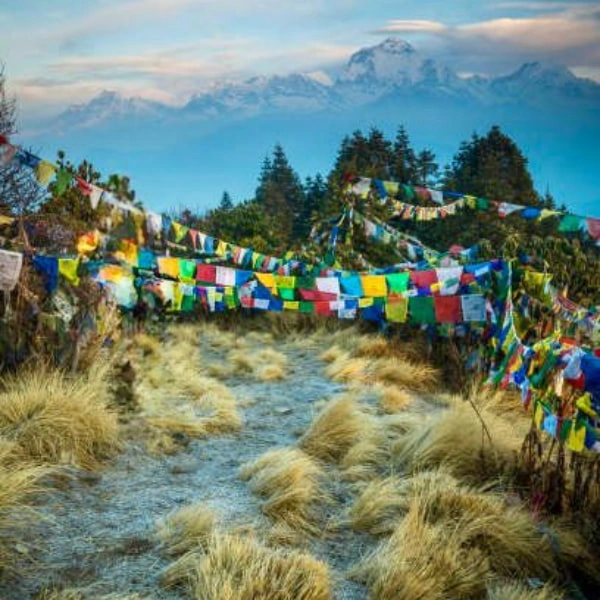
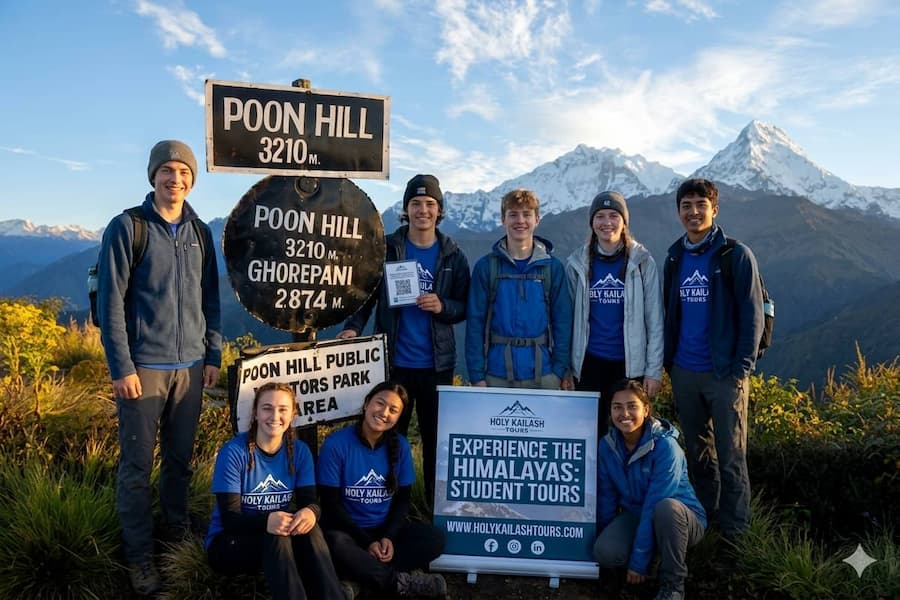
Poon Hill, at 3,210 meters, is the classic easy viewpoint. It's a three-day trek from Pokhara (the Ghorepani-Poon Hill circuit), manageable for people without trekking experience. The view from the top on a clear morning is one of the best mountain panoramas in Nepal.
Honeymoon Tours in Nepal
Honeymoon Tours Nepal is not the first place most couples think of for a honeymoon, and that's exactly what makes it work. Pokhara is the natural base: a lakeside city with the Annapurna range sitting directly behind it, quiet enough to actually relax in, with good restaurants and comfortable hotels along the water.
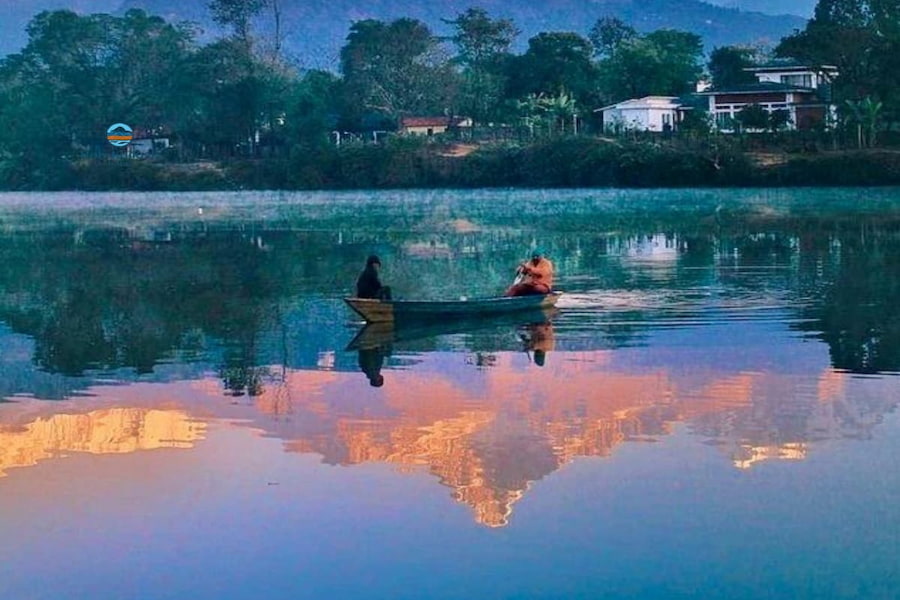
A morning on Phewa Lake by canoe, a paragliding flight over the valley, or a short drive up to Sarangkot for sunrise over the peaks covers the kind of days that don't need much planning to feel right. Kathmandu adds history and culture if you want it. Chitwan adds something else entirely: two days in the jungle, rhinos at close range, and evenings around a fire. The Rara Lake honeymoon trip is the best option too.
Holy Kailash Tours puts together honeymoon itineraries that connect these places at a pace that doesn't feel rushed, with the hotels and logistics handled so the trip actually feels like a break. Nepal won't give you a beach. What it gives you instead is harder to find anywhere else.
Nepal Tour Packages for Families and Couples
Families with children do well in Nepal, particularly on itineraries that mix Kathmandu, Pokhara, and Chitwan. The wildlife is exciting for kids, the cultural sites are accessible, and the food in most tourist areas is varied enough to avoid any dinner negotiations.
For couples, Pokhara is the obvious base for a quieter, scenic trip. Combine it with a short trek (Ghorepani or Australian Base Camp) and a few days in Kathmandu. The balance of activity and relaxation works well for most people.
Honeymoon packages in Nepal often include a night or two at a Pokhara lakeside resort with mountain views and a private canoe ride on Phewa Lake. It's not the Maldives, but the backdrop is hard to beat.
Adventure Activities to Add to Your Nepal Tour
Paragliding from Sarangkot over Pokhara is one of the more popular activities in Nepal and genuinely spectacular. Flights last 20 to 30 minutes and cover the valley and lake below the Annapurna range.
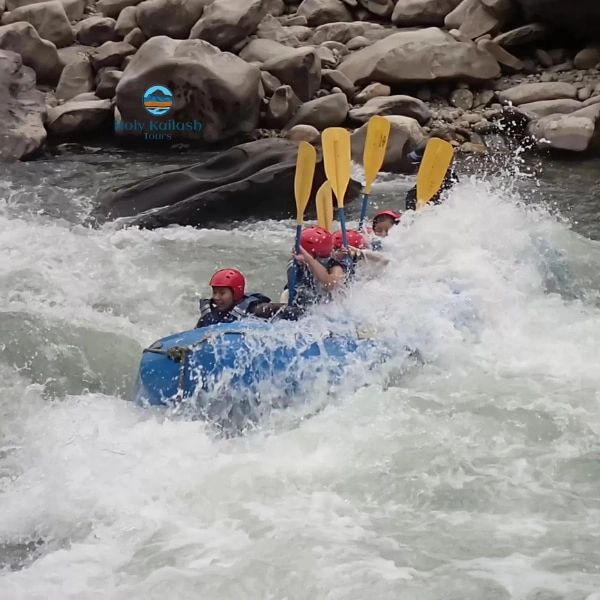
White-water rafting is available on several rivers: the Trishuli (close to Kathmandu and good for beginners), the Bhote Koshi (short but intense), and the Sun Koshi (a multi-day expedition river with serious rapids). The rafting season runs from October to November and from March to May.
Bungee jumping at the Last Resort above the Bhote Koshi gorge uses a 160-meter drop above a fast-moving river. It's among the highest commercial bungee jumps in the world.
Mountain biking routes in the Kathmandu Valley and around Pokhara are good for half-day or full-day rides, and several operators run guided biking tours of the Annapurna foothills.
Local Food and Cultural Experiences in Nepal
Dal bhat is the national dish: lentil soup, rice, and two or three vegetable curries, served on a round metal plate. It comes with unlimited refills in most places and is what most Nepali people eat twice a day. It's good, honest food and genuinely filling.
In the mountains, the staples shift toward Tibetan influence: thukpa (noodle soup), momos (dumplings), tsampa (roasted barley), and butter tea. At lower elevations, you'll find more Indian-style cooking, particularly in the Terai.
Kathmandu has a vibrant restaurant scene in Thamel and Lazimpat. You can eat Korean, Japanese, Indian, Italian, and Mexican within a few blocks. But the best meal you'll have is probably at a local Newar restaurant in Patan, where aila (millet wine) comes with smoked pork, black-eyed peas, and beaten rice.
Cultural experiences worth seeking out include a Tharu cultural program in Chitwan, a morning walk through the Indra Jatra festival (held in Kathmandu in September), and a butter lamp ceremony at Boudhanath at dusk.
Transportation Options for Nepal Tours
Most international visitors fly into Tribhuvan International Airport in Kathmandu. It handles flights from Delhi, Dubai, Doha, Singapore, Bangkok, and a growing number of Chinese cities.
Within Nepal, private vehicles are the most common way to travel on tour. Roads in the hills are slow and sometimes rough, but the journey itself is part of the experience. The drive from Kathmandu to Pokhara takes 6 to 7 hours by car or tourist bus. A scenic mountain flight covers the same distance in 25 minutes.
Domestic flights connect Kathmandu to Pokhara, Bharatpur (gateway to Chitwan), Nepalgunj (gateway to Bardia), and a dozen remote airstrips in the hills and the Terai. Weather delays are common on mountain routes, so build buffer days into any itinerary that involves domestic flying.
Hiring a private jeep and driver for multi-destination tours gives the most flexibility. Most Nepal tour operators include this in their package pricing.
Where to Stay During Your Nepal Tour
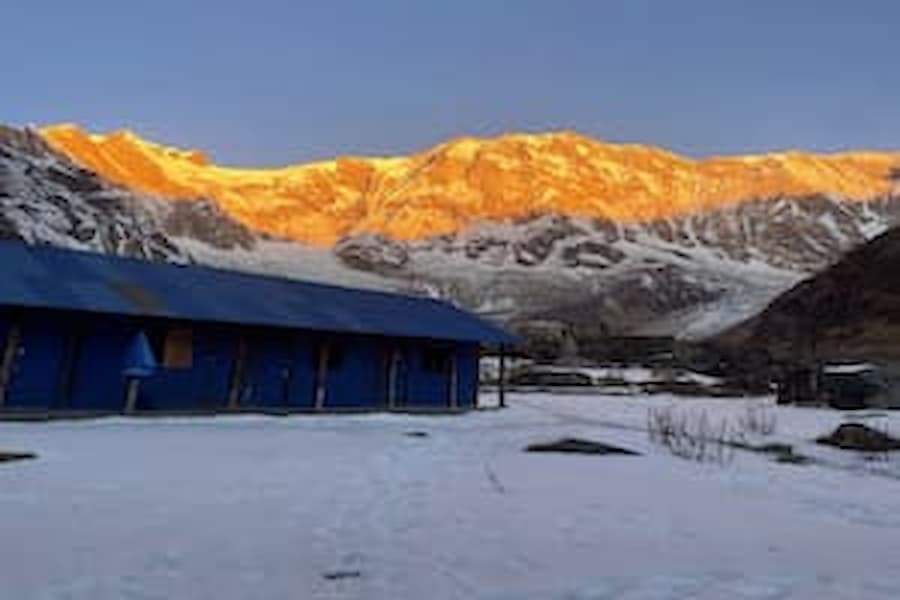
Accommodation in Nepal ranges from basic teahouse lodges on trekking routes (where you get a simple room and meals for a few dollars a night) to five-star hotels in Kathmandu with mountain views and full spa facilities.
In Kathmandu, the Thamel area has hundreds of guesthouses and hotels at every price point. Better options are in the quieter neighborhoods of Lazimpat, Jyatha, and Boudha, where you're still close to the city's main sites but away from the worst of the noise.
In Pokhara, lakeside hotels and resorts give the best experience. Some mid-range properties on the north side of Phewa Lake offer direct mountain views from their rooms.
In Chitwan and Bardia, jungle lodges range from budget guesthouses in the buffer zone to exclusive eco-lodges inside or adjacent to the parks. Better wildlife sightings often come from staying at lodges that employ their own naturalist guides who know the local terrain well.
Budget vs Luxury Nepal Tour Packages
A basic budget Nepal trip (guesthouses, local transport, simple food) runs around $60-$80 per person per day, excluding flights and trek permits.
A mid-range package with private vehicles, three-star hotels, and organized activities runs $150 to $280 per person per day.
Luxury packages with five-star hotels in Kathmandu, boutique jungle lodges, private helicopter transfers, and exclusive guide arrangements can run $300 to $600 per person per day or more.
Trekking permits cost extra regardless of package level. The Annapurna Conservation Area permit is $30. The Sagarmatha (Everest) National Park entry is $30. TIMS (Trekkers' Information Management System) cards cost $20. These are fixed government fees paid on arrival.
Travel Tips for First-Time Visitors to Nepal
Get your visa on arrival at Kathmandu airport. Bring two passport photos and USD $30 (15 days), $50 (30 days), or $125 (90 days) in cash. The queue can be long, so an e-visa processed online before travel saves time.
Altitude sickness is real and can affect anyone, regardless of fitness level. If you're going above 3,000 meters, don't go too fast. The standard advice is not to gain more than 300-500 meters of sleep altitude per day once you're above 3,000 meters.
Drink bottled or filtered water. Carry personal hand sanitizer. Street food is generally fine in busy areas, but stick to cooked food and avoid salads in smaller towns.
Power cuts still happen in some areas, though they're less frequent now than a decade ago. A portable battery bank is useful on trekking routes.
Tipping is customary but not fixed. For guides and drivers on organized tours, $5 to $10 per day per guide is reasonable. For longer expeditions, the amount scales up.
Why Choose Holy Kailash Tours for Nepal Travel?
Holy Kailash Tours is based in Kathmandu and has worked in spiritual and adventure travel across Nepal and Tibet for years. The team knows the permits, the terrain, and the seasonal patterns that make or break a trip.
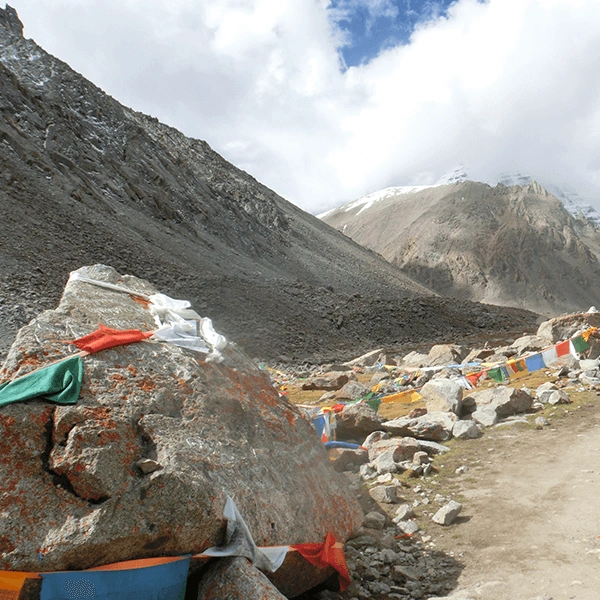
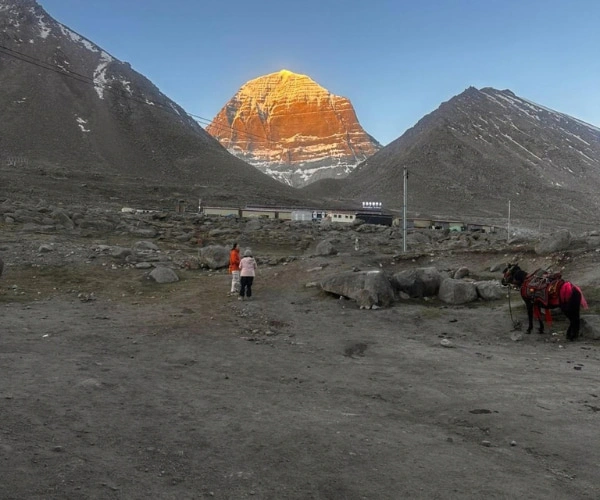
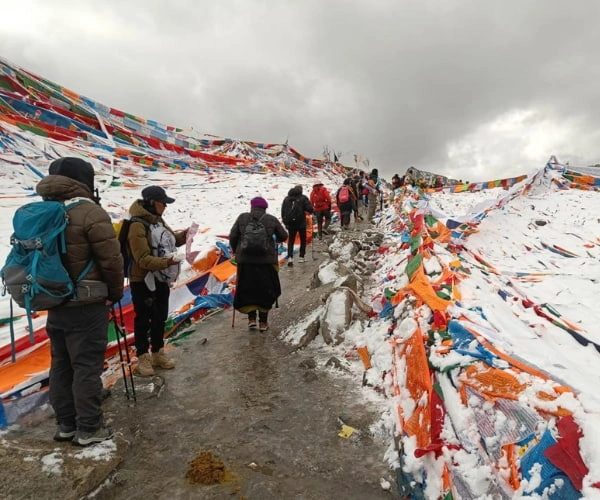
For pilgrimage travel, Holy Kailash Tours specializes in the Kailash Mansarovar Yatra, organizing overland routes from Nepal through Tibet and managing the logistics of one of the physically and spiritually demanding journeys in the region. The same operational knowledge translates directly into Nepal tours: route planning, acclimatization scheduling, accommodation selection, and guide quality.
For Nepal tour packages specifically, Holy Kailash Tours builds itineraries around what visitors actually want to see rather than standard-issue circuits. Whether you're combining Chitwan wildlife with a Kathmandu cultural tour, or planning a family trip through Pokhara and the Annapurna foothills, the approach is practical and based on real experience with these routes.
The team speaks from direct knowledge of the terrain. That matters more than it might seem when you're planning a trip across multiple altitudes, ecosystems, and cultural contexts.
Final Thoughts on Nepal Tour Packages
Nepal rewards time and attention. A five-day trip will give you a surface view. Two weeks in, something deeper starts to reveal itself. The country is small enough to cover a lot of ground and varied enough that no two days feel the same.
If you're planning a first trip, keep the itinerary simple. Kathmandu for two or three days, Chitwan for two nights, Pokhara for two or three days. That's a solid 10-day trip that gives you culture, wildlife, and mountain scenery without feeling rushed.
If you're coming back or have more time, add a trek. The experience of walking through the Himalayas at your own pace, eating at teahouses, and sleeping under clear, high-altitude skies is something most people don't forget.
Nepal is not the most polished destination in Asia. The roads are rough, the power sometimes fails, and Kathmandu is genuinely overwhelming for the first day or two. But the people are warm, the landscape is extraordinary, and there's something here that keeps bringing people back.
FAQs
General
What is the best Nepal tour package for first-time visitors?
A 10 to 12-day package covering Kathmandu, Chitwan, and Pokhara is the most practical starting point. It balances culture, wildlife, and mountain scenery without being too rushed.
Is Nepal safe to visit?
Yes. Nepal is one of the safer countries in South Asia for tourists. The main risks are altitude sickness, road accidents on mountain roads, and petty theft in crowded tourist areas.
Weather and Temperature
How cold does it get in Nepal?
In Kathmandu (1,400m), winter nights drop to around 2°C. In the mountains above 3,000m, temperatures at night can go well below zero year-round. The Terai (Chitwan, Bardia) stays warm even in winter, with daytime highs around 25°C.
Is it worth visiting Nepal during the monsoon?
For most visitors, no. For serious trekkers seeking solitude and green landscapes, it can work, but cloud cover often obscures the mountains entirely.
Arrival and Visas
Do I need a visa for Nepal?
Most nationalities need a visa. You can get it on arrival at Kathmandu airport or apply online for an e-visa before travel. Indians do not need a visa.
What documents do I need for a Nepal tour?
A valid passport (6+ months), visa, travel insurance (recommended), and trekking permits if applicable. Your tour operator will guide you through the specific permits for your route.
Tours Cost
How much does a Nepal tour package cost?
Basic packages start around $60 to $80 per person per day. Mid-range runs $120 to $200. Luxury packages start at $300. These typically include accommodation, transport, a guide, and meals, but not international flights.
Are Nepal tours expensive?
Compared to Europe, Southeast Asia, or East Africa, Nepal is genuinely affordable for the quality of experience. Trekking permits and park fees are additional fixed costs.
Who Can Tour?
Can older travelers visit Nepal?
Yes. Many people in their 60s and 70s visit Nepal every year. Kathmandu, Pokhara, and Chitwan don't require any special physical fitness. Trekking depends on the route.
Is Nepal suitable for solo female travelers?
Yes, though normal urban caution applies. Kathmandu and Pokhara have well-established infrastructure for solo travelers, and guided trekking routes are safe.
Physical Fitness
Do I need to be in good health to visit Nepal?
For Kathmandu, Pokhara, and Chitwan, basic mobility is enough. For treks, the required fitness level depends entirely on the route. Annapurna Base Camp and Everest Base Camp require weeks of preparation. Poon Hill can be done by most healthy people with moderate effort.
How hard is the Everest Base Camp trek?
It's physically demanding due to altitude, not extreme terrain. The trails are mostly walking paths, not technical climbing. The difficulty is managing altitude gain over 14 days at elevations up to 5,364 meters.
Preparation and Packing
What should I pack for a Nepal tour?
For a cultural tour (Kathmandu, Pokhara, Chitwan): light layers, comfortable walking shoes, sun protection, and insect repellent for the Terai. For trekking, add proper trekking boots, thermal base layers, a down jacket, and a good waterproof outer layer. A sleeping bag liner is useful on most trekking routes.
Do I need trekking poles?
Not essential, but helpful on longer descents. Most gear shops in Thamel rent them cheaply.
Food and Accommodation
What is food like in Nepal?
Dal bhat (rice, lentils, curry) is the national staple and widely available. In Kathmandu and Pokhara, the variety of restaurants is genuinely wide. On trekking routes, menus at teahouses include pasta, soups, fried rice, and momos alongside Nepali and Tibetan dishes.
Can I eat vegetarian food in Nepal?
Easily. Nepal has a strong tradition of vegetarian cooking, especially in Hindu communities. Most teahouses and restaurants have extensive vegetarian options.
Health and Safety
Do I need vaccinations for Nepal?
Consult your doctor, but commonly recommended vaccines include Hepatitis A, Typhoid, and Tetanus. Rabies is sometimes recommended for longer stays. Malaria prophylaxis is advised for travel in the Terai.
What about altitude sickness?
Altitude sickness (AMS) can affect anyone. Symptoms include headache, nausea, and fatigue above 2,500 to 3,000 meters. The treatment is descent. Diamox (acetazolamide) can help prevent symptoms, but it should be discussed with a doctor before travel.
Practical Matters
Can I use my phone in Nepal?
Yes. Local SIM cards (Ncell and Nepal Telecom) are cheap and easy to get at the airport or in Kathmandu. Data is inexpensive. Coverage is good in cities and on major trekking routes.
What currency does Nepal use?
The Nepalese Rupee (NPR). ATMs are widely available in Kathmandu and Pokhara. In remote trekking areas, carry cash. Indian Rupees are accepted in some areas near the border, but not widely.
Transportation and Flights
How do I get to Nepal?
Most international visitors fly into Kathmandu (TIA). Major connecting hubs include Delhi, Dubai, Doha, Singapore, and Bangkok. There's no direct service from most Western countries.
Should I take a tourist bus or a private car between cities?
Tourist buses between Kathmandu and Pokhara run daily and cost around $10-$20. They're slow but scenic. Private vehicles are faster and more comfortable, typically included in organized tour packages. Domestic flights are available if you want to save time.
Email: [email protected]
WhatsApp: +977-9851254672 — Feel free to reach out anytime for fast, friendly, and personalized assistance