Why Choose Ghorepani Poon Hill Trek?
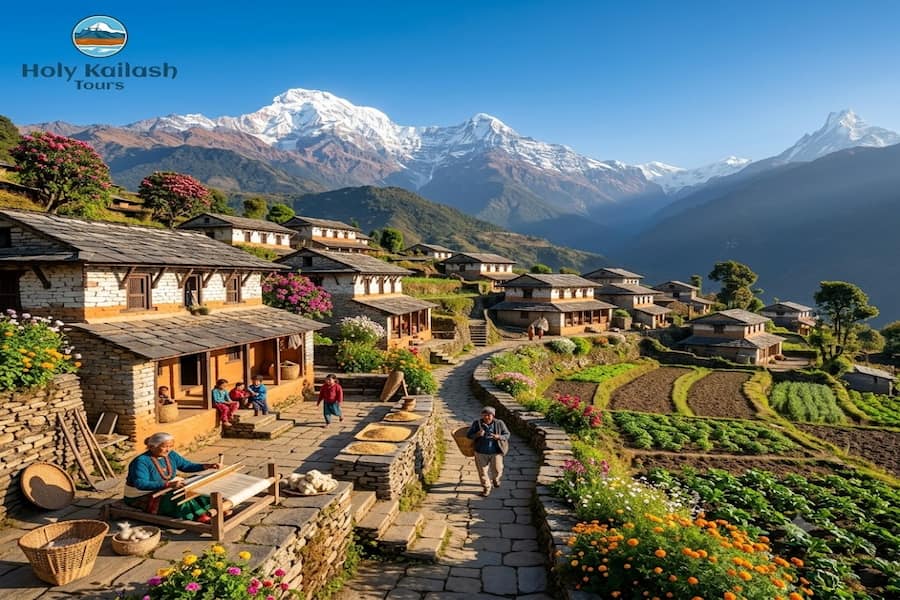
Ghorepani Poon Hill earns its spot on almost every short-trip itinerary in Nepal because it gives you a genuine taste of the Himalayas without asking for two weeks or a high-altitude gamble.
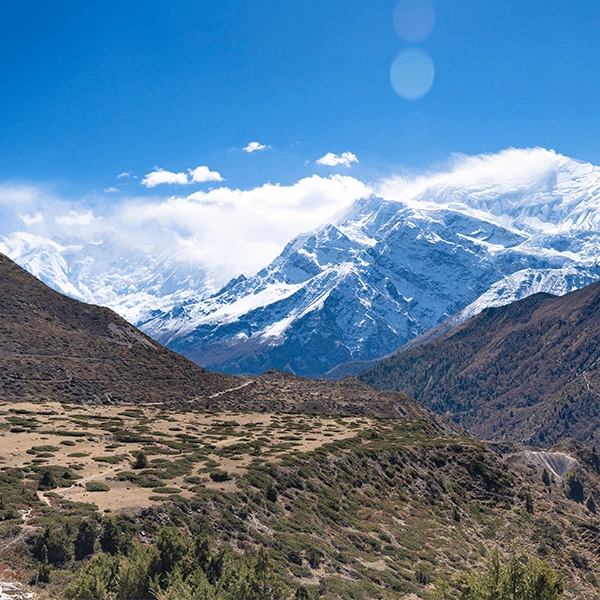
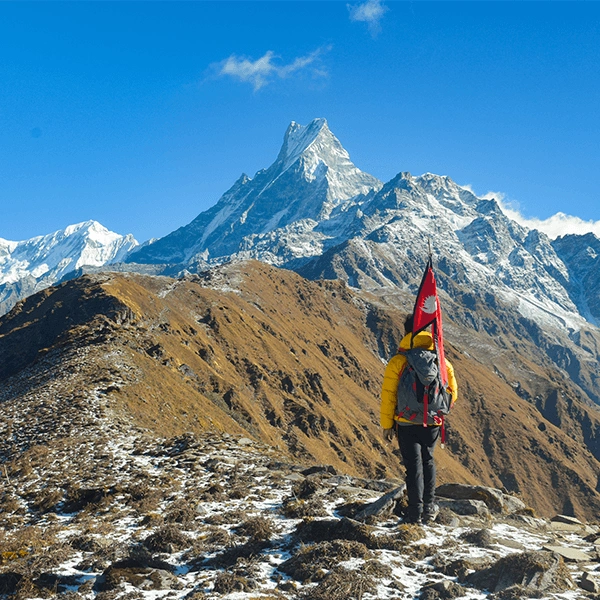
You get a real Annapurna panorama from the Poon Hill viewpoint at 3,210 meters, Dhaulagiri, Annapurna South, Annapurna I, and Machhapuchhre all lined up in one sweep, and you get it after a sunrise climb that takes less than an hour, not a multi-day slog above 5,000 meters.
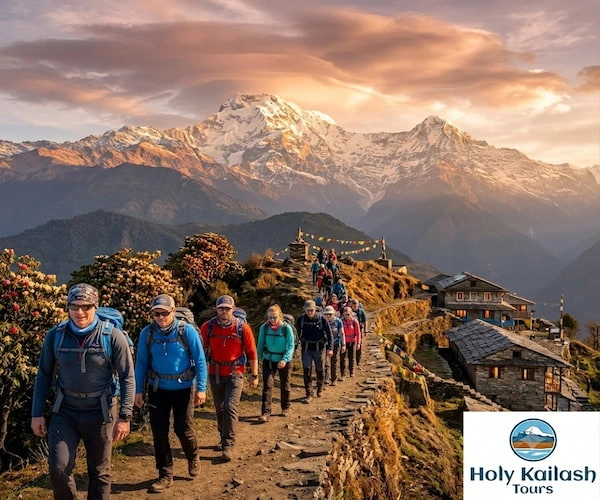
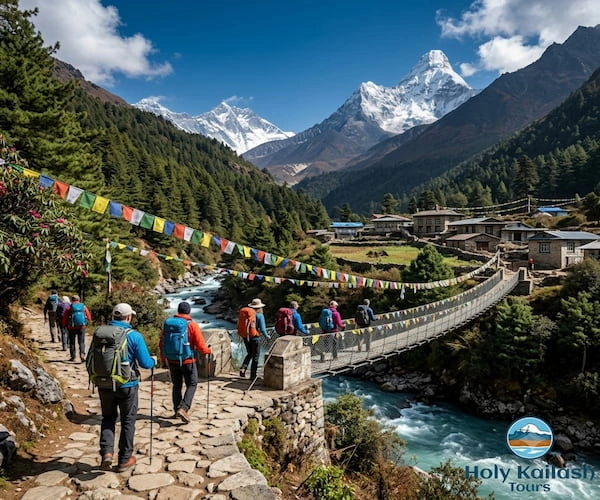
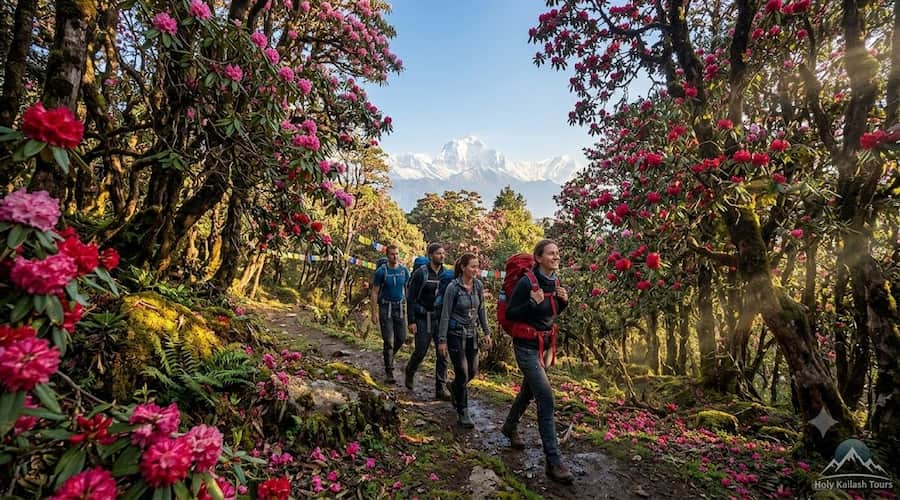
The Poon Hill trail itself does a lot of work too. You pass through rhododendron forests that turn whole hillsides red in spring, walk through Gurung villages like Ghandruk that still run on traditional farming and weaving, and tackle the long stone staircase above Ulleri, which is tough on the legs but never technical or dangerous.
It's also forgiving on logistics. No restricted area permit, no flight dependent on mountain weather, just a short drive from Pokhara, and an ACAP permit you can pick up the same day.
That combination, real mountain scenery, real cultural contact, low risk, is rare on a trek this short, which is why guides at Holy Kailash Tours often suggest it first to anyone testing how their body handles altitude before committing to something bigger like Annapurna Base Camp.
If your time is limited, your fitness is average, or you just want proof that the Himalayas are as good as people say without putting your knees and lungs through a brutal test, this is the trek that gives you that proof in four or five days, not three weeks.
What the Trek Actually Looks Like
This is a loop trek through the lower Annapurna region, usually starting and ending near Nayapul, about an hour and a half from Pokhara by road.
- The route climbs through Tikhedhunga and Ulleri, where a long stretch of stone steps (locals say there are well over 3,000) gives most trekkers their first real taste of the trail.
- From there, it eases into rhododendron and oak forest on the way to Ghorepani, a village that sits right at the tree line.
- Poon Hill itself, at 3,210 meters, is a short pre-dawn climb from Ghorepani and the reason most people book the trek in the first place.
- Some itineraries loop back the same way, while others continue on to Tadapani and Ghandruk before dropping back to the road, which adds a day but shows a different side of the Annapurna foothills.
Poon Hill at Sunrise
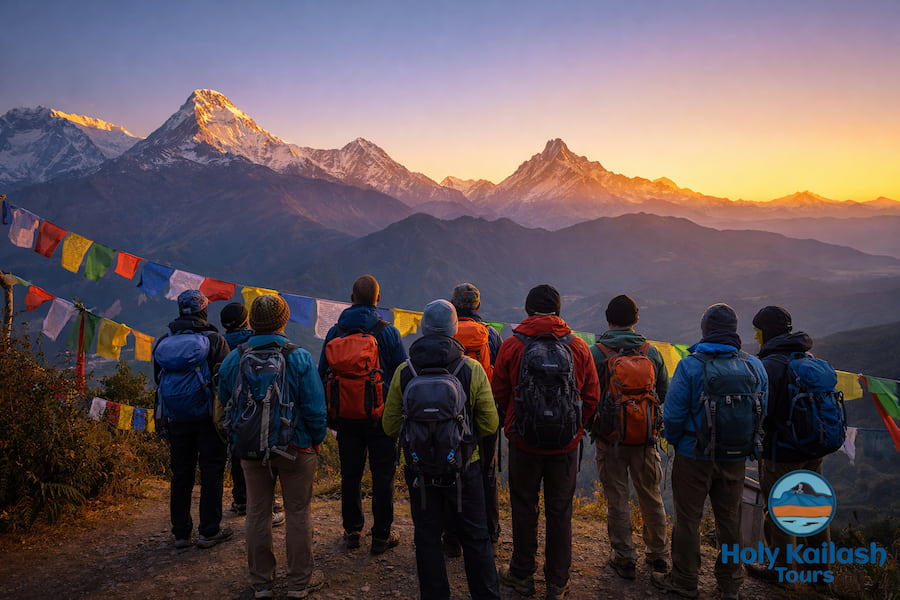
This is the moment the whole trek is built around, and it earns the hype most of the time.
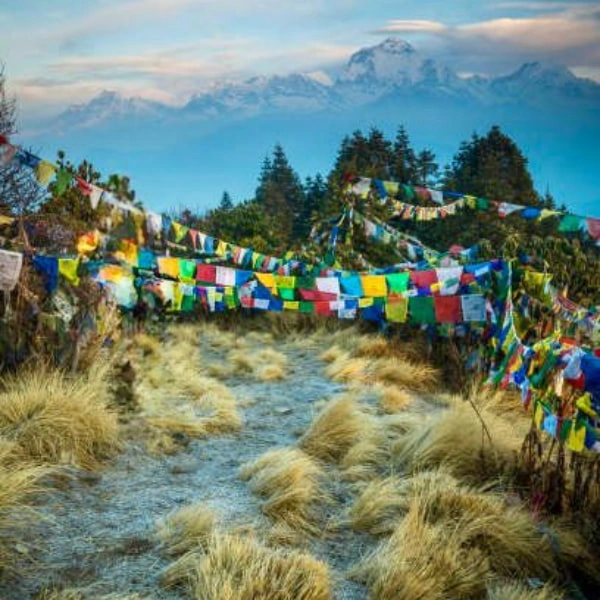
- From the viewpoint, Dhaulagiri, Annapurna South, Annapurna I, Machhapuchhre, and a long stretch of the Annapurna range all line up in one panorama.
- The climb from Ghorepani takes about 45 minutes to an hour in the dark, with headlamps and a fair number of other trekkers making the same walk.
- The weather decides everything here. Clear mornings deliver the postcard view, while a cloudy one means you might be looking at fog instead of mountains. Autumn mornings give you the best odds.
Difficulty and Who It Suits
This is rated easy to moderate, which puts it within reach of most reasonably fit people, including older trekkers and families with teenagers.
- The trek tops out around 3,210 meters at Poon Hill, well below the altitude where serious mountain sickness becomes a real concern, though mild symptoms like headache or shortness of breath can still show up.
- The stone staircases, especially the long one up to Ulleri, are the hardest physical part of the trek, harder on the knees coming down than going up.
- Most people manage 4 to 5 hours of walking a day, which leaves time to actually enjoy the villages rather than just pushing through them.
A Sample Itinerary
A typical version of this trek runs four to five days, depending on the route and pace.
- Day 1: Drive from Pokhara to Nayapul, trek to Tikhedhunga or Ulleri.
- Day 2: Climb through Ulleri's stone steps to Ghorepani, gaining most of the trek's elevation in one day.
- Day 3: Pre-dawn hike to Poon Hill for sunrise, then descend toward Tadapani through rhododendron forest.
- Day 4: Trek to Ghandruk, a large Gurung village with mountain views and a small museum on local culture.
- Day 5: Descend to Nayapul and drive back to Pokhara.
Shorter versions skip Ghandruk and return the way they came, cutting the trek down to three or four days total.
Best Time to Go
Season makes a bigger difference here than on most treks, since the whole point is the view.
- Autumn (September to November) is the strongest window. Skies are usually clear, temperatures are mild, and visibility from Poon Hill is at its best.
- Spring (March to May) brings the rhododendron forests into full bloom, turning entire hillsides red and pink, though morning haze can slightly soften long-distance mountain views.
- Winter (December to February) is colder, especially at Ghorepani, but skies often stay clear, and the trail is far quieter.
- Monsoon (June to August) is the one season to avoid. Trails turn muddy, leeches come out in the forest sections, and cloud cover blocks most sunrise views.
Permits You'll Need
This trek falls inside the Annapurna Conservation Area, so paperwork is simple but non-negotiable.
- An ACAP (Annapurna Conservation Area Project) permit is required and checked at the entrance near Nayapul.
- A TIMS card is also standard for this route, as with most other treks in the Annapurna region.
- Both are straightforward to arrange in Pokhara or Kathmandu, and a guide or local operator can usually sort them the same day.
Packing for a Short, Lower-Altitude Trek
You can pack lighter here than for Everest base camp or Annapurna Base Camp, but a few things still matter.
- A warm layer for the early morning Poon Hill climb, since temperatures drop well below what you'd expect at that altitude.
- Sturdy, broken-in hiking shoes. The stone steps are unforgiving on weak ankles or new boots.
- A headlamp for the pre-dawn walk up to the viewpoint.
- Basic rain protection, even outside the monsoon, since mountain weather changes fast in the afternoons.
- Cash for tea house meals and snacks, since cards aren't an option once you're on the trail.
Food and Where You'll Stay
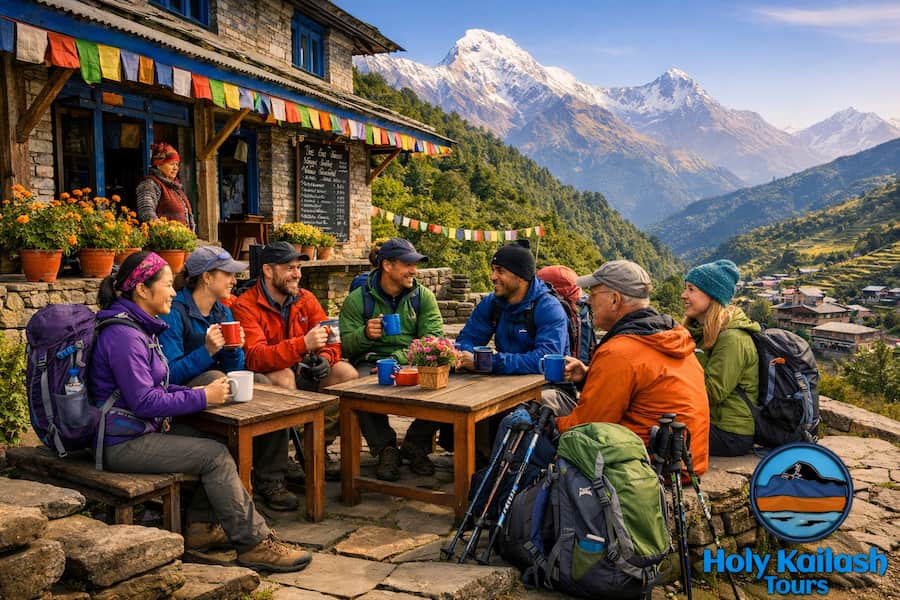
Tea houses along this route are some of the most comfortable in the region, partly because the trek is so popular and lodges have invested in better rooms over the years.
- Dal bhat remains the standard meal, though menus here often include more variety than you'd find on remoter treks, thanks to the steady stream of visitors.
- Rooms are basic but generally clean, usually with twin beds with shared bathrooms, occasionally with hot showers for an extra fee.
- Ghorepani, in particular, gets busy during peak season, so booking ahead with a guide or operator helps avoid scrambling for a room at altitude after dark.
Final Thought
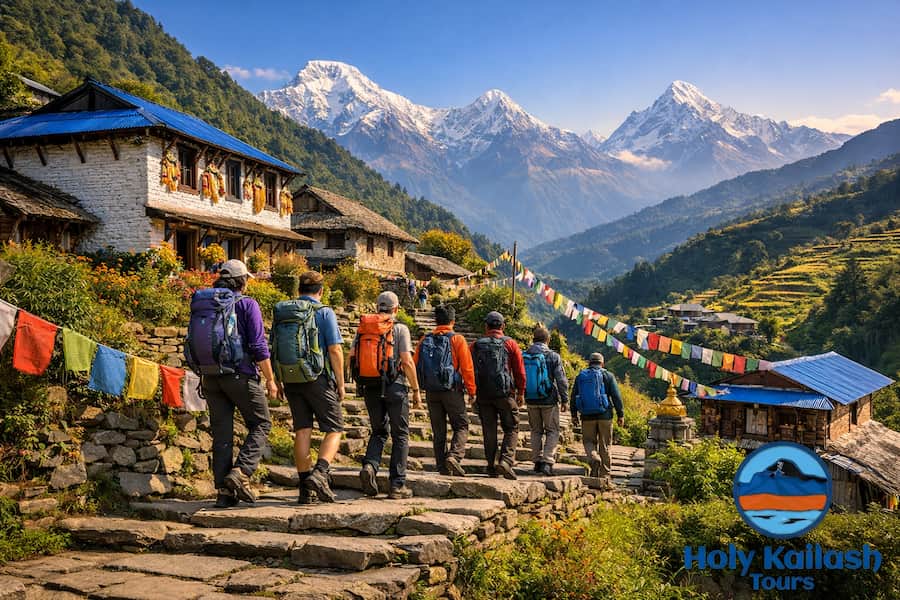
The Ghorepani Poon Hill trek isn't trying to be the hardest trek in Nepal, and that's exactly its appeal. It packs a real Himalayan experience, mountain views, forest trails, and Gurung villages, into a trip that fits around a normal holiday schedule.
Holy Kailash Tours and other Nepal-based operators tend to recommend it as a starting point for travelers who want to test how they handle altitude and multi-day walking before committing to something longer like Annapurna Base Camp or Everest Base Camp. If your time or fitness is limited but you still want that sunrise-over-the-Himalayas moment, this is the trek that delivers it without asking too much in return.
FAQs
1. How many days does the Ghorepani Poon Hill trek take? Most itineraries run 4 to 5 days from Pokhara and back, though shorter 3-day versions exist if you skip the Ghandruk loop.
2. Is the Ghorepani Poon Hill trek suitable for beginners? Yes. It's rated easy to moderate and doesn't require prior trekking experience, though reasonable fitness helps with the stone staircases.
3. What is the elevation of Poon Hill? Poon Hill sits at 3,210 meters, low enough that serious altitude sickness is uncommon, though mild symptoms can still occur.
4. What permits are needed for this trek? You'll need an ACAP permit and a TIMS card, both available in Pokhara or Kathmandu.
5. When is the best time to do this trek? Autumn (September to November) offers the clearest views, while spring (March to May) brings blooming rhododendrons. Winter is quieter but colder, and the monsoon is best avoided.
6. Do I need a guide for Ghorepani Poon Hill? It's not legally required, but a guide helps with navigation, room bookings during the busy season, and general trail knowledge, especially useful for first-time trekkers.
7. Can children or older travelers do this trek? Generally yes. The moderate pace and short daily distances make it manageable for families and older trekkers in reasonable health.
8. What should I pack for the sunrise hike at Poon Hill? A warm jacket, headlamp, and sturdy shoes. Temperatures at the viewpoint before sunrise are colder than the rest of the trek.
9. Is Wi-Fi or phone signal available on the trail? Most tea houses offer paid Wi-Fi, and local SIM cards generally work in the lower villages, though the signal can weaken near Ghorepani.
10. How does this trek compare to Annapurna Base Camp? Ghorepani Poon Hill is shorter, at a lower elevation, and easier overall. Annapurna Base Camp takes longer, climbs higher, and demands more physical preparation.
Email: [email protected]
WhatsApp: +977-9851254672 — Feel free to reach out anytime for fast, friendly, and personalized assistance