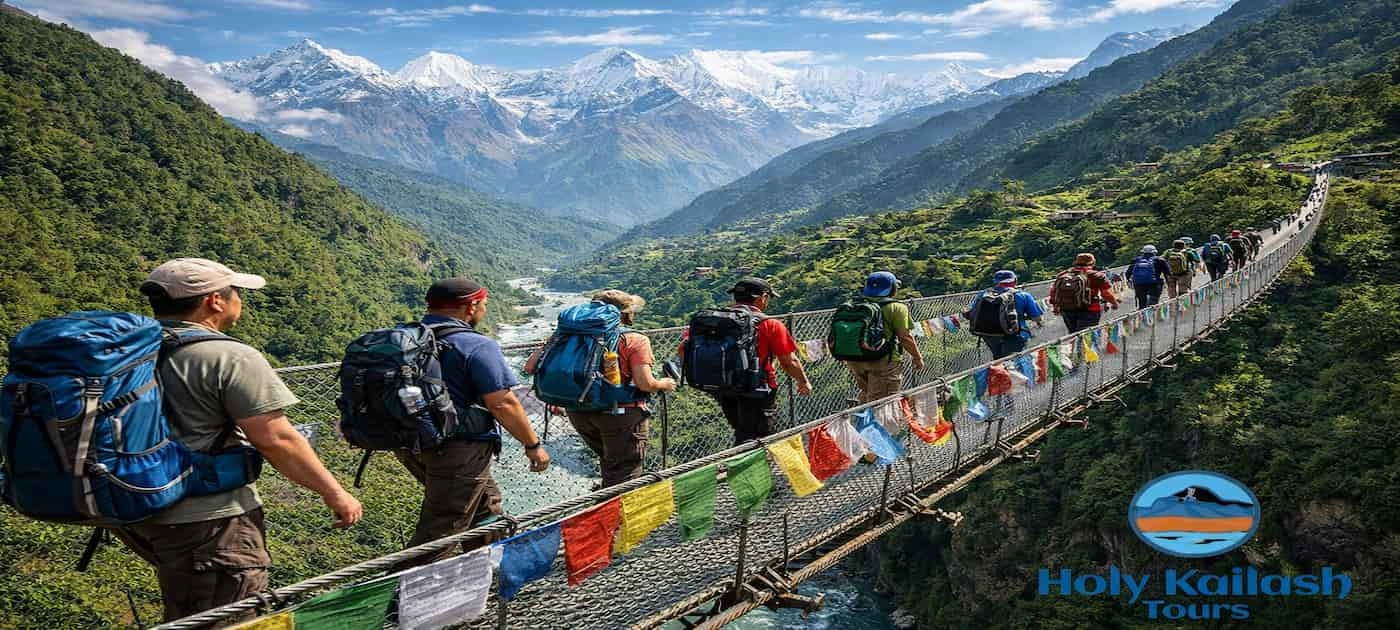
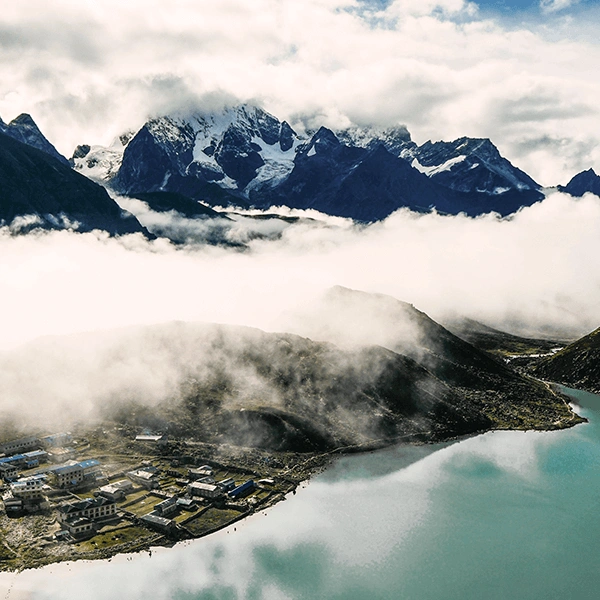
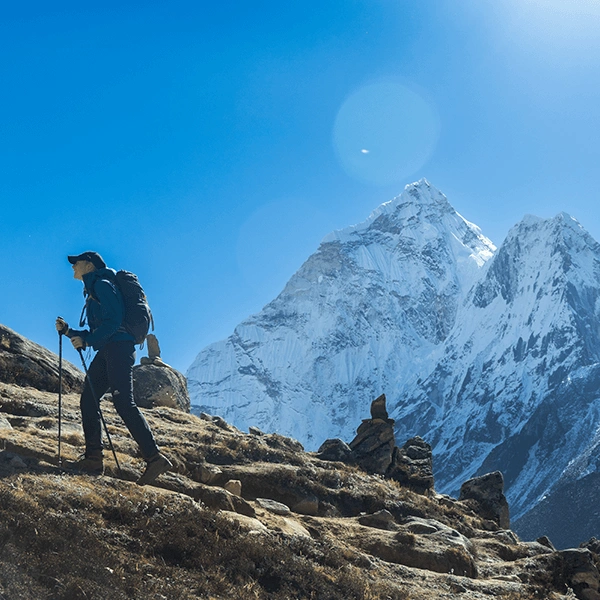
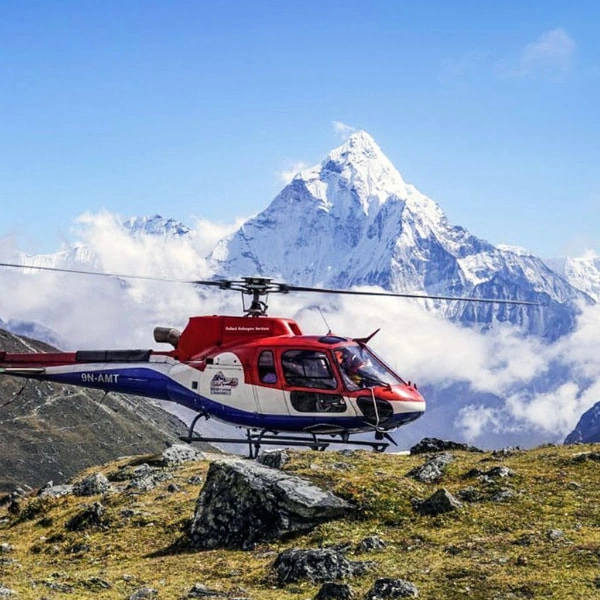
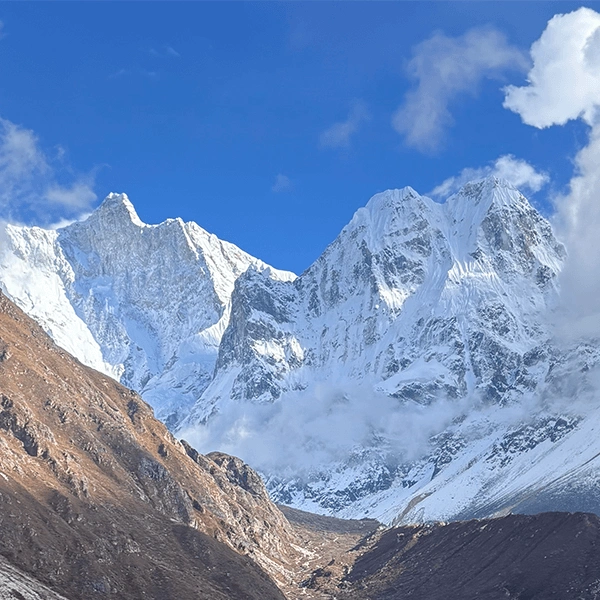
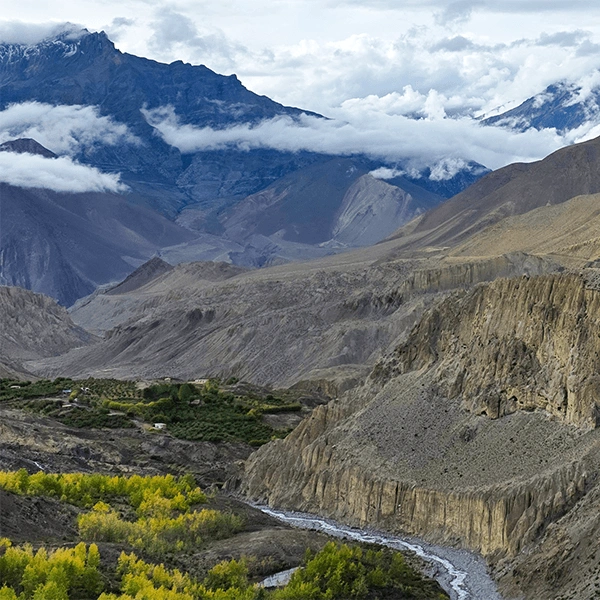
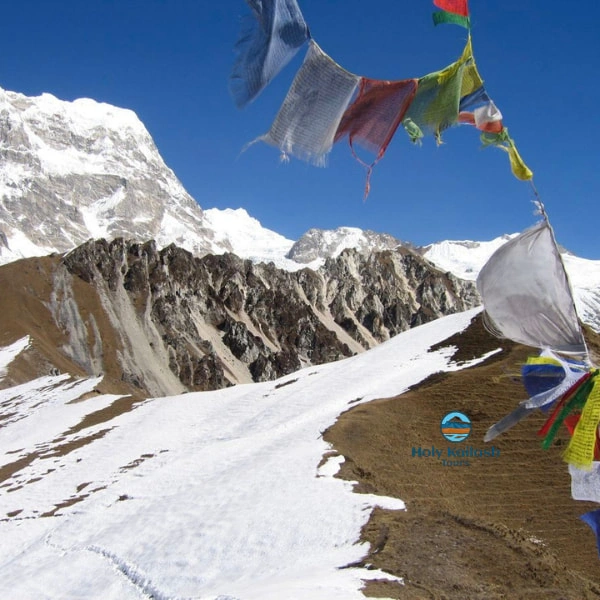
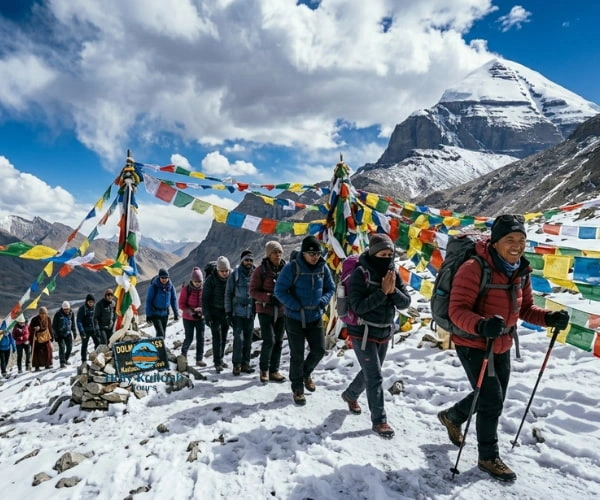
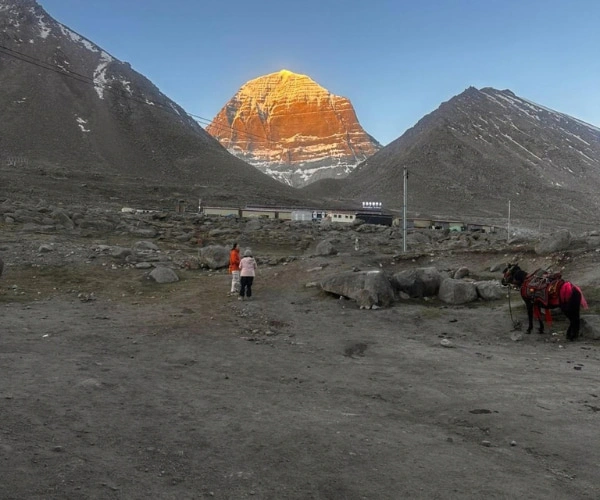
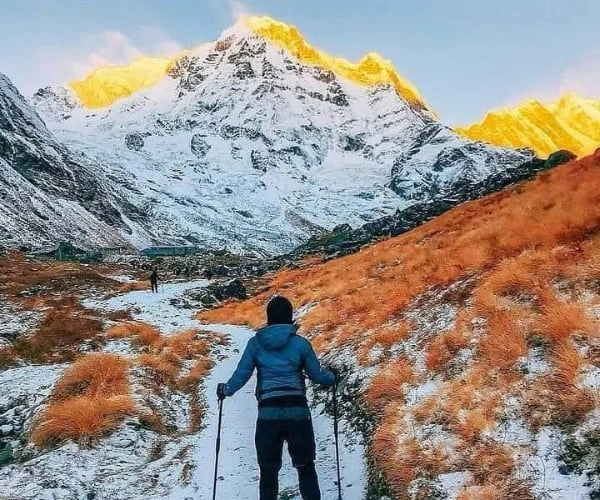
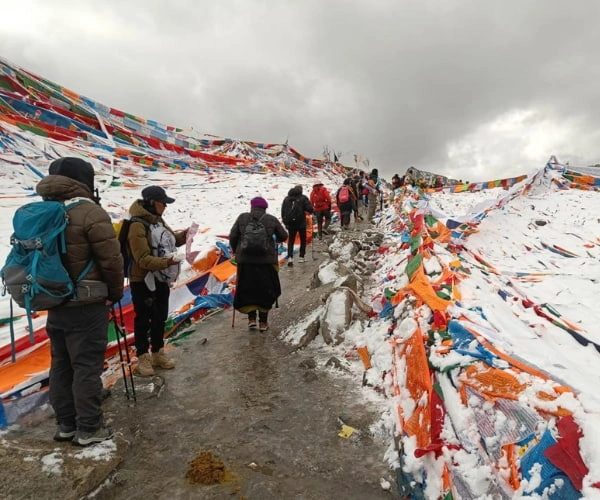
Nepal is definitely one of the world's top trekking destinations, combining outstanding Himalayan scenery, vibrant culture, and some of the world's finest outdoor adventures. With eight of the world's fourteen highest peaks, including Mount Everest, Nepal trekking is renowned among trekking circuits as a haven for remote mountain vistas and captivating mountain peoples.
There are treks for all tastes, from four-day lowland jaunts to six-week high altitude expeditions. The Garhwal Himalayas offers a standard set of trek routes: the Everest Base Camp Trek, the Annapurna Base Camp Trek, the Ghorepani Poon Hill Trek, the Mardi Himal Trek, and the Langtang Valley Trek.
There are plenty of options, most of which offer excellent views of high mountain scenery, villages, monasteries, forests, rivers, and the cultures that inhabit these areas. If you want to gaze up at the world's tallest mountains or be away from the other tourists, then Nepal has many more trek routes for you. Spring (March to May) and autumn (September to November) are the ideal seasons for trekking in Nepal.
These months tend to be the most settled weatherwise, with clear skies and the best mountain views. There are also more beautiful, blooming rhododendrons in spring, and more refreshing, crisp air and clearer visibility in autumn. Good preparation will directly impact the success of a Trek. Selecting the appropriate itinerary, packing the right gear, pacing the trek, and giving yourself time to adjust will make the trek more manageable.
Trekking in Nepal with experienced local guides will make it informative and interesting. At Holy Kailash Tours to ensure our customers travel around Nepal's most scenic trekking trails with the guidance of seasoned trekkers, the knowledge of locally based agents, and a custom-designed trekking tour. Whatever your level of experience, you will remember your Nepal trek forever.
Everest Base Camp Trek: The Iconic Journey
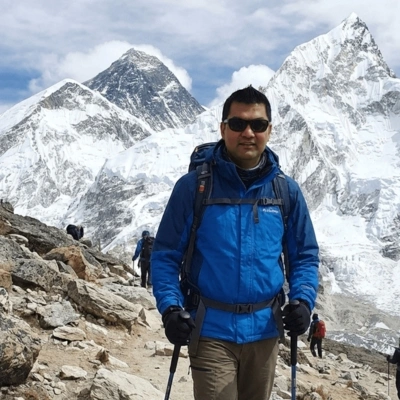
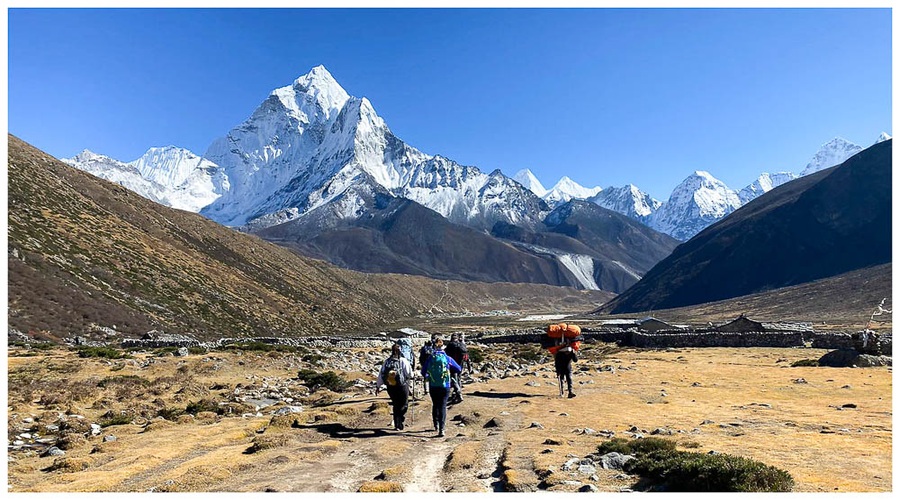
Everest Base Camp trek earns its reputation. You fly into Lukla, walk through the Khumbu region, and spend close to two weeks gaining altitude inside Sagarmatha National Park before standing under the south face of the world's highest mountain.
The trail passes through Namche Bazaar, the unofficial capital of the Khumbu, where most trekkers take a forced acclimatization day.
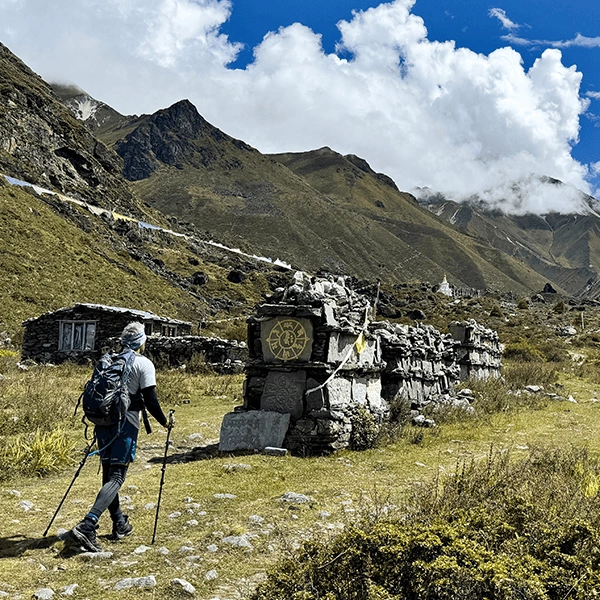
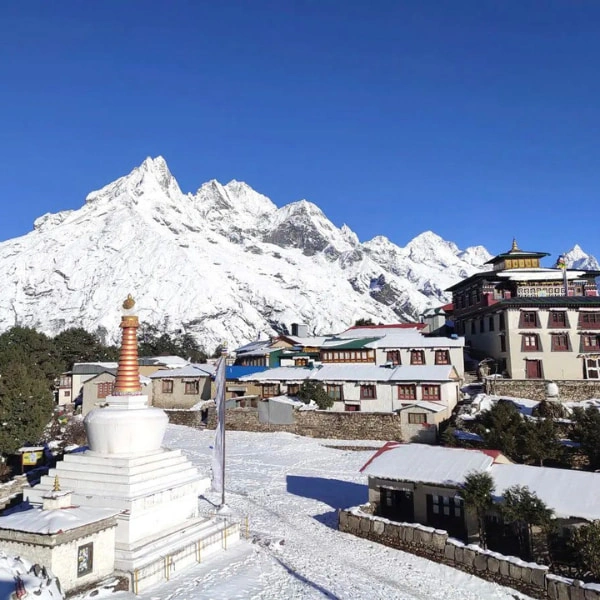
Sherpa culture is everywhere here: prayer flags, mani walls, monasteries at Tengboche, and tea houses run by families who have hosted climbers for generations.
This is high-altitude trekking in the real sense. Base Camp sits at 5,364 meters, and Kala Patthar, the viewpoint most people actually hike for the photo, goes higher still.
Expect 12 to 14 days round-trip, moderate-to-hard difficulty, and a total elevation gain that punishes anyone who skips acclimatization days.
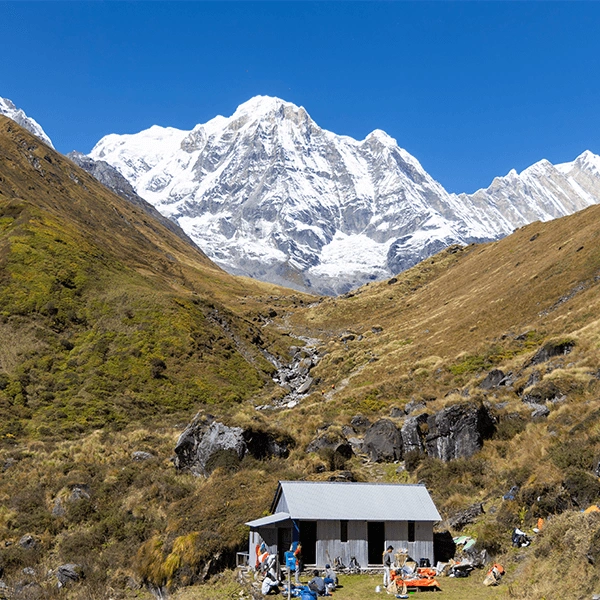
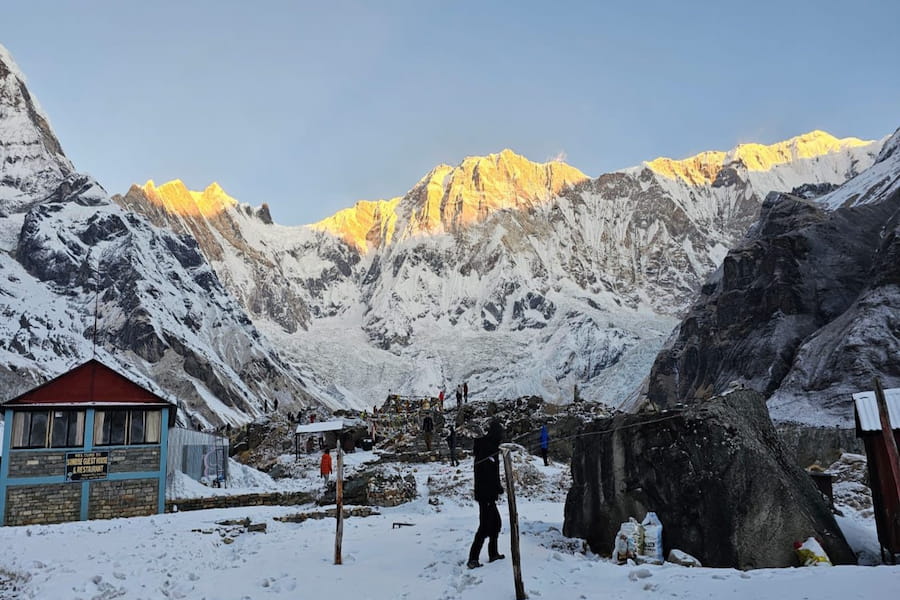
Annapurna Base Camp Trek is a breathtaking trail that leads into the Annapurna Sanctuary, a natural amphitheatre of peaks that closes in around you as you approach.
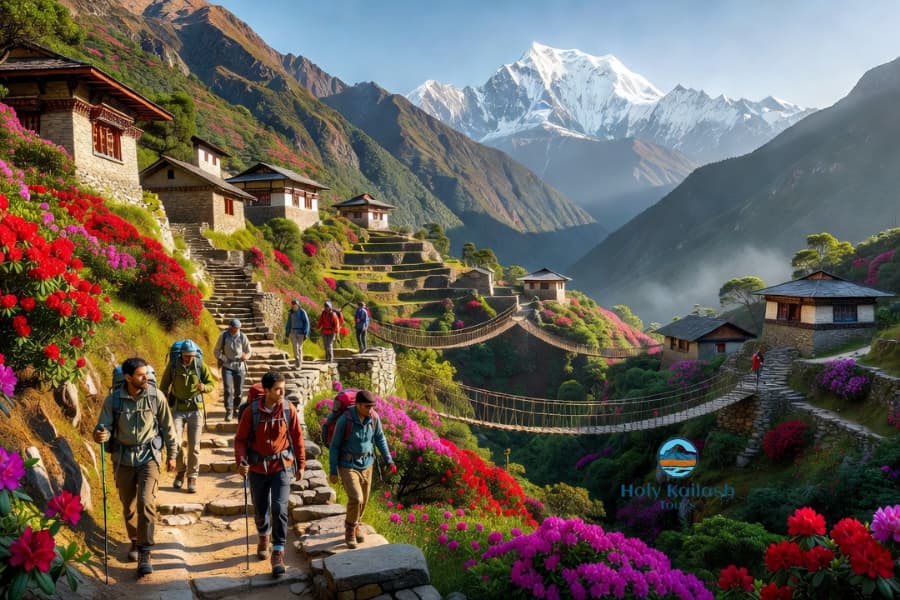
The trail runs through terraced farms, rhododendron forests, and traditional Gurung villages before the terrain steepens into stone staircases near Chhomrong.
The basin itself opens up at Machhapuchhre Base Camp first, then at Annapurna Base Camp proper, where Annapurna I and a ring of 7,000 and 8,000-meter peaks surround you on three sides.
Vegetation changes fast on this trek, from subtropical forest at the start to bare rock and snow within a handful of days.
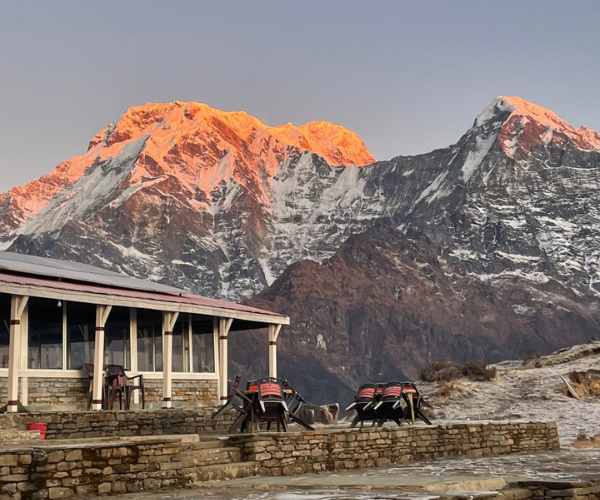
Sunrise at ABC is the payoff most people come for, when the light hits Annapurna South and Machhapuchhre before it reaches the valley floor.
Holy Kailash Tours runs this one regularly, with guides who plan the acclimatization days around how each group is actually doing rather than a fixed script, which matters more than people expect once you're above 3,500 meters.
Annapurna Circuit Trek: A Diverse Himalayan Classic
The Annapurna Circuit trek used to be the trek everyone did before roads crept into the lower villages. It is still one of the best for sheer variety.
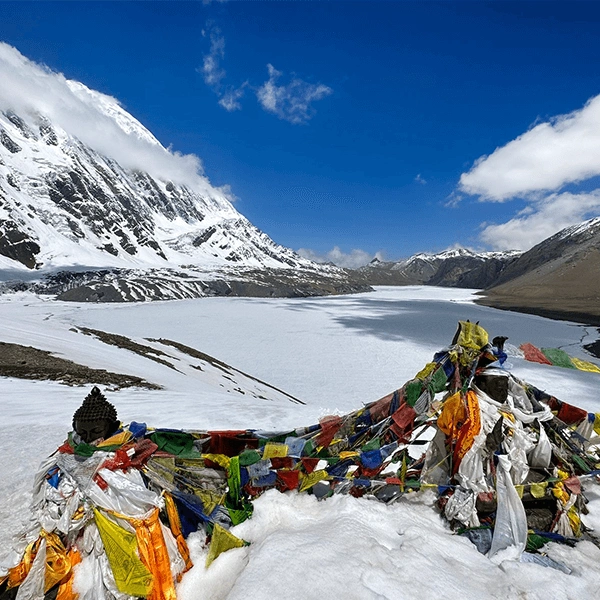
You cross Thorong La Pass at 5,416 meters, the trek's highest and hardest point, usually tackled before dawn.
The descent into the Kali Gandaki Gorge, the deepest gorge on Earth, drops you from alpine terrain into a landscape that resembles the Tibetan Plateau.
Teahouse trekking here is well established. You will sleep indoors every night and eat dal bhat more often than you'd expect to crave it.
Cultural immersion is a real draw too, with Thakali, Gurung, and Manangi villages along the route, each with its own dialect and architecture.
Plan for 12 to 18 days, depending on where you start and whether you skip sections by jeep.
Manaslu Circuit Trek: The Best Off-the-Beaten-Path Alternative
If the Annapurna Circuit sounds too familiar, the Manaslu Circuit trek is what it was twenty years ago.
This is a restricted area, which means you need a special permit and, for most nationalities, a licensed guide.
The route crosses Larkya La Pass at 5,160 meters, a long and exposed day that rewards you with views of Manaslu itself and a string of unnamed peaks.
The upper villages carry a strong Tibetan culture imprint, closer to what you'd find across the border than to lowland Nepal.
Pristine wilderness is the honest description. Tea houses are simpler, trail traffic is light, and you won't be queuing for a guesthouse room.
Fewer crowds mean fewer comforts, too, so this trek suits people who already have some Himalayan mileage behind them.
Ghorepani Poon Hill Trek
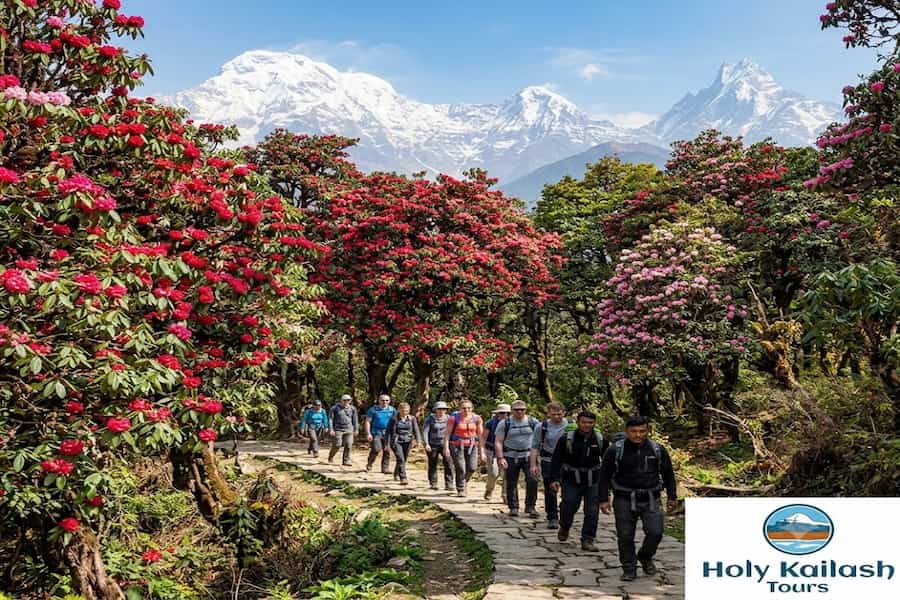
The Ghorepani Poon Hill Trek is one of Nepal's most popular short trekking adventures in the Annapurna region. Known for its stunning sunrise views, beautiful rhododendron forests, and traditional Gurung and Magar villages, this trek is perfect for beginners and families.
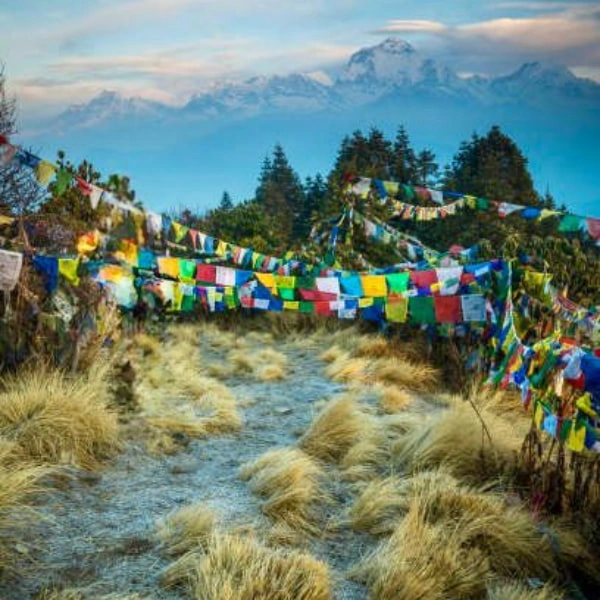
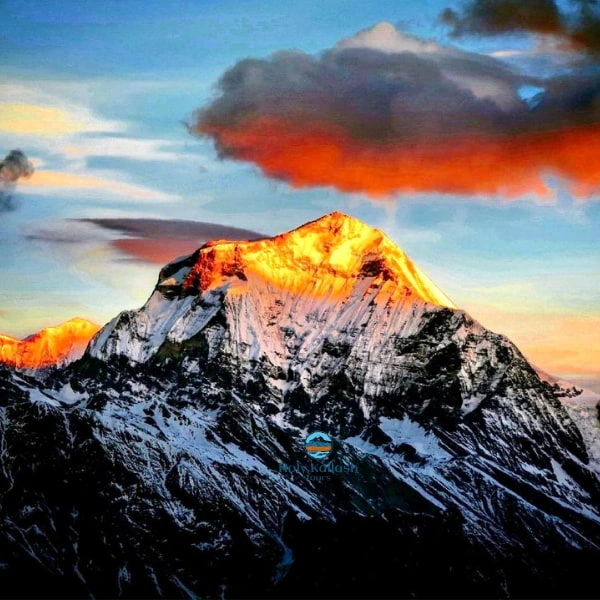
The journey takes trekkers through charming mountain settlements, terraced farmlands, and scenic forest trails before reaching Poon Hill at 3,210 meters. From the viewpoint, trekkers enjoy spectacular panoramas of Annapurna, Dhaulagiri, Machhapuchhre, Hiunchuli, and Nilgiri.
The trek combines natural beauty, cultural experiences, and moderate walking days, making it one of the best short treks in Nepal. Holy Kailash Tours offers well-planned itineraries, experienced guides, and personalized services to ensure a safe and memorable trekking experience in the Himalayas.
Spectacular sunrise view from Poon Hill (3,210m)
Panoramic views of the Annapurna and Dhaulagiri ranges
Walk through colorful rhododendron forests
Experience authentic Gurung and Magar culture
Comfortable teahouse accommodation along the route
Ideal short trek for beginners and families
Scenic villages, including Ghorepani and Ghandruk
Excellent trekking option throughout spring and autumn
Langtang Valley Trek: The Closest Trek From Kathmandu
Langtang Valley trek gets overlooked, which is strange given that you can start walking the same day you leave Kathmandu.
The valley was hit hard by the 2015 earthquake, and the rebuilt villages now sit alongside a strong sense of Tamang heritage, visible in the chortens, prayer wheels, and local dress.
Kyanjin Gompa, a small monastery town, makes a natural base for day hikes.
From there, most trekkers push up to Tsergo Ri, a viewpoint that offers a 360-degree view of Langtang Lirung and the surrounding glacial valleys without the long approach required by Everest or Annapurna.
This is a genuinely accessible adventure: 7 to 10 days, moderate difficulty, no flights required.
Upper Mustang Trek: Exploring the Forbidden Kingdom
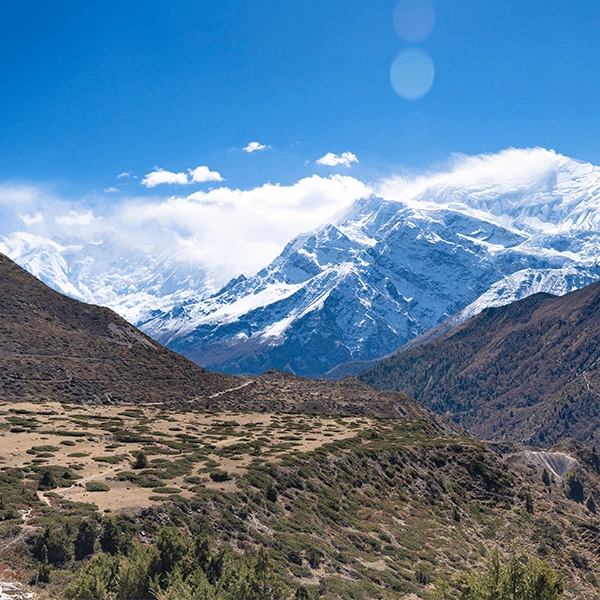
The Upper Mustang trek only opened to foreign trekkers in 1992, and it still feels like a place that was deliberately sealed off.
The walled city of Lo Manthang is the centrepiece, a medieval settlement that was the capital of an independent kingdom until fairly recently in historical terms.
The landscape is a trans-Himalayan desert: red cliffs, wind-carved canyons, and barely any vegetation, closer to parts of Ladakh than to the green hills most people picture in Nepal.
Sky caves, carved into cliff faces centuries ago and still not fully explained by archaeologists, dot the route.
Tibetan Buddhism runs deep here, and if your timing lines up with the Tiji festival, you'll see masked dances that reenact a local legend about a demon being driven from the valley.
It's a restricted area with its own permit fee, and most of the trek can now be done partly by jeep if you're short on time.
Mardi Himal Trek: Short and Scenic Annapurna Views
Not everyone has two weeks. The Mardi Himal trek is what you do when you want serious mountain views on a short timeline.
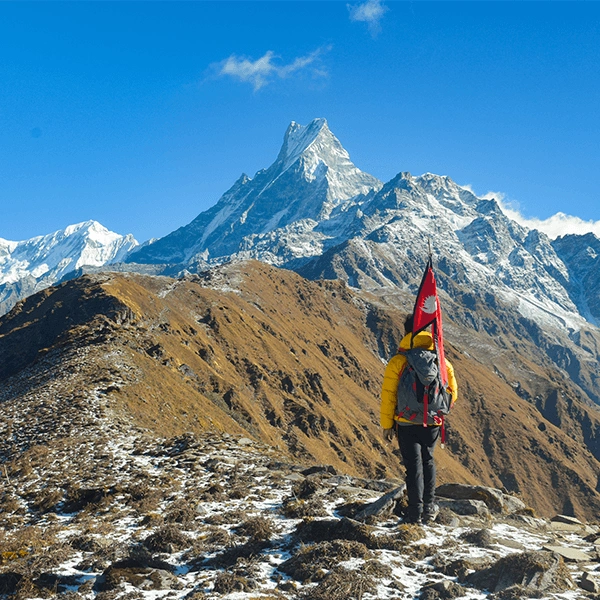
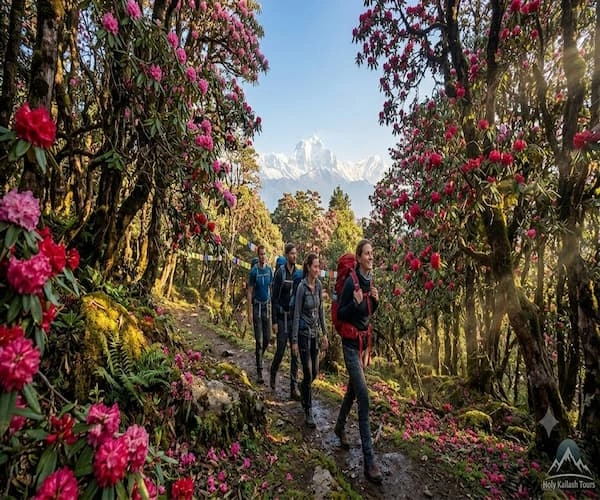
The trail climbs through rhododendron forests that turn the hillsides red and pink in season, then breaks out above the tree line to a ridge with close-up views of Machhapuchhre, the fishtail peak that's off-limits to climbers for religious reasons.
Difficulty sits in the moderate range. Most people manage it in 4 to 5 days from Pokhara.
It's become something of a hidden gem precisely because it doesn't carry the name recognition of Annapurna Base Camp, even though the views rival it.
Remote Treks for the Seasoned Hiker
Trekking In Nepal
Some routes aren't really for a first Himalayan trip. These are for people who already know what altitude does to them and want solitude more than comfort.
Upper Dolpo, made famous by Peter Matthiessen's writing, sits in one of the least-developed corners of Nepal, where Bon and Tibetan Buddhist culture remain largely untouched by tourism.
The Kanchenjunga Circuit loops around the world's third-highest peak near the Sikkim border, with long stretches between villages.
Makalu Base Camp trades crowds for raw adventure, with camping required for most of the route since teahouses thin out fast.
All three demand full camping support, experienced guides, and a realistic acceptance that rescue options are limited if something goes wrong.
June through August is the monsoon season, and most of Nepal turns muddy and cloud-covered. But a few regions sit in the rain's shadow and barely notice.
Mustang, Dolpo, and Nar Phu lie north of the main Himalayan range, which blocks most of the monsoon moisture before it reaches them.
These areas stay dry while the rest of the country floods, and they're some of the only sensible trekking options during these months.
Everywhere else turns lush, green, and leech-heavy, which has its own appeal if you don't mind the mud.
Permits in Nepal are not optional paperwork. Forget one, and you'll be turned back at a checkpoint.
The TIMS card (Trekkers' Information Management System) is required for most independent treks.
Sagarmatha National Park entry permits apply to anyone heading toward Everest.
The Annapurna Conservation Area Project (ACAP) permit covers the entire Annapurna region, including Annapurna Base Camp, the circuit, and Mardi Himal.
Restricted area permits apply to Manaslu, Upper Mustang, Upper Dolpo, and Kanchenjunga, and these typically require a licensed guide and a minimum group size on paper.
Navigating Logistics: Flights and Ground Transport
Getting to the trailhead is sometimes harder than the trek itself.
Lukla flights are short, scenic, and notoriously weather-dependent. Build in buffer days, especially on the way out, since fog can ground flights for days at a time during peak season.
Kathmandu to Pokhara can be done by short flight, tourist bus, or private jeep, and most Annapurna region treks start from Pokhara.
Jeep transfers now reach further into the hills than they used to, cutting days off treks like Manaslu and Upper Mustang for anyone short on time.
Mountain airstrips beyond Lukla, like Jomsom or Simikot, run on the same unpredictable schedule, so don't book a tight connecting flight on the same day.
This is the part people underestimate most, and it's the part that actually ends treks early.
AMS, or Acute Mountain Sickness, can hit fit and unfit trekkers alike. Fitness doesn't protect you from altitude the way most people assume.
The standard guidance is to ascend slowly: no more than 300 to 500 meters of sleeping elevation gain per day above 3,000 meters, with a rest day built in roughly every 1,000 meters.
Hydration matters more at altitude than at sea level, since dry mountain air and harder breathing both pull more water from your body.
Diamox (acetazolamide) is commonly used as a preventive measure, though it's worth a conversation with a doctor before you go, rather than a decision made at altitude.
Know the safety protocols: if symptoms worsen rather than improve with rest, the only real treatment is descent.
You don't need to be an athlete, but showing up unprepared makes every day harder than it needs to be.
Cardiovascular fitness built over a few months, through running, cycling, or stair climbing, pays off daily once you're above 3,000 meters.
Endurance training matters more than raw speed. Treks are about walking 5 to 7 hours a day for a week or two straight, not sprinting.
Strength building, particularly in the legs and core, helps on the steep stone staircases that show up on almost every Nepal trek.
Altitude conditioning is hard to fake at sea level, but a slow ascent profile compensates for most of what you can't train for at home.
Mental resilience counts for more than people expect. Bad weather days, basic food, and cold rooms are part of the deal, and the trekkers who struggle most are usually the ones who expected comfort.
Getting sick on a trek is more common than getting injured, and most cases are preventable.
Water purification, whether by tablets, a filter, or boiling, is essential. Don't drink straight from streams, no matter how clear they look.
Hygiene matters more at altitude, where your immune system is already under strain. Hand sanitizer before meals is a small habit that prevents a lot of travel illness.
Balanced nutrition is harder to maintain on carb-heavy trail food, so supplement with nuts, eggs, or protein bars where you can.
Balanced electrolytes help with the dehydration caused by altitude and exertion.
Carry a basic medical kit with blister care, altitude medication if prescribed, and standard stomach remedies, since the nearest pharmacy might be a day's walk away.
Costs vary a lot depending on the route and how independently you travel.
Daily expenses on a teahouse trek typically run higher the farther you get from road access, since everything is carried in by porters or mules.
Guide and porter costs are among the better investments you can make, both for safety and for the local income they support.
Travel insurance that specifically covers high-altitude trekking and helicopter evacuation is worth the premium. Standard travel policies often exclude altitudes above a certain threshold.
Cash management matters since most teahouses and shops outside Kathmandu and Pokhara don't take cards.
Currency exchange is easiest in the cities before you head into the hills, where rates get worse, and ATMs get scarce.
The trails get more crowded every year, and how trekkers behave on them matters for what's left for the next group.
Eco-tourism principles, carrying out your own trash and avoiding single-use plastic where possible, go a long way in places without organised waste collection.
Sustainable travel means choosing operators and lodges that invest back into the local area rather than the cheapest option available.
Waste management is a real problem in some of the busier corridors, so pack out what you pack in.
Respecting local customs, like asking before photographing people or temples, and dressing modestly near monasteries, costs nothing and matters a lot to the communities you're walking through.
Supporting local communities by buying meals and supplies in the villages you pass through keeps trekking income local rather than funnelled through outside companies.
Nepal doesn't really have a single "best" trek. It has the best trek for what you're after right now, whether that's the bragging rights of Everest Base Camp, the variety of the Annapurna Circuit, or the quiet of somewhere like Upper Dolpo that almost nobody talks about.
The trails that get the most attention online aren't always the ones that fit your fitness, your timeline, or your tolerance for crowds. Operators on the ground, including teams like Holy Kailash Tours, which runs treks across the Everest, Annapurna, and Kailash Mansarovar regions, tend to push back on the idea of a one-size-fits-all itinerary for exactly this reason.
Pick the trail that matches the trip you actually want, train honestly for it, and respect the altitude. The rest tends to sort itself out on the trail.
Mardi Himal or Langtang Valley both work well for first-time trekkers. Both stay under 5,000 meters, run for 5 to 10 days, and don't require restricted-area permits.
2. How difficult is the Everest Base Camp trek?
It's moderate to hard, mostly due to altitude rather than terrain. Daily walks are manageable, but reaching 5,364 meters without proper acclimatization is where people struggle.
3. Do I need a guide to trek in Nepal?
For restricted areas like Manaslu, Upper Mustang, and Upper Dolpo, yes, by regulation. For open routes like Annapurna Base Camp or Langtang, it's optional but recommended for safety and pacing.
4. What is the best season for Everest Base Camp?
Autumn (September to November) and spring (March to May) are the two reliable windows, with autumn generally offering clearer skies.
5. How much does a Nepal trek cost?
Costs vary widely by route, season, and whether you book independently or through an operator. Permits, guide and porter fees, lodging, and food are the main line items.
6. What is the elevation gain on the Annapurna Circuit?
The circuit climbs from around 800 meters at the lowest point to 5,416 meters at Thorong La Pass, making it one of the largest elevation ranges of any standard trek in Nepal.
7. Is altitude sickness common on these treks?
Yes, especially above 3,000 meters. Slow ascent and proper acclimatization days reduce risk significantly, but it can affect anyone regardless of fitness level.
8. Can I trek in Nepal during the monsoon season?
Most regions are difficult during the monsoon, but rain-shadow areas like Mustang, Dolpo, and Nar Phu stay relatively dry and trekkable.
9. What permits do I need for Annapurna Base Camp?
You'll need a TIMS card and an ACAP (Annapurna Conservation Area Project) permit, both of which are available in Kathmandu or Pokhara.
10. Is winter trekking in Nepal safe?
It can be, but high passes often close under snow. Lower-altitude treks like Ghorepani Poon Hill or the lower Langtang Valley remain accessible through winter.
11. How long does the Manaslu Circuit take?
Most itineraries run 14 to 18 days, including the Larkya La Pass crossing and time built in for the restricted area permit process.
12. What should I pack for high-altitude trekking?
A layering system with a down jacket, moisture-wicking base layers, a sleeping bag rated for sub-zero temperatures, and broken-in hiking boots covers most conditions.
13. Is travel insurance required for trekking in Nepal?
It's not legally required but strongly recommended, particularly insurance covering high-altitude trekking and helicopter evacuation.
14. What is the difference between Annapurna Base Camp and Annapurna Circuit?
ABC is a shorter trek (7 to 12 days) into the Annapurna Sanctuary, while the Circuit is longer (12 to 18 days) and crosses Thorong La Pass through a wider range of terrain and villages.
15. Which Nepal trek has the fewest crowds?
Upper Dolpo, Kanchenjunga Circuit, and Makalu Base Camp are among the least crowded, since all three require more logistics and time than the popular routes.