Ghorepani Poon Hill Trekis definitely one of the best short trekking in Nepal. The enchanting dawn view and gorgeous Himalaya scenery have really drawn many tourists. Yet, going to Poon Hill in the morning is the most interesting part of the hike.
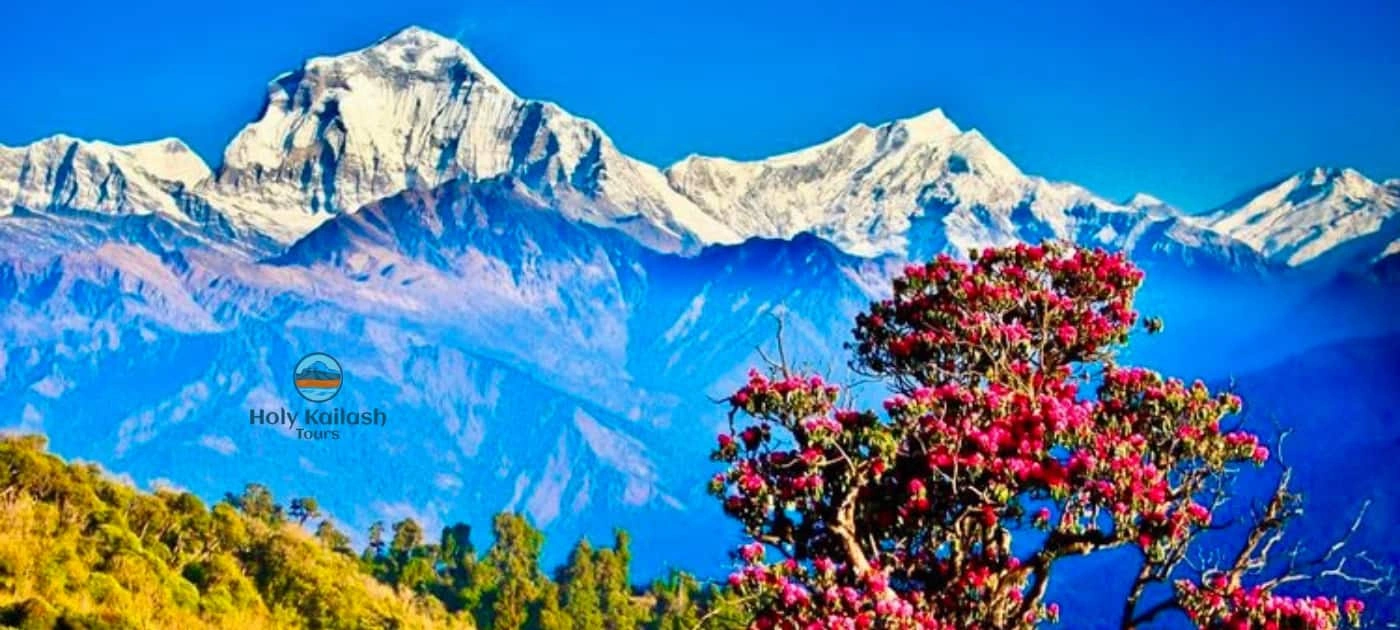
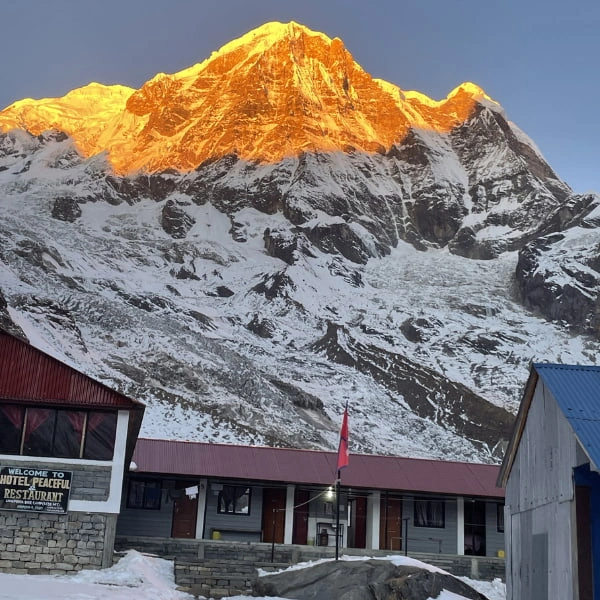
That's when the sun's first beam hits the icy peaks of Annapurna, Dhaulagiri, Machhapuchhre, and Nilgiri. The scenery is so beautiful that the impression will stay in your mind forever. The Ghorepani Poon Hill trek is not just about the famous viewpoint.
There are also, along the way, a series of lush rhododendron forests, tranquil villages, and friendly Gurung and Magar people. That is giving you a cultural experience plus natural beauty. It is a trek suitable for both beginners and experienced trekkers.
This path offers a mix of moderate walking and comfortable tea house accommodation. Holy Kailash Tours offers well-planned itineraries, experienced guides, and trusted support so that each traveler has a safe, fun, and unforgettable Himalayan adventure.
Why the Ghorepani Poon Hill Trek is Nepal's Ultimate Short Hike
Ghorepani Poon Hill Trek
Most people picture weeks of walking when they think about trekking in Nepal, but the Ghorepani Poon Hill Trek completely breaks that rule. You can complete this route in four to five days and still come home with photos of Annapurna I, Dhaulagiri, and Machhapuchhre filling your camera roll.
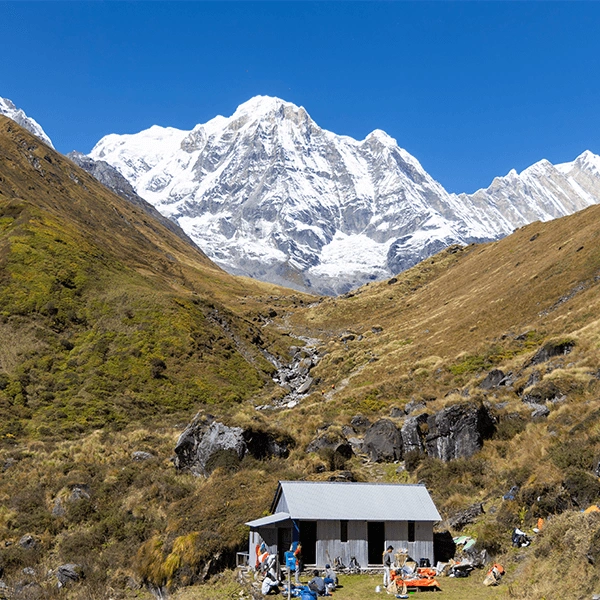
The Ghorepani Poon Hill trail climbs through the Annapurna Conservation Area, passing stone villages, terraced fields, and forests that change character with every thousand feet of elevation. Holy Kailash Tours often recommends this route to travelers who want a real Himalayan experience without committing two or three weeks of vacation time. The trek rewards you quickly, and that's exactly why it has become one of the most-traveled trails in Nepal.
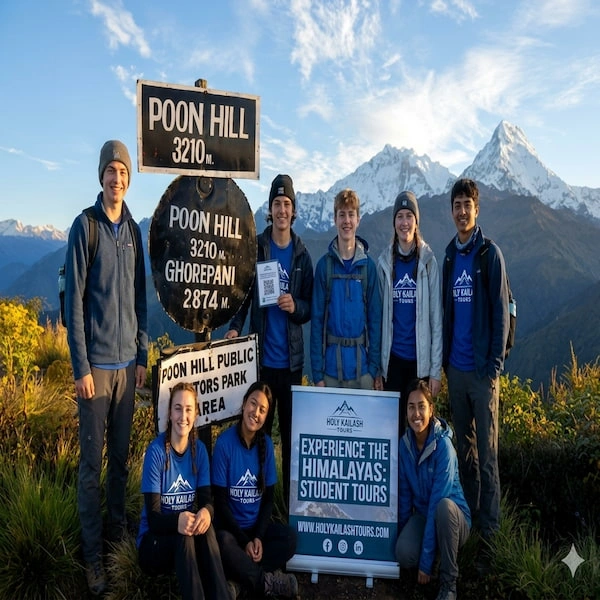
If you've never trekked above 3,000 meters before, Poon Hill gives you a gentle introduction rather than a brutal test. The highest point on the route is 3,210 meters, low enough that altitude sickness is rarely a serious concern for healthy walkers.
You don't need technical climbing skills, ropes, or specialized gear. You just need decent fitness, sturdy boots, and the willingness to wake up before dawn. Many first-time trekkers choose this trail specifically because it builds confidence for bigger adventures later, whether that's Everest Base Camp or the Annapurna Circuit.
Short on Time? Why Poon Hill Delivers Maximum Reward for Minimal Effort
Few treks in the world pack this much scenery into so few days. You walk through rhododendron forests, cross suspension bridges, and stay in family-run teahouses, all while gaining a front row seat to some of the tallest mountains on earth.
The effort-to-reward ratio here is hard to beat. A four-day itinerary gets you a sunrise view that some people travel for weeks to see elsewhere in the Himalayas, which explains why so many travelers with limited vacation days still manage to check this trek off their list.
The real adventure starts around four in the morning, when your guide wakes you in the dark and hands you a headlamp. The climb from Ghorepani to the summit of Poon Hill takes about an hour, and you'll do most of it on stone steps cut into the hillside.
Your breath fogs in the cold mountain air, and the only sounds are footsteps and the occasional murmur from fellow trekkers making the same pilgrimage toward daylight. It feels strange to walk uphill in pitch darkness, but that strangeness fades the moment the sky starts to lighten.
A 360 Degree Panorama: Spotting Annapurna, Dhaulagiri, and Machhapuchhre
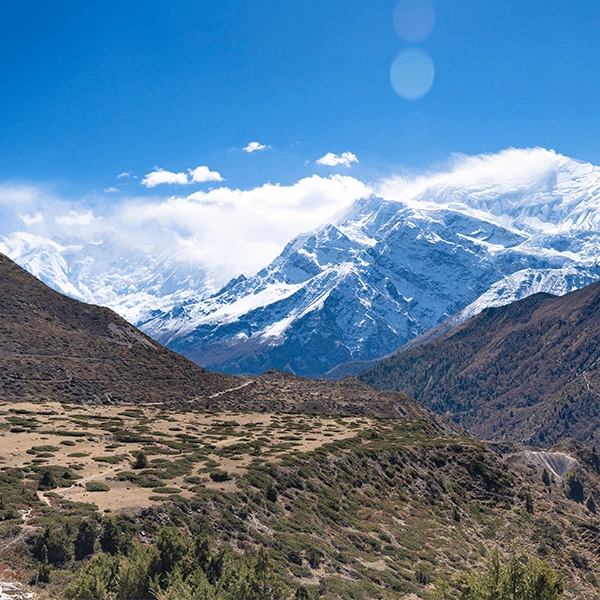
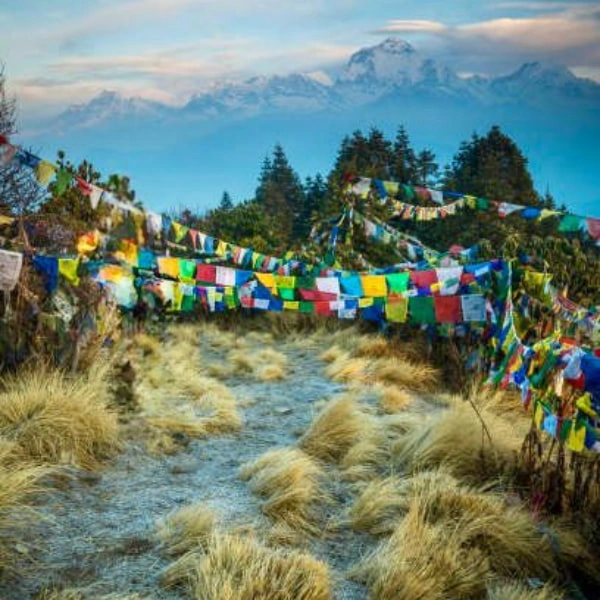
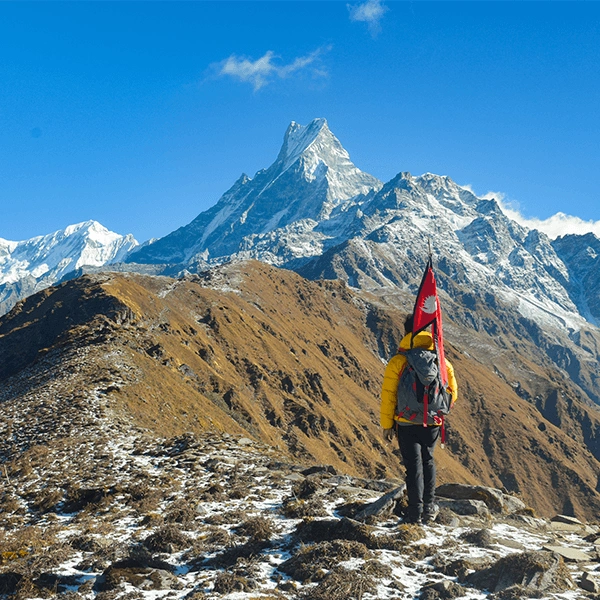
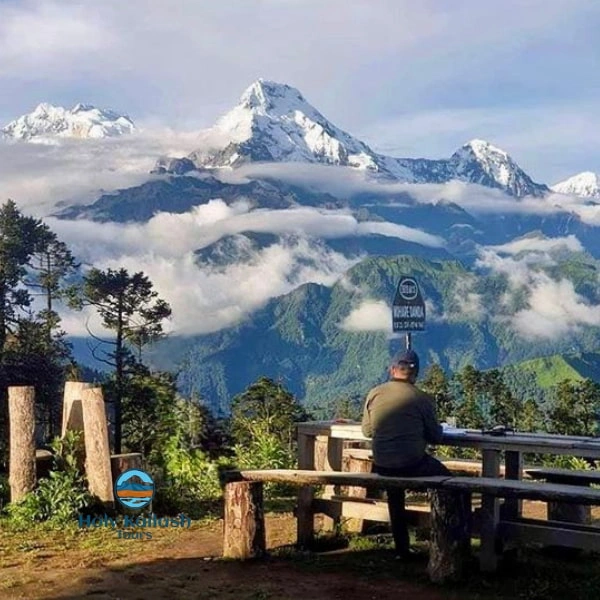
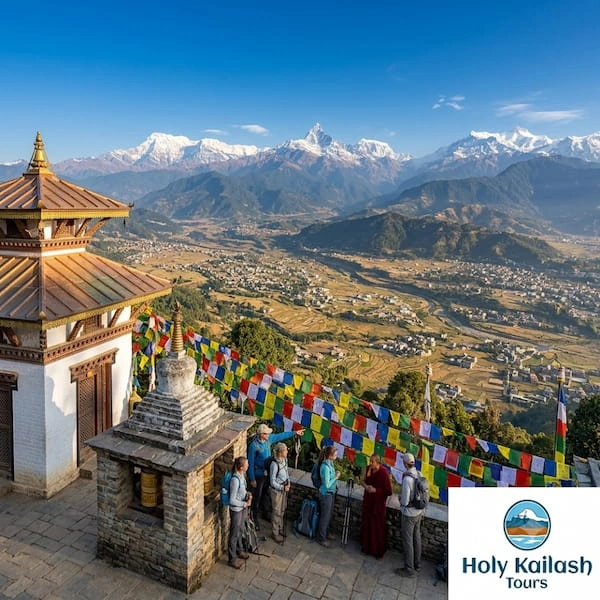
Once you reach the summit, the view opens up in every direction. Annapurna South rises to the east, Dhaulagiri dominates the western sky, and the sharp, fishtail peak of Machhapuchhre stands almost close enough to touch.
On a clear morning, you can count more than a dozen named peaks from this single viewpoint, which is rare for a hike that takes less than an hour to complete. Standing at the top with the entire Annapurna range laid out before you, it's easy to understand why trekkers describe this spot as one of the best vantage points in the Himalayas.
The Magic of Golden Hour: Watching the Snow-Capped Peaks Turn Pink
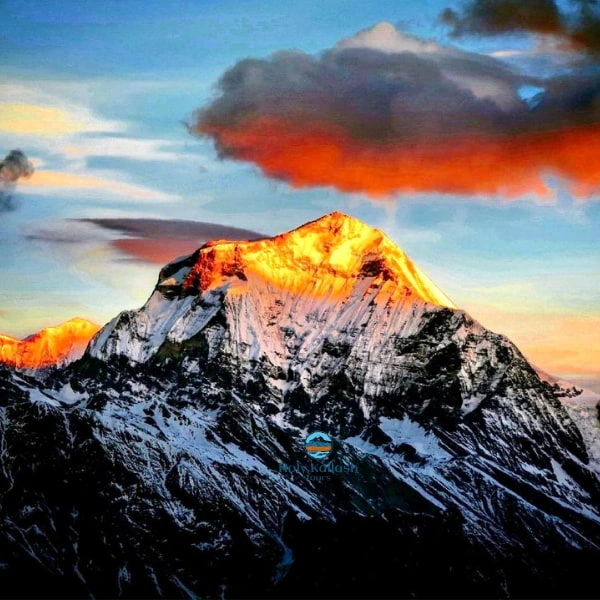
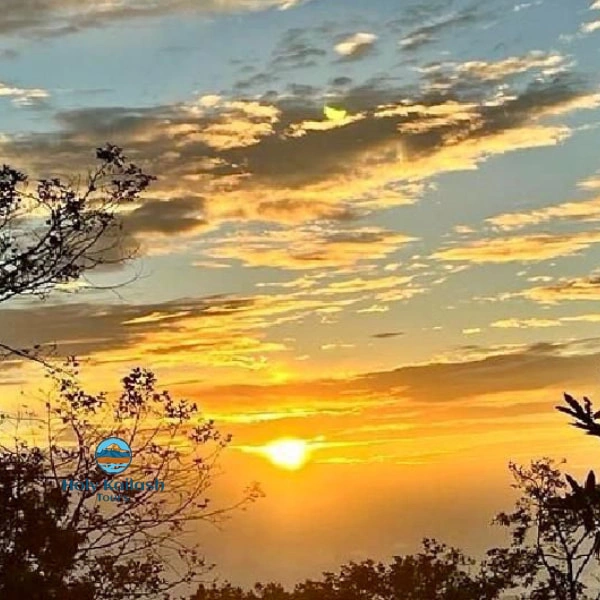
The sun doesn't just rise here; it performs. The first light touches the highest summits and turns the snow a soft pink, then gold, then a blinding white as the sun climbs higher.
This transformation happens over about twenty minutes, and watching it unfold across an entire mountain range is something photographs never quite capture, no matter how good your camera is.
The cold you felt on the walk up disappears as the warmth spreads across the valley, and most trekkers admit this moment alone justifies the early wake-up call.
Photography Tips for Capturing the Perfect Himalayan Sunrise
Bring a tripod if you can carry one, since low-light conditions before sunrise demand longer exposures. Shoot in manual mode and bracket your exposures, because the contrast between the dark valley and the bright peaks can fool automatic settings.
Keep a spare battery in an inside pocket, since cold temperatures drain power fast. And don't spend the entire twenty minutes staring through a viewfinder. Put the camera down at some point and just watch the mountains change color with your own eyes. You'll remember that moment longer than any photo.
Beating the Crowds: How to Secure the Best Viewing Spot at the Summit
Poon Hill draws a crowd, especially during peak season in October and November. Arriving fifteen minutes earlier than the main wave of trekkers makes a real difference, since the summit platform has limited space and the best angles fill up fast.
Climbing slightly past the main viewing tower to one of the side ridges often gives you a quieter spot with nearly the same view. Local guides know these alternate viewpoints well, and asking yours to lead you there can mean the difference between an open mountain panorama and a sea of shoulders and selfie sticks.
Walking Through a Sea of Red: The Rhododendron Forests in Spring
Between March and April, the forests along this route turn into a wall of red, pink, and white blossoms. Nepal's national flower, the rhododendron, grows wild here in densities that few other treks can match, and walking through these tunnels of color ranks among the most memorable parts of the journey.
The forest floor stays cool and shaded even as the trail climbs, and the smell of blooming flowers mixes with damp earth in a way that sticks with you long after the trek ends.
Waterfalls, Suspension Bridges, and Terraced Fields: The Diverse Landscapes
The trail never stays the same for long. One hour, you cross a swaying suspension bridge over a rushing river, and the next you're walking past rice terraces carved into the hillside by generations of farmers.
Waterfalls tumble down rock faces near Tikhedhunga, and the sound of running water follows you through much of the lower trail. This constant variety keeps the walking interesting, since the scenery shifts from dense forest to open farmland to a stone village within a single day's hike.
Flora and Fauna: Spotting Himalayan Monkeys and Exotic Birdlife
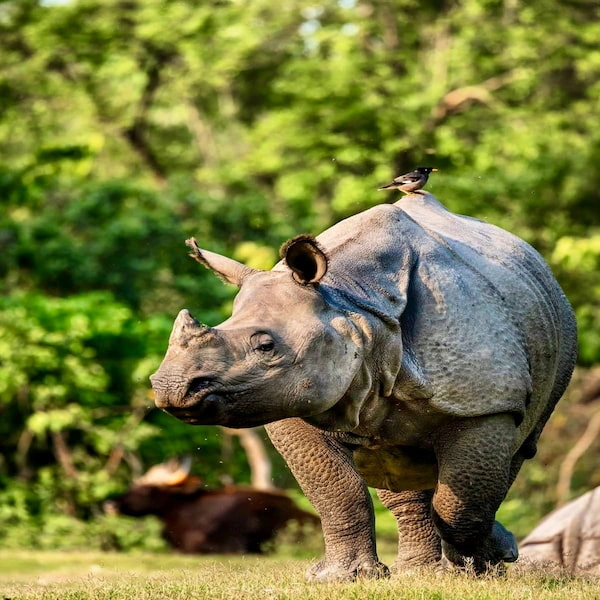
Keep your eyes on the treeline, and you'll likely spot langur monkeys moving through the branches, especially in the forested sections below Ghorepani. Birdwatchers find plenty to look for, too, since the Annapurna Conservation Area hosts over four hundred bird species, including the colorful Impeyan pheasant, Nepal's national bird.
The forest canopy stays alive with movement and sound throughout the trek, adding a layer of wildlife encounters to what's already a visually rich route.
Experiencing Authentic Gurung and Magar Hospitality
The villages along this trail belong mostly to the Gurung and Magar communities, ethnic groups with deep roots in this part of Nepal and a long history of serving in the British and Indian Gurkha regiments.
Their hospitality shapes the entire trekking experience, from the warm greetings at teahouse doors to the stories shared over evening tea. Staying in these villages offers a window into a way of life that has adapted to mountain tourism without losing its core traditions, and conversations with local families often become a highlight of the trip in their own right.
Ghandruk: Exploring the Cultural Heart of the Annapurna Foothills
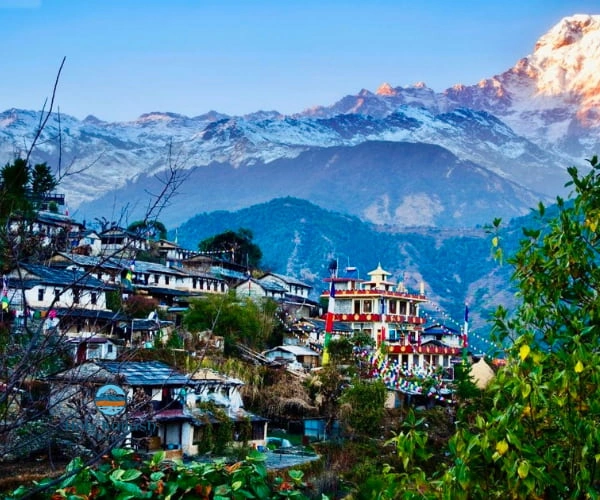
Ghandruk stands out as one of the largest and best-preserved Gurung settlements on the route. Stone houses with slate roofs line narrow lanes, and the village offers a small museum dedicated to Gurung culture and Gurkha military history.
The backdrop of Annapurna South and Machhapuchhre rising directly behind the rooftops makes this one of the most photogenic stops on the entire trek. Many trekkers choose to spend an extra night here just to soak in the atmosphere a little longer.
Teahouse Trekking: What to Expect for Food and Accommodation
Teahouses along the Ghorepani route offer simple but comfortable rooms, usually with twin beds, a shared bathroom down the hall, and thick blankets for the cold nights. Don't expect luxury, but do expect warmth, both from the wood stoves in the dining halls and from the families who run these guesthouses.
Menus typically include a mix of Nepali staples and basic international dishes like Pizza, pasta, fried rice, and pancakes, giving trekkers enough variety to stay satisfied through several days of walking.
Dal Bhat Power: Fueling Up for the Early Morning Wake-Up Call
Dal bhat, the traditional Nepali meal of lentil soup, rice, and vegetable curry, fuels most trekkers and guides on this route, and for good reason. It's filling, it's usually unlimited on refills, and it sits well in your stomach before a pre-dawn climb.
Many trekkers adopt the local saying "dal bhat power, twenty four hour" as something of a joke, but after a few days on the trail, the meal's reputation for sustained energy starts to feel less like a joke and more like a simple fact.
A Day-by-Day Breakdown of the Classic Poon Hill Itinerary
Most trekkers start with a drive from Pokhara to Nayapul, then walk to Tikhedhunga or Ulleri on day one. Day two brings the steep climb to Ghorepani, often the toughest physical stretch of the entire trek.
Day three starts before sunrise with the walk to Poon Hill, followed by a descent through Tadapani toward Ghandruk. Day four wraps up with the final walk back to Nayapul and the drive back to Pokhara.
Some itineraries stretch this to five days by adding an extra night in Ghandruk, which gives trekkers more time to explore the village and rest their legs before the final descent.
4 Days Ghorepani Poon Hill Trek Itinerary
Day 1: Pokhara to Nayapul, Trek to Ulleri
Day 2: Ulleri to Ghorepani
Day 3: Poon Hill Sunrise, Trek to Ghandruk
Day 4: Ghandruk to Nayapul, Drive to Pokhara
5 Days Ghorepani Poon Hill Trek Itinerary
Day 1 Pokhara to Nayapul, Trek to Tikhedhunga (1,540 m)
Day 2 Tikhedhunga to Ghorepani (2,860 m)
Day 3 Poon Hill Sunrise, Trek to Tadapani (2,630 m)
Day 4 Tadapani to Ghandruk (1,940 m)
Day 5: Ghandruk to Nayapul, Drive to Pokhara
6 Days Ghorepani Poon Hill Trek Itinerary
Day 1: Pokhara to Nayapul, Trek to Tikhedhunga
Day 2: Tikhedhunga to Ghorepani
Day 3: Sunrise at Poon Hill, Trek to Tadapani
Day 4: Tadapani to Ghandruk
Day 5: Ghandruk to Landruk
Day 6: Landruk to Phedi, Drive to Pokhara
7 Days Ghorepani Poon Hill Trek Itinerary
Day 1: Drive from Pokhara to Nayapul, Trek to Tikhedhunga
Day 2: Trek from Tikhedhunga to Ghorepani
Day 3: Sunrise at Poon Hill, Trek to Tadapani
Day 4: Trek from Tadapani to Chhomrong
Day 5: Trek from Chhomrong to Jhinu Danda
Day 6: Trek from Jhinu Danda to Ghandruk
Day 7: Trek from Ghandruk to Nayapul, Drive to Pokhara
8 Days Ghorepani Poon Hill Trek Itinerary
Day 1:Arrival in Kathmandu
Day 2:Drive from Kathmandu to Pokhara (820m) by tourist bus
Day 3:Drive from Pokhara to Nayapul and trek to Ulleri (2210m)
Day 4:Trek from Ulleri to Ghorepani (2880m)
Day 5:Hike to Poon Hill (3210m) and trek from Ghorepani to Tadapani (2630m)
Day 6:Trek from Tadapani to Ghandruk, Drive to Pokhara
Day 7:Drive from Pokhara to Kathmandu by tourist bus |Farewell Dinner
Conquering the Stone Steps: The Trek from Tikhedhunga to Ghorepani
This stretch of trail has a reputation, and it earns it. The climb from Tikhedhunga to Ghorepani involves thousands of stone steps and gains well over 1,000 meters of elevation in a single day.
Your legs will feel it by the afternoon, but the forest along the way offers shade and regular rest points at small teahouses. Pacing yourself matters more here than speed, since rushing this section often leads to exhaustion before you've even reached the halfway point.
The Scenic Descent: Walking from Tadapani to Ghandruk
After the sunrise at Poon Hill, the trail descends through thick oak and rhododendron forest toward Tadapani, then continues down to Ghandruk. This section trades the open mountain views for a quieter, greener walk, with occasional glimpses of Annapurna South through breaks in the canopy.
The descent puts more strain on the knees than the climb does on the lungs, so trekking poles come in handy here, especially on the wet or muddy sections common during the monsoon shoulder seasons.
Best Time to Go: Clear Autumn Skies vs Blooming Spring Trails
Autumn, from late September through November, gives trekkers the clearest mountain views, with crisp air and minimal cloud cover most mornings. Spring, particularly March and April, trades some visibility for the rhododendron blooms that turn the forest red and pink.
Both seasons draw large numbers of trekkers, so expect company on the trail regardless of when you go. Winter brings cold but clear conditions with far fewer crowds, while the monsoon months from June through August bring rain, leeches, and clouds that often block the very views you came for.
Essential Packing List: Layering Up for Crisp Himalayan Mornings
Temperatures swing dramatically on this trek, from sweaty midday climbs to freezing pre-dawn summits. Layering works better than any single heavy jacket, so pack a moisture-wicking base layer, an insulating mid layer, and a windproof or waterproof outer shell.
A warm hat and gloves matter more than people expect, especially for the Poon Hill sunrise climb when temperatures can drop below freezing even outside of winter. Sturdy, broken-in hiking boots, a headlamp with spare batteries, and a reusable water bottle round out the core gear list for this trek.
1. How many days does the Ghorepani Poon Hill Trek take?
Most trekkers finish in four to five days, starting and ending in Pokhara. Some itineraries add an extra night in Ghandruk for a slower pace, but the core route doesn't need more than five days, even with built-in rest.
2. Do I need a guide or permit for this trek?
You need two permits: the TIMS card and the Annapurna Conservation Area Permit (ACAP). Solo trekking without a guide is allowed in most areas, but hiring a local guide makes the permit process easier and adds real value through route knowledge and cultural context.
3. How difficult is the Ghorepani Poon Hill Trek?
The trek suits beginners with moderate fitness. The climb from Tikhedhunga to Ghorepani is the toughest stretch, with thousands of stone steps, but no technical skills or climbing gear are required anywhere on the route.
4. What is the maximum altitude on this trek?
Poon Hill sits at 3,210 meters, the highest point on the route. This altitude rarely causes serious sickness in healthy trekkers, though staying hydrated and walking at a steady pace still helps.
5. When is the best time to do this trek?
Autumn (late September to November) gives the clearest mountain views. Spring (March to April) brings rhododendron blooms across the trail. Both seasons draw large numbers of trekkers, so expect company on the path.
6. Can I see Mount Everest from Poon Hill?
No. Poon Hill faces the Annapurna range, so you'll see Annapurna South, Dhaulagiri, Machhapuchhre, and several other peaks, but Everest sits too far east to appear in this view.
7. What should I pack for the early morning summit climb?
Pack layered clothing, since temperatures swing from freezing before sunrise to warm within an hour. A headlamp, gloves, a warm hat, and a windproof outer layer matter most for the pre-dawn ascent.
8. Is the Ghorepani Poon Hill Trek good for families or children?
Yes, families with reasonably fit children often complete this trek without issue. The daily walking distances stay moderate, and teahouses along the route are used to hosting trekkers of all ages.
9. What kind of food and accommodation should I expect?
Teahouses offer simple twin rooms, shared bathrooms, and warm dining halls with wood stoves. Menus include Nepali dal bhat alongside basic dishes like fried rice, noodles, and pancakes.
10. How crowded does the trail get?
Peak season in October and November brings heavy foot traffic, especially at the Poon Hill summit before sunrise. Arriving a little earlier than the main group, or choosing a side viewpoint helps you avoid the thickest crowds.
11. Do I need travel insurance for this trek?
Yes, travel insurance that covers trekking up to at least 4,000 meters is strongly recommended. It should also include emergency evacuation coverage, since rescue costs in remote mountain areas can run high without it.
The Ghorepani Poon Hill Trek proves that you don't need weeks of vacation or technical mountaineering skills to stand face to face with the Himalayas. In just four or five days, you walk through blooming forests, sleep in mountain villages, and watch the sunrise paint Annapurna and Dhaulagiri in shades of gold.
Holy Kailash Tours has guided many travelers along this exact route, and the reaction at the summit of Poon Hill rarely changes: a quiet, almost stunned silence as the mountains catch the first light of day.
For anyone looking to experience the Himalayas without the long commitment of a major expedition, this trek delivers an experience that stays with you long after you've returned home.
Book today, the Ghorepani Poon Hill Trek, and relish the wilderness adventure experiences in the heart of Magarvillagesand the home of the Himalayas.