Why Choose Ghorepani Poon Hill Trek?
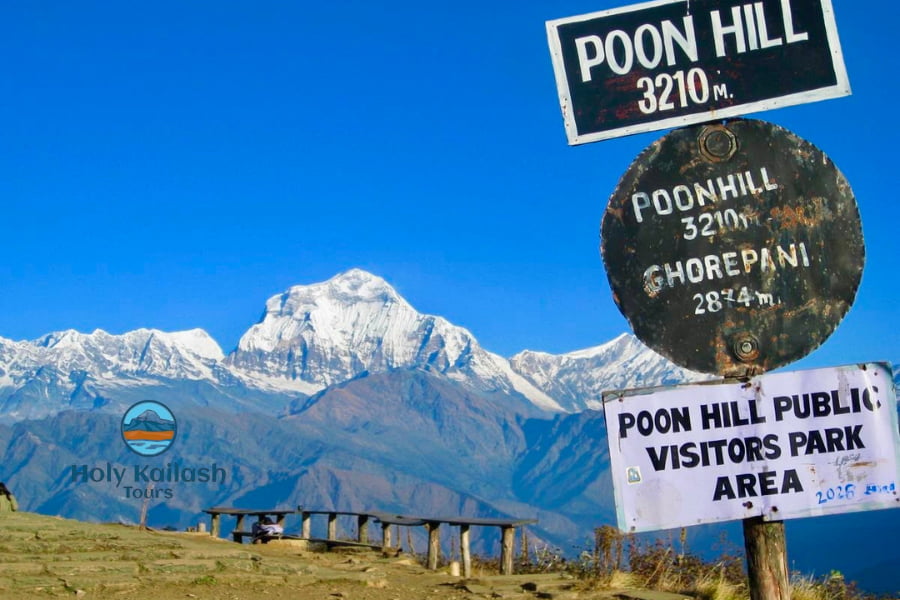
If you want to stand somewhere in the Himalayas and actually see the Himalayas, without training for six months or booking three weeks off work, this is the trek that gets you there. Poon Hill is at 3,210 meters, high enough for a real mountain panorama but low enough that altitude sickness is rare and manageable.
The Poon Hill trail runs entirely on teahouse infrastructure, so you're sleeping in a bed and eating a hot dinner every night, not pitching a tent. It suits families, first-time trekkers, retirees, and anyone squeezed for time just as well as seasoned hikers looking for a shorter add-on before or after a longer route. We've guided grandparents and eight-year-olds on this same trail in the same week. Few treks in Nepal offer that kind of range.
Highlights of the Ghorepani Poon Hill Trek
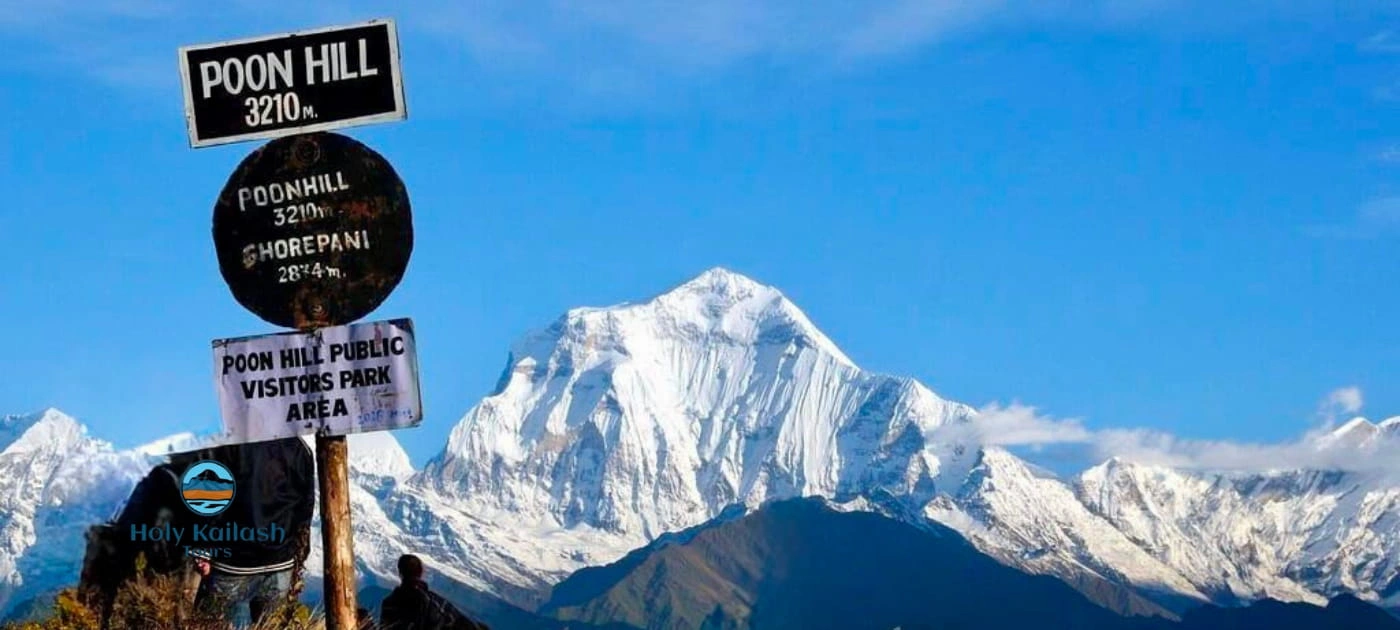
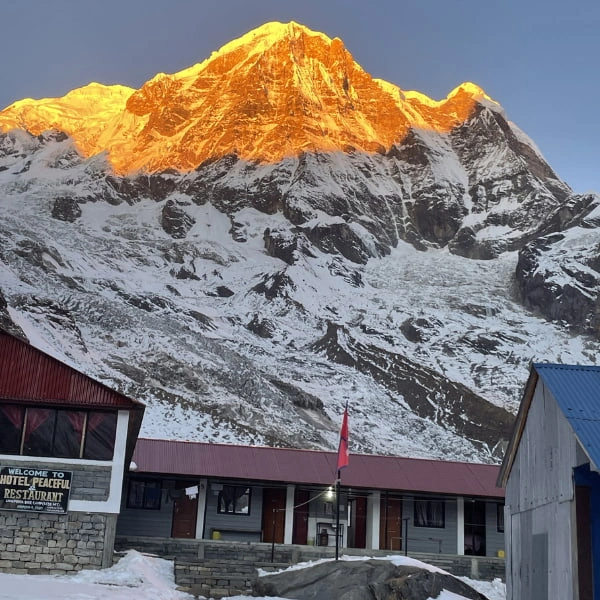
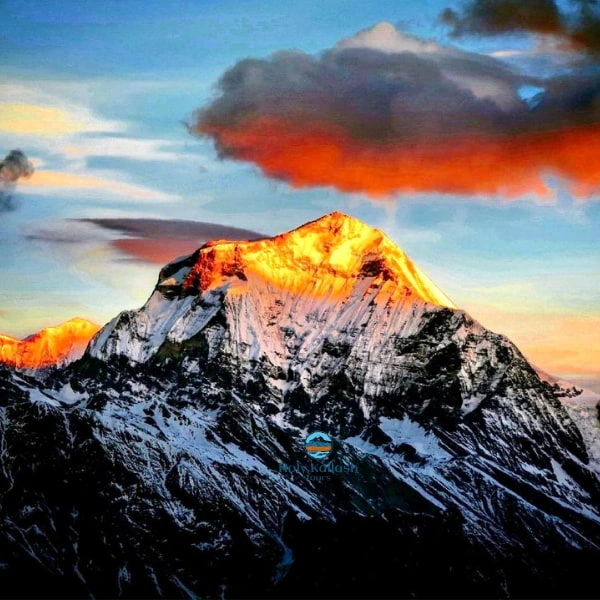
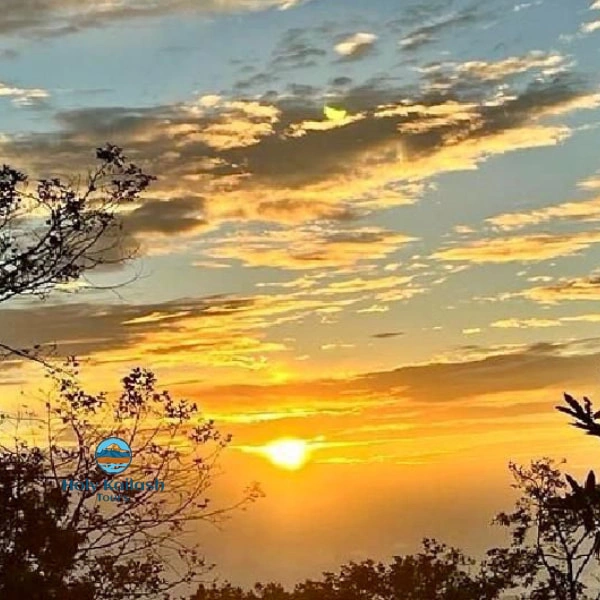
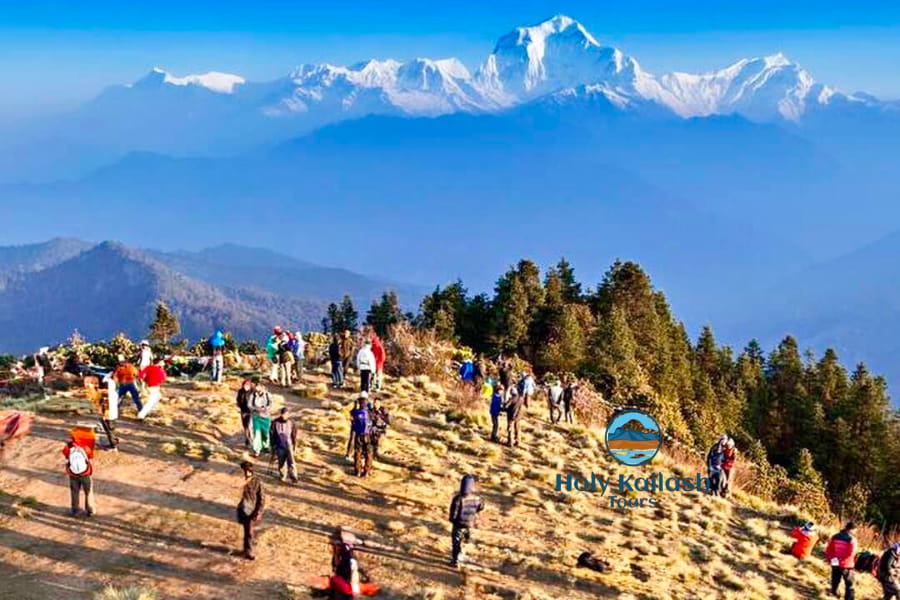
- Sunrise from Poon Hill: the reason most people book this trek in the first place. A 360-degree wall of peaks lights up gold at dawn, including Dhaulagiri (8,167m), Annapurna I (8,091m), Annapurna South (7,219m), Machapuchare (6,993m), Nilgiri, Hiunchuli, and Annapurna II, III, and IV. On a clear morning, it's every bit as good as the photos promise.
- The Ulleri staircase: over 3,000 stone steps climbing straight out of Tikhedhunga. Our guides call it the trek's toughest ten minutes, right up until you're standing at the top, wondering why you were worried.
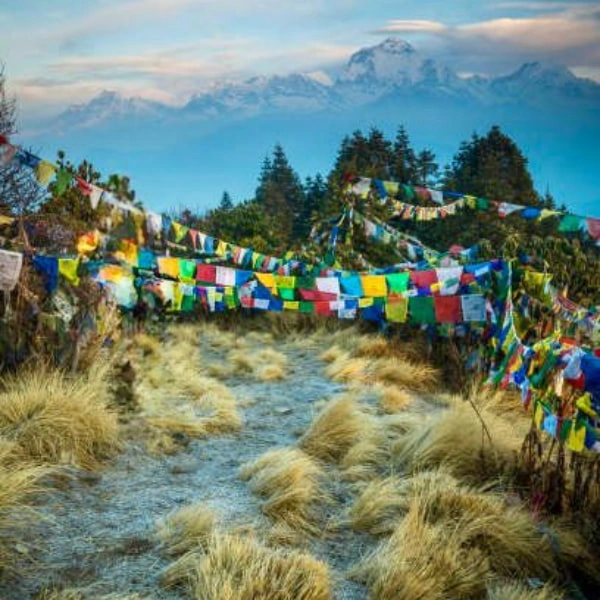
- Rhododendron forest: some of the thickest stands anywhere in the Annapurna Conservation Area. Come mid-March through April, entire hillsides turn red, pink, and white with Nepal's national flower.
- Ghandruk village: a Gurung settlement with stone-paved lanes and a heritage museum covering generations of local history, including the community's long ties to the Gurkha regiments. Worth an actual stop, not a walk-through.
- Ulleri village: home to a Magar community that was living in this valley long before anyone came here to trek. It's easy to rush past on the way up the staircase, and it's worth not doing that.
- Suspension bridges over the Modi Khola: functional river crossings that double as some of the best photo stops on the entire route.
- Terraced barley fields: the working farmland that frames most of the lower trail and gives the whole walk its rhythm before the forest closes in.
- Teahouse dal bhat: rice, lentil soup, and vegetable curry with free refills. Tastes better after six hours of walking than it has any right to, and every teahouse on this route serves it.
Complete Day-by-Day Ghorepani Poon Hill Trek Itinerary
Every operator tweaks this route slightly, and at Holy Kailash Tours, we adjust pacing based on your fitness and how much time you've got. But the core route stays the same: Nayapul, Tikhedhunga, Ulleri, Ghorepani, Poon Hill, Tadapani or Jhinu Danda, Ghandruk, and back to Nayapul. Here's how that loop stretches across five common itinerary lengths.
4 Days Ghorepani Poon Hill Trek Itinerary
This is the express version for trekkers with limited time who are already based in Pokhara.
Day 1 takes you on a drive from Pokhara to Nayapul (roughly 1.5 to 2 hours), then straight into a 4- to 5-hour walk to Tikhedhunga or Ulleri, following the Modi Khola valley through Birethanti.
Day 2 is the toughest day of the entire trek: you climb the stone staircase into Ulleri and keep going through the forest to reach Ghorepani at 2,874 meters, a 5- to 6-hour push that gains well over a thousand meters.
Day 3 starts before dawn, around 4 to 4:30 AM, for the short, steep hike up to Poon Hill for sunrise. After sunrise, you return to Ghorepani for breakfast and continue to Tadapani or Ghandruk, another 5 to 6 hours on the trail.
Day 4 is the descent from Ghandruk back to Nayapul, followed by the drive back to Pokhara. It's compressed and demanding on the legs, but it works if four days are truly all you have.
5 Days Ghorepani Poon Hill Trek Itinerary
The five-day version is the one we recommend most often, because it spreads that brutal second day out and gives your knees a break on the way down.
Day 1 is the same drive and walk from Pokhara to Nayapul and on to Tikhedhunga.
Day 2 climbs through Ulleri to Ghorepani.
Day 3 is at Poon Hill, followed by the walk down to Tadapani through the rhododendron forest.
Day 4 takes you from Tadapani to Ghandruk, a shorter, gentler day that gives you time to explore the village and its Gurung heritage museum instead of just passing through.
Day 5 brings you back down to Nayapul, then on to Pokhara. This pacing keeps daily walking to 5 or 6 hours and gives your body a proper chance to adjust.
6 Days Ghorepani Poon Hill Trek Itinerary
Add a day to the five-day loop, and you can route through Jhinu Danda, home to a natural hot spring right on the Modi Khola riverbank, one of the better rewards on this whole trek after four days on your feet. The itinerary runs:
Day 1: Pokhara to Nayapul to Tikhedhunga.
Day 2: Tikhedhunga to Ghorepani via Ulleri.
Day 3 sunrise at Poon Hill, followed by the walk to Tadapani
Day 4: Tadapani down to Jhinu Danda (with time for a soak that evening),
Day 5 Jhinu Danda up to Ghandruk
Day 6: The final descent to Nayapul with a drive back to Pokhara
If your feet and your schedule can spare the extra day, this is one of the best versions of the route, full stop.
7 Days Ghorepani Poon Hill Trek Itinerary
7 Days Poon Hill Trails is where most international trekkers land, because it bookends the trek with Kathmandu.
Day 1 covers the flight or drive from Kathmandu to Pokhara.
Day 2 is the drive to Nayapul and the walk to Tikhedhunga.
Day 3 climbs to Ghorepani via Ulleri.
Day 4 is sunrise at Poon Hill and the trek down to Tadapani.
Day 5 continues to Ghandruk.
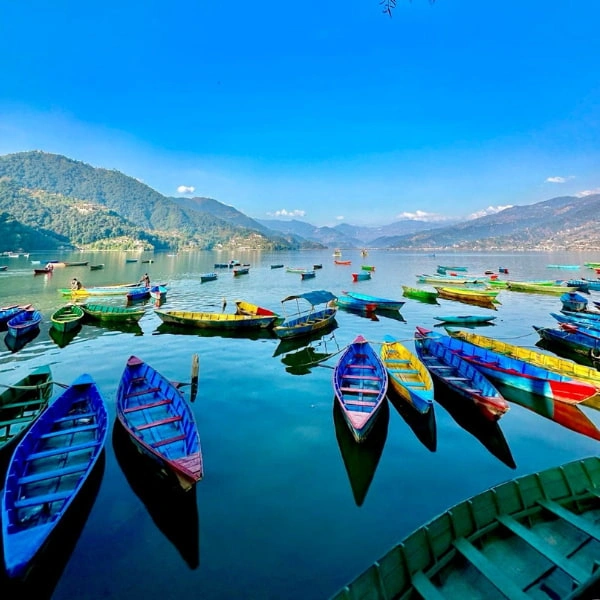
Day 6 descends to Nayapul and returns you to Pokhara, often with an evening spent by Phewa Lake.
Day 7 takes you back to Kathmandu, either by the short domestic flight or the longer scenic drive along the Prithvi Highway. A week gives you enough slack to handle a delayed flight or a lazy morning without derailing the whole trip.
8 Days Ghorepani Poon Hill Trek Itinerary
The eight-day version adds either a Kathmandu sightseeing day at the start or the Jhinu Danda hot spring detour into the seven-day framework, and it's what we build for clients who want zero rush anywhere.
A typical structure:
Day 1: arrival and rest in Kathmandu.
Day 2: the drive or flight to Pokhara.
Day 3: Nayapul and on to Tikhedhunga or Ulleri.
Day 4 up to Ghorepani.
Day 5: the Poon Hill sunrise and the walk to Tadapani.
Day 6 down to Jhinu Danda for the hot spring or on to Ghandruk.
Day 7 back to Nayapul and Pokhara.
Day 8: the return to Kathmandu or your onward flight home. This is the itinerary we push for older trekkers, families with younger kids, or anyone who wants the trek without the grind.
Ghorepani Poon Hill Trek Distance and Duration
The classic route from Nayapul through Ghorepani Poon Hill trek, Tadapani, and Ghandruk, and back to Nayapul, covers somewhere between 37 and 45 kilometers, depending on exactly which villages you route through and whether you add the Jhinu Danda detour.
Daily walking ranges from as little as 3 to 5 hours on the easiest legs to 6 or 7 hours on the Tikhedhunga to Ghorepani stretch, which is the longest and steepest single-day stretch on the trail. Total trekking time on the ground, excluding travel days to and from the Kathmandu Valley, is 4 to 6 days for most itineraries, which is short by Himalayan standards and a big part of why this route works for people who can't take a month off.
Trek Difficulty Level and Fitness Requirements
Ghorepani Poon Hill Trek is in that easy-to-moderate bracket that Nepal trekking operators love to throw around, and for once it's an accurate description. There's no glacier travel, no scrambling, no technical gear, and no high pass above 4,000 meters.
What you do get is a properly tough staircase (the Ulleri climb has more than 3,000 stone steps) and long uphill stretches on day two that will test anyone who hasn't done regular cardio in a while.
The single most common question we get before this trek isn't about the mountains; it's "can I actually do this if I've never hiked before," and the honest answer is yes, provided you can comfortably walk 5 to 6 hours a day on uneven ground with a daypack.
A few weeks of stair climbing, hiking, or steady cardio beforehand make a real difference, especially for the Ulleri section and the knee strain on the long descents. Trekking poles help more than most people expect.
Maximum Altitude of the Ghorepani Poon Hill Trek
Ghorepani Poon Hill trek, the highest point on the route, is at 3,210 meters (10,531 feet). Ghorepani village, the highest place you'll actually sleep, sits a bit lower at 2,874 meters. For comparison, that's less than half the altitude of Everest Base Camp at 5,364 meters, and well below Annapurna Base Camp at 4,130 meters.
It's high enough that some trekkers experience mild symptoms like headaches or shortness of breath above 2,500 meters, but serious altitude sickness on this route is rare precisely because the elevation gain is spread gradually over several days rather than crammed into one big push.
Required Permits for Ghorepani Poon Hill Trek
Every trekker needs an Annapurna Conservation Area Permit (ACAP), since the entire route from Birethanti onward sits inside the conservation area. As of 2026, the fee runs around NPR 3,000 (roughly USD 23 to 25) for most foreign nationals and NPR 1,000 for SAARC citizens, checked at the Birethanti entry gate and again at a few points along the trail.
What's changed more than the fee itself is who's allowed to walk this trail without one. Since a 2023 regulation that's now fully enforced, foreign trekkers on Annapurna Conservation Area routes, including Ghorepani Poon Hill, are legally required to trek with a licensed guide booked through a registered Nepali agency.
That single change has reshaped how independent trekking works across the whole region, and it applies here even though this trek is short and low-altitude.
The status of the old TIMS card has changed multiple times over the past few years, and that's exactly where outdated blog posts get people in trouble at checkpoints. Some current sources report that TIMS is no longer separately enforced on Annapurna routes now that guide registration covers the same safety-tracking function; others still describe an agency-issued TIMS bundled into guided packages.
We'd rather tell you straight that this detail moves around than quote you a number that's wrong by the time you land in Kathmandu. What doesn't move: bring your passport and two passport photos, arrange your ACAP and guide through a registered agency before you start (permits can't be bought on the trail itself), and confirm the exact current requirement with your operator a few weeks out.
Holy Kailash Tours, we handle this paperwork directly and keep it current every season, which is a big part of why people book a guided trek instead of going it alone.
Food and Accommodation During the Trek
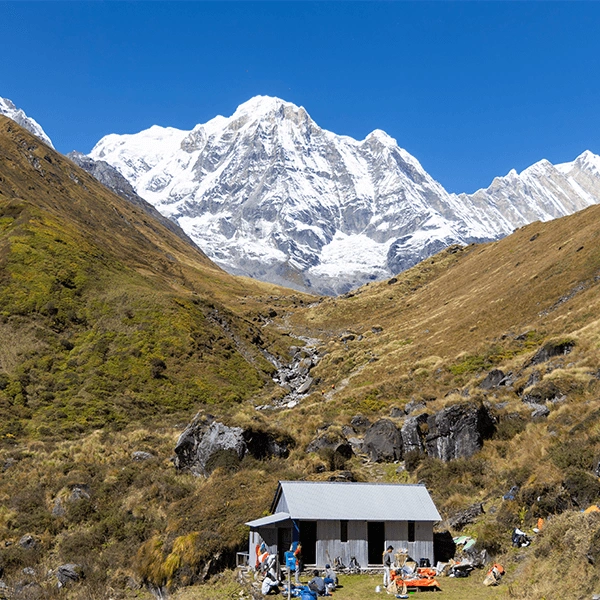
You'll sleep in teahouses the entire way, family-run lodges in Tikhedhunga, Ulleri, Ghorepani, Deurali, Tadapani, Jhinu Danda, and Ghandruk, with basic twin rooms and shared bathrooms at most stops. Don't expect luxury.
Expect a clean bed, a thick blanket, and a dining hall with a wood stove where every trekker on the trail ends up swapping stories by 7 PM. Hot showers and Wi-Fi are available at most lodges for a small fee, and are more reliable in Ghorepani and Ghandruk than at the smaller stops; you shouldn't count on either at higher elevations.
Meals lean heavily on dal bhat, the Nepali staple of rice, lentil soup, and vegetable curry that usually comes with free refills and fuels you better than anything else on the menu after a long day.
Teahouses also serve noodles, momos, pancakes, porridge, and simple soups. Bottled water gets pricier the higher you climb, so most trekkers carry purification tablets or a filter instead and refill from the tap.
Essential Packing List for Ghorepani Poon Hill Trek
Pack in layers, because mornings on this trail run cold and midday sun at 2,800 meters is stronger than it feels.
- Backpack: A 35- to 45-liter capacity trekking backpack that carries your daily essentials comfortably. Make sure the backpack has a rain cover for wet days.
- Clothing: You will need to wear several layers of clothes as the weather can change abruptly in the mountains.
- Upper wear: This includes lightweight cotton as the base layer, a warm fleece jacket, a down jacket for extremely cold weather, trekking pants, and a waterproof jacket.
- Footwear: Good-quality, comfortable, waterproof hiking boots with a firm grip are a must; also, ensure the boots are broken in before you commence the trek.
- Extra warm gear: A woolen hat, gloves, a neck warmer, and warm socks are the kinds of items to have with you in freezing conditions at high elevations or very early mornings.
- Sun safety: You need to take all kinds of protection, including sunglasses, a sun hat, lip balm, and a high-SPF sunscreen, as the sun can still be very strong in the Himalayas even in the low season.
- Rain Protection: A few ways to stay dry in the rain: A compact rainproof jacket, a waterproof backpack cover, and waterproof bags will help protect your electronics and most important stuff from getting wet in unexpected situations.
- Sleeping Gear: A sleeping bag for extremely cold weather, especially during spring and autumn when trekking, as temperatures are often very low.
- Water Bottle and Purification: Drinking water management and purification supplies: Bring a reusable water bottle and carry water purification tablets to make the water safe to drink.
- Few small personal items: A toothbrush, toothpaste, a hand towel, a hand sanitizer, and a little bit of hygiene necessities.
- Medicines: A small First Aid Kit with pain Killers, blistering solutions, etc. If told by your doctor, take medication for mountain sickness with you as well. Include the medication you would require for personal issues as a matter of principle.
- Hand-held Electrical Appliances: Phone camera, power bank, charging lead wires, and a universal plug adapter.
- Sticks for Trekking: These aids are very useful for relieving pressure on the kneecap during uphill and downhill segments of a trek.
- Lunch and energy packs: These include energy bars, nuts, chocolates, and other light snacks you can eat between walks to keep you going.
- Important stuff: Bring a copy of your passport, all the permits, details of your travel insurance, cash, and emergency contact numbers.
- Pocket-sized backpacks: Handy for storing things like water, camera, snacks, sunscreen, etc., plus other personal essentials while you are trekking between destinations.
Weather Conditions and Seasonal Travel Tips
Because Poon Hill stands at a relatively low altitude by Himalayan standards, this trek rarely gets brutally cold the way the higher passes do, but conditions still vary widely by season.
Spring (March to May) brings daytime temperatures of 10 to 24°C at lower elevations, clear skies early in the season, and rhododendron forests in full bloom, with a slight rise in haze as May approaches the monsoon.
Autumn (September to November) is generally regarded as the most reliable window, with daytime temperatures around 10 to 20°C, minimal rainfall, and the sharpest mountain visibility of the year, especially by late October and November.
Winter (December to February) turns cold at night, dropping to around -5 to 0°C at higher elevations, with daytime highs of 5 to 15°C. You may hit snow near Poon Hill itself, but the trail stays open, crowds thin out, and the skies are often crystal clear.
Monsoon (June to August) is the one season we generally steer clients away from: daytime temperatures climb to 20 to 25°C, but afternoon and evening rain is near daily, trails get slippery, leeches show up in the forest sections, and cloud cover blocks the mountain views you came for.
Ghorepani Poon Hill Trek Cost Breakdown
Prices vary a lot depending on how you trek and who you book with. A guided package with permits, guide, teahouse accommodation, meals on the trail, and Pokhara Valley transport typically runs between USD 350 and 650 per person, with the wide range depending on group size, trip length, and whether Kathmandu and Pokhara hotel nights are included.
On the permit side, budget roughly USD 25-50 for ACAP and any associated fees. A licensed guide runs USD 25 to 35 per day for a standard teahouse trek, more for a senior guide with extensive high-altitude experience, and a porter adds another USD 15 to 20 per day if you'd rather not carry your own pack.
Teahouse rooms cost as little as USD 3 to 8 a night on their own (often folded into a package price, or effectively free if you eat dinner and breakfast at the same lodge), and a plate of dal bhat runs roughly USD 5 to 8, more at the higher stops where everything has to be carried in by porter or mule.
Transport between Pokhara and Nayapul costs USD 5-15 per person by shared jeep or bus, or USD 40-70 for a private vehicle, split among your group. Build in a 15 to 20 percent buffer on top of whatever number you land on, because tea, snacks, hot showers, and tips add up faster than most first-time trekkers expect.
Best Time to Visit Ghorepani Poon Hill
Autumn and spring are the two seasons every experienced guide will point you toward, and for good reason. Autumn, running September through November, delivers the most consistent clear skies of the year, ideal for that sunrise panorama you're climbing for in the first place, and it's also when our teahouse bookings for this route fill up first each year, so plan if you're set on October.
Spring, March through May, trades a touch of that reliability for the rhododendron forests in full color, which turn entire hillsides red, pink, and white and change how the trek feels underfoot. If you'd rather trade a slightly higher chance of haze for smaller crowds and lower prices, late September or late May is in a solid shoulder-season sweet spot.
Winter works too if you don't mind cold nights and don't need a guarantee of warm weather at breakfast, and it rewards you with some of the sharpest mountain visibility of the year, along with a nearly empty trail.
Monsoon, June through August, is the one stretch we'd only recommend if you specifically want lush green forest, don't mind rain and leeches, and aren't counting on seeing the mountains at all.
Safety Tips for a Comfortable Trekking Experience
Pace yourself on the Ulleri staircase and the long climb to Ghorepani, since rushing that section is the single biggest reason people end up exhausted or nursing sore knees by day three.
Drink more water than feels necessary, especially above 2,500 meters, and go easy on alcohol until you're back down. A licensed guide isn't just a legal requirement now; it's actually useful on a trail with several unmarked junctions in the dark before the 4 AM sunrise hike.
It's worth knowing what that license actually means: a government-registered Nepali trekking guide has completed an approved multi-week training course covering first aid, navigation, and route logistics, passed a licensing exam, and holds documented high-altitude trekking experience, and checkpoint staff can ask to see that card.
Carry a headlamp with spare batteries for the pre-dawn hike, and use trekking poles on the steep, sometimes wet stone steps, particularly on the way down, where most trail injuries actually happen.
Travel insurance that covers trekking and emergency evacuation is worth the small cost even on a trek this manageable, and it's a good habit to keep photocopies of your permits in a separate bag from the originals.
Beyond that, basic common sense goes a long way: tell someone your day's route, check the weather before committing to the sunrise climb, and don't push through anything that feels like more than mild fatigue.
Sunrise Experience from Poon Hill Viewpoint
You'll leave Ghorepani in the dark, usually around 4 to 4:30 AM, headlamp on, for a climb that takes 45 minutes to an hour, depending on your pace. It's short but steep, and cold enough at that hour that most people are glad they packed real gloves.
The trail funnels into the viewing tower at the top, and the smart move is to arrive with enough buffer to claim a good spot before the crowd fills in, particularly during peak autumn weeks.
Then you just wait. As the sky lightens, Dhaulagiri catches the first color, followed by Annapurna I, Annapurna South, and Machapuchare's unmistakable fishtail peak, all lighting up gold and pink in sequence as the sun climbs.
It lasts maybe twenty minutes from first light to full sunrise, and it's the kind of twenty minutes that makes the whole staircase two days earlier feel worth it. Afterward, you descend back to Ghorepani for a proper breakfast before the day's trekking continues.
Mountain Views and Natural Attractions Along the Route
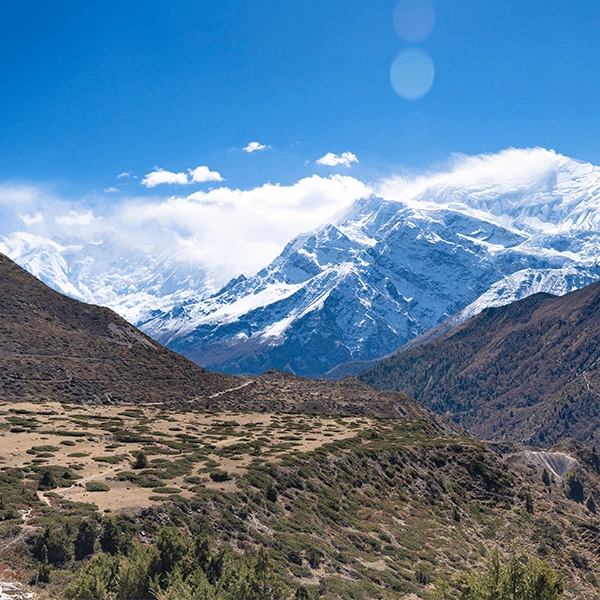
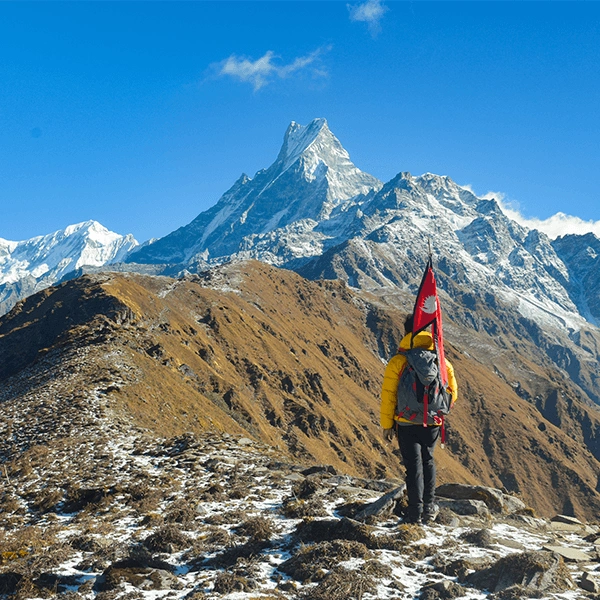
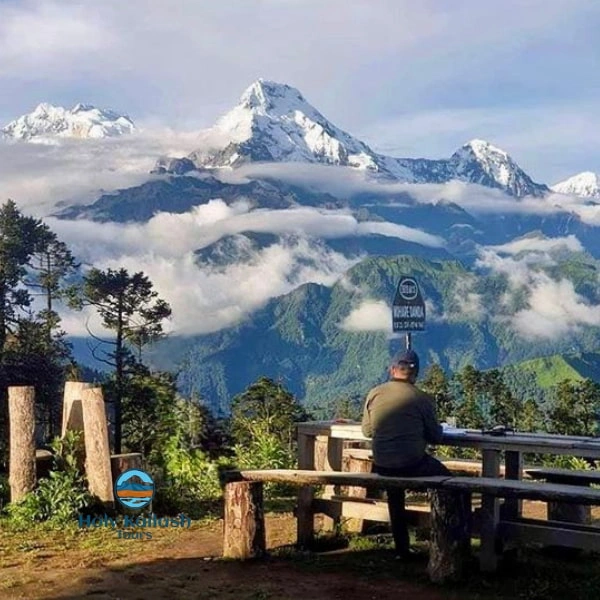
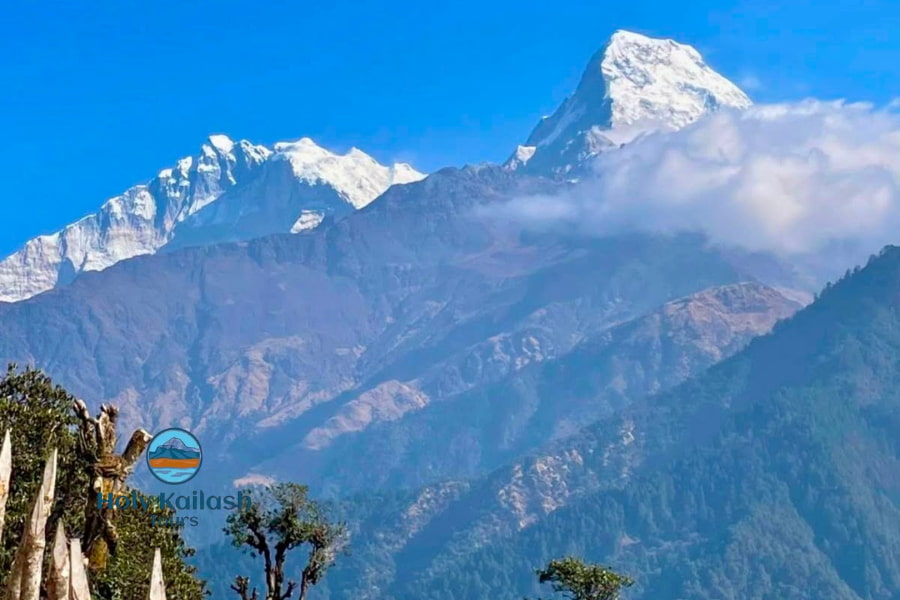
The mountain panorama isn't limited to Poon Hill itself. Ridge sections between Ghorepani and Tadapani open up regular views of Dhaulagiri, Annapurna South, and Machapuchare on clear days, and the descent toward Ghandruk gives you a different angle on the same peaks framed against terraced farmland.
Along the way, you'll pass through dense rhododendron forest (the Annapurna Conservation Area holds some of the largest rhododendron forests anywhere in the world, and Nepal's national flower puts on a real show from mid-March through April), mixed oak and fir woodland, small waterfalls tumbling off the ridgeline, and a handful of suspension bridges over the Modi Khola and Bhurungdi rivers.
If you've got the extra day, the natural hot spring at Jhinu Danda on the riverbank is one of the better-earned rewards on the entire trail.
Exploring Gurung and Magar Culture
This route runs straight through the traditional homeland of two of Nepal's hill communities, the Gurung and the Magar, and that cultural layer sticks with a lot of our clients as much as the mountain views do.
Ulleri, at the top of the famous stone staircase, is a Magar village with a history in this valley that predates the trekking industry by generations. Ghandruk, one of the largest Gurung settlements in the country, has stone-paved lanes, a Gurung Heritage Museum covering traditional dress and local history, and a long connection to the Gurkha regiments that many Gurung families served in.
Staying in teahouses run by these communities, rather than passing through on a bus, is the best way to understand how mountain life here actually works, and the hospitality is the kind that sticks with people longer than the photos do.
Flora and Fauna of the Annapurna Conservation Area
The Annapurna Conservation Area, established in 1986 and run by the National Trust for Nature Conservation, is Nepal's largest protected area at 7,629 square kilometers, and its biodiversity is staggering for an area this heavily visited. It's home to more than 1,226 species of flowering plants, roughly 105 mammal species, 518 bird species, 40 species of reptiles, and 23 amphibian species.
On the trail itself, you're more likely to hear birdlife than spot large mammals; redstarts, kingfishers, dippers, forktails, and magpies show up regularly along the rivers and cultivated sections, and langurs occasionally appear in the forest canopy.
The forest itself shifts with elevation, from subtropical growth near Nayapul through oak, fir, and birch, up into the rhododendron belt that defines the upper sections of the route.
Ghorepani Poon Hill Trek for Beginners
If you're wondering whether you're fit enough, experienced enough, or prepared enough for your first Himalayan trek, this is the route built for exactly that question. The altitude stays low enough that serious mountain sickness is rare, the trail is well-marked and covered in teahouses the entire way, and the time commitment (4 to 8 days depending on your itinerary) is a fraction of what routes like Everest Base Camp or the Annapurna Circuit demand.
You don't need previous trekking experience, technical gear, or months of specific training, just a reasonable baseline of fitness and boots you've actually worn before you land in Nepal. We've watched plenty of first-time trekkers use this exact route, making it the trip that convinces them to come back for something bigger the following year.
FAQs About Ghorepani Poon Hill Trek
Do I need previous trekking experience?
No. This is one of the most beginner-friendly routes in Nepal, and a reasonable level of everyday fitness is enough preparation for most people.
Is a guide mandatory?
Yes, since a 2023 regulation is now fully enforced across Nepal's conservation areas, foreign trekkers on Ghorepani Poon Hill are legally required to trek with a licensed guide booked through a registered agency.
What permits do I need?
The Annapurna Conservation Area Permit (ACAP) is a constant requirement, and your guide or agency handles the current paperwork alongside it, since some of the finer permit details have shifted more than once in recent years.
How difficult is the trek really?
Easy to moderate. The toughest stretch is the stone staircase and forest climb from Tikhedhunga to Ghorepani, but there's no technical terrain anywhere on the route.
What's the best time to go?
Autumn (September to November) for the clearest skies, spring (March to May) for the rhododendron bloom, both considered the strongest windows for this trek.
Is altitude sickness a concern?
Rarely, and usually mild if it does show up, since the highest point (3,210 meters) sits well below the altitude where serious mountain sickness typically becomes a real risk.
Can I see Everest from Poon Hill?
No. The view from Poon Hill covers the Annapurna and Dhaulagiri ranges, including Annapurna I, Annapurna South, and Machapuchare, but Everest isn't part of that panorama.
How much does it cost in total?
A guided package typically runs USD 550 to 650 per person, depending on group size, trip length, and inclusions, with permits, guide, and porter fees as the main variable costs beyond that baseline.
Can kids or older trekkers do this trek?
Yes, and we see both regularly. The moderate daily walking, low altitude, and teahouse infrastructure make it one of the more accessible multi-day treks in Nepal for a wide range of ages and fitness levels.
Final Thoughts
There's a reason this trail has stayed on every serious Nepal itinerary for as long as it has. It asks for four to eight days, not a month. It rewards you with a genuine Himalayan sunrise, not a distant glimpse of one.
And it does all of that while staying open to trekkers who've never done anything like it before. The permit and guide rules have changed more in the last few years than in the previous decade, so the details matter more than they used to, but the trek itself hasn't lost anything that made it worth doing in the first place.
If you're weighing this against a longer, higher route, our honest advice from years of running both is to do Poon Hill first. It'll tell you a lot about how your body and your patience handle the mountains, and it just might be the trip that sends you back to Holy Kailash Tours asking what's next.
Ghorepani Poon Hill Trek is reviewed and updated each trekking season, since permit rules and guide requirements on Annapurna routes have shifted several times since 2023. If you're planning a specific date, talk to our team at Holy Kailash Tours before you book flights. We'll confirm the current permit and guide requirements against what's actually being enforced at the checkpoints that week.
Email: [email protected]
Author: Ram Sharan Adhikari
WhatsApp: +977-9851254672 — Feel free to reach out anytime for fast, friendly, and personalized assistance.