Planning a Kailash Mansarovar Yatra for yourself starts with getting your head around the total cost of this incredible pilgrimage. The cost of the trip hangs on a few key things - like the route you take, how you get there, where you stay, the permit fees you'll need to pay, the size of your group, and just what's included in the package you choose.
Want to go the overland route through Kerung? Or take the cultural route through Lhasa and get a glimpse of Tibet's stunning scenery along the way. Or maybe you just want to get there in a hurry and take the helicopter option - each one gives you a different kind of journey and puts a different dent in your wallet.
Kailash Mansarovar Yatra runs down all the key things that help make up the cost of a Kailash Mansarovar Yatra, so you know what you're getting into before you hand over your credit card.
Having put together loads of Kailash Mansarovar tours over the years, Holy Kailash Toursknow what they're doing and make sure you get complete transparency on the price, along with good, reliable travel arrangements, a guide who knows what they're doing, and all the support you need along the way.
Knowing exactly where you're at financially before you set off lets you plan with easy peace of mind and really focus on what the Kailash Mansarovar Yatra is all about - connecting with the special spiritual energy of the mighty Mount Kailash and wonderful Lake Mansarovar.
Kailash Mansarovar Tour Cost Overview
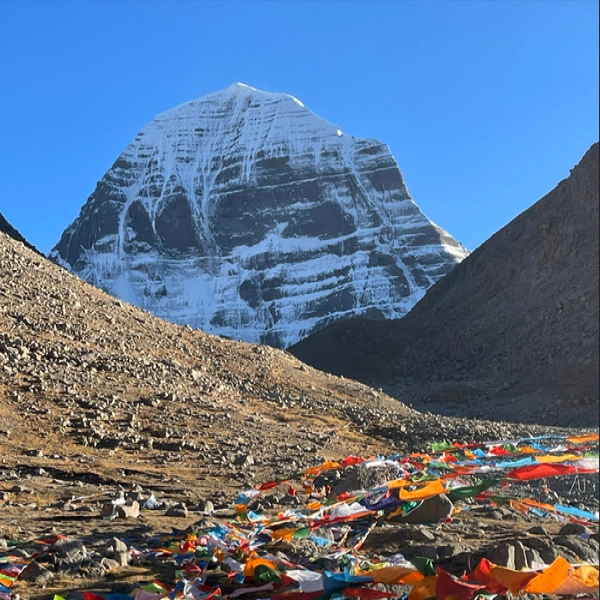
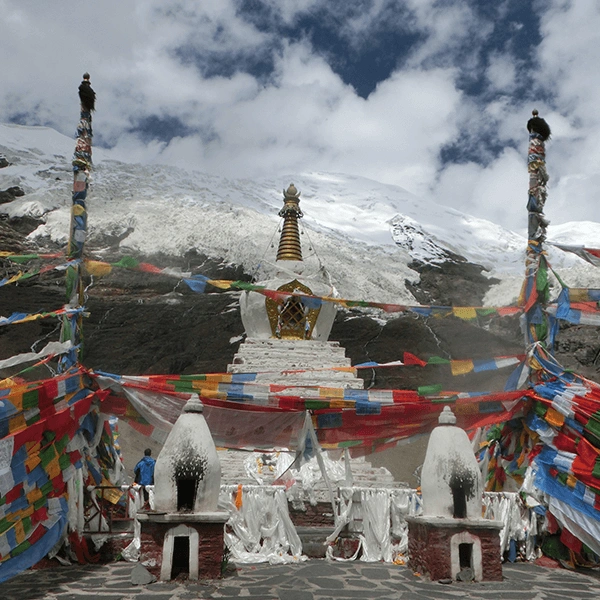
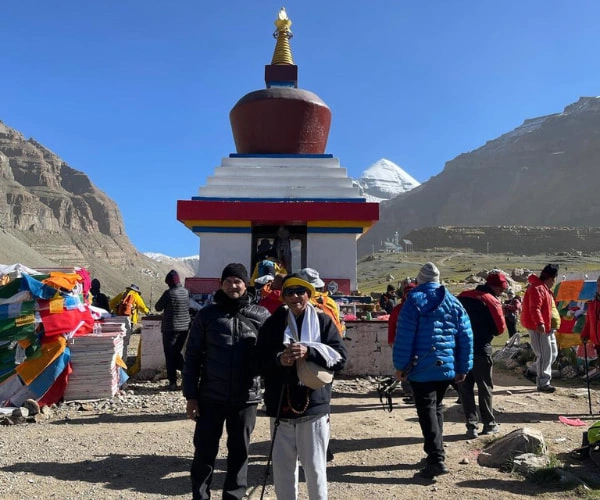
At Yam Dwar with Her Mom
Kailash Mansarovar Yatra costs anywhere from 1,500 USD to well over 12,000 USD for the same basic pilgrimage. That gap isn't a typo. It reflects real differences in route, group size, hotel category, and the operator's honesty about what's included. A realistic overland budget from Kathmandu runs 2,500 to 4,500 USD per person.
Helicopter options push that to 3,300 to 7,200 USD. Lhasa fly-in tours can actually undercut both if you're already in mainland China, sometimes landing near 1,900 to 2,900 USD for the Tibet-side portion alone.
None of these numbers includes your international flight to Kathmandu via Lhasa, and none of them includes the personal spending you'll do along the way. We'll get specific on each route below, because "it depends" isn't useful when you're trying to set a budget.
For most travelers booking through Nepal, a standard 13 to 15-day overland package costs between 2,500 and 4,000 USD per person, sharing a group vehicle and guesthouse rooms along the way.
That figure covers your Chinese group visa, Tibet Travel Permit, transport from Kathmandu to Kailash and back, basic hotel and guesthouse stays, a guide, and support staff for the Kora.
What it usually doesn't cover is travel insurance with high-altitude evacuation coverage, a pony or porter for the Dolma La crossing, tips for your crew, or any nights you get stuck waiting out the weather. Add those in, and most pilgrims spend between 3,000 and 4,800 USD all in.
Kailash Mansarovar Tour Cost from Nepal
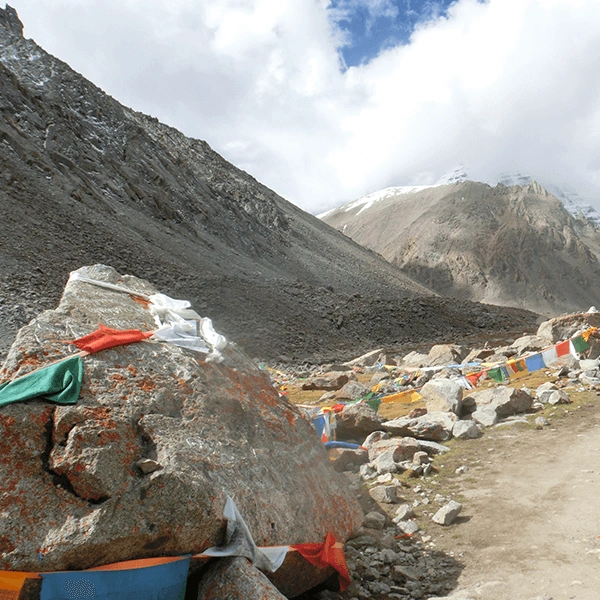
Yam dwar
Nepal remains the most common entry point for pilgrims of all nationalities, largely because the paperwork is simpler and departures run more often than those of the Indian government.
Budget overland packages from Kathmandu start around 1,900 to 2,600 USD for basic service, but by the time you add reasonable insurance, a pony for the trek, and a buffer for delays, plan on 3,000 to 3,500 USD as your working number.
Mid-range and better-organized 13 to 15-day trips, the kind Holy Kailash Tours typically arranges for first-time yatris, cost between 2,400 and 4,500 USD. Helicopter add-ons through Simikot push the Nepal-route total to 3,500 USD and up.
One thing worth knowing before you book anything: Nepal-based operators can offer far more flexible dates than the India MEA batches, which matters if your work schedule doesn't line up with a fixed government departure window.
The math here is straightforward. Overland travel through Kerung costs roughly 35 to 40 percent less than the helicopter route, because you're paying for diesel and driver time instead of aviation fuel and a flight crew working out of a remote airstrip.
A typical overland trip runs 2,500 to 4,500 USD, while a Simikot helicopter itinerary runs 3,500 to 7,200 USD for the same core experience. Overland also gives your body more days to acclimatize gradually, which actually matters at 4,600 to 5,600 meters.
Helicopter cuts your trip from around two weeks to as little as nine or ten days, which appeals to pilgrims with limited leave from work or older travelers who want to skip multiple days of rough plateau roads. Neither option is objectively "better." It's a straight trade between money, time, and how your body handles altitude gain.
Kailash Mansarovar Tour via Kerung Cost
Kailash Yatra Darchen
The Kerung (Gyirong) border crossing is the workhorse route for Nepal-based pilgrimages, and it's usually the cheapest way to reach Kailash. Standard 13 to 14-day packages via Kerung run from about 2,500 to 4,500 USD, with the lower end covering fixed-departure group tours and the upper end covering smaller groups with better hotels along the way.
In Indian Rupees, expect somewhere between 1.85 lakh and 2.4 lakh for a standard group departure. The route itself runs from Kathmandu, Kerung, Saga, Lake Mansarovar, Darchen, the Kora, and back the same way, which keeps logistics simple and pricing relatively predictable compared to routes that loop through Lhasa.
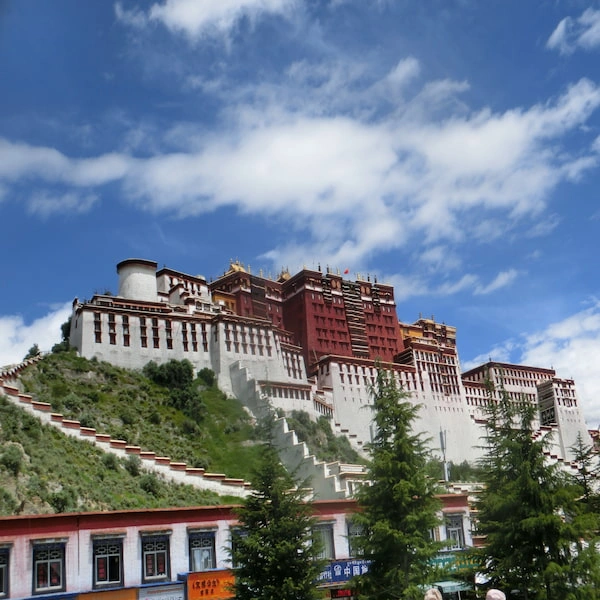
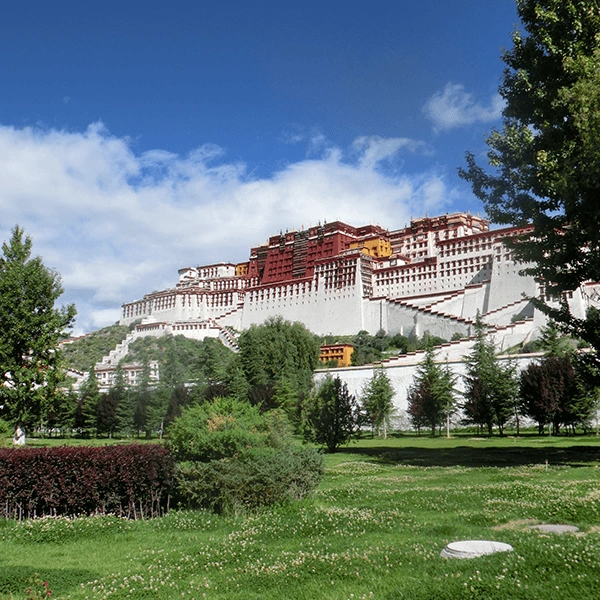
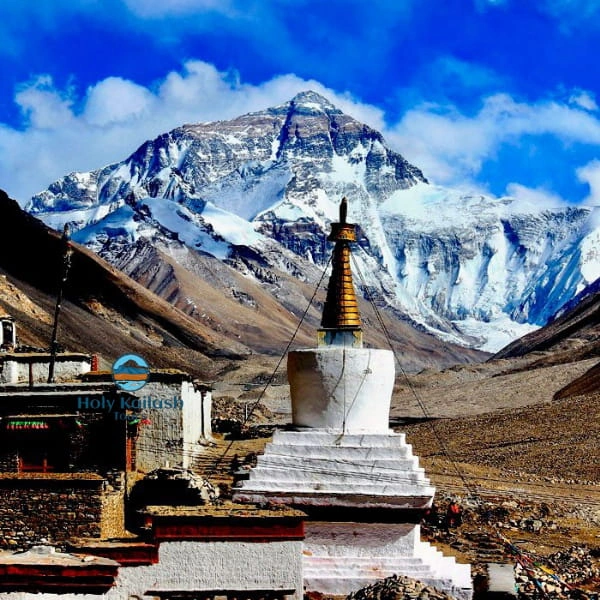
Going in through Kailash Ytara via Lhasa costs more if you're starting the whole trip from Kathmandu, since you're adding Everest Base Camp, Gyantse, and Shigatse sightseeing on top of the Kailash leg, typically landing between 4,900 and 5,900 USD for a 16 to 17-day itinerary.
But if you're already in mainland China and joining a group tour that starts in Lhasa itself, the math flips. Ex-Lhasa group joining tours to Kailash and Mansarovar can run as low as 3,450 to 4,190 USD, because you skip the long Kathmandu-to-plateau transit entirely.
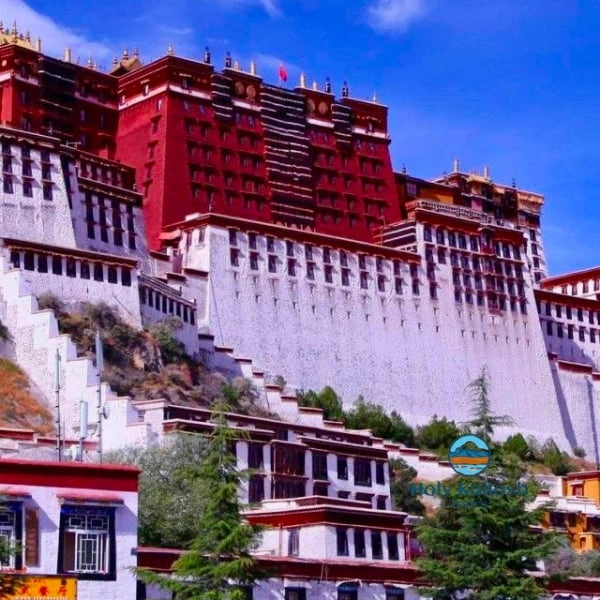
The Lhasa route offers the best acclimatization window of any option, since you're gaining altitude gradually over several cultural stops before reaching Kailash, and it adds genuine sightseeing value that most overland trips from Kerung skip.
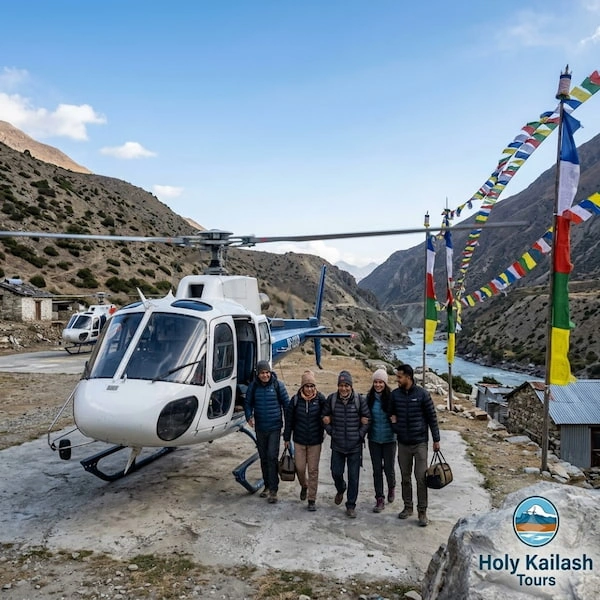
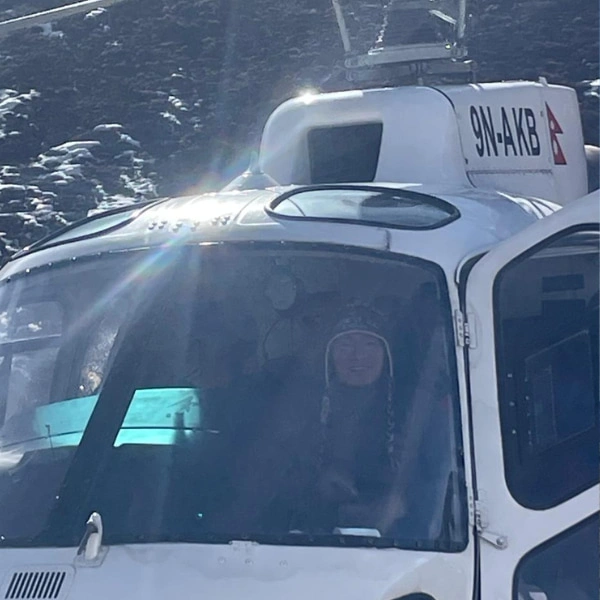
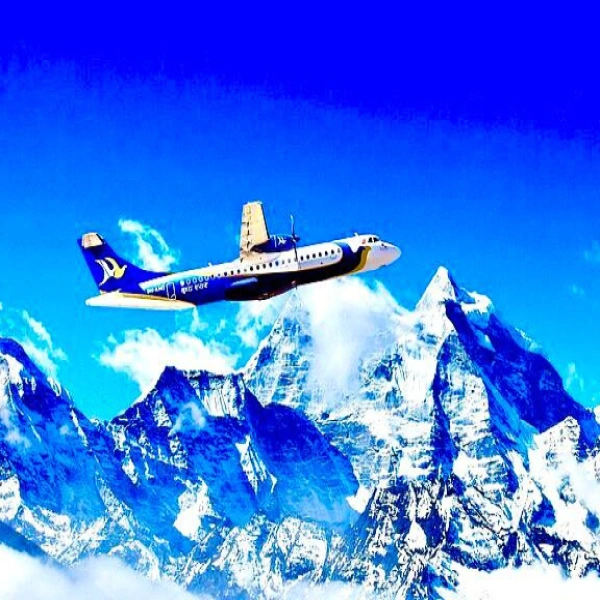
Kailash Yatra By Helicopter access runs through Simikot in far western Nepal or, for foreign pilgrims booking through private operators, from Nepalgunj. Kathmandu-based Simikot helicopter packages run 3,500 to 7,200 USD for a full pilgrimage, including the Kora.
Compressed "darshan" style trips that skip the full circumambulation and focus on viewing the mountain and lake can come in under 4,000 USD. For Indian foreign travelers, Lucknow-based helicopter packages typically range from 3,300 USD to 4,500 USD for an 8- to 11-day trip, with a shorter aerial darshan option sometimes available for around 3,300 to 4,900 USD.
The tradeoff is real: helicopter travel is fast and dramatically reduces the physical toll of the journey, but it's also the most weather-dependent option on this list, and fog or wind can ground flights for days during monsoon season.
A properly quoted Kailash Mansarovar package should include your Chinese group visa, Tibet Travel Permit, and the Alien's Travel Permit needed for the restricted Ngari region, all ground transportation from your starting point through Tibet and back, hotel or guesthouse accommodation for every night of the itinerary, a licensed Tibetan guide, and a basic support crew for the trek portion.
Most packages also include daily meals, though the quality and variety drop noticeably once you're past Saga and into more remote territory. At Holy Kailash Tours, we spell out exactly which nights get hotel rooms and which get guesthouse or tented accommodation, because vague itineraries are where pilgrims get surprised halfway through the trip.
What Is Not Included in the Kailash Mansarovar Tour Cost?
International airfare to Kathmandu or Lhasa is almost never included, and neither is travel insurance, which you need given the altitude involved. Pony and porter service for the Dolma La crossing is an add-on, typically 200 to 300 USD, even though a large share of pilgrims end up using one.
Tips for your guide, driver, and kitchen staff are expected but are rarely included in the quoted price. Personal expenses like snacks, bottled water, laundry, and phone charges add up over two weeks.
A single room supplement applies if you don't want to share, and it isn't small on a route where hotel inventory is limited to begin with. Read your itinerary line by line before you book, because this is exactly where a cheap-looking quote turns into an expensive trip.
The Chinese Group Visa, arranged through your operator via the embassy in Kathmandu Valley, generally costs between 100 and 140 USD, depending on nationality and group size. The Tibet Travel Permit itself is usually bundled into your package cost, but when quoted separately, it runs roughly 50 to 70 USD. On top of that, the Alien's Travel Permit for the Ngari region around Kailash is needed, which typically adds another 15 to 45 USD, plus a smaller Public Security Bureau permit, around 5 to 8 USD.
For pilgrims booking private tours in Nepal, total permit fees (visa plus all Tibet-side permits) usually range from 2,50 to 4,50 USD per person. None of these permits can be applied for on your own.
Chinese regulations require a licensed operator to submit every application on your behalf, which is another reason to book with someone with a track record of approvals rather than rejections.
Ground transport eats a significant share of your total budget, and for good reason. The distance from Kathmandu to Kailash and back covers roughly 1,600 kilometers of mostly high-altitude plateau road, much of it through terrain where a breakdown means a genuine problem, not an inconvenience.
Your package price covers the group vehicle, driver, and fuel for the full route, but private vehicle upgrades or smaller group sizes increase this cost noticeably because fuel and driver fees are split among fewer people.
If you add a helicopter segment anywhere in your itinerary, expect that single leg to represent a large chunk of your total spend, since aviation fuel in this part of the Himalayas has to be trucked or flown in rather than sourced locally.
Meals and lodging are included in your base package, but the standard varies a lot by location. In Kathmandu and Lhasa, you'll typically get 3 to 4-star hotels. Once you're on the plateau in towns like Saga and Darchen, expect basic 2 to 3-star hotels or clean guesthouses rather than anything resembling a resort.
During the Kora itself, accommodation drops to simple guesthouses at Dirapuk and Zutulpuk, both of which have limited bed capacity and fill up fast during peak season. Vegetarian meals are standard and easy to arrange for Hindu pilgrims, but variety thins out the farther you get from Kathmandu.
If you want a private room instead of sharing, budget extra for the single supplement, since Darchen alone has only a few hundred commercial beds to serve every pilgrim on the mountain during peak weeks.
The Kailash season runs roughly from May through October, with the door closed by snow and cold the rest of the year. Prices peak around the Saga Dawa festival in late May or early June, when demand from both international and domestic Tibetan pilgrims spikes hardest, and 2026 makes this especially pronounced as a Horse Year, when a single Kora is believed to carry the merit of thirteen in an ordinary year.
If your priority is saving money rather than hitting a specific festival date, September and early October tend to bring lower prices and thinner crowds, while the weather is still stable enough for safe travel.
Worth flagging for 2026 specifically: several operators report that Chinese authorities have restricted permit issuance for Indian passport holders during the mid-May to mid-June Saga Dawa window this year, a pattern that has recurred in past Horse Years due to capacity limits at Darchen.
If you're an Indian pilgrim planning around this date, confirm directly with your operator before locking in travel plans, since this kind of restriction can shift.
Roughly 70 to 75 percent of pilgrims travel on a fixed-departure group tour, sharing a vehicle with four or five others and following one guide on a set schedule. It's the most affordable way to do this pilgrimage, generally 2,500 to 4,000 USD, and there's real value in the shared experience of strangers becoming travel companions over two demanding weeks.
A private tour costs meaningfully more, often 6,500 to 8,500 USD above the group rate, but it buys you flexibility that matters more than it sounds like on paper. You choose your own pace at Lake Mansarovar instead of a rushed two-hour window; you can rest an extra day if altitude symptoms show up, and if you're traveling with an older parent or anyone who needs a slower trekking pace, a private tour removes the pressure and guilt that comes with holding up a group.
If you're already traveling with four to six people, a private tour can end up close to group pricing per person, which is worth running the numbers on before you decide.
This is where most budget surprises live. High-altitude evacuation insurance runs 200 to 400 USD and isn't optional if you're serious about safety at 5,630 meters. A pony and potters for the Dolma La Pass crossing costs 750 to 800 USD, and while it's technically optional, a large share of pilgrims over 50 end up needing one.
Weather delays are common enough that you should budget for two or three extra hotel nights in Kathmandu or on the plateau, another 500 to 700 USD if your flight or road route gets held up. Tips add up, too, typically 50 to 105 yuan per day for drivers and 60 to 100 yuan per day for guides, shared across the group if you're traveling that way.
None of this is a scam. It's just the real cost of operating a trip through one of the most remote, tightly regulated regions on earth, and any quote that doesn't mention these line items is a quote you should ask more questions about.
How to Choose the Best Kailash Mansarovar Tour Package
Start with the operator's track record on permits before you look at price at all, since a beautifully priced package means nothing if your Tibet Travel Permit gets rejected two weeks before departure.
Ask specifically which nights get hotel rooms versus guesthouses, whether insurance and pony service are included or extra, and how the operator handles medical emergencies at altitude, because that answer tells you more about their experience than any marketing page will.
Compare quotes on total cost, not headline price, since a 1,800 USD quote missing insurance, tips, and a pony often ends up costing more than a transparent 3,200 USD package.
At Holy Kailash Tours, we'd rather quote you a real number up front than win your booking with a low headline price and surprise you in Darchen. Match the route to your body and your calendar, too.
Overland via Kerung suits pilgrims with time to acclimatize gradually, Lhasa suits those who want cultural depth alongside the pilgrimage, and helicopter suits anyone short on time or concerned about the physical demands of multi-day plateau driving.
Final Thoughts on Kailash Mansarovar Tour Cost and Value
There's no single right answer to what the Kailash Mansarovar Yatra costs, because the honest answer depends on your route, your season, and how much comfort you're willing to trade for savings.
What you can control is walking into this with real numbers instead of a brochure figure that ignores insurance, tips, and the pony you'll probably end up needing at Dolma La. Budget 2,500 to 4,500 USD for a solid overland trip from Nepal, more if helicopter travel or a private tour matters to you, and build in a buffer for the parts no operator likes to advertise.
Mount Kailash has been drawing pilgrims across four faiths for longer than any of us can really account for, and in a Horse Year like 2026, that pull is stronger than usual. Spend the time getting your budget right, and the money becomes a footnote to the trip itself rather than a source of stress.
If you want a line-by-line quote for your specific route and dates, that's exactly the kind of planning conversation Holy Kailash Tours has with pilgrims every season.
Written by the Holy Kailash Tours travel desk, Kailash Mansarovar Yatra Cost Details Guide
Email: [email protected]
Author: Ram Sharan Adhikari
WhatsApp: +977-9851254672 — Feel free to reach out anytime for fast, friendly, and personalized assistance.