Article by Holy Kailash Tours the author bio line. 15 years experience guiding Himalayan pilgrimage trips. Verified by Mepal, Senior Kailash Tour Leader 16 years of guiding experience, Feel the divine splendor of Kailash Yatra. Indulge in the spiritual magnificence, culture, and marvels of the Himalayas.
Kailash Mansarovar Overland Route guide is without a doubt one of the most significant and soulful pilgrim trips in the Himalayas. The Kailash Mansarovar Yatra trek takes you from Kathmandu, Nepal through charming Himalayan terrain along Nepal Tibet border to the far western part of Tibet. The stunning journey includes visits to Mount Kailash (6,638 m) and the holy Lake Mansarovar (4,590 m), two highly revered sites, which the Hindu, Buddhist, Jain, and Bon religion pilgrims love to visit. jains believe that Lord Rishabhadeva was born at Kailash and followers of the Bon religion regard it as the spiritual place of origin.
Traveling along the Kailash Mansarovar Tibet mountain range by road unlike helicopter flights, gives space to experience Tibetan culture, life, and tradition plus mountain ranges and villages, For many travellers, this pilgrimage isn't just a vacation; rather it's a Mount Kailash pilgrimage for the devotion of faith, self discipline and meditation.Traveling overland allows you to ascend gradually, giving your body and mind time to acclimatize to the high altitude. Holy Kailash Tours makes travel arrangements transportation accommodation meal permit and local guide service to pilgrims as per their package.
Why Choose the Kailash Mansarovar Yatra Overland Route?
Kailash-yatra-overland-route" and "Darchen Mount Kailash Darchen, Road Head Mount Kailash Tour
Overland tour to Kailash Mansarovar Yatra is an extensively booked trip to Kailash Mansarovar Yatra for pilgrims who wish to explore the spiritual destination of holy Himalaya mountains on road. The route to Kailash Mansarovar Yatra is through the border, which connects Nepal and Tibet at Nepal, Tibet border overland.
Overland tour to Kailash Mansarovar Yatrais an ideal way to experience the magical Himalayas on road and also know, how the altitude and climatic variations at various places on the route to holy Kailash Mansarovar. Overland tour to Kailash Mansarovar Yatra also offers tourists the opportunity to enjoy the natural splendor of Himalaya Mountains as well as to explore the culture of Tibet while enjoying high quality services.
Kathmandu: The Starting Point of the Kailash Pilgrimage
Kathmandu is the major gateway to many Kailash Mansarovar pilgrimage tours leaving from Nepal. It's where most of the pilgrims arrive to check, in at their scheduled group departure. Tourists staying in Kathmandu can avail several services like stay in hotels, eat in few of the best available restaurants, hop on to travel services, and prepare themselves for the high altitude trek.
Many of the pilgrimage routes also stop by the Pashupatinath Temple, one of the prominent Hindu temples of the worship of Lord Shiva, who is considered as the preceptor of Kailash mansarovar. The city is also where travelers get their travel briefings, complete their passport check, permit arrangements, and finalize their trip to Kailash from Kathmandu.
Kathmandu to Syabrubesi and Rasuwagadhi Border
"Pilgrims trekking toward Dolma La Pass during Mount Kailash Kora"
The first road section of the overland tour to Mount Kailash and Lake Mansarovar begins on the first day to the place of departure is Kathmandu and the first stopovers on the route are the border towns of Syabrubesi, Timure, and Rasuwagadhi in the north of Nepal. The route leads through mountain forests, rivers, and green hills as well as mountain villages in the beautiful valleys of Nepal.
The landscape quickly changes once you leave Kathmandu and set out towards the Himalayas to the Himalayan border areas. Given the state of the roads, traffic situation, weather, and your overnight stops, the journey may take several hours. Syabrubesi is also a popular starting point for the Langtang trekking region. From here the main route leads further towards Timure and the Rasuwagadhi Nepal Tibet border. The final approach to the border at Rasuwagadhi is an essential part of the pilgrimage, as the immigration and customs checks there must be completed because of this.
Rasuwagadhi to Kerung: Entering the Tibetan Plateau
The journey continues past the traditional Rasuwagadhi border to cross into Tibet toward Kerung (Gyirong) Tibet a stunning mountain village close to the Nepal China border. This is a great place to introduce yourself to the land, culture, and construction of Tibet. Kerung has been an important stop on the traditional Nepal to Tibet Kailash Mansarovar route as travelers find rest and a little time to acclimatize.
The mountains, high valleys, clean mountain air, and unique Tibetan surroundings will allow you to experience something that will be etched in your memory forever. Some itineraries include an overnight stay in Kerung before the drive to Saga as the body takes time to acclimatize. Follow the tour leaders' instructions and avoid exerting yourself.
Kerung to Saga: Crossing the Vast Tibetan Plateau.
"Pilgrims trekking toward Dolma La Pass during Mount Kailash Kora"
Kerung Saga (Tibet) the drive from Kerung to Saga is one of the most memorable driving sections on the Kailash Mansarovar overland route. As the journey progresses away from the green mountains valleys towards the high plains of Tibet, travelers will be surrounded by snow capped mountain ranges, wide grass plains, scattered villages, rivers, and grazing wild life.
It's inevitable that the landscape begins to change the further travelers ascend in elevation and the landscape becomes increasingly bare and rugged. Saga is an acclimatization and lodging point on the way to Mt. Kailash and travelers will use this stage in their journey because of this. Many itineraries include extra days here for resting and acclimatization.
Saga to Lake Mansarovar: Reaching the Sacred Lake.
The journey from Saga to Lake Mansarovar is the most looked forward to part of the pilgrimage. The terrain becomes more and more isolated once the road makes its way across the Tibetan high plain. You might pass through deep valleys, mountain streams, traditional villages and enjoy spectacular scenery. On a blue sunny day you'll be treated to a breathtaking view of the distant Himalayan peaks.
As you approach the sacred lake the pilgrimage itself takes on a special significance. Lake Mansarovar (4, 590 metres) one of the most sacred lakes of Hinduism and Buddhism is a religiously important pilgrimage destination for thousands of devotees. People can go for holy dips, walk around the lake, read prayers meditate perform puja, spend time in silent reflection and enjoy the meditative surroundings while heeding the rules of the lake and not harming the environment.
Spiritual Importance of Mount Kailash and Lake Mansarovar.
"Pilgrims trekking toward Dolma La Pass during Mount Kailash Kora"
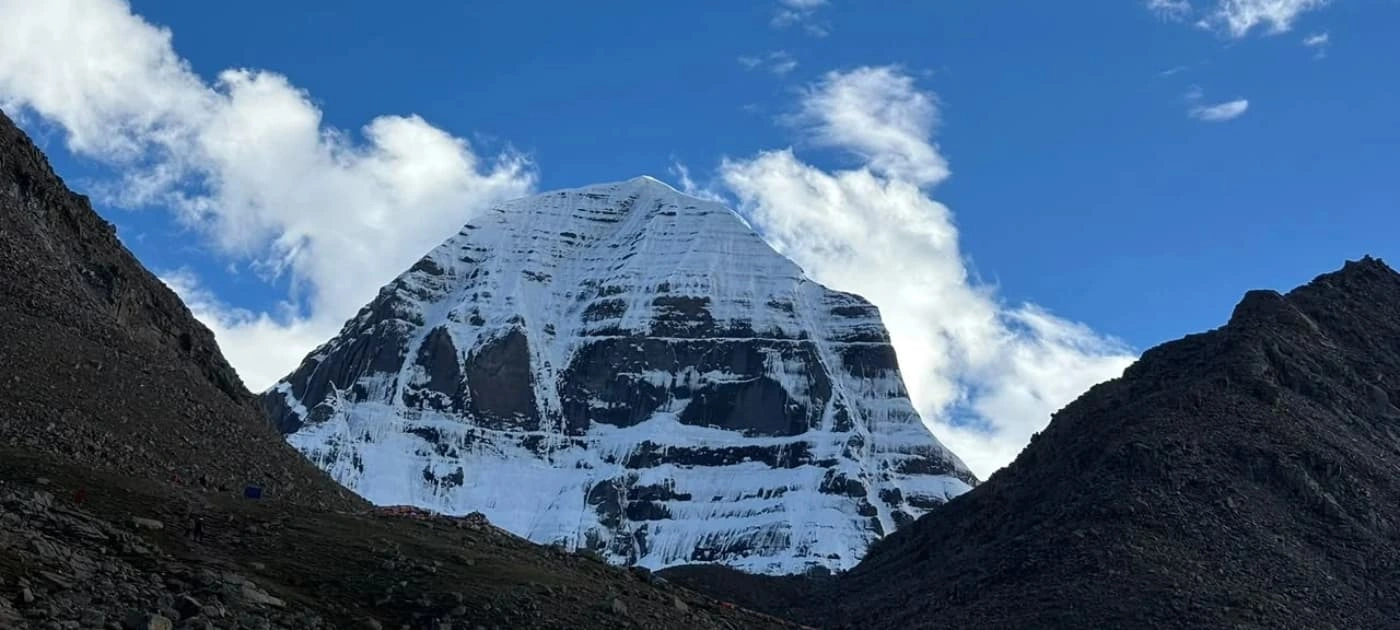
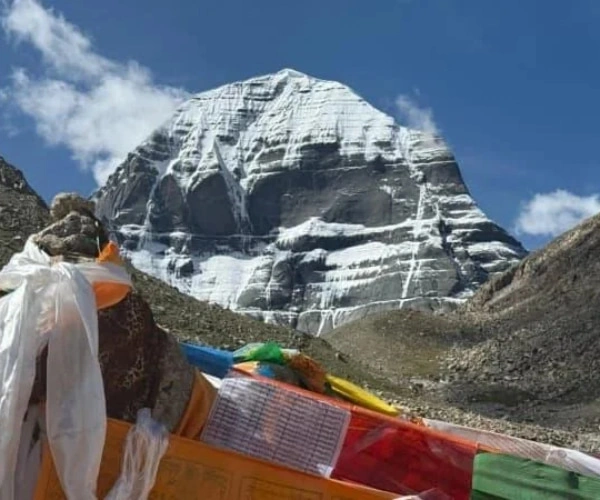
Based on the belief of various religions, Mount Kailash (6, 638 metres) is the home of gods. Hindus believe that their god lord Shiva, and goddess Parvati have occupied the mountain and since then, the place has become sacred to followers of Hinduism. Buddhists associate it with goddess Demchok, who is the deity of bliss. Jains believe that Lord Rishabhadeva was born at Kailash and followers of the Bon religion regard it as the spiritual place of origin.
The nearby Lake Mansarovar is also considered sacred, with associations of purity, devotion, and reflection. With two great religious destinations located in the same region, Mount Kailash and Lake Mansarovar are second to none in the category of Himalayan pilgrimages. People from across the globe and diverse faiths come together to take on this journey; for many, the Kailash expedition is nothing less than a lifelong desire.
Lake Mansarovar to Darchen: The Gateway to Kailash Parikrama.
Darchen Mount Kailash Darchen, Road HeadMount Kailash Tour After reaching Lake Mansarovar, most pilgrims prefer to take a road journey to reach Darchen (4, 670 metres) the starting point of Mount Kailash tour. Darchen is situated near the foothills of Mount Kailash in Tibet. It's the main base for the entire Kailash Manasarovar yatris who wants to begin Mount Kailash parikrama tour.
It's the best place to organize trek kit, sort out day pack and get instructions from Tibetan guide before stepping onto the three days Kailash Parikrama. Pilgrims stay in guesthouses or shared rooms with basic amenities as the Kailash tour package and arrangement.
Mount Kailash Kora: The Three Day Sacred Parikrama.
"Pilgrims trekking toward Dolma La Pass during Mount Kailash Kora"
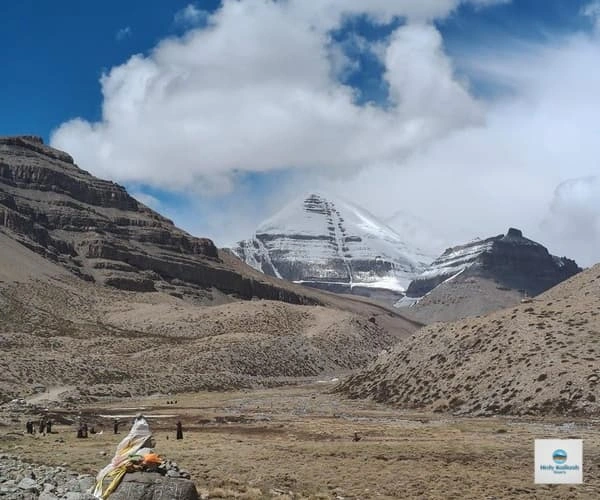
Kailash Parikrama/Kora The Mount Kailash Kora or Kailash Parikrama is one of the key components of the pilgrimage. The conventional outer circuit of about 52 km is achieved in three days. Pilgrims circumambulate the holy mountain in a clockwise direction by traversing valley floors, rocky tracks, and high mountain ridges. It's as much a spiritual and contemplative process as a physical challenge.
Many undertake a kailash kora walk independently with support from their group whereas for some sections the Kailash parikrama journey is complemented by using the legal horse services. Horse services can cover sections of the kailash kora walk, which are with near proximity to available horse services but it doesn't cover the whole route to circumambulate around holy mountain. Proper clothing, good shoes and physical fitness is essential to complete this spiritual journey. Be aware that three day Kailash Parikrama would be a serious challenge versus other sightseeing tours.
First Day of Kailash Parikrama: Darchen to Dirapuk.
The first day of mount Kailash parikrama is customarily started from Darchen, pilgrims reach at Yam Dwar and move onward on foot to Dirapuk Monastery(4900 metre) on foot. Pilgrims take trek through mountain valleys and open areas where pilgrims experience the serenity of the deva world.
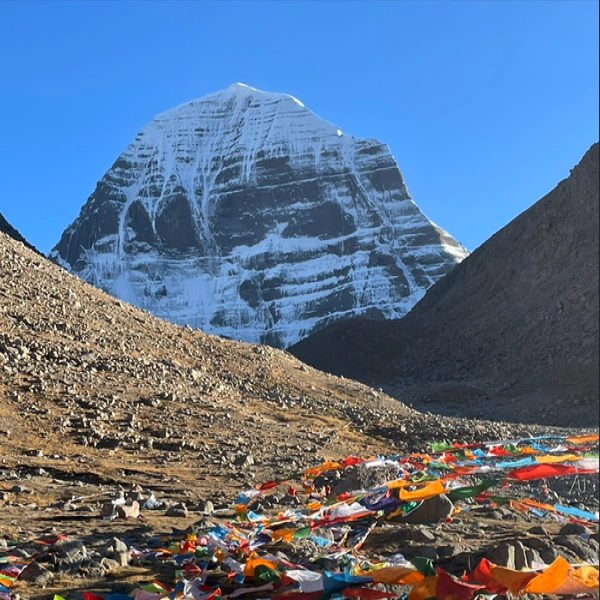
The walk is about 12 kilometres, although the exact distance and starting point depend on local transport logistics, and many find this to be one of the most spiritually fulfilling sections of the entireKailash Mansarovar journey. Views of kailash from Dirapuk were majestic and breathtaking. Pilgrims stay overnight at the guesthouse at Dira Puk, which is very basic in the pilgrim house, and prepare for the second day of Kailash parikrama.
Second Day of Kailash Parikrama: Dirapuk to Zuthulpuk via Dolma La Pass.
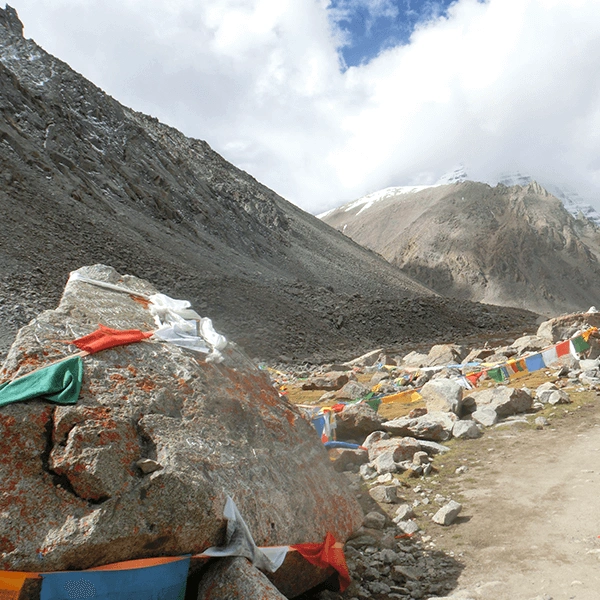
The second day, which is considered the hardest of all the chapters of the Kailash Kora. The path from Dirapuk to Dolma La Pass (around 5, 630 meters) is the last point of the outer circuit, dotted with stone and snow, covered on land, based on the weather. As you go up the mountain, you'll see even the slightest move as it's hard to breathe: it's now much lower the level of oxygen in the air, so expect that even the slowest walking can turn to breathing.
The pass is the spiritual part of the pilgrims' pilgrimage, so they stop and say their prayer. After crossing the Dolma La Pass, the trail goes down to the valley and heading to the Zuthulpuk Monastery. It's a strenuous day so plan to have good stamina, fitness, and take time to check symptoms of altitude sickness.
Third Day of Kailash Parikrama: Zuthulpuk to Darchen.
Day 3, Mount kailash with surround crossing the valley, continue down the last trek back to the road near Darchen. This part of the circuit is normally easier than previous days, yet the higher altitude, the load and much tiredness all make any walk harder.
You'll walk past some truly stunning mountain valleys, giving you plenty of time to contemplate and reflect on the life and soul of the Kailash outer kora. You'll return to Darchen, where you'll be met and picked up by your driver, giving you time to return to base and the kailash believers can reconnect, share, and return.
On completion of the pilgrimage, it's customary for travelers to begin their journey back from Darchen to Saga. The familiar scenery of the Tibetan Plateau as you descend is sure to be a memorable backdrop as you traverse the open valley plains, mountain ranges in the distance and far flung towns and settlements. Given your schedule, travelers may stay in Saga enroute to Kerung or after Kailash Parikrama.
It can be quite tiring for the pilgrims to walk all the way without any breaks from trekking Kailash Parikrama, so it would be great to have good accommodation, food, and proper rest when returning from Kailash trek. The return is typically done with the same mode of transportation as the outward journey, with some potential adjustments due to the border or weather conditions.
Kerung to Kathmandu: Completing the Sacred Himalayan Journey.
"Pilgrims trekking toward Dolma La Pass during Mount Kailash Kora"
As the traditional return route, the travelers depart from Kerung and head towards the Rasuwagadhi border after the completion of the various immigration formalities. Once they cross the border, the voyage continues via Timure and Syabrubesi towards Kathmandu. The journey takes the travelers from the parched region of the Tibetan plateau to the lush green slopes and the river valleys of Nepal.
Arriving in Kathmandu signifies the end of the traditional Kailash Mansarovar overland pilgrimage from Nepal, but many of the travelers prefer to stay an extra night here before heading back to their respective countries by air. This way they can relax and gather their luggage and have their last glimpses of the lively city. Returning back home after a visit to Mount Kailash and Lake Mansarovar gives a heavenly satisfaction and appreciation to the pilgrims.
Complete Kailash Mansarovar Overland Route Map
Kailash Mansarovar road route map from Kathmandu to Kailash is made up of different important stops, in a sequence. It starts from Nepal and enters Tibet through Rasuwagadhi and Kerung border and covers the Tibetan Plateau. The route is from Kerung, Saga, Lake Mansarovar Darchen and the three days kailash parikrama. After attaining the holy pilgrimage, drive back from Saga and Kerung to Kathmandu by road through the same route.
Each stop of the route of kailash mansarovar yatra has different significance, from border entry, exit, height acclimatization, spiritual attainment, mountain biking, and trekking, etc. Out of these importance of stops, the kailash mansarovar yatra route map helps the yatris to know about long drive, overnight stay, walking distance, and other.
How Many Days Are Required for the Kailash Mansarovar Overland Yatra?
The Kailash Mansarovar overland tour from Kathmandu usually takes 14 to 16 days depending upon the route, border arrangements, crossing time, acclimatization schedule, and travel and leisure conditions. A few tour itineraries are short and a few have additional rest days for passengers who take more time for acclimatization. The Kailash Mansarovar tour itinerary generally comprises arrival at Kathmandu, pre, tour preparation, travel to the Nepal Tibet border, overland drive across Tibet, encircling Lake Mansarovar, visiting Lake Mansarovar and Mt. Kailash with three day Mt. Kailash Parikrama (Kora) and return journey to Kathmandu.
Don't select a Kailash Mansarovar tour package based on shortest time as a comprehensive Kailash Mansarovar Yatra itinerary should allow time for rest, border crossing formalities and unforeseen incidents.
When is the Best Time for Kailash Mansarovar Yatra Traditionally, the Yatra season is from May to September, when pilgrims can more easily travel by road and walk in the mountains. During the main Kailash pilgrimage season, pilgrims can enjoy longer hours of daylight and more moderate temperatures in the Kailash range. Journeyed to Kailash in June July August, and September are the most popular months of travel, though weather can change very quickly in the mountains of the Himalayas and the Tibetan Plateau, with snow, strong gusts of wind, rainfall, and disruptions to the road.
The mountain can be very scenic during September, but it can also become much colder as the season deepens. If you want to travel during Kailash Mansarovar Yatra in 2027, check Kailash Mansarovar Yatra official dates, border opening dates, permit process, and departure date.
Current Status of the Kerung Overland Route
"Pilgrims trekking toward Dolma La Pass during Mount Kailash Kora"
The state of the border road would be an important consideration for anyone intending to undertake the Nepal, Kailash Mansarovar overland route. The older Rasuwagadhi and Kerung border was struck by flash floods in the early morning hours of 26 August 2026. Articles that appeared in these months suggested that border infrastructure, bridges, and road connections had sustained heavy damage at the border crossing, which was still closed in November 2026.
That's why, don't expect the Kathmandu to Kerung route to be back to normal during 2027 season. Holy Kailash Tours advises travellers to verify the official border situation, road accessibility, and Tibet travel permissions before they confirm their departure. In case the overland crossing isn't possible, the trip will need to be organized via other means.
Required Documents and Permits for Kailash Mansarovar Yatra.
Travel documents for Kailash Mansarovar Tibet Travel documents for Kailash Mansarovar Tibet travel to reach the Kailash Mansarovar area travel documents are necessary before entering into the Kailash Mansarovar region because the area is in a restricted travel zone. You'll need to have a passport, the proper Chinese visa if required for your nationality and starting point, and Tibet travel documents and permits for the Kailash area. Kailash Mansarovar Tibet travel is usually done with an approved licensed in, route operator.
The specific requirements vary based on passport nationality, your departure route and direction, and government regulations. Indian travelers and people of other nationalities can have different departure procedures. They should be provided with details on document submission, permit fee, processing time, and conditions before confirming the Kailash Mansarovar Yatra package.
Physical Fitness and Altitude Preparation for the Overland Yatra.
A preparation is needed for the Kailash Mansarovar overland journey, as a significant part of it consists of travelling at a height of more than 4, 000 meters. While most of the distance is travelled on wheels, the 3 days Mount Kailash parikrama trek involves walkings at elevation level, in particular crossing the Dolma La pass, sitting at an elevation of about 5, 630 meters.
People should start preparing a few weeks or months before traveling by walking for longer distances, walking up slopes and doing cardiovascular exercises. Being physically fit doesn't mean you can avoid mountain sickness so you need to get used to altitude gradually, and consult your doctor before traveling if you've a health condition. If you notice the symptoms of mountain sickness, inform your guide as soon as possible to minimize serious risk of ill health.
Final Thought: Begin Your Sacred Kailash Mansarovar Pilgrimage
The Kailash Mansarovar Overland Route has historically been the gateway from Kathmandu to one of the most sacred destinations of the Himalayas. Along the mountain roads of Nepal and through the sprawling Tibetan Plateau, pilgrims, and trekkers are presented with a breathtaking mixture of natural spectacle, cultural interactions and spiritual involvement on the road to Lake Mansarovar, reaching Darchen and undertaking the three day Kailash Parikrama.
Whether you get there, reaches Lake Mansarovar and Mount Kailash remains a special event in the pilgrim's life but can only be achieved with the right preparation, perfect acclimatization, valid permits and assured access to the border. Following the 2026 floods, which blocked the traditional cross, border route at Kerung, always remember to check the latest Kailash Mansarovar route status before your travel plans. Holy Kailash Tours is now available to assist pilgrims and trekkers with suitable routes and reliable Kailash travel arrangements.
FAQs About Kailash Mansarovar Overland Route
How long does the Kailash Mansarovar overland journey take?
Normal tour Duration for Mountain Kailash Mansarovar by road from Kathmandu Mountain Kailash Mansarovar overland tour from Kathmandu normally takes 14 16 days from Kathmandu (based on the selected itinerary), crossing border and according to situations like border crossing border, climate, and altitude acclimatization. Mountains of Holy Kailash Mansarovar, Starting from Kathmandu, Traveling from Nepal Tibet border, crossing the Tibetan plateau, visiting lake Mansarovar and doing the Mount Kailash 3 day Parikrama. Based on roads, road conditions and border crossing border, you might need an extra day reaching border if some unexpected happened so ensure your travel itinerary has enough time to resting and adjusting to high altitude. Kailash Holy Tours can advise you the travel schedule and departure dates if route and border crossing arrangements are confirmed.
Getting to Mt. Kailash from Kathmandu?
Overland Mount Kailash road trip traditional route via Syabrubesi Timure Rasuwagadhi Kerung Saga, Lake Mansarovar, Darchen Starting from Darchen, Mount Kailash Kora takes 3 days, and sees trekkers head back to Kathmandu from the Tibetan Plateau. The route is very attractive for many trekkers as it offers stunning mountain vistas and an insight into Tibetan culture. From floods of August 2026 the crossing at Rasuwagadhi and Kerung hasn't been in operation so travelers should check its status before planning their journey.
Is the Kailash Mansarovar overland journey difficult?
Physical Dimension of Overland Kailash Mansarovar Pilgrimage The trip The physical challenge of the overland kailash mansarovar pilgrimage is altitude; road lengths and the three mountain treks. While for most the trip, the pilgrims are resting in the vehicle, the kailash parikrama takes walking at over 4, 500 metres above sea level. The crossing of Dolma La Pass is the most challenging part of the walk. Physical fitness, health advice, clothing, and high altitude acclimation are crucial.
What's the highest point on the Kailash Mansarovar Yatra?
Dolma La the highest elevation of the traditional Mt. Kailash Parikrama is Dolma La Pass, at 5, 630 meters. It's ascended on the second day of the outer Kora on the walk from Dirapuk to Zuthulpuk. Due to the elevation and fragile weather, hiking up the pass plus the thinning oxygen levels can be very demanding walk cautiously, walk slowly, head in the direction of your guide, and don't rush towards the summit.
Can foreigners join the Kailash Mansarovar overland tour from Nepal?
Can I apply for Kailash Mansarovar organized tour from Nepal? Foreigners nationalities will be eligible for Kailash Mansarovar organized tour from Nepal as visa related requirements from the Nepalese government, Tibet travel permit, and other policies. Indians, NRs, and other foreign nationals will be eligible for the Nepal to Tibet Kailash Mansarovar Tour based on their citizenship, and Nepalese government policies with Tibetan travel permit and valid passport with visa.
What are the things I need to take for a Kailash Mansarovar overland journey?
What to pack warm cloths, trekking shoes thermals Wind Proof jacket & Pant Glove sun glasses and sun screen, personal medicine, small bag, day pack, water bottle toiletries hats and sun protection, socks. On high altitude on Tibetan plateau the temperature can change quickly, in particular in the mornings and evenings. Mostly for walk around kailash parikrama, you can pack less weighted clothing that can be added on other clothes. The trip operator will provide you the kailash mansarovar pack list before you join kailash tour.
How can I book the Kailash Mansarovar overland tour for 2027?
You can inform Holy Kailash Tours Kathmandu when you would like to depart, your passport nationality, size of your party and your hotel accommodation needs to let us know if you'll need the pilgrimage information, packaging prices, inclusion, and document arrangement. Arrivals in 2027 that to be verified the status of Kerung pass road and border re, openining before beginning. Get a written itinerary and quotation before you pay for full tour to avoid cost.