Ask ten trekking guides for the best time to trek Everest Base Camp, and nine will say spring or autumn without thinking twice. The tenth will ask you a few questions first, because the honest answer depends on what you're actually chasing: clear summit views, quiet trails, warmer days, or the lowest price on the trek.
After years of guiding trekkers through the Khumbu at Holy Kailash Tours, we've learned the calendar matters less than most blogs make it sound, and more than the ones that say "anytime is a good time." Here's what actually happens on the trail, month by month, so you can pick a window that fits the trip you want, not the one a generic packing list assumes you want.
Why Timing Matters More Than People Think
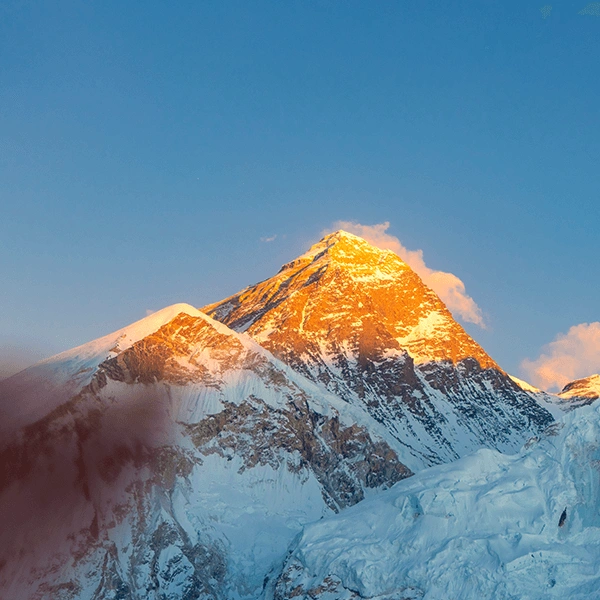
Everest Base Camp
Most people assume timing is only about rain versus sunshine. It's not. The month you pick affects five separate things at once, and they don't all move together.
Whether your Lukla flight actually takes off on schedule
How cold does it get at Gorak Shep and Base Camp once the sun drops
Whether you can get a room in Dingboche without booking weeks ahead
Whether the mountains are even visible when you reach Kala Patthar
Whether Base Camp itself is a quiet patch of rock or a small city of expedition tents
Get the timing wrong, and you can do everything else right and still go home disappointed. Nail it, though, and an ordinary morning at Everest Base Camp turns into the photo you're still showing people ten years later.
Best Seasons for the Everest Base Camp Trek
EBC Trek
Nepal's trekking calendar breaks into four real windows, not two.
Spring (March to May): Warming temperatures, blooming rhododendrons, and overlap with the Everest climbing season
Autumn (September to November): The most stable weather of the year and the clearest mountain views
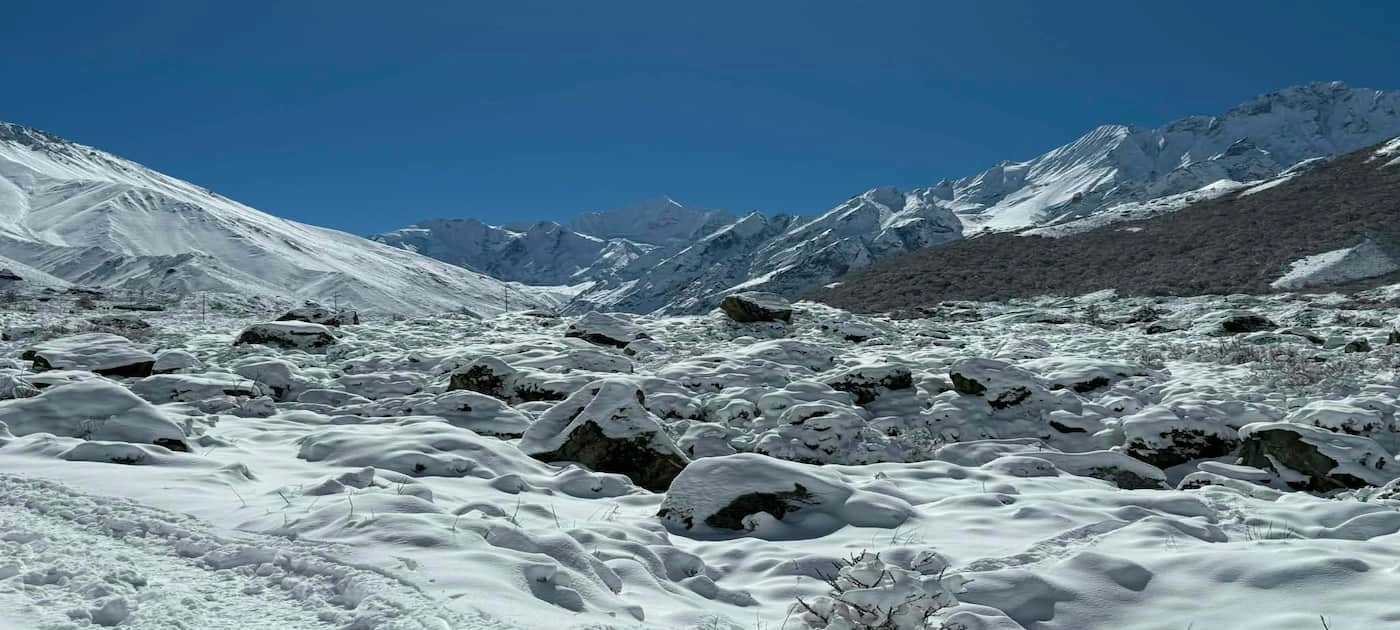
Winter (December to February): Brutally cold at altitude, but empty trails and the sharpest skies
Monsoon (June to August): Wet, humid, and the one season most agencies will actively try to talk you out of
Spring and autumn get the marketing budget. Winter and monsoon get ignored more often than they deserve.
Spring Weather at Everest Base Camp
March starts cold and finishes warm. Early in the month, Gorak Shep still feels like winter, with daytime highs around -5 to 2°C and nights dropping to-10°C. By late March, the trail is shifting into true spring, and the lower villages start to color up with rhododendron blooms between Namche and Tengboche.
April is the sweet spot of the season. Namche sees daytime highs around 10 to 15°C, while up at Gorak Shep you're looking at daytime temperatures near freezing and nights around minus 4 to minus 8°C. Skies are mostly clear through the month, which is exactly why April is also one of the two busiest months on the entire trail.
May softens things further at lower elevation but starts to work against you higher up. A pre-monsoon heat haze builds through the month, especially after the 20th, and it can flatten out those crisp long-range mountain views you came for. Late May is also when Lukla flights start getting less reliable, as the monsoon begins to build from the south.
If you're chasing warm days, flowering trails, and don't mind sharing the path with a lot of other trekkers, spring earns its reputation.
Autumn Trekking Conditions
Autumn is the season most experienced Khumbu guides will point to first, and there's a real reason for that beyond habit. The monsoon clears by mid-September, washing dust and haze from the air, and what's left through October and into November is some of the clearest, most stable weather the Himalayas offer all year.
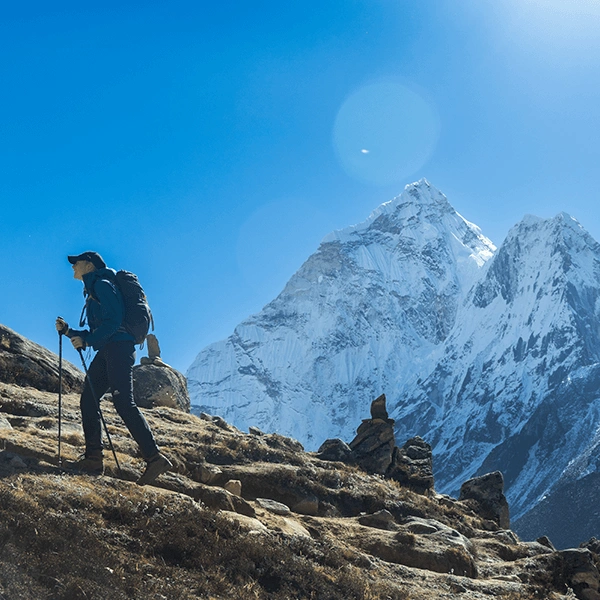
October daytime temperatures at Gorak Shep average around 5 to 6°C, with nights dropping to roughly minus 9 to minus 10°C. Lower down at Namche, you're still in short-sleeve territory during the day. Rain becomes rare, humidity drops, and the mountain views from Kala Patthar and Everest Base Camp itself are, on a good morning, about as sharp as they get.
November cools things down further and starts to edge toward winter, with colder nights and a rising risk of fog delaying Lukla flights, especially heading into December. But early and mid-November still deliver excellent trekking conditions with noticeably thinner crowds than October.
If we had to pick one word for autumn, it's reliable. It won't be the cheapest or the quietest month, but it's the one where the fewest things go wrong.
Everest Base Camp Trek in Winter
Winter is not for everyone, and we say that to every client who asks about it, not to talk them out of it, but so they book it with open eyes.
December through February brings serious cold at altitude. At Gorak Shep and Base Camp, daytime temperatures often sit between minus 10 and 0°C, and nights can fall to minus 20°C or colder depending on the month and how clear the sky is. Many teahouses above Namche close for the season entirely, and the ones that stay open run a limited menu with minimal heating beyond a single yak dung stove in the dining room.
What you get in exchange is real solitude. Trail traffic drops to a trickle, the sky is usually dead clear because cold air holds almost no moisture, and Kala Patthar sunrise views in January can be sharper than anything you'll see in an autumn haze. It's a completely different trek, better suited to experienced cold-weather hikers with the right gear than to a first-time trekker looking for a comfortable introduction.
Monsoon Season Challenges
June through August is monsoon, and this is the one window where we're straightforward with clients: most people should not book this trek in peak monsoon.
Rain hits lower elevations hard, turning the trail from Lukla to Namche muddy and slick, and bringing out leeches in the forested sections. Higher up, that same moisture can fall as wet snow, and cloud cover regularly blocks the mountain views that are half the reason people make this trip.
Landslide risk rises on the exposed sections of trail near the Dudh Koshi river, and Lukla flights become the least reliable of the entire year, with cancellations common through July in particular.
Early June and late August, right at the edges of the season, are more forgiving than the deep monsoon months. If your schedule only allows a summer trip, we can build around it. But we won't pretend monsoon Everest Base Camp trekking is a hidden gem. It's a tough trade to make, and most people are happier picking a different month.
Here's the quick-reference version, using approximate daytime and nighttime figures at Gorak Shep and Base Camp altitude.
Mounth
Daytime
Nighttime
Trail Notes
December
-7°C
-6°C
Cold, stable, quiet, some lodges closed
January
-5 to 0°C
Down to -20°C or colder
Coldest month, clearest skies, minimal crowds
February
-0°C
-15 to -20°C
Still winter, first spring trekkers arrive late in the month
March
-5 to 2°C, warming
-10 to -5°C
Transition month, rhododendrons start lower down
April
-2 to 5°C
-4 to -8°CPeak
spring, clear skies, busy trail
May
Mild, hazier
-5 to -10°C
Pre-monsoon haze builds, flights get riskier late month
June
Warmer, wetter
Above freezing
Monsoon begins, lush but cloudy
July
Warm, humid
Above freezing
Peak monsoon, heaviest rain, poor visibility
August
Warm, humid
Above freezing
Monsoon continues, quieter trails
September
Cooling, clearing
Near freezing
Monsoon tapers off, early autumn arrivals
October
-5 to 6°C
-9 to -10°CPeak
autumn, the clearest views, the busiest month
November
-2 to 4°C
-10 to -15°C
Excellent conditions, fog risk for flights rises
These are averages built from multiple seasons and sources, not a guarantee for any single day. Mountain weather in the Khumbu can shift in hours, and any trekker who tells you otherwise hasn't spent enough time up there.
Season aside, altitude does more to the thermometer than the calendar does. Here's roughly what you can expect at each stop along the trail during the main trekking months, spring and autumn:
Namche Bazaar (3,440m): 10 to 15°C in the day, minus 5 to 0°C at night
Tengboche (3,867m): 5 to 10°C in the day, minus 5 to minus 10°C at night
Dingboche (4,410m): 0 to 10°C in the day, minus 10 to minus 15°C at night
Lobuche and Gorak Shep (4,940 to 5,170m): minus 5 to 5°C in the day, minus 15 to minus 20°C at night
Everest Base Camp (5,364m): 0 to minus 10°C in the day, minus 15 to minus 25°C or colder at night
As a rough rule, you lose about 6.5°C for every 1,000 meters you climb. That means the base layer that felt like overkill in Namche is often exactly right by the time you're standing at Gorak Shep at 6 am waiting for the sun to clear the ridge.
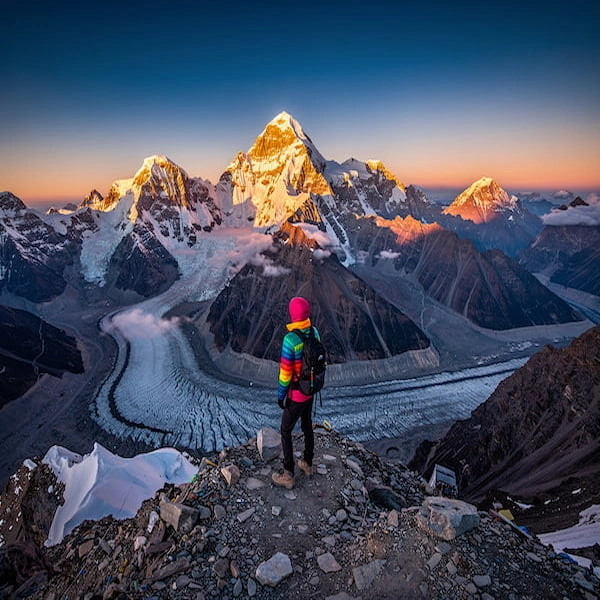
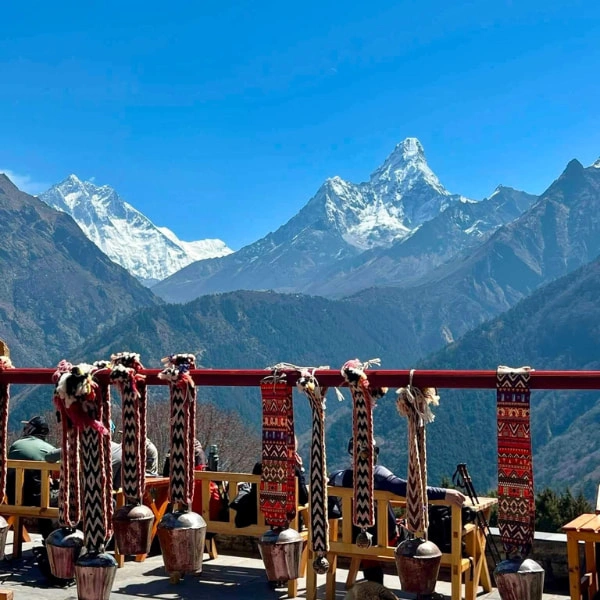
Temperature gets all the attention, but visibility is what actually makes or breaks the trip for most trekkers. You're not walking for three weeks because of the cold. You're walking it for the view from Kala Patthar.
Autumn, especially October and early November, delivers the clearest air of the year. The monsoon washes dust out of the atmosphere, and what follows is close to ideal visibility, day after day.
Winter runs a close second, sometimes even sharper on the coldest, driest days, since cold air holds almost no moisture. Spring is good but softer, especially by late April and into May, when a building pre-monsoon haze can dull the long-range views even on a technically clear day.
Monsoon is the clear loser here. Clouds build most afternoons and often sit in the valleys through the morning too, and a multi-week monsoon trek can end without a single clean view of Everest itself.
If mountain photography is the whole point of your trip, weigh your decision toward October or a clear January window over April or May.
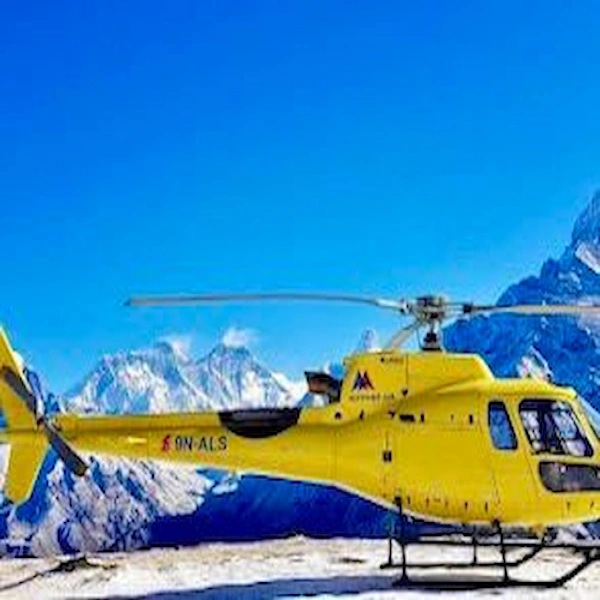
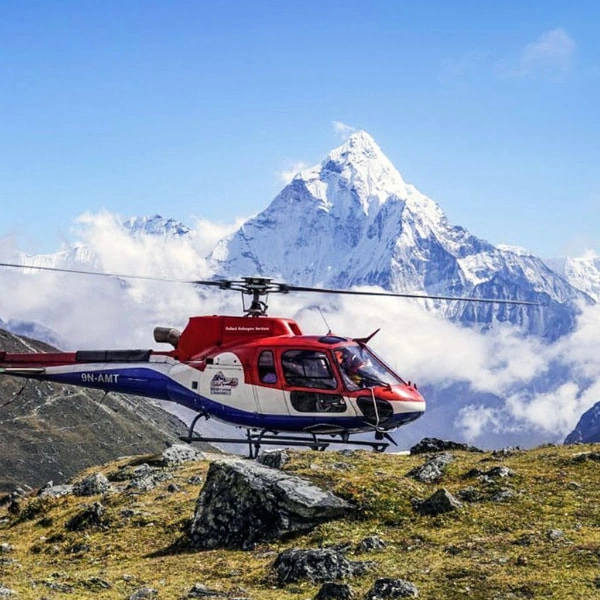
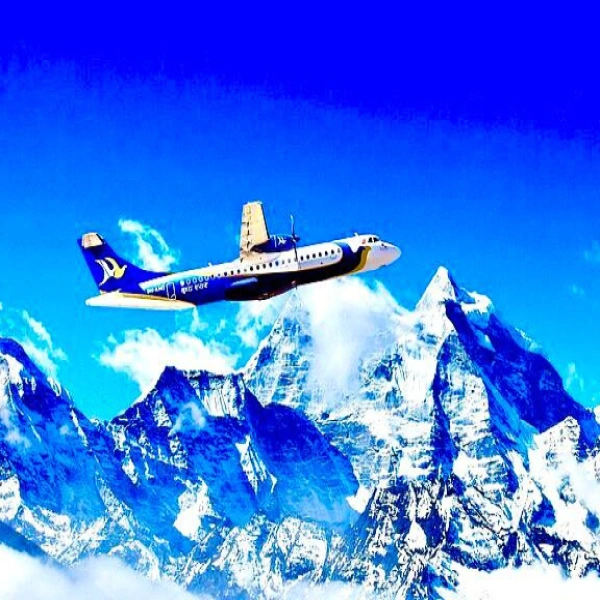
Every Everest Base Camp trek starts and ends with a flight into one of the more demanding runways in commercial aviation. Tenzing-Hillary Airport sits on a sloped 527-meter strip with a cliff at one end and a mountain wall at the other. Pilots fly entirely on visual rules, so if they can't see the runway clearly, the flight doesn't happen. That single fact drives everything else in this section.
Fog is the biggest disruptor from November through January, building overnight in the valley and usually burning off by mid-morning, though not always in time for the early flight slots.
Spring brings a different problem: low cloud and rain that arrive earlier in the day than forecast, creating backlogs that can take two days to clear. Late May and early September, right at the edges of monsoon, are particularly unreliable as the weather pattern flips.
Reported cancellation rates vary a fair amount depending on the source and how they define a delay versus a full cancellation, anywhere from roughly one in ten flights on a good peak-season day up to three or four in ten during a rough stretch of October or November, and considerably higher through the deep monsoon months.
What's consistent across every source we've checked is the advice: build in one to two buffer days in Kathmandu, and ask your agency about flying via Manthali Airport in Ramechhap instead of Kathmandu during peak season, since it skips the Kathmandu valley fog that causes a large share of the delays.
We build buffer days into every Holy Kailash Tours itinerary during peak season for exactly this reason. It's the least exciting part of trip planning and one of the most important.
Here's something a lot of first-time trekkers don't realize until they're standing at Base Camp in April: peak trekking season and peak climbing season overlap, but they're not the same thing.
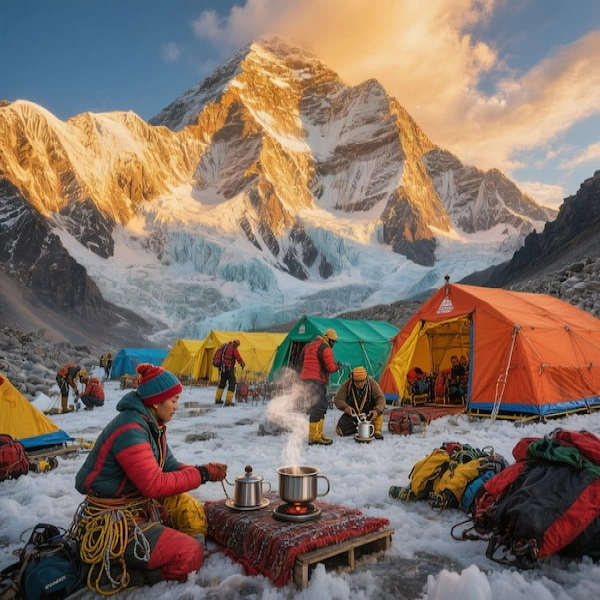
April and May are when Everest expedition teams occupy Base Camp for their summit attempts, which turns the site into something closer to a small, temporary city, rows of expedition tents, prayer flags, satellite dishes, and dozens of climbing teams from around the world going through their acclimatization rotations.
As a trekker, you'll walk right up to the edge of that world without being part of it. It's fascinating to watch, and a lot of visitors specifically time their trip for it.
Autumn's Base Camp is a different scene entirely. Fewer expeditions attempt post-monsoon climbs, so the site is quieter and more contemplative, just the glacier, the icefall, and the mountain. Neither version is more "real." They're just different trips wearing the same name.
Popularity has a cost, and in the Khumbu, that cost is trail traffic and teahouse availability. October in particular has become so busy in recent years that some teahouses along the route fill, and on the worst nights, latecomers have ended up sleeping in the dining hall in their own sleeping bags because every room was taken.
April runs a close second, driven by the overlap with expedition season and generally excellent weather. Namche, Tengboche, and Dingboche are the main pinch points, since almost every itinerary funnels through them for acclimatization.
If you're trekking independently during peak weeks, book ahead wherever you can. If you're trekking with an agency, this is one of the clearest reasons to use one, since advance lodge bookings are the difference between a good night's sleep and a spot on someone's dining room floor.
Winter and monsoon get dismissed too quickly by a lot of guides, and we think that's a mistake for the right kind of traveler.
Solitude: Trails that are shoulder to shoulder in October can feel nearly empty in January or July
Photography: Winter's dry air often produces some of the clearest, sharpest mountain shots of the entire year
Pricing: Flights, lodges, and permits all get easier to negotiate outside peak weeks
Personal attention: Guides and porters aren't splitting focus across a packed group schedule
The trade-offs are real, too. Winter means serious cold and some closed teahouses above Namche. Monsoon means rain, leeches, and the least reliable Lukla flights of the year. Off-season isn't a shortcut around the hard parts of this trek; it's a different set of hard parts in exchange for a quieter trail.
If your priority is dodging the worst of the foot traffic without stepping into the toughest weather, aim for the edges of the main seasons rather than the middle of them.
Early March, before the spring rush fully arrives, but after the harshest winter cold breaks
Early June, right as the monsoon starts, but before the heaviest rain sets in
September, once the monsoon clears, but before the October peak
Late November, after most autumn trekkers have gone home, but before winter cold sets in fully
None of these are secret. Guides talk about them constantly. They're just less convenient on paper, which is exactly why they stay quieter in practice.
Choosing the Right Season Based on Your Experience
Not every trekker wants the same thing, so we don't recommend the same month to every client.
First-time trekkers tend to do best in early-to-mid October or April, when weather is stable, and support infrastructure (teahouses, guides, rescue options) is at full capacity
Experienced cold-weather hikers who want solitude and don't mind serious cold should look at January
Photographers chasing sharp long-range views should prioritize late October, early November, or a clear winter window over spring
Budget-conscious travelers with flexible dates will find the best prices in winter or shoulder monsoon weeks
Climbing enthusiasts who want to see expedition life up close should target April or early May
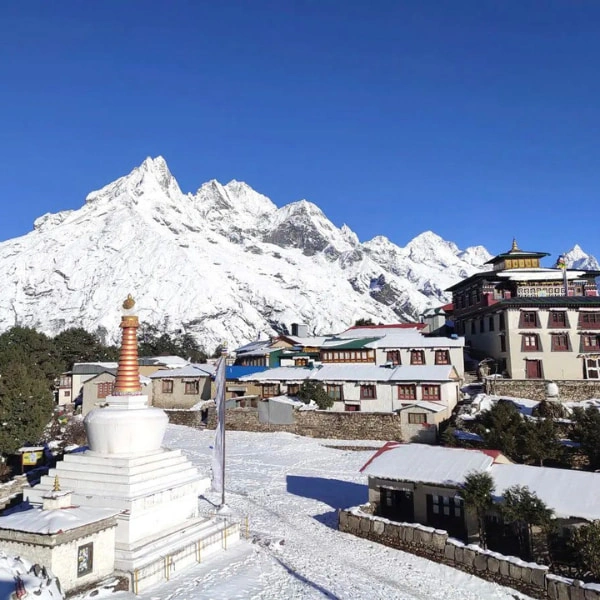
Tengboche Monastery, which sits directly on the main trail about five days out from Lukla, hosts Mani Rimdu, the biggest Sherpa festival of the year and one of the most striking Buddhist celebrations anywhere in the Himalayas. The full ritual runs nineteen days, but only the final three, filled with masked Chham dances and fire rituals in the monastery courtyard, are open to the public.
The exact public dates shift every year because the festival follows the Tibetan lunar calendar, and honestly, sources publishing 2026 dates right now don't fully agree with each other yet; some point to late October, others to mid-November.
If timing your trek around Mani Rimdu matters to you, treat any date you see online as provisional and confirm through your agency closer to departure, since the monastery itself sets the final schedule.
Beyond Mani Rimdu, the Khumbu carries a quieter rhythm of smaller Sherpa community festivals throughout the year. Ask your guide what's happening locally when you book. Most of these never make it onto a blog calendar, but they're often the most memorable part of a trip for travelers who happen to be in the right village on the right day.
The core kit barely changes. What changes is how much of it you need and how seriously you need to take the cold-weather layers.
Spring: Lightweight base layers, a mid-weight down jacket, sun protection for intense UV at altitude, and a warm layer for chilly mornings at Dingboche and above
Autumn: Similar to spring, but pack for colder nights above Dingboche, especially into November
Winter: A sleeping bag rated to at least minus 20°C, a heavyweight down jacket, insulated boots, and serious hand and foot protection, since teahouse heating above Namche is minimal to nonexistent
Monsoon: A proper waterproof shell over breathable layers, gaiters, and treated boots for leech protection on the lower trail, and a dry bag for electronics
Whatever the season, layering beats bulk. You'll be shedding and adding clothes multiple times a day as you move between sun and shade, exertion and rest stops.
Every season carries its own version of risk, and none of them should be a surprise on trek day.
Frostbite and cold injury, primarily a winter risk above Dingboche, where exposed skin and inadequate gloves or boots can cause serious harm quickly
Altitude sickness, present in every season and driven by elevation gain and pace rather than weather, is why acclimatization days matter regardless of when you go
Landslide and river crossing risk is highest during the monsoon on the lower sections of the trail near the Dudh Koshi
Sudden storms, most common in the pre-monsoon weeks of late May and early June, are capable of turning a clear morning into a whiteout within hours
Dehydration, easy to underestimate in the dry winter and autumn air, where you don't feel as thirsty despite losing moisture quickly at altitude
None of this is meant to scare anyone off. It's here so that whichever month you pick, you know what you're actually walking into.
Best Time for a Comfortable Everest Base Camp Experience
If comfort, in the broadest sense, is the priority, meaning manageable cold, reliable flights, open teahouses, and dependable mountain views, then early-to-mid October or the first three weeks of April are the strongest picks.
Both windows deliver stable weather, full trail infrastructure, and the visibility that makes the final push to Kala Patthar worth every cold morning. You'll share the trail with plenty of other trekkers, but for most first-time visitors, that trade-off is worth it for the reliability you get in return.
Our Recommendation Based on Years Guiding This Trek
If a client asks us for one straight answer, it's this: the first two weeks of October, or the back half of April if their schedule doesn't allow autumn.
October gives you the clearest post-monsoon skies of the year, stable flights before the November fog risk builds, and warm enough days at lower elevation that the cold higher up feels earned rather than punishing.
Late April runs it close, with the bonus of watching Base Camp function as a working expedition site during summit season, something that surprises people who didn't expect Base Camp itself to feel alive with activity.
We steer more cautious clients away from peak monsoon and deep winter unless they specifically ask for one of those experiences with full knowledge of the trade-offs. Everyone at Holy Kailash Tours has watched enough treks go sideways from a preventable timing mistake to know that the "best" season really is the boring, popular answer most of the time. The interesting exceptions exist, but they stay exceptions for a reason.
Final Thoughts on Choosing the Best Trekking Season
There's no single correct month for the Everest Base Camp trek, only the right month for what you're trying to get out of it. Autumn rewards reliability. Spring rewards warmth and expedition energy.
Winter rewards solitude and sharp skies for those tough enough to earn them. Monsoon asks a lot and gives less, though it's not without its own quiet appeal for the right traveler.
Pick based on what you actually want from the three weeks you're about to spend walking toward the base of the world's highest mountain, not based on which season had the prettiest photo on someone else's blog.
October generally wins on visibility and flight reliability, with clearer post-monsoon skies and fewer weather-related delays. April runs a close second and adds the bonus of overlapping with Everest's spring climbing season, so Base Camp itself is active with expedition teams.
Can you trek to Everest Base Camp in winter?
Yes, and some experienced trekkers prefer it for the solitude and exceptionally clear skies. Expect serious cold above Dingboche, some closed teahouses, and the need for a sleeping bag and down jacket rated for well below freezing.
How cold is Everest Base Camp in December?
Daytime temperatures at Base Camp and Gorak Shep typically run around 0 to 7°C, dropping to roughly minus 6°C or colder overnight. Clear, stable weather is common, but nights are genuinely harsh without proper gear.
Is the EBC trek crowded in autumn?
Yes, particularly in October, which is the single busiest month on the trail. Teahouses in Namche, Tengboche, and Dingboche can fill during peak weeks, so booking matters.
What's the best month for clear views at Everest Base Camp?
October and early November typically offer the sharpest, haze-free mountain views of the year, with a clear winter window running a close second. Late spring, especially May, tends to bring more atmospheric haze that softens long-range visibility.
Email: [email protected]
Author: Ram Sharan Adhikari
WhatsApp: +977-9851254672 — Feel free to reach out anytime for fast, friendly, and personalized assistance.