Annapurna Base Camp Trek Itinerary Overview
The standard Annapurna Base Camp trek itinerary runs 10 to 12 days, including arrival and departure days in Kathmandu and Pokhara. The trekking itself, from trailhead to base camp and back, takes about 7 to 8 days on foot.
Here's the shape of it:
- Kathmandu to Pokhara (by road or short flight)
- Pokhara to the trailhead at Nayapul
- A gradual ascent through Ghandruk, Chhomrong, and the Modi Khola valley
- Base camp, then a faster descent back to Jhinu Danda
- Pokhara, then back to Kathmandu
No technical climbing gear is needed. No permits for restricted areas. It's a trek that rewards steady walking more than raw fitness.
Annapurna Base Camp Trek Route Itineraries
Annapurna Base Camp Trek 7 Days Itinerary
Day 1: Pokhara to Jhinu Danda, Trek to Chhomrong
Day 2: Chhomrong to Dovan
Day 3: Dovan to Deurali
Day 4: Deurali to Annapurna Base Camp via Machhapuchhre Base Camp
Day 5: Annapurna Base Camp to Bamboo
Day 6: Bamboo to Jhinu Danda, Drive to Pokhara
Day 7: Departure from Pokhara
Annapurna Base Camp Trek 8 Days Itinerary
Day 1: Pokhara to Siwai, Trek to Chhomrong
Day 2: Chhomrong to Dovan
Day 3: Dovan to Deurali
Day 4: Deurali to Annapurna Base Camp via Machhapuchhre Base Camp
Day 5: Annapurna Base Camp to Bamboo
Day 6: Bamboo to Jhinu Danda
Day 7: Jhinu Danda to Siwai, Drive to Pokhara
Day 8: Departure from Pokhara
Annapurna Base Camp Trek 9 Days Itinerary
Day 1: Kathmandu to Pokhara
Day 2: Pokhara to Siwai, Trek to Chhomrong
Day 3: Chhomrong to Dovan
Day 4: Dovan to Deurali
Day 5: Deurali to Annapurna Base Camp via Machhapuchhre Base Camp
Day 6: Annapurna Base Camp to Bamboo
Day 7: Bamboo to Jhinu Danda
Day 8: Jhinu Danda to Siwai, Drive to Pokhara
Day 9: Pokhara to Kathmandu
Annapurna Base Camp Trek 10 Days Itinerary
Day 1: Arrival in Kathmandu
Day 2: Kathmandu to Pokhara
Day 3: Pokhara to Siwai, Trek to Chhomrong
Day 4: Chhomrong to Dovan
Day 5: Dovan to Deurali
Day 6: Deurali to Annapurna Base Camp via Machhapuchhre Base Camp
Day 7: Annapurna Base Camp to Bamboo
Day 8: Bamboo to Jhinu Danda
Day 9: Jhinu Danda to Siwai, Drive to Pokhara
Day 10: Pokhara to Kathmandu
Annapurna Base Camp Trek 11 Days Itinerary
Day 1: Arrival in Kathmandu
Day 2: Kathmandu to Pokhara
Day 3: Pokhara to Siwai, Trek to Chhomrong
Day 4: Chhomrong to Dovan
Day 5: Dovan to Deurali
Day 6: Deurali to Annapurna Base Camp via Machhapuchhre Base Camp
Day 7: Explore Annapurna Base Camp, Trek to Bamboo
Day 8: Bamboo to Jhinu Danda
Day 9: Jhinu Danda to Siwai, Drive to Pokhara
Day 10: Pokhara Sightseeing or Leisure Day
Day 11: Pokhara to Kathmandu
Why Choose the Annapurna Base Camp Trek?
People choose the ABC trek over other Himalayan treks for a few practical reasons.
- Lower altitude risk. At 4,130 meters, the highest point is well below Everest Base Camp (5,364m) or the Kailash Kora routes, so altitude sickness is less of a constant worry.
- Shorter trek duration. You can complete this trek in under two weeks, including travel days.
- Year-round access. Outside of the peak monsoon, the trail stays open longer than higher routes.
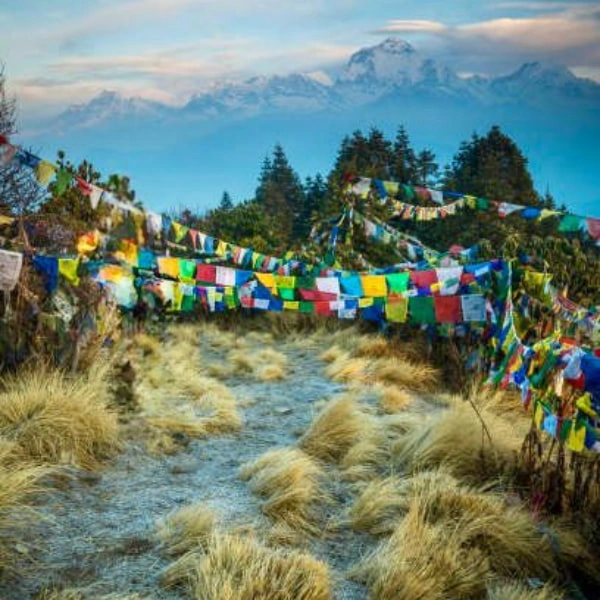
- Cultural variety. You pass through Gurung and Magar villages, not just one ethnic region, so the architecture, food, and even the prayer flags shift as you climb.
- The amphitheatre view. Few places in Nepal let you stand inside a ring of 7,000- and 8,000-meter peaks. ABC is one of them.
It's a trek that suits first-time Himalayan trekkers and seasoned hikers alike, which is part of why it stays one of the most booked routes in Nepal year after year.
Annapurna Base Camp Trek Route at a Glance
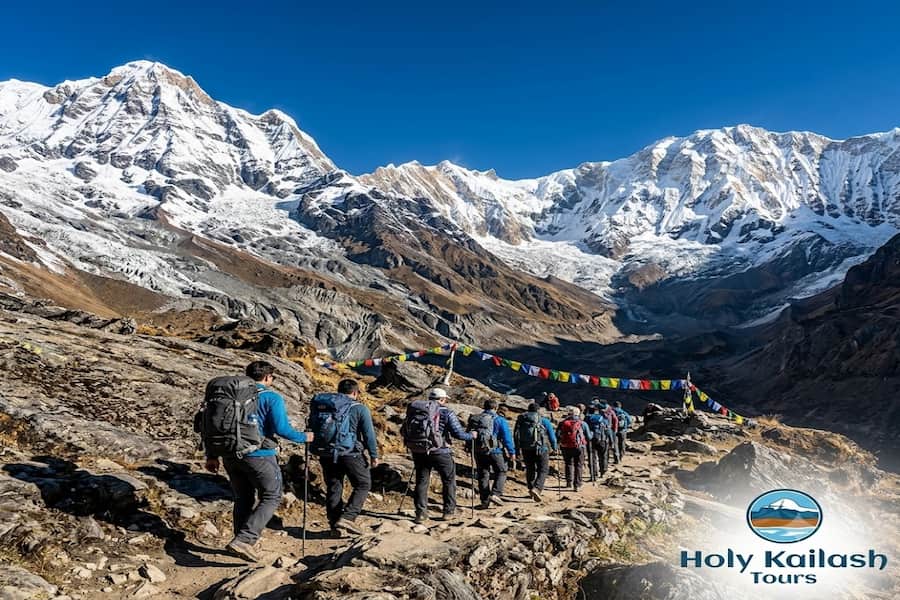
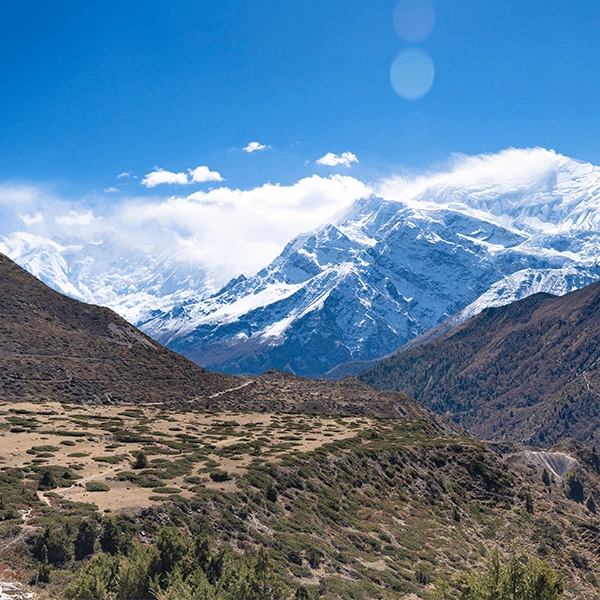
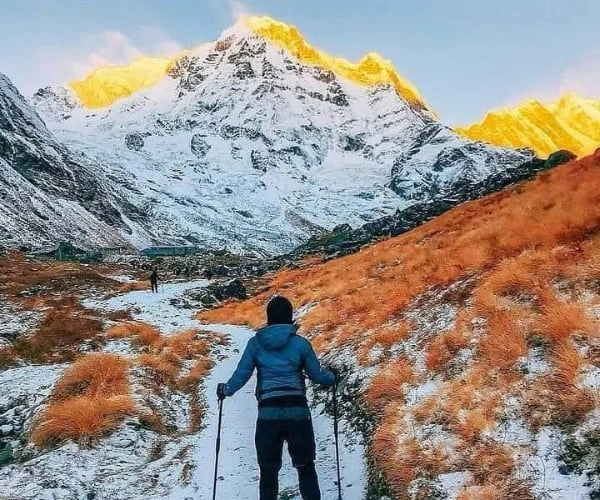
The Annapurna Base Camp trek route follows the Modi Khola river valley north from Nayapul, climbing in stages through forest, terraced farmland, and finally alpine terrain near base camp.
| Day |
Route |
Altitude |
Walking Time |
| 1 |
Arrival in Kathmandu |
1,400m |
- |
| 2 |
Drive/fly to Pokhara |
820m |
- |
| 3 |
Nayapul to Ghandruk |
1,940m |
5-6 hrs |
| 4 |
Ghandruk to Chhomrong |
2,170m |
5-6 hrs |
| 5 |
Chhomrong to Dovan |
2,600m |
6-7 hrs |
| 6 |
Dovan to Deurali |
3,200m |
4-5 hrs |
| 7 |
Deurali to ABC via MBC |
4,130m |
5-6 hrs |
| 8 |
ABC sunrise, trek to Bamboo |
2,310m |
7-8 hrs |
| 9 |
Bamboo to Jhinu Danda |
1,780m |
5-6 hrs |
| 10 |
Jhinu Danda to Siwai, drive to Pokhara |
820m |
2-3 hrs walk |
| 11 |
Return to Kathmandu |
1,400m |
- |
This is the most common version of the itinerary, though some operators add a rest day at Chhomrong or extend the descent by a day for slower groups.
Day 1: Arrival in Kathmandu
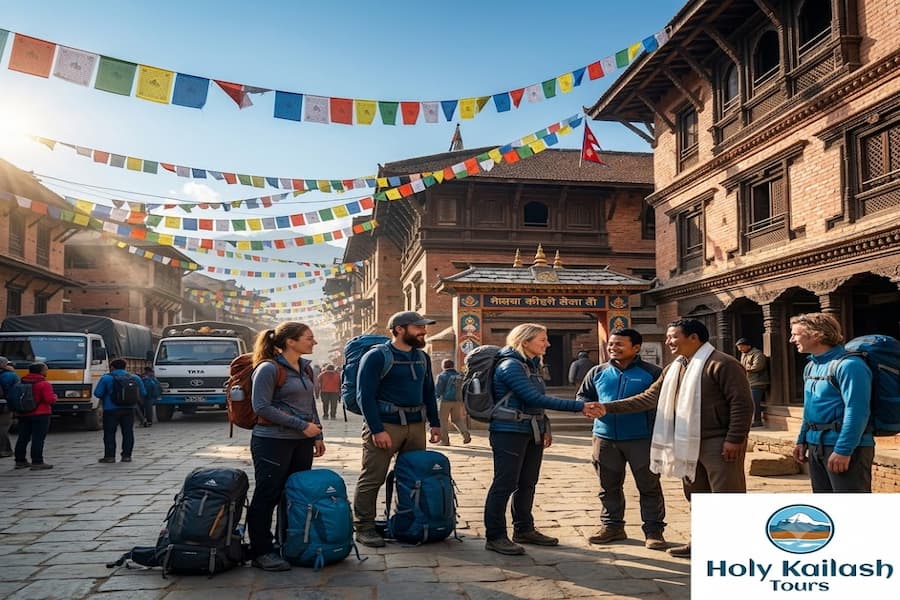
You land at Tribhuvan International Airport, get picked up, and settle into your hotel. Most trekkers use this day for a gear check, a short briefing on the route, and maybe a walk through Thamel to pick up last-minute supplies like trekking poles or a warmer sleeping bag liner.
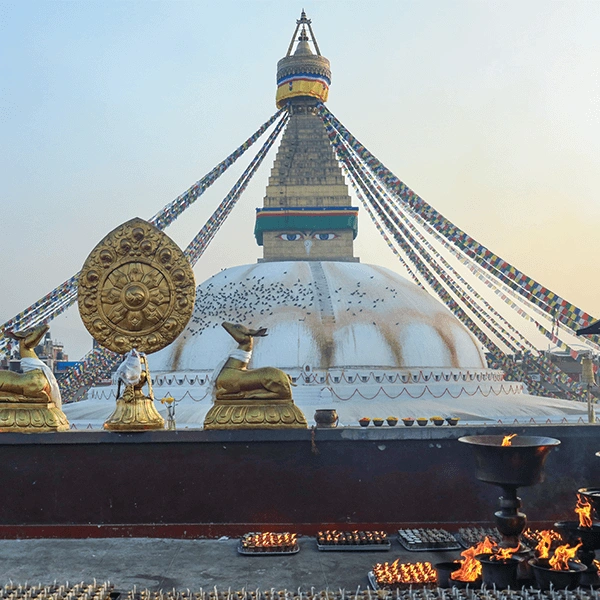
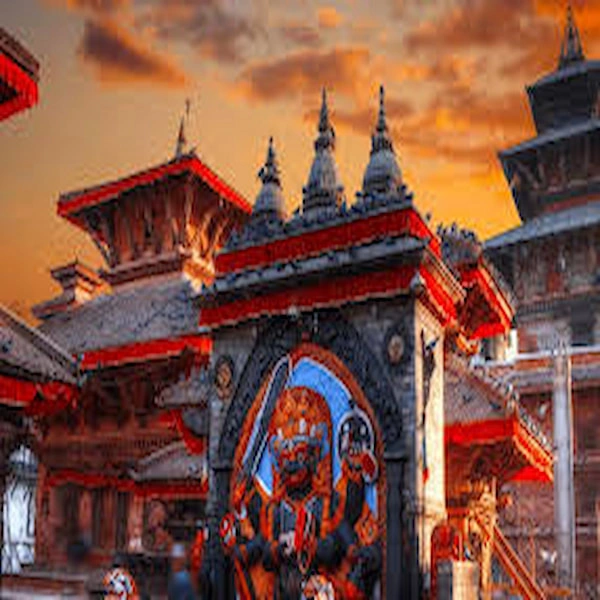
If you arrive early enough, a visit to Pashupatinath Temple or Boudhanath Stupa is worth the time. Both sit close to the city centre and give you a feel for Nepal's religious life before you head into the mountains.
Day 2: Drive or Fly to Pokhara
You have two options here. The drive takes 6 to 7 hours along the Prithvi Highway, following the Trishuli and Marsyangdi rivers for long stretches. It's scenic but long, especially if the road has the usual seasonal repairs.
The flight takes 25 minutes and gives you a brief but real view of the Annapurna range from the air on a clear day. Most trekkers on a tighter schedule choose to fly.
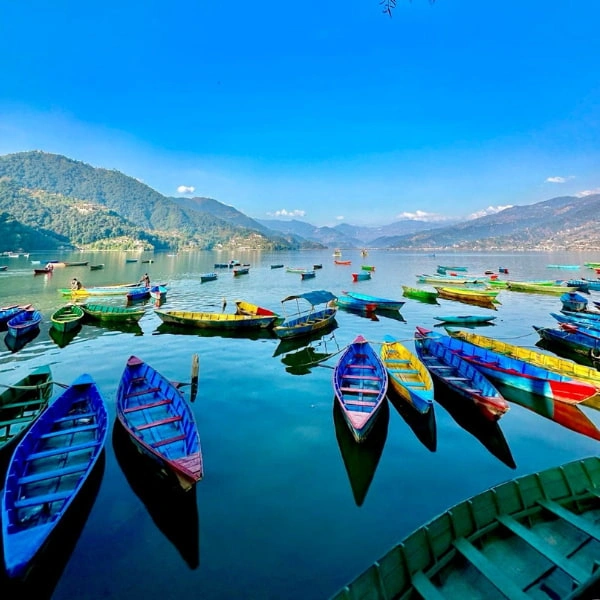
Pokhara Valley itself is on Phewa Lake, with Machhapuchhre visible from the lakeside on clear mornings. It's a good place to spend the evening checking gear one last time before the trek starts.
Day 3: Drive to Nayapul and Trek to Ghandruk
This is where the Annapurna Base Camp trek actually begins. A short drive (about an hour) takes you to Nayapul, the standard trailhead. From there, you walk along the Modi Khola, crossing suspension bridges and passing through small settlements like Birethanti, where you'll register your permits.
The Annapurna Base Camp trail climbs steadily through terraced rice fields toward Ghandruk, a large Gurung village known for its stone houses and views of Annapurna South. It's a long first day, 5 to 6 hours of walking, so pace yourself early rather than rushing the first few kilometres. Ghandruk has a small museum on Gurung culture worth a quick visit if you arrive with energy left.
Day 4: Trek from Ghandruk to Chhomrong
The trail from Ghandruk to Chhomrong drops into a valley before climbing back up, which catches some trekkers off guard on day two. You'll pass through forest sections with rhododendron (spectacular if you're trekking in March or April) and cross a few more suspension bridges.
Chhomrong is the last large permanent village before the trail narrows into the Sanctuary. It also has the last reliable wifi and the widest food menu you'll see until you come back down. Many trekkers grab a final hot shower here before tea house standards drop closer to base camp.
Day 5: Trek from Chhomrong to Dovan
This day involves a long descent down stone steps to the river, then a climb back up through bamboo and rhododendron forest toward Sinuwa and on to Dovan. It's one of the more physically demanding days, not because of altitude, but because of the steep up-and-down terrain.
Keep an eye out for langur monkeys in the forest sections. They're common along this stretch and tend to ignore trekkers entirely.
Day 6: Trek from Dovan to Deurali
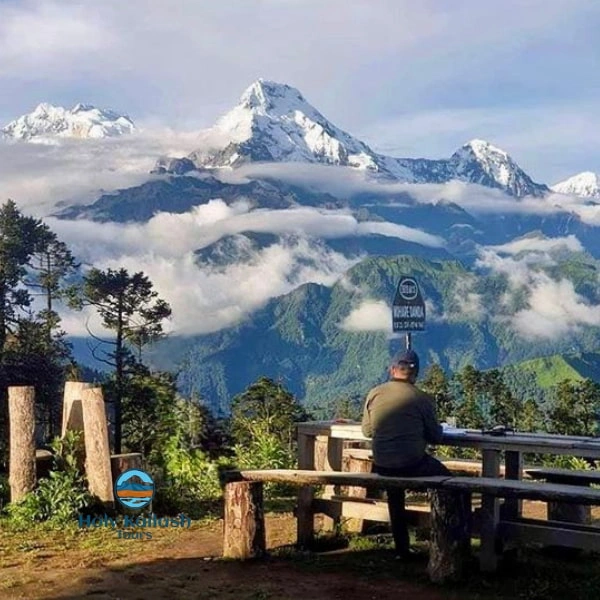
The valley starts to narrow noticeably here. Trees give way to shrubs and then bare rock walls on either side. You're now properly inside the Annapurna Sanctuary, and the temperature drop is obvious even at midday.
Deurali sits at 3,200 meters, and this is usually the point where trekkers start to feel the altitude a little, mild headaches, slightly shorter breath on climbs. It's normal, but it's also a good reminder to drink more water than you think you need.
Day 7: Trek from Deurali to Annapurna Base Camp via Machhapuchhre Base Camp
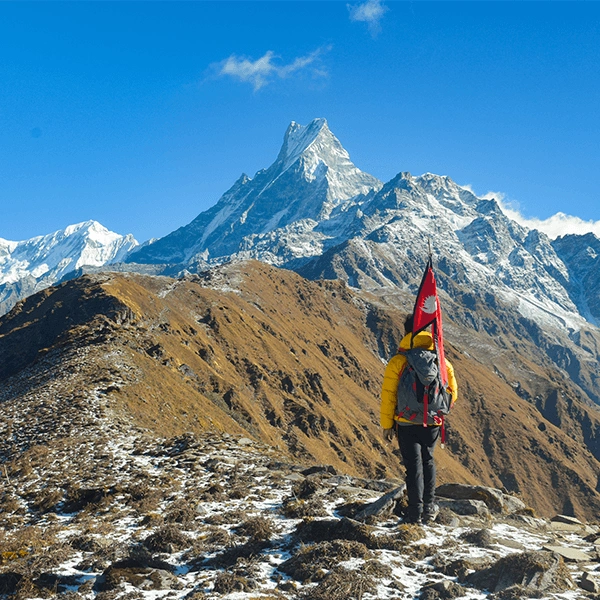
This is the big day. You'll pass Machhapuchhre Base Camp (MBC) at around 3,700 meters, a small cluster of lodges with one of the closest views of the fishtail peak you'll get anywhere on the trek.
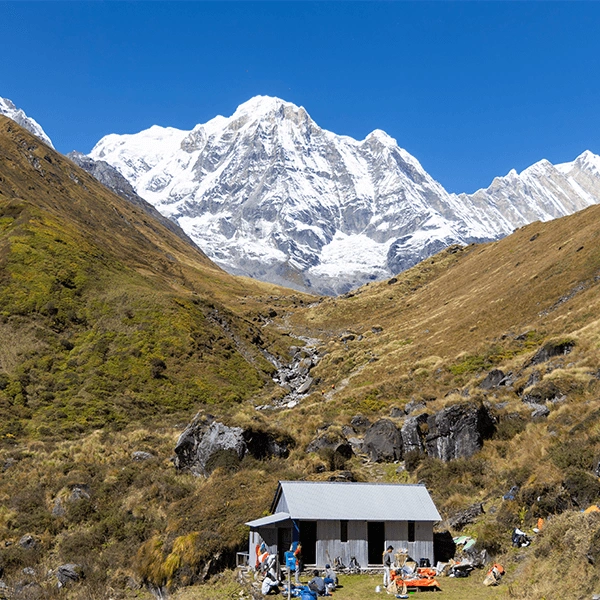
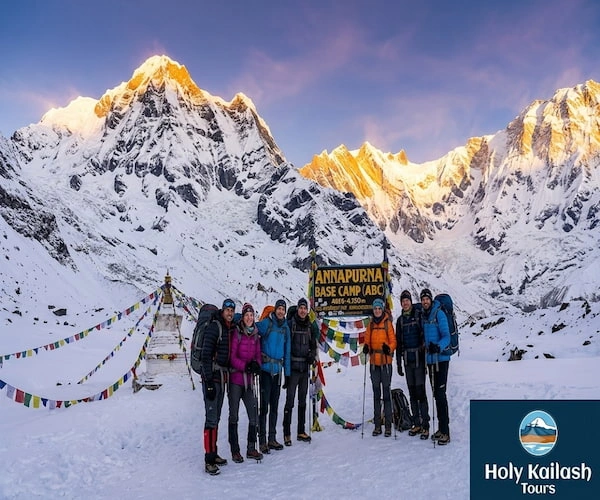
From MBC, it's another 1.5 to 2 hours to Annapurna Base Camp itself. The final stretch opens up dramatically, the valley walls pull back and you're suddenly standing inside a bowl of ice and rock, with Annapurna I rising directly ahead.
Most trekkers arrive at ABC in the early afternoon, leaving time to walk around, take photos while the light is good, and rest before the cold sets in.
Day 8: Sunrise at Annapurna Base Camp and Trek to Bamboo
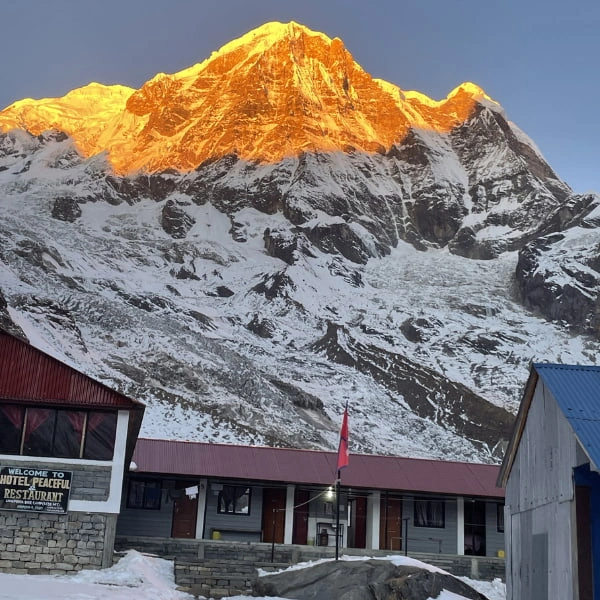
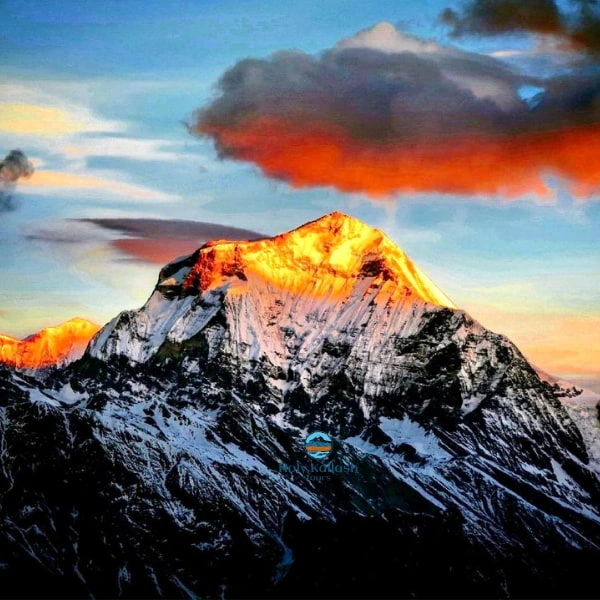
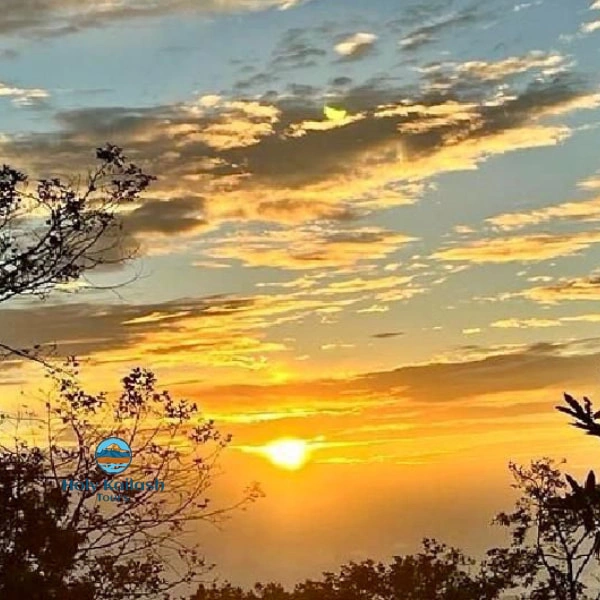
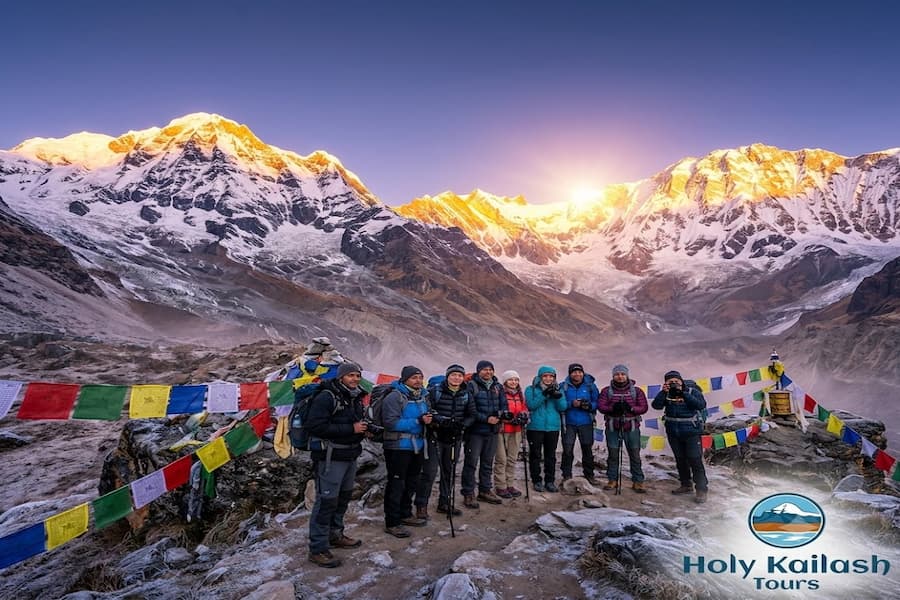
Get up before dawn for this one. Sunrise at ABC lights up the surrounding peaks in shades of orange and pink that photographs genuinely don't do justice. It's cold, often well below freezing, so dress in every layer you brought.
After breakfast, you begin the long descent back down through MBC, Deurali, and Dovan, all the way to Bamboo. It's a long day, 7 to 8 hours, but going downhill makes the distance feel shorter than the climb up.
Day 9: Trek from Bamboo to Jhinu Danda
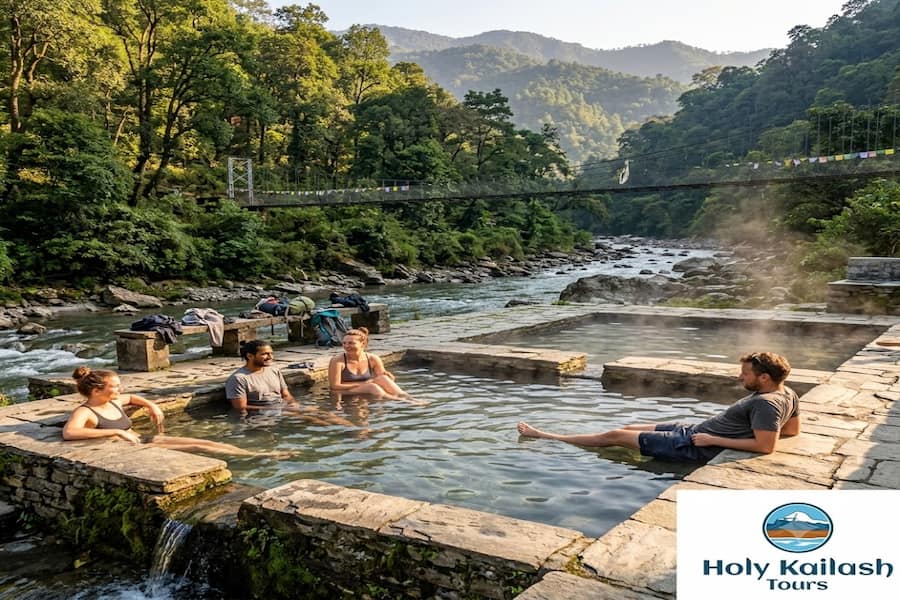
From Bamboo, the trail drops back toward Chhomrong, then descends further to Jhinu Danda. This village is known for one thing in particular: natural hot springs by the river, about a 20-minute walk below the main village.
After eight days of walking, sitting in hot spring water with a view of the valley is exactly what most trekkers need. It's a small detail, but it's the kind of thing that makes this itinerary stand out from a purely point-to-point trek.
Day 10: Trek to Siwai and Drive to Pokhara
The final trekking day is short, just a couple of hours down to Siwai, where a vehicle picks you up for the drive back to Pokhara. Compared to the earlier days, this feels almost relaxed.
Back in Pokhara, most trekkers spend the evening at a lakeside restaurant, comparing photos and letting their legs recover. It's a good night to just sit still.
Day 11: Return to Kathmandu
A final drive or flight back to Kathmandu wraps up the trip. Depending on your flight schedule, there's often time for last-minute souvenir shopping in Thamel before departure.
ABC Trek Distance and Walking Hours
The full Annapurna Base Camp trek covers roughly 110 to 130 kilometres round trip, depending on the exact route and any side trips. Daily walking hours range from 4 to 8, with the longest days falling on the descent (Day 8) and the climb from Chhomrong to Dovan (Day 5).
Total elevation gain from Nayapul to ABC is around 2,200 meters, spread across five days of ascent. That gradual gain is one of the reasons this trek has a lower rate of altitude sickness compared to higher routes in Nepal.
Maximum Altitude During the ABC Trek
The highest point on the trek is Annapurna Base Camp at 4,130 meters. This is moderate by Himalayan standards. For comparison, Everest Base Camp sits at 5,364 meters, and the Thorong La pass on the Annapurna Circuit reaches 5,416 meters.
That said, 4,130 meters is still high enough to cause symptoms in some trekkers, especially anyone who skips the gradual ascent schedule or pushes too hard on the final climb.
Best Time to ABC Trek: Follow This Itinerary
 Two seasons work best for this route.
- March to May (spring): Rhododendron forests bloom in shades of red and pink, especially noticeable between Ghandruk and Chhomrong. Daytime temperatures are mild.
- September to November (autumn): Clearer skies, more stable weather, and the best mountain visibility of the year. This is the busiest season on the trail.
Winter (December to February) is possible but cold, especially above 3,000 meters, where night temperatures regularly drop below freezing. Monsoon (June to August) brings heavy rain, leeches in the lower forest sections, and a higher risk of landslides blocking the trail or road access to Nayapul.
Accommodation and Meals Along the ABC Route
Tea houses line the entire route, so you won't need a tent or cooking gear. Rooms are basic: twin beds, a shared bathroom (sometimes attached at lower elevations), and thinner walls the higher you climb. Hot showers are available at most stops below Dovan, often for a small extra charge.
Meals follow a familiar tea house menu: dal bhat (lentils, rice, vegetable curry), noodle soups, momos, pancakes, and porridge. Dal bhat is the practical choice on long trekking days since most lodges offer free refills, and it's the meal best suited to sustained walking at altitude.
Prices rise the higher you go, since everything is carried in by porter or mule. A plate of dal bhat that costs 350 rupees in Ghandruk might cost 700 at Deurali.
Permits Required for the Annapurna Base Camp Trek
Two permits cover this entire route.
- Annapurna Conservation Area Permit (ACAP)
- TIMS Card (Trekkers' Information Management System)
Both are arranged in Kathmandu or Pokhara before the trek starts, and most operators, including Holy Kailash Tours, manage this paperwork as part of the package so trekkers don't need to queue at government offices themselves. No special restricted area permit is needed for ABC, unlike some routes further into Nepal's border regions.
Altitude Sickness and Acclimatization Tips
At 4,130 meters, altitude sickness is a real but manageable risk on this trek. The itinerary above is built with gradual ascent in mind, which is the single biggest factor in avoiding problems.
A few practical points:
- Drink at least 3 to 4 litres of water daily once above 2,500 meters.
- Walk at a pace where you can still hold a conversation. If you're gasping, slow down.
- Avoid alcohol during the ascent days.
- Watch for headache, nausea, or dizziness that doesn't improve with rest. These are early warning signs, not something to push through.
- If symptoms get worse rather than better, descend. No altitude sickness treatment works better than going down.
Most cases of mild altitude discomfort on this trek resolve on their own simply because the route doesn't hold you at extreme altitude for long. You're at ABC for one night before heading back down.
Transportation Options ABC Trek
Despite the name, this section covers transport logistics for the Annapurna route, since trekkers often compare it with the Everest Base Camp (EBC) trek when planning.
Unlike EBC, which usually requires a flight to Lukla, Annapurna Base Camp is reached entirely by road and foot. You drive from Kathmandu to Pokhara, then drive a short distance to Nayapul, and walk the rest. No mountain flights, no risk of Lukla-style weather delays grounding your start.
This makes ABC trek a more reliable choice for trekkers on a tight schedule, since road transport is far less likely to get cancelled outright compared to small aircraft flights into mountain airstrips.
Cost of the Annapurna Base Camp Trek
Costs vary depending on group size, season, and what's included, but a rough range for an organised 10 to 11-day package (including Kathmandu and Pokhara hotels, permits, guide, porter, and transport) runs from around USD 800 to 1,400 per person.
Independent trekking without a guide can cost less, but you'll still pay for permits, tea house accommodation, and meals, which add up to roughly USD 25 to 35 per day on the trail itself.
Factors that push the price up include private vehicle transport instead of shared jeeps, solo trekking instead of group rates, and higher-end lodges at Chhomrong and below.
Essential Travel Tips ABC Trek
A few general tips that apply whether you're comparing this to an EBC style trek or trekking ABC on its own:
- Break in your boots before arriving in Nepal. New boots on day one of a multi-day trek is a common, avoidable mistake.
- Carry a basic first aid kit, including blister plasters and any personal medication.
- Bring cash in Nepali rupees for the trail. Card payments are rare above Chhomrong.
- Travel insurance should cover trekking up to at least 5,000 meters and emergency evacuation, even though ABC tops out lower than that.
- Pack a headlamp for the early sunrise walk at base camp.
Why Trek with Holy Kailash Tours?
Holy Kailash Tours is a Kathmandu-based operator that organizes treks across Nepal, including the Annapurna Base Camp route and the Everest Base Camp trek, alongside its longer-running pilgrimage tours to Mount Kailash and Lake Mansarovar. The team handles the parts of a trek that are easy to get wrong from outside Nepal: permit paperwork, realistic acclimatization scheduling, and matching guides who know the specific trail rather than a generic regional license.
For Annapurna specifically, that means a guide who knows which tea houses get crowded in October, when to push on to the next stop versus stay an extra night, and how to read early signs of altitude trouble before they become a problem. It's the kind of local knowledge that's hard to replicate from a printed itinerary alone, even a detailed one like this.
Packing List for the Annapurna Base Camp Trek
A practical packing list for this specific route, based on the altitude range and seasonal swings:
- Waterproof, broken in trekking boots
- 3 to 4 season sleeping bag (rated to at least -10°C for spring/autumn)
- Down jacket for evenings above 3,000 meters
- Moisture-wicking base layers (avoid cotton)
- Waterproof outer shell, even outside monsoon season
- Trekking poles, especially useful on the steep steps near Chhomrong
- Headlamp with spare batteries
- Water purification tablets or a filter bottle
- Basic first aid kit
- Sun protection: hat, sunglasses, high SPF sunscreen
- Power bank, since charging costs extra at higher lodges
Final Thoughts
The Annapurna Base Camp trek rewards patience more than speed. 11 days, give or take, get you from Kathmandu's traffic into a stone amphitheatre of 7,000- and 8,000-meter peaks, and back out again with hot springs and dal bhat along the way. It's not the hardest trek in Nepal, but it's a complete one, mixing village life, forest trail, and high alpine terrain in a single route.
If you're weighing this against other Himalayan treks, the lower altitude, shorter duration, and road access make the ABC trek a solid first choice or a reliable return trip if you've already done Everest or Annapurna Circuit. Whichever way you plan it, build in the rest days, respect the altitude, and the trail will treat you fairly.
Frequently Asked Questions (FAQs)
1. How many days does the Annapurna Base Camp trek take?
Most itineraries run 10 to 12 days total, including arrival and departure in Kathmandu. The trekking portion itself, from Nayapul to ABC and back, takes about 7 to 8 days.
2. What is the maximum altitude on the ABC trek?
Annapurna Base Camp sits at 4,130 meters, the highest point on this route.
3. Do I need prior trekking experience for Annapurna Base Camp?
No technical experience is required. A reasonable level of fitness and the ability to walk 5 to 7 hours a day on uneven terrain is enough for most healthy adults.
4. What permits do I need for this trek?
You need the Annapurna Conservation Area Permit (ACAP) and a TIMS card. Both are arranged in Kathmandu or Pokhara.
5. Is the Annapurna Base Camp trek dangerous?
It carries the usual risks of any high-altitude trek: altitude sickness, slips on steep trail sections, and weather changes. Following a gradual ascent schedule and listening to your body lowers the risk significantly.
6. What is the best season for this trek?
Spring (March to May) and autumn (September to November) offer the clearest skies and most stable weather.
7. Can I trek to Annapurna Base Camp without a guide?
Yes, independent trekking is allowed on this route, unlike some restricted areas in Nepal. That said, a guide helps with navigation, permit logistics, and altitude monitoring.
8. How much does the Annapurna Base Camp trek cost?
An organised package typically runs USD 800 to 1,400 per person for 10 to 11 days, depending on group size and inclusions.
9. What kind of accommodation is available on the trail?
Tea houses with basic twin rooms are available at every stop. Hot showers are common below Dovan, less reliable above.
10. Is there a mobile network or wifi on the trail?
Wifi is available at most lodges for a small fee up to around Deurali, though connection speed drops noticeably above 3,000 meters. Mobile signal is patchy beyond Chhomrong.
11. What should I pack for the ABC trek?
A warm sleeping bag, waterproof boots, layered clothing, a headlamp, and basic first aid supplies cover the essentials. Full packing details are listed above.
12. How does Annapurna Base Camp compare to Everest Base Camp?
ABC is lower in altitude (4,130m vs 5,364m), reached entirely by road rather than flight, and generally takes a few days less than the standard EBC itinerary.
13. Are there hot springs on the Annapurna Base Camp trek route?
Yes, at Jhinu Danda, about a 20-minute walk below the main village. Most trekkers stop here on the way back down.
14. Can children or older trekkers do this route?
Many tea house treks in Nepal, including ABC, are completed by older trekkers and children with reasonable fitness, though a slower, extended itinerary with extra rest days is often safer.
15. Does Holy Kailash Tours offer the Annapurna Base Camp trek as a package?
Yes, Holy Kailash Tours organises the Annapurna Base Camp trek alongside its Everest Base Camp and Kailash Mansarovar pilgrimage tours, handling permits, guides, and accommodation as part of the trip.
Email: [email protected]
WhatsApp: +977-9851254672 — Feel free to reach out anytime for fast, friendly, and personalized assistance