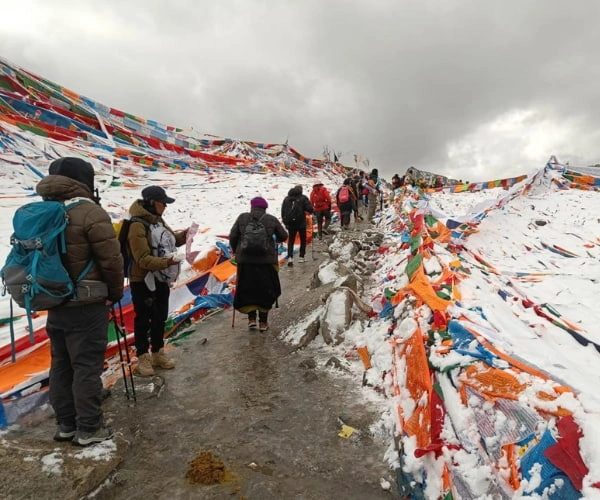
Introduction to the Annapurna Base Camp Trek
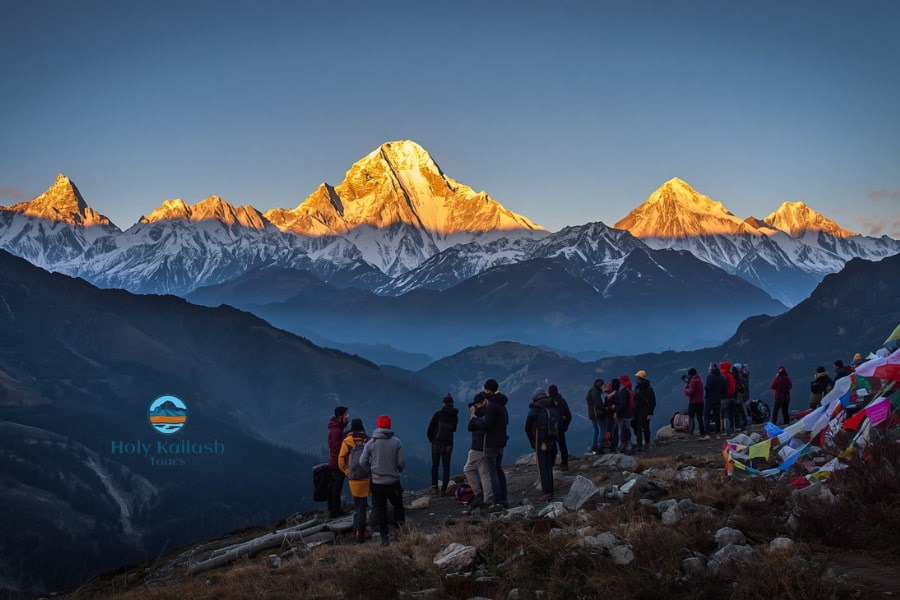
If you are wondering why the Annapurna Base Camp Trek Is One of Nepal's Best Treks, the answer begins with its rare mix of scenery, culture, comfort, and accessibility. Few journeys in the Himalayas take you so quickly from warm farming villages to a high alpine sanctuary surrounded by giant peaks.
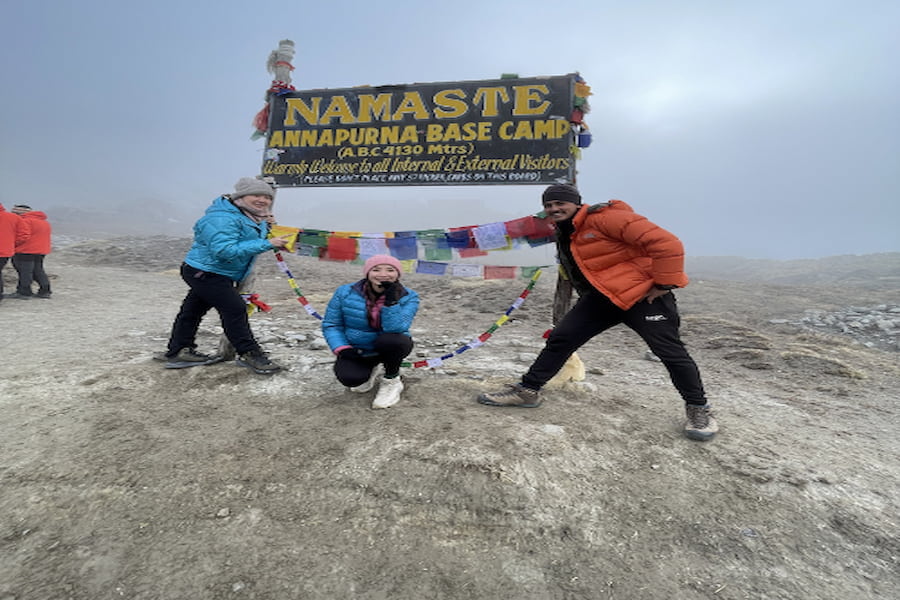
The Annapurna Base Camp Trek, also called the ABC trek Nepal or Annapurna Sanctuary Trek, leads to Annapurna Base Camp at around 4,130 meters. The route usually starts and ends near Pokhara, Nepal’s beautiful lakeside city.
This Annapurna Base Camp trekking guide explains what makes the trail special, how difficult it is, when to go, what it costs, and why many travelers consider it the best trek in Nepal.
Starting from the vibrant city of Pokhara, the trail leads through lush subtropical forests, traditional stone villages, and rugged alpine terrain. The destination, Annapurna Base Camp, sits at 4,130 meters.
This altitude is high enough to offer breathtaking glacial views but generally low enough to minimize the risks associated with severe altitude sickness. It is this balance that convinces many travelers that this is the best trek in Nepal for a holistic Himalayan experience.
What Makes the Annapurna Base Camp Trek So Special?
The Annapurna region offers one of the most complete Nepal trekking adventures in a relatively short time. The trek combines dramatic mountain views, welcoming villages, thick forests, river valleys, hot springs, and glacier landscapes.
Compared with the Everest Base Camp Trek, ABC is generally shorter, lower in altitude, and easier to reach without relying on Lukla flights. Compared with the Mardi Himal Trek, it feels more immersive because you enter the heart of the mountains. Compared with the Langtang Valley Trek, it offers a wider variety of landscapes and a classic base camp experience.
That balance is why the Annapurna trekking experience remains so popular with both first-time trekkers and repeat visitors to Nepal.
Stunning Himalayan Views Throughout the Journey
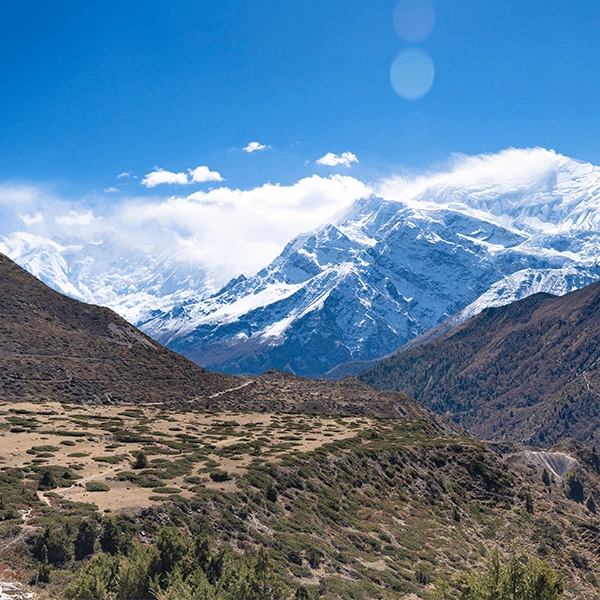
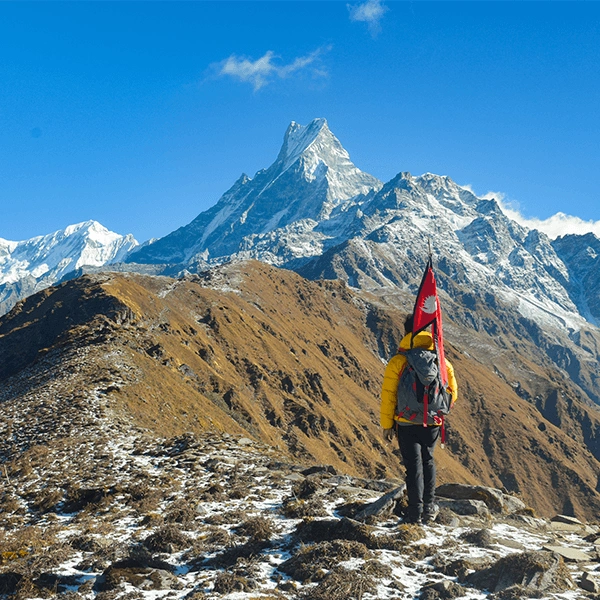
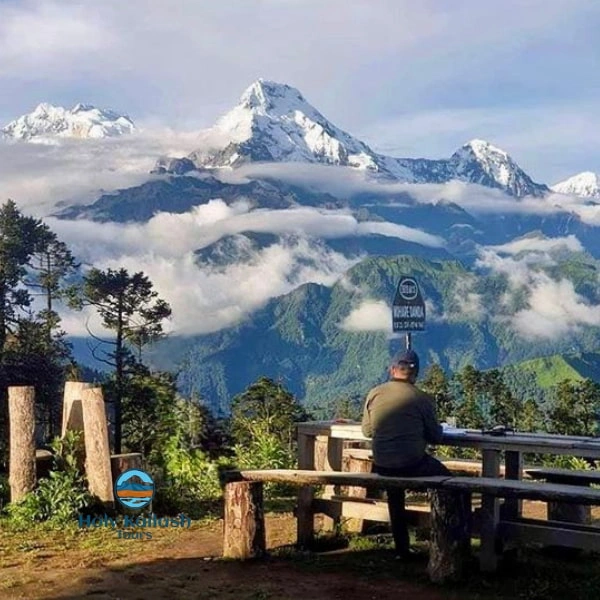
Mountain views are one of the biggest reasons trekkers choose the Annapurna Base Camp route. On clear days, you can see Annapurna South, Hiunchuli, Machhapuchhre, Gangapurna, and Annapurna I.
Machhapuchhre, also known as Fishtail Mountain, is especially unforgettable. Its sharp double summit appears again and again along the trail, often glowing at sunrise and sunset.
Unlike some treks where big views only arrive near the end, the ABC trail offers rewarding scenery throughout the journey.
Experience the Famous Annapurna Sanctuary
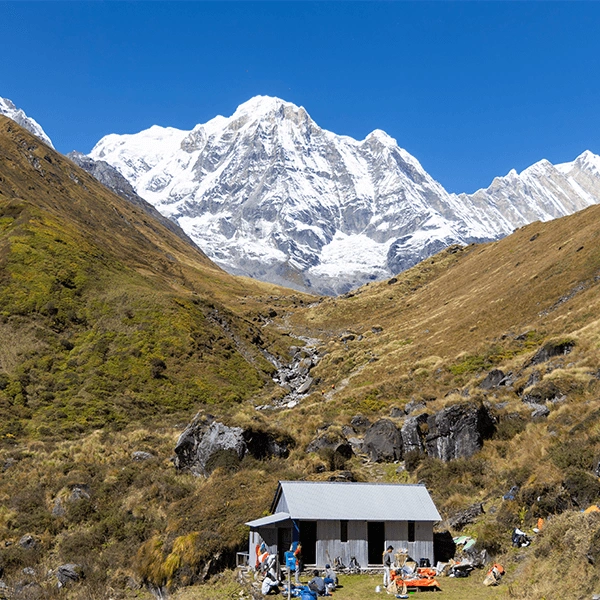
The final section of the trek enters the Annapurna Sanctuary, a natural amphitheatre enclosed by snow-covered giants. This is what gives the Annapurna Sanctuary Trek its name.
Standing at Annapurna Base Camp feels different from simply viewing mountains from a distance. You are surrounded on nearly every side by towering peaks and glaciers.
The silence, scale, and raw beauty of the sanctuary make it one of the most powerful moments of the trek.
Spectacular Sunrise and Sunset Mountain Views
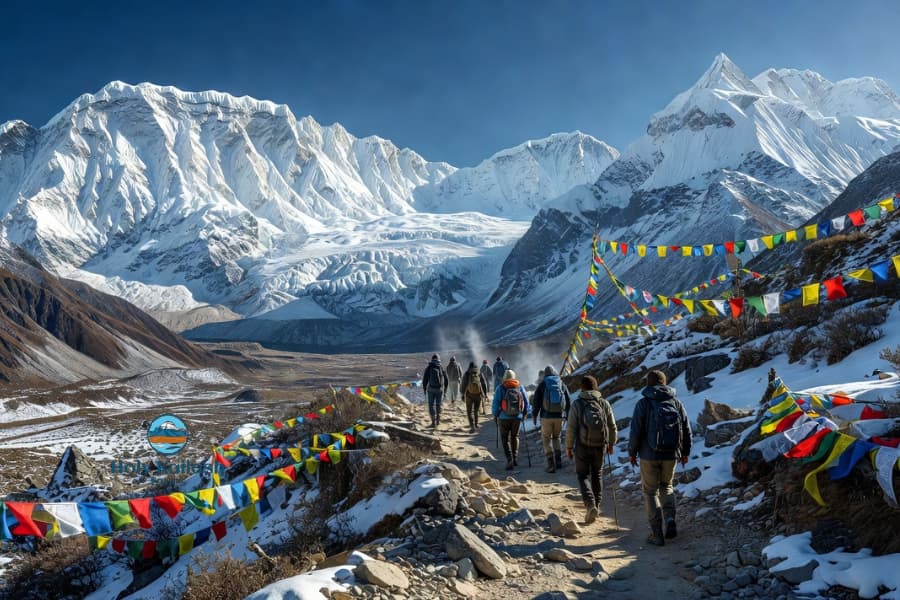
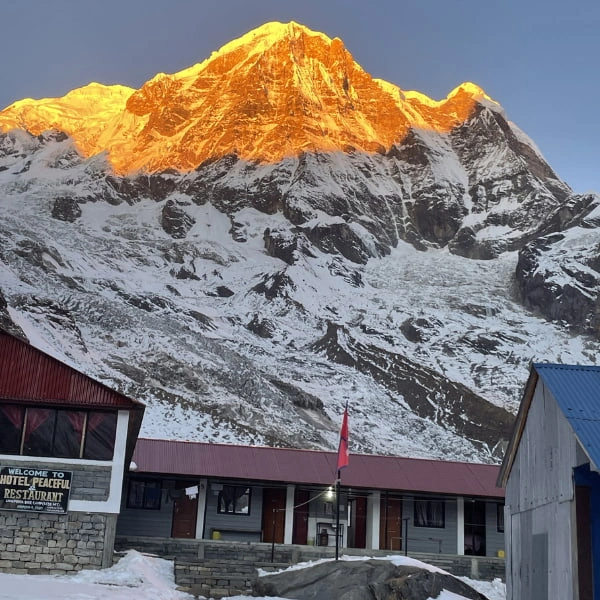
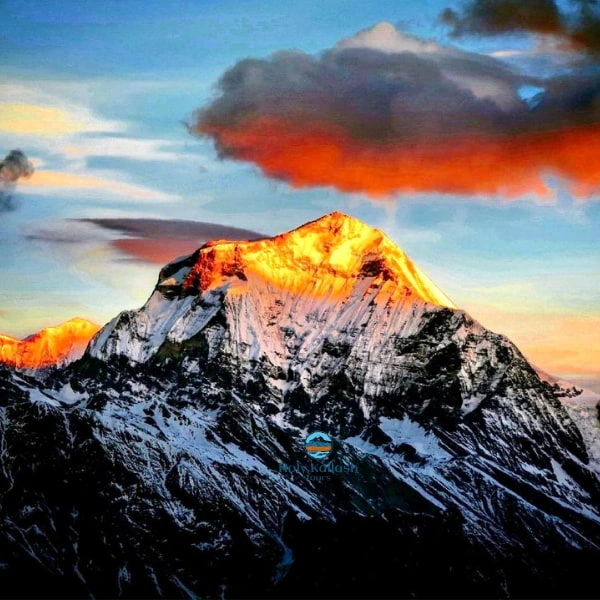
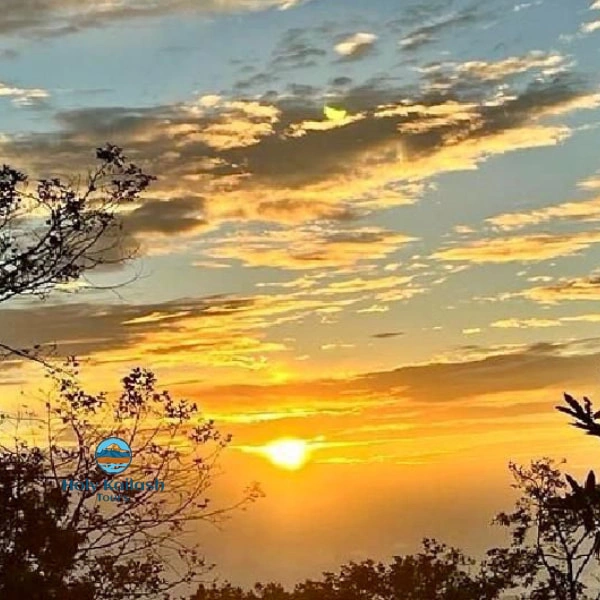
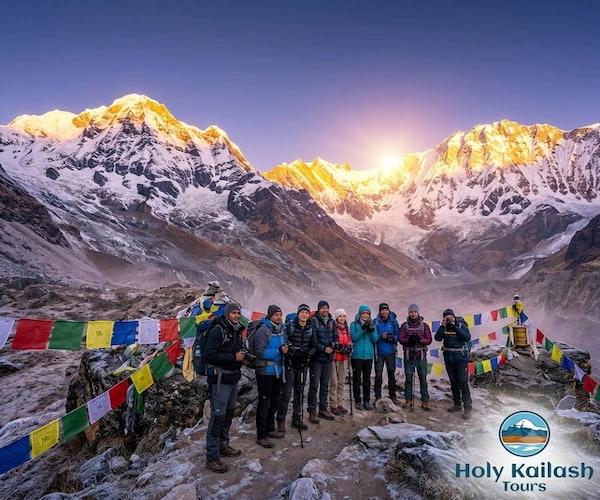
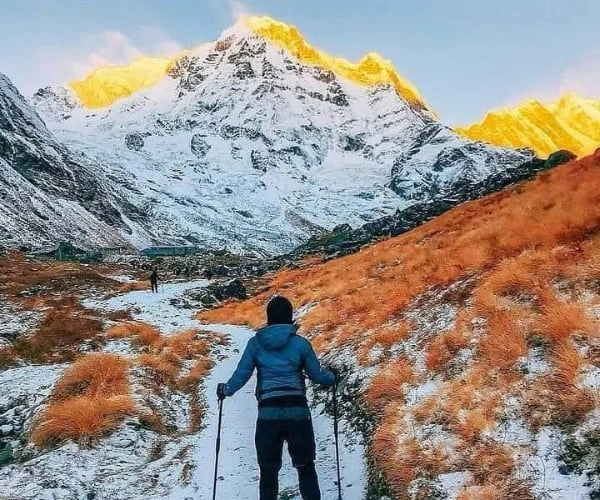
Sunrise at Annapurna Base Camp is one of the highlights of the journey. As the first light touches Annapurna I and Annapurna South, the white peaks slowly turn gold and pink.
Sunset can be just as beautiful, especially from Machhapuchhre Base Camp or the lodges below ABC. Clouds often move through the valley, creating dramatic shadows and changing colors.
For photographers and nature lovers, these moments are worth every uphill step.
Diverse Landscapes from Forests to Glaciers
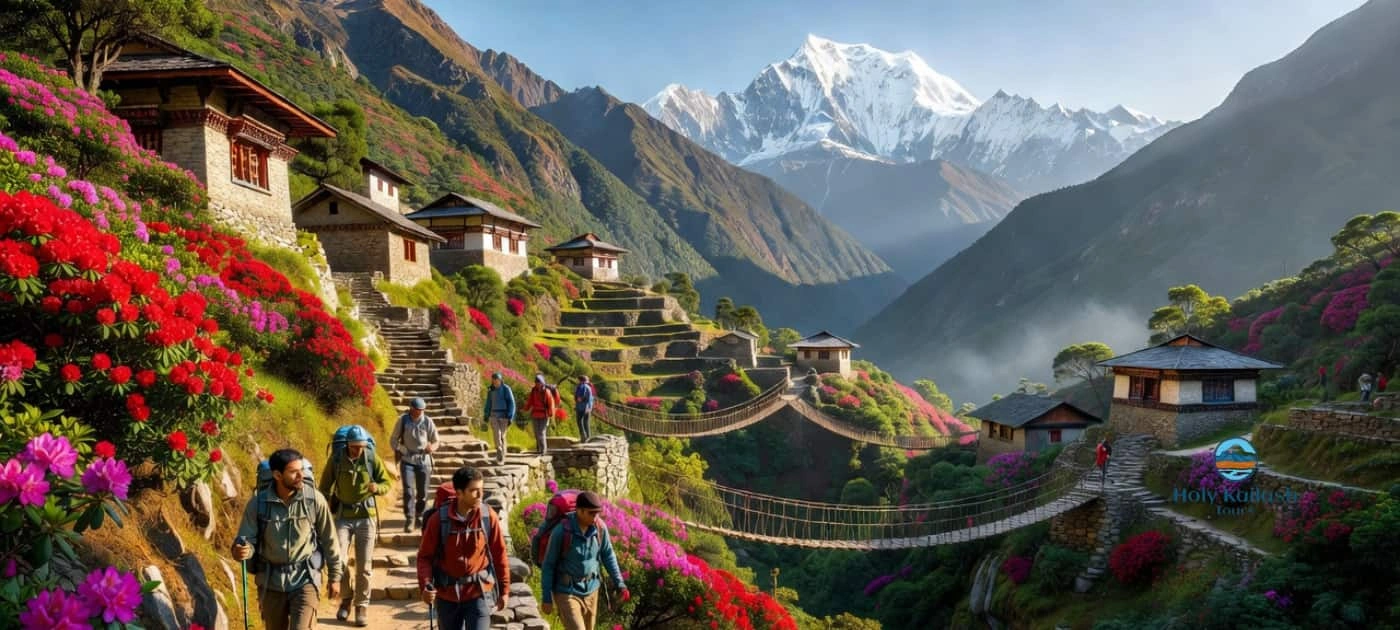
One reason ABC stands out is the variety of landscapes packed into a single trek. The lower trail passes terraced fields, rivers, suspension bridges, and traditional villages.
As you climb higher, the scenery changes to bamboo forests, rhododendron woods, alpine meadows, rocky valleys, and glacier moraine.
This constant change keeps the trek exciting. Every day feels different, and the journey never becomes visually repetitive.
Rich Gurung and Magar Culture Along the Trail
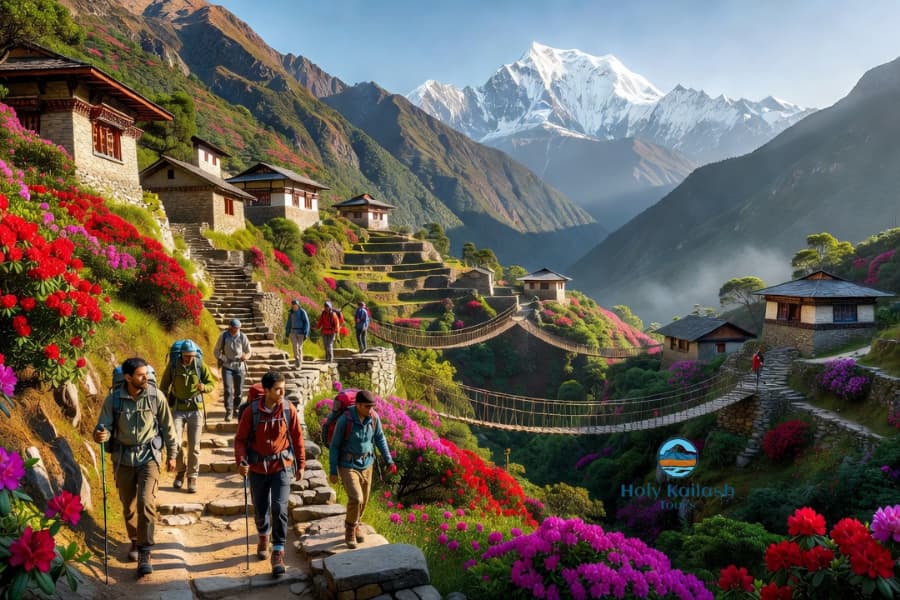
The Annapurna region is home to Gurung and Magar communities, known for their hospitality, strong traditions, and deep connection to the mountains.
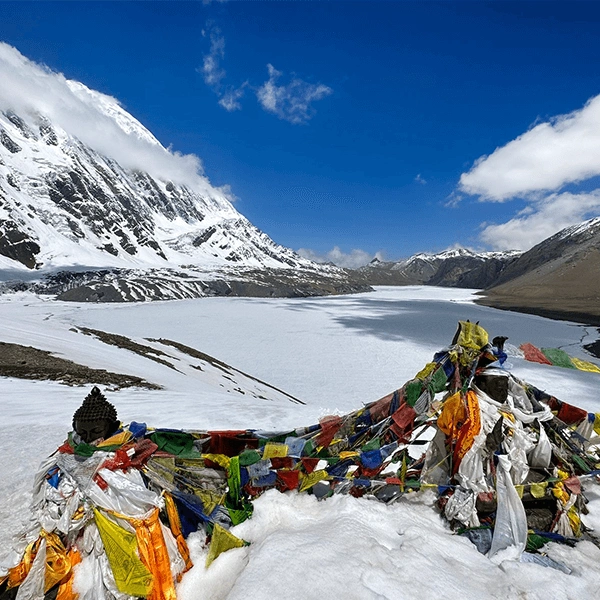
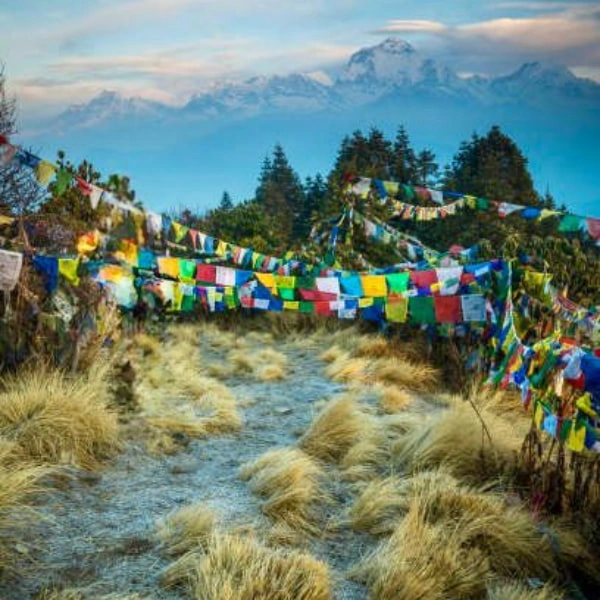
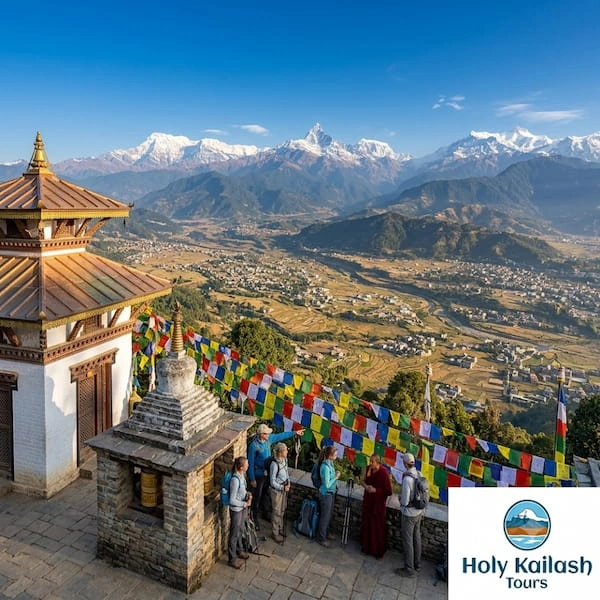
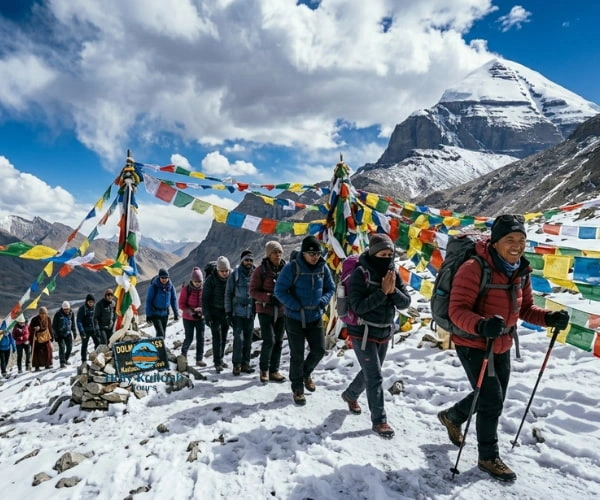
Villages such as Ghandruk, Chhomrong, and Landruk offer a glimpse into local life. You may see stone houses, Buddhist prayer flags, small farms, local schools, and family-run tea houses.
This cultural experience adds meaning to the trek. ABC is not only about mountains; it is also about the people who live beneath them.
Rhododendron Forests and Himalayan Wildlife
In spring, the forests along the trail bloom with rhododendrons, Nepal’s national flower. Red, pink, and white blossoms brighten the hillsides, especially between March and April.
The forests also support wildlife such as langur monkeys, Himalayan birds, and, with luck, animals like Himalayan tahr in higher areas.
Birdwatchers may spot colorful species, while quiet trekkers often hear the sounds of forest life long before they see it.
Comfortable Tea House Trekking Experience

The Annapurna Base Camp Trek is a tea house trek, meaning you sleep in local lodges rather than camping. This makes the journey easier and more comfortable for most travelers.
Rooms are simple, usually with twin beds and blankets. Dining rooms are warm social spaces where trekkers gather for meals, tea, and conversation.
Facilities become more basic at higher elevations, but the tea house system makes the trek accessible without carrying camping gear.
Suitable for Both Beginners and Experienced Trekkers
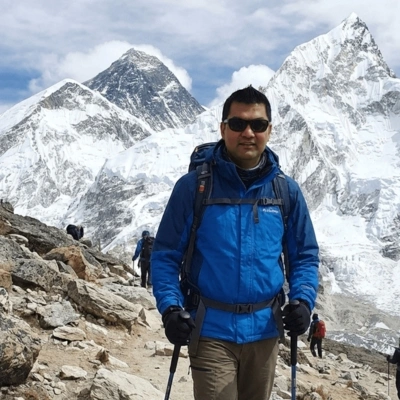
ABC trek is suitable for many fit beginners because it does not require technical climbing skills. A well-paced Annapurna Base Camp itinerary allows time to adjust gradually and enjoy the trail safely.
Experienced trekkers also enjoy the route because the mountain scenery is world-class. The trail includes long stone staircases, forest climbs, and high-altitude walking, so it still feels rewarding.
For beginners, preparation matters. Regular walking, stair training, and light cardio before the trip make the trek much more enjoyable.
Annapurna Base Camp Trek Difficulty Explained
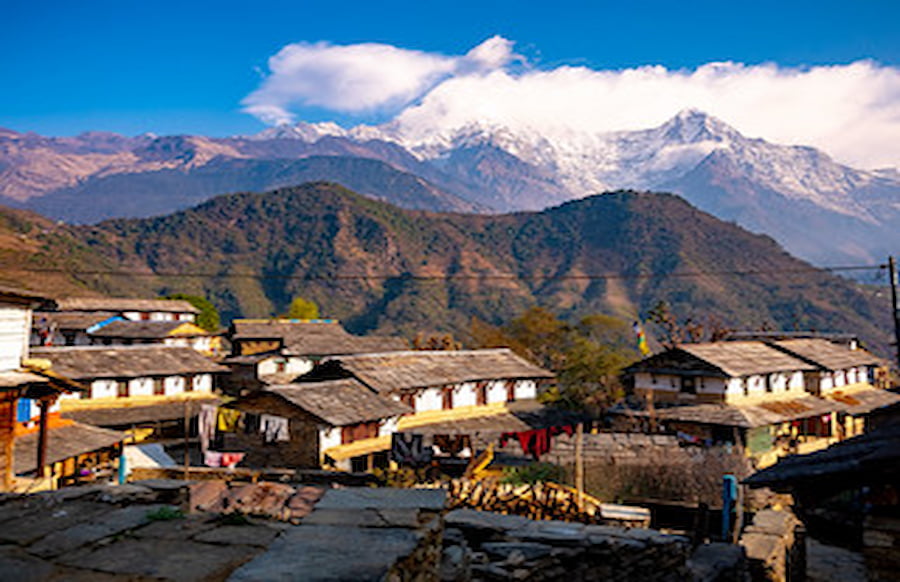
The Annapurna Base Camp trek difficulty is usually considered moderate. The highest point is about 4,130 meters, which is lower than Everest Base Camp but still high enough for altitude symptoms to occur.
Daily walking often ranges from 5 to 7 hours. Some days include steep ascents and descents, especially around Chhomrong, Bamboo, and Deurali.
You do not need mountaineering experience, but you should be comfortable walking uphill for several hours. A licensed guide can help with pacing, weather decisions, and altitude awareness.
For more details, read the full Annapurna Base Camp Trek Difficulty guide before booking.
Best Time to Trek to Annapurna Base Camp
The Best time for the Annapurna Base Camp Trek is usually spring and autumn.
Spring, from March to May, brings warmer weather, blooming rhododendrons, and beautiful forest trails. Autumn, from September to November, offers stable weather, clear skies, and excellent mountain visibility.
Winter trekking is possible, but it can be cold at higher elevations, and snow may affect the route. Monsoon season, from June to August, is green and quiet but brings rain, leeches, cloudy views, and possible landslide delays.
For the best balance of comfort and scenery, spring and autumn are ideal.
The Unique Food and Accommodation Experience
Food on the trail is simple, filling, and surprisingly varied. Dal bhat, Nepal’s classic meal of rice, lentil soup, vegetables, and pickles, is the favourite choice for many trekkers because it provides energy and often comes with refills.
Tea houses also serve noodles, soups, fried rice, momos, pasta, pancakes, eggs, porridge, and hot drinks.
Accommodation is basic but welcoming. Expect shared bathrooms, limited hot showers, and extra charges for Wi-Fi or battery charging in some places. The higher you go, the simpler the facilities become.
Popular Villages Along the Trekking Route
The Annapurna Base Camp route can vary, but many itineraries pass through villages and stops such as Ghandruk, Chhomrong, Sinuwa, Bamboo, Dovan, Himalaya, Deurali, Machhapuchhre Base Camp, and Annapurna Base Camp.
Ghandruk is known for Gurung culture and mountain views. Chhomrong is a major gateway village with views of Machhapuchhre and Annapurna South. Bamboo and Dovan sit in lush forest sections, while Deurali marks the transition toward alpine terrain.
Some routes include Jhinu Danda, famous for its natural hot springs, which are perfect for relaxing tired legs after the trek.
- Ghandruk: A beautiful Gurung village with a museum and stunning views of Annapurna South.
- Chhomrong: The gateway to the sanctuary, known for its steep stone steps and vibrant community.
- Himalaya: The last permanent settlement before Base Camp, offering a rustic atmosphere.
- Machhapuchhre Base Camp (MBC): A stopping point just before ABC, offering close views of the fishtail mountain.
Planning your stops is easier when you follow a structured Annapurna Base Camp itinerary.
Photography Opportunities on the Trail
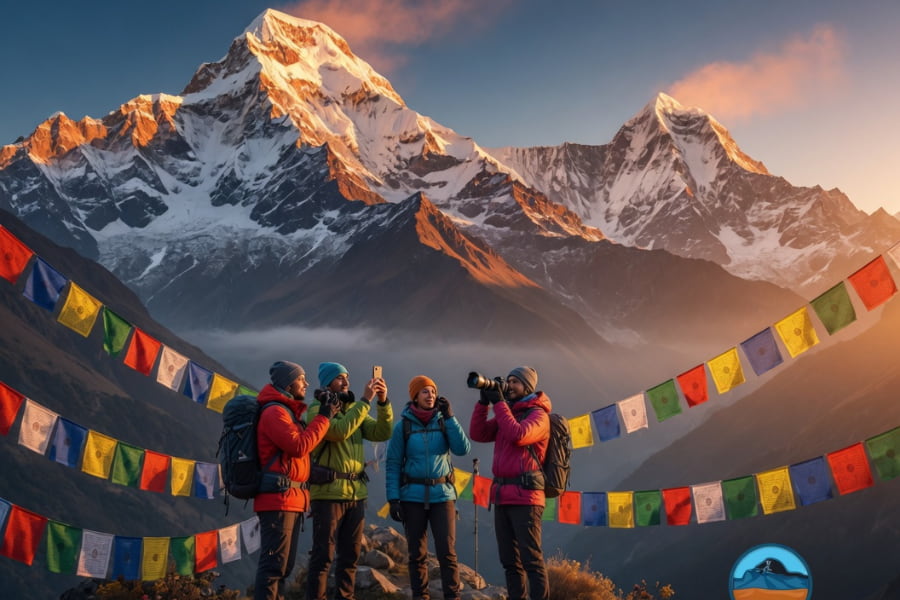
The ABC trail is a dream for photographers. You can capture terraced hillsides, local villages, forest paths, prayer flags, waterfalls, rivers, and close-up Himalayan peaks.
The best mountain photography usually happens early in the morning, when the skies are clearer and the light is soft. Sunrise at Annapurna Base Camp is the signature shot.
Carry extra batteries because cold weather drains power quickly. A lightweight tripod, wide-angle lens, and weather protection for your camera are useful.
Health, Safety, and Altitude Tips
Even though ABC is moderate, safety should always come first. Walk slowly, drink enough water, eat well, and avoid rushing to higher elevations.
Altitude sickness can affect anyone. Common symptoms include headache, nausea, dizziness, loss of appetite, and poor sleep. If symptoms worsen, descend and inform your guide immediately.
Weather can change quickly near Deurali, Machhapuchhre Base Camp, and ABC. Snow and avalanche risk may affect some sections in winter and early spring.
Travel insurance, proper layers, good boots, and a guided plan are strongly recommended. Before departure, check an Annapurna Base Camp Trek Packing List and practical Annapurna Base Camp Trek Travel Tips.
Why the Trek Offers Great Value for Money
The Annapurna Base Camp trek cost is one of the reasons the trek offers such strong value. It is generally more affordable than Everest Base Camp because it is shorter and does not require expensive mountain flights.
Costs vary depending on trek duration, guide and porter service, accommodation level, meals, permits, transport, and whether you choose a private or group trip.
For many travellers, ABC offers a full Himalayan base-camp experience at a reasonable price. You get dramatic scenery, rich culture, tea house comfort, and a legendary destination in one package.
For budgeting help, see the full Annapurna Base Camp Trek Cost guide.
Responsible and Sustainable Trekking Practices
Responsible trekking helps protect the Annapurna region for future visitors and local communities. Carry a refillable water bottle, avoid single-use plastics, and bring back your waste.
Respect local customs by dressing modestly in villages, asking before taking portraits, and keeping noise low around homes and monasteries.
Choose local guides, porters, and family-run tea houses when possible. Fair wages, proper porter equipment, and ethical travel choices make your trek more meaningful.
A good Annapurna Base Camp travel guide should always include sustainability, not just scenery.
How the ABC Trek Compares to Other Nepal Trekking Adventures
To understand why the Annapurna Base Camp Trek is one of Nepal's best treks, it helps to compare it with other popular routes.
- Everest Base Camp Trek: EBC is higher and more famous but involves longer days, higher altitude risks, and colder temperatures. ABC is shorter and greener.
- Mardi Himal Trek: This is a newer, shorter trek nearby. It offers great views but lacks the cultural depth and sanctuary experience of ABC.
- Langtang Valley Trek: Closer to Kathmandu, Langtang is beautiful but was heavily affected by earthquakes. ABC has more robust infrastructure.
For many, the ABC route strikes the perfect balance between adventure, comfort, and scenery.
Why Choose Holy Kailash Tours for Your Trek
Holy Kailash Tours is an experienced local trekking company in Nepal that helps travelers plan safe, well-paced, and culturally respectful journeys to Annapurna Base Camp.
A local team can arrange permits, transportation, guides, porters, accommodation, and emergency support. They also understand trail conditions, seasonal changes, and the best pacing for different fitness levels.
The goal is not only to reach ABC, but to enjoy the journey with confidence. With experienced guides and transparent planning, Holy Kailash Tours makes the trek smoother, safer, and more rewarding.
Choosing Holy Kailash Tours ensures that your Annapurna trekking experience is smooth from start to finish. They handle permits, accommodation bookings, and emergency support, allowing you to focus on the journey. Their commitment to sustainable tourism aligns with the need to protect the Annapurna region for future generations. Whether you need a customized Annapurna Base Camp itinerary or advice on the Annapurna Base Camp trek cost, their team provides expert guidance without the overly promotional pressure found elsewhere.
Frequently Asked Questions (FAQs)
1. How many days do I need for the Annapurna Base Camp Trek?
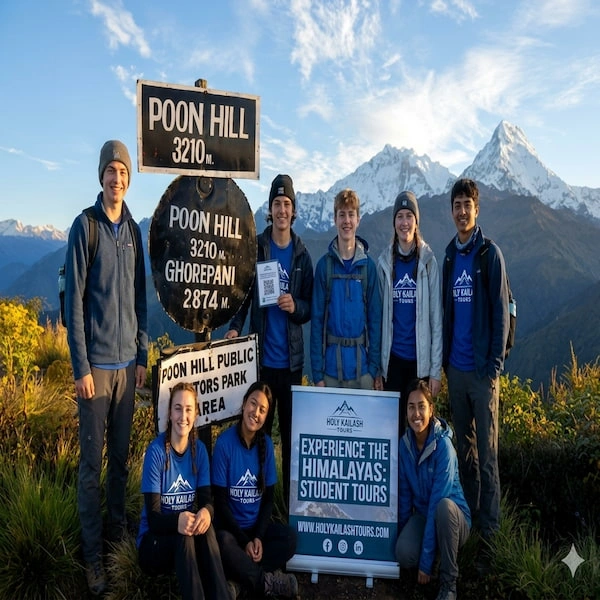
Most trekkers complete the Annapurna Base Camp Trek in 7 to 12 days, depending on the starting point, walking pace, and side trips. Some itineraries include Ghandruk, Poon Hill, or extra rest days. A slower itinerary is better for comfort, photography, and altitude adjustment.
2. Is the Annapurna Base Camp Trek good for beginners?
Yes, ABC is suitable for fit beginners with preparation. You do not need climbing skills, but you should train for uphill walking and long trekking days. Beginners should choose a guided trek with a sensible pace and enough time to rest.
3. What permits are needed for the ABC trek in Nepal?
Trekkers usually need an Annapurna Conservation Area Permit, and permit rules can change. Depending on current regulations, additional trekking documentation may be required. It is best to confirm updated requirements with a registered local operator such as Holy Kailash Tours before departure.
4. How hard is Annapurna Base Camp compared with Everest Base Camp?
Annapurna Base Camp is generally shorter and lower than Everest Base Camp, so many trekkers find it slightly easier. However, ABC still includes steep stairs, long walking days, and altitude above 4,000 meters. Fitness and pacing remain important.
5. What is the best month for Annapurna Base Camp Trek?
October and November are often considered the best months because the skies are clear and mountain views are excellent. March and April are also beautiful, especially for rhododendron blooms. These months are popular, so booking early is recommended.
6. Can I trek to Annapurna Base Camp without a guide?
Rules and local requirements can change, and guided trekking is strongly recommended for safety, navigation, permits, and local support. A guide is especially useful during bad weather, busy seasons, or snowy conditions near higher sections of the trail.
7. How much does the Annapurna Base Camp Trek cost?
The cost depends on itinerary length, services, transport, meals, permits, guide, porter, and group size. In general, ABC is more budget-friendly than many high-altitude Himalayan treks. Ask for a detailed package breakdown, so you understand what is included and excluded.
8. Can I trek solo or do I need a guide?
Solo trekking is possible, but hiring a guide is recommended for safety, navigation, and cultural interaction.
9. What should I pack for the trek?
Essentials include sturdy boots, warm layers, a sleeping bag, a first aid kit, and sun protection. Refer to a detailed Annapurna Base Camp Trek Packing List.
10. Is travel insurance necessary?
Yes, ensure your policy covers high-altitude trekking and emergency helicopter evacuation.
Final Thoughts
Why the Annapurna Base Camp Trek Is One of Nepal's Best Treks comes down to its perfect balance. It is scenic but accessible, adventurous but not extreme, cultural but deeply natural, and affordable compared with many other Himalayan journeys.
From Gurung villages and rhododendron forests to glacier valleys and the unforgettable Annapurna Sanctuary, every day brings something memorable.
With manageable difficulty, rich culture, and stunning scenery, the Annapurna Sanctuary Trek remains a top choice for travelers worldwide. Whether you are concerned about the Annapurna Base Camp trek difficulty or the Annapurna Base Camp trek cost, the rewards far outweigh the challenges.
If you are ready to experience one of Nepal’s most rewarding trekking adventures, contact Holy Kailash Tours today to plan your adventure. Their expertise ensures a safe, enjoyable, and unforgettable experience in the heart of the Himalayas. Book your trek with Holy Kailash Tours and let the mountains welcome you home. With a trusted local team.
Email: [email protected]
WhatsApp: +977-9851254672 — Feel free to reach out anytime for fast, friendly, and personalized assistance