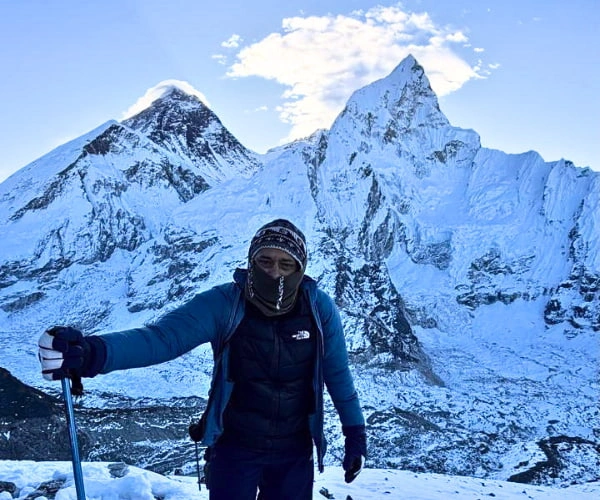
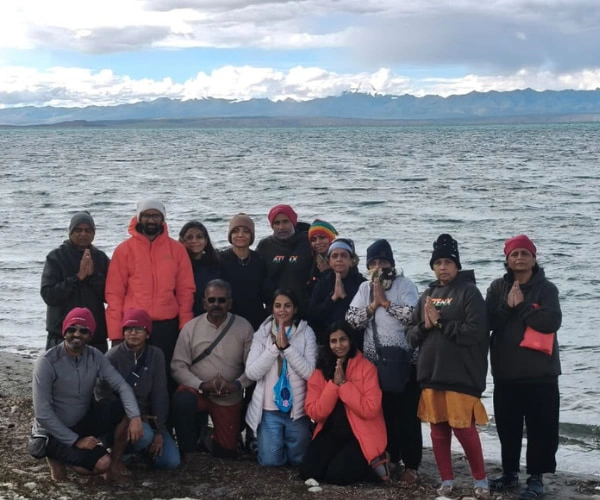
The Grand Overland Route: Nepal to Tibet via Kerung (Gyirong) Border
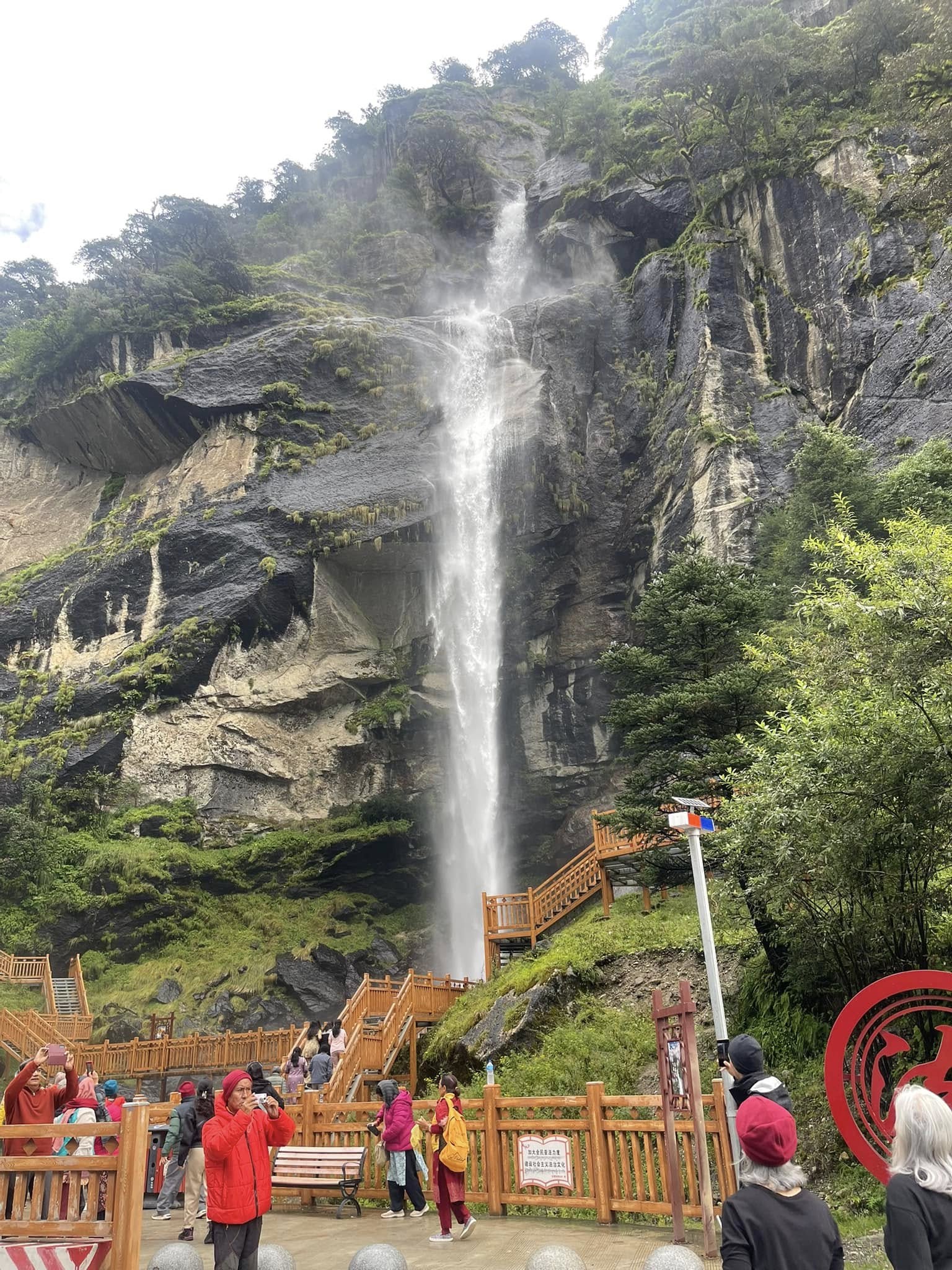
The modern overland route kicks off in Kathmandu, Nepal, and then heads north towards the Kerung (Gyirong) Border - the key land crossing for international travellers between Nepal and Tibet. Once you've got through the formalities on both sides of the border, the next bit of the journey takes you through the breathtaking landscapes of southern Tibet - it's a real treat.
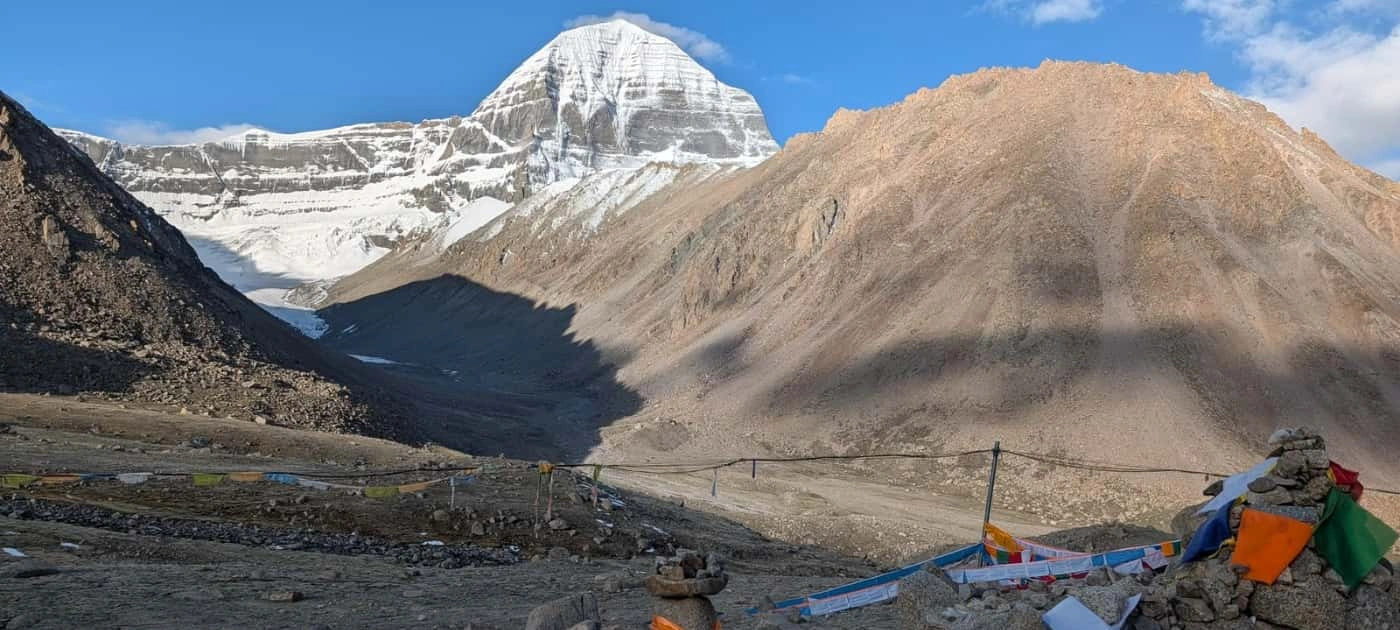
As you pass through Kerung, Saga, Paryang & the stunning Lake Manasarovar, you'll finally arrive at Darchen, the gateway to the mighty Mount Kailash.
Along the way, this route takes in all sorts of incredible terrain - river valleys, snowy mountain passes, high altitude grasslands, and massive open plains where yaks & wild animals are a pretty common sight. While the roads have vastly improved in recent years & made the journey a lot more comfortable than it used to be, it still involves some long drives.
Every bit of the route has its own share of impressive Himalayan scenery and also gives you a chance to get a deeper understanding of Tibetan culture, Buddhism, and the unique vibe of the world's highest plateau - and all in one go.
Detailed Day-by-Day Overland Itinerary: Kathmandu to Kailash & Back
Day 1: Arrival in Kathmandu; 1,400 meters
Day 2: Kathmandu – Temple Visits and Yatra Preparation
Day 3: Kathmandu to Syabrubesi (Drive); 1,460 meters 6-7 hours
Day 4: Syabrubesi to Kerung (Border Crossing) 2,700 meters 4-5 hours
Day 5: Acclimatization Day at Kerung
Day 6: Kerung to Saga (Drive) 4,640 meters 6–7 hours
Day 7: Saga to Lake Mansarovar 4,590 meters 6–7 hours
Day 8: Lake Mansarovar to Darchen 4,575 meters 2–3 hours
Day 9: Darchen to Dirapuk – Kora Day 1; 12 kilometers; 4900 m; 5-6 hours
Day 10: Dirapuk to Zutulpuk via Dolma La Pass – Kora Day 2; 22 kilometers, 8-9 Hours 5630 m
Day 11: Zutulpuk to Saga – Kora Completion; 8 kilometers; 10 hours (Trek + Drive) 4640 m
Day 12: Saga to Kerung
Day 13: Kerung to Kathmandu
Day 14: Departure
Kailash Mansarovar Overland Cost: Full Breakdown of Expense
The Cost of the Kailash Mansarovar Yatra Overland depends on a bunch of factors, such as group size, the level of comfort you're looking for, the type of transport you want to use, government permit fees, and how long you plan to be on the road. Most tour packages include a few basic essentials - like hotel stays in Kathmandu & guesthouses in Tibet, a private car, someone to show you around in Tibet, a Tibet Travel Permit, a Chinese Group Visa, food while you're in Tibet, some sightseeing & of course a support team to keep an eye on things.
But then there are all the additional costs that you need to think about, like flights to get you into Nepal, fees for a Nepalese visa, travel insurance, tips & gratuities along the way, souvenirs, getting your clothes washed & any emergency evacuation you might need - that kind of thing.
One thing to keep in mind is that permit fees and transportation costs tend to make up a pretty big chunk of your total bill because, for obvious reasons, the authorities in Tibet are quite strict about who can enter Tibet & how they can do it. Working with an experienced operator like Holy Kailash Tours can help take some of the uncertainty out of things.
They can make sure you know exactly what you're getting yourself into & that you won't get any nasty surprises along the way, while also making sure you get the logistical support you need to have a safe & successful pilgrimage.
Permits & Visas for Overland Yatra: Navigating Nepal & Tibet Regulations
Getting Ready for Mount Kailash - a Few Important Paperwork Details to Keep in Mind
Before you start making your way to Mount Kailash, you've got to sort out all the necessary travel documents - and that means heading to the relevant authorities to get the right visas and permits. If you're a foreign visitor, the first thing you need to sort out is getting a Nepalese visa either upon arrival in the country or at a Nepalese embassy in your own country - obviously, the latter is the best option for those who can plan ahead and know their own country's options.
Getting into Tibet is a bit trickier, though - you're going to need a special Chinese group visa that you get through a trusted travel agency, as well as a Tibet Travel Permit, and a few other permits that are only needed for treks into the western bits of Tibet.
And let's be clear here: the authorities won't let you just go off on your own in this region, so it's only worth even thinking about trekking here with a reputable tour operator who's been given permission to run Kailash pilgrimages.
Before you get too excited, though, you need to check that your passport has at least six months left on it when you leave - and sort out your documentation in a way that's been double-checked by someone who knows what they're doing.
Of course, the rules and regulations can change - which is why working with a company that really knows what it's doing will make life a lot easier for you - they can make sure that your permits get sorted out in good time, and stop any unnecessary headaches before you even get on the plane.
Vehicle & Drive Conditions: What to Expect on the Tibetan Plateau Roads
The overland journey - it's a road trip like no other. You're in for long driving days on some of the world's highest roads. We use all sorts of vehicles depending on group size, from state-of-the-art 4x4s to spacious tour coaches or comfy vans.
The roads between Kerung, Saga, Paryang, Darchen, and Lake Manasarovar have had a lot of work done on them recently and are now mostly paved, but let's be honest, some bits still get rough due to roadwork or the weather causing a bit of chaos - the dust can get pretty thick, the winds can be strong, and the weather can change in an instant.
But even with all these challenges, the scenery's just incredible - the Himalayas are constantly changing, keeping each day fresh and exciting.
Our Tibetan drivers know these roads like the back of their hand; they've had years of experience, and safety is always their top priority - they'll adapt to whatever the weather and roads throw at them. And to make sure you're comfortable, we make regular stops, which helps your body adjust to the increasing altitude.
High Altitude Acclimatization Strategy for Overland Travelers
Altitude - The Key Consideration on the Kailash Mansarovar Overland Yatra
The Kailash Mansarovar Yatra Overland journey just isn't possible without really considering the altitude. And for good reason - the fact that the road takes you up at a pretty steady rate makes a big difference to how quickly you acclimatise compared with some of the other ways you might travel.
Most tour itineraries make a point of stopping overnight in Kerung early on, and then only pushing on the next day to higher ground. This gives your body a chance to adapt at its own pace. Staying hydrated, eating lightly, not indulging in too much booze, getting a good night's sleep, and taking things at a gentle pace is all pretty basic advice - but it's the key to easing into the higher altitudes successfully.
If you start to feel really unwell (and we're talking severe headaches, persistent vomiting, breathing problems, or feeling really confused here), you need to let your guide know straight away.
And on a trip like this, you're lucky to have some very experienced tour leaders who are keeping a close eye on everyone and adjusting things as they go along - which really does help to keep everyone as safe as possible and lets people feel confident they'll actually make it around the Mount Kailash Kora without too much of a struggle.
Accommodation & Meals on the Overland Trail: Teahouses to Guesthouses
Accommodation standards on the overland route aren't always consistent, but that's not to say you won't find some decent places to lay your head.
Kathmandu's got hotels with all the mod cons, while in Tibet it's usually just clean guesthouses or family-run hotels that can at least provide the basics for the remote mountain terrain, but don't expect much more than that.
When you're doing the Kailash Kora, you're not going to be staying in luxury, but then the whole point of the pilgrimage is to connect with the place, not to get a good night's sleep.
Food is relatively straightforward with Tibetan Chinese Nepali and veggie options all on the menu- you can pretty much count on getting rice noodles, steaming hot soup, some tasty veggies, an omelette & maybe some spuds or fruit depending on the season.
But with high altitude comes redoubled physical demands, so keep an eye on what you're eating & drinking to stay on top of things - proper nutrition and hydration are key.
And because we know how rugged the terrain in western Tibet can be, Holy Kailash Tours tries to choose accommodations that are just good enough for the road conditions, rather than trying to find the absolute best - can't expect much better when the infrastructure is as limited as it is out there
Packing Essentials for the Overland Kailash Yatra: Beyond the Basics
Packing thoughtfully makes a huge difference to how comfortable and safe you'll feel on your pilgrimage. You're gonna want to bring layers that can adapt to some pretty extreme temperature swings because let's face it, one minute you're basking in sunshine and the next you're being battered by freezing winds.
You'll need a waterproof jacket, some decent insulated clothing, a good pair of trekking boots that can handle what you throw at 'em, thermal gloves to keep your fingers from freezing off, some sunglasses with good UV protection (don't want to end up with a nasty burn), sunscreen, lip balm and a decent water bottle that you can refill - not to mention a trekking pole or two, and any personal meds you might need.
And on top of that, a small daypack for carrying the essentials with you as you go, while the rest of your luggage gets to chill out in the support vehicles where it's safe.
Power banks and extra batteries come in handy when you're stuck in remote areas with no mains power, and don't even get me started on the importance of having some copies of your passport and travel documents handy - and a few basic hygiene supplies don't have to be left behind either.
By putting a bit of thought into your packing list, you'll be able to focus on the spiritual side of things without worrying about getting caught out by silly little travel inconveniences.
Health & Safety on the Overland Route: Medical Preparedness & Support
Being in good physical condition for the Kailash Mansarovar pilgrimage is not only safer but also makes for a heck of a lot more enjoyable trip. Before you depart its a good idea to get a medical check-up, especially if you've got anything going on with your heart, lungs, or a long-term condition - it's always better to be on the safe side.
Travellers should also think about getting the right insurance - one that covers high altitude trekking and emergency evacuations if things go wrong.
In the event of an emergency, professional tour operators will already have contingency plans in place and be in regular contact with local authorities whenever possible - all of which gives you extra confidence when you're far from home.
Bringing along any prescribed medication, some basic first-aid supplies, and, on your doctor's advice, medication for altitude sickness will also give you a bit more peace of mind.
For the most part, serious medical emergencies are rare among people who are properly prepared, but it's still vital to be able to spot if altitude sickness if kicking in and know how to respond quickly - all part of being a responsible trip organiser, that's what.
Cultural Immersion & Local Encounters on Your Overland Journey
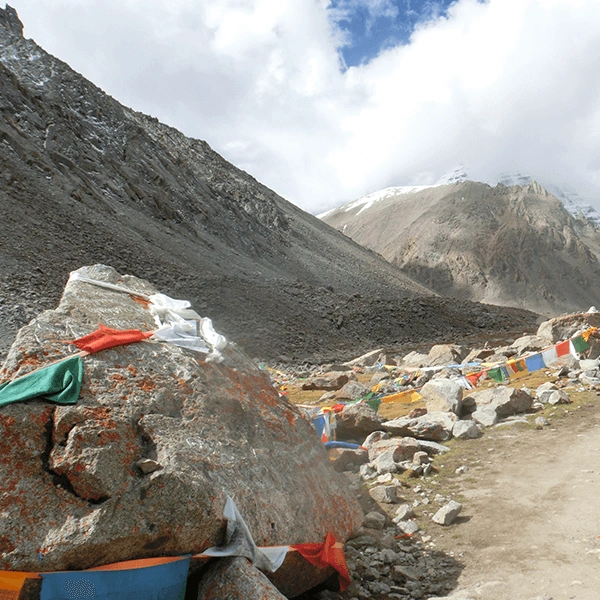
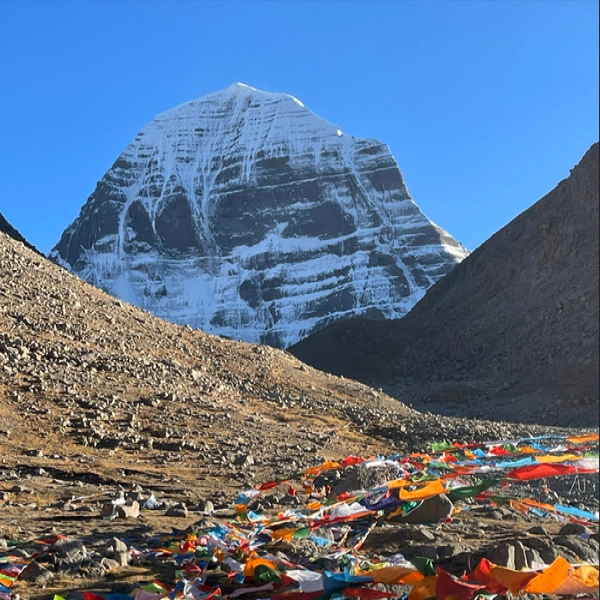
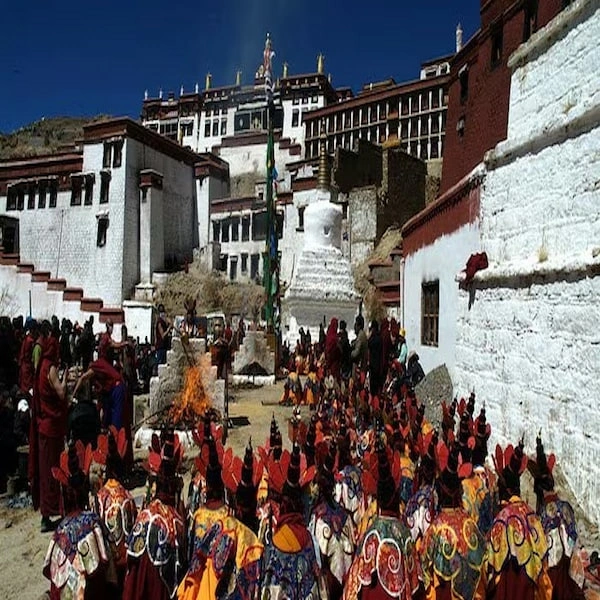
Beyond its spiritual significance, the trek overland offers some of the most rewarding opportunities to get a feel for Tibetan culture. On the way, travelers often catch sight of prayer flags flapping away in the wind across mountain passes like they've been stuck up there for years, and local yak caravans plodding along ancient trade routes, poking around the doorways of crumbling monasteries and spinning on the prayer wheels as they go, all the while passing through villages where life hasn't changed much in a century.
The key, however, is to be respectful when you interact with local communities: only by taking the time to get to know them can you really get a sense of the customs, traditions & deep spiritual connection Tibetans have to Mount Kailash.
You can find out heaps about the local way of life by hanging out in the monasteries, watching the locals go about their rituals, and hearing them tell the stories of the region - it's a whole lot more than just about the destination.
By being a responsible tourist, you can help build goodwill between visitors like yourself and the local communities, all while helping to keep those unique cultural traditions alive for the next generation
The Sacred Kora: Mount Kailash - the ultimate Circumambulation adventure.
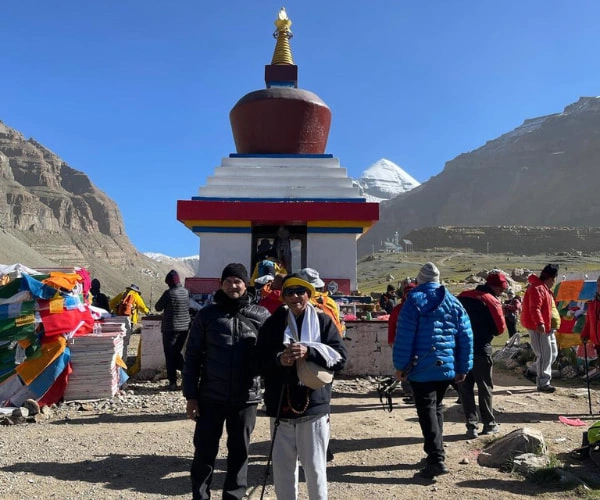
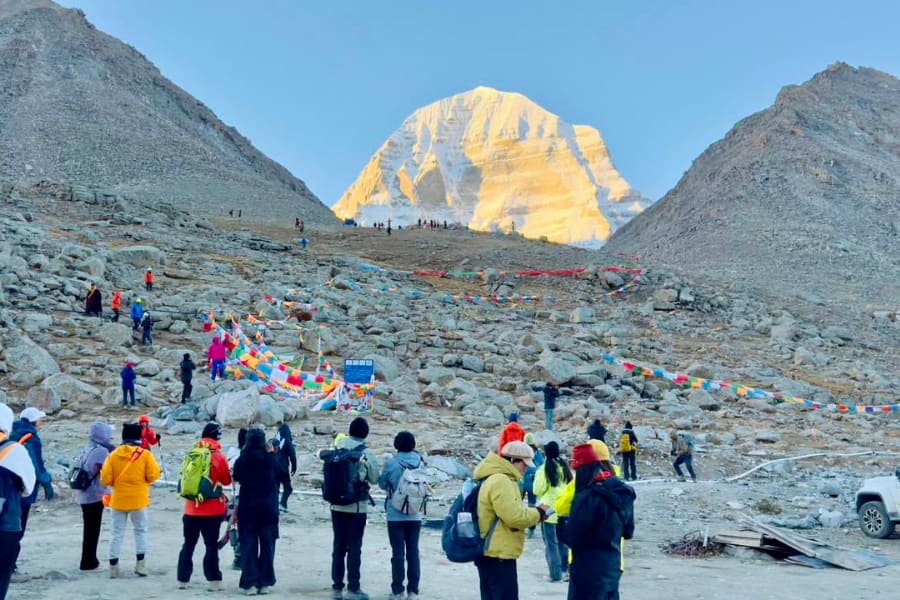
The Mount Kailash Kora is the spiritual heartbeat of any religious pilgrimage here. At around 52 kilometres, this three-day circumnavigation is seen as a way to show devotion by people of all faiths - Hindu, Buddhist, Jain, and Bon worshippers alike. As pilgrims make their way through the valleys, it's a real rollercoaster, and over the famous Dolma La Pass, they also pass by some incredible historic meditation sites that tell the story of centuries of spiritual tradition.
The Kora is no picnic; the high altitude makes it a pretty demanding trek, but for many people, it's the experience of a lifetime. In fact, completing the full circuit is often thought to be a way to cleanse the mind & soul of accumulated karma, as well as to bring a real sense of inner renewal.
However you choose to see it - whether it's spiritually or on a more personal level - there's no denying that this is one of the most memorable and extraordinary pilgrimages on the planet.
Lake Manasarovar Experience: Rituals, Views, & Spiritual Significance
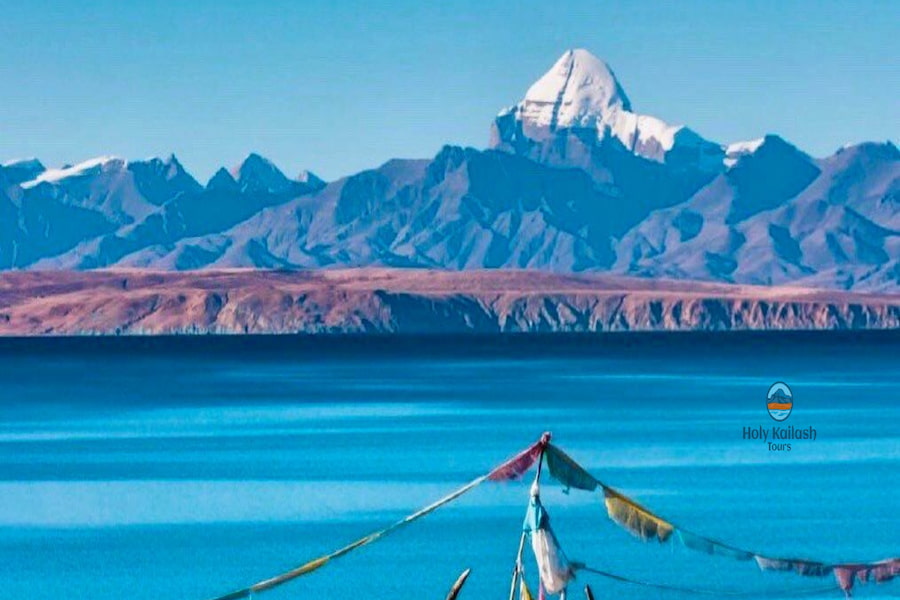
Lake Manasarovar - the Holy Waters of Asia. Lake Manasarovar is one of the most revered freshwater lakes in Asia, and it holds deep spiritual significance across several religious traditions. Pilgrims often come here to pray, meditate & have a bit of a ritual wash along its really peaceful shoreline, all the while taking in the stunning reflections of Mount Kailash in the crystal-clear water.
According to Hindu belief, the lake was created by God Brahma & it's a powerful symbol of a pure mind & soul. Buddhists see it as a sacred place where people can seek enlightenment, while Jains and Bon folk also regard it as particularly spiritual.
And even beyond all the religious side of things, the lake itself has this amazing, serene vibe & a setting that's just as good as anything in the Himalayas - which is a pretty saying something - and that's just enough to leave a lasting impression on visitors, making it probably one of the emotional highlights of the whole journey.
Challenges & Rewards of the Overland Kailash Mansarovar Yatra
The Kailash Mansarovar Yatra Overland - A Pilgrimage That Won't Wrap You in Luxury. This trek isn't some high-end getaway - it's a genuine pilgrimage. To make it happen, you'll need to have some real patience, a healthy dose of grit, and a good deal of preparation. High altitude is a given, along with long days of travel, the odd shower of rain, and some less-than-luxurious accommodation.
And yet, it's these very challenges that can add up to make all the difference to your journey. The sense of accomplishment you get when you finally reach Mount Kailash after days of gradual travel is pretty unbeatable - one that can stay with you for the rest of your life.
Put all that together with mind-blowing scenery, spiritual reflection time, the chance to discover some amazing cultures, and a personal challenge that'll really test you out - and you've got one of the most rewarding pilgrimages going. Year after year, people come back from this adventure with a renewed outlook on life, some lifelong friends, and memories that go way beyond some nice snaps.
Choosing Your Overland Operator: Key Considerations for a Smooth Journey
Choosing the right tour operator is vital for a successful Kailash Mansarovar Yatra Overland trip - and it makes all the difference between a good experience and a great one. What to look for is experience running Tibet pilgrimages, an upfront, honest price, all necessary government approvals, guides who know their stuff, vehicles that run reliably, a solid acclimatization plan, and support in case of an emergency. And let's not forget the reviews from other travelers - because they're a good gauge of what you can expect.
More importantly, a reputable company will have a good understanding of the ins and outs of getting the necessary permits, navigating the border, dealing with the altitude and all that comes with it, as well as being sensitive to local culture. And then of course, there's communication - you want a company that will give you clear info before and during the trip to help take the stress out of things.
Holy Kailash Tours has a wealth of experience sending people on Kailash Mansarovar pilgrimages from Nepal, and that's really put them in a strong position to offer itineraries that have been carefully thought out, support teams that know what they're doing, and personal assistance that's on tap from the minute you enquire to the minute you get back home safely. By choosing a trusted operator, you can focus on the spiritual side of the trip with confidence - knowing that all the logistical stuff has been taken care of by pros.
Final Thought
The Kailash Mansarovar Yatra Overland is way more than just a drive from Nepal into Tibet - it's a whole other level of life-changing spiritual journey that's packed with breathtaking Himalayan scenery and genuinely meaningful encounters with local cultures.
If you approach it properly - that is, with some basic planning, a healthy dose of realism & the guidance of a reputable tour operator who's done this trip before - this trip just becomes a really safe and deeply rewarding experience.
Essentially, being clued up on what to expect from the route, the rules around permits, what it'll cost, where you'll be in terms of altitude & what the daily schedule looks like, lets you get your head down, focus on what you're there for & not get bogged down in 'what if's.
Holy Kailash Tours is 100% serious about providing solid backup, top-notch guides, and a carefully thought-out itinerary that ensures every traveller has a worry-free time on this incredible adventure. And then there's the memories - the personal growth, spiritual rewards, and all the rest - that'll stay with you long after you get back home.