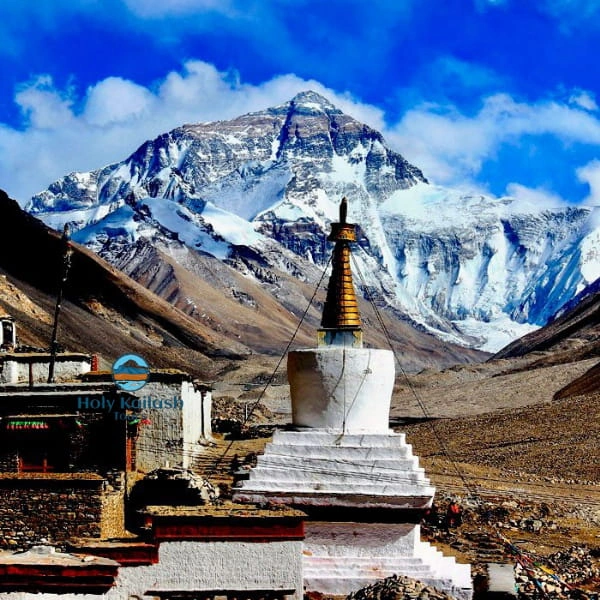
The yatra to Mount Kailash Mansarovar Elavations is 6638 meters; the summit is quite a modest height by Himalayan standards, like the Everest Base Camp trek. Annapurna Circuit trekkers go higher than this mountain's base while making their way up the Kailash Mansarovar Yatra, yet no one has ever stood on its summit, and no one is trying. Four religions consider it a holy Kailash Mansarovar place, and that fact alone alters your planning completely.
Our team at Holy Kailash Tours has organized pilgrimages and treks to the Mount Kailash and Mansarovar Yatra area out of Kathmandu since 2010. Our trekking guides boil down from our on-the-field experience: the routes that work, the trek price including extras one won't find in the brochure, and what it takes on DOLMA LA, pass 5, 631 m
Latest Travel Blogs
Why Trek to Kailash Mansarovar
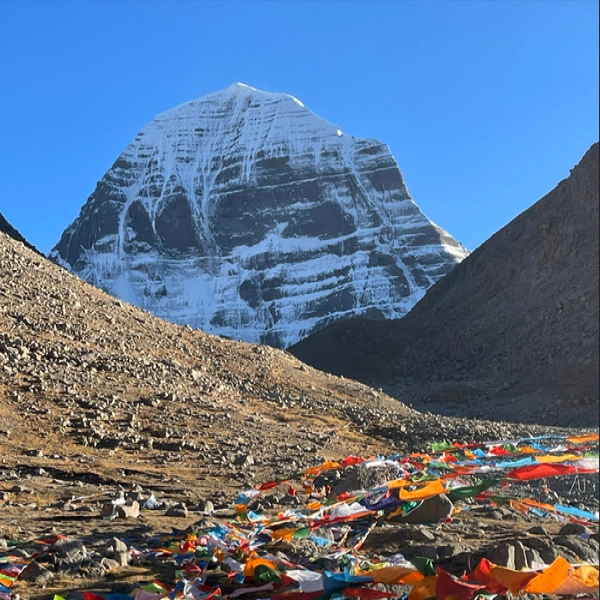
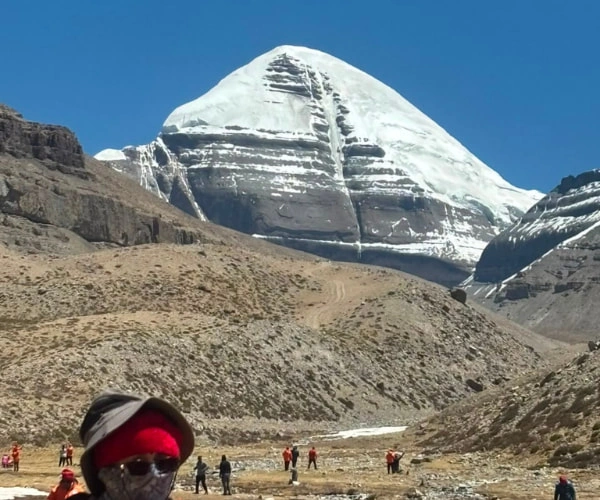
Mount kailash From Darchen
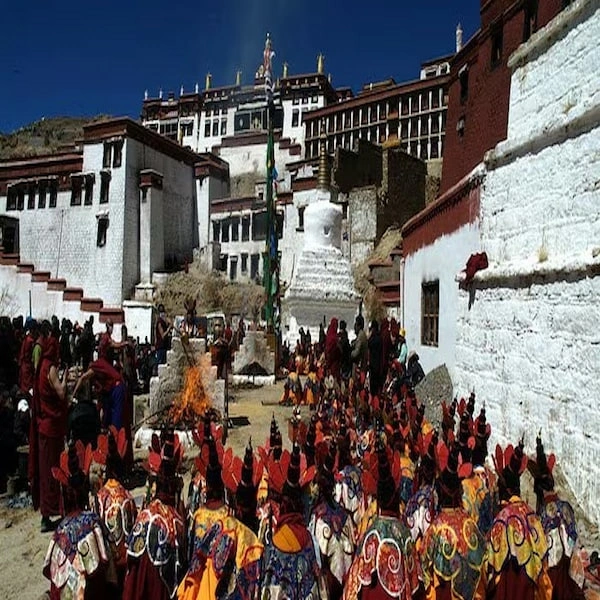
Most treks just offer scenery. The Kailash Mansarovar trek offers, plus several thousand years of faith, piled on top. Hindus think it's the place of Lord Shiva's home. Likeyang was also sacred to the Tibetan Buddhists as the place, or the home of Demchok (Chakrasamvara), and they considered it the designation of the universal Mount Meru.
This was another belief of the Jains: that their first Tirthankara Rishabhanatha achieved liberation in this city. Kampo practitioners, who worship the pre-Buddhist religion of Tibet, go around the mountains in a counterclockwise direction and think of it as the soul of the entire Tibet.
There's no other route in the world where four religions intersect for the same 52 km distance. Combine the spiritual element with the physical side, an extreme high pass circuit over glacial lakes and through icy windswept passes as well as a lake so calm it reflects the mountain top, and you get a journey that's a pilgrimage and a true mountain adventure, which is why thousands are still making the trip every year regardless of the cost, paperwork, and altitude.
The road is only accessible 5-11 months of a year. During the winter, the passes are snowed in, and the borders are closed completely.
May: The route opened just today. Cold nights, under crowded snow, still remain on Dolma La.
June: Climate becomes stable. We offer all their Nepal tour routes, which usually begin now.
July: the prime time of the year; in this period, Guru Purnima usually happens. The maximum crowds will disembark during the full moon at the trail and the Kerung border.
August: Hot days on the Nepal side, but monsoon rain can hang up your drive north from Kathmandu.
September: the choice for the most expert operators we've met by far. Clear monsoon, keen sky, clear view of the Kailash, and how it is tarrying no more behind the cloud.
October: cooling rapidly, with much smaller groups and gorgeous low, angled light, which meant great pictures.
November: The route is getting closed towards the end of the month. Go so late if you're up to deal with real cold.
The Buddhist and Hindu religions also attach special significance to dates, so the full moon dates are even more auspicious, as a Kora performed on that date people think is doubly meritorious. Just be aware that everyone else read the same calendar, so reserve those dates well in advance.
Kailash Mansarovar Trek Routes Explained
Way To Kailasg yatra
There's no one way to get there. There are three, and choosing the right way to go over one of the most important decisions you'll make on this journey.
1. Overland through Nepal (Kerung border) Fly into Kathmandu, stay a few days for your Chinese Group Visa to work, and then drive north to the Kerung (Gyirong) border crossing and on to Darchen. This is by far the most popular route that Holy Kailash Tours organizes. It's a fairly easy cost, a slow climb, and a safe route with no draw to win.
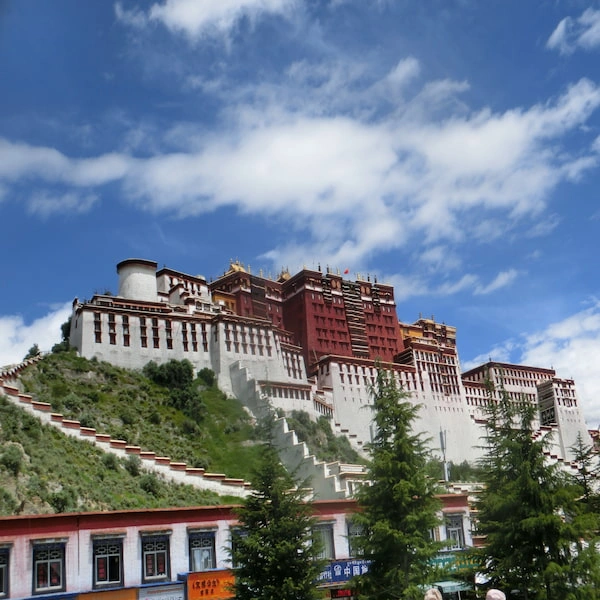
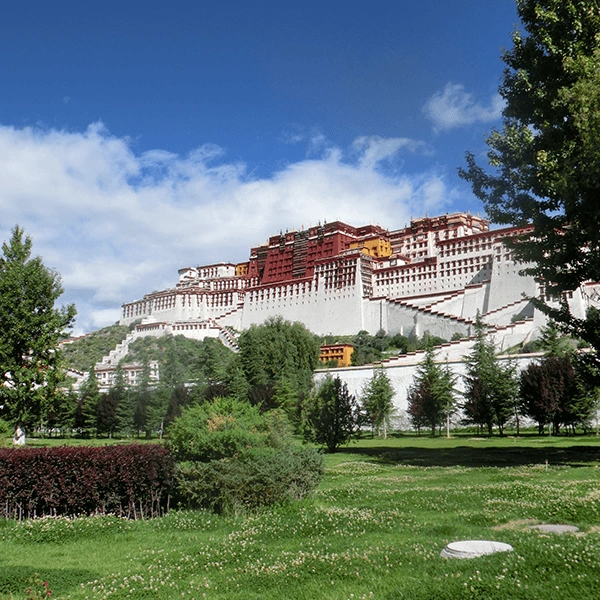
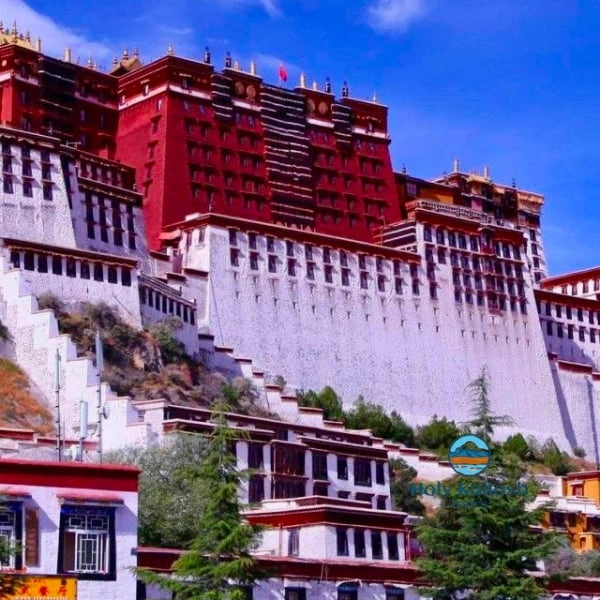
2. Kailash Yatra Via Lhasa: This route is very scenic and leisurely. Whether flying or driving, you'll arrive in Lhasa first, explore the Potala Palace and Jokhang Temple, and then you'll travel overland to Kailash in the west. Also, this route will add a week or more to your journey and will be more expensive, but it will provide the most complete Tibetan cultural journey of all travel routes.
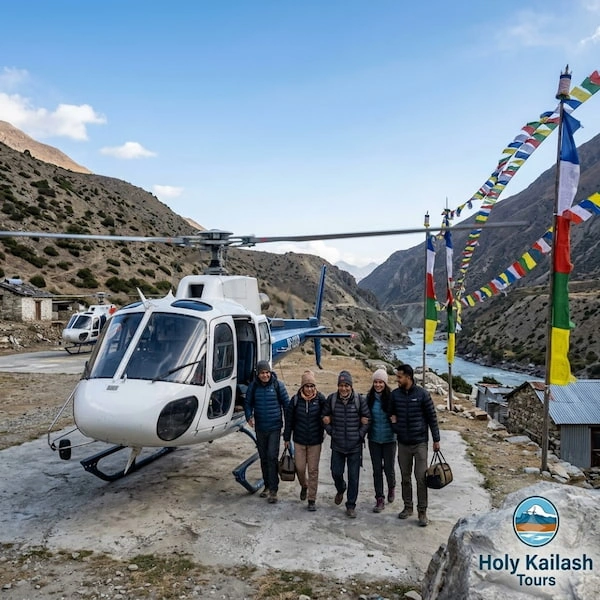
3. Helicopter route From Kathmandu or Nepalgunj (fuel stop) to the Kailash area saves 4 days of overland travel. Designed for pilgrims who have little time or can't endure the long days in the saddle.
According to the fog and the gales over the plateau, helicopter runs quite a number of days. The cheapest way to get there is via the Nepal overland route, and that's the route that most people end up taking, including most of the travelers that we work with at Holy Kailash Tours.
Complete Kailash Mansarovar Trek Itinerary (Start to Finish)
Below is an overview of how a normal Nepal overland works, taking about 10 16 days (most nationalities I know generally take around 10 16 days; Indian passport holders seem to be able to do it in as few as 14).
Day 1 to 4: Kathmandu Arrival, gear check, and group visit to the Chinese Embassy for your Tibet Group Visa.
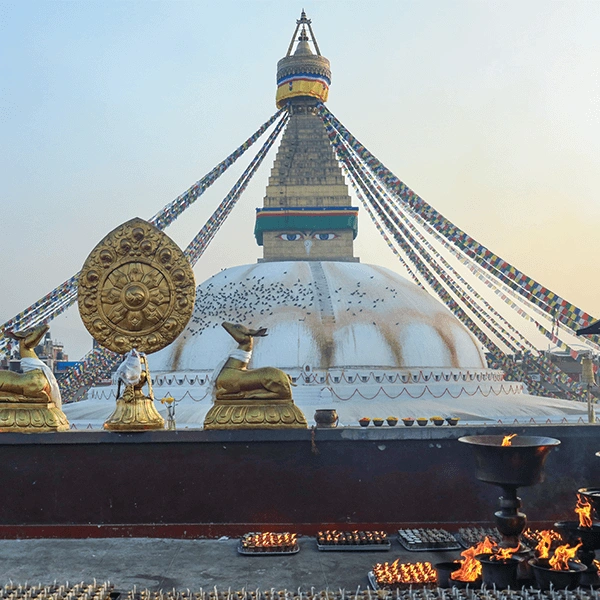
It takes three to four working days to process the visa, so you have time to visit the Kathmandu heritage site, Pashupatinath, Boudhanath, and Swayambhunath while waiting.
Not wasted time. It's really good spiritual preparation and a good safety net if anyone needs anything checked at the last minute.
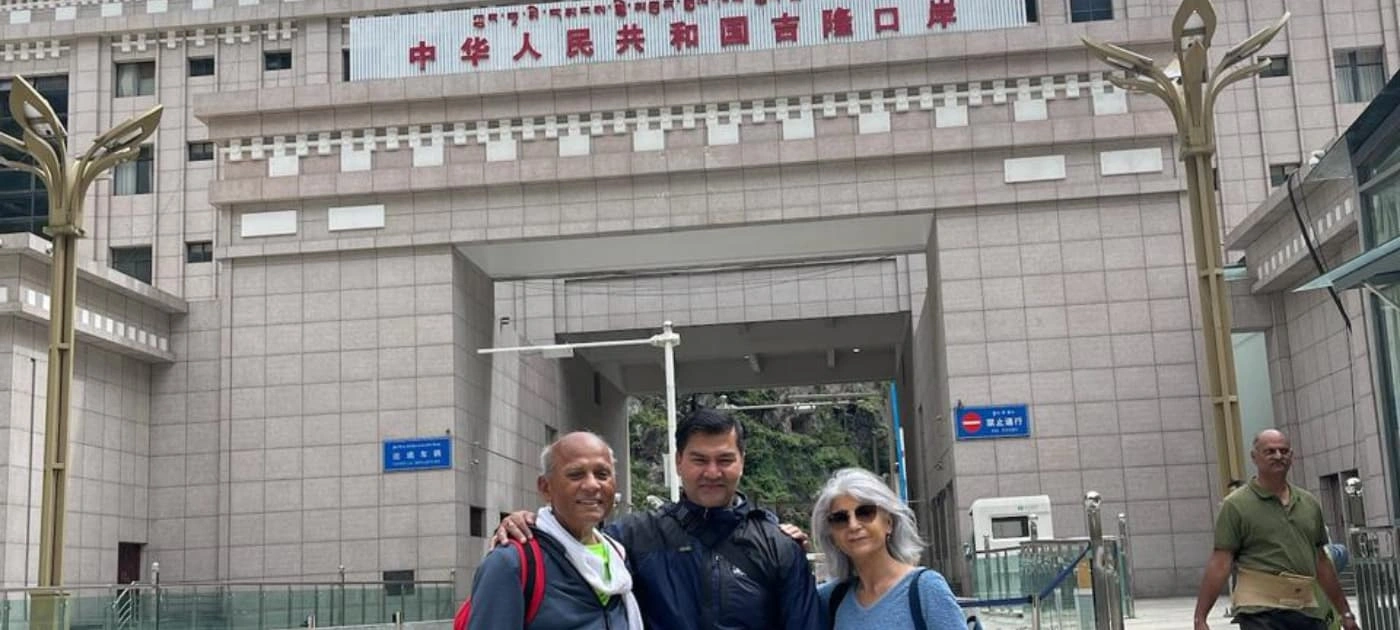
Days 5 to 6: Kathmandu to Kerung The first day involves a lengthy drive along the valley of the Trishuli River as far as the border town of Timure before crossing over into Tibet at either the Rasuwagadhi (Nepali side) or Kerung (Tibetan side) checkpoints. This is where all immigration arrangements are made.
Day 7 Az 7: Kerung relaxes. Simple day off at altitude, no climbing, a few short strolls, hydrate hydrate hydrate, don't overdo it. This is a day more important than most realize.
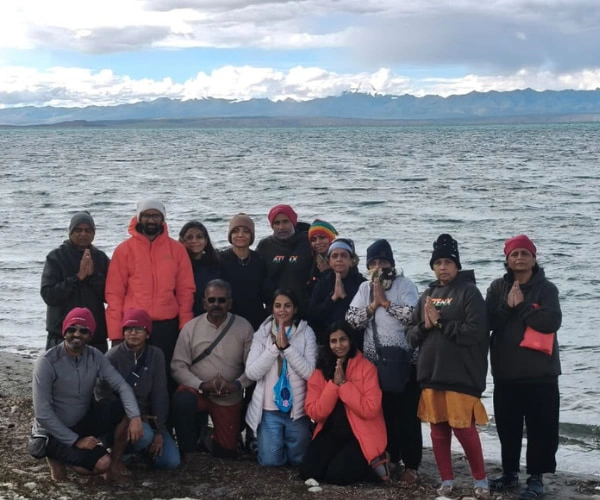
Days 8 to 9: Kerung to Saga to Lake Mansarovar another two long overland drives up on the great Tibetan plateau to Saga (4,640 m), and then on to the very symbolic bank of Lake Mansarovar (4,590 m). Most pilgrims will take a ritual bathing ritual at the lake, no matter how freezing it is, or a puja.
Day 10: Mansarovar to Darchen A brief drive to Darchen (4,560m), the starting point of the Kora. Kailash can be seen through the distance if the weather is clear.
11 to 13 days: The Kora 3 days walking around Mount Kailash. More detail on this is below because this is what the whole journey is about.
DAY 14 to 15: Kathmandu Return journey to Kathmandu via Saga and Kerung, following the same path back to the border. Conclude the journey in Kathmandu with a group meal.
Day 16: Departure
We transfer you to the airport for your further journey, culminating in a spiritually transforming KailashMansarovar Yattra.
The Kailash Parikrama (Kora): The Spiritual Highlight
At Kailash Yatra
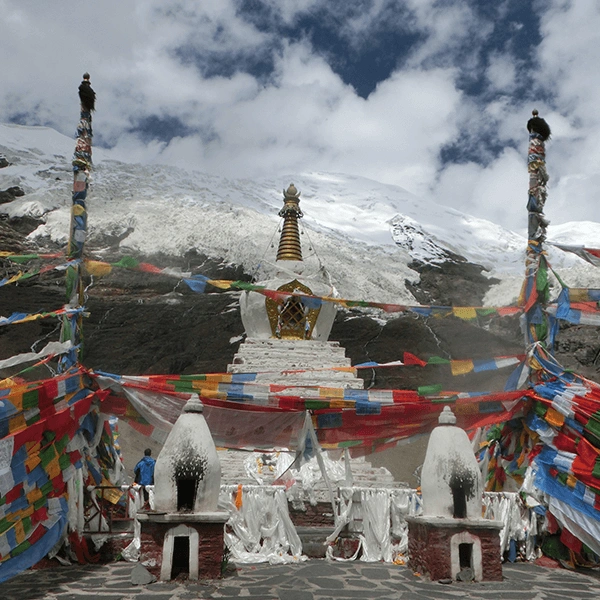
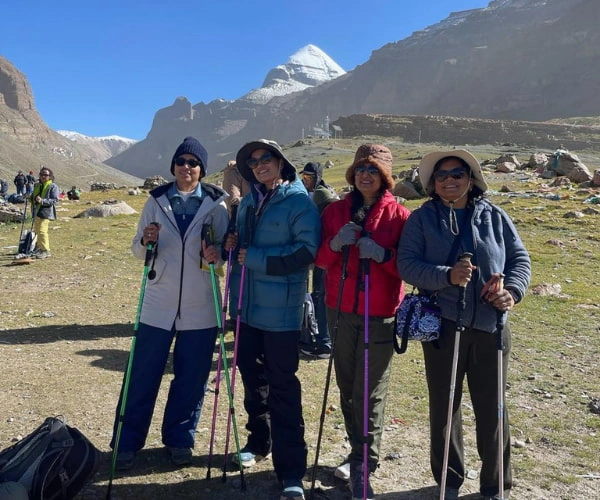
The Kailash Kora is a roughly 52 km clockwise walk around the base of Mount Kailash (Bon followers go anticlockwise). Based on legend, completing a single circuit would absolve one of all earthly sins, while making a hundred and eight circuits would lead to liberation. Mostly, people complete one circuit, and that's sufficient.
Day 1: Darchen to Dirapuk: A journey of about 17 km that will take you about 7 to 8 hours and will reach a height of about 5,210 m. In this trip, you will pass YamDwar, the symbolic entrance to the Kora, and you will have your first clear and unobstructed glimpse of Kailash's northern ridge when you reach Dirapuk.
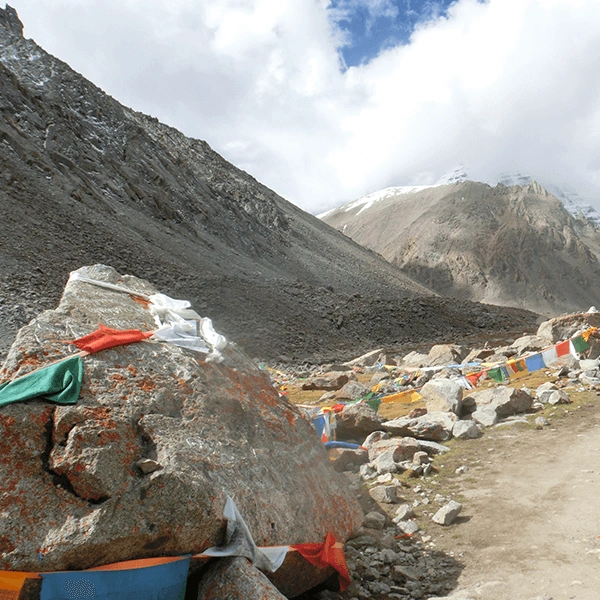
Day 2: Dirapuk to Zuthulphuk, via Dolma La Pass: A tough day, about 22 km to cover, a long climb up to 5 630 m where Dolma La, the highest point of the entire route, is located, a day which is crucial for deciding if people will continue the Kora or give up.
Day 3: Zuthulphuk to Zongdui: A small hike of about 12 km will take 4 to 5 hours and will reach the end point from which you will descend to a lower elevation of about 4,760 m.
If hiking all the way is not feasible for you, you can get a horse or porter to help you in Darchen (the price is set in local currency and not by travel agencies). The minimum time you will have to be on your feet daily, even with a horse, would still be a couple of hours, and if after reaching Darchen, you don't feel like continuing the Kora, it will not be a problem with a reasonable guide who rather remains with you instead of forcing you onto the path.
We want to point out one fact in the beginning that this is a really tough trek, but the difficulty factor differs from what most people are thinking.
There is no need to have any technical skills like rope work or rock climbing or even experience with them for this trail. This type of trek does not involve any mountaineering or similar activities.
You can see yourself that the challenge posed is entirely due to the altitude combined with the exposure over many days, which means you will be exposed to driving and hiking at altitudes above 4,500 m and culminating on top of Dolma La at 5,630 m.
Since at such altitudes the air is so thin you will not get enough oxygen, it is going to make even the fittest person slower. Whether you are old or being fit, both are not going to help you avoid getting altitude sickness which is, by far, the most common risk you have on such a trek, even if there is a nice guide with good equipment, and so on.
Frequent problems
Sometimes people have a hard time because they are running out of energy on the day of descent as the altitude of Dolma La mountain passes them by unexpectedly.
Some people choose to skip the acclimatization day at Kerung; it is just 'a loss of time' for them.
One of the biggest mistakes we notice people make is drinking very little water on days when it is mainly driven because there is no sweating, so it is easier to 'forget' to drink enough.
Packing inadequate layers as protection against the cold night weather at Dirapuk and Zuthulphuk is among the common mistakes we witness.
What matters most for being able to finish the Kora comfortably is the respect of the acclimatization schedule and self-regulation on your second day at Kora rather than being physically trained. That is definitely the single largest factor determining who is going to be able to go through with a smooth Kora.
You are not expected to possess the fitness level of elite athletes. But for sure, you need to get used to lengthy walking sessions on different terrains; otherwise, you will find the walking difficult after reaching Kathmandu.
Get the training done about three months early. If possible, train with walking/hiking for about 5 to 7 hours at a stretch on different types of land, because that's what the Dolma La day expects.
If possible, have cardio sessions three to four times a week. The activity is a choice that depends on your ability to follow through, be it cycling, swimming, or jogging.
Walking practice on slopes both up and down is important, as you are unlikely to walk on flat ground only. Downhill walking uses different muscles and has the potential to wreck knees during the Dolma La descent.
Add breathing exercises or yoga to your regimen; it may not serve the purpose of altitude acclimatization, but it would help in increasing overall lung capacity. Try to adjust to the lack of water supply. Change the habit of drinking water only when thirsty to one of drinking regularly.
This trip requires a lot to get the right documents done. That is something that you have to rely on mostly according to the route you are taking.
If your way to the Kailash Mansarovar pilgrimage will be through Nepal (private): A permit for Tibet Travel (TTP), arranged by a licensed agency and issued by the Tibet Tourism Bureau
Alien Travel Permit (ATP), which you need for visiting the so-called limited areas of Tibet that include the Kailash region. It is issued by the Public Security Bureau in Tibet for the use of military zones or areas near the international borders, as the route goes near them.
The Chinese Travel Group Visa is to be done in Kathmandu (not your own tourist visa, as you travel together as a registered group, not individually). Prepare documents: You must have your passport valid for at least 6 months from the travel date, 2 passport-size photos, the certificate of medical fitness, and contact details of the emergency person. Indian citizens can likely present a passport or voter ID and Aadhaar card when entering Nepal by border.
If you book with Holy Kailash Tours, the TTP, ATP, military, and Chinese visa requirements will be handled on your behalf, so you do not have to stress about those documents. That said, it is a good idea to be in the picture and understand the role or purpose of each permit you are to hand over and not trust completely on anyone who has taken the task of handling your things, even if they are your own passport, etc.
Kailash Mansarovar Trek Cost and Budgeting Overview
Why prices may differ so much is the choice of route.
Nepal overland via Kerung (private operators): standard group departure is usually about USD 2,600 to 3,500; Holy Kailash Tours overland package commences at about USD 2,650.
From the Lhasa route: the Lhasa hotel days and an extra week mean the price is much higher, USD 4800 on average for one week, upwards from there.
Helicopter is a very quick, although the top-priced, way of visiting the Kailasha range and is via helicopter tours, which are offered in Nepal at a cost of as low as $3,400, with Simikot-based tour packages.
General packages typically include the cost of your travel documents, help in getting your visa approved, transport for a hotel room or guesthouse at the place of visit and all meals, a knowledgeable guide, and a basic medical kit with supplemental oxygen, etc.
Matters that will likely not be included, which also lead to people miscalculating the total budget:
Flights that come to Kathmandu
Having yourself properly insured while on an adventure
Engaging a yak or porter for hire on the Kora (the total amount would be 4,200 yuan only if one horse is to be hired with a rider from morning to night)
Inclusion of gratuities for both the driver and the guide
Spending by yourself within the Tibetan region, for example, a 3,000- to 5,000-yuan budget for a SIM card, some snacks, and a few extra things.
Emergency medical services or rescue costs if not covered by health insurance when the situation becomes really serious and one is without insurance.
Taking into account this, it usually turns out to be a figure about 15 to 25% higher than the listed package cost. Inquire about the list of things that one is charged for and the list of things not included from any agency you are considering booking, including yours. Usually, it is not only here that the missing part of expenditure has come to light for the price that has looked too good compared to others.
Meals and hotels along the way at the Kailash Mansarovar Trek. It is not a luxurious type of tour, the one that will make a good income. That means if any seller is giving the impression that they sell luxurious travel, then he definitely has never been there.
Food and Accommodation During Kailash Mansarovar Trek
Kathmandu: Standard is a comfortable 3-star, 4-star, or 5-star hotel option, while a possibility of a higher standard is also there. You can choose Indian, Nepali, or Western vegetarian cuisine to your heart's content!
Kerung and Saga: Hotel rooms available that are fairly basic and have a toilet attached. Even so, the supply of water is not reliable, nor is the indoor heating!
Darchen: Basic hotel close to the trailhead for the Kora, which is quite good in its functionality and doesn't add any extra luxury!
Dirapuk and Zuthulphuk Lake Mansarovar area guesthouses or dorm-style accommodation with shared facilities, minimal hot water, and quite cold nights. So, it is the lowest level that you can get on the trip!
On the trek, one may encounter simple vegetarian meals like porridge or a sandwich for breakfast and a combination of lentils, rice, roti, vegetables, or a serving of noodles as lunch and dinner.
You could consider carrying some high-energy snacks like nuts, dried fruits, and the like, which are best prepared before the actual trip begins so that when a person's appetite is affected by being at a higher altitude, one still has the much-needed calories. Consume between 3 and 4 liters of water per day after getting yourself acclimatized in Tibet; even if it doesn't feel like you need it, drink more than expected. Kathmandu!
Make sure that you are well prepared for the cold, as it's quite a big problem in the Himalayas, even in the summer.
Some clothes for wearing on the body to keep yourself warm in very cold climates (2-3 sets of thermals), a mid-layer fleece, and a good-quality down sweater
Water-resistant, breathable outerwear to go from one destination to another
Well-used and supported hiking shoes, also slippers for evening use at campsites
Hiking sticks, which will make a huge difference during the descent after the Dolma La crossing, are particularly recommended at this stage in the journey to prevent injuries to the knees.
Lodges at the mountain lodges Dirapuk and Zuthulphuk will require you to bring your own sleeping bag, which has a temperature rating of at least 10 degrees.
A headlamp that is not only of high quality but also equipped with extra batteries.
Eye protection against the sun in the form of sunglasses as well as lotions with a high sun protection level in the region at that altitude (since it is really easy to get sunburned in the Himalayas).
Inclusion of a small first-aid box, Diamox (if the doctor says you can use it), packets of rehydration salt, and medicines you take regularly that are in sufficient quantity
Health and Safety Tips for Kailash Mansarovar Trek
At this altitude, altitude sickness remains the main potential risk which could ruin the whole trek for you no amount of fitness will help you avoid it.
Honor a day of built-in adjustment at Kerung. Don't think of it as an extra activity.
Drink frequently; don't just drink when your thirst catches up with you.
Drop alcohol completely from your plans, and limit yourself to caffeine as well.
Have a consultation with your doctor about Diamox before you pack and head off, not when you are already on altitude symptoms.
If the symptoms go worse by rest than you expected, descent becomes the only option, not trying to fight through.
Speak with your family physician on the possibility of the administration of the drug called Diamox before you set off on the trip, not the moment your condition starts to deteriorate. As long as the symptoms don't get milder at rest, the only way out is descent, not staying the course.
The importance of travel medical insurance here is greater than what you would normally expect while touring. Should you fall ill and need transport by helicopter to lower altitudes in the Tibetan Plateau, the cost without any insurance support may go over USD 10,000. The policy you select should include an explicit declaration that your coverage will be valid when hiking above 5,000m as well as for the emergency helicopter lifting you up, as there are so many standard insurance plans that quietly hide Really they exclude both options altogether in fine print.
Spiritual Significance of Mount Kailash and Lake Mansarovar
There has never been any verified recording of Kailash being summited, and that's not because professional climbers didn't give it their all. Reinhold Messner supposedly refused the opportunity to do the climb. Not even a climbing permit is issued to this mountain by Chinese officials. To the Chinese, the reason is partly belief, partly law: the mountain by design stays untouched.
Lake Mansarovar has its share of weight as well. To wash away sin, Hinduists will immerse themselves in it. For Buddhists, to drink from the lake is a merit-earning act. At 4,590 meters of elevation, it has no outlet, and it only gets its water from glaciers melting and springs which, Besides other things, is what makes the locals believe it as a very pure and sacred water so pilgrims take a few small bottles of it with them to their homes.
Mind-anything-belief-one-brings-walking-in, most people say there is definitely something that changes when they are on the other side of Dolma La. They can name it an altitude effect, exhaustion, or anything else they choose to call it. Since several people have described getting the same feeling, maybe it is something to be taken seriously.
Wildlife, Nature, and Landscapes of the Kailash Region
This is really high-altitude terrain, which you have not seen on other treks.
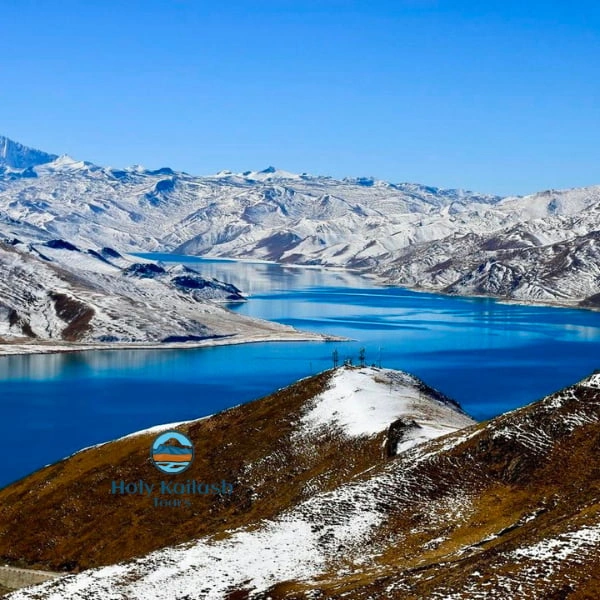
Actually it is desert-like and not lush mountain scenery: there are vast plains, the lakes are as blue as the sky, and the Kailash itself, with its symmetrical sides, looks so perfectly balanced that it might be the only peak designed rather than formed naturally.
Wild animals are quite few, but the few there are are absolutely wild. Pika, bar-headed geese, and Brahminy duck
The vegetation here is sparse because of the height, but the landscape, the color of the lake, the bare red hills and the snow-capped peak of Kailash standing out against a deep blue sky are the reasons that people come back from their treks to Kailash with far more photos than from most of their other travels.
This would be your first high-altitude trip. There are quite a few things a newbie should know:
You should not only select your path through a valley based on cost, but also per your time availability and fitness level. In other words, the least expensive option may not suit you, mainly being a first-timer.
In general, a minimum of 45 to 60 days' notice for booking is necessary. On the contrary, if you're thinking of a full-moon departure or a June to August travel window, push the date by 90 days.
Around Mansarovar and on Kora, one can expect to be completely out of the internet and phone world for a day or two. Do inform the family members so that you are not a cause for their worries at a later time after they have already lost sleep due to this.
One must be mentally prepared, not least alongside physical. There will be days of long drives, very basic toilets, and also cold nights, all factors that will make one's soul more patient than strong muscles do.
Do take the guide along on all decisions about pace and rest. This is not the kind of trip where you can be proud of your personal performance and think about how tough it is.
Kailash Mansarovar Yatra, a particular journey, demands more from you than the average trekking adventure. The elevation, the need to fill many pages, not having modern toilets, and cold nights all combined with a three-day walk, which will go on regardless of the marathon counts you've run.
Still, it gives you back in a way most destinations don't, because it is the place people have had attached meaning for centuries and even millions that is being done exactly now.
Condition your body during the months leading up to the trip. Be very careful of the acclimatisation schedule after you get there. Lastly, remember that the mountain has been the winner of all the battles in the attempt to conquer it, and the mountain isn't going to start caring about your conquests now, so be humble.
In case you wish to begin the planning process, Holy Kailash Tours is the ideal place to get guidance on route choice, permits, and a realistic budget based on your fitness and the time you can spare.
We've been helping pilgrimage tours to Kailash and back since 2010. The last thing we want is for you to be faced with an uncomfortable and expensive experience if you choose the wrong route. Better to be honest and let the facts speak!
It is a moderate climb for the landscape but challenging at such a high altitude. There is no technical climbing involved, but you are actually doing some of your travel and work above 4,500 meters, which is already quite high. The highest pass is at 5,630m. Altitude is the main reason, even though you are physically fit.
2. What is the best month for Kailash Mansarovar Yatra?
If you have ever had any of your dreams to walk the spiritual path of Mount Kailas, then the first month (February), which will have less rain and snowfall, and the last month (December), where there will not be too many people. It really depends a lot on where you are coming from, but from July to September is the best because the weather is generally clear with minimal rain and snowfall. July tends to be the busiest around Guru Purnima.
3. How much does the Kailash Mansarovar Trek cost?
The cost entirely depends on your chosen route and mode of transport. On official (MEA) routes from India, it ranges approximately from 1.6 to 2. 8 lakh private overland packages from Nepal typically range from $2400 to $3500. Via Lhasa as well as helicopter-erating options are far more expensive.
4. How many days are required for the Kailash Mansarovar Trek?
In most of the overland Nepal itineraries, the total duration is from 14 to 16 days only after starting to finish. You can expect India's MEA Lipulekh route to last at least 22 days. Helicopter tours can reduce the duration of the trip to as short as 9 days or 11 days.
5. What permits are required for Kailash Mansarovar Yatra?
For travelers through Nepal, a Tibet Travel Permit, Alien Traveler, Military, and Chinese Group Visa documents are necessary. For Indian MEA routes you go through a computerized process by simply applying for kmy. gov. in
6. Can senior citizens complete the Kailash Mansarovar Trek?
A lot of seniors actually do it, most of routes,utes, rough and overland, helicopter ways, since both have leskmy.gov.in.doctor's clearance and an honest talk to a doctor before the journey can make you more ready for the hike.
Written by the Holy Kailash Tours travel desk, explore the Kailash Mansarovar yatra Start to Finish with the Holy Kailash Tours from Nepal.
Email: [email protected]
Author: Ram Sharan Adhikari
WhatsApp: +977-9851254672 — Feel free to reach out anytime for fast, friendly, and personalized assistance.