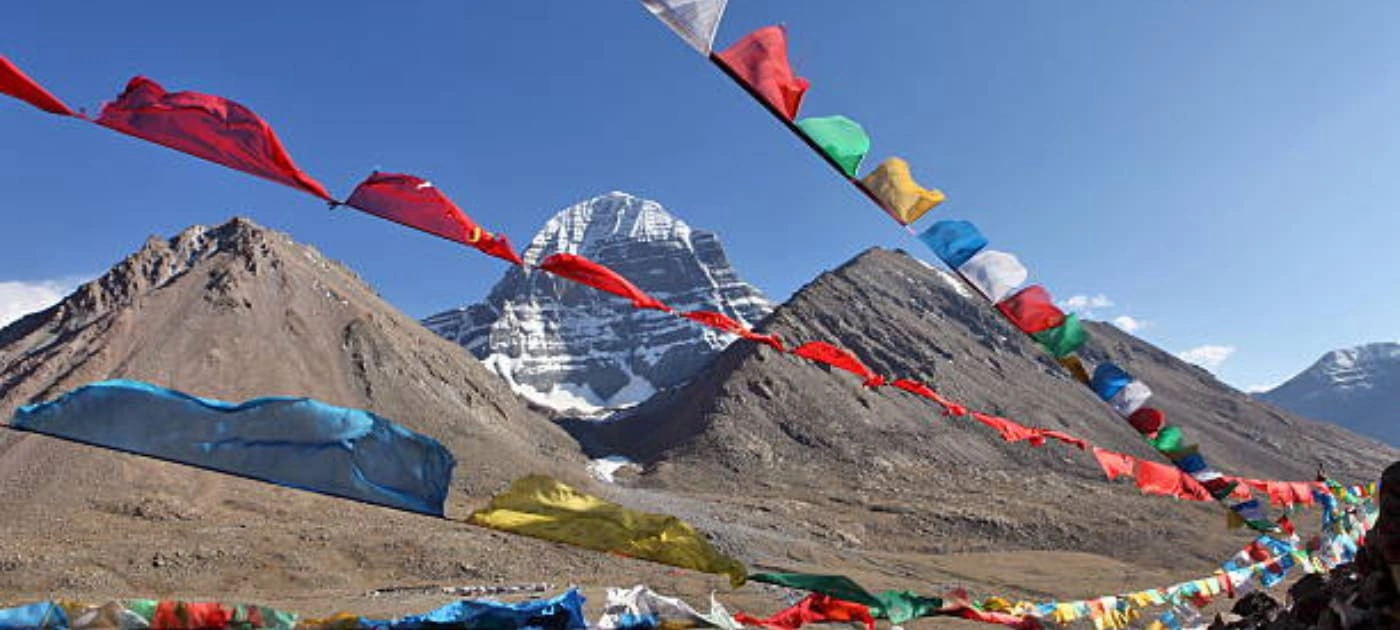
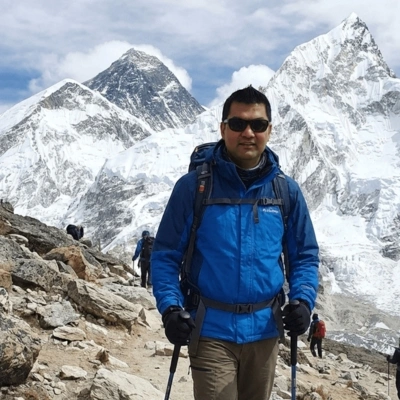
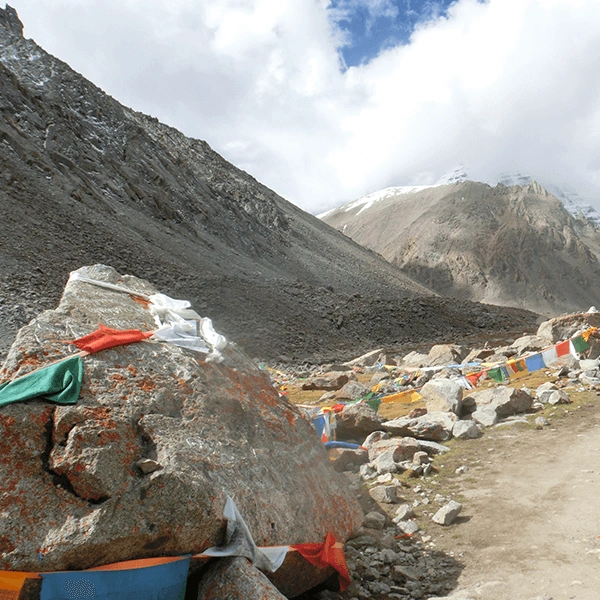
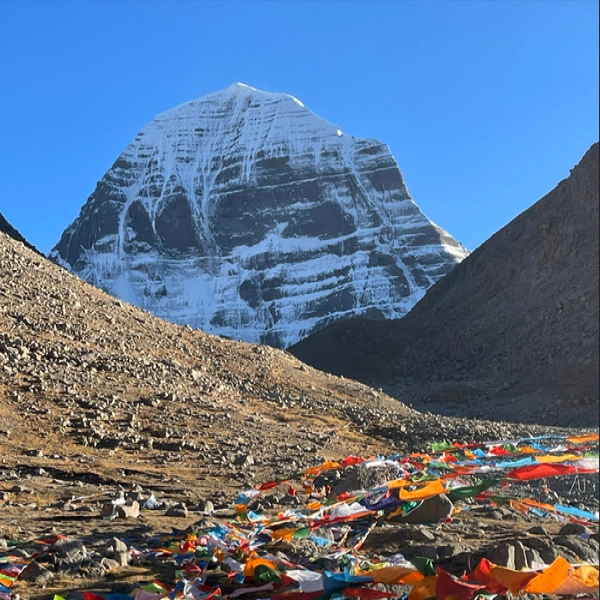
Walking at an altitude of 5630 m feels as if you are conquering a small mountain in any other part of the world! Yes, it is not like a hike or a gentle walk in a park. Rugged trail, high altitude, thin air, and a near- week-long continuous walk require lots of physical fitness and cardiovascular abilities. Therefore, it is important to consider training before the trek. How to train for the Kailash Mansarovar Yatra High Altitude Trek? We try to answer the question as honestly as possible in today’s blog. Well, the blog is prepared after a deep conversation with the trekking leaders, trekking guide, porters, trekkers, and locals.
Please note down that the journey of the Kailash Mansarovar Yatra is one of the toughest treks to do in the world. The major factor is the altitude risk, and the other one is the rugged trail where you need to walk for weeks. However, people choose to walk in such an environment out of respect for their religious beliefs and spiritual power!
Our team at the Holy Kailash Tours, you can surely get the best travel companion and authentic travel advice. Years of local knowledge and dedication to ensure 100% trip success make us one of the best travel companies to operate any kinds of trip for you. With us here, every penny that you spend can be returned wholeheartedly in the form of momentous tales.
The Altitude Profile Breakdown: Why Kailash (5,630m) Hits Differently Than Other Treks
"Kailash Mansarovar Yatra"
The Tibetan Plateau requires unique physiological difficulties. It is completely different from higher-elevation treks like the Everest Base Camp Trek and the Annapurna Circuit Trek. The journey of the Kailash Mansarovar Yatra starts above 4500 m at Darchen. The baseline air pressure is significantly lower in the place. Before you step on the route, you have to tackle the thin- air issue! The peak of the trek is the top of the Dolma La Pass, which is around 5630 m above sea level.
The sudden exposure to higher-elevation, thin-air conditions demands sustained aerobic output. Understanding this rapid compression of elevation is crucial and your training must prioritize high-altitude efficiency over simple distance-covering fitness. It’s truly crucial for a successful trek. So, our today’s blog, "How to train for the Kailash Mansarovar Yatra High Altitude Trek?” is important for you!
Cardiovascular Base Building to Tackle the Tibetan Plateau
High-intensity interval training is very good for higher-elevation treks like the Everest Base Camp Trekking in Nepal. However, it is not the case with the Kailash Mansarovar Yatra. It requires you to build an endurance base prioritizing low-intensity zone 2 cardio! This type of activities helps you to generate energy using less oxygen on long trail days.
Steep pushes require strong VO2, but you must spend 70% to 80% of your training volume on long and steady efforts. To simplify, this blogger suggests your activities like cycling, rowing, uphill hiking, swimming, and running. Make sure to start this regime at least one month prior to the trek. Ultimately, these activities will prepare you for the relentless, multi-hour, high-altitude trekking.
Leg Strength & Joint Resilience: Preparation for Steep Tibetan Descents
"Kailash Mansarovar Yatra"
Do you know that climbing uphill is safer for trekkers than trekking downhill? Yes, the majority of people think that trekking downhill or on a flat trail is easier than uphill climbing. They are wrong about this.
The mantra of trekking difficulty is to avoid unnecessary cramps during descending. During the journey of the Kailash Mansarovar Yatra, climbing Dolma La Pass (5630 m) tests your endurance. However, trekking downhill to Gauri Kunda destroys your unprepared joints. Therefore, your training must heavily emphasize strengthening your muscles.
While talking about how to train for the Kailash Mansarovar YatraHigh Altitude Trek, you should not ignore persistent training methods. Controlled step-downs, weighted goblet squats, and Romanian deadlifts build your resilience. Quadriceps, hamstrings, and knee tendons become strong after these exercises.
We need to protect our cartilage during extended downhill marches. Please prioritize stability over raw lifting power to ensure your legs endure thousands of impacts cycles without buckling.
Simulating Trail Conditions with Weighted Backpack Stair Climbs
Note down that your luggage may be carried by your porter, but you may have to carry your backpack. The usual-day backpack is around 3 to 4 kilograms. Therefore, simulating trail conditions with weighted backpack stair climbs is the best training method for a successful trek. Start by walking on a flat ground, which is a great start, but it cannot fully replicate the physical demand of carrying gear up the steep incline paths of the Kailash Yatratrail.
Begin carrying a daypack filled with around 4–8 kilograms over time and start walking public staircases or steep natural hills. This method teaches you to maintain a slow and rhythmic altitude step without hampering your heart rate.
Mastering Respiratory Techniques and Deep Breathing Exercises
"Kailash Mansarovar Yatra"
If you are thinking that the physical fitness level and cardiovascular ability are only enough, then you are wrong. Oxygen levels drop dramatically on the Tibetan Plateau. You need a controlled respiration to maintain energy and prevent excessive exhaustion. Shallow breathing leads to rapid fatigue. So, you must consciously retrain your lungs to perform deep belly breathing.
For this, practice inhaling deeply into your stomach for four seconds and exhaling slowly for four seconds. Utilize pressure breathing by blowing out through pursed lips to tackle steep uphill slopes. In fact, the technique is best to clear built-up carbon dioxide to let oxygen flow into your bloodstream.
Structuring Hydration Habits and Oxygen-Efficient Mountain Nutrition
Well, I have already mentioned above that a higher-elevation place has thin air, and it depletes your body of essential fluids. The body dehydrates easily through normal respiration. Dehydration is the biggest threat that leads to altitude sickness.
Therefore, proper fluid intake is vital. Train yourself months in an advance to consume at least 3 to 5 liters of water every day during your training sessions. Avoid greasy foods and focus toward complex carbohydrates like rice, whole grains, and oats.
Managing Acclimatization Rules and Altitude Sickness Prevention
Tackling fitness requirements is one thing, and handling altitude sickness risks is another thing. Therefore, this blogger wishes to give an idea about AMS (Acute Mountain Sickness) in the "How to Train for the Kailash Mansarovar Yatra High Altitude Trek?” blog.
Consult with your doctor before traveling. If possible, ask your doctor about taking preventive medicine like Acetazolamide to help you adjust to the demands of higher-elevation places. Listen to your trekking guide and maintain a uniform pace. Stay hydrated all the time and diligently follow acclimatization activities set on the itinerary.
Breaking in Trail Gear and Selecting Essential Clothing Layers
Wearing new equipment results in painful blisters directly on the trekking trip and is not highly recommended. Therefore, test your complete layering system, fleece jacket, trousers, and shoes before even starting the trek.
Get familiarized with your equipment and let your body know about it. Practice using two adjustable trekking poles and walk by wearing shoes on every practice session or hike to mold them to your feet.
Cultivating Mental Toughness and Embracing the Sacred Pilgrimage
Doing a Kailash Kora is definitely a religious choice. The motivation comes from within, but sheer willingness may not be enough to successfully complete the trek. Therefore, you must develop mental toughness. Be prepared for any kinds of sudden weather changes and situations.
If you are mentally prepared, then you can easily tackle the situation. Expect freezing temperature, unpredictable mountain weather conditions, basic accommodation, and physical tiredness. Meditate to build your core mental strength.
Always keep in your mind that the journey is about exploring the home of Lord Shiva. You touch the sacred places that are associated with Lord Shiva, Lord Vishnu, and Goddess Parvati, including Goddess Laxmi. Therefore, religious faith can help you become strong mentally and spiritually to complete the trek.
Post-Kora Recovery: Joint Rehabilitation and Systemic Inflammation Control
The physical consideration for the Kailash Mansarovar Yatra don’t end after the trek! Upon completion of your Kora, your body will be in high physical stress, and muscle fatigue is normal.
Therefore, post-kora recovery is very important. Yatri needs immediate post-trek recovery. Make sure to replenish your body with enough electrolytes, water, and anti-inflammatory nutrition.
Don’t do any kinds of intense physical exercise for about a week after returning to lower-elevation places. Choose a gentle walk in a park and light stretching. These activities help you to promote blood flow.
I hope that the blog titled "How to Train for the Kailash Mansarovar Yatra High Altitude Trek?” has helped you to prepare for the yatra. If not, you can always contact the travel planners or bloggers of Holy Kailash Tours Pvt. Ltd.
Our experts will help you to prepare a training regimen, from a 3-week plan to a 4-week plan! Furthermore, our experts will also help you to prepare a necessary dietary plan. Please follow our blog to learn more content like this!