Why Everest Base Camp Trek Is More Than Just a Hike
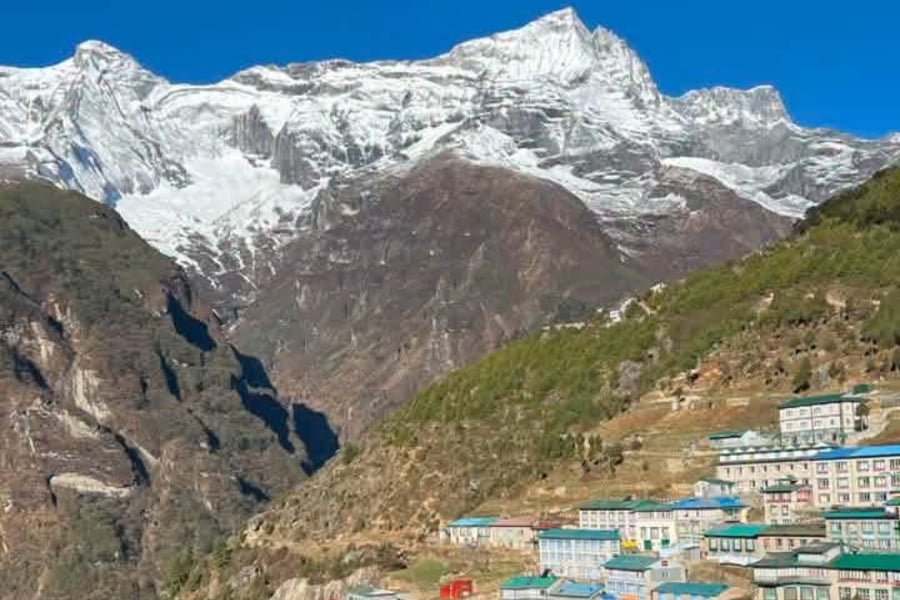
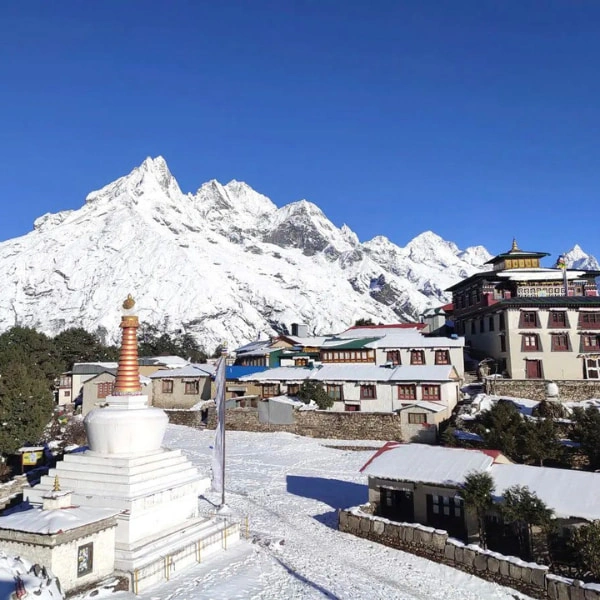
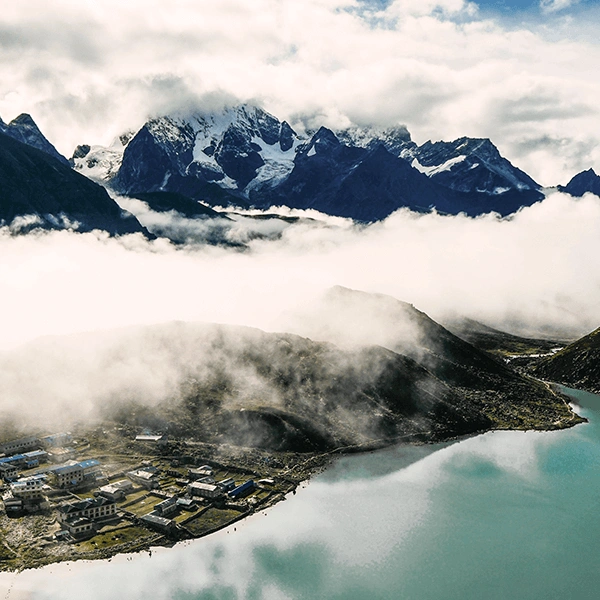
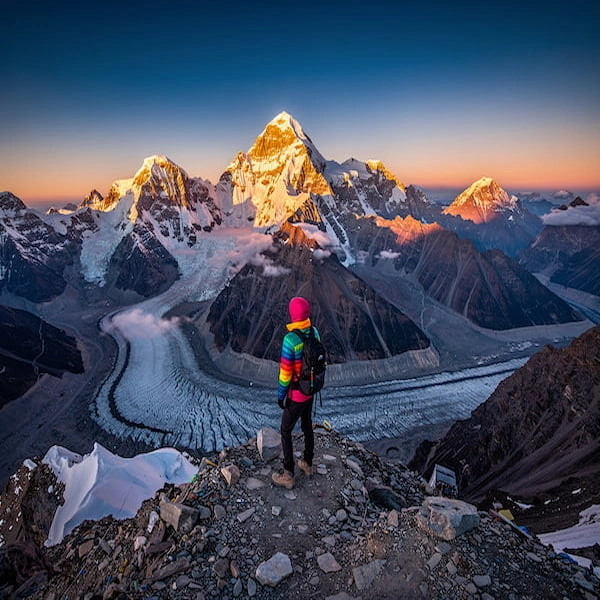
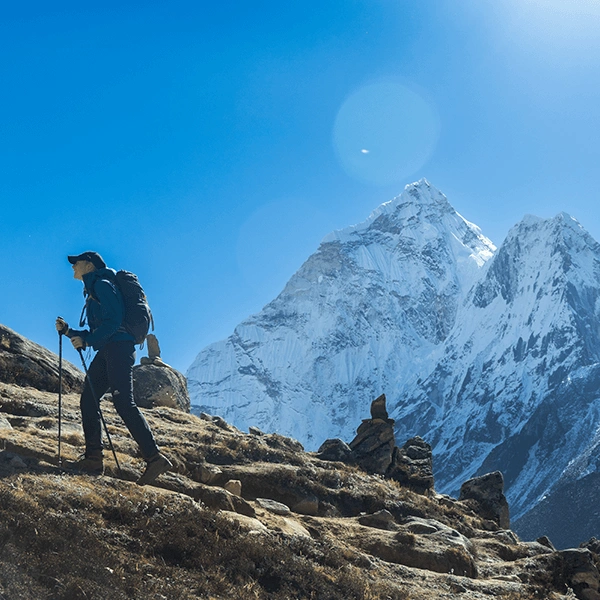
Everest Base Camp trek in Nepal isn't a peak climb. You never touch the summit of Mount Everest. What you get instead is two weeks inside the Khumbu, walking through Sherpa villages, past monasteries strung with prayer flags, alongside yaks carrying supplies up trails that haven't changed much in decades. The mountain is the draw, but the culture, the food, and the people you meet along the way are what most trekkers talk about when they get home.
Everest is also a trek with real stakes. You're going above 5,000 meters on foot, in a region with no roads, where a bad decision about pace or acclimatization has consequences. That combination, big reward and real risk, is exactly why it keeps pulling people back year after year.
Is the Everest Base Camp Trek Right for You?
Honestly, most healthy adults can do the Everest trek. You don't need mountaineering skills or technical climbing experience. What you do need is decent aerobic fitness, the patience to walk slowly at altitude, and a mindset that can handle basic teahouses, cold nights, and no reliable hot showers for two weeks.
It's not the right trip if you're looking for Everest base camp luxury, if you have a serious heart or lung condition your doctor hasn't cleared, or if you're on a tight schedule and can't absorb a weather delay. Flights to Lukla get cancelled. Trails get closed by snow. If your itinerary has zero buffer days, you're setting yourself up for stress instead of a Himalaya base camp trek you'll actually enjoy.
Best Time to Trek Everest Base Camp
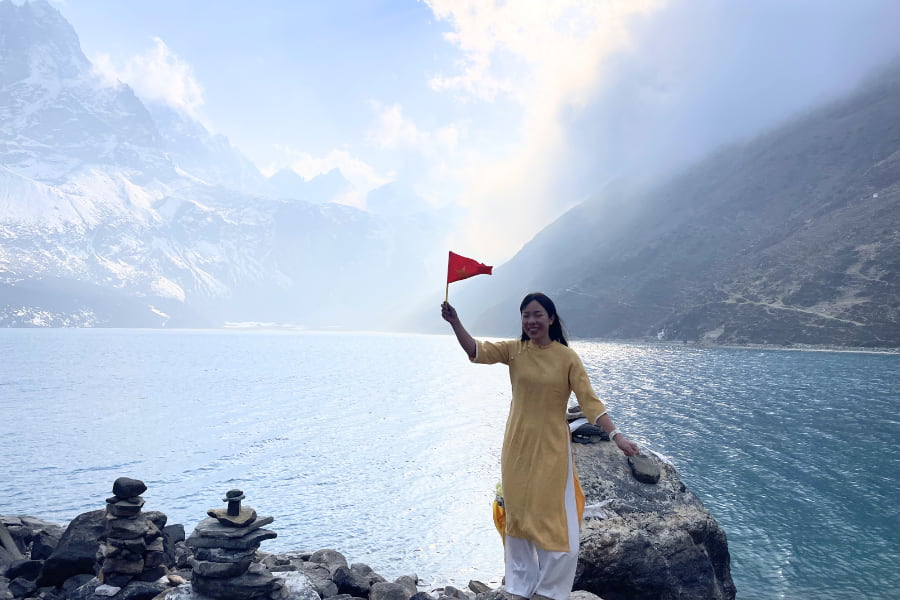
The best time to trek Everest Base Camp is spring, from March to May, or autumn, from late September to November. Both seasons bring stable weather, clear mountain views, and comfortable daytime temperatures on the lower trail. Autumn tends to have the clearest skies right after the monsoon washes the dust out of the air. Spring brings rhododendron blooms in the forests below Namche and slightly warmer nights.
Winter, December through February, is workable if you're prepared for serious cold and don't mind fewer trekkers on the trail. Many higher teahouses close, and night temperatures at Gorak Shep can drop well below freezing. Monsoon season, June through August, brings rain, leeches on the lower trail, and clouds that block the views you came for. We generally steer people away from a monsoon EBC trek unless flexibility isn't an issue.
Everest Base Camp Trek Difficulty Level
Everest Base Camp trek difficulty comes from altitude, not technical terrain. The trail itself is a well-marked footpath. No ropes, no scrambling, no ice axes. What makes it hard is walking six to seven hours a day, several days in a row, while your body is dealing with thinner air the higher you climb.
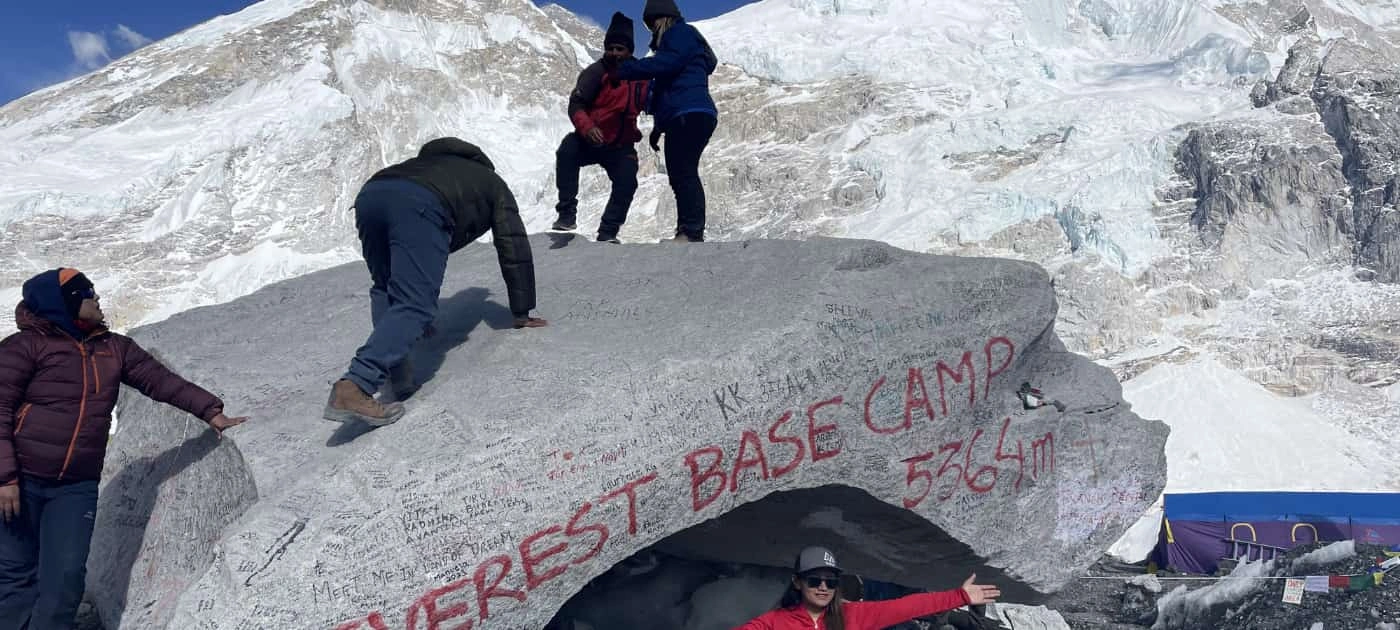
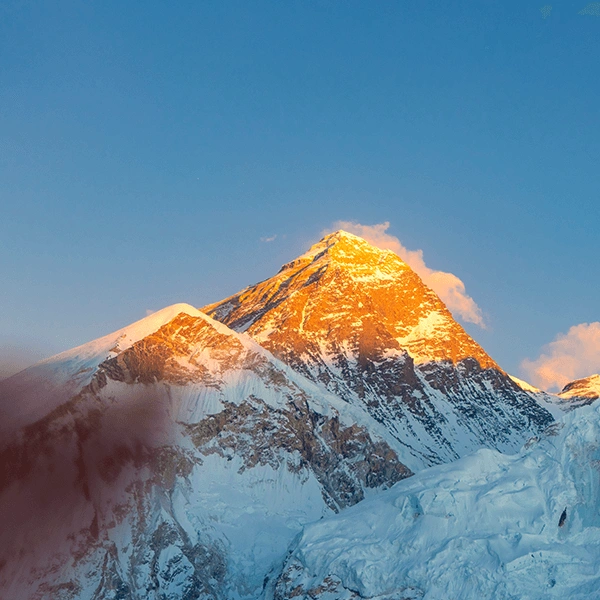
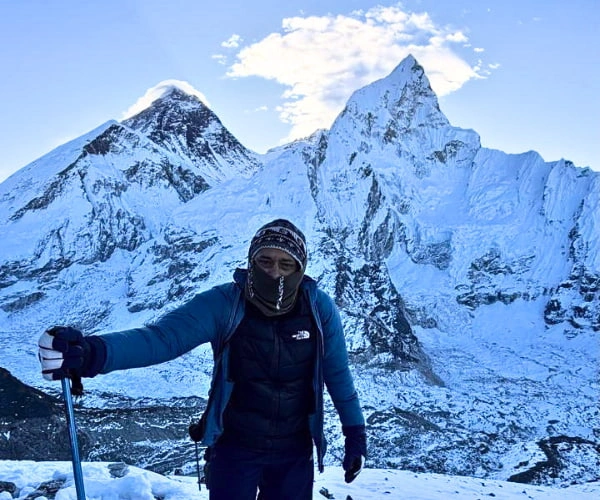
By the time you reach Everest Base Camp at 5,364 meters, you're breathing roughly half the oxygen you'd get at sea level. Kala Patthar, the viewpoint most trekkers add on for the best look at Everest's summit, is even higher at 5,644 meters. That's the real challenge of this route. Not the distance (roughly 130 kilometers round trip from Lukla), but the elevation gain stacked into it.
How to Prepare Physically for the Trek
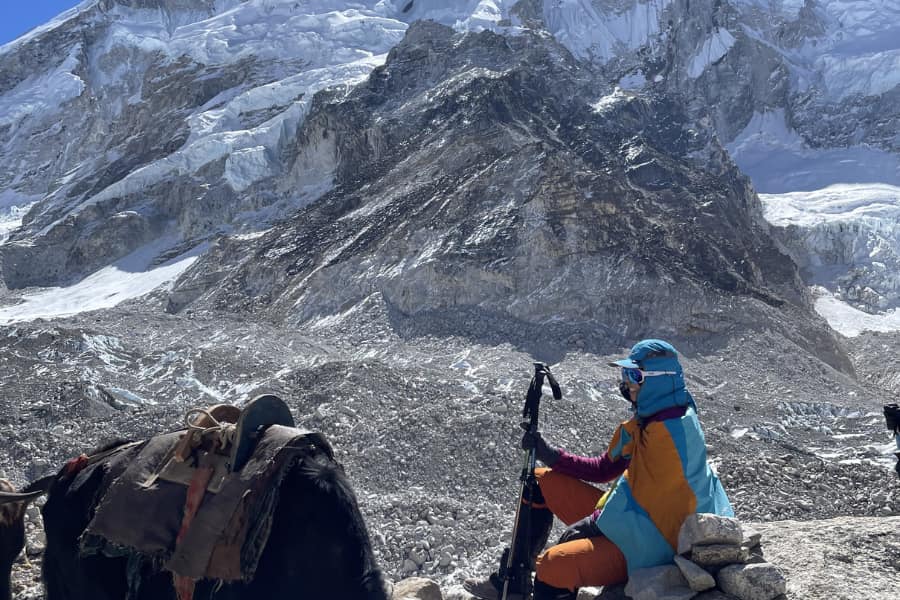
Everest Base Camp trek fitness doesn't mean training like an athlete. It means building a base of cardiovascular endurance months before you fly to Kathmandu. Start with regular hiking, running, or cycling, three to four times a week, and gradually add elevation and distance.
The single best thing you can do is practice hiking with a loaded daypack on hilly terrain. Your legs need to know what carrying five to seven kilograms uphill for hours feels like before you're doing it at 4,000 meters. Add some strength work for your legs and core, and don't skip rest days in your training plan. Overtraining right before the trek does more harm than good. If you've never hiked multiple consecutive days before, do a shorter warm-up trek first if you can.
Understanding Altitude Sickness and Prevention
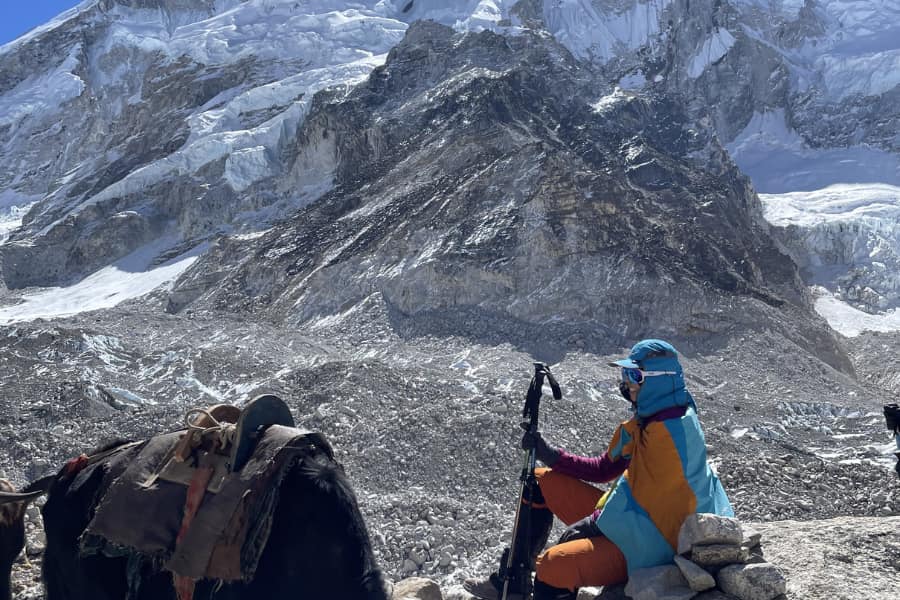
Everest Base Camp trek altitude sickness, or acute mountain sickness, is the single biggest reason trekkers turn back early. It has nothing to do with fitness level. Strong athletes get hit by it just as often as casual hikers. Above roughly 3,500 meters, mild symptoms like headache or breathlessness are common and usually normal.
The real danger is ascending faster than your body can adjust. The rule that actually works is simple: don't increase your sleeping altitude by more than 300 to 500 meters a day once you're above 3,000 meters, and build in acclimatization days, typically at Namche Bazaar and Dingboche.
Drink more water than feels necessary, avoid alcohol, and tell your guide the moment you feel off. A good guide has seen AMS before and knows when "I'll push through it" is the wrong call. This is one part of the trek where a rushed itinerary genuinely puts you at risk.
Everest Base Camp Trek Cost and Budget Guide
Everest Base Camp trek cost varies more than people expect, and the range causes real confusion when you're comparing quotes. A standard guided Everest Base Camp trek package, with permits, teahouse accommodation, meals, a licensed guide, a porter, and domestic flights included, typically runs between 1,300 and 2,000 US dollars per person.
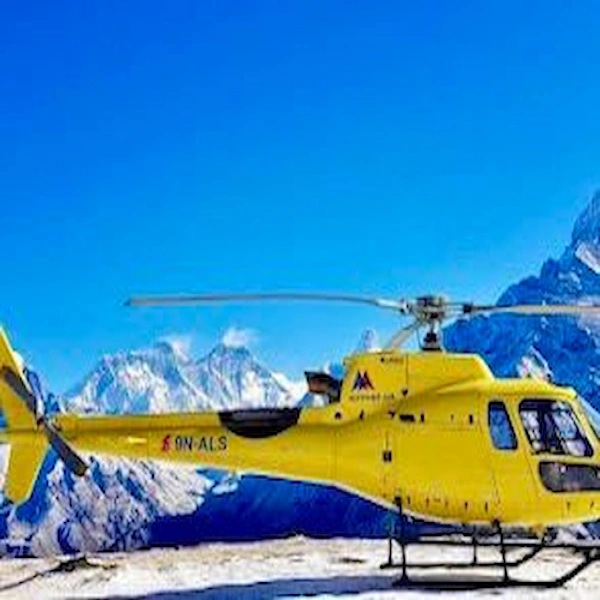
Budget independent setups can come in closer to 1,500 to 2,000 0dollars, though we'd be cautious about how thin that margin gets on safety support. Private and luxury versions, with upgraded lodges or an EBC with helicopter return, run from 3,500 dollars up past 5,500.
The Kathmandu (or Ramechhap) to Lukla flight is usually the single biggest line item after the guided package itself, often 200 to 260 dollars each way, and prices shift with the season.
Permits add roughly 40 to 50 dollars total. Budget separately for tips for your guide and porter, gear rental if you're not bringing your own, and extras on the trail like Wi-Fi, hot showers, and device charging, which get pricier the higher you climb.
When you look at an Everest Base Camp trek price from any agency, ask exactly what's included before you compare it to another quote. The cheapest number on the page isn't always the cheapest trip once you're standing in Lukla.
Choosing the Best Everest Base Camp Trek Itinerary
The Everest Base Camp trek itinerary you pick affects your safety more than your comfort. A 12-day itinerary is the shortest practical option and works for trekkers with limited time and solid fitness, but it leaves little room for a weather delay or an extra acclimatization day.
A 14-day itinerary is the most common and, in our experience at Holy Kailash Tours, the best balance of safety and cost for most people. It builds in acclimatization days at Namche and Dingboche without stretching the trip unnecessarily.
A 16-day version adds buffer days around the Lukla flights and a slower pace overall, which suits older trekkers or anyone nervous about the altitude. Whichever length you choose, look closely at the Everest Base Camp trek map and route before booking.
Every legitimate itinerary follows the same core path through Phakding, Namche Bazaar, Tengboche, Dingboche, Lobuche, and Gorak Shep. If an operator's itinerary skips acclimatization days to shave off a day or two, that's a red flag, not a bonus.
Essential Packing List for Everest Base Camp
Having the right equipment is a must to have a safe and comfortable Everest Base Camp Trek. The weather in the Himalayas can be unpredictable at times; having quality equipment and clothing will ensure you remain warm, dry, and comfortable, whatever the weather.
- Valid passport and required trekking permits
- Travel insurance documents
- Trekking backpack (30 to 40 liters)
- Duffel bag (if provided by your trekking company)
- Waterproof backpack cover
- Comfortable trekking boots (well broken in)
- Lightweight camp shoes or sandals
- Moisture-wicking base layers
- Fleece jacket or insulated mid layer
- Down jacket for cold temperatures
- Waterproof and windproof outer jacket
- Waterproof trekking pants
- Thermal underwear
- Quick-dry trekking shirts
- Trekking pants and shorts
- Warm hat or beanie
- Sun hat or cap
- Buff or neck gaiter
- Warm gloves and waterproof outer gloves
- Wool or synthetic trekking socks (4 to 6 pairs)
- Sunglasses with UV protection
- Sleeping bag rated for subzero temperatures
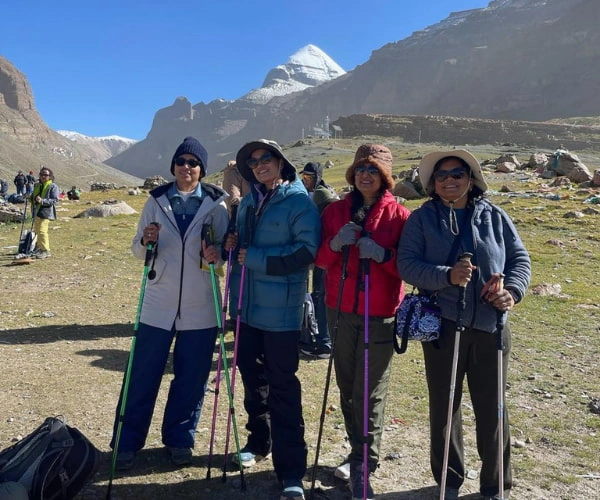
- Trekking poles
- Headlamp with extra batteries
- Reusable water bottles or hydration bladder
- Water purification tablets or water filter
- Sunscreen (SPF 50+)
- Lip balm with SPF
- Personal first aid kit
- Prescription medications
- Diamox (after consulting your doctor)
- Hand sanitizer and wet wipes
- Toothbrush, toothpaste, and toiletries
- Quick-dry towel
- Power bank
- Charging cables and universal adapter
- Camera or smartphone
- Snacks such as energy bars, nuts, and dried fruits
- Cash in Nepalese Rupees for personal expenses
- Lightweight rain poncho (recommended during shoulder seasons)
Tip: Holy Kailash Tours suggests traveling light, keeping the required gear in the pack. Pack weight should be around 10- 15 kg for most of the trekkers.
Permits Required for the Everest Base Camp Trek
Everest Base Camp trek permits come down to two documents. The Sagarmatha National Park Entry Permit costs around 3,000 Nepali rupees, roughly 23 to 25 US dollars, and covers your entry into the protected park area. The Khumbu Pasang Lhamu Rural Municipality Permit costs a similar amount and funds local infrastructure in the villages you'll pass through. Together, they run close to 6,000 rupees, or about 45 dollars per person.
The TIMS card, which used to be required for all trekkers, is no longer needed on the standard Lukla to Everest Base Camp route. It was replaced by the municipality permit. One rule that has changed and matters more: since 2023, the Nepali government requires every trekker in the Everest region to hire a licensed guide.
Solo, unguided trekking on this route isn't permitted anymore. Bring your passport and a few passport photos, and keep your permits somewhere waterproof and easy to reach for checkpoint stops along the trail.
Lukla Flights: What Every Trekker Should Know
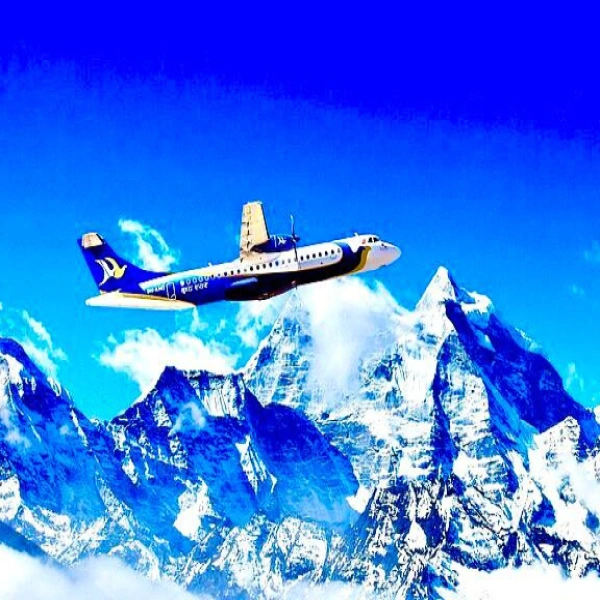
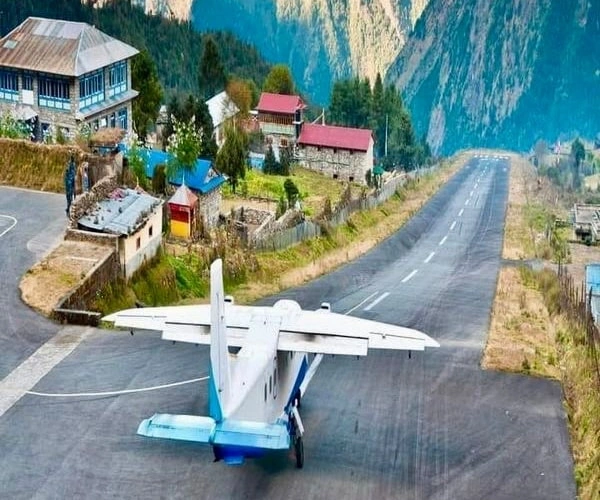
The flight to Lukla is part of the story before you even start walking. During peak spring and autumn seasons, flights are often diverted away from Kathmandu's main airport to Manthali Airport near Ramechhap, about four to five hours away by road. You'll usually leave your Kathmandu hotel around 1 to 2 in the morning, drive through the night, and catch a short 15 to 20 minute flight into Lukla from there.
It sounds like a hassle, and it adds an early wake-up call, but it actually improves reliability. Manthali has less air traffic and a better morning weather window than Kathmandu. Tenzing-Hillary Airport in Lukla has a short, sloped runway and depends entirely on clear visibility, so delays happen even with the best planning.
Book your international flight home with two or three spare days after your trek ends. A single weather delay on the return flight can eat a full day, and you don't want that colliding with your flight out of Nepal.
Accommodation and Food on the Everest Trail
You'll sleep in teahouses the entire way, simple guesthouses run by local families with a shared dining room, basic rooms, and blankets that get thinner the higher you climb (bring your own sleeping bag rated for at least minus 15 degrees Celsius). Rooms are basic by design, not by accident. This is a working trail, not a resort circuit.
Everest Base Camp trek food is heartier than people expect. Dal bhat, the Nepali staple of rice, lentils, and vegetables, is the best value and the most reliable choice at altitude, and most lodges offer free refills. You'll also find pasta, fried rice, soups, and the famous Sherpa stew. Prices rise the higher you go, since everything above Lukla arrives by yak or porter. Bottled water gets expensive and creates plastic waste on the trail, so bring a water purification method instead and refill from lodges.
Sherpa Culture and Local Traditions
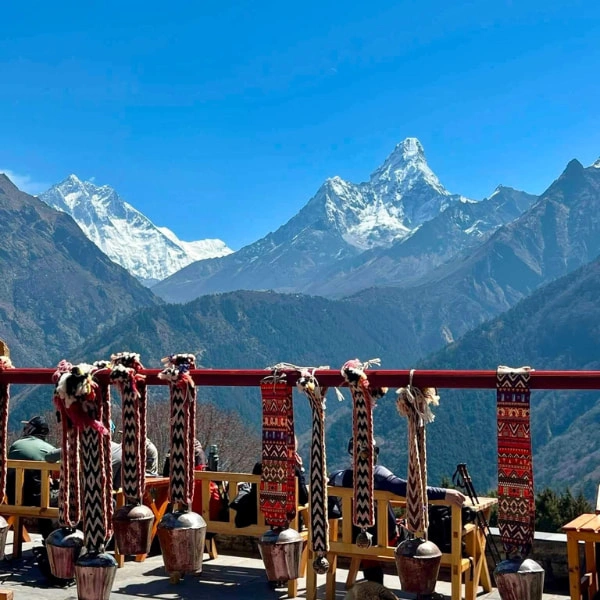
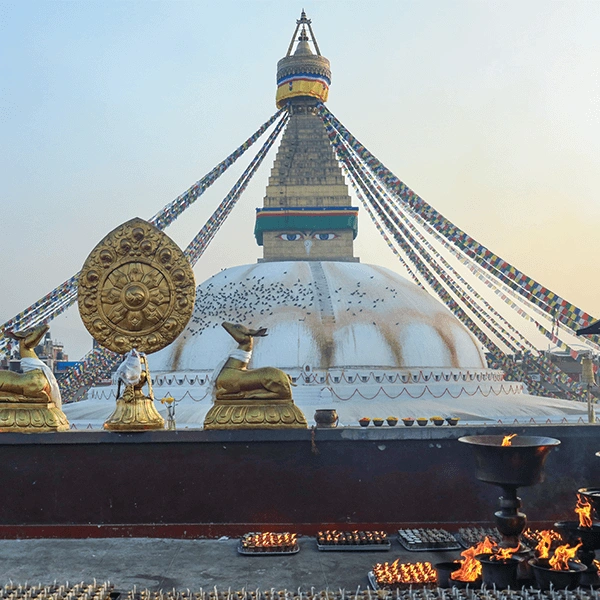
The Khumbu is Sherpa homeland, and that culture shapes everything about this trek, from the architecture of the monasteries to the prayer wheels you'll pass on the trail. Tengboche Monastery, the largest in the region, is worth the time it takes to visit, especially if your schedule allows an evening prayer ceremony.
Simple habits matter here. Walk clockwise around mani stones and prayer wheels, ask before photographing people or ceremonies, and remove your shoes when you enter a monastery. Sherpas have guided climbers on Everest since the earliest expeditions, and that history of skill and hospitality is part of what makes this trek feel different from other Himalayan routes.
Internet, Charging, and Communication on the Trek
Most teahouses now offer Wi-Fi for a small daily fee, usually a few dollars, and it gets slower and less reliable the higher you climb. An Everest Link data card, bought in Namche or Lukla, is a more dependable option if you need to stay in touch or post updates.
Charging your phone or camera battery costs extra at almost every lodge above Lukla, priced per device or per hour. Bring a power bank and a couple of spare batteries if you're carrying a camera, and don't count on fast charging anywhere on the trail. Cell signal from Nepali providers like NTC works in patches along parts of the route, mainly near larger villages.
Solo Trek vs Guided Everest Base Camp Trek
This used to be a real choice. It isn't anymore. Since April 2023, Nepal requires a licensed guide for anyone trekking in the Everest region, so an Everest Base Camp trek with a guide is now the only legal option on this route.
Honestly, even before the rule changed, we'd have recommended it. A good guide reads altitude symptoms before they turn serious, handles permit checkpoints, and knows which teahouse actually has hot water tonight.
Porters are optional but worth the modest daily cost if you want to enjoy the scenery instead of your own backpack straps. If budget is tight, a guide with no porter is a reasonable middle ground.
Common Mistakes First-Time Trekkers Make
The most common mistake is booking too short an itinerary and skipping acclimatization days to save money or time. Close behind that is overpacking. New trekkers show up with duffel bags built for a month-long expedition and then pay porters to carry gear they never use.
People also underestimate the Everest Base Camp trek packing list basics: a proper down jacket, a sleeping bag rated for real cold, broken-in boots (never new ones straight out of the box), and layers you can add or remove as the day heats up and cools down fast. Another mistake worth naming directly: pushing through altitude symptoms instead of telling your guide. Pride has ended more than a few treks early at Dingboche.
Safety Tips for a Successful Everest Base Camp Trek
Everest Base Camp trek safety comes down to pace, hydration, and honesty about how you're feeling. Walk slower than you think you need to, especially above Namche. Drink three to four liters of water a day. Eat enough, even when appetite drops at altitude, which it will.
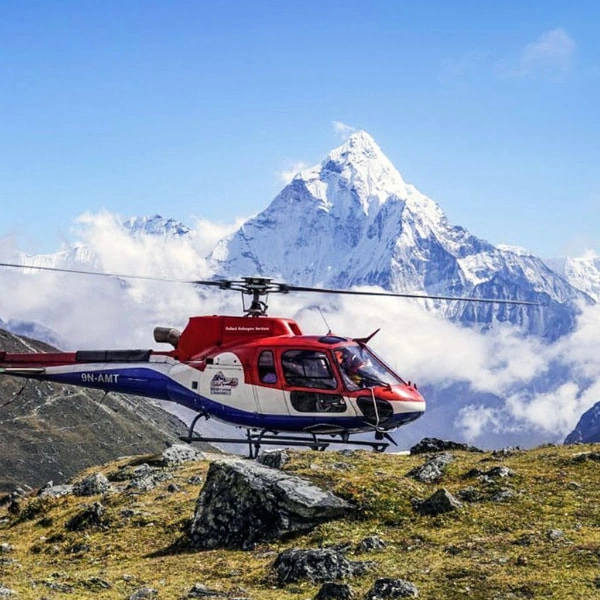
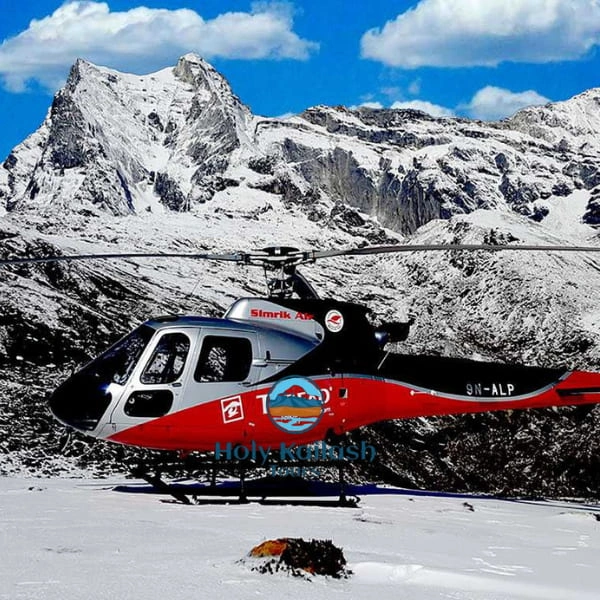
Carry a basic first aid kit with blister care, altitude medication if your doctor has approved it, and water purification tablets as backup. Check in with your guide daily about symptoms, and take a scheduled acclimatization day seriously instead of treating it as a day you could skip. If a helicopter evacuation is ever recommended, don't argue with it. That call is being made for a reason.
How Long Does the Everest Base Camp Trek Take?
Most Everest Base Camp trek itineraries run 12 to 14 days on the trail, plus two to three days in Kathmandu on either end for arrival, permits, and buffer against a Lukla flight delay. Add it up, and you're looking at roughly two and a half to three weeks total for the trip.
The walking itself covers about 130 kilometers round trip, but distance isn't really what sets the pace here. Altitude does. Every itinerary, no matter how it's packaged, needs to slow down through the same stretch between Namche and Base Camp to give your body time to adjust.
Why Travel Insurance Is Essential
This isn't optional, and any guide who tells you otherwise is wrong. You need travel insurance that specifically covers high-altitude trekking up to at least 6,000 meters and includes helicopter evacuation. Standard travel insurance policies often exclude trekking above 3,000 or 4,000 meters, which means a policy that looks fine on paper might not pay out exactly when you need it most.
A helicopter evacuation from the Khumbu can cost several thousand dollars out of pocket without coverage. Read the policy details before you buy, not after you're already on the trail wondering if you're covered. At Holy Kailash Tours, checking a client's insurance coverage is part of our standard pre-trek process, because we've seen what happens when it's skipped.
FAQs About Everest Base Camp Trek
Do I need prior trekking experience for Everest Base Camp?
No. Prior high-altitude experience helps, but it isn't required. Good aerobic fitness and a slow, patient pace matter more than a resume of past treks.
What is the Everest Base Camp trek cost for a standard package?
Most trekkers pay between 1,300 and 2,000 US dollars for a full guided package that includes permits, flights, meals, teahouse stays, a guide, and a porter.
Is the Everest Base Camp trek dangerous?
The terrain itself is low risk. Altitude is the real hazard. With a sensible itinerary, proper acclimatization days, and a guide who takes symptoms seriously, the vast majority of trekkers reach base camp safely.
Can I do the Everest Base Camp trek without a guide?
No. Since 2023, Nepal requires a licensed guide for all trekkers in the Everest region.
What's the best month to trek Everest Base Camp?
Late September through November and March through May give you the clearest skies and the most stable weather.
How fit do I need to be?
You should be able to walk five to seven hours a day, several days in a row, on hilly terrain. A few months of regular cardio training beforehand makes a real difference.
Ready to see it for yourself?
Holy Kailash Tours builds Everest Base Camp trek itineraries around your fitness level, your dates, and your budget, with permits, guides, and Lukla flights handled from the first day to the last. Reach out, and we'll build the trip around you, not the other way around.
Written by the Holy Kailash Tours travel desk, Essential facts before trekking Everest Base Camp: A Life-Changing Trekking Experience
Email: [email protected]
Author: Ram Sharan Adhikari
WhatsApp: +977-9851254672 — Feel free to reach out anytime for fast, friendly, and personalized assistance.